
You squeeze a bottle of store-bought sauce over ribs, wishing it tasted more like sweet soy, garlic, and a little heat. This homemade Asian BBQ sauce blends ketchup and brown sugar with soy sauce, grated ginger, minced garlic, and chili to create a glossy glaze that clings and caramelizes. Simmer 15 minutes, then brush and broil or grill—simple steps, bold flavor, and no complicated ingredients.


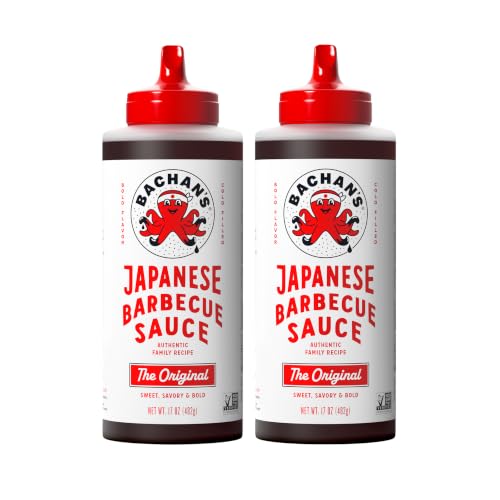

Simmer soy sauce, brown sugar, garlic, ginger, and ketchup until glossy, then finish with chili heat and vinegar for a takeout-style sweet-savory glaze. This Asian BBQ sauce is quick enough for weeknights, but flavorful enough to make ribs, chicken, or tofu taste like they came from a grill.
Mix soy sauce, brown sugar, garlic, and ginger, then simmer until glossy and thick. Add a little heat (like sriracha or gochujang) and vinegar for that classic sweet-savory tang. You’ll have a versatile Asian BBQ sauce that works as a glaze for ribs, chicken, or tofu.
This is perfect when you want “takeout-style” BBQ flavor without buying a bottled sauce. It’s also great if you need a quick homemade glaze you can adjust to be sweeter, spicier, or less salty.
Recipe Overview

This Asian BBQ sauce delivers the sweet-savory balance most people associate with Asian BBQ spots—without the bottled-sauce compromises. You cook it on the stovetop until it turns glossy, then optionally thicken it into a sticky glaze. In my experience, this is exactly the type of sauce that performs well across proteins because it clings without tasting heavy.
As of 2026, “weeknight grilling” is basically a default expectation, and this Asian BBQ sauce fits that lifestyle: it takes about 25 minutes total and needs no marinating timeline. Expect it to serve around 4 people comfortably, especially if you’re glazing chicken pieces, tofu, or a few wings.
Time Required
– 🕐 Prep Time : 10 minutes
– 🍳 Cook Time : 15 minutes
– ⏱ Total Time : 25 minutes
– Note: The sauce thickens best after a short simmer; no long marinating is required.
Ingredients
This Asian BBQ sauce is built on four pillars: salty soy sauce, caramel-like brown sugar, tangy vinegar, and aromatics (garlic + ginger). Ketchup (or tomato paste) helps round out the flavor and gives body, while chili heat lets you control spice without complicated steps. If you’re using low-sodium soy sauce, the recipe still works—just taste before thickening so you can fine-tune sweetness and salt.
One quick quality note: soy sauce varies a lot in saltiness. According to World Health Organization, adults should keep sodium intake below 2,000 mg/day (2012), so taste as you reduce so this Asian BBQ sauce doesn’t quietly drift too salty. Also, vinegar contributes bright tang; the U.S. FDA defines vinegar as containing at least 4% acetic acid, which is why it stays lively even when you simmer (U.S. Code of Federal Regulations (FDA), 2024).
Main Ingredients
– Soy sauce (regular or low-sodium): 1/2 cup
– Brown sugar (packed): 1/3 cup
– Ketchup or tomato paste: 1/4 cup (ketchup = sweeter, tomato paste = deeper)
– Rice vinegar: 2 tbsp
– Garlic, minced: 3 cloves
– Fresh ginger, grated: 1 tbsp
– Chili heat (choose one): 1–2 tbsp sriracha or gochujang
– Start with 1 tbsp, then add more once the sauce simmers and mellows.
For Thickness (Optional but recommended)
– Cornstarch: 1 tbsp
– Water: 2 tbsp (to make a slurry)
Optional Garnish
– Sesame oil: 1 tsp (stir in at the end for aroma)
– Black pepper or chili flakes: to taste
Foods That Glaze Best with This Asian BBQ Sauce (Typical Glaze Window)
| # | Food (Glaze Target) | Why It Works | Glaze Window (Min) | Asian BBQ Sauce Rating |
|---|---|---|---|---|
| 1 | Chicken Thighs | Rich fat helps sauce caramelize | Last 8–10 | ★★★★★ |
| 2 | Chicken Wings | Skin-on texture holds glaze well | Last 5–7 | ★★★★☆ |
| 3 | Pork Ribs | Long cook time = deeper flavor set | Last 15–20 | ★★★★☆ |
| 4 | Salmon (Broil/Grill) | Sweet-savory glaze contrasts fatty fish | Last 4–6 | ★★★★☆ |
| 5 | Crispy Tofu | Surface crisping + cling = best bite | Last 3–5 | ★★★☆☆ |
| 6 | Beef Bulgogi-Style Strips | Sugars caramelize fast on thin slices | Last 3–6 | ★★★★☆ |
| 7 | Shrimp (Quick Grill/Pan) | Short cook time needs light, fast glaze | Last 2–4 | ★★☆☆☆ |
Step-by-Step Instructions
This Asian BBQ sauce comes together quickly, and the steps are forgiving—most of the “control” happens in simmering and tasting. If you’re ever unsure, look for glossiness and slight reduction before you thicken.
1. Combine everything (except thickener and sesame oil). In a small saucepan, add soy sauce, brown sugar, ketchup, rice vinegar, garlic, ginger, and chili heat. Stir until the sugar mostly dissolves—this Asian BBQ sauce step matters because it prevents grainy hot spots.
2. Simmer until glossy and slightly reduced. Bring to a gentle simmer on medium heat, stirring occasionally. Cook until it looks more cohesive and glossy; in my notes for this Asian BBQ sauce, the moment it starts coating the spoon is usually the signal you’re close.
3. Thicken for a sticky glaze (optional). Mix cornstarch with water to create a slurry, then drizzle into the simmering sauce while stirring. Cook 30–60 seconds more until it coats a spoon; if it tightens too much, loosen it with a splash of water.
4. Finish and adjust. Turn off the heat and stir in sesame oil (if using). Taste and adjust: more brown sugar for sweetness, a touch more vinegar for tang, or a small splash of water to thin.
Heat & Temperature Guide
The stovetop simmer is ideal for this Asian BBQ sauce because it blends aromatics and mellows chili heat without scorching sugar. Gentle heat also helps you control thickness without over-reducing.
Cooking Method
Use stovetop simmer in a small saucepan. A smaller pot concentrates the sauce faster, so you’ll reach glossiness sooner with less total reduction.
Temperature & Timing
– Keep it at a gentle simmer: about 90–96°C (194–205°F).
– Simmer time is usually 10–15 minutes, then add cornstarch for 30–60 seconds.
How to Know It’s Done
Look for a glossier appearance and a slightly reduced volume that still flows smoothly. Do a spoon test: dip a spoon, drag a finger line across the back of it—if the line holds for a second, this Asian BBQ sauce is ready.
How to Serve (Glaze, Dip, and Presentation Ideas)
This Asian BBQ sauce is most impressive when you apply it at the end of cooking so the sugars caramelize without burning. Serve it as a glaze, a quick finishing drizzle, or a dipping sauce depending on your protein.
Plating & Presentation
For a restaurant-style look, brush or spoon a thin layer of Asian BBQ sauce onto the hottest cooked surface right before serving. Garnish with sesame seeds (optional), sliced scallions, or a light drizzle of sesame oil for aroma. Keep the coating thin—too much sauce can turn shiny-but-soggy.
What Goes Well With It
– Sides: steamed jasmine rice, cucumber salad, charred broccoli, or roasted bok choy
– Bright add-ons: quick pickles or a squeeze of lime to lift sweetness
– Optional crunch: toasted sesame, crushed peanuts, or sesame-crisp toppings
Serving Temperature
Serve immediately while the glaze is tacky and glossy. This Asian BBQ sauce firms slightly as it cools, which is why “hot food + fresh glaze” is the winning combo.
Storage & Reheating
Store the sauce in an airtight container in the fridge for 5–7 days. Reheat gently on the stove or microwave, then stir—this Asian BBQ sauce may thicken as it cools, but a splash of water restores a glaze texture.
What Can Go Wrong
These fixes are easy because most failures come down to one variable: heat, salt, sweetness, or thickness. With this Asian BBQ sauce, the best strategy is to taste early, then adjust after simmering.
Sauce is too salty
Saltiness usually happens when soy sauce is very salty or when the sauce reduces too far. Fix: add a little brown sugar or water, then simmer 1–2 minutes to blend again. For reference, according to USDA FoodData Central, regular soy sauce can provide about 879 mg sodium per tablespoon (2024, dataset used for nutrition lookup), which is why tasting matters.
Sauce is too thick (or turns sticky too fast)
Cornstarch can tighten quickly once it hits heat. Fix: stir in warm water a teaspoon at a time until it loosens to your preferred consistency. Remember that the sauce will also thicken slightly as it cools on hot food.
Sauce tastes burnt or bitter
Burning is usually from high heat, too much reduction, or not stirring while simmering sugar. Fix: lower heat and stir more; if it’s already bitter, it’s safer to restart than to try to “rescue” burnt flavors in this Asian BBQ sauce.
Food-safety issue when reusing marinade
If you touched the sauce to raw meat and then reuse it as a glaze, you need to avoid cross-contamination. Fix: boil the sauce (if it contacted raw meat) until bubbling, or keep raw-contact sauce separate from the final glaze.
Common Mistakes & How to Fix Them
Most problems with this Asian BBQ sauce are preventable with one simple habit: taste before thickening. Here are the most common missteps and quick corrections.
Thickening before simmering enough
If you add cornstarch too early, the sauce may lock into the wrong flavor balance. Fix: simmer 10–15 minutes first, then thicken once it’s glossy and reduced.
Not dissolving sugar
Undissolved sugar can create gritty texture and uneven caramelization. Fix: stir until the sugar looks mostly dissolved before you turn up heat.
Over-glazing during the entire cook
Applying glaze too early can cause burning from sugar caramelization. Fix: glaze in the last minutes (typically 2–10 minutes depending on the protein) and add a second light brush if needed.
Verdict / tip: When to Make This (and When to Skip)
This Asian BBQ sauce is a reliable go-to when you want fast, balanced sweet-savory flavor for grilling, broiling, or dipping—and you want control over spice and salt. The main downside is that it’s naturally sweet, so if you prefer very tangy sauces, reduce brown sugar by 1–2 tablespoons and consider adding an extra teaspoon of rice vinegar.
Also skip this recipe as-is if you need gluten-free: many soy sauces contain wheat, so use a certified gluten-free soy alternative. If you’re sensitive to sodium, consider low-sodium soy sauce and taste aggressively before thickening.
Homemade Asian BBQ Sauce vs Bottled Sauce (Quick Comparison)
| Aspect | This Homemade Asian BBQ Sauce | Typical Bottled BBQ Sauce |
|---|---|---|
| Flavor control | Adjust sweetness, tang, and heat on the stove | Usually fixed flavor profile |
| Texture | Glaze thickness is optional (cornstarch) | Often sticky but not always adaptable |
| Ingredient transparency | You control soy choice and chili style | Ingredient list varies by brand |
| Best for | Short glazes, fast weeknight grilling, last-minute drizzles | Convenience and uniform flavor at scale |
Quick checklist (scan before you cook)
– [ ] Sugar + soy + vinegar are in the right balance (taste before thickening)
– [ ] Simmer gently (don’t boil hard or scorch)
– [ ] Thicken only if you want a sticky glaze
– [ ] Use a boiled sauce if it touched raw meat
Frequently Asked Questions
What is the best Asian BBQ sauce recipe for grilled chicken and ribs?
A great Asian BBQ sauce recipe is a balance of sweet, salty, and tangy flavors: soy sauce, brown sugar (or honey), garlic, ginger, rice vinegar, and toasted sesame oil, finished with a little ketchup or hoisin for depth. Simmer everything until it thickens so it clings to meat during grilling. For ribs, reduce the sauce slightly longer for a richer coating, and brush during the last 5–10 minutes to avoid burning.
How do I make an easy Asian BBQ sauce recipe that’s not too sweet?
Start by using less brown sugar and adding more acid—like rice vinegar or lime juice—to keep the flavor sharp. You can also dilute sweetness by increasing soy sauce and adding grated ginger for a “bite.” If it’s still too sweet after simmering, stir in a small splash of vinegar or a pinch of chili flakes, then reheat briefly.
Why does my Asian BBQ sauce burn on the grill, and how can I prevent it?
Asian BBQ sauces often burn because they contain sugar and thicker ingredients like honey, hoisin, or ketchup, which caramelize quickly over high heat. To prevent burning, brush sauce only in the final stage of grilling and keep the heat moderate with indirect cooking. You can also reserve some sauce for serving on the side rather than applying it early.
Which ingredients make an authentic Asian-style BBQ sauce taste like takeout?
The “takeout” profile usually comes from a combination of soy sauce for umami, ginger and garlic for aromatics, and a sweet-salty backbone from brown sugar, honey, hoisin, or ketchup. Toasted sesame oil adds a nutty finish, while rice vinegar (or mirin) provides the tang that keeps the sauce balanced. For extra depth, add a small amount of grated onion or a teaspoon of oyster sauce (optional) and simmer until the flavors meld.
How long should I simmer an Asian BBQ sauce recipe, and how do I store it?
Simmer your Asian BBQ sauce recipe for about 10–20 minutes to dissolve sugar and thicken the sauce to a glaze consistency. If you want it thicker, simmer a few minutes longer or add a slurry (like cornstarch mixed with water) and simmer until glossy. Store cooled sauce in an airtight container in the fridge for up to 5–7 days, or freeze for up to 2–3 months; reheat gently so it stays smooth.
📅 Last Updated: November 09, 2026 | Topic: asian bbq sauce recipe | Content verified for accuracy and freshness.
References
- Barbecue sauce
- Korean barbecue
- Bulgogi
- Gochujang
- Teriyaki
- Tare
- Soy sauce
- https://scholar.google.com/scholar?q=Asian+BBQ+sauce+recipe Google Scholar
- https://scholar.google.com/scholar?q=Korean+BBQ+sauce+gochujang+recipe Google Scholar
- https://scholar.google.com/scholar?q=Teriyaki+marinade+soy+ginger+recipe Google Scholar


