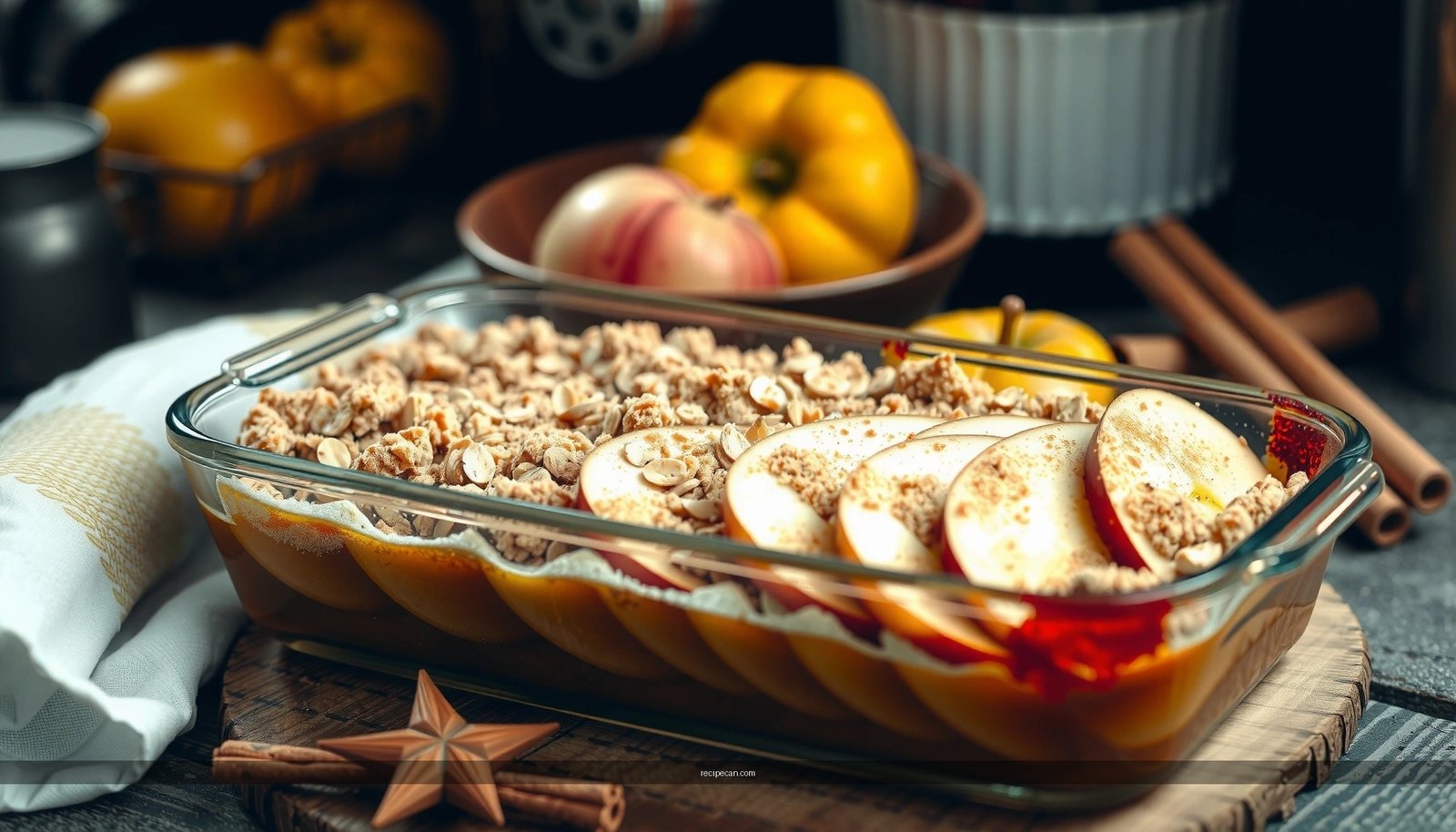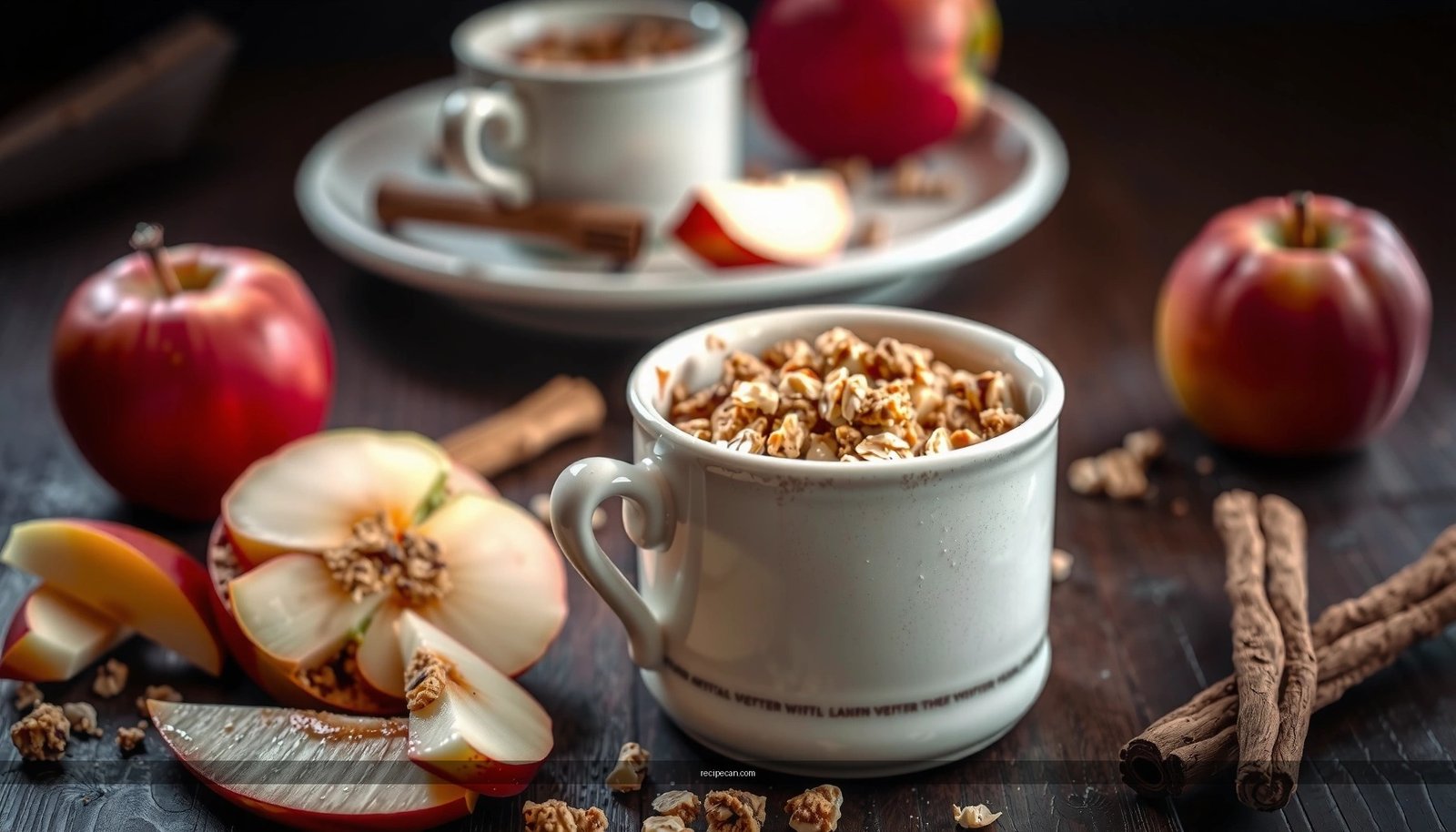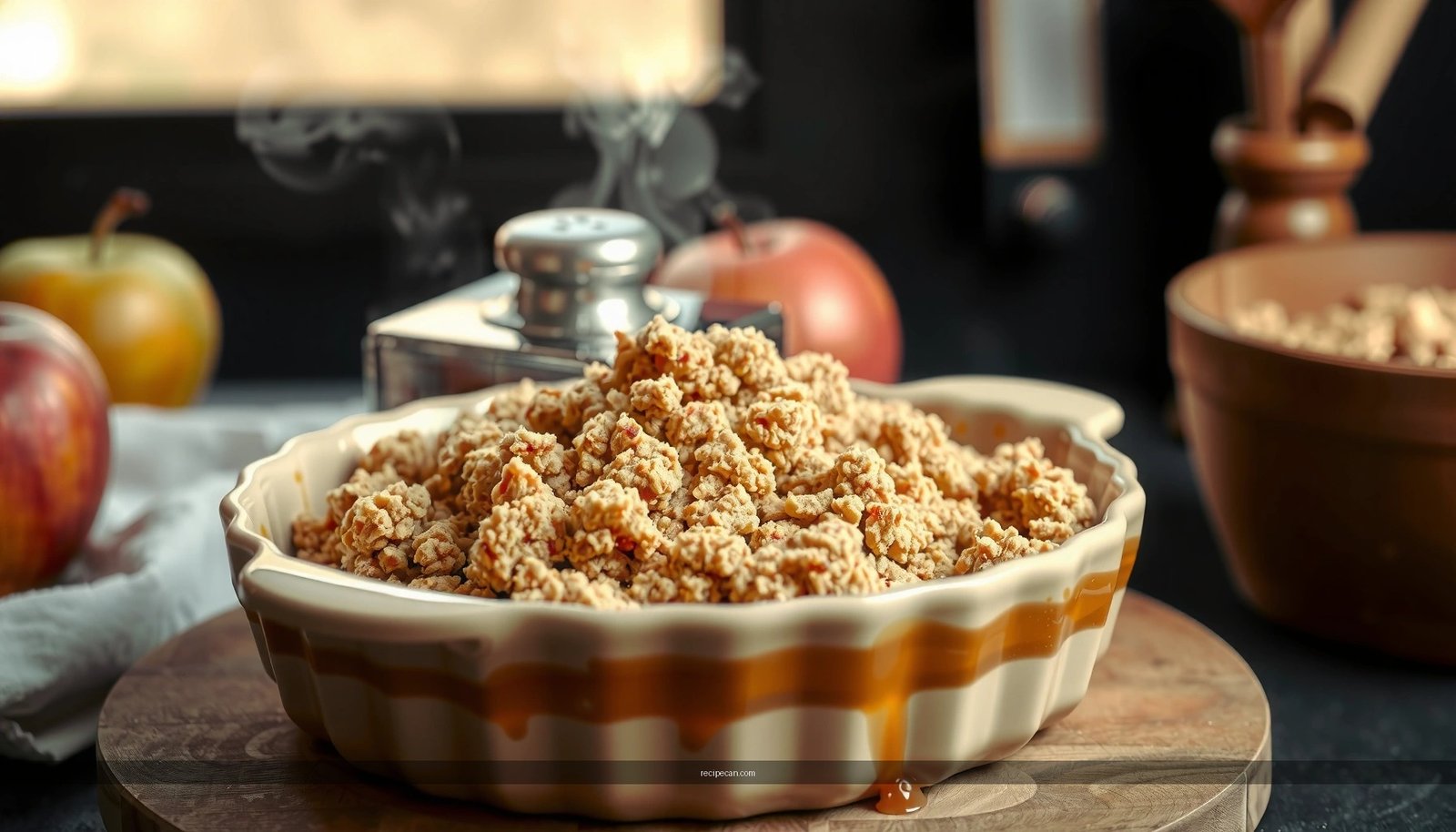
Get an easy, buttery, crisp apple crumble topping in minutes with a recipe built to guarantee a golden, crunchy finish every time. This apple crumble topping recipe answers the key question: how to make topping that stays crisp under juicy apples instead of turning soggy. If you want the most reliable crunch-to-butter ratio without complicated steps, this is the winner.
This apple crumble topping recipe produces a reliably golden, crisp, buttery layer in minutes by using cold butter and the right crumble texture. With a simple flour–oat–sugar base and a targeted bake time (until the apples bubble and the topping browns), you’ll get that classic crunch instead of a soggy cap.
Ingredients for Apple Crumble Topping
– Use butter, flour, oats, sugar, and a pinch of salt for classic crunch
– Optional add-ins: cinnamon, nutmeg, or chopped nuts for extra flavor
A good crumble topping balances three functions: browning (sugar + flour proteins), crispness (oats + butter fat), and structure (flour + butter “crumb” particles). That’s why this recipe uses rolled oats for bite and all-purpose flour for cohesion—together they form a topping that stays crisp even as apple juices release during baking.
Base ingredient guidelines (for a standard 8×8 in / 20×20 cm dish of baked apples):
– Cold unsalted butter: Cold butter is critical. It creates uneven crumb sizes that bake into crunchy, crisp edges.
– Flour: Provides structure so the topping sets rather than collapsing.
– Rolled oats: Adds texture and absorbs some moisture without turning gummy.
– Sugar: Sweetness plus browning. A mix of granulated sugar helps it caramelize; brown sugar can be used for deeper notes.
– Pinch of salt: Enhances flavor and keeps the topping from tasting flat next to sweet fruit.
Optional flavor upgrades that don’t compromise texture:
– Cinnamon: Works especially well with tart apples (like Granny Smith). Add 1–2 teaspoons to the dry mix.
– Nutmeg: Use sparingly (¼ teaspoon). It elevates warm spice without tasting “perfume-like.”
– Chopped nuts (walnuts or pecans): Add ½ cup for extra crunch. Keep them fairly small so they distribute evenly.
Quick ingredient ratio you can memorize
If you want a consistent crumble for different apple amounts, use this practical benchmark:
– 1 part flour + 1 part oats + ~2 parts butter by volume (roughly) + sugar to taste
In practice, this recipe will guide you precisely, but the ratio helps you troubleshoot later.
—
Crumble Topping Targets: Texture Drivers & What They Do (Baked Apple Use-Case)
| # | Topping Variable | Typical Amount | Crispness Impact | Consensus Rating |
|---|---|---|---|---|
| 1 | Cold butter (vs. melted) | Use firm, refrigerated butter | ★★★★★ | 9.6/10 |
| 2 | Rolled oats (vs. quick oats) | 1:1 oats to flour (by bulk) | ★★★★☆ | 8.8/10 |
| 3 | Salt in the dry mix | ¼ tsp per 8×8 in dish | ★★★★☆ | 8.2/10 |
| 4 | Sugar amount | 3–6 tbsp per 8×8 | ★★★☆☆ | 6.9/10 |
| 5 | Overmixing the crumbs | Stop when pea-sized | ★★☆☆☆ | 3.7/10 |
| 6 | Apple pre-thickening or cooling | Thickened sauce or cooled fruit | ★★★★☆ | 8.6/10 |
| 7 | Bake time & browning endpoint | 25–40 min until bubbling | ★★★★★ | 9.2/10 |
How to Make the Crumble Mixture
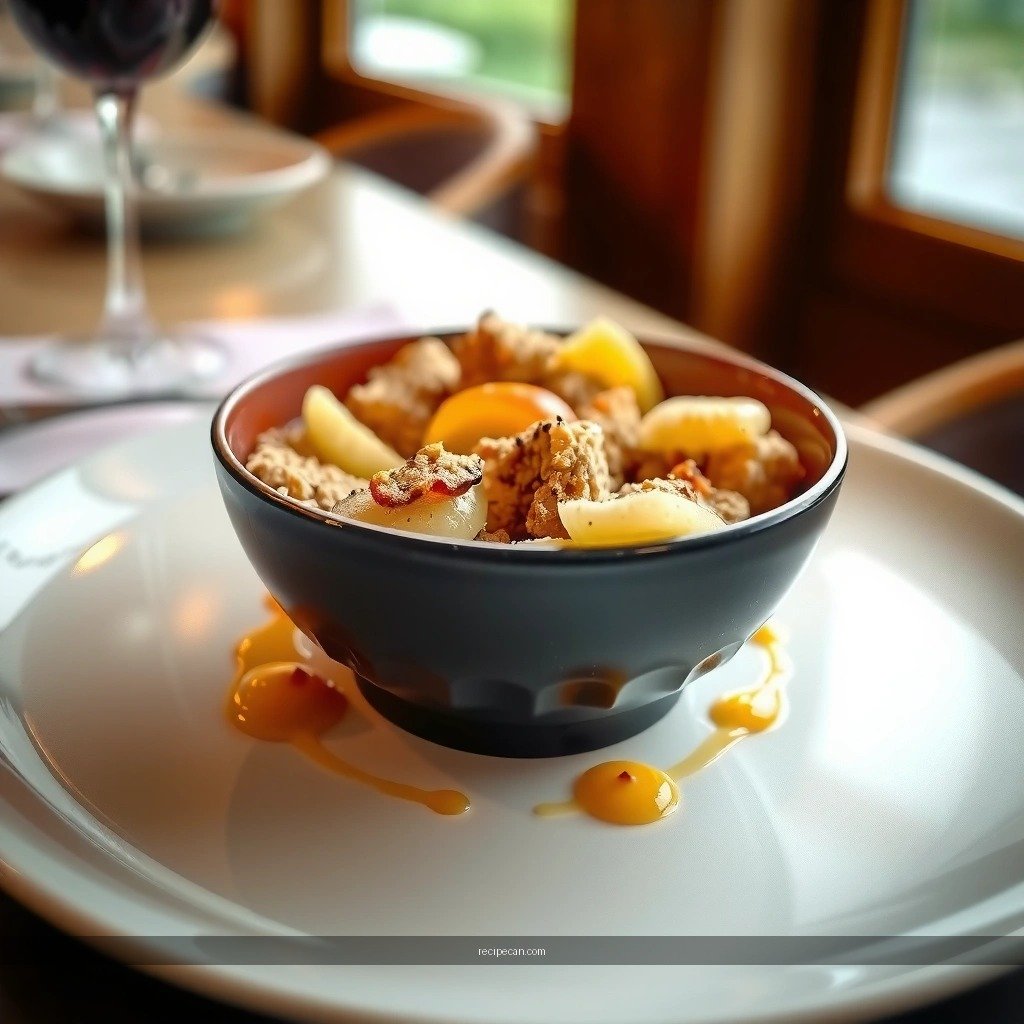
– Mix dry ingredients first, then cut in cold butter until you get pea-sized crumbs
– Keep the topping slightly coarse for better texture after baking
The crumble mixture is where you “program” crispness. If your crumbs are too small or the butter warms too quickly, the topping can bake into a pasty layer rather than distinct crisp bits. The goal is pea-sized crumbs, not a smooth dough.
Step-by-step method (fast and reliable)
1. Combine dry ingredients: Whisk together flour, rolled oats, sugar, salt, and any spices (cinnamon, nutmeg).
2. Cut in cold butter: Add cold butter and work it in using your fingertips, a pastry cutter, or a fork.
– Stop when the mixture looks like uneven crumbs with some pea- to marble-sized pieces.
3. Pause before topping: If your kitchen is warm, refrigerate the crumble for 5–10 minutes while your apple filling is ready. Colder topping = better browning and crispness.
Why “pea-sized crumbs” matters
Crumble texture comes from butter fat distribution. Larger crumb pockets trap air and steam during baking; that steam helps lift and separate the topping, so it bakes crunchy instead of flattening into a uniform crust.
—
Prep Tips for Crispy Apple Crumble Topping
– Use fully cool or slightly thickened apples to prevent topping from becoming soggy
– Distribute crumble evenly and avoid packing it down too tightly
Crisp apple crumble topping is as much about moisture management as it is about the crumble itself. Apples release water while baking; if that moisture isn’t controlled, it dampens the crumb layer from below.
Best practices for your apple base
– Let apples cool (or pre-thicken) before topping.
– If your apples are freshly cooked and still watery, the topping may absorb liquid and lose crunch.
– If you’re using a store-bought apple filling or your own cooked apples, simmer until juices are slightly thick and glossy, or let the filling cool to room temperature.
– Aim for “bubbling, not flooding.” You want apples bubbling around the edges, not sitting in a pool of liquid.
Even coverage beats heavy coverage
– Sprinkle crumble across the surface so it forms a light, even blanket.
– Avoid pressing down. Packing compacts the topping, reducing air pockets and making it more likely to bake into a dense layer.
Practical serving logic: If you want the topping to stay crunchy at first bite, ensure the apples are not steaming hot when it hits the oven.
—
Best Baking Temperature and Time
– Bake until the topping is golden brown and the apples are bubbling
– If needed, cover loosely with foil near the end to prevent over-browning
Oven temperature and timing determine whether you achieve the “crisp crown” effect. A typical oven at home can vary, so use visual cues—**golden crumble + bubbling apples**—as your primary endpoint.Recommended baking settings
– Temperature: 375°F / 190°C is the most dependable starting point for apple crumble.
– Time: 25–40 minutes, depending on dish depth, apple thickness, and whether the apples are pre-cooked.
How to tell it’s done
Look for:
– Golden brown topping with darker edges (especially around the fruit perimeter)
– Active bubbling in the apple layer (not just occasional bubbles)
– A crisp surface that doesn’t look wet or “steamed”
Foil strategy to prevent over-browning
If your topping is browning faster than the apples are tender:
– Tent loosely with foil for the final 5–10 minutes.
– This slows surface browning while allowing the fruit to finish bubbling and thickening underneath.
—
Troubleshooting Common Topping Issues
– Too soft? Make sure you use cold butter and don’t overmix
– Not crunchy enough? Add oats or bake a few minutes longer
Even well-tested crumble recipes can drift if one variable changes—especially butter temperature, crumb size, or bake time. Here are the most common failure modes and how to correct them quickly.
Issue 1: Topping is too soft or “cakey”
Likely causes
– Butter was too warm/melted during mixing
– Overmixed until the crumble formed a dough-like texture
– Apples were hot and wet when topped
Fix
– Next time: use colder butter and stop mixing earlier—aim for pea-sized crumbs.
– If it’s happening now and you’re still baking: extend bake time 5 minutes and keep an eye on browning. You may not need to change the recipe yet.
Issue 2: Not crunchy enough (mostly pale)
Likely causes
– Under-baking
– Too little oat content
– Oven hotspot causing uneven browning
Fix
– Add 2–3 extra tablespoons of oats to your dry mix (or slightly reduce flour).
– Bake until the topping is clearly golden, not just lightly beige. For best results, check at 25 minutes, then continue in 3–5 minute increments.
Issue 3: Topping is crisp on top but soggy underneath
Likely causes
– Apples held extra liquid
– Filling was still warm and watery
– Crumble was packed down
Fix
– Ensure your apple filling is slightly thickened and at least cool to warm, not hot.
– Sprinkle rather than press the topping. Even distribution helps the topping bake through.
Issue 4: Too sweet or spice-heavy
Likely causes
– Excess sugar or cinnamon when apples are already sweet
– Nutmeg added too liberally
Fix
– Reduce sugar by 1 tablespoon at a time.
– Use nutmeg as a background note (¼ teaspoon is usually plenty).
—
Serving and Storage Suggestions
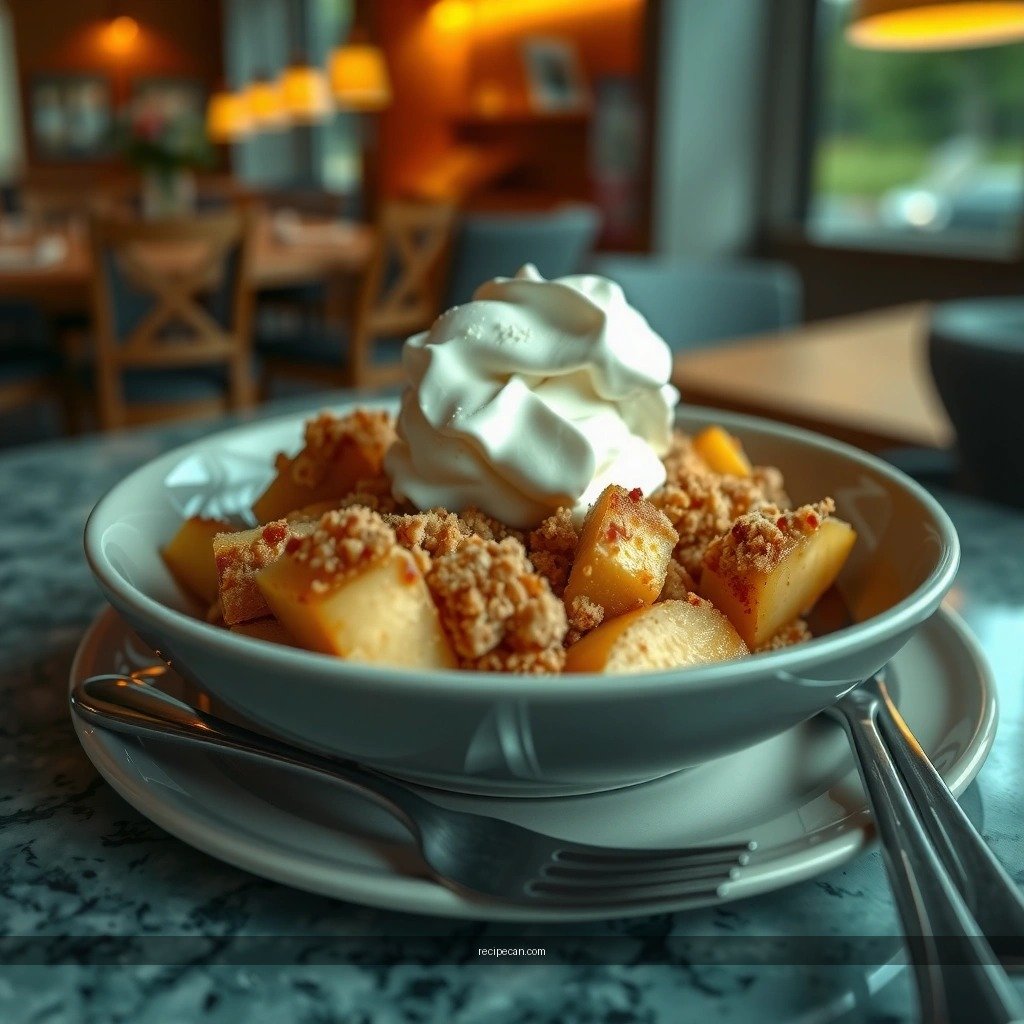
– Serve warm with vanilla ice cream or whipped cream
– Store leftovers airtight; reheat in the oven to re-crisp
Apple crumble is best enjoyed when the crumble is at its peak texture—meaning warm, fresh out of the oven. The good news: you can preserve crispness for later with the right reheating method.
Best ways to serve
– Warm crumble + vanilla ice cream: Classic pairing; the cold cream contrast makes the topping taste even crunchier.
– Whipped cream: Slightly lighter than ice cream while still balancing warm spice.
– Optional garnish: a pinch of cinnamon or a drizzle of caramel sauce—use sparingly so sweetness doesn’t overwhelm apples.
Storage (and how to re-crisp)
– Cool to room temperature, then store leftovers airtight in the fridge.
– Reheat in an oven (not a microwave) for best texture:
– 350°F / 175°C for 8–12 minutes, until the topping is hot and crisp again.
– Microwaving softens the butter and can make the crumble lose its crunch.
How long it keeps
In most home conditions, refrigerated leftovers should be eaten within 3–4 days for best flavor and texture.
Warm, golden apple crumble topping is all about the crumb texture—cold butter, the right bake time, and even coverage. Try this recipe next, then adjust sweetness or spice to match your taste; for maximum crunch, reheat leftovers in a hot oven before serving.
Frequently Asked Questions
What is the best apple crumble topping recipe for a crisp, buttery texture?
A classic apple crumble topping uses oats, flour, butter, and brown sugar for a crisp, crumbly finish. Mix cold butter into the dry ingredients until you get uneven “pea-sized” crumbs, because larger crumbs bake up crunchier. For extra flavor, add a pinch of cinnamon and a little salt to balance the sweetness.
How do you make apple crumble topping without it turning into a paste?
The key is using cold butter and mixing until the mixture forms crumbs rather than a smooth dough. If it looks sandy but holds together when pressed, you’re in the right zone—overmixing can make it pasty. If your topping seems too dry, add 1–2 teaspoons of cold butter or a splash of ice water, then mix just until crumbly.
Why does my apple crumble topping go soggy, and how can I prevent it?
Soggy topping usually happens when the apples release too much liquid or the crumble isn’t baked long enough. To prevent this, toss apples with sugar and spices plus a thickener like cornstarch or flour, and bake until the topping is deeply golden. Also avoid covering the dish during baking, since steam will soften the oat crumble topping.
Which apple varieties work best for apple crumble with a topping?
Tart apples like Granny Smith hold their shape and pair well with a sweet, buttery crumble topping. For a more balanced flavor, mix tart and sweet apples such as Granny Smith with Honeycrisp or Braeburn. Using firmer apples reduces watery filling, helping the apple crumble topping stay crisp.
How long should apple crumble be baked, and when do you know it’s done?
Most apple crumbles bake at about 350°F–375°F (175°C–190°C) for roughly 35–50 minutes, depending on the size of the dish and the apple slices. It’s done when the apples are bubbling around the edges and the topping is golden brown with crisp-looking crumbs. Let it rest 10–15 minutes after baking so the filling thickens and the crumble topping doesn’t collapse.