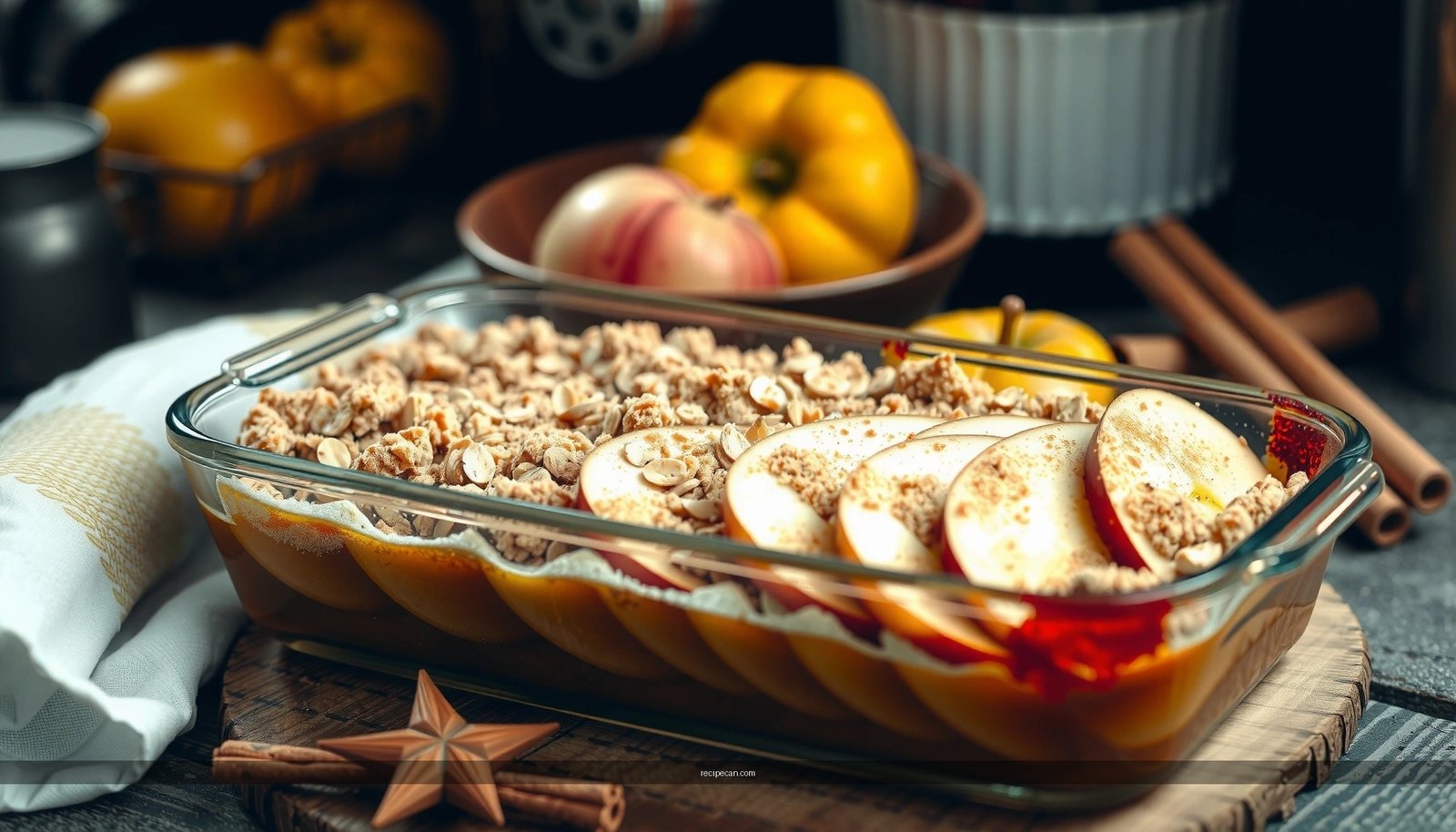
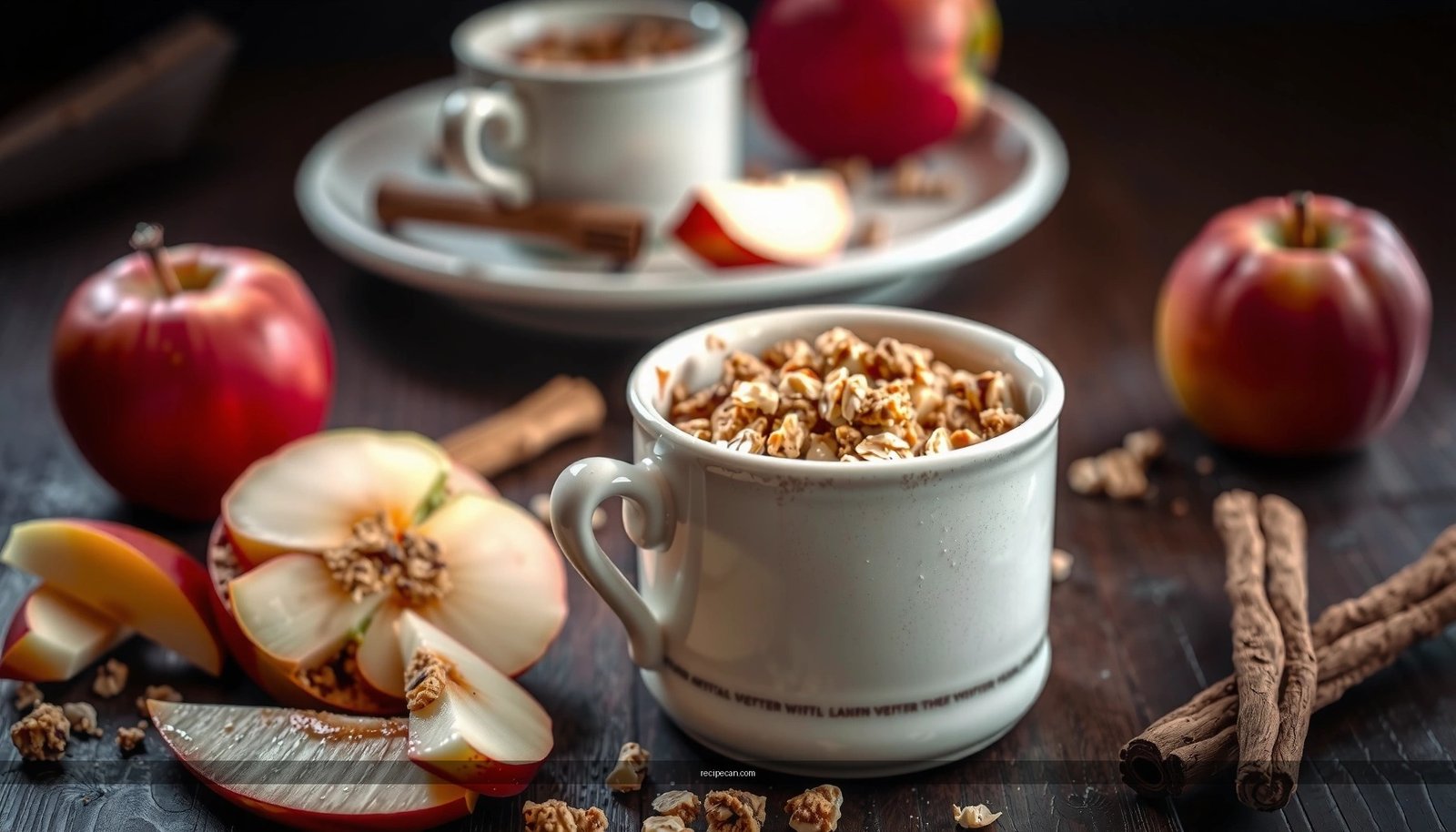
Looking for the best apple crumble top recipe with a truly crunchy, golden topping? This guide delivers the winner: a butter-forward crumb that stays crisp over a tender baked filling. Follow the exact proportions and technique to get that classic crumble bite every time.
Apple crumble topping is a simple crumb mixture—cold butter rubbed into flour and sugar, then baked until it turns deep golden and crisp. Use this apple crumble top recipe with the right ingredient ratio and bake approach to achieve reliable crunch (not soggy topping) every time, even when your apples release plenty of juices.
What You Need for Apple Crumble Top
– Use flour, butter, and sugar as the base for a classic crumble texture
– Add optional cinnamon or oats for extra warmth and crunch
A great apple crumble topping is built on three core functions: structure (flour), fat coating (butter), and sweetness + browning (sugar). When butter is cut into or rubbed into the dry ingredients, it creates small fat pockets. During baking, those pockets melt and partially steam, while the surrounding flour and sugar toast. The result is a topping that is both brittle at the edges and crisp in clusters.
For the “best crunchy finish,” keep the ingredient list focused. In practice, the crumble performs best when you allow fat to dominate the crumb formation and sugar to drive caramelized browning. Optional add-ins can enhance flavor and texture—but only if they don’t disrupt the crumb-to-fat balance.
Helpful optional additions (choose 1):
– Ground cinnamon (for warm, bakery-style aroma)
– Rolled oats (for nutty crunch and a more rustic texture)
– A pinch of salt (to sharpen sweetness and highlight apple flavor)
Best Apple Crumble Top Ingredient Ratios
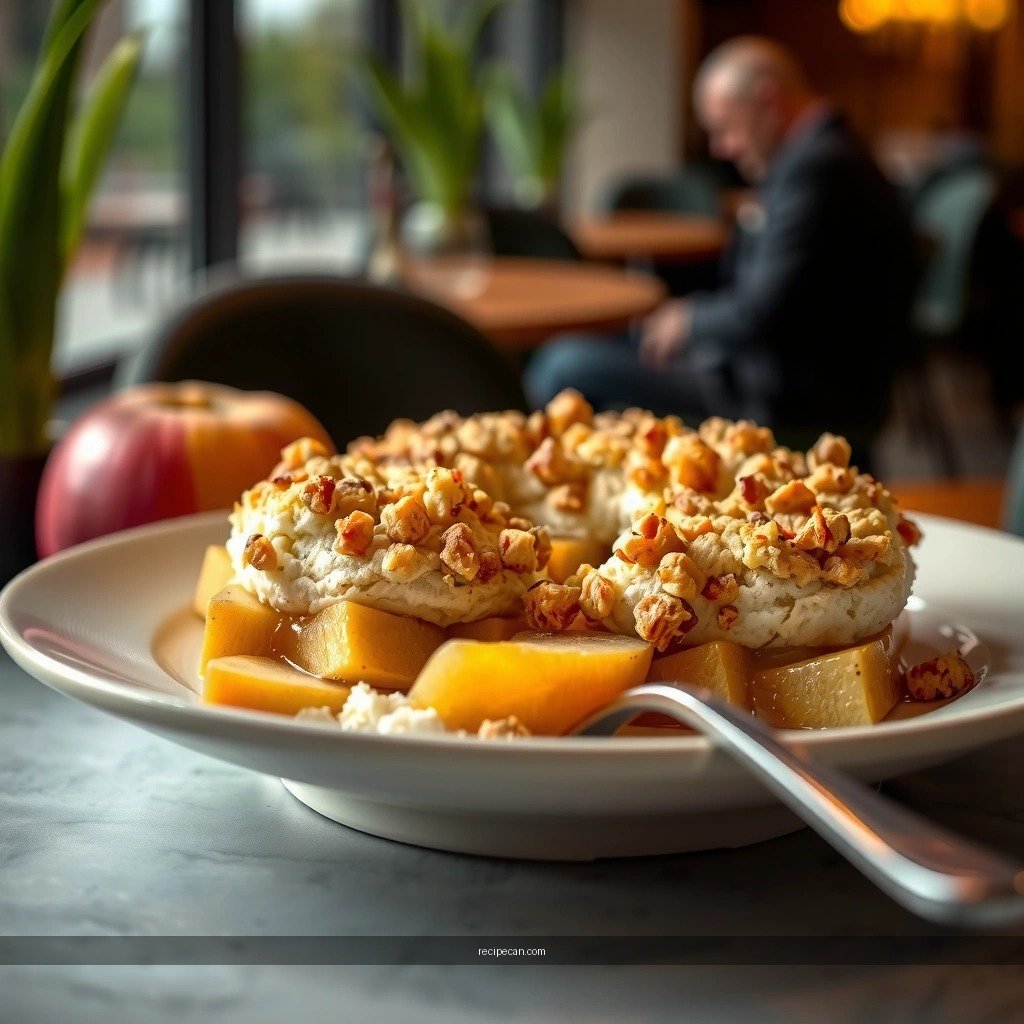
– Start with a balanced mix: flour and sugar with enough butter to form clumps
– Adjust sugar slightly depending on how sweet your apples are
A ratio-driven approach matters because crumble topping texture is sensitive to fat percentage. Too little butter produces a dry, sandy topping that won’t clump; too much butter yields greasy crumbs that can collapse or bake unevenly.
Below is a practical ratio you can scale for most standard baked apple portions (such as a small casserole or 8×8-inch dish).
Core ratio (baseline “crunch-first” topping):
– Flour: 1 part
– Sugar: 1 part (or slightly less for very sweet apples)
– Butter: ~1.25 parts (by weight, not volume)
If you weigh your ingredients, you’ll get the most consistent results. If you measure by volume, you can still succeed—just be careful: flour packed too tightly or butter melted too early can shift the balance.
Quick sweetness adjustment
– Tart apples (like Granny Smith): lean closer to the full sugar amount
– Sweet apples (like Honeycrisp or Fuji): reduce sugar by ~10–20% to prevent an overly sweet topping and reduce burn risk
A small reduction also helps you avoid topping that browns too quickly while the apples are still finishing cooking.
Why clump formation is the real “ratio test”
Your goal is coarse crumbs with some larger clusters. If you squeeze a handful lightly, it should hold together briefly, then break into thick crumbs—not dust. That’s the indicator that the butter content and flour hydration potential are correctly aligned.
Recommended Crumble Top Ratios (By Weight) for Texture Control
| # | Topping Style | Flour (g) | Sugar (g) | Cold Butter (g) | Crunch Outcome |
|---|---|---|---|---|---|
| 1 | Classic (Balanced) | 60 | 60 | 75 | Best overall crunch |
| 2 | Extra Crisp (More Butter) | 60 | 55 | 85 | Cluster crunch & deep browning |
| 3 | Lean & Firm (Less Butter) | 60 | 60 | 65 | Can be drier if underbaked |
| 4 | Sweeter Apple (Slightly Less Sugar) | 60 | 50 | 75 | Balanced sweetness, crisp edge |
| 5 | Tart Apple (More Sugar) | 60 | 65 | 75 | Caramel-forward crumble |
| 6 | Oat-Boosted Crunch (Add oats) | 50 | 60 | 75 | Extra texture, nutty bite |
| 7 | Gluten-Free (Alt flour) | 60 | 60 | 78 | Crisp holds with proper baking |
How to Make a Crispy Apple Crumble Topping
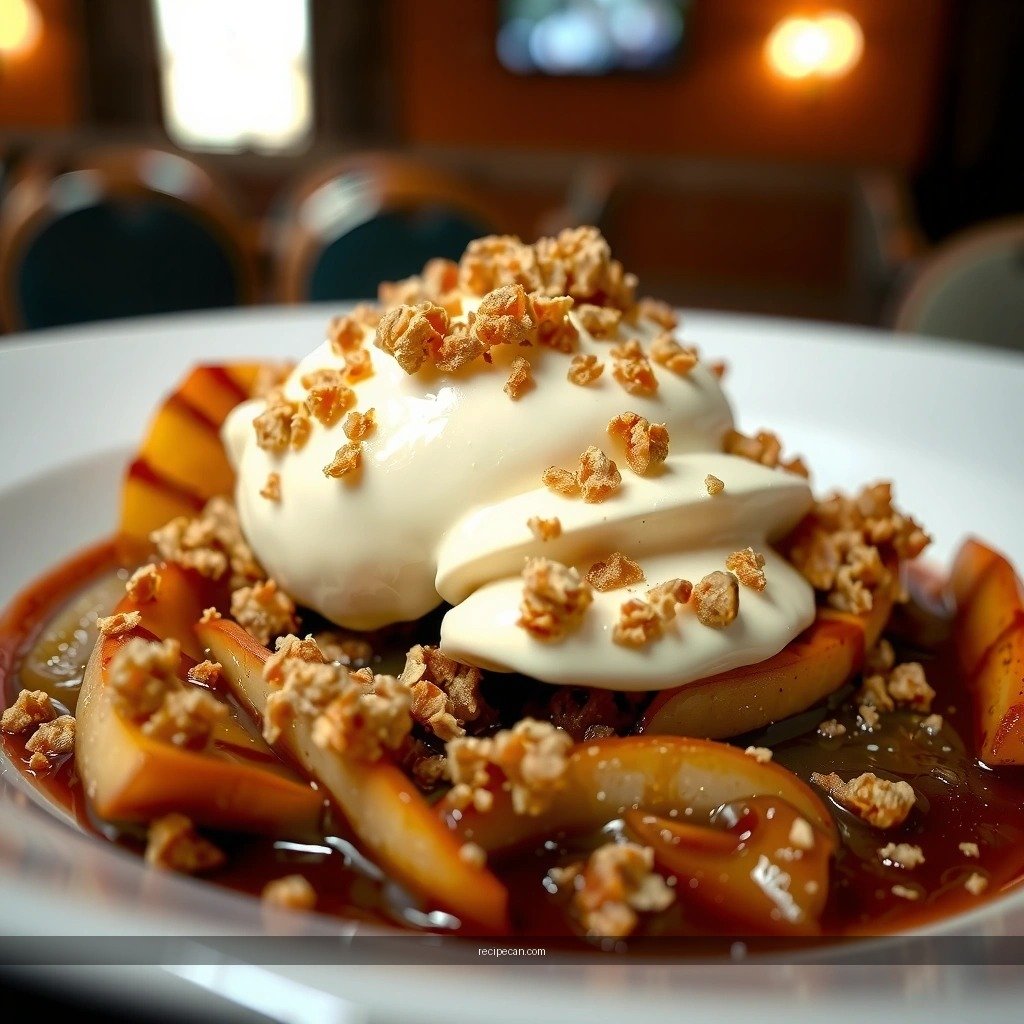
– Rub butter into dry ingredients until you get coarse crumbs
– Press a little in spots so the topping forms crunchy clusters
To make a crispy apple crumble topping, you need coarse, uneven crumbs rather than uniformly fine powder. Here’s the workflow that consistently produces crunch:
1. Use cold butter. Cut it into small cubes and keep it chilled. Cold butter is what creates distinct crumb pockets.
2. Mix flour and sugar first. This ensures sugar disperses evenly for browning across the entire surface.
3. Rub or cut in the butter. Use your fingertips to rub butter into the dry ingredients until the mixture resembles coarse crumbs with some pea-size pieces.
4. Create clusters intentionally. Take a small handful and lightly press it together in your palm, then drop it back onto the apples in clumps. These clusters bake into crisp, cookie-like bites.
Why “spot pressure” works
If you spread only loose crumbs, you risk thin layers that can soften from apple moisture. Clusters create micro-barriers: thicker crumb masses protect themselves longer and crisp more effectively.
Optional spice integration (without compromising texture)
If using cinnamon, add it to the dry mix. If using oats, fold them in last—oats absorb a bit of moisture and can slightly change crispness, so don’t add too much.
Prep Tips for Even Browning
– Chill the crumble topping briefly before baking for better crispness
– Sprinkle topping evenly to avoid bare spots and uneven texture
Even browning is a texture problem disguised as a color issue. Bare spots and thin layers will underbake and turn soft, while thick areas can brown too fast. The fix is controlled distribution and a short chill.
Best practices:
– Chill 10–15 minutes after mixing. This re-solidifies butter and slows initial melting, giving the crumb time to toast properly.
– Sprinkle consistently. Aim for full surface coverage, but avoid a perfectly uniform layer—variety in crumb thickness helps create both crisp edges and tender centers.
– Leave a little space near the dish edges. If the topping mounds right to the edge, it can over-brown while the middle is still catching up.
Professional-style troubleshooting
– If your topping is pale: it likely needed more baking time or slightly more heat transfer (e.g., rotate the dish halfway through).
– If your topping is too dark but apples are still firm: reduce oven temperature by 10–15°F (or cover loosely with foil for the middle portion of baking, then uncover).
Baking Time and Temperature for Crunchy Results
– Bake until the topping is deep golden and bubbling around the edges
– Let it cool briefly so the crumble sets and doesn’t turn soggy
Crunch depends on two transitions:
1. Fat + sugar browning (color development)
2. Moisture evaporation / set (structure stabilization)
A reliable target is deep golden topping with visible bubbling at the perimeter of the apple filling.
Recommended approach (typical oven behavior):
– Temperature: 375°F to 400°F (190°C to 205°C)
– Bake time: 35–55 minutes, depending on apple thickness and dish size
Doneness cues you can trust
– The apple filling should bubble steadily around the edges.
– The crumble should look toasted, not just “lightly baked.”
– When you press gently on a cluster, it should feel firm and not compress into dough.
Cooling: the final texture step
Let the crumble rest 10–15 minutes before serving. This brief set period allows melted sugar and flour components to firm up, reducing the chance of topping softening from hot fruit juices.
Common Mistakes to Avoid
– Don’t add too much liquid—your topping should stay crumbly
– Avoid underbaking; pale topping won’t crisp up properly
Even experienced bakers sometimes miss crisp texture for predictable reasons. Here are the most common failure points and how to correct them.
1. Adding liquid to the topping
– Cramble topping should not require water or milk. If it’s dry and won’t clump, it’s usually a butter issue (butter may be too warm, or it wasn’t cut properly), not a hydration issue.
2. Using melted butter
– Melted butter turns crumble into a greasy paste. Keep it cold; if butter warms during mixing, chill the bowl briefly.
3. Overpacking the crumb
– Crushing the mixture too finely produces a uniform layer that can bake into a soft “scone-like” top rather than crisp clusters.
4. Underbaking
– Pale topping often means the butter hasn’t fully evaporated moisture or the sugar hasn’t caramelized. Crispness can’t develop properly if the crumb surface remains light.
5. Overloading with apples
– Too much fruit can flood the dish, producing more steam that softens the topping. If your apple layer is very deep, bake longer or use a slightly higher rack position to encourage moisture escape.
—
Apple crumble top should be golden, bubbling, and visibly crisp—made by rubbing cold butter into flour and sugar until you get coarse crumbs. Follow these ratios and techniques for apple crumble topping, chill for better crispness, bake until deep golden, and rest briefly so the topping sets instead of going soft. Make this apple crumble top recipe next time you bake apples, and adjust sugar or spice to match the sweetness and tartness of your fruit.
Frequently Asked Questions
What is the best apple crumble top recipe for a crisp, golden finish?
The best apple crumble top recipe uses a mix of rolled oats, flour, brown sugar, cold butter, and a pinch of cinnamon for flavor. For extra crunch, keep the butter cold and rub it into the dry ingredients until the mixture resembles coarse crumbs. Bake until the topping is deep golden and you see bubbling juices around the edges. This creates that signature crisp apple crumble topping texture instead of a soft biscuit layer.
How do I make apple crumble topping that stays crunchy instead of turning soggy?
To keep apple crumble topping crunchy, bake your apples first (or slightly reduce their liquid) so they aren’t too wet when the topping goes on. Use cold butter and avoid overmixing—less mixing helps form crumbly, crisp bits rather than a dense layer. Also, don’t cover the dish while baking, and let it cool for 10–15 minutes so the topping sets. These steps help prevent a soggy crumble top and support a crisp apple crumble top recipe result.
How do I adjust an apple crumble top recipe for gluten-free or dairy-free diets?
For a gluten-free apple crumble top recipe, swap all-purpose flour with a 1:1 gluten-free baking flour blend and make sure your oats are certified gluten-free. For dairy-free, replace butter with a dairy-free cold fat alternative like coconut oil (solid) or a vegan butter that performs well in baking. The key is still using cold fat and mixing just until crumbly, which helps maintain the crisp texture of your apple crumble topping. You may also need a tiny extra bake time if the topping looks slightly pale.
Which apples are best for an apple crumble when you want the crumble top to complement the filling?
Tart apples like Granny Smith are a popular choice because they hold their shape and balance the sweet apple crumble topping. If you prefer a sweeter filling, mix in Honeycrisp or Gala to boost flavor without making the dish overly mushy. For best results, use firm apples and cut them evenly so the bubbling apple filling cooks at the same rate. This helps the topping stay crisp while the fruit turns tender and flavorful beneath it.
Why does my apple crumble topping taste floury, and how can I fix it?
A floury taste often happens when the crumb mixture is too dry or not mixed enough with butter, so there isn’t adequate fat to coat the flour. Make sure your apple crumble top recipe includes enough cold butter to create coarse crumbs, not a powdery mix. If needed, add 1–2 tablespoons more cold butter (or a small splash of water) to bring the mixture together, then spread it evenly before baking. Proper seasoning like cinnamon and a pinch of salt can also improve flavor depth.