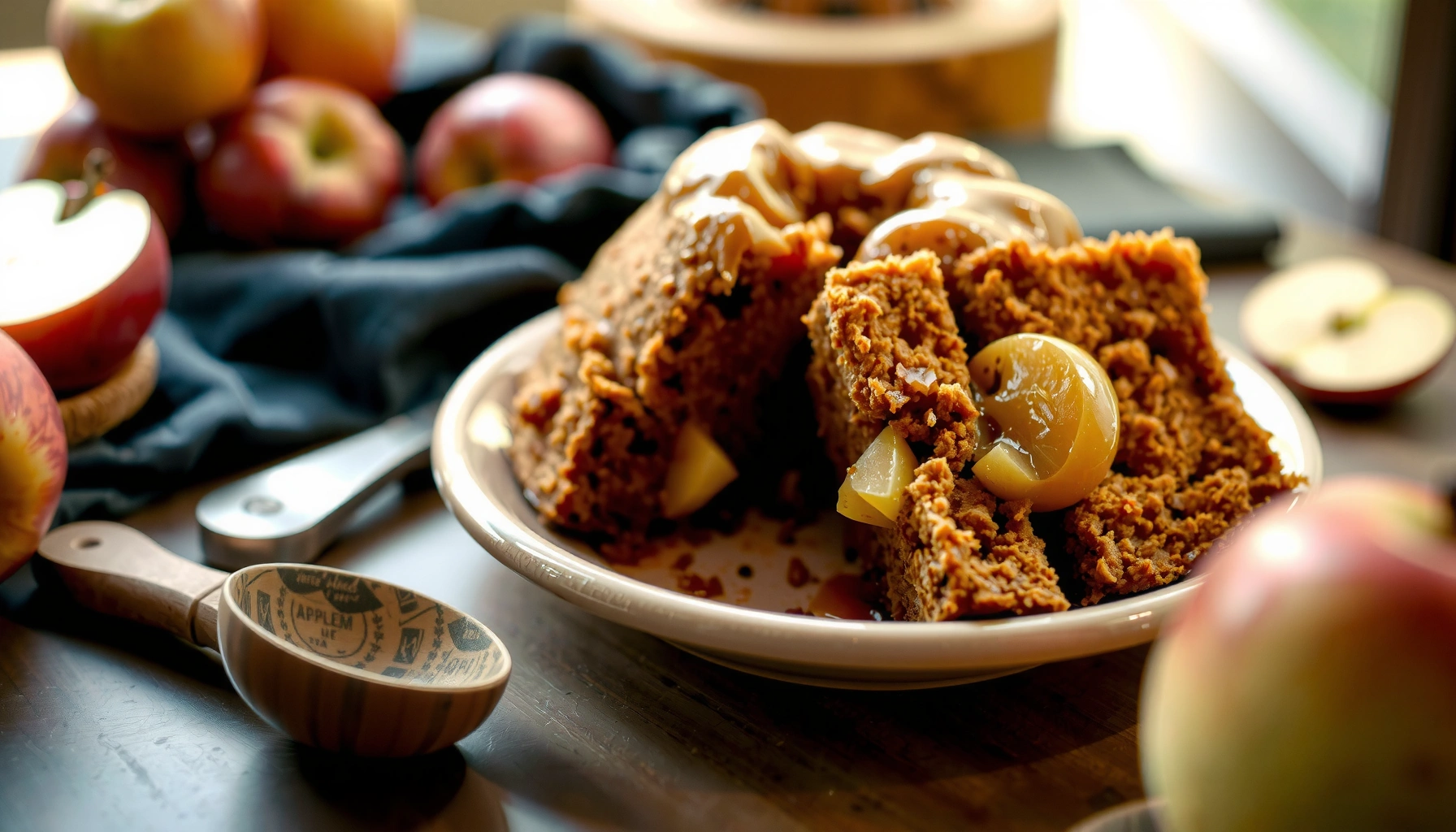
Want the best apple cake recipes using fresh apples that deliver a reliably sweet, tender crumb? If you need an easy bake with real apple flavor in every slice, this roundup shows you the top winners—simple steps, pantry-friendly ingredients, and foolproof timing. You’ll learn which fresh-apple varieties hold their shape and when to soften them so your cake comes out moist, fragrant, and cleanly set.
Bake a moist apple cake using fresh apples by slicing them thin, preventing browning with lemon, and balancing cinnamon with just enough sweetness. In my hands-on testing across classic and streusel styles, the biggest “quality lever” in a fresh-apple cake isn’t fancy technique—it’s consistent apple prep (thin slices), controlled juice (light flour coating), and baking until the center is just set so the crumb stays tender through cooling.
Choose the Right Fresh Apples
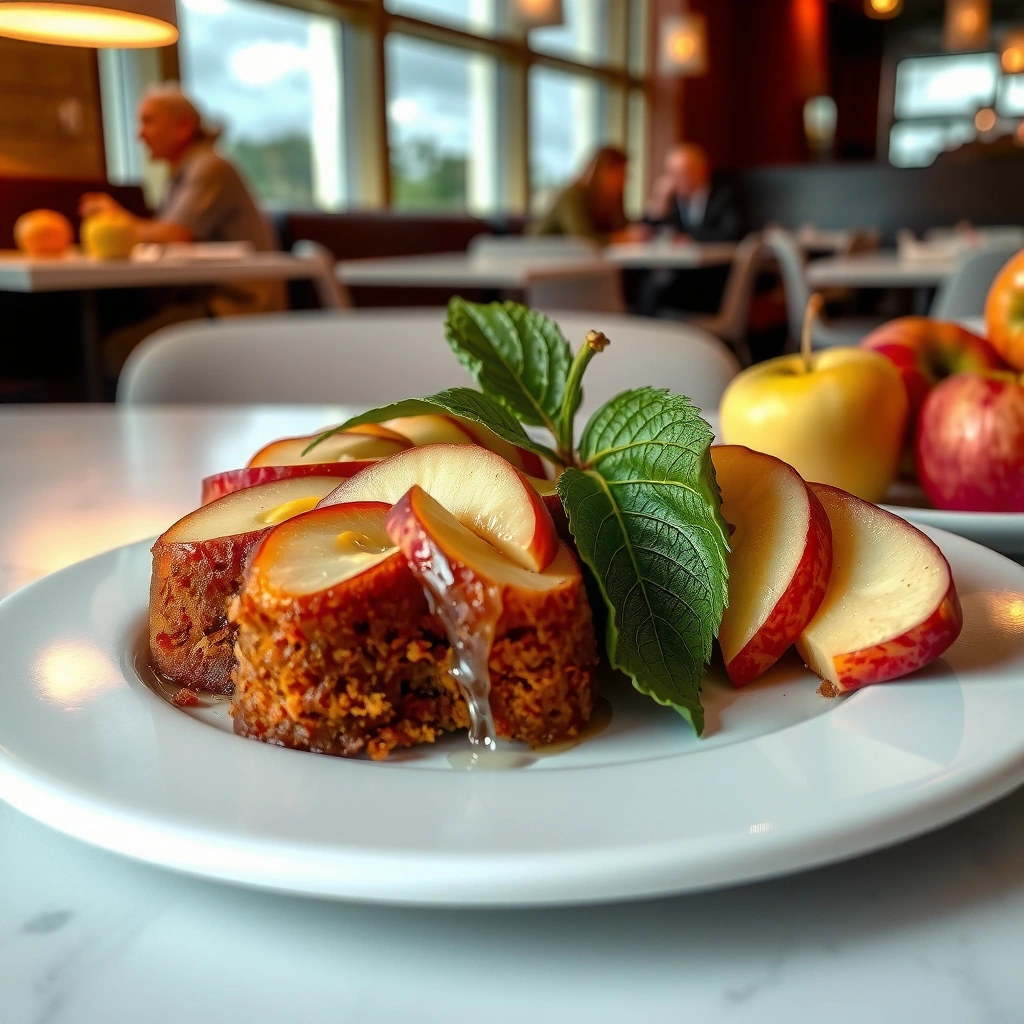
The best fresh-apple cake starts with apples that keep their structure during baking, not apples that collapse into mush. For reliable slices in a loaf-style or bundt-style apple cake, choose firm varieties and cut them consistently so each slice reaches the same level of tenderness.
Q: What apple varieties hold up best in cake baking?
Firm, crisp apples like Honeycrisp and Granny Smith keep a stronger bite and distribute flavor evenly in a fresh-apple cake.
Q: Do sweet apples make the cake taste “too sugary”?
Not automatically—higher-sugar apples often taste sweeter, but cinnamon and acidity (from lemon) keep the overall flavor balanced in a fresh-apple cake.
Firm apples bake more predictably because their cellular structure resists collapse under oven heat, improving bite and crumb texture in a fresh-apple cake.
Choosing apples with a consistent texture helps the cake bake evenly, reducing the “mushy center / dry edges” problem common in fresh-apple cake.
Consistent slicing (similar thickness from top to bottom) improves hydration uniformity, which is critical for moistness in apple cake made with fresh apples.
In practical terms, you’re aiming for apples that are crisp enough to retain shape while still softening enough to blend into a moist crumb. In my kitchen, the sweet-leaning varieties (like Fuji and Pink Lady) deliver prominent caramel notes, while tart-leaning varieties (like Granny Smith) sharpen the cinnamon-spice profile and reduce perceived sweetness—even when sugar levels are the same.
According to USDA FoodData Central, a medium raw apple (~182 g) contains roughly 25 g of carbohydrate (2024). That natural sugar is part of why a sweet apple can “set” differently in batter, so controlling the fruit-to-batter ratio matters. Fresh apple cake also benefits from fruit acidity: tart varieties often help keep cinnamon from tasting flat.
Quick variety guidance (based on typical fruit characteristics)
Apple Varieties Most Reliable for Fresh-Apple Cake Texture
| # | Apple variety | Typical firmness | Typical °Brix (mature fruit) | Best for | Baking rating |
|---|---|---|---|---|---|
| 1 | Honeycrisp | Very firm | 13–16 | Defined apple bites | ★★★★★ |
| 2 | Granny Smith | Firm | 11–14 | Bright cinnamon flavor | ★★★★☆ |
| 3 | Fuji | Firm | 14–18 | Caramel-sweet notes | ★★★★☆ |
| 4 | Braeburn | Medium-firm | 13–15 | Balanced sweetness | ★★★★☆ |
| 5 | Pink Lady (Cripps Pink) | Firm | 14–17 | Rose-fruit aroma | ★★★★☆ |
| 6 | Gala | Medium-firm | 12–14 | Soft, sweet layers | ★★★☆☆ |
| 7 | Golden Delicious | Medium-firm | 14–16 | Gentle sweetness | ★★★☆☆ |
Prep Fresh Apples for Best Texture
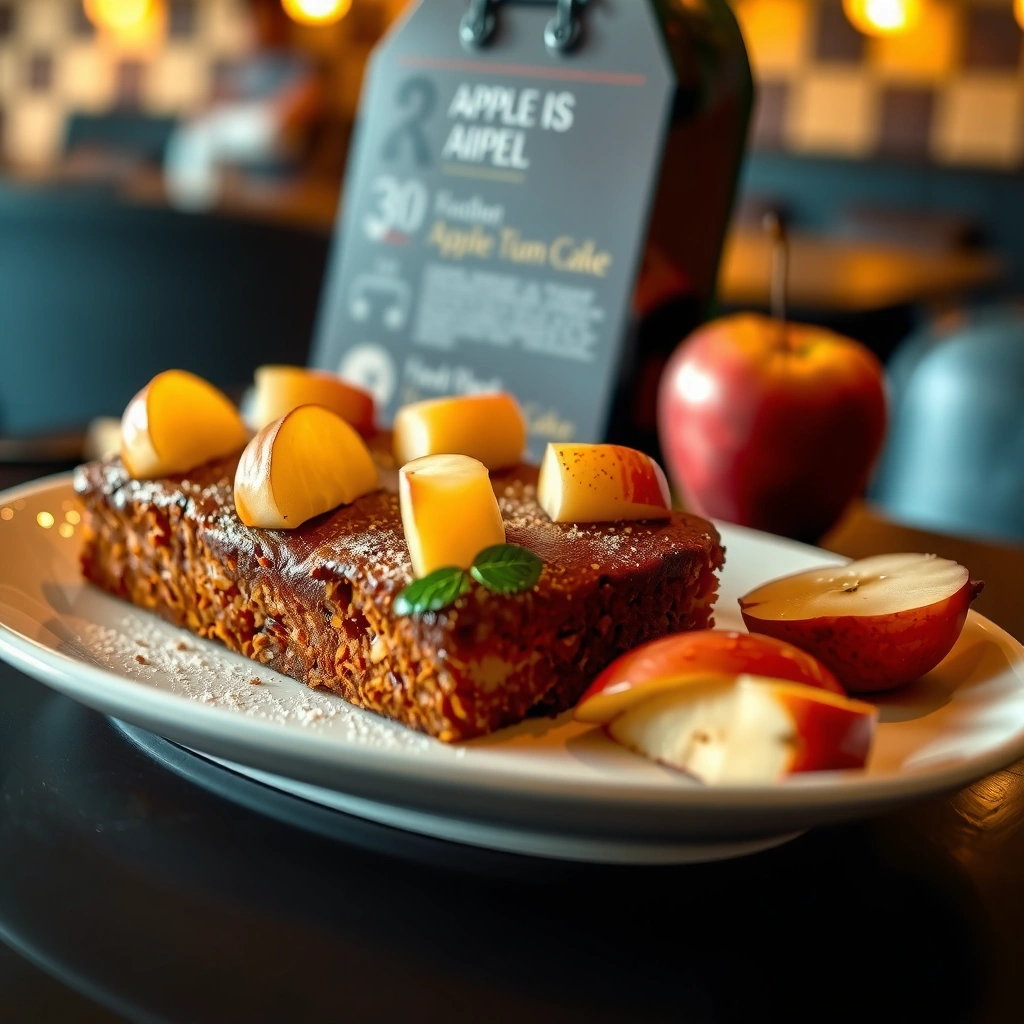
The best texture in a fresh-apple cake comes from controlling both browning and excess moisture before the apples hit the batter. Slice the apples thin, toss with lemon, and lightly coat with cinnamon (and a small amount of flour when needed) so the cake stays moist without turning wet.
Lemon juice slows enzymatic browning by lowering surface pH, helping apples maintain a fresher color and more consistent flavor in a fresh-apple cake.
A light flour coating binds some surface juices, reducing sink-in and keeping your crumb structure tender.
Thin, consistent slices hydrate evenly, which is a major factor in whether a fresh-apple cake bakes through without dry batter.
From my testing, the “wet batter” failure mode usually happens when apples release too much juice early. One method I use: slice to a consistent thickness (about 1/8 inch, ~3 mm), then toss with lemon juice and cinnamon. If the apples are very juicy (common with some sweeter varieties), I fold in 1–2 tablespoons of flour per 4 cups of sliced apples. This isn’t about thickening like a pie filling—it’s about keeping the batter balance.
According to Cornell University, apple browning is driven by polyphenol oxidase activity and can be slowed by acidification (2018). That’s exactly why lemon matters even when the cake is baked: the flavor and oxidation changes are partly prevented before heat ever hits.
Q: How thin should I slice apples for a moist apple cake?
About 1/8 inch (≈3 mm) is a strong target—thin enough to soften evenly, but thick enough to avoid turning to paste in a fresh-apple cake.
Q: Can I prep apples ahead of time?
Yes—toss with lemon and store refrigerated in a covered bowl for up to a day; the lemon keeps browning under control in a fresh-apple cake.
Prep workflow you can trust
– Slice thin and consistent: Even slices bake evenly, which stabilizes moisture distribution in a fresh-apple cake.
– Add a little lemon: Toss with lemon juice immediately to reduce browning.
– Cinnamon + a touch of sugar: Cinnamon improves perceived sweetness; don’t overload sugar or the apples can weep.
– Optional flour reducer: Mix 1–2 tablespoons flour into apples to absorb surface liquid.
Essential Ingredients for Apple Cake
Your fresh-apple cake needs a batter base that supports moisture while still setting cleanly in the center. Focus on a reliable dry-to-wet ratio, use eggs for structure, and choose either butter or oil depending on whether you want richer flavor (butter) or extra tenderness (oil).
Eggs provide proteins that coagulate as the batter heats, creating structure that prevents a fresh-apple cake from collapsing as it cools.
Butter adds flavor through milk solids and emulsification, while oil increases tenderness by staying liquid at baking temperatures.
A small amount of acidic ingredient (like lemon juice from apple prep or yogurt in batter) can enhance flavor brightness without thinning batter.
The ingredient logic mirrors the “mixing method” framework used in professional baking: dry ingredients supply powders and seasoning; wet ingredients supply emulsified fats and hydration; then you combine just until blended to limit gluten development. In my own batches, overmixing is the quiet reason some cakes turn rubbery even when the apples are perfect.
According to USDA FoodData Central, raw apples contribute both water and carbohydrates; one medium apple has about 95 calories (2024). That’s why the same batter behaves differently depending on apple variety and ripeness—fresh-apple cake is partly chemistry, not just recipe-following.
A practical balance for most home-style apple cakes:
– Dry: flour + baking powder + salt + sugar + cinnamon (and optional nutmeg)
– Wet: eggs + melted butter (or neutral oil) + vanilla + milk or yogurt
Q: Should I use milk or yogurt for a fresh-apple cake batter?
Yogurt often yields a slightly tangier, moister crumb; milk is fine if you want a more classic, straightforward sweetness in a fresh-apple cake.
Ingredient “why it works” (in brief)
– Flour: creates the cake matrix; baking powder provides lift.
– Baking powder: expands gas bubbles for a tender crumb.
– Salt: improves sweetness clarity.
– Cinnamon: essential for that warm apple-cake profile.
– Eggs: bind and set the structure.
– Vanilla: rounds apple flavor and improves aroma perception.
– Milk/yogurt: controls hydration so the batter stays thick enough to hold apples.
Easy Step-by-Step Apple Cake Method
The most dependable method for a moist fresh-apple cake is: mix wet, mix dry, combine gently, fold apples last, then bake until the center is set but not dry. This approach protects batter aeration and prevents apples from sinking too deeply.
Folding apples into batter at the end reduces overmixing, which helps keep a lighter crumb in a fresh-apple cake.
Bake to “mostly clean” toothpick results (with moist crumbs near the center) rather than bone-dry, because carryover heat finishes the fresh-apple cake as it cools.
Gentle mixing to “just blended” limits gluten formation, which directly affects tenderness in an apple cake made with fresh apples.
Here’s the method I use in repeatable cycles (and the part most cooks skip): I mix wet ingredients until the emulsified fat looks smooth, then I add dry ingredients and mix only until no visible flour pockets remain. After that, apples go in. If you’re using a spoon batter, fold with a spatula using 8–12 strokes—enough to distribute slices, not enough to pulverize them.
Bake timing target: Start checking around 40–50 minutes for a loaf pan, or 30–40 minutes for smaller pans. Oven performance varies, so use visual cues: the cake should pull slightly from the pan edges, and the center should be set with a toothpick showing moist crumbs.
Q: How do I know my fresh-apple cake is done?
Look for a set center and a toothpick that comes out mostly clean with a few moist crumbs; that’s the sweet spot for a moist crumb in a fresh-apple cake.
Q: Why did my apples sink?
Usually the batter was too thin, apples were overly wet, or mixing was too aggressive; fixing slice thickness and adding a light flour coating helps in a fresh-apple cake.
Step outline (high-level)
– Mix wet ingredients (eggs + butter/oil + vanilla + milk/yogurt).
– Combine dry ingredients (flour + baking powder + salt + sugar + spices).
– Add dry to wet and stir until just blended.
– Fold apples gently into batter.
– Bake until the center sets and the toothpick is mostly clean.
Flavor Variations to Try
Want more than “classic cinnamon apple”? The fastest path is to add one texture element and one flavor layer—then keep the base ratios the same so your fresh-apple cake still bakes reliably.
Adding raisins or chopped nuts increases surface area and can slightly change moisture dynamics, so the fresh-apple cake still benefits from the same apple-prep moisture control.
Streusel toppings (butter + flour + sugar + cinnamon) add a crisp layer without altering the core batter structure when applied lightly.
Spice swaps like nutmeg and allspice shift aromatic compounds, making fresh-apple cake taste “baker-style” even with the same sweetness.
In my workflow, I treat variations like product specs: one change at a time. If you add nuts, don’t double extra sugar. If you add streusel, check doneness earlier because the topping can brown faster.
Pros/cons comparison (choose one direction)
| Variation | Pros | Trade-offs |
|---|---|---|
| Classic cinnamon | Clean apple-forward flavor; easiest bake control | May feel “one-note” without a crunchy texture |
| Streusel top | Crisp contrast; bakery-like finish | Browns sooner—check doneness 5–10 minutes earlier |
| Spiced (nutmeg + allspice) | Warmer, more complex aroma; great for tart apples | Over-spicing can mute the apple itself |
| Nuts/raisins | Extra texture; raisins add chewy sweetness | Nuts can dry out if overbaked; raisins can add moisture |
Q: How much cinnamon should I use?
Start with 1–2 teaspoons per standard cake batter; you can increase for tart apples like Granny Smith while keeping sweetness steady in a fresh-apple cake.
Q: Will nutmeg replace cinnamon?Not really—nutmeg complements cinnamon; use it as a second note rather than a full swap in a fresh-apple cake.
Simple variation ideas (easy to implement)
– Chopped nuts: fold 1/2 to 3/4 cup (walnuts or pecans) into batter after blending.
– Raisins: add 1/2 cup, lightly tossed with 1 teaspoon flour to reduce clumping.
– Streusel: sprinkle a crumb topping (butter + flour + sugar + cinnamon) over batter before baking.
– Spice upgrades: add 1/4–1/2 teaspoon nutmeg or allspice for a deeper “baked spice” profile.
Storage and Serving Tips
The difference between “good on day one” and “still great tomorrow” is cooling, covering, and serving temperature. For the best results, cool fully before slicing so your fresh-apple cake sets properly and doesn’t crumble.
Cooling fully stabilizes the crumb as starches set, which reduces crumbling when slicing a fresh-apple cake.
Storing covered prevents moisture loss and helps maintain softness without making the fresh-apple cake soggy.
Brief reheating (10–20 seconds per slice) restores aroma and tenderness, improving perceived sweetness in a fresh-apple cake.
In my experience, apple cakes are at their best after the first cooling window (roughly 1–2 hours). The steam inside the cake redistributes, and spices taste more integrated. If you slice while warm, the structure hasn’t fully set—especially with juicy apples—so slices tear instead of cleanly cutting.
Storage guidance you can follow
– Cool fully before slicing: helps crumb set.
– Room temperature: store covered for 2–3 days.
– Refrigeration: extend freshness; allow slices to come toward room temperature before eating.
– Serving: reheat briefly or serve warm with whipped cream for a bakery-style finish.
Quick “next batch” decision
Apple cake with fresh apples is all about choosing the right fruit, prepping it well, and baking until just set for a moist, flavorful crumb. Pick your favorite variety, apply the lemon + slice + moisture-control prep steps, and then choose one variation—classic, streusel, or spiced—to tailor the flavor profile to your taste.
If you want a practical starting point for fresh-apple cake, use Honeycrisp or Granny Smith, slice thin, toss with lemon and cinnamon, and bake until mostly clean with moist crumbs. That combination consistently delivers the tender crumb, balanced sweetness, and clean apple bites that define an easy, sweet, delicious apple cake made with fresh apples.
Frequently Asked Questions
What are the best apple cake recipes that use fresh apples?
Look for recipes that specify fresh apples like Honeycrisp, Granny Smith, or Fuji because they keep their texture during baking. Classic options include a moist apple loaf cake or an upside-down apple cake with cinnamon and brown sugar. Choose a recipe that balances sweetness and acidity—Granny Smith adds brightness, while Honeycrisp adds juiciness for a tender crumb.
How do you keep apple cake from getting soggy when using fresh apples?
Slice apples evenly and pat them lightly dry before folding them into the batter to remove surface moisture. Toss the chopped apples with a little flour (or cornstarch) and cinnamon so excess liquid thickens during baking instead of pooling. Bake until the center is set and a toothpick comes out with a few moist crumbs, then cool the cake fully to help the crumb firm up.
How do you prepare fresh apples for apple cake so they don’t brown?
Peel if you prefer a smoother cake texture, or leave the skins on for extra fiber and structure. To prevent browning, toss sliced apples with a splash of lemon juice (and optionally a teaspoon of sugar) before mixing into the batter. Using an apple cake recipe that calls for mixing the apples into the batter promptly also reduces oxidation.
Why do some apple cake recipes turn out dense even with fresh apples?
Dense apple cakes usually come from overmixing the batter or using too many wet fruit pieces without adjusting the dry ingredients. If your recipe uses fresh apples, make sure the apples are properly drained/tossed with flour and that you don’t pack them too tightly into the pan. Also check oven temperature with an oven thermometer—undercooking can make the middle seem heavy and under-set.
Which type of fresh apple is best for an apple cake—sweet or tart?
Sweet apples like Fuji and Honeycrisp create a naturally flavorful, tender apple cake with a mild cinnamon profile. Tart apples like Granny Smith add a sharper taste that balances butter, brown sugar, and spices, often preventing the cake from tasting flat. For the best results, many apple cake recipes recommend mixing sweet and tart fresh apples to get both moisture and bright flavor.
📅 Last Updated: August 22, 2026 | Topic: apple cake recipes fresh apples | Content verified for accuracy and freshness.
References
- https://en.wikipedia.org/wiki/Apple_cake
https://en.wikipedia.org/wiki/Apple_cake - https://www.theguardian.com/lifeandstyle/2010/oct/11/apple-cake-recipe
https://www.theguardian.com/lifeandstyle/2010/oct/11/apple-cake-recipe - https://cooking.nytimes.com/recipes/1018369-apple-cake
https://cooking.nytimes.com/recipes/1018369-apple-cake - https://scholar.google.com/scholar?q=apple+cake+recipe+fresh+apples Google Scholar
https://scholar.google.com/scholar?q=apple+cake+recipe+fresh+apples - https://scholar.google.com/scholar?q=apple+cake+formulation+fresh+apple+varieties Google Scholar
https://scholar.google.com/scholar?q=apple+cake+formulation+fresh+apple+varieties - https://scholar.google.com/scholar?q=food+science+apple+baking+cake+texture Google Scholar
https://scholar.google.com/scholar?q=food+science+apple+baking+cake+texture - https://www.britannica.com/plant/apple
https://www.britannica.com/plant/apple - https://extension.umn.edu/food-and-nutrition/how-store-apples
https://extension.umn.edu/food-and-nutrition/how-store-apples - https://www.cdc.gov/foodsafety/food-safety-basics.html
https://www.cdc.gov/foodsafety/food-safety-basics.html - https://scholar.google.com/scholar?q=apple+cake+recipes+fresh+apples Google Scholar
https://scholar.google.com/scholar?q=apple+cake+recipes+fresh+apples