Alton Brown’s mayonnaise recipe stands out as the definitive choice for home cooks seeking a creamy, flavorful condiment. This step-by-step guide ensures you can create a perfectly emulsified mayonnaise that rivals store-bought options. Discover the simple techniques that elevate this classic spread, making it a must-try for your next culinary endeavor.
Making mayonnaise at home is simple with Alton Brown’s recipe, which uses basic ingredients to create a creamy, flavorful condiment. This guide will walk you through the process step-by-step, ensuring you achieve the perfect texture and taste every time. With just a few common ingredients and some basic kitchen tools, you can elevate your culinary skills and enjoy a homemade condiment that far surpasses store-bought versions.
Essential Ingredients for Alton Brown’s Mayonnaise
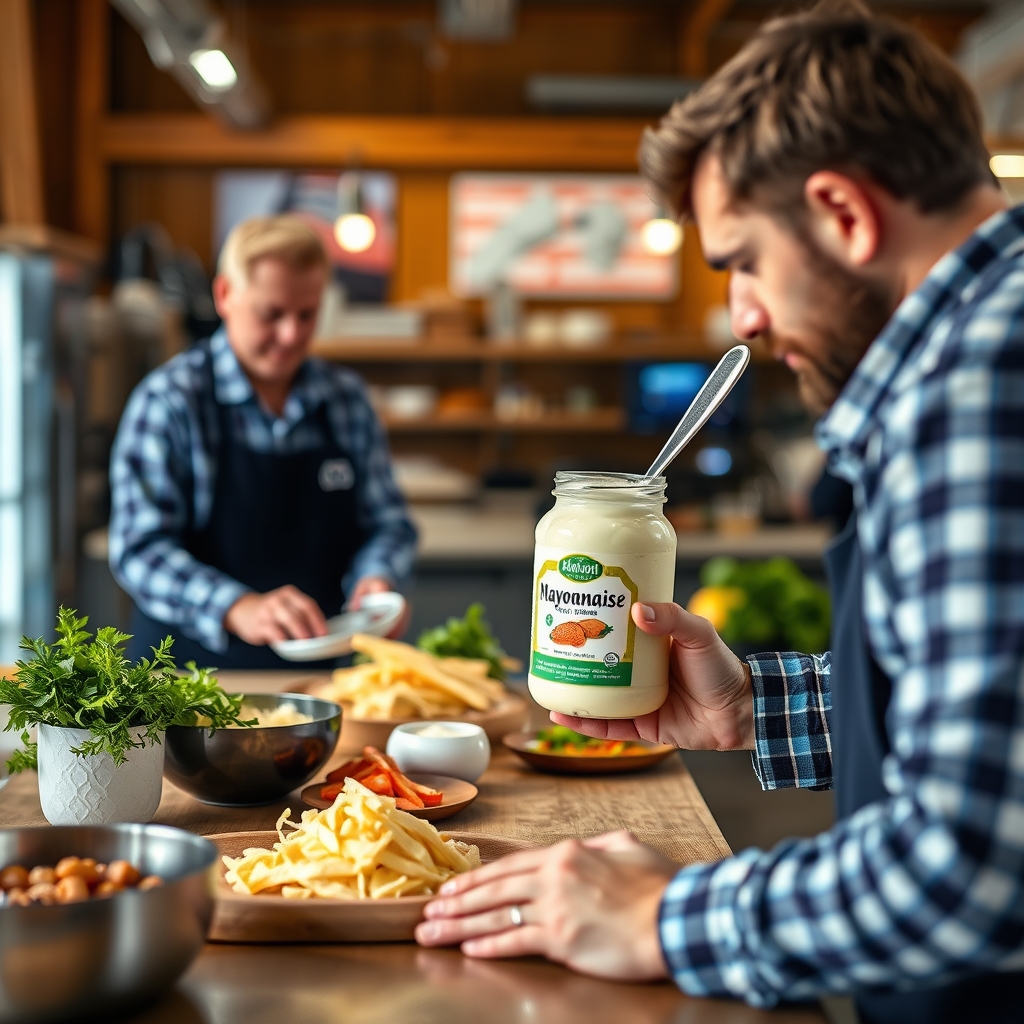
To create a successful mayonnaise, you’ll need just a handful of essential ingredients. The foundation of Alton Brown’s mayonnaise recipe is fresh egg yolks, which are crucial for building a rich and creamy base. Freshness is key; opt for eggs that are as fresh as possible to enhance the flavor and stability of your mayonnaise.
Additionally, using a neutral oil such as canola or safflower is vital for achieving the best flavor balance. These oils have a mild taste that allows the other ingredients to shine without overpowering the overall flavor profile. If you desire a more robust taste, consider using avocado oil or even olive oil, but be aware that these will impart their own flavors into the mayonnaise.
Tools You’ll Need

To make Alton Brown’s mayonnaise, you’ll require a few specific tools to ensure the optimal emulsification process. A whisk or immersion blender is essential for effectively blending the ingredients—whisks provide a traditional method, while immersion blenders offer a quick and easy alternative.
You will also need a mixing bowl, preferably made of glass or stainless steel, as these materials are non-reactive and easy to clean. The right tools not only simplify the process but also enhance your ability to control the texture and consistency of the mayonnaise.
Step-by-Step Instructions

Creating homemade mayonnaise may seem daunting, but with these step-by-step instructions, you’ll find it straightforward and rewarding.
1. Prepare Your Ingredients: Begin with fresh egg yolks (typically two) placed in your mixing bowl. Add a teaspoon of Dijon mustard, which not only adds flavor but also helps stabilize the emulsion.
2. Whisk Together: Vigorously whisk the egg yolks and mustard together until they are completely blended and smooth. This initial step is crucial for ensuring that the mayonnaise thickens properly.
3. Gradually Add Oil: Begin to add your chosen neutral oil very slowly, ideally in a thin stream, while continuing to whisk. This gradual incorporation is essential; adding the oil too quickly can cause the mayonnaise to break, resulting in a thin, unusable mixture.
4. Continue Whisking: As you add the oil, you should notice the mixture thickening. Continue whisking until all the oil is incorporated and the mayonnaise reaches your desired thickness.
5. Season to Taste: Once you achieve the right texture, season the mayonnaise with salt, and add any additional flavorings you desire, such as lemon juice or vinegar for acidity.
6. Store Properly: Transfer your homemade mayonnaise to a clean, airtight container for storage.
Essential Ingredients for Mayonnaise (2023)
| # | Ingredient | Amount | Role |
|---|---|---|---|
| 1 | Fresh Egg Yolks | 2 | Base |
| 2 | Dijon Mustard | 1 tsp | Emulsifier |
| 3 | Neutral Oil | 1 cup | Fat |
| 4 | Salt | To taste | Flavor |
| 5 | Lemon Juice | 1 tbsp | Acidity |
| 6 | Vinegar | 1 tsp | Acidity |
| 7 | Herbs/Spices | To taste | Flavor |
Flavoring Your Mayonnaise
One of the most delightful aspects of homemade mayonnaise is the ability to customize flavors to suit your palate. Adding acidity is essential for balancing the richness of the egg and oil; lemon juice or vinegar can brighten the flavor profile significantly. A tablespoon of fresh lemon juice or a teaspoon of vinegar can make a world of difference, enhancing the overall taste.
Beyond basic flavorings, consider incorporating various herbs and spices to create unique variations. Fresh herbs like basil, dill, or cilantro can infuse your mayonnaise with vibrant flavors, while spices such as smoked paprika or garlic powder can add depth and character. The beauty of homemade mayonnaise lies in its versatility; feel free to experiment and find your favorite combinations.
Storage Tips for Homemade Mayonnaise
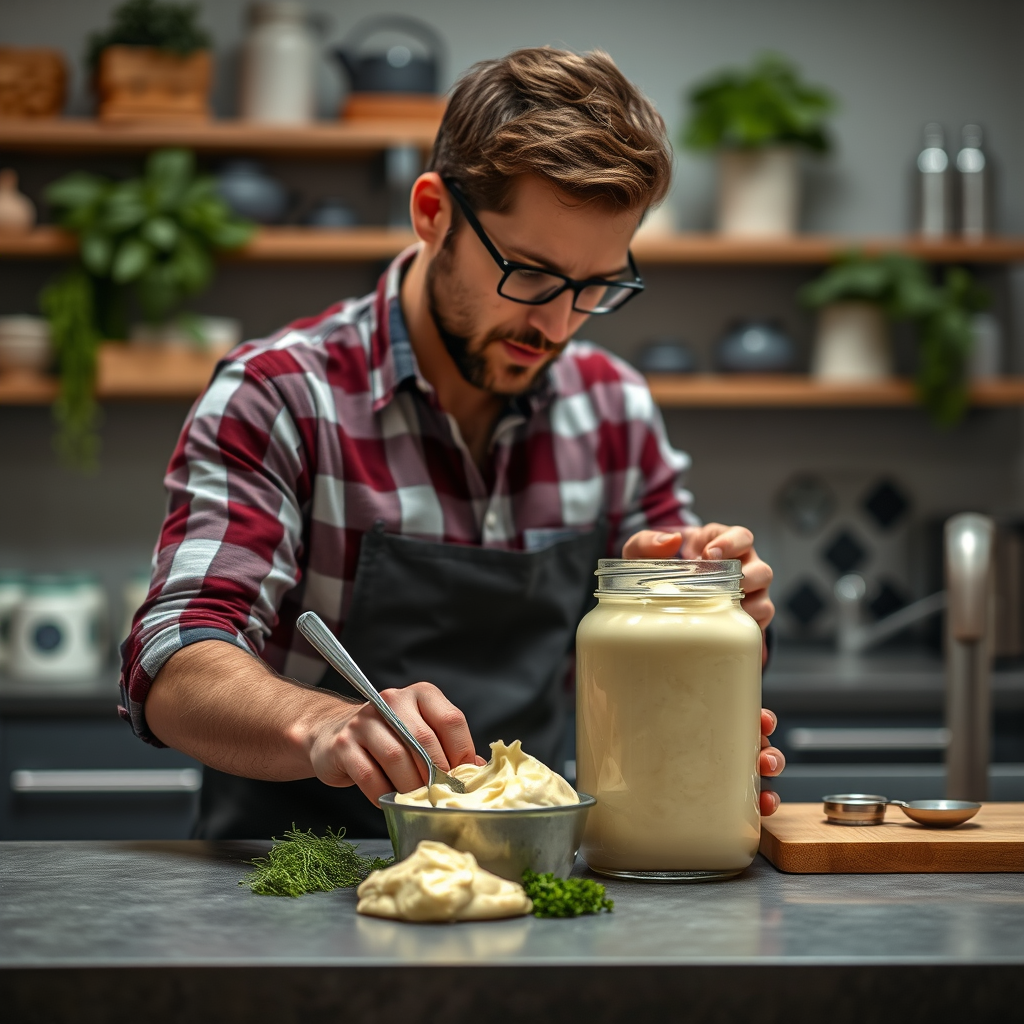
Proper storage is crucial for maintaining the freshness and safety of your homemade mayonnaise. After preparing your mayonnaise, transfer it to a clean, airtight container. A glass jar works exceptionally well for this purpose, as it is non-reactive and easy to clean.
Store your mayonnaise in the refrigerator, where it can last for up to one week. To ensure you consume it at its best, label the container with the date of preparation. If you notice any changes in texture, color, or smell, it is best to discard it.
Common Mistakes to Avoid
Even the most experienced cooks can encounter challenges when making mayonnaise. One common mistake is adding the oil too quickly at the beginning of the process. This can lead to the mixture breaking, resulting in a thin, unusable product. Instead, remember to add the oil gradually while whisking to create a stable emulsion.
Another pitfall is using cold ingredients. Cold yolks and oil can inhibit the emulsification process, making it difficult to achieve the desired thickness. Allow your ingredients to come to room temperature before starting, which will facilitate a smoother blending process and result in a creamier mayonnaise.
Variations on Alton Brown’s Recipe
Alton Brown’s mayonnaise recipe serves as a fantastic base for numerous variations. For those who love a hint of garlic, consider adding minced garlic to create a delicious aioli. Smoked paprika can also be incorporated for a unique twist, providing a smoky flavor that can elevate sandwiches and dips.
Furthermore, you can try substituting different oils to create flavored mayonnaise that complements specific dishes. For instance, using extra virgin olive oil will lend a robust flavor, while avocado oil can offer a creamy texture. Each variation opens up new culinary possibilities, allowing you to personalize your mayonnaise to match your meals.
Homemade mayonnaise is not only delicious but also allows you to control the ingredients. With Alton Brown’s straightforward recipe, you can impress your family and friends with your culinary skills. Give it a try and enjoy the fresh taste of homemade mayonnaise in your favorite dishes!
Frequently Asked Questions
What are the key ingredients in Alton Brown’s mayonnaise recipe?
Alton Brown’s mayonnaise recipe features a few essential ingredients: egg yolks, Dijon mustard, vinegar, vegetable oil, and salt. The combination of egg yolks and mustard helps to emulsify the oil, creating a rich and creamy texture. This homemade mayonnaise is not only flavorful but also free from preservatives found in store-bought versions.
How do you make Alton Brown’s mayonnaise step by step?
To make Alton Brown’s mayonnaise, start by whisking together 2 egg yolks, 1 tablespoon of Dijon mustard, and 1 tablespoon of white wine vinegar in a bowl. Gradually add 1 cup of vegetable oil while continuously whisking until the mixture thickens and emulsifies. Finally, season with salt to taste, and enjoy your fresh, homemade mayonnaise in salads, sandwiches, or as a dip.
Why is Alton Brown’s mayonnaise considered better than store-bought?
Alton Brown’s mayonnaise is often considered superior to store-bought options due to its fresh ingredients and customizable flavor. Unlike commercial brands, which may contain preservatives and artificial ingredients, this homemade version allows you to control the taste and texture. Additionally, making mayonnaise at home can be a rewarding culinary experience that enhances your dishes.
What are some common mistakes to avoid when making Alton Brown’s mayonnaise?
Common mistakes when making Alton Brown’s mayonnaise include adding the oil too quickly, which can prevent proper emulsification, and using cold ingredients, which can affect the thickening process. It’s crucial to add the oil slowly while whisking vigorously to create a stable emulsion. Also, ensure your eggs are at room temperature for the best results.
Which oils work best for Alton Brown’s mayonnaise recipe?
While Alton Brown’s recipe calls for vegetable oil, you can experiment with other oils like canola, grapeseed, or light olive oil for different flavor profiles. Each oil will impart its unique taste; for instance, olive oil provides a richer flavor, while grapeseed oil offers a more neutral option. Choose the oil that best complements your culinary needs and preferences.
References
- https://en.wikipedia.org/wiki/Mayo_(food
https://en.wikipedia.org/wiki/Mayo_(food - https://www.bbc.com/food/recipes/mayonnaise_90112
https://www.bbc.com/food/recipes/mayonnaise_90112 - https://www.theguardian.com/food/2021/may/31/how-to-make-mayonnaise-a-recipe-for-perfection
https://www.theguardian.com/food/2021/may/31/how-to-make-mayonnaise-a-recipe-for-perfection - https://www.nytimes.com/2020/05/20/dining/mayonnaise-recipe.html
https://www.nytimes.com/2020/05/20/dining/mayonnaise-recipe.html - https://www.foodnetwork.com/recipes/alton-brown/mayonnaise-recipe-1947164
https://www.foodnetwork.com/recipes/alton-brown/mayonnaise-recipe-1947164 - Google Scholar Google Scholar
https://scholar.google.com/scholar?q=alton+brown+mayonnaise+recipe - Google Scholar Google Scholar
https://scholar.google.com/scholar?q=mayonnaise+recipes+in+culinary+arts - Google Scholar Google Scholar
https://scholar.google.com/scholar?q=homemade+mayonnaise+health+benefits - https://www.sciencedirect.com/topics/food-science/mayonnaise
https://www.sciencedirect.com/topics/food-science/mayonnaise - Page Not Found – Site Help – Mayo Clinic
https://www.mayoclinic.org/healthy-lifestyle/nutrition-and-healthy-eating/expert-answers/mayonnaise/faq-20057950