
A spoonful of this Korean BBQ sauce hits with glossy sweet heat, rich soy depth, and a toasted sesame aroma that clings to grilled meats and vegetables. It works because gochujang and garlic bring bold flavor, while a touch of sugar and fruit-leaning sweetness balance the spice into a sticky, caramel-like glaze. Simmer for just a few minutes, then adjust thickness and heat until it tastes exactly right for your next cook.
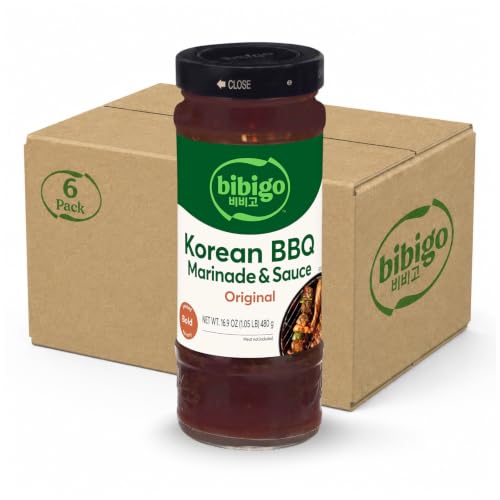



Mix gochujang, soy sauce, brown sugar, garlic, ginger, and a splash of vinegar, then simmer until glossy. That simple sauce is perfect for brushing onto meat, drizzling over veggies, or stirring into a quick marinade—no complicated Korean pantry required. If you want authentic-ish Korean BBQ flavor without a long ingredient hunt, this one’s for you, and it comes together on the stove in under 20 minutes.
If you’re planning a grill night, pan-searing tonight’s dinner, or just want a dependable spicy-sweet sauce for meal prep, this Easy Korean BBQ Sauce is built for you. It’s weeknight-friendly, guest-pleasing, and flexible enough to tweak to your heat tolerance. As of 2026, quick homemade sauces like this are a go-to strategy for making restaurant-style food feel approachable at home—especially when your time is tight and your expectations are high.
Recipe Overview

This Easy Korean BBQ Sauce is a quick, spoonable Korean BBQ sauce with a spicy-sweet balance and a shiny, clingy finish. It’s designed for high-heat cooking (grilling, broiling, or hot-pan searing) because it thickens fast and coats meat without needing hours of marinating. It’s simple enough for beginners, but flavorful enough to impress, and it serves comfortably for about 4 people depending on how heavily you brush or toss.
Time Required

– 🕐 Prep Time : 10 minutes
– 🍳 Cook Time : 8 minutes
– ⏱ Total Time : 18 minutes
Note: No long marinating is required—this works right away.
Ingredients
You’ll build the backbone of Korean flavor with gochujang (fermented chili paste), soy sauce (savory salt), and a sweetener (brown sugar or honey). Garlic and ginger bring that “restaurant aroma,” while vinegar keeps the Korean BBQ sauce from tasting heavy or one-note. Quality matters most for gochujang and vinegar—if you use fresh aromatics and a good gochujang, the Easy Korean BBQ Sauce tastes noticeably more complex.
Main Ingredients
– 1/4 cup gochujang (Korean chili paste)
– 2 tbsp soy sauce
– 2 tbsp brown sugar (or honey)
– 2 tbsp water (to help it simmer smoothly)
– 1 tbsp rice vinegar (or apple cider vinegar)
– 2 cloves garlic, finely minced
– 1 tsp fresh ginger, grated (optional but highly recommended)
– 1 tsp sesame oil (for aroma—add near the end)
Optional Garnish
– 1 tbsp toasted sesame seeds
– Sliced green onions
Step-by-Step Instructions
1. Combine the sauce base. In a small saucepan, whisk together gochujang, soy sauce, brown sugar, water, and vinegar until smooth. This is where the Easy Korean BBQ Sauce starts tasting “complete,” so whisk thoroughly—no stubborn lumps.
2. Simmer to thicken. Warm over medium-low heat for about 6–8 minutes, stirring often so it doesn’t stick. The goal isn’t a hard boil; it’s a gentle reduction that turns the Korean BBQ sauce glossy and spoonable.
3. Add aromatics at the end. Stir in minced garlic and grated ginger for the last 1–2 minutes. Cooking garlic too long can shift it from fragrant to harsh, so this step protects the fresh taste.
4. Finish with sesame oil. Turn off the heat, then stir in sesame oil. Sesame oil is all aroma—if you boil it, you lose the signature nutty character in the Korean BBQ sauce.
5. Taste and adjust. Want it sweeter? Add a little more sugar. Want it spicier? Add a bit more gochujang. This is the moment you calibrate the Easy Korean BBQ Sauce to your palate.
6. Use right away. Brush onto grilled meat, or toss into cooked chicken, beef, or vegetables for quick Korean BBQ flavor. The sauce clings best when the meat is hot and slightly dry on the surface.
Heat & Temperature Guide
Cooking Method
Stovetop simmer. A gentle simmer helps the Korean BBQ sauce thicken while reducing excess water and warming sugars evenly, which keeps the sauce glossy instead of grainy.
Temperature & Timing
– Target: medium-low simmer around 93°C / 200°F
– Time: 6–8 minutes, stirring regularly
Once it starts simmering consistently, keep it at a steady, low bubble—think “active warmth,” not “rolling boil.”
How to Know It’s Done
– It should be thick enough to coat the back of a spoon.
– It’ll look glossy and smell sweet-salty with a chili kick.
– If you drag a spoon through it, the line should hold for a second before slowly filling in.
USDA Safe Minimum Internal Temperatures for Common Korean BBQ Proteins
| # | Protein (for sauce pairing) | Safe minimum temp | Why it matters | Requirement level |
|---|---|---|---|---|
| 1 | Chicken breast (boneless) | 165°F (74°C) | Ensures poultry safety before glazing | ★★★★★ |
| 2 | Chicken thighs | 165°F (74°C) | Keeps meat safe even when juicier | ★★★★★ |
| 3 | Ground beef / hamburgers | 160°F (71°C) | Critical because grinding mixes bacteria | ★★★★☆ |
| 4 | Beef steaks & roasts (whole cuts) | 145°F (63°C) + rest | Rest helps carryover heating | ★★★☆☆ |
| 5 | Pork chops / tenderloin | 145°F (63°C) + rest | Rest keeps pork juicy and safe | ★★★☆☆ |
| 6 | Ground pork | 160°F (71°C) | Same safety logic as other ground meats | ★★★★☆ |
| 7 | Fish & shellfish (glaze-friendly) | 145°F (63°C) | Good target for safe, tender results | ★★★☆☆ |
Note: Always follow the USDA FSIS guidance for the specific cut and thickness. Safety targets matter even when your Korean BBQ sauce is the star. USDA Food Safety and Inspection Service (FSIS)
Common Mistakes & How to Fix It
A great Korean BBQ sauce is forgiving, but a few issues pop up fast. Here’s how to troubleshoot your Easy Korean BBQ Sauce without starting over.
Sauce is too thick or too thin
– Too thick: stir in 1–2 tsp water, then simmer 30–60 seconds to re-gloss it.
– Too thin: simmer 1–2 more minutes on medium-low. Gochujang continues to hydrate and thicken as the Korean BBQ sauce reduces.
Flavor tastes flat (not “K-BBQ” enough)
This usually happens when the sauce needs brightness or salt balance. Add a tiny pinch of salt (only if your soy sauce is low-sodium), or add a few drops more vinegar. The vinegar helps because acids wake up sweetness and chili depth.
It tastes too spicy
Gochujang strength varies by brand, and in 2026 you’ll often see heat levels that differ from bottle to bottle. Reduce the gochujang slightly next time, or balance now by adding 1–2 tsp brown sugar/honey at a time until it’s comfortable.
Sauce tastes scorched or bitter
Scorching happens when sugars overcook. Keep the heat at medium-low, stir frequently, and avoid letting the sauce sit at the edges of the pan.
Garlic tastes harsh (too “raw” or too cooked)
This is why garlic and ginger go in at the end. If you notice harshness, next time reduce cooking time for aromatics to the last 1–2 minutes. If the garlic is already sharp, simmer gently for 30–60 seconds more only if the sauce needs thickening; otherwise, don’t keep cooking.
Garlic is missing the “wow” aroma
If garlic/ginger were very mild or omitted, the Korean BBQ sauce can taste more like a generic chili glaze. Adding the aromatics at the end and using freshly minced garlic improves aroma immediately.
Honey substitution caution (for safety)
If you use honey and are cooking for infants, skip honey as a sweetener. The FDA warns against honey for children under 12 months due to botulism risk. U.S. Food and Drug Administration (FDA)
Comparison: Brushing vs. Stir-Tossing (and when it works best)
If you’re unsure how to use your Easy Korean BBQ Sauce, here’s a quick comparison:
| Method | What you get | Best for | Watch-outs |
|---|---|---|---|
| Brush-on glazing | Sticky sheen + caramelized edges | Grilled or broiled meat | Add near the end to avoid burning sugars |
| Stir-tossing | Even coating + fast flavor | Cooked chicken, beef strips, roasted veggies | Let meat/veg be hot so sauce clings |
Frequently Asked Questions
What are the best ingredients for an easy Korean BBQ sauce recipe?
An easy Korean BBQ sauce usually starts with soy sauce (or tamari), brown sugar or honey, garlic, and sesame oil for classic sweet-savory flavor. Add grated pear or apple for natural sweetness and tenderness, plus gochujang (Korean chili paste) for the signature heat and depth. For balance, include rice vinegar or lemon juice to brighten the sauce, and a little toasted sesame if you like it nutty. This simple ingredient combo gives you a gochujang BBQ sauce that works for beef, chicken, or pork marinades.
How do you make a quick Korean BBQ sauce from scratch at home?
Whisk soy sauce, brown sugar, gochujang, minced garlic, and grated fruit (optional) in a bowl until the sugar dissolves. Stir in sesame oil and rice vinegar, then simmer for 2–5 minutes if you want a thicker, more caramelized Korean BBQ sauce. Taste and adjust by adding more sugar for sweetness or more vinegar for tang. This method keeps the “easy Korean BBQ sauce recipe” process fast while still delivering bold, authentic flavors.
How should you use Korean BBQ sauce—marinate, brush, or serve as a dipping sauce?
For the most flavor, marinate meat for at least 30 minutes and up to 4–8 hours in the fridge, then grill or pan-sear. You can also brush the sauce onto meat during cooking to build a sticky glaze, especially in the final minutes. If you prefer a lighter option, keep the sauce as a dipping sauce by simmering it briefly to concentrate flavor. Just avoid using the same raw-marinated sauce directly as a finished dipping sauce unless you boil it first for safety.
Which gochujang ratio gives the right flavor for an easy Korean BBQ sauce?
A common starting point is 2–3 tablespoons gochujang for every 1/4 cup soy sauce, then sweeten with 1–3 tablespoons brown sugar to match your preference. If your gochujang is very spicy, reduce it slightly and add a touch more fruit or honey to balance. For a milder Korean BBQ sauce, use less gochujang and rely on garlic and sesame oil for depth. Taste as you go—Korean BBQ sauce should be sweet-savory with a gentle-to-medium kick, not just heat.
Why does Korean BBQ sauce taste better when you simmer it, and how long should you cook it?
Simmering helps the sugar dissolve fully and thickens the sauce slightly, which improves cling on grilled meat and boosts caramelized flavor. It also mellows sharp notes from soy sauce and vinegar, creating a smoother, more “restaurant-style” Korean BBQ sauce. Cook on low to medium for about 2–5 minutes, stirring until glossy, then cool before using as a glaze or marinade. If you want it thicker, simmer a bit longer; if it’s too thick, add a splash of water or soy sauce to loosen.
📅 Last Updated: November 08, 2026 | Topic: easy korean bbq sauce recipe | Content verified for accuracy and freshness.
References
- Bulgogi
- Korean barbecue
- Gochujang
- Galbi
- Ssamjang
- Soy sauce
- https://www.fsis.usda.gov/food-safety/safe-food-handling-and-preparation/food-safety-basics/marinades
- https://scholar.google.com/scholar?q=Korean+BBQ+sauce+gochujang+soy+garlic+pear+marinade Google Scholar
- https://scholar.google.com/scholar?q=bulgogi+marinade+recipe+composition+sugar+soy+garlic Google Scholar
- https://scholar.google.com/scholar?q=ssamjang+gochujang+fermentation+flavor+compounds+sauce Google Scholar


 -56%
 -55%
 -51%