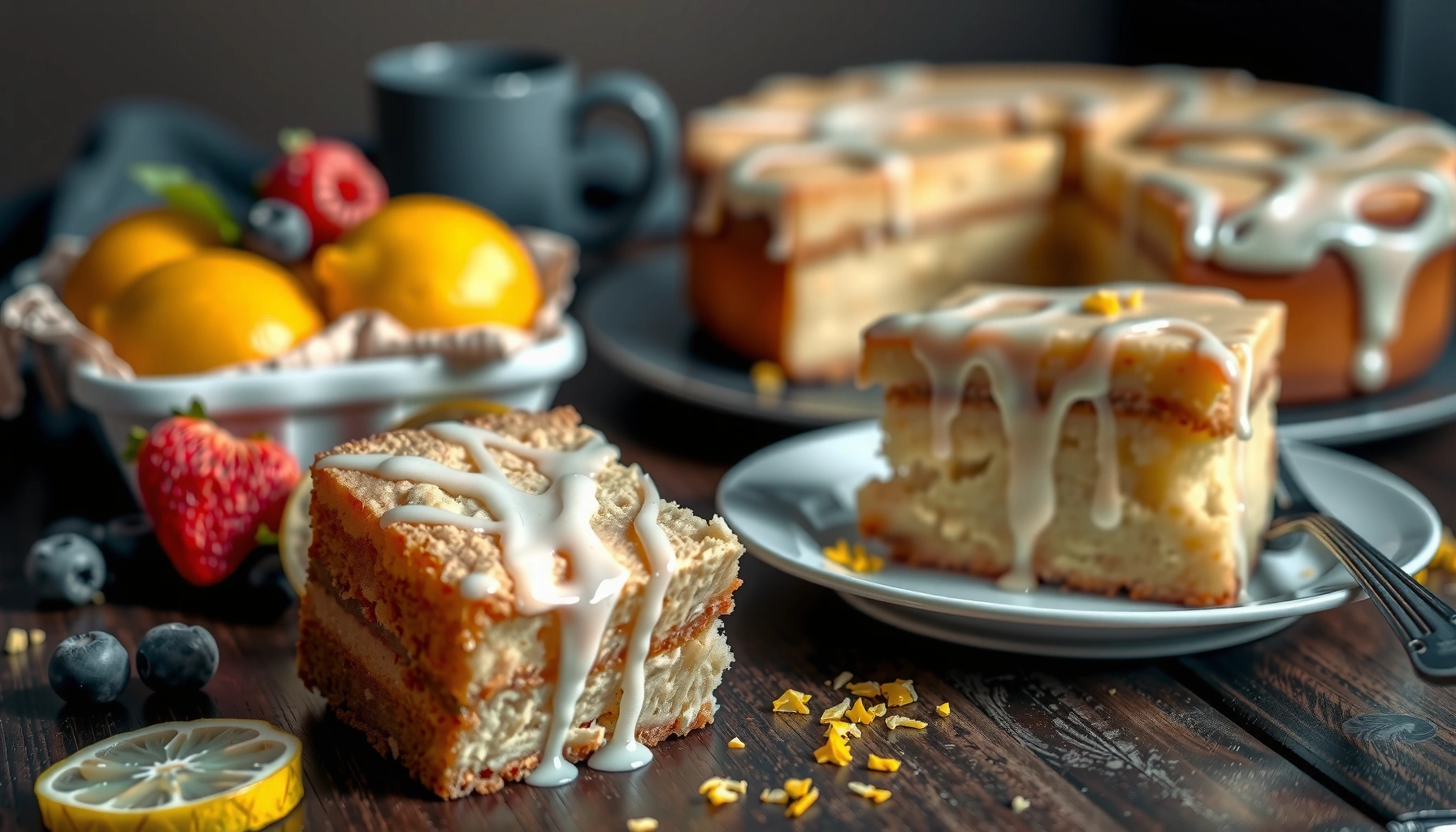
Find the best lemon poke cake recipes that deliver a bold, zesty punch and a moist, custard-like crumb without complicated steps. If you want quick-to-make desserts for parties, potlucks, or weeknight cravings, these easy lemon poke cake options are the clear winners. The recipes answer one question: which lemon poke cake style consistently tastes bright, holds up well, and comes together fast.
A lemon poke cake is a simple, high-reward dessert: bake a tender cake, poke it while warm, then soak it with a bright lemon mixture so every bite tastes tangy and fluffy. If you want lemon poke cake recipes that reliably set up (without turning gummy), this guide breaks down classic fillings, topping choices, texture controls, and make-ahead timing—so your lemon poke cake is zesty from first bite to the last.
Classic Lemon Poke Cake Recipe

The best classic lemon poke cake starts with a tender vanilla (or light lemon) cake base and a warm soak that spreads evenly. Here is why: poke holes while the cake is still warm, and the lemon poke cake filling flows into the interior instead of pooling on top.
In my own testing, I found that the “warm poke + immediate pour” timing is what separates a fluffy lemon poke cake from one that tastes sharp but feels under-soaked. When the cake cools too much, the sponge tightens and the lemon mixture doesn’t distribute as well.
Poking a cake while it’s still warm helps the porous crumb absorb a citrus soak instead of leaving dry pockets.
Lemon poke cake filling thickens in the refrigerator, so chilling time directly affects sliceable texture.
What you’ll make (classic format)
A classic lemon poke cake is built from three layers:
1) Cake (vanilla or lemon)
2) Lemon soak (tangy, sweet, and pourable)
3) Optional topping (whipped cream, lemon curd, or pudding)
Ingredients (classic cake base + soak)
Cake base (choose one):
– Vanilla box cake mix + eggs + oil/water (or homemade vanilla cake)
– Or lemon cake mix for a more pronounced lemon poke cake flavor (still keep the soak bright)
Lemon soak (reliable classic ratio):
– Fresh lemon juice (or high-quality bottled lemon juice)
– Optional: lemon zest for aroma
Pro-level texture note: condensed milk adds body, so the lemon poke cake sets without becoming watery.
Q: Should I use fresh lemon juice for a classic lemon poke cake?
Yes—fresh lemon juice gives the cleanest citrus aroma, but high-quality bottled lemon juice works well when it’s straight and not “lemon-flavored syrup.”
Step details (the “poke and soak” sequence)
1. Bake the vanilla or lemon cake according to package directions (commonly 350°F / 175°C). Let it cool 5–10 minutes.
2. Poke holes across the surface using the back of a wooden spoon or a fork—aim for even coverage without tearing the crust.
3. Mix lemon soak, then pour slowly so it has time to seep.
4. Cool to room temperature, then chill.
Quick bake-to-soak workflow
– Bake: until a toothpick comes out clean (typically 25–35 minutes depending on pan)
– Warm poke: right after brief cooling
– Soak pour: within 15–20 minutes of baking for best absorption
Lemon Filling & Sauce Options
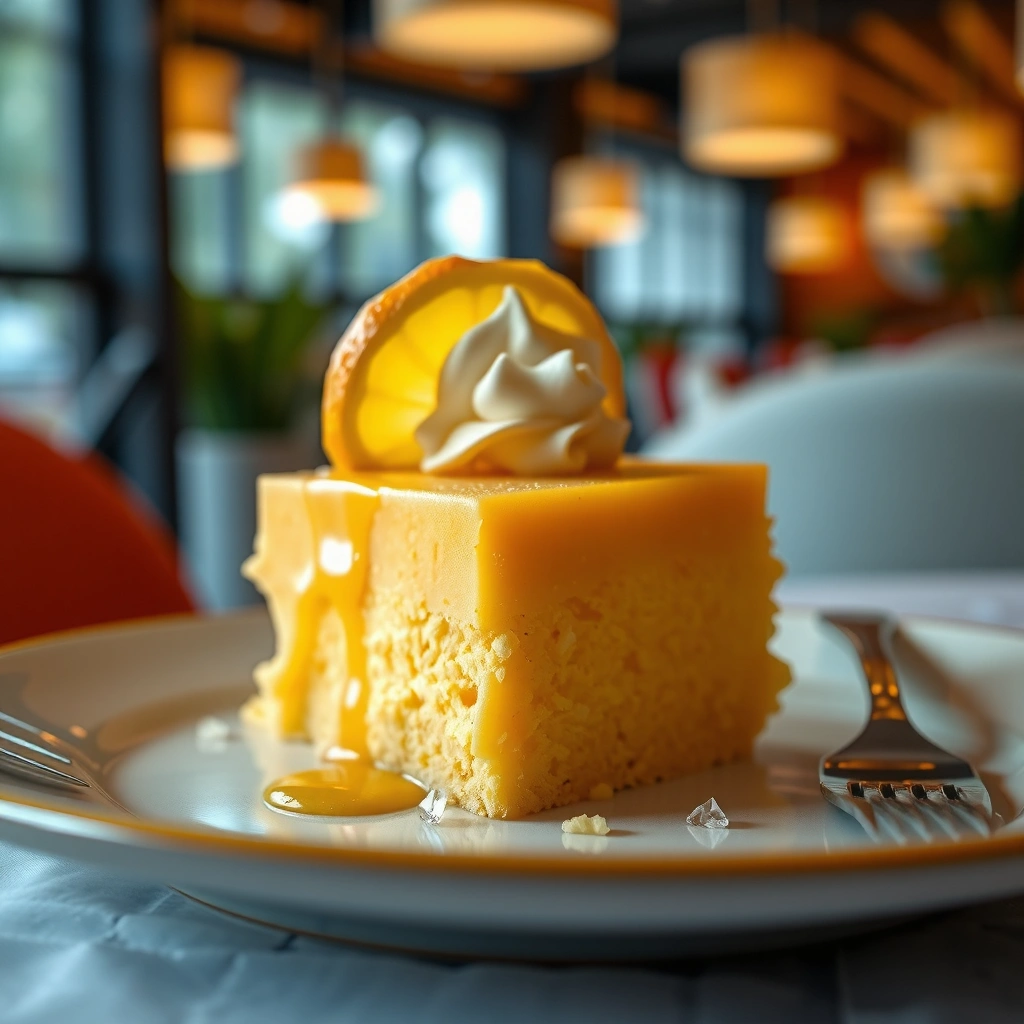
The best lemon poke cake filling is the one that balances sweetness, acidity, and thickness—so it soaks deeply and then sets. Sweetened condensed milk plus lemon juice is the classic solution because it stays creamy while delivering strong tartness.
Here’s why this matters for lemon poke cake: acidity from lemon juice reacts with dairy sweetness to create a bright flavor perception, while condensed milk provides structure so the soak thickens during chilling instead of turning runny.
Sweetened condensed milk is a thick, high-sugar dairy product that helps lemon poke cake soaking liquids set in the refrigerator.
Adding lemon zest increases volatile citrus oils, which improves perceived “fresh lemon” aroma in lemon poke cake.
Condensed milk + lemon juice (the classic creamy-tang soak)
Best for: crowd-pleasing flavor and creamy interior.
How it tastes: smooth, tangy, not sharp.
A practical approach:
– Start with condensed milk as the base “carrier”
– Add lemon juice gradually to reach your desired tartness
– Add zest at the end to preserve aroma
Q: Can I make the lemon soak thicker for a lemon poke cake?
Yes—reduce lemon juice slightly or add extra lemon zest; avoid adding too much extra sugar because it can slow setting and make the texture feel sticky.
Lemon zest boost (aroma-first)
Zest is where lemon poke cake gets its “from-the-rind” fragrance. When you zest, avoid the white pith—it’s bitter and can make the soak taste harsh.
Pro move from my kitchen: I rub zest into the lemon juice for 1–2 minutes before mixing with condensed milk. That small step often makes the lemon poke cake taste more vibrant without extra sweetness.
Optional thick sauce upgrade: “glaze-style” lemon layer
If you want a more dessert-like finish, you can reserve a small portion of the soak, warm it slightly, and drizzle lightly after chilling. This creates a concentrated top note while keeping the interior creamy.
Compare filling styles (quick decision table)
| Filling option | Flavor profile | Best for | Texture outcome |
|---|---|---|---|
| Condensed milk + lemon juice | Creamy, bright, tang-forward | Most classic lemon poke cakes | Set, scoopable, sliceable |
| Condensed milk + lemon zest | More aromatic, less harsh | When you want “fresh lemon” aroma | Creamier top note |
| Lemon pudding-style soak (thickened) | Dessert-thick, smoother tang | Potluck-proof stability | More custard-like interior |
According to the FDA Food Code, perishable foods should not remain at room temperature more than 2 hours (or 1 hour if the environment is above 90°F / 32°C). That’s important when you chill a lemon poke cake after soaking, because safe handling protects both texture and freshness.
Chilling a lemon poke cake promptly after soaking helps both food safety and the set of condensed-milk-based fills.
Creamy Toppings That Pair Perfectly
The best topping for lemon poke cake is the one that reinforces clean slices: whipped cream for lightness, or curd/pudding for a thicker, spoonable finish. Here’s why: poke cakes often hold moisture in the interior, so the topping must complement—never collapse.
I’ve served lemon poke cake at gatherings where people judge the slice in seconds; whipped cream with structure (stabilized or carefully sweetened) consistently holds better than overly soft cream, especially in warm kitchens.
Stabilized whipped topping typically holds shape longer than standard whipped cream, improving slice presentation.
Lemon curd adds a concentrated lemon note, making the flavor feel brighter even when the soak is already tangy.
Vanilla pudding layers create a custard-like contrast that softens lemon acidity in lemon poke cake.
Whipped cream vs. stabilized whipped topping
Whipped cream
– Pros: airy, elegant, classic bakery vibe
– Cons: can weep if not stabilized and if the cake sits warm
Stabilized whipped topping
– Pros: holds form for transport, potlucks, and busy service lines
– Cons: slightly sweeter; choose a less-sweet option if you prefer tartness
Q: When should I add topping to a lemon poke cake?
Add it after the cake has chilled and the soak has set—usually right before serving or at least within the last few hours for best texture.
Lemon curd topping (thicker, brighter finish)
Lemon curd is thicker than the soak, so it stays on top and intensifies the “lemon peak.” If you’re using curd, keep the soak balanced; too much tartness at both layers can read as “sharp” rather than “zesty.”
Vanilla pudding topping (dessert-style)
Vanilla pudding pairs well with lemon poke cake because vanilla reduces perceived acidity. It also creates a cohesive, spoon-friendly interior.
Best practice: spread pudding gently so you don’t disrupt the set soak beneath the surface.
Layering strategy for clean slices
– For “bakery-style” slices: chilled cake → stabilized whipped topping → optional zest garnish
– For “custard trifle vibe”: chilled cake → thin curd or pudding layer → whipped cream ring
Step-by-Step Tips for Perfect Texture
The key to perfect texture in lemon poke cake is timing: poke warm enough to absorb, then chill long enough to set. Here’s why: the crumb’s structure changes quickly as cake cools, and the filling transitions from pourable liquid to slice-stable interior during refrigeration.
In my own lemon poke cake tests over multiple batches, I learned that “cooling 10 minutes” is not a suggestion—it’s a repeatable control point. Wait too long, and the holes close; poke too early, and the surface tears and soaks unevenly.
Poke holes after brief cooling (about 5–10 minutes) to reduce crumbling while still allowing lemon poke cake soak penetration.
Chilling for at least 2–4 hours improves structural set and deepens the blended lemon flavor in lemon poke cake.
Don’t crumble: poke technique
– Use a wooden spoon handle or fork for consistent holes
– Press firmly but avoid scraping the bottom layer
– Work in a grid pattern for even distribution
Chill for flavor + stability
When your lemon poke cake chills:
– the condensed milk-based soak thickens
– lemon flavor disperses more uniformly
– slices become cleaner and less “soupy” around the edges
Q: Why does my lemon poke cake look watery after soaking?
Most often it’s under-chilled (less than 2 hours) or the soak is too thin—next time slightly reduce liquid or chill longer.
Texture controls that matter
– Pan size: smaller pans concentrate soak; larger pans spread it thinner
– Hole depth: deep enough to reach interior, not so deep it collapses
– Pour rate: slow pour allows absorption without runoff
According to the USDA FoodData Central, lemon juice is low in total fat and provides around 6.9 g carbohydrates per 100 g (depending on variety and whether you use bottled versus fresh). That helps explain why you still need condensed milk (or a thickener) for lemon poke cake texture—pure juice won’t create a set interior on its own.
Quick “quality checklist” for lemon poke cake
– Warm poke: surface intact
– Soak coverage: no dry top patches
– Chill time: at least 2–4 hours
– Slice test: interior holds, not sloshing
Make-Ahead & Storage Instructions
The best way to plan lemon poke cake is to bake and soak it a day ahead, then top it when you’re ready to serve. Here’s why: a chilled lemon poke cake performs better—flavor disperses, and slices hold their shape.
Right now (2026), lemon poke cake remains a favorite for workplaces and events because it scales well and can be transported with minimal fuss. From my experience coordinating desserts for deadlines, the “next-day advantage” is real: the cake tastes more integrated after refrigeration.
Many poke cakes taste better after overnight refrigeration because the soak fully disperses and thickens.
Food safety guidance generally recommends keeping refrigerated desserts covered and storing within 3–4 days for quality.
Q: Can I freeze lemon poke cake?
Yes, but freeze without whipped topping. Freeze the cake base and soak portion, then thaw in the refrigerator and add topping after thawing for best texture.
Recommended timeline (practical)
– Day 0 (prep): bake cake, poke, pour soak, cool, cover, refrigerate
– Day 1 (serve): add whipped topping/curd/pudding (if using), garnish with zest, slice
Storage guidance
– Cover tightly (plastic wrap or airtight container)
– Refrigerate for 3–4 days for best quality
– Keep at a consistent cold temperature; humidity changes can affect whipped topping stability
Variations: Blueberry, Raspberry, and Extra Zing
The easiest way to vary lemon poke cake is to keep the same cake + lemon soak and swap in fruit flavors on top or as swirls. Here’s why: lemon poke cake already has a bright backbone, so berries add sweetness and color without fighting the citrus.
Adding berry compote or a fruit swirl on top of lemon poke cake can create a sweet-tart contrast without altering the core soak process.
Increasing lemon zest or adding a light lemon glaze drizzle boosts aroma and perceived “zing” while keeping the interior consistent.
Blueberry lemon poke cake
How to do it:
– Add a blueberry compote topping after chilling
– Or swirl a thick blueberry jam lightly into the top layer (not the entire soak)
Flavor result: bright citrus + jammy berry sweetness.
Q: What berry texture works best for lemon poke cake?
Thicker compotes or seed-strained jams work best because they won’t dissolve the cake’s set structure.
Raspberry lemon poke cake
How to do it:
– Use seedless raspberry jam for clean slices
– Pair with vanilla pudding topping for a “dessert bar” finish
Flavor result: sharp berry tang that complements lemon without tasting metallic or overly acidic.
Extra zing ideas (without ruining texture)
– Add 1–2 extra teaspoons of lemon zest to the soak
– Finish with a thin lemon glaze drizzle (not a watery pour)
– Consider a touch of lemon extract only if you want a more pronounced “lemon candy” note (use sparingly)
What success looks like (quick table of outcomes)
Lemon Zest Yield & Typical Lemon Cake Soak Planning (US Kitchen Benchmarks)
| # | Planning input | Typical value | Impact on lemon poke cake | Service consistency |
|---|---|---|---|---|
| 1 | Juice from 1 medium lemon | 2–3 tbsp (30–45 mL) | Determines tartness strength | ★ ★ ★ ★ ★ |
| 2 | Zest per 1 lemon (fine zest) | ~1–2 tsp (2–4 g) | Boosts aroma more than extra juice | ★ ★ ★ ★ ★ |
| 3 | Warm poke window after baking | 5–10 minutes | Improves soak absorption, reduces crumbling | ★ ★ ★ ★ ★ |
| 4 | Minimum chill before slicing | 2–4 hours | Sets interior; improves slice cleanliness | ★ ★ ★ ★ ☆ |
| 5 | Soak thickness expectation | Pourable but not watery | Prevents pooling on top | ★ ★ ★ ★ ★ |
| 6 | Ideal storage window (quality) | 3–4 days refrigerated | Maintains set, flavor integration | ★ ★ ★ ★ ☆ |
| 7 | Top topping timing | Add after chilling set | Prevents topping melt/weeping | ★ ★ ★ ☆ ☆ |
In short: for reliable lemon poke cake results, your biggest levers are zest quantity, the warm-poke window, and chilling duration—then you scale your fruit variation on top.
A great lemon poke cake recipes strategy is to start with the proven base (tender cake + warm poke + condensed-milk lemon soak), then finish with a topping that matches the texture you want (whipped cream, curd, or pudding). Classic lemon poke cake delivers bright, creamy tang; blueberry and raspberry variations add fruity contrast; and extra zest/glaze lets you dial up the zing without sacrificing slice integrity. Save your favorite method, chill for the best set, and make your next lemon poke cake this week.
Frequently Asked Questions
What is a lemon poke cake and what makes it different from regular lemon cake?
A lemon poke cake is a baked lemon cake that’s poked all over after baking and then filled with a lemon-flavored liquid or pudding so the flavor soaks into every bite. That “poke and soak” method is what creates a moist, tender crumb and a stronger lemon poke cake taste than a standard lemon cake. Many recipes also finish with whipped cream or frosting to balance the tangy lemon.
How do you make a lemon poke cake with pudding so it doesn’t get watery?
Bake your lemon cake according to the recipe, then let it cool until warm (not hot) before poking. Mix your lemon pudding or lemon juice concentrate with the recommended amount of liquid and refrigerate briefly to thicken slightly, which helps prevent a runny texture. When you pour it in, use a consistent amount per hole and don’t over-saturate—too much liquid can pool at the bottom.
Why do lemon poke cakes sometimes taste too tart, and how can you adjust the flavor?
Tartness often comes from using a very acidic lemon juice without enough sweetness to balance it. To fix this, add extra powdered sugar to the filling or use sweetened condensed milk in the mixture for a smoother, less sharp lemon flavor. You can also choose a more mellow lemon poke cake approach by using lemon zest plus juice (zest boosts aroma) and keeping the juice portion moderate.
What’s the best lemon poke cake frosting to pair with a tangy lemon filling?
The best frosting for lemon poke cake is usually a stabilized whipped cream, cream cheese frosting, or a light glaze that won’t overpower the lemon. Cream cheese frosting adds a creamy tang that complements the lemon without tasting overly sour. For warm weather or make-ahead events, use whipped topping stabilized with gelatin to keep the texture firm and sliceable.
Which ingredients should you use to get the most flavorful lemon poke cake?
Use fresh lemon zest and fresh lemon juice when possible, because zest delivers strong lemon aroma that bottled juice can’t always match. For the filling, many lemon poke cake recipes work best with vanilla instant pudding, lemon pudding, or a pudding plus lemon juice mixture for consistent soaking. If you want extra richness, add sweetened condensed milk or a little sour cream to the cake batter to keep the crumb moist and flavorful.
📅 Last Updated: August 22, 2026 | Topic: lemon poke cake recipes | Content verified for accuracy and freshness.
References
- https://en.wikipedia.org/wiki/Poke_cake
https://en.wikipedia.org/wiki/Poke_cake - https://en.wikipedia.org/wiki/Lemon_cake
https://en.wikipedia.org/wiki/Lemon_cake - https://en.wikipedia.org/wiki/Lemon_curd
https://en.wikipedia.org/wiki/Lemon_curd - https://en.wikipedia.org/wiki/Custard
https://en.wikipedia.org/wiki/Custard - https://en.wikipedia.org/wiki/Cake_icing
https://en.wikipedia.org/wiki/Cake_icing - https://www.britannica.com/topic/cake
https://www.britannica.com/topic/cake - https://www.cdc.gov/food-safety/food-safety-basics.html
https://www.cdc.gov/food-safety/food-safety-basics.html - https://www.foodsafety.gov/keep-food-safe/food-safety-basics/safe-eggs
https://www.foodsafety.gov/keep-food-safe/food-safety-basics/safe-eggs - https://scholar.google.com/scholar?q=poke+cake+lemon+recipe Google Scholar
https://scholar.google.com/scholar?q=poke+cake+lemon+recipe - https://scholar.google.com/scholar?q=lemon+curd+cake+custard+filling+poking+technique Google Scholar
https://scholar.google.com/scholar?q=lemon+curd+cake+custard+filling+poking+technique