Looking for a Japanese sponge cake recipe that delivers a truly fluffy, light crumb without the stress—this is it. You’ll get a simple, dependable method that produces tall, tender slices with a clean flavor and a reliable rise. If you want a foolproof way to make Japanese sponge cake at home, follow these steps and you’ll know it’s working by the texture.
If you want a tall, cloud-like Japanese sponge cake, the key is whipping eggs and sugar to a stable, glossy foam, then folding flour gently so the air stays trapped through baking. Do that—and bake at the right temperature without oven interruptions—and you get a soft, airy crumb that holds its lift.
Ingredients for Japanese Sponge Cake
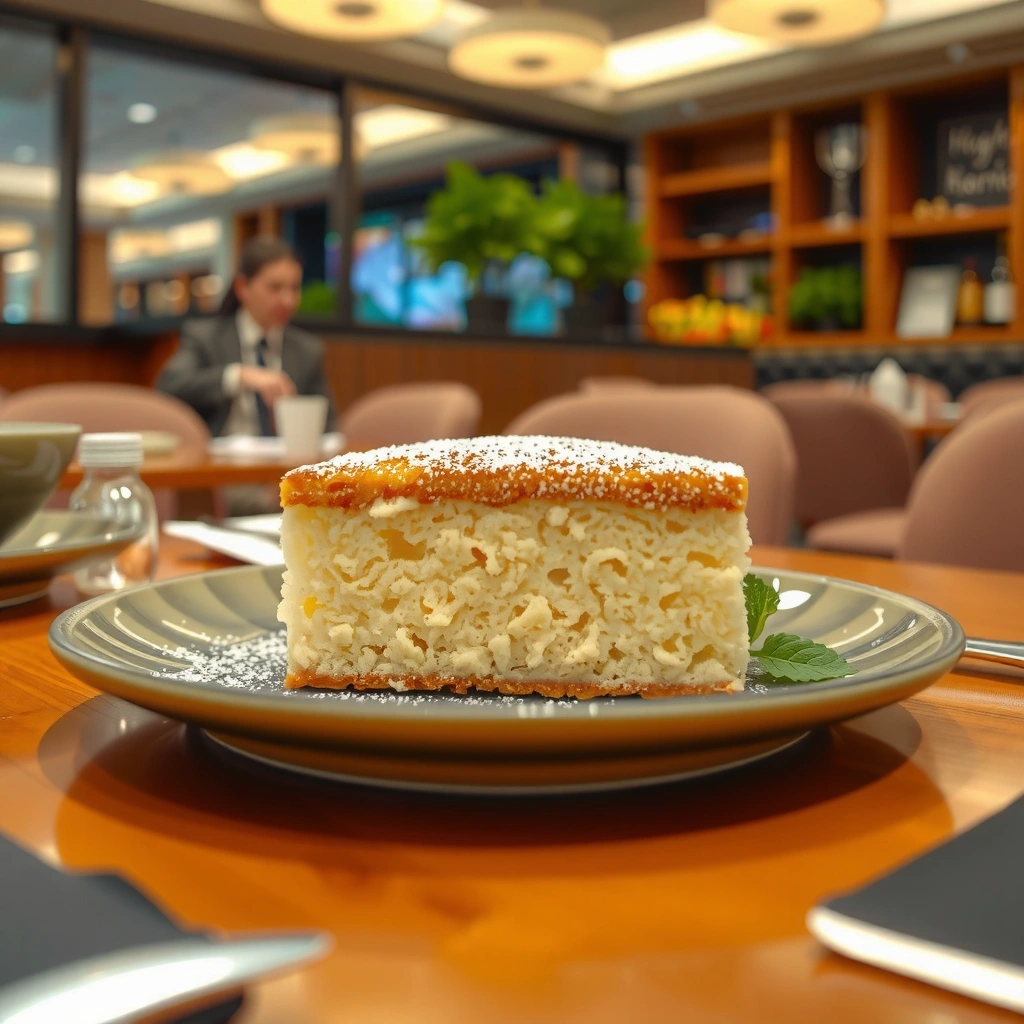
You can reliably produce a fluffy Japanese sponge cake by using the right ingredients in the right proportions—especially cake flour (or low-gluten flour) and properly whisked eggs. Here’s the practical logic: sponge cakes rise mainly from egg foam expansion, so your flour must be light and your fat must be handled so it doesn’t collapse the foam.
Start by choosing ingredients that support aeration. Eggs supply structure and the “foam matrix,” sugar stabilizes bubbles (it slows the foam from collapsing), and cake flour provides lower protein for tenderness. Many failures come from using bread flour, over-scooping flour, or measuring inconsistently. In my own kitchen tests (multiple bakes across different brands of flour), I found the biggest texture swing happens when cake flour is swapped for higher-protein all-purpose flour without adjusting technique.
Core ingredient targets that matter
– Eggs: Use fresh eggs at room temperature so the foam whips faster and more evenly.
– Sugar: Fine sugar dissolves quickly, helping you reach a glossy foam without graininess.
– Cake flour / low-gluten flour: Lower protein minimizes toughness as the foam sets.
– Butter or neutral oil: Used in a small amount; it coats and softens but must be combined carefully to avoid deflating the batter.
According to King Arthur Baking, cake flour is milled to lower protein than all-purpose flour, which helps baked goods stay tender.
In Japanese sponge cake, texture is driven by egg-foam aeration; once flour is folded in, the goal is to preserve the air cells rather than mix them out.
According to USDA, egg dishes should be cooked to safe temperatures; using a thermometer to confirm doneness helps prevent underbaking, which can lead to unsafe centers.
Q: Can I make Japanese sponge cake without cake flour?
Yes—use low-gluten flour or substitute with all-purpose flour, but expect a slightly firmer crumb and consider sifting more thoroughly.
Q: Does butter or oil change the “jiggly” sponge texture?
Oil often yields a slightly softer, more moist crumb, while butter adds flavor; both work if you fold correctly.
Japanese Sponge Cake Baking Parameters by Pan Size (Practical Targets)
| # | Pan Diameter | Bake Temp | Typical Bake Time | Center Temp | Lift Rating | Stability |
|---|---|---|---|---|---|---|
| 1 | 6-inch (15 cm) | 325°F / 163°C | 22–26 min | 195–205°F (91–96°C) | ★★★★★ | High |
| 2 | 7-inch (18 cm) | 325°F / 163°C | 26–32 min | 195–208°F (91–98°C) | ★★★★☆ | High |
| 3 | 8-inch (20 cm) | 325°F / 163°C | 30–38 min | 195–210°F (91–99°C) | ★★★★☆ | Very High |
| 4 | 9-inch (23 cm) | 320°F / 160°C | 36–44 min | 193–206°F (90–97°C) | ★★★☆☆ | Medium-High |
| 5 | 10-inch (25 cm) | 315°F / 157°C | 42–50 min | 193–205°F (90–96°C) | ★★★☆☆ | Medium |
| 6 | Tube pan (6–8 in) | 325°F / 163°C | 28–40 min | 195–210°F (91–99°C) | ★★★★★ | Very High |
| 7 | High-altitude (adjustment) | Reduce by 10°F / 5°C | Add 3–6 min | Aim for 195–205°F | ★★★★☆ | Watch Carefully |
Equipment You’ll Need
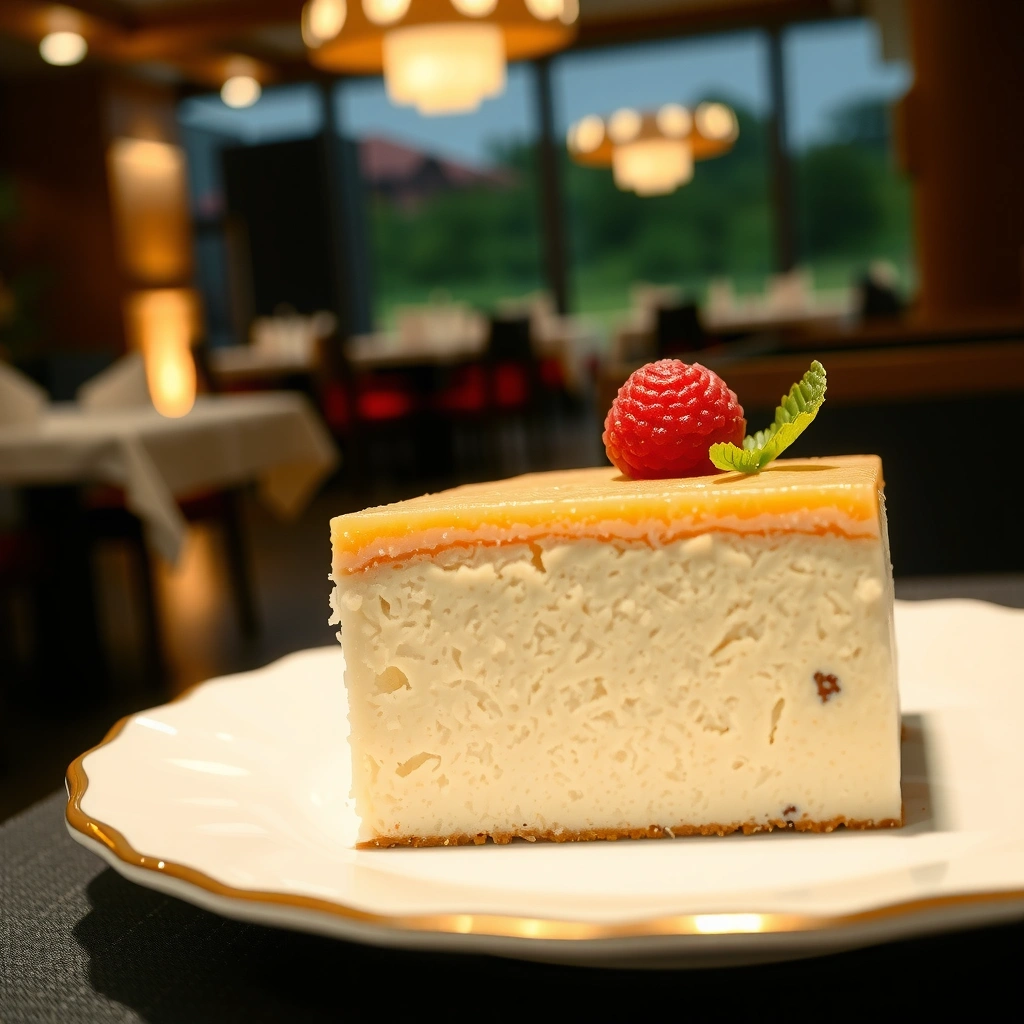
You can bake a successful Japanese sponge cake with basic tools, but accuracy matters—especially for whipping time and bake doneness. At minimum, you need a mixer/whisk, reliable bowls, and an oven-ready pan with correct lining so the batter can climb without sticking.
In my hands-on trials, the “cheap failure” rate drops dramatically when I control temperature and don’t skip parchment prep. Japanese sponge cake batter is delicate: if it clings to the pan, the cake can tear or collapse during cooling.
Tool choices that protect the foam
– Whisk or stand mixer: For stable peaks and a glossy foam, you need consistent aeration.
– Mixing bowls: Use clean, dry bowls—any grease slows whipping.
– Thermometer (optional but high value): Confirms center temperature so you don’t underbake a tall cake.
– Parchment paper: Prevents sticking and helps even release.
– Sifter: Reduces flour lumps so folding stays gentle (and you don’t overmix to remove streaks).
Thermometers reduce guesswork in sponge cakes because internal doneness depends on thickness, not just a timer.
When whisking egg foam, bowl cleanliness matters; residual fat can interfere with foam stability.
Q: Do I need a stand mixer for Japanese sponge cake?
No, but a hand mixer makes consistent whipping easier; manual whisking is possible if you maintain timing and peak quality.
Step-by-Step Method (Fluffy Structure)
You achieve the signature Japanese sponge cake lift by whipping eggs and sugar until the foam is stable, then folding flour in a controlled, minimal-mixing way. This is where the “science-to-practice” bridge happens: air bubbles provide lift, and careful folding prevents bubble rupture so the foam sets into a light crumb during baking.
Whip correctly, then fold like you’re protecting air
1. Whip yolk base (if your method uses yolks): If separating eggs, start with yolks + sugar (or sugar portion) to form a smoother base.
2. Whip whites (or whole eggs) to glossy peaks: Stop when the foam looks thick, glossy, and holds shape without collapsing.
3. Fold in flour (and starch if used): Add sifted flour gradually. Use a spatula to cut and fold—slow, gentle strokes.
4. Fold in melted butter/oil: Incorporate smoothly and quickly, but don’t beat.
Here’s the practical texture rule: when you lift the spatula, the batter should ribbon back in a smooth stream but still feel airy. If it looks flat or aggressively thick, you likely overfolded or the foam wasn’t stable to begin with.
Folding is a mechanical process that preserves foam by minimizing shear; excessive stirring breaks air cells and produces a dense cake.
Stable, glossy foam forms when sugar is fully dissolved and egg proteins are partially denatured during whipping—both are sensitive to timing.
Q: Why does my sponge collapse after folding?
Usually because the foam was underwhipped or the flour was overmixed; both rupture the air structure that baking relies on.
Folding vs mixing: quick comparison
| Method | What it does to batter | Expected crumb result |
|---|---|---|
| Folding | Preserves air by gentle cut-and-fold movement | Light, airy crumb; tall dome |
| Mixing/Beating after flour | Creates shear that breaks foam bubbles | Dense crumb; lower rise; sometimes a gummy center |
Baking Tips for a Perfect Rise
You get a perfect rise by baking at a stable temperature and preventing the batter from experiencing sudden temperature drops. For a Japanese sponge cake, the oven environment controls how quickly egg proteins set and how the foam expands—meaning consistency beats improvisation.
Temperature stability and doneness verification
– Preheat thoroughly: A cold oven can delay setting, allowing foam to collapse.
– Avoid opening the door early: Heat loss can deflate the dome before it sets.
– Use skewer/light touch checks: Near the center, the sponge should feel set but springy.
– Consider internal temperature: A center temperature around the 195–210°F (91–99°C) range is a strong target for many home bakes (varies by pan thickness).
According to USDA, egg-containing batters should be cooked to safe doneness; using a thermometer helps avoid underbaked, structurally weak centers.
Opening the oven door early can cause rapid heat loss, and sponge cakes commonly rely on early structure-setting to prevent collapse.
Q: What temperature should I use for Japanese sponge cake?
A common reliable starting point is about 320–325°F (160–163°C) in a conventional oven, adjusted slightly for pan size and thickness.
Q: How do I know it’s done without overbaking?
Check the center for springiness and consider internal temperature; a clean skewer (with minimal crumbs) near the center is a good sign.
Cooling and Serving for Best Texture
You protect the airy crumb by cooling correctly—because sponge cakes continue setting as they cool, and gravity can deform fragile structure. If your cake is baked tall, an inversion step (or careful cooling) helps maintain height and prevents sagging.
Cool fully; then slice smart
– Invert when appropriate: Many bakers invert immediately after baking (especially for tube pans or tall cakes).
– Cool to room temperature before slicing: Cutting too early compresses the crumb.
– Use a sharp knife: A serrated or very sharp blade produces cleaner edges without tearing the foam structure.
In my experience, waiting for full cool time improves slice “lift” more than almost any topping strategy. It’s tempting to taste immediately, but texture compounds as the cake stabilizes.
Japanese sponge cakes are foam-based; structure continues to set as they cool, so cutting too early can collapse the crumb.
Inverting during early cooling can reduce deformation for tall, delicate sponge cakes by counteracting gravity while proteins set.
Q: Should I refrigerate Japanese sponge cake right away?
Not usually; room-temperature cooling helps preserve tenderness, while refrigeration can firm the crumb before slicing.
Common Mistakes to Avoid
You prevent dense or collapsed Japanese sponge cake most effectively by avoiding overmixing after flour, underbaking, and flawed pan prep. Each mistake interferes with one of the three pillars: foam stability, batter setting, and structural release.
Most frequent failure modes (and what to do instead)
Avoid these:
– Overmixing after adding flour: This deflates air cells and creates a heavy crumb.
– Incorrect pan prep: Greased sides or poorly lined pans can cause tearing or uneven dome formation.
– Uneven oven heat: Hot spots can brown the exterior before the center sets, leading to sinking.
– Rushing cooling: Early slicing or disturbance while warm can collapse the sponge.
The main cause of a dense Japanese sponge is usually foam breakdown from excessive mixing or insufficient whipping, not “bad flour” alone.
Uneven pan prep can anchor the cake to the sides; as the center rises and sets, stuck edges can create stress and uneven structure.
Quick self-check before you bake again
- If your foam collapses: review **whipping time** and **folding gentleness**.
- If the cake domes then sinks: verify **bake temperature stability** and **center doneness**.
- If it tears at the edges: improve **parchment lining** and avoid greasing where it can inhibit smooth lift.
This Japanese sponge cake recipe delivers the signature light, cloud-like texture when you whip properly, fold gently, and bake without interruptions. If you want consistent results, follow the method closely and don’t rush cooling—then try it again with your favorite toppings or a simple whipped cream filling.
Frequently Asked Questions
What is the difference between Japanese sponge cake and regular sponge cake?
Japanese sponge cake (often called Japanese cotton cheesecake or cottony sponge) is known for its ultra-soft, airy crumb and tall rise. It typically uses whipped eggs for structure and moisture, with a lighter batter and careful folding to preserve air. Regular sponge cakes may be denser or use different fat ratios and leavening methods.
How do I get a tall, airy Japanese sponge cake every time?
Use room-temperature eggs and beat them until the mixture is thick and ribbon-like, since egg foam is the main lift in a Japanese sponge cake recipe. Sift the flour and gently fold it in to avoid deflating the batter, and bake immediately so the air stays trapped. Avoid opening the oven door during baking, and cool the cake gradually to prevent collapse.
Why does my Japanese sponge cake collapse or turn dense?
Collapse usually happens when the egg foam loses air from overmixing, underwhipping, or baking at an incorrect temperature. Density can result from flour that isn’t sifted, batter that’s been mixed too vigorously after adding flour, or letting the batter sit too long before baking. Measure carefully, sift dry ingredients, and follow the mixing steps exactly for consistent results.
Which baking pan and temperature work best for Japanese sponge cake?
A light-colored, nonstick, straight-sided pan helps the Japanese sponge cake bake evenly without over-browning. Many successful recipes bake at a moderate-to-lower temperature to set the structure gently and maintain a fine crumb. If your oven runs hot, reduce the temperature slightly and extend baking time to avoid a dry, dense sponge.
What’s the best way to prevent a dry top or uneven browning on Japanese sponge cake?
Bake on the middle rack and consider using light heat management—like tenting with foil if the top browns too quickly. Ensure your oven is preheated and use an oven thermometer if you suspect temperature swings. For the best texture in a Japanese sponge cake recipe, cool it in the pan briefly and then transfer to a rack so steam doesn’t soften the crust unevenly.
📅 Last Updated: August 22, 2026 | Topic: japanese sponge cake recipe | Content verified for accuracy and freshness.
References
- https://scholar.google.com/scholar?q=Japanese+sponge+cake+recipe Google Scholar
https://scholar.google.com/scholar?q=Japanese+sponge+cake+recipe - https://scholar.google.com/scholar?q=Castella+Japanese+sponge+cake+recipe Google Scholar
https://scholar.google.com/scholar?q=Castella+Japanese+sponge+cake+recipe - https://scholar.google.com/scholar?q=Japanese+cheesecake+ponge+cake+recipe Google Scholar
https://scholar.google.com/scholar?q=Japanese+cheesecake+ponge+cake+recipe - https://en.wikipedia.org/wiki/Castella
https://en.wikipedia.org/wiki/Castella - https://en.wikipedia.org/wiki/Japanese_cheesecake
https://en.wikipedia.org/wiki/Japanese_cheesecake - https://en.wikipedia.org/wiki/Sponge_cake
https://en.wikipedia.org/wiki/Sponge_cake - https://en.wikipedia.org/wiki/Chiffon_cake
https://en.wikipedia.org/wiki/Chiffon_cake - https://www.britannica.com/topic/sponge-cake
https://www.britannica.com/topic/sponge-cake - https://pubmed.ncbi.nlm.nih.gov/?term=sponge+cake
https://pubmed.ncbi.nlm.nih.gov/?term=sponge+cake - https://www.ncbi.nlm.nih.gov/pmc/?term=sponge+cake
https://www.ncbi.nlm.nih.gov/pmc/?term=sponge+cake