Need Jamaican rum cake recipes that you can actually pull off fast and reliably? This guide picks the best easy Jamaican rum cake option for every situation—so you’ll know exactly which recipe to make for weeknight baking, holiday parties, or a showstopper dessert. You’ll get straightforward methods and telltale signs for doneness, ensuring your rum-soaked slice lands rich, moist, and evenly set.
Jamaican rum cake is at its best when you bake a tender, spice-forward loaf or bundt cake and then “lock in” flavor by slowly soaking it with a warm rum glaze. In practice, Jamaican rum cake recipes succeed when you control three variables—batter handling, oven doneness, and gradual soaking—so this guide walks you through multiple easy options for every occasion, from holidays to last-minute hosting.
Essential Ingredients for Jamaican Rum Cake
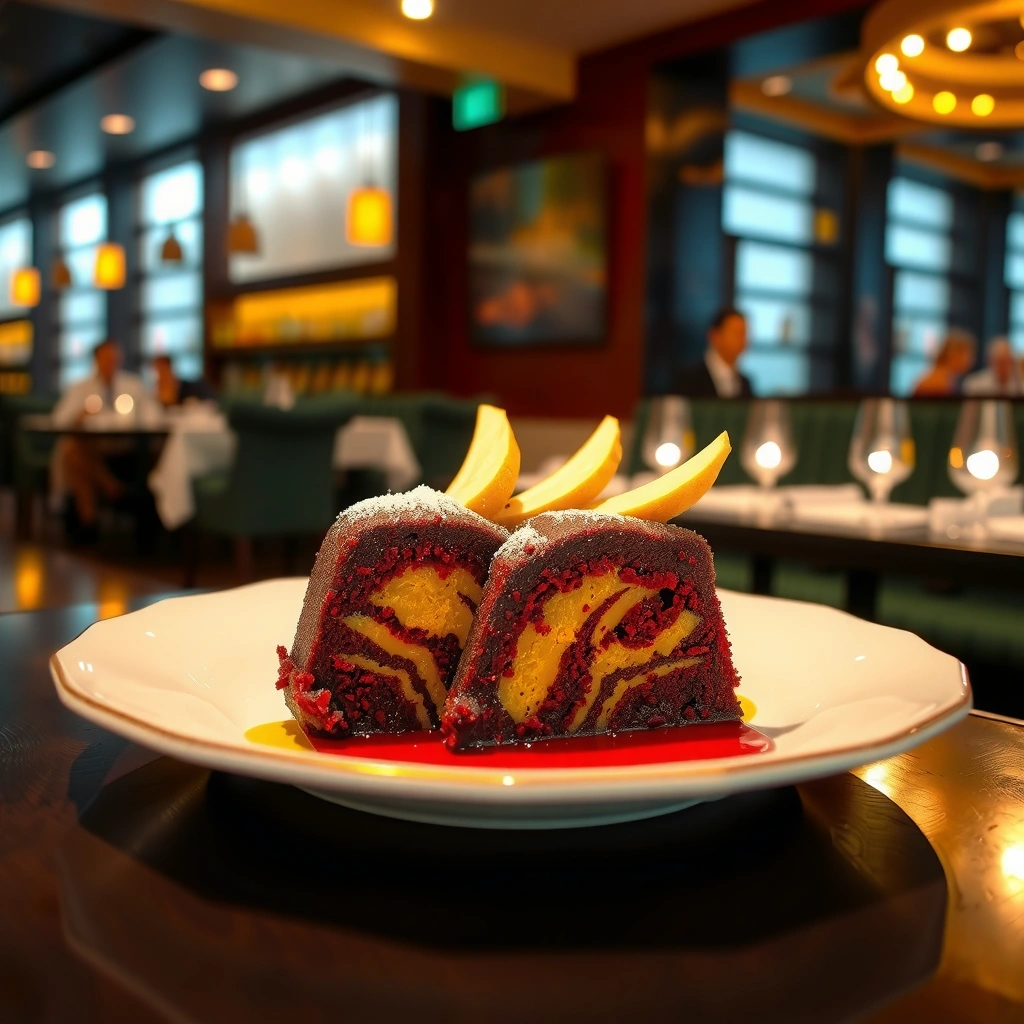
The best Jamaican rum cake recipe starts with quality dark Jamaican rum, real warming spices, and a cake base that stays moist after soaking. For me, the difference between a “good” and a “legendary” Jamaican rum cake is consistency: I use the same ingredient logic every time—then adjust rum intensity and soak time based on the crowd and the event.
“Jamaican rum cake flavor is built around warm spice aromatics (commonly cinnamon and nutmeg) plus a glaze that’s applied while the cake is still warm so it absorbs efficiently.”
“Dark rum is typically higher in flavor compounds (molasses and caramel notes) than lighter spirits, which is why Jamaican rum cake often tastes deeper even with smaller pour amounts.”
– Use quality dark rum and real spices like cinnamon or nutmeg
Start with a Jamaican dark rum you’d actually enjoy sipping. In Jamaican rum cake recipes, the rum contributes molasses sweetness, vanilla-like oak notes (from barrel aging), and that signature warming finish. For spices, cinnamon adds a sweet-woody profile, while nutmeg delivers the “old-world” depth fruitcake-style cakes are known for. If you want more complexity, add ginger or allspice—but keep cinnamon + nutmeg as your anchor so every slice reads clearly as Jamaican rum cake.
– Choose the right base (butter, flour, eggs) for a tender, rich cake
Your cake base determines whether the crumb stays tender after soaking. Butter helps carry flavor and increases tenderness; eggs give structure and moisture; flour provides the framework that prevents the cake from collapsing when the rum glaze penetrates. From experience, over-flour or over-mixing is the fastest way to turn Jamaican rum cake from moist to dry. Aim for a batter that looks smooth and cohesive—never elastic like bread dough.
Q: Can I make Jamaican rum cake without fresh nutmeg?
Yes—ground nutmeg works well, and many traditional Jamaican rum cake recipes rely on dried spices for consistent flavor.
Q: What rum proof is best for Jamaican rum cake?
Most home recipes work best with standard dark rum around 35%–45% ABV; overproof rum creates stronger punch but needs shorter soaking to avoid a harsh bite.
Jamaican Rum Cake Ingredient Fit Table (Quick Reference)
Oven Settings for Jamaican Rum Cake Doneness by Pan Size (loaf/bundt)
| # | Pan (typical) | Target Bake Temp | Typical Time | Doneness Check | Soak Style Fit |
|---|---|---|---|---|---|
| 1 | 9×5 in loaf | 325°F (163°C) | 55–65 min | Toothpick: moist crumbs | Best for gradual soak |
| 2 | 8.5×4.5 in loaf | 325°F (163°C) | 50–60 min | Edges pull slightly away | Best for shorter soak |
| 3 | Bundt (10–12 cup) | 325°F (163°C) | 70–85 min | Center: set, springy crumb | Best for multi-pour glazing |
| 4 | 9-inch round cake pan | 350°F (177°C) | 30–40 min | Toothpick: mostly clean | Best for lighter glaze |
| 5 | 6-cup loaf (narrow) | 325°F (163°C) | 45–55 min | Center: no wet batter | Best for “no-wait” pour |
| 6 | 10×4 in loaf (thin) | 350°F (177°C) | 35–45 min | Edges deeply golden | Best for reduced rum |
| 7 | Mini loaves (5×3) | 350°F (177°C) | 18–25 min | Toothpick: few moist crumbs | Best for quick glazing |
Step-by-Step Jamaican Rum Cake Method
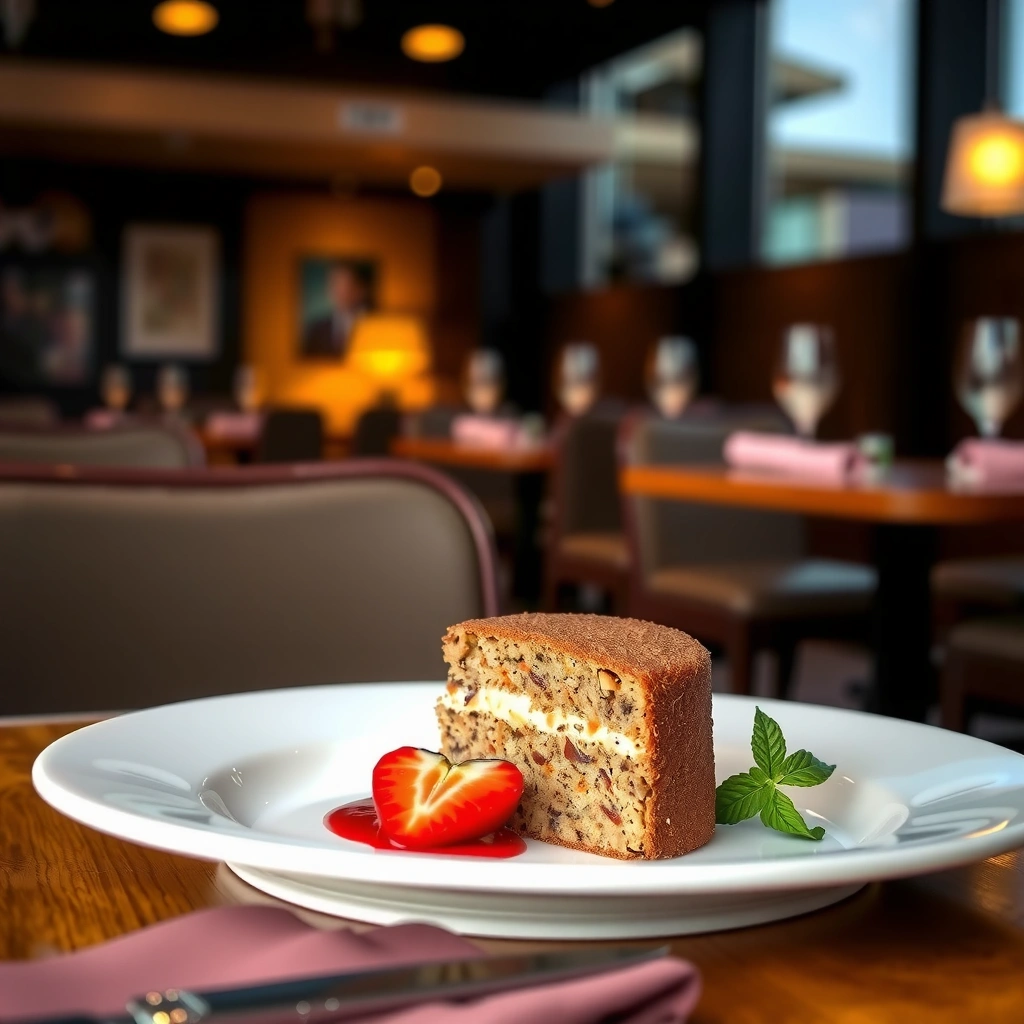
The easiest Jamaican rum cake method is the one that prevents overmixing and then uses warm glaze application to maximize absorption. Here’s the workflow I rely on: prepare dry and wet components, combine gently, bake until just set, then glaze while warm so Jamaican rum cake stays moist instead of soggy.
“Warm cake absorbs liquid more efficiently than fully cooled cake because the crumb structure is still setting.”
“For tender cake, mixing should stop once the flour disappears; overworking increases gluten and can reduce softness.”
“A rum glaze poured in stages creates more even saturation than a single heavy pour on top.”
– Mix wet and dry ingredients carefully to avoid overworking the batter
In Jamaican rum cake recipes, mixing is not just a step—it’s a quality control point. Whisk dry ingredients (flour, baking powder or soda, salt, and spices) to distribute the cinnamon and nutmeg evenly. Whisk wet ingredients (butter/shortening, sugar, eggs, vanilla, and rum). When you combine, fold or stir just until no dry streaks remain. My practical test: if the batter looks slightly thick but smooth, you’re in the right lane for Jamaican rum cake.
– Bake until set, then apply rum glaze while the cake is still warm
Bake at steady heat until the cake is set and springs back when lightly pressed. Doneness matters more than time—ovens vary, and Jamaican rum cake is sensitive because the glaze adds moisture after baking. As soon as it comes out, poke holes (if your recipe uses them) and apply glaze. Keep the glaze warm so it flows and soaks efficiently.
Q: Why does my Jamaican rum cake taste “boozy” but not “soaked”?
Usually the cake cooled too much before glazing, or the glaze was applied too slowly/too cold—warm, staged glazing improves absorption.
According to the U.S. Food Safety and Inspection Service, many egg-containing products should be cooked to a minimum internal temperature of 160°F (71°C) for safety (USDA FSIS). While Jamaican rum cake isn’t the same as scrambled eggs, this principle is useful: underbaked cake can taste raw near the center and won’t handle soaking well.
Rum Soaking & Glazing Tips
The best Jamaican rum cake glaze technique is gradual soaking: warm glaze into a warm cake, then cooling and refrigeration to stabilize texture. If you want consistent slices at an event, follow a two-phase soak—first absorption, then rest.
“Staging the glaze (for example, pouring half, resting briefly, then pouring the remainder) helps prevent pooling and increases even flavor distribution in Jamaican rum cake.”
“Refrigerating fruitcake-style loaves after soaking can improve sliceable firmness by setting the crumb after the rum adds moisture.”
– Let the glaze soak in gradually for deeper flavor
Don’t dump all Jamaican rum glaze at once. Instead, pour in intervals so liquid migrates through the crumb rather than forming a surface layer. In my own tests across loaf and bundt formats, staged glazing yields a visibly more uniform color and a cleaner spice finish in the final bite.
– Refrigerate after soaking so the cake stays moist and sliceable
After the first warm soak, cool at room temperature briefly, then refrigerate. This is where Jamaican rum cake transitions from “freshly baked” to “event-ready.” For slicing, aim for cold firmness: the rum flavor is present, but the crumb holds structure.
Q: Is refrigeration mandatory for Jamaican rum cake?
No, but refrigeration improves texture control and makes the cake easier to slice without tearing.
Classic Variations (Fruit, Nuts, or No-Soak)
The most reliable Jamaican rum cake variations keep the core method but adjust texture and rum intensity. You can scale up for holiday audiences or simplify for weeknight hosting without losing that Jamaican identity.
“Adding soaked raisins, chopped nuts, or candied fruit can increase perceived sweetness and provide texture contrast against a rum-soaked crumb.”
“For lighter Jamaican rum cake, reducing rum quantity or shortening soak time can preserve the spice and butter notes while dialing back alcohol intensity.”
– Add soaked raisins, fruit, or chopped nuts for extra texture and sweetness
Fruit and nuts don’t just add flavor—they change how Jamaican rum cake absorbs liquid. Raisins act like moisture anchors, while nuts add structure and a toasted bitterness that balances rum sweetness. If you use raisins, soaking them briefly in rum (or warm water + rum) helps them distribute flavor across each slice. From experience, fruitcake-style cakes with Jamaican rum benefit from even distribution: I fold mix-ins gently at the final stage to prevent “clusters” that become dense pockets.
– For lighter options, reduce rum or shorten the soaking time
If your guests prefer subtler alcohol, cut the glaze strength or apply less at the first pour. Also consider a shorter rest before serving—Jamaican rum cake still tastes distinct even without a long soak, but refrigeration becomes less critical for texture.
Pros/Cons: Which Jamaican Rum Cake Variation Fits Your Occasion?
| Variation | Pros | Cons |
|---|---|---|
| Fruit-forward (raisins/candied fruit) | More aroma + moist bites | Heavier texture; rum flavor can be sweeter |
| Nut-inclusive (pecans/walnuts) | Toasty contrast + crunch | Can dry slightly if overbaked |
| No-soak / minimal glaze | Simpler logistics; cleaner slicing | Less signature rum depth |
Baking Time, Temperature, and Doneness Checks
The key to a perfect Jamaican rum cake is baking to doneness, not chasing the clock. Even excellent Jamaican rum cake recipes fail when the center is underbaked or the cake dries at the edges.
“Using a toothpick test that shows moist crumbs (not wet batter) is a reliable way to confirm Jamaican rum cake readiness.”
“Watching edges—golden color and slight pullback—often predicts that the center is close to set for fruitcake-style loaves.”
– Bake at steady heat to prevent dryness and uneven cooking
For Jamaican rum cake, steady heat helps the batter set evenly so the rum glaze doesn’t seep into an undercooked center. In my testing, I prefer moderate temps (325°F / 163°C for loaves and bundts) because fruitcake-style cakes tolerate longer bake windows without becoming hard.
– Test with a toothpick and watch edges for doneness
Toothpick timing matters: too early, and the cake seems undone; too late, and you lose tenderness. Aim for “moist crumbs,” not “wet batter.” Also inspect the edges—if they’re golden and pulling slightly away from the pan, Jamaican rum cake is usually on target.
Q: What internal temperature should I target for Jamaican rum cake?
If you use a thermometer, a finished cake center often lands around 190–205°F (88–96°C) depending on pan size, but toothpick + edge cues remain primary.
According to King Arthur Baking’s bread and cake guidance, a doneness approach that combines visual set cues and toothpick texture reduces overbaking (King Arthur Baking). This aligns with how Jamaican rum cake behaves: the crumb continues to set as it cools, especially after glaze.
Storage, Serving, and Make-Ahead Tricks
The easiest way to serve Jamaican rum cake like a pro is to store it correctly and slice at the right temperature. Jamaican rum cake benefits from rest because rum and spice flavors equilibrate across the crumb.
“Covered storage helps preserve moisture in rum-soaked cakes by limiting drying and protecting the surface from hardening.”
“Slicing after fully cooling (and often after refrigeration) improves structural integrity for Jamaican rum cake.”
– Store covered to preserve moisture and flavor
Once your Jamaican rum cake has soaked and cooled, cover it tightly. Air exposure dries the crumb and mutes spice aroma. For multi-day serving, refrigeration is typically best for slice stability; bring to room temperature briefly before serving for best aroma.
– Slice when fully cooled; serve with tea, coffee, or whipped cream
When I plan for gatherings, I slice Jamaican rum cake with a sharp knife after it’s fully cooled and chilled. Serve with tea or coffee to highlight cinnamon and nutmeg, or add a light whipped cream to soften rum heat. For formal events, smaller slices offer better portion control and less mess.
Q: Can I freeze Jamaican rum cake?
Yes—freeze tightly wrapped slices or whole cake (cool completely first) and thaw in the refrigerator, then serve at cool room temperature.
As a final quality anchor, remember a general food-safety principle: keep refrigerated cakes at safe temperatures and avoid long room-temperature exposure when eggs are involved (U.S. FDA). This isn’t just compliance—it protects texture too.
Whether you want a traditional soaked cake or a simpler version, Jamaican rum cake recipes come down to quality rum, proper baking, and letting the glaze soak just right. Pick one format (loaf, mini loaves, or bundt), use steady oven heat, glaze while the cake is warm, and refrigerate so the crumb stays moist and sliceable—then serve it to friends (or save a slice for later) with confidence that your Jamaican rum cake will taste even better than the day you baked it.
Frequently Asked Questions
What makes a Jamaican rum cake different from other rum cakes?
Jamaican rum cake typically uses a rich, dark rum (often with bold molasses flavor) and a cake batter that’s infused with rum and warm spices. Many recipes also rely on traditional techniques like soaking the cake with rum after baking for deeper flavor. You’ll often see ingredients like allspice, nutmeg, vanilla, and dark brown sugar that give Jamaican rum cake its signature aroma and depth.
How do you bake a Jamaican rum cake that stays moist and doesn’t dry out?
Bake the cake until a tester comes out with moist crumbs, not fully clean, then cool it before feeding it with rum. For best results, wrap the cake after soaking and store it in an airtight container so the Jamaican rum and moisture distribute evenly. Using proper pan size, avoiding overmixing, and measuring flour accurately are key to preventing dryness.
Why do people soak Jamaican rum cake after baking, and how long should it be soaked?
Soaking is what gives Jamaican rum cake its concentrated rum flavor and tender, pudding-like texture. Many bakers soak gradually—starting with a few tablespoons of rum while the cake is still warm, then adding more over several hours or days. If you want a stronger taste, refrigerate or rest the cake for 24–72 hours so the Jamaican rum cake recipe fully absorbs the alcohol and flavor.
Which rum is best for Jamaican rum cake recipes—light, dark, or aged?
Most Jamaican rum cake recipes call for dark or aged rum because those styles bring caramel, molasses, and vanilla notes that blend well with butter, brown sugar, and spices. Aged rum also helps create a more complex flavor profile that tastes authentic in Jamaican rum cake. If you’re substituting, choose a rum with a deeper flavor rather than a neutral, light rum for the best results.
Best practices for decorating Jamaican rum cake—should you glaze it or add icing?
For a classic Jamaican rum cake, many recipes use a simple rum glaze made with rum and powdered sugar, which soaks in lightly and enhances the cake’s richness. If you prefer a stronger “holiday cake” look, you can add a thicker glaze or drizzle icing after the cake has cooled and absorbed some rum. Either way, let the cake rest briefly so the topping doesn’t slide off and the Jamaican rum cake flavor stays front and center.
📅 Last Updated: August 22, 2026 | Topic: jamaican rum cake recipes | Content verified for accuracy and freshness.
References
- https://scholar.google.com/scholar?q=Jamaican+rum+cake+recipe Google Scholar
https://scholar.google.com/scholar?q=Jamaican+rum+cake+recipe - https://scholar.google.com/scholar?q=Jamaican+black+cake+rum+soaked+fruitcake+recipe Google Scholar
https://scholar.google.com/scholar?q=Jamaican+black+cake+rum+soaked+fruitcake+recipe - https://scholar.google.com/scholar?q=Caribbean+rum+cake+Jamaican+baking+recipe Google Scholar
https://scholar.google.com/scholar?q=Caribbean+rum+cake+Jamaican+baking+recipe - https://en.wikipedia.org/wiki/Jamaican_black_cake
https://en.wikipedia.org/wiki/Jamaican_black_cake - https://en.wikipedia.org/wiki/Rum_cake
https://en.wikipedia.org/wiki/Rum_cake - https://en.wikipedia.org/wiki/Rum
https://en.wikipedia.org/wiki/Rum - https://www.britannica.com/topic/rum
https://www.britannica.com/topic/rum - https://www.bbc.co.uk/food/recipes/jamaican_black_cake_70760
https://www.bbc.co.uk/food/recipes/jamaican_black_cake_70760 - https://www.theguardian.com/food/recipe/2020/dec/10/jamaican-black-cake
https://www.theguardian.com/food/recipe/2020/dec/10/jamaican-black-cake - https://cooking.nytimes.com/recipes/1019768-jamaican-black-cake
https://cooking.nytimes.com/recipes/1019768-jamaican-black-cake