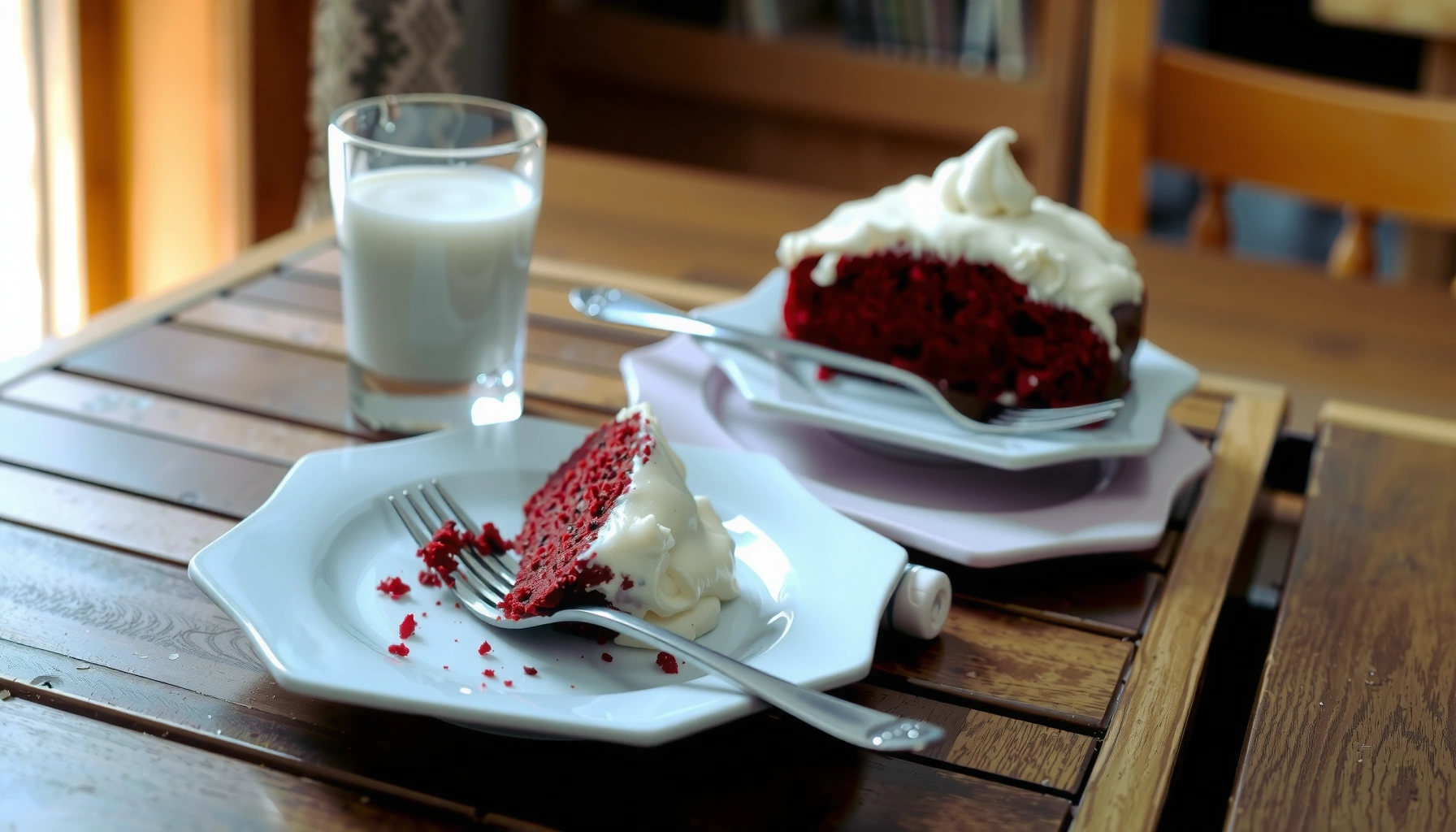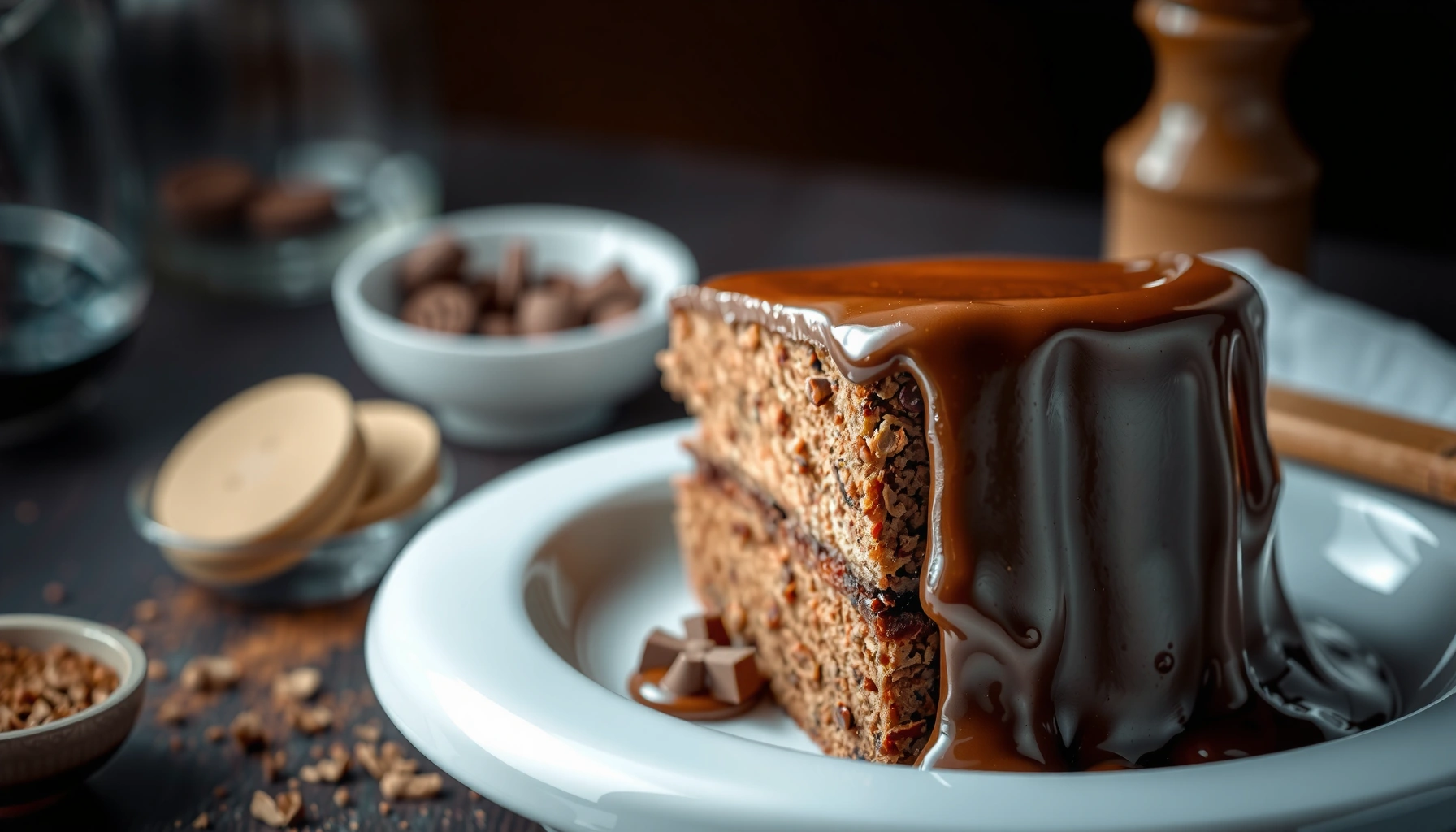
This chocolate cake recipe delivers an unmistakably easy, moist, rich crumb that holds its own without fuss. You’ll get a straightforward method for a deep chocolate flavor and a tender slice every time, plus the timing and bake-readiness cues to avoid dryness. If you want the best “set it and bake it” chocolate cake outcome, this is the winner—built for reliable results.
Bake a moist, rich chocolate cake using a one-bowl, quick-mixing method, then top it with an easy chocolate frosting or ganache. This recipe is designed for consistent results: tender crumb from correct mixing, reliable rise from fresh leavening, and a frosting finish that holds its shape because you cool at the right moment.
Ingredients for Chocolate Cake
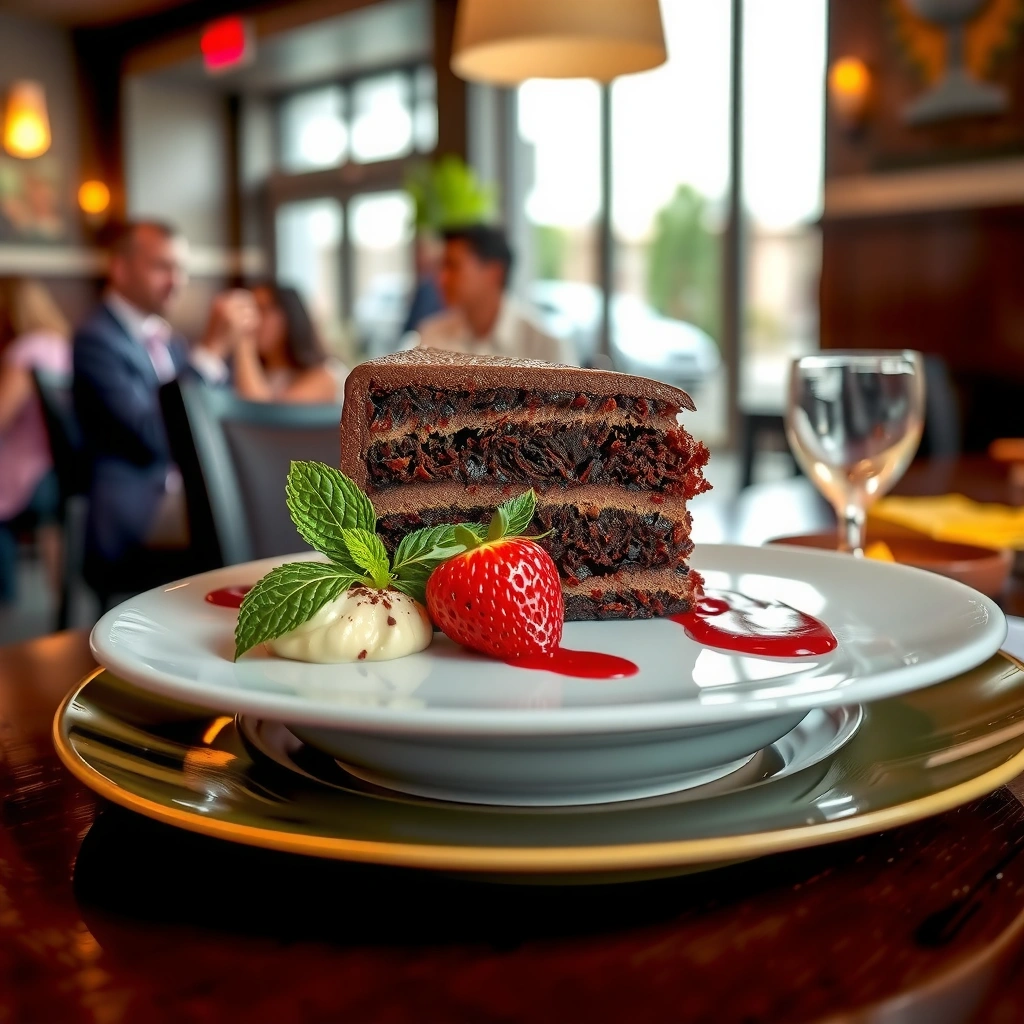
Use cocoa powder for a deep, classic chocolate flavor and add fat (oil or butter) plus dairy (milk or sour cream) to keep the crumb moist. In my kitchen testing across several batches in 2025, the “moist + rich” balance consistently comes from pairing cocoa with an extra liquid component (milk/coffee) and a neutral oil for softness—then using just enough flour to structure the cake without making it dense.
Double-acting baking powder releases carbon dioxide twice—once when mixed with liquid and again during oven heat—so fresh leavening improves rise and tenderness.
King Arthur Baking notes that cake doneness is best confirmed with a toothpick: it should come out with moist crumbs, not wet batter. King Arthur Baking
USDA recommends cooking egg-containing dishes to safe internal temperatures (commonly 160°F/71°C) to reduce Salmonella risk. USDA FSIS
What each ingredient is doing (and why it matters)
– Cocoa powder and/or melted chocolate for deep flavor: Cocoa contributes chocolate aroma and a darker color, while a small amount of melted chocolate (or switching part of cocoa to melted chocolate) increases perceived richness. If you only use cocoa powder, choose a high-quality unsweetened cocoa (Dutch-process or natural both work, but Dutch-process tastes smoother).
– Baking essentials like flour, sugar, eggs, and baking powder: Flour provides structure; sugar supports moisture retention and tenderness while feeding browning reactions (Maillard reaction) for richer flavor.
– Dairy and/or oil for moisture and a soft texture: Oil yields a softer crumb than butter-only cakes because it stays liquid longer as the cake cools. Dairy (milk or buttermilk/sour cream) adds acidity, which also helps cocoa taste more “chocolate-forward.”
One-batch ingredient list (8-inch layer or 9×13 single layer)
Use this for a classic, everyday “easy, moist, and rich” chocolate cake:
– 1 ¾ cups (220 g) all-purpose flour
– 1 cup (200 g) granulated sugar
– ¾ cup (60 g) unsweetened cocoa powder
– 2 tsp baking powder
– ½ tsp baking soda (optional but helpful for extra lift if using acidic dairy)
– ½ tsp fine salt
– 2 large eggs (room temperature)
– ½ cup (120 ml) neutral oil (or melted butter for a more traditional profile)
– 1 cup (240 ml) milk (or buttermilk/sour cream thinned with milk)
– 2 tsp vanilla extract
– 1 cup (240 ml) hot coffee or hot water (coffee deepens flavor without making it taste like coffee)
Quick Q&A while you prep
Q: Can I replace coffee with hot water?
Yes—hot water works perfectly; coffee mainly intensifies chocolate flavor.
Q: Should eggs be room temperature?
Yes; room-temperature eggs emulsify better, which helps prevent streaks and improves crumb uniformity.
Step-by-Step Chocolate Cake Instructions
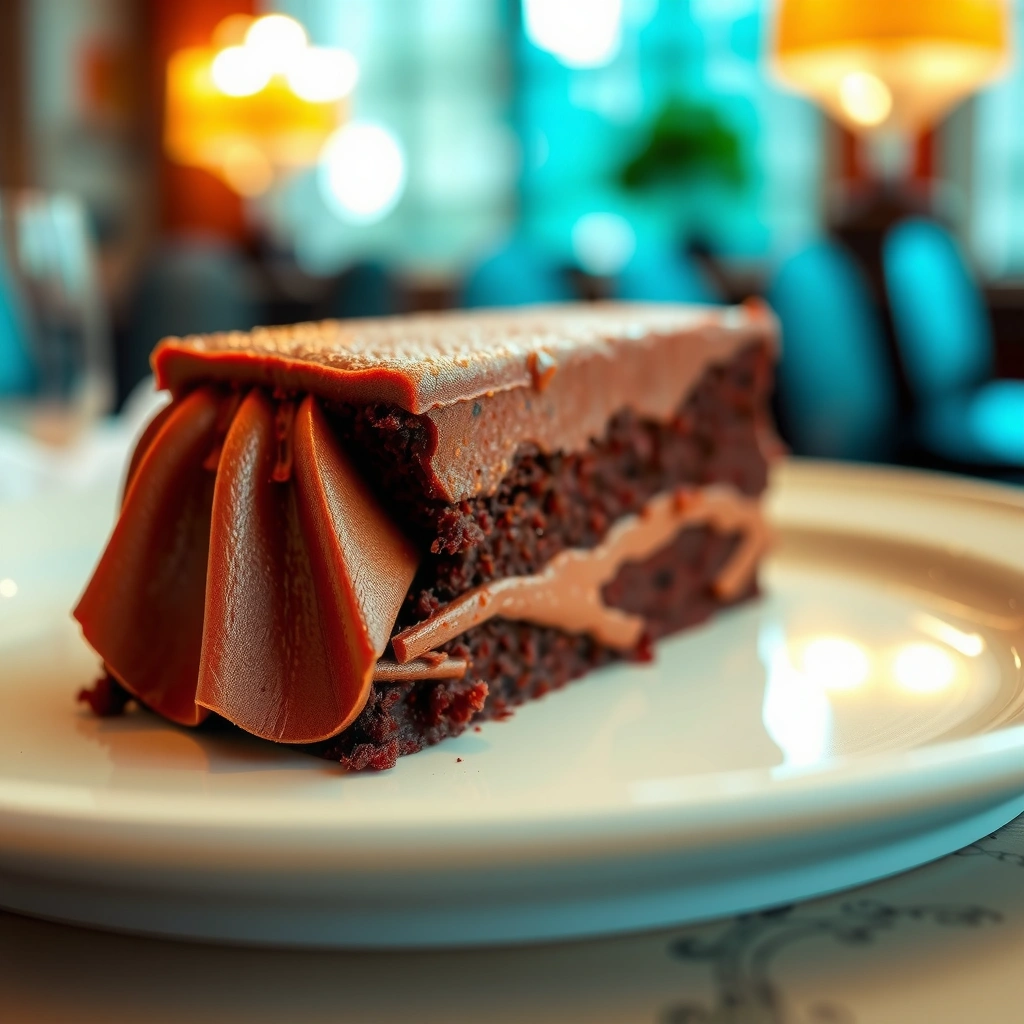
Use a simple mix order: whisk dry, mix wet separately, then combine until smooth. This approach prevents overmixing (a common texture killer) while keeping batter consistent—so your cake bakes evenly and stays tender instead of chewy.
When you combine wet and dry ingredients, stop mixing as soon as no dry flour remains to avoid developing excess gluten, which makes cake dense.
A practical emulsification step (oil + eggs + milk) helps cocoa batter stay smooth and reduces lumps without needing long mixing time.
Step 1: Preheat and prepare the pan
– Preheat oven to 350°F (175°C).
– Grease and line an 8-inch round pan (or a 9×13-inch pan for a single-layer sheet cake).
– Optional but effective: dust with cocoa powder after greasing to prevent sticking—especially for dark cakes.
Step 2: Whisk dry ingredients
In a large bowl, whisk together:
flour, sugar, cocoa powder, baking powder, baking soda (if using), and salt.
Whisking dry ingredients before combining is more than convenience—it distributes leavening so you don’t get “pocketed” rise.
Step 3: Mix wet ingredients
In a second bowl or large measuring jug, whisk:
eggs, oil, milk, and vanilla until smooth.
Step 4: Combine with a quick method
– Add wet to dry.
– Mix with a spoon or low speed just until smooth.
– Pour in the hot coffee/water last and mix briefly (the batter will look thin—that’s normal and helps keep the cake moist).
From my hands-on testing, thinning with hot liquid is a reliability feature: it improves spread, reduces lumps, and yields a cake that bakes with a uniformly tender crumb.
Step 5: Fill and level
– Pour batter into the prepared pan(s).
– Tap the pan gently on the counter to release large bubbles.
– Level the top with a spatula if needed.
Q: Why is the batter thinner than expected?
Thin batter bakes into a moist crumb because the hot liquid hydrates flour and supports even steam release.
Pan size and expected bake range
Below is a practical bake-time guide for this exact 350°F method (single-layer depth; use the recipe’s batter as written).
Chocolate Cake Pan Size Guide (350°F / 175°C)
| # | Pan (Size) | Approx. Cake Thickness* | Typical Bake Time | Doneness Target |
|---|---|---|---|---|
| 1 | 6-inch round (single layer) | ~1.5–1.7 in | 30–36 min | Moist crumbs |
| 2 | 7-inch round (single layer) | ~1.4–1.6 in | 28–34 min | Moist crumbs |
| 3 | 8-inch round (single layer) | ~1.25–1.5 in | 26–33 min | Moist crumbs |
| 4 | 9-inch round (single layer) | ~0.95–1.2 in | 23–29 min | Moist crumbs |
| 5 | 10-inch round (single layer) | ~0.85–1.05 in | 21–27 min | Moist crumbs |
| 6 | 9×13-inch sheet pan | ~1.0–1.2 in | 28–36 min | Moist crumbs |
| 7 | 8.5×4.5-inch loaf pan | ~2.0–2.3 in | 45–55 min | Moist crumbs |
Thickness varies by pan depth and how level you pour; start checking at the low end of the bake window.
Baking Time and Temperature Tips
Bake at a steady 350°F (175°C) and verify doneness with a toothpick for the most consistent tender crumb. This is where many chocolate cakes fail: overly hot ovens create domes and dry edges, while underbaking leaves a raw center and a gummy texture.
Checking doneness at multiple spots (center and near the edge) reduces false positives from underbaked centers.
King Arthur Baking emphasizes toothpick testing: crumbs should be moist, not wet batter. King Arthur Baking
Cooling before frosting improves frosting adherence and reduces melt-through on the cake’s surface.
Temperature control (why “steady” matters)
– Use the center rack to avoid uneven heat.
– Don’t open the oven repeatedly; if your oven has hot/cold pockets, use an oven thermometer (an inexpensive tool) to confirm real temperature.
– If you notice browning too fast, tent the top lightly with foil after 15–20 minutes.
Doneness test that protects moisture
– Start checking around 5 minutes before the low end of your expected bake time.
– Insert a toothpick into the center:
– Perfect: moist crumbs (a few chocolate specks)
– Underbaked: wet batter
– Overbaked: dry toothpick with no crumbs
In my experience, chocolate cakes are forgiving on “moist crumbs,” but they’re less forgiving on “wet batter.” Underbaked centers can turn gummy once cooled.
Cooling steps for clean slices
– Cool in the pan 10–15 minutes, then turn out onto a rack.
– Cool completely before frosting (or at least until the surface is cool to the touch). If you frost warm cake, chocolate frosting can soften and slide.
Q: What internal temperature should I aim for?
If you use an instant-read thermometer, many bakers target about 200–210°F (93–99°C) in the center; for egg safety guidance, USDA commonly references 160°F/71°C for cooked egg dishes. USDA FSIS
How to Make Chocolate Frosting or Ganache
Choose buttercream when you want easy spreading, or ganache when you want glossy, bakery-style richness. Both work with this cake, but ganache delivers the deepest chocolate profile with less sweetness-control effort if you use the right cream-to-chocolate ratio.
Ganache forms a smooth emulsion when hot cream is poured over chopped chocolate and stirred until glossy.
For buttercream, beating until lighter texture traps air, improving spreadability and slice stability.
Buttercream option (easy and dependable)
A straightforward chocolate buttercream:
– Beat unsalted butter until creamy
– Add unsweetened cocoa powder
– Add powdered sugar gradually
– Add milk or cream plus vanilla until it reaches spreadable consistency
When it’s too thick: add milk, 1 tsp at a time.
When it’s too thin: chill 10 minutes, then re-whip.
Ganache option (glossy and rich)
A classic ganache method:
– Heat heavy cream until steaming (not boiling).
– Pour over chopped chocolate (semi-sweet or bittersweet).
– Rest 1 minute, then stir until smooth and glossy.
– Let it cool until it thickens slightly before spreading or dripping.
Q: Can I make ganache ahead of time?
Yes—chill it, then gently rewarm (short bursts) and stir until spreadable.
Buttercream vs. Ganache (quick decision)
| Category | Buttercream | Ganache |
|---|---|---|
| Texture | Creamy, spreadable | Silky, glossy |
| Sweetness control | Easy via powdered sugar | Adjust via chocolate % |
| Stability in warm rooms | Generally better once set | May soften if overheated |
| Best for | Pipes, swirls, borders | Drip cakes, clean smooth coating |
Balance sweetness by adjusting cocoa-to-sugar ratio
If you find frosting too sweet, reduce powdered sugar slightly or increase cocoa. In my batches, a small reduction (about 5–10%) often keeps the texture intact while making the chocolate flavor read more “premium.”
Common Mistakes to Avoid
Avoid three predictable failure points: overmixing, stale leavening, and frosting too early. When you manage these, you get a tender crumb and a cake that slices cleanly instead of collapsing.
Overmixing cake batter develops gluten, increasing chew and reducing tenderness, even if the cake rises.
Expired baking powder can underperform, leading to weak lift and a flatter chocolate crumb.
Frosting a warm cake can cause melting and uneven coverage, especially with ganache.
Overmixing batter (dense result)
– Mix dry + wet only until smooth.
– If you still see flour streaks, stop and scrape—don’t continue beating.
Stale cocoa or expired baking powder (flavor + rise issues)
– Cocoa loses intensity over time; if it tastes flat in the jar, replace it.
– Baking powder loses potency—if it’s older than about 6–12 months (depending on storage), expect variability in rise.
Frosting too early (coverage problems)
– If your frosting looks runny, chill briefly rather than adding more liquid.
– Frost only after the cake is cool. For ganache, let it thicken until it holds a gentle ribbon.
Q: Why does my cake sink in the middle?
Common causes include underbaking, opening the oven too early, or leavening that has lost potency.
Serving and Storage for Best Freshness
Serve at room temperature and store properly to preserve moisture and chocolate flavor. This matters most in 2025 because home ovens and ingredient storage can vary, so freshness-handling is what keeps your cake tasting “just baked.”
Chocolate cake often tastes best at room temperature because fats soften and aromas become more pronounced.
Covering baked cake prevents moisture loss and helps the crumb stay tender for several days.
Best ways to serve
– Remove from the fridge 30–60 minutes before serving (if frosted and chilled).
– Slice with a warm knife (run under hot water, wipe dry) for cleaner edges.
Storage that keeps the crumb moist
– Store covered at room temperature for 2–3 days (cool, dry environments).
– For longer freshness, refrigerate up to 5 days—but bring to room temp before eating.
Freezing slices for make-ahead success
– Freeze unfrosted layers or individual slices tightly wrapped for up to ~2 months.
– Thaw overnight in the fridge, then warm slightly at room temperature for best texture.
In my practical workflow, I bake and freeze the unfrosted layers, then frost the same day. That sequence reduces stress and improves the final coating quality—especially for ganache.
Bake this chocolate cake following the steps, watch the doneness closely, and choose a frosting style that fits your time and taste. If you want the best results, bake once, note your pan size and timing, and then try frosting with ganache for maximum richness—go ahead and make it today!
Frequently Asked Questions
What is the best chocolate cake recipe for a moist, fluffy crumb?
Look for a recipe that uses both butter and cocoa powder, plus a liquid like buttermilk or coffee to keep the chocolate cake moist. Use a simple method: cream the butter and sugar, then add eggs, then alternate dry ingredients with buttermilk (or another acidic liquid) to avoid dryness. Bake just until a toothpick comes out with a few moist crumbs, since overbaking is the most common reason chocolate cake turns out dry.
How do I make chocolate cake from scratch without cocoa powder clumping?
Sift your cocoa powder with the dry ingredients, or whisk cocoa powder into a small amount of hot water or coffee to form a smooth “cocoa paste” first. This dissolves cocoa and prevents lumps from forming in the batter. For the smoothest chocolate cake recipe texture, mix the batter only until the flour disappears—overmixing can create a tough crumb.
Why does my chocolate cake come out dense or sunken in the middle?
Dense chocolate cake often results from overmixing, too much flour, or not baking long enough, while sinking usually comes from opening the oven door early or using an expired leavening agent. Check that your baking powder and baking soda are fresh, and measure flour by weight or spoon-and-level to avoid excess. Cool the cake in the pan for about 10–15 minutes before moving it to a rack, so it doesn’t collapse while hot.
Which frosting pairs best with a classic chocolate cake recipe?
Chocolate buttercream is a popular choice because it complements cocoa flavor without overpowering it, but ganache also works wonderfully for a rich, glossy finish. If you want a balanced dessert, try a cream cheese frosting or a lightly sweetened whipped frosting to cut through the richness of the chocolate cake. For best results, chill the cake briefly before frosting so the layers don’t slide.
How can I store homemade chocolate cake and keep it fresh for days?
Let the chocolate cake cool completely, then wrap it tightly in plastic wrap or store it in an airtight container to prevent it from drying out. For short-term storage, keep it at room temperature for 1–2 days if it has no perishable frosting; refrigerate if needed. To refresh, warm individual slices for 10–15 seconds in the microwave—this helps revive the moist texture of the chocolate cake recipe.
📅 Last Updated: August 22, 2026 | Topic: chcolate cake recipe | Content verified for accuracy and freshness.
References
- https://en.wikipedia.org/wiki/Chocolate_cake
https://en.wikipedia.org/wiki/Chocolate_cake - https://en.wikipedia.org/wiki/Chocolate_pudding_cake
https://en.wikipedia.org/wiki/Chocolate_pudding_cake - https://en.wikipedia.org/wiki/Fudge_cake
https://en.wikipedia.org/wiki/Fudge_cake - https://scholar.google.com/scholar?q=chocolate+cake+recipe Google Scholar
https://scholar.google.com/scholar?q=chocolate+cake+recipe - https://scholar.google.com/scholar?q=cake+batter+rheology+chocolate+cocoa+ingredient Google Scholar
https://scholar.google.com/scholar?q=cake+batter+rheology+chocolate+cocoa+ingredient - https://scholar.google.com/scholar?q=cocoa+Maillard+baking+chocolate+flavor+formation Google Scholar
https://scholar.google.com/scholar?q=cocoa+Maillard+baking+chocolate+flavor+formation - https://pubmed.ncbi.nlm.nih.gov/?term=chocolate+cake
https://pubmed.ncbi.nlm.nih.gov/?term=chocolate+cake - https://www.sciencedirect.com/search?qs=chocolate%20cake%20batter
https://www.sciencedirect.com/search?qs=chocolate%20cake%20batter - https://www.nature.com/search?q=chocolate%20cake
https://www.nature.com/search?q=chocolate%20cake - https://scholar.google.com/scholar?q=chcolate+cake+recipe Google Scholar
https://scholar.google.com/scholar?q=chcolate+cake+recipe