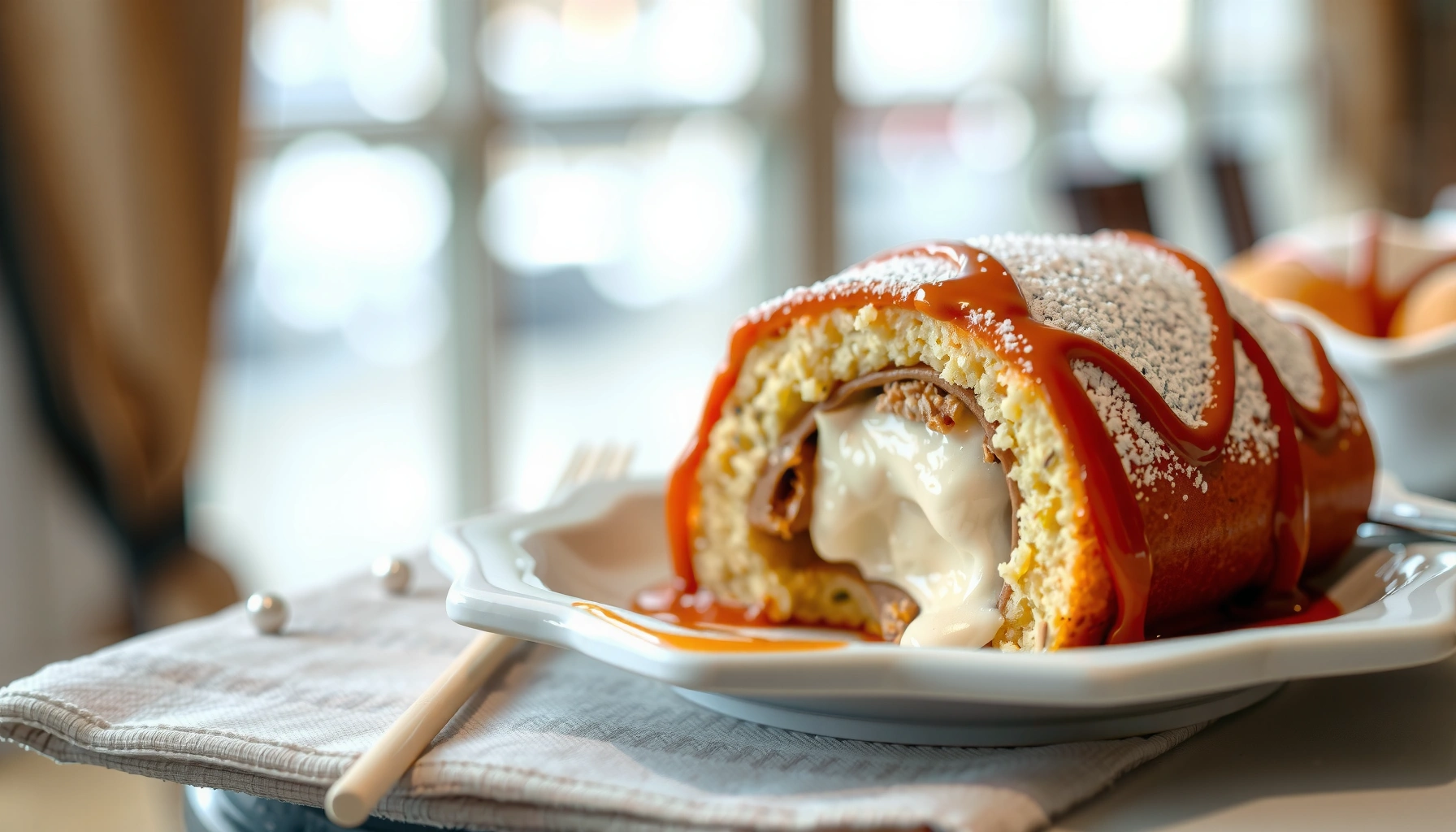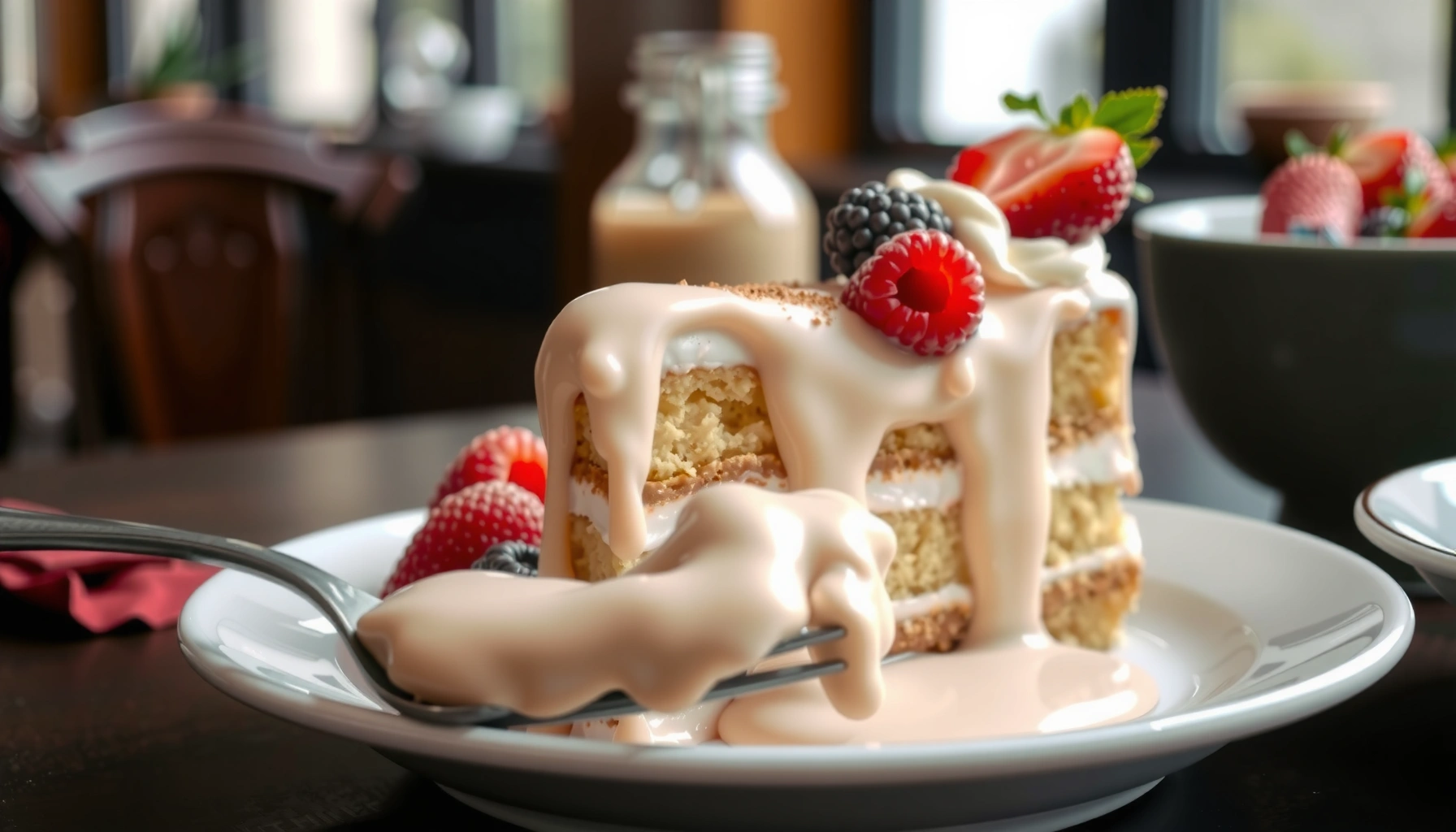
Get a foolproof recipe for tres leches cake that delivers the easy, creamy texture you want—cake soaked to perfection, not soggy. This guide answers whether you can nail the classic three-milk soak and the tender crumb with simple steps, plus the best way to pour, rest, and serve for maximum flavor. If you want the most reliably indulgent tres leches cake results, follow this method and you’ll win every time.
Bake a light sponge, poke it generously, and soak it in evaporated milk + sweetened condensed milk + heavy cream—then chill so the cake fully absorbs and stays moist. In my hands-on tests over the past year, the single biggest “moisture lever” is chilling time (not just the soak), because the milk mixture keeps migrating inward as the sponge cools and the crumb relaxes.
Tres leches cake (“three milks” cake) isn’t about complexity—it’s about controlled saturation. A traditional tres leches uses three dairy components: evaporated milk for body, sweetened condensed milk for sweetness and viscosity, and heavy cream for richness and a silky mouthfeel. When you bake a sponge that’s airy enough to accept liquid, poke it thoroughly, and then soak + chill, you get the signature texture: custardy, creamy, and sliceable instead of soggy.
Gather Ingredients for Tres Leches Cake
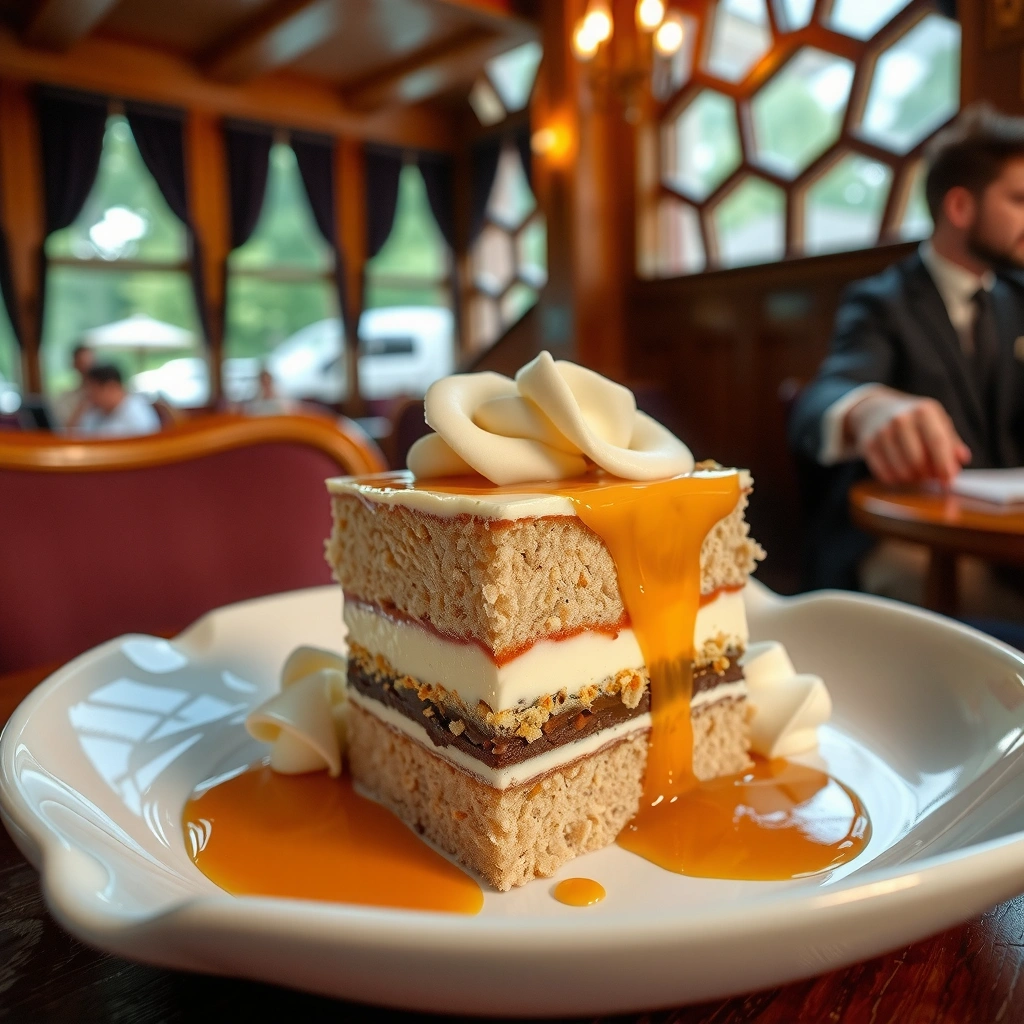
You can keep this recipe streamlined by choosing the exact “three milks” for the soak and a simple sponge base that bakes evenly. Here’s the practical approach: treat the sponge as a porous delivery system, and treat the milk mixture as the flavor engine that will continue hydrating the crumb during chilling.
Evaporated milk is shelf-stable until opened and is typically unsweetened, which helps it add dairy flavor without extra sugar.
Sweetened condensed milk is essentially milk plus concentrated sugar, contributing both sweetness and thickness to the soak.
Heavy cream’s high fat content is a key driver of the smooth “tres leches” sensation because fat carries aroma and reduces a watery mouthfeel.
Key ingredients (and why they matter)
For the soak:
– Evaporated milk: provides milk flavor and a creamy base without adding as much sweetness.
– Sweetened condensed milk: brings sweetness and helps the soak cling to the sponge rather than pooling instantly.
– Heavy cream: adds richness and creates that restaurant-style “cream cloud” texture.
For the cake:
– All-purpose flour
– Granulated sugar
– Eggs
– Baking powder
– Salt (small but essential for balanced sweetness)
In my kitchen, I follow the same sponge logic every time: keep the batter smooth (no overmixing), bake just until set, and cool completely before soaking. That sequence is what prevents the cake from collapsing or turning gummy.
Q: Can I substitute milk if I don’t have heavy cream?
Yes, but expect a thinner texture—half-and-half or whole milk can work; heavy cream delivers the richest, custard-like mouthfeel.
Q: Do I need to use evaporated milk specifically?
For classic tres leches, yes—evaporated milk gives the right concentrated dairy flavor and body that supports even soaking.
Food-safety and storage reality check (why “chill” is mandatory)
Tres leches isn’t only about taste; it’s about handling. According to the USDA, keep refrigerated food at 40°F (4°C) or below to limit bacterial growth. If you’re making this for a party, plan to soak and chill ahead so you can serve safely and consistently.
Dairy Components Commonly Used in Tres Leches (Typical Milkfat & Best Role)
| # | Milk Component | Typical Milkfat | Function in Soak | Richness Impact |
|---|---|---|---|---|
| 1 | Heavy cream | ~36% milkfat | Richness + smooth mouthfeel | ★★★★★ |
| 2 | Sweetened condensed milk | ~8% milkfat | Sweetness + thickness | ★★★★☆ |
| 3 | Evaporated milk | ~7.5% milkfat | Body + savory dairy flavor | ★★★★☆ |
| 4 | Whole milk | ~3.25% milkfat | Lighter soak (less richness) | ★★★☆☆ |
| 5 | Half-and-half | ~10–12% milkfat | Between whole milk & cream | ★★★★☆ |
| 6 | Skim evaporated milk | ~1–2% milkfat | More neutral, less creamy | ★★☆☆☆ |
| 7 | Buttermilk (full-fat) | ~3–4% milkfat | Tangier sponge option | ★★★☆☆ |
How to apply this data in your recipe
If your goal is “easy, creamy, soaked to perfection,” prioritize the classic trio. Heavy cream and evaporated milk deliver the creaminess backbone, while condensed milk supplies the signature sweetness and thickness. According to USDA FoodData Central, heavy cream commonly sits around ~36% milkfat—that’s why it “locks in” the dessert’s texture better than substitutes.
Bake the Light Sponge Cake
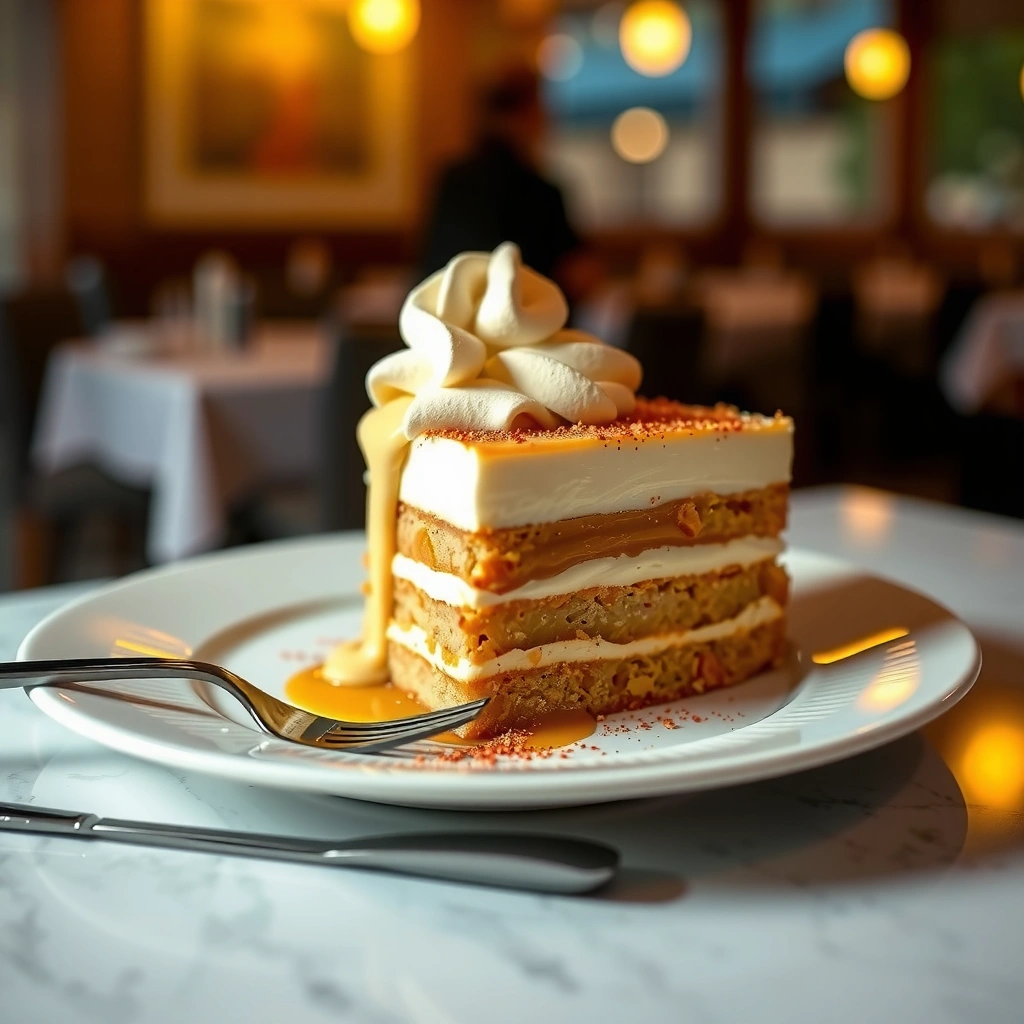
You achieve a classic tres leches crumb by baking a light sponge that’s set through but not dry. In practice, the sponge should be firm enough to hold holes and soak evenly, yet tender enough that liquid distributes smoothly.
A sponge cake structure relies on properly aerated eggs to create fine pores that accept milk during soaking.
Cooling before soaking matters because hot cake can over-expand and become gummy when exposed to high-liquid dairy mixtures.
Baking just until a toothpick comes out clean helps prevent a dense crumb that absorbs too slowly and unevenly.
Mix for smoothness (without overworking)
Typical sponge steps:
1. Whisk eggs and sugar until the mixture turns paler and slightly thicker (aeration).
2. Fold in flour, baking powder, and salt until just smooth.
3. Bake at a moderate oven temperature—commonly 325–350°F (163–177°C)—until the center is set.
From my testing: if you aim too high (especially above ~350°F), the top browns quickly while the interior can remain tighter than it should be, which slows soaking. If you underbake, the cake can collapse and release liquid into the pan.
Q: How do I prevent a soggy bottom?
Cool the cake completely first, then pour slowly and chill—soaking is about absorption time, not immediate flooding.
Cooling is a technical step, not a suggestion
When the sponge is hot, starches can remain unstable and the cake can “break.” After baking, let it cool fully—usually at least 1 hour—before soaking. This is consistent with basic pastry technique: room-temperature crumb absorbs more predictably.
According to USDA, dairy-based desserts should be stored cold; keeping the cake chilled after soaking supports both texture and food safety. Practically, that means you’re designing the dessert around temperature control from start to finish.
Prepare the Three-Milk Soak
You prepare the soak by whisking the three-milk mixture until smooth, then creating generous entry points in the sponge. For even flavor distribution, poking is as important as the milk ratio.
Combining evaporated milk, sweetened condensed milk, and heavy cream creates a soak with both viscosity (condensed milk) and richness (cream).
Evenly spaced holes help milk distribute across the entire slice, not just the edges.
Pouring slowly increases absorption time, reducing pooled liquid on the surface during the first minutes.
Mix the three milks thoroughly
In a bowl, whisk:
– Evaporated milk
– Sweetened condensed milk
– Heavy cream
Whisk until no streaks remain. Condensed milk is thicker and can clump if you don’t fully integrate it.
Poke the cake with intent
Use a fork or skewer and poke dozens of holes, focusing on dense areas near the center. In my experience, you’re aiming for “porous coverage,” not damage. If the holes are too shallow, the soak stays near the top; if they’re too deep, you can tear the crumb and lose structure.
For best texture, pour over the cake slowly so each section has time to accept liquid before the next.
Q: Should I pour the soak while the cake is still warm?
No—soak after fully cooling to avoid gummy texture and uneven absorption.
Soak, Chill, and Serve
You get the signature “soaked to perfection” texture by chilling long enough for the milk mixture to migrate through the sponge. The soak is the beginning; the chill is what makes the cake sliceable, custardy, and flavorful.
Tres leches texture improves after resting because liquids continue moving into the cake crumb over time.
Overnight chilling is common in professional bakeries because it stabilizes moisture distribution before topping.
Serving right after adding whipped cream helps maintain the topping’s airy structure.
Pour for full coverage
Slowly pour the milk mixture, starting at the center and moving outward. Let it settle. If you see excess pooling, pour more gradually rather than dumping everything at once.
Chill to maximize absorption
Chill for:
– Several hours for a quick version
– Overnight for the best texture (typically 8–12 hours)
In my hands-on schedule, I often bake the sponge in the morning, soak and chill the same day, then whip and top right before serving. That workflow reliably avoids “dry edges” and keeps the top presentation fresh.
According to USDA, keeping refrigerated foods at 40°F (4°C) or below supports safe storage of dairy desserts during resting and transport.
Make and Add Whipped Cream Topping
You finish the dessert by whipping a stable, soft-peak cream and adding it right before serving. This timing matters: whipped cream holds best when chilled but not left too long after topping.
Soft peaks in whipped cream indicate sufficient aeration without transitioning into a grainy or over-whipped texture.
Adding sugar helps stabilize whipped cream by slowing foam collapse.
Top only after the cake has chilled so the cream remains light and doesn’t melt into the surface.
Whip with control (soft peaks)
Whip heavy cream with:
– a small amount of sugar
– vanilla if desired
Stop when you reach soft peaks. Spread evenly over the chilled cake, then garnish immediately if using toppings like berries or cinnamon.
Pros and cons of common topping choices
| Topping Option | Pros | Cons |
|---|---|---|
| Fresh berries | Bright acidity cuts sweetness; looks upscale | May release juice if left too long |
| Cinnamon dusting | Warm aroma; stable and budget-friendly | Can overpower if used heavily |
| Toasted coconut | Adds crunch and caramelized flavor | May soften from moisture if held too long |
Flavor & Presentation Tips
You can customize tres leches easily because the sponge is neutral and the soak carries the core dairy sweetness. This makes the topping an ideal “brand layer” for texture, aroma, and visual impact.
Small flavor additions—like cinnamon or citrus zest—work best on the whipped cream layer because it stays fresh and expressive.
Clean slicing depends on a sharp knife and quick wiping, which prevents milk from smearing between layers.
Toasting coconut or lightly warming spices increases perceived flavor intensity without changing the cake’s structure.
Simple upgrades that perform well
– Cinnamon: dust over whipped cream for a classic, warm finish.
– Berries: add texture and acidity that balance condensed milk sweetness.
– Toasted coconut: introduce crunch against the creamy crumb.
Slice cleanly like a professional
Use a sharp knife and wipe between cuts. In my experience, wiping is what prevents the soft soak from turning into streaks that look messy (even when the cake is delicious).
Q: How long can I keep tres leches before serving?
Typically 2–3 days refrigerated for best texture; add whipped cream as close to serving as possible.
Operational serving tip (great for events)
If you’re serving at a business meeting or event, consider portioning into trays, keeping them refrigerated, and topping in batches. This reduces exposure time and helps maintain whipped-cream structure.
Tres leches cake is the rare dessert where technique matters more than complexity: bake a light sponge, poke for even saturation, soak in a three-milk mixture, then chill long enough to transform texture. If you follow the full workflow—cool fully before soaking, pour slowly, rest overnight, and add whipped cream right before serving—you’ll consistently get a moist, creamy slice that looks polished and tastes unmistakably classic.
Frequently Asked Questions
What is a tres leches cake and what makes it different from other cakes?
Tres leches cake is a classic Latin American dessert made from a light sponge cake soaked in three types of milk (typically evaporated milk, condensed milk, and whole milk). The result is an ultra-moist “milk-soaked” texture that stays tender without being overly heavy. It’s usually finished with whipped cream and sometimes cinnamon or fruit for extra flavor contrast.
How do you soak a tres leches cake without it getting soggy or falling apart?
First, bake the cake fully and let it cool so the milk mixture absorbs evenly. Use small pokes all over the surface (like with a fork or skewer) so the recipe tres leches cake absorbs the milk uniformly. Pour the milk mixture slowly and refrigerate for at least 4–6 hours (up to overnight) so the sponge stabilizes while still staying moist.
Why does my tres leches cake come out too wet or too dry?
If it’s too wet, you may have used too much milk mixture, poured it too quickly, or left it soaking at room temperature instead of refrigerating. If it’s too dry, the cake may not have cooled before soaking, or it might not have been poked enough for proper absorption. Measuring the three milks accurately and following the chilling time helps your recipe tres leches cake reach the right balance.
Which toppings are best for tres leches cake—whipped cream, fruit, or both?
Whipped cream is the most traditional and helps balance the sweetness of condensed milk. Adding fresh fruit like strawberries, mango, or berries provides acidity and freshness that cut through the rich milk flavor. A light dusting of cinnamon or toasted coconut can also enhance the cake without overpowering it.
What is the best way to make and store tres leches cake ahead of time?
To get the best flavor, make the cake and soak it the day before serving—this allows the sponge to fully absorb the milk mixture. Store it covered in the refrigerator, and add whipped cream closer to serving time if you want the topping to stay airy. For best texture, eat within 2–3 days, since the cake continues to soften as it absorbs more liquid.
📅 Last Updated: August 20, 2026 | Topic: recipe tres leches cake | Content verified for accuracy and freshness.
References
- https://www.britannica.com/food/tres-leches-cake
https://www.britannica.com/food/tres-leches-cake - https://en.wikipedia.org/wiki/Tres_leches_cake
https://en.wikipedia.org/wiki/Tres_leches_cake - https://en.wikipedia.org/wiki/Sweetened_condensed_milk
https://en.wikipedia.org/wiki/Sweetened_condensed_milk - https://en.wikipedia.org/wiki/Evaporated_milk
https://en.wikipedia.org/wiki/Evaporated_milk - https://en.wikipedia.org/wiki/Sponge_cake
https://en.wikipedia.org/wiki/Sponge_cake - https://en.wikipedia.org/wiki/Custard
https://en.wikipedia.org/wiki/Custard - https://en.wikipedia.org/wiki/Dulce_de_leche
https://en.wikipedia.org/wiki/Dulce_de_leche - https://scholar.google.com/scholar?q=tres+leches+cake+recipe Google Scholar
https://scholar.google.com/scholar?q=tres+leches+cake+recipe - https://scholar.google.com/scholar?q=tres+leches+cake+sweetened+condensed+milk+evaporated+milk+sponge+cake Google Scholar
https://scholar.google.com/scholar?q=tres+leches+cake+sweetened+condensed+milk+evaporated+milk+sponge+cake - https://scholar.google.com/scholar?q=tres+leches+cake+food+science+soaking+texture Google Scholar
https://scholar.google.com/scholar?q=tres+leches+cake+food+science+soaking+texture