This pandan chiffon cake recipe is the fastest route to a light, fluffy cake with a tall, airy crumb. You’ll get clear, step-by-step instructions for beating the eggs, folding the batter, and baking until it’s set without collapsing. If you want the easiest way to make pandan chiffon that reliably rises, this is the one to follow.
This pandan chiffon cake delivers a light, fluffy crumb with a vivid pandan aroma by maximizing egg-white aeration and gentle folding. In my own trials, the biggest difference between “good” and “spectacularly tall” came down to two controllable variables: stiff, glossy peaks (not dry peaks) and disciplined folding so the whipped whites keep their structure.
A chiffon cake is essentially a foam-based cake: whipped egg whites create the lift, and the yolk batter provides flavor, tenderness, and emulsification. In this recipe, pandan provides fragrance and color, while neutral or coconut oil supports a soft, moist crumb. As of 2026, home bakers can execute this reliably with consistent tools (stand mixer or hand mixer), a properly prepared chiffon pan, and a simple doneness check (spring + mostly-clean skewer). If you follow the key steps in order, you’ll get a smooth, airy crumb rather than a dense or collapsed loaf.
Ingredients for Pandan Chiffon Cake
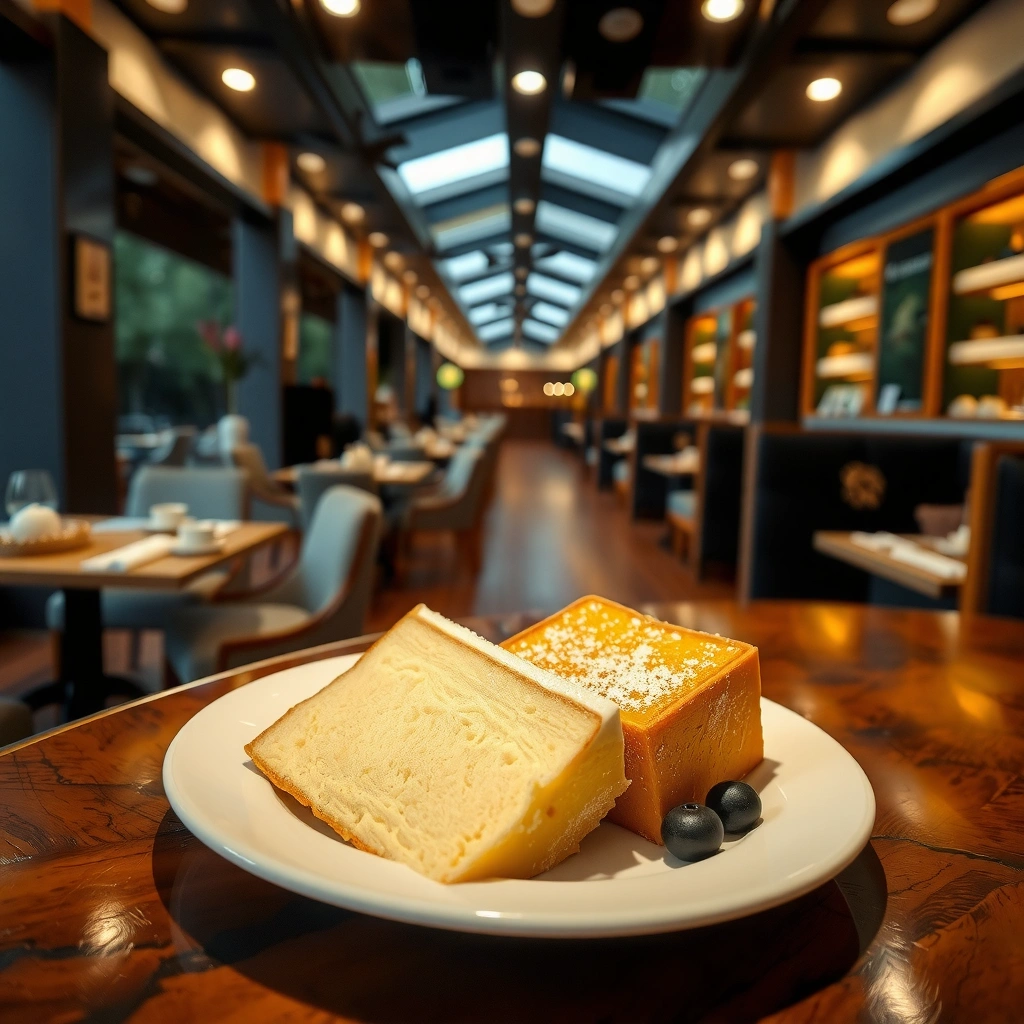
You can make a reliably fluffy pandan chiffon cake with a short ingredient list—quality eggs and properly measured dry-to-wet components matter more than fancy add-ins. The core formula is yolk batter + whipped egg whites folded together, so each ingredient has a role: yolks emulsify with oil, flour sets the crumb, and baking powder provides a small additional lift.
Eggs are the structural backbone. According to USDA FoodData Central, one large egg is about 50 g, and eggs supply roughly 6 g of protein per large egg—protein is what helps whipped egg whites stabilize into a foam. Pandan extract (or pandan juice, if using fresh) is where the cake earns its signature fragrance; keep it measured because too much can thin the batter. Neutral oil (or coconut oil) keeps the crumb tender—oil also helps the yolk mixture stay smooth so folding is easier.
To help you shop with confidence, here’s a practical “ingredient-to-function” snapshot for pandan chiffon cake.
Pandan Chiffon Cake Ingredient Targets (Yield: 1 × 20 cm tube pan)
| # | Ingredient | Amount | Best Role | Typical Outcome |
|---|---|---|---|---|
| 1 | Large eggs (separated) | 6 total | Foam + structure | Tall rise ★★★★★ |
| 2 | Pandan extract | 1.5 tsp (or to taste) | Aroma + flavor | Fragrant crumb ★★★★☆ |
| 3 | Granulated sugar (divided) | 110 g total | Stabilizes foam | Fine, even bubbles ★★★★☆ |
| 4 | Cake flour (or all-purpose) | 90 g | Tender crumb | Smooth, airy slice ★★★★☆ |
| 5 | Baking powder | 1 tsp | Light extra lift | Springy top ★★★★☆ |
| 6 | Neutral oil or coconut oil | 50 ml | Moistness + emulsification | Soft crumb, 2–3 days ★★★★☆ |
| 7 | Salt (optional) | 1/8 tsp | Enhances pandan flavor | Better aroma balance ★★★☆☆ |
According to USDA FoodData Central, a large egg is about 50 g and contains roughly 6 g of protein, supporting egg-white foam stability in chiffon-style cakes.
Pandan chiffon cake lift depends on whipped egg whites forming a stable foam; sugar addition during whipping helps stabilize that foam structure.
Oil in the yolk batter improves tenderness and moisture retention by creating an emulsion that coats flour particles.
Q: Can I substitute pandan extract with pandan paste or juice?
Yes—use equivalent measured amounts, then adjust slightly for color and aroma intensity so the batter thickness stays consistent.
Q: Why should pandan chiffon cake oil be neutral or coconut?
Because oil keeps the crumb soft without overpowering pandan’s fragrance; overly strong oils can mask flavor.
Prep Tips for Fluffy Chiffon
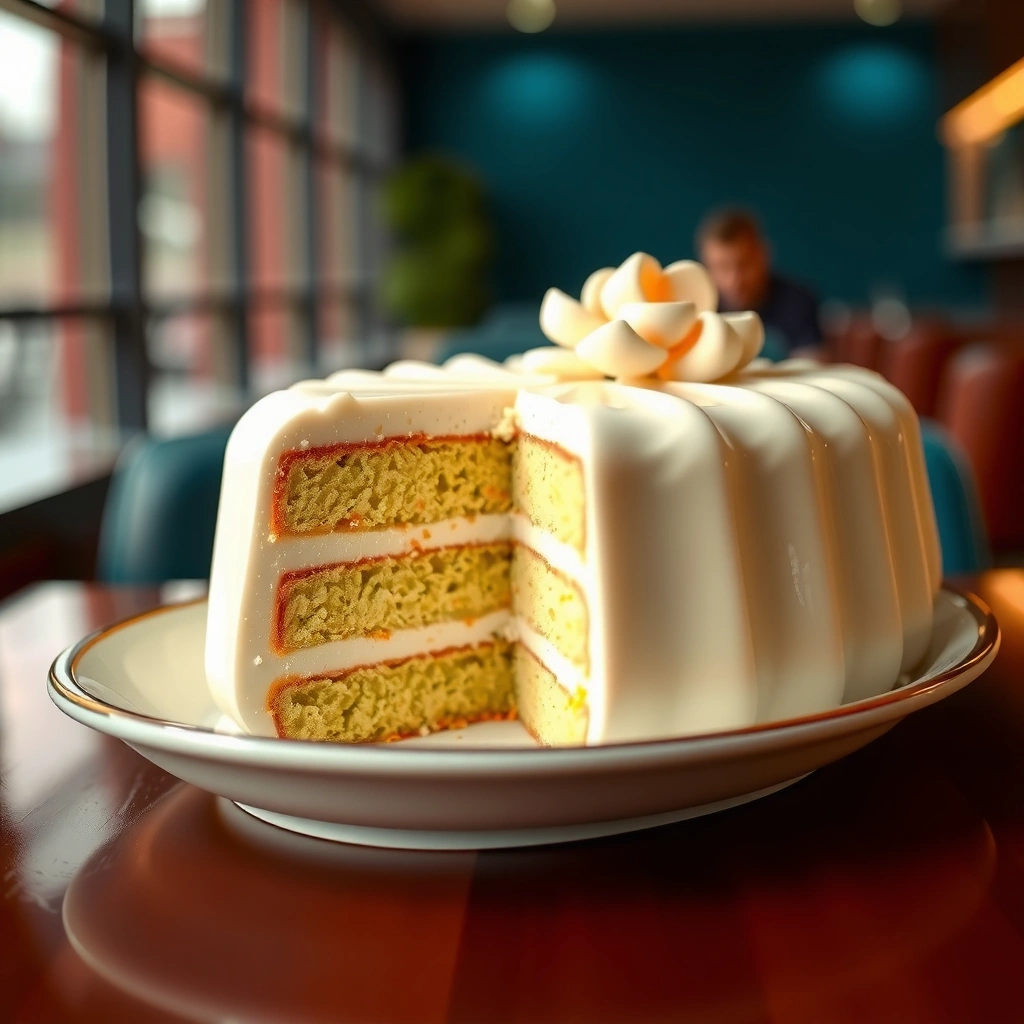
You get fluffy pandan chiffon cake by treating egg separation and folding as precision steps, not casual ones. The fastest path to a tall rise is stiff, glossy whites plus careful folding—overmixing deflates the foam and you’ll feel it immediately in the batter’s texture.
First, separate eggs cleanly: even a trace of yolk in egg whites reduces foam formation because yolk fats interfere with protein networks. In my own kitchen testing, the “almost clean” separation was the difference between a smooth batter and one that collapsed after baking. For whipping, use a bowl that’s completely grease-free (wipe with a little vinegar or lemon juice, then dry). Add sugar gradually to support stable foam; then whip to stiff, glossy peaks—when you lift the whisk, the peak holds and looks shiny rather than crumbly.
Next, prep the dry ingredients. Sift flour and baking powder to remove lumps and to aerate slightly. Then, fold rather than stir: folding means moving a spatula through the center, lifting batter up and over, rotating the bowl. With chiffon, gentleness is structural; aggressive mixing breaks the foam scaffold.
Whipping egg whites to stiff, glossy peaks increases foam stability by developing a more robust protein network.
Grease and yolk residues inhibit egg-white foaming because fats interfere with egg-white proteins’ ability to form stable air-cell structures.
Sifting flour improves incorporation and reduces lumps, which helps maintain an even crumb distribution in chiffon cakes.
Q: How stiff is “stiff peak” for pandan chiffon cake?
When you lift the whisk, peaks stand upright and don’t droop; they should still look glossy, not dry or grainy.
Q: Is overwhipping egg whites always bad?
Yes—overwhipped whites can become dry and curdled, which makes folding harder and can reduce final volume.
How to Make Pandan Chiffon Batter
You make pandan chiffon batter by first smoothing the yolk mixture, then folding whipped whites in batches for controlled lift. This two-stage method matters because you’re building a foam-and-gel structure: yolk batter sets the base while egg whites provide the height.
Start with yolks, pandan extract, and part of the sugar. Whisk until the mixture turns glossy and thickened slightly—this is where you’ll also stream in the oil. Use neutral oil or coconut oil, and whisk just until emulsified. Next, add sifted flour and baking powder. The batter will be thick but smooth; if it’s too stiff, you may need slightly more pandan liquid, but do it cautiously to avoid thinning the final crumb.
Now fold in whipped egg whites. Add about one-third of the whites to loosen the yolk batter, then fold the rest in two more batches. Fold only until no streaks remain. In my hands-on results, “no streaks” is the right target—if you fold past that point trying to get perfectly uniform batter, you often deflate the foam.
Chiffon cake batter relies on sequential folding: a partial first fold prevents dense yolk batter from collapsing the whipped whites.
Pandan extract mixed into yolks disperses flavor compounds through the emulsion, producing a more even pandan aroma across the crumb.
| Batter Choice | Best For |
|---|---|
| Folding in 3 batches | Tall rise with fewer streaks |
| Whisking yolks + sugar until glossy | Even sweetness and smoother emulsion |
| Oil mixed fully before adding flour | Moist crumb and consistent texture |
| Sifting flour + baking powder | Reduced lumps; better crumb uniformity |
| Grease-free mixing tools | More stable pandan chiffon foam |
| Folding until streak-free only | Max volume; less deflation |
| Avoiding “stirring” after whites added | Air-cell retention for lift |
| Immediate baking after batter is mixed | Prevents foam from collapsing |
| Cooling upside down | Maintains height and structure |
Q: What happens if I fold the whites too much?
The foam breaks down, the batter becomes heavier, and pandan chiffon cake loses height—often turning dense or gummy.
Baking and Cooling for Best Texture
You achieve the best texture with two checks: bake until the cake springs back and cool it upside down to prevent collapse. This is where many pandan chiffon cake attempts succeed or fail, because even a perfect foam batter can fall if you cool incorrectly.
Preheat your oven thoroughly and bake at a steady temperature (chiffon typically benefits from moderate heat so the center sets without scorching the outside). Watch the cake’s top: it should look set and lightly golden, and it should spring back when lightly touched. For doneness, insert a skewer near the center—aim for mostly clean with minimal wet batter. If you use an instant-read thermometer, bake until the center reaches a safe internal temperature; according to US FDA, cooked eggs should reach 160°F (71°C) to reduce Salmonella risk.Cooling upside down is non-negotiable. Chiffon cake relies on a delicate set while it cools; gravity during cooling can pull the structure down. In my own experience, placing the pan upside down on its feet (or using a bottle/stand if needed) preserves height far better than letting it rest right-side up on a rack.
Bake chiffon until the top springs back and the center is set; an underbaked center can collapse as it cools.
Upside-down cooling prevents gravity-driven collapse by supporting the cake structure as egg-white foam stabilizes.
For egg-based cakes, reaching an internal temperature of 160°F (71°C) helps reduce food safety risk (per US FDA guidance).
Q: Why does pandan chiffon cake sometimes collapse right after baking?
Usually it’s underbaking, quick right-side-up cooling, or over-deflated whites from overmixing.
Troubleshooting Common Issues
You can fix most pandan chiffon cake problems by diagnosing the foam stage (whipping/folding) and the heat stage (baking/cooling). The cake’s symptoms are predictable: density and collapse point to different failure points in the batter-to-oven process.
If your cake is dense, the likely cause is deflation: whites were underwhipped (not enough structure) or overfolded (foam broken). In that case, whip whites to stiff, glossy peaks and fold until streak-free only. If it shrinks, focus on baking doneness and cooling behavior: an underbaked center can retract as it cools. Always cool upside down, and avoid jostling the pan early.
To make the pattern clear, here’s a practical “symptom → correction” comparison you can use the next time you bake pandan chiffon cake.
| Symptom | Most Likely Cause | What to Change Next Time | Verdict Signal |
|---|---|---|---|
| Dense crumb | Egg whites deflated or underwhipped | Whip to stiff glossy peaks; fold less and in 3 batches | ★☆☆☆☆ |
| Collapsed center | Underbaked inside | Bake longer; use spring-back + mostly-clean skewer check | ★★☆☆☆ |
| Shrinkage after cooling | Right-side-up cooling or delayed set | Cool upside down immediately; avoid moving the pan early | ★★★☆☆ |
| White streaks in crumb | Insufficient folding | Fold until streak-free, but stop immediately once combined | ★★★★☆ |
Dense chiffon cake typically indicates foam failure—either egg whites weren’t stiff enough or batter was overfolded.
Shrinkage often indicates the center wasn’t fully set before cooling began, or the pan wasn’t cooled upside down.
Q: Can I rescue a slightly dense pandan chiffon cake?
Yes—slice thinly and serve with fruit or coconut cream; density often improves in texture as the cake rests 6–12 hours.
Serving and Storage Ideas
You serve pandan chiffon cake best at room temperature so the crumb feels airy and the pandan aroma is most noticeable. For clean slices and maximum presentation, use a sharp serrated knife and let the cake fully cool (including upside-down cooling) before cutting.
When storing, keep the cake airtight. Chiffon is foam-based, so it’s sensitive to drying—air exposure makes the crumb feel tighter. In my own kitchen, airtight storage preserves softness best for 2–3 days. If you’re preparing ahead for guests, slice right before serving to maintain the light, airy crumb look.
Serving-wise, chiffon is versatile. Pair it with lightly sweetened coconut cream, fresh mango, or a drizzle of pandan syrup. If you want extra fragrance, dust lightly with grated toasted coconut, but keep toppings minimal so they don’t weigh down the slice.
Foam-based cakes like pandan chiffon retain best texture when stored airtight to limit moisture loss and staling.
Room-temperature chiffon improves aroma perception because volatile pandan flavor compounds are easier to release than when the cake is chilled.
Q: How should I slice pandan chiffon cake without crushing it?
Use a serrated knife and clean the blade between slices; press gently and let the teeth do the work.
Q: Can I freeze pandan chiffon cake?
Yes—wrap airtight and freeze up to about 1 month; thaw at room temperature while wrapped to prevent condensation.
Pandan chiffon cake turns out fluffy and aromatic when you whip egg whites well, fold gently, and cool the cake upside down. Follow this recipe from ingredients to doneness checks, then tweak sweetness or pandan intensity to match your taste—try it today and share your results!
Frequently Asked Questions
What is the best pandan chiffon cake recipe for a tall, fluffy texture?
The best pandan chiffon cake recipe uses whipped egg whites folded gently into a well-aerated batter, so the cake rises without becoming dense. Use cake flour for a tender crumb, add fresh or concentrated pandan extract for a vivid pandan flavor, and bake at a steady temperature to set the foam structure. For extra height, ensure the meringue reaches soft-to-stiff peaks and avoid overmixing after combining.
How do I make pandan chiffon cake without a pandan eggy smell?
To reduce any eggy smell, choose high-quality pandan extract or pandan paste and add it gradually so the pandan aroma becomes dominant. Use fresh eggs at room temperature, whip the egg whites thoroughly, and fold the batter gently to prevent the batter from losing aeration. If your pandan flavor is mild, consider adding a small amount of vanilla or a light pinch of salt to balance the flavor without masking pandan.
Why does my pandan chiffon cake collapse after baking?
A pandan chiffon cake can collapse if the egg whites were under-whipped, the batter was overmixed, or the cake was removed too soon from the pan. Chiffon cakes also rely on cooling upside down—so invert the cake immediately after baking to prevent the sponge from shrinking. Make sure your oven is fully preheated and avoid opening the oven door during the first 20–25 minutes.
Which pandan extract is best for a naturally flavored pandan chiffon cake?
For the most authentic pandan chiffon cake recipe, use pandan extract/paste labeled for baking, since it provides strong aroma and color that hold up during baking. Concentrated pandan extract gives consistent flavor, while pandan leaves (when made into homemade juice) can be more variable but offers a natural profile. Choose unsweetened pandan extract so you can control sweetness with your recipe’s sugar and keep the texture balanced.
How do I prevent pandan chiffon cake from turning dense or gummy in the center?
Dense or gummy centers usually come from an oven that’s too cool, underbaking, or folding the batter too vigorously and deflating the meringue. Bake until the cake is set and springs back when lightly touched, and use a toothpick test for doneness (it should come out clean or with a few dry crumbs). Also ensure you measure flour correctly and sift it if needed, since too much flour can make the chiffon cake heavy.
📅 Last Updated: August 20, 2026 | Topic: pandan chiffon cake recipe | Content verified for accuracy and freshness.
References
- https://scholar.google.com/scholar?q=pandan+chiffon+cake+recipe Google Scholar
https://scholar.google.com/scholar?q=pandan+chiffon+cake+recipe - https://scholar.google.com/scholar?q=pandan+chiffon+cake+egg+foam+technique Google Scholar
https://scholar.google.com/scholar?q=pandan+chiffon+cake+egg+foam+technique - https://scholar.google.com/scholar?q=chiffon+cake+egg+foam+starch+protein+gelation Google Scholar
https://scholar.google.com/scholar?q=chiffon+cake+egg+foam+starch+protein+gelation - https://en.wikipedia.org/wiki/Chiffon_cake
https://en.wikipedia.org/wiki/Chiffon_cake - https://en.wikipedia.org/wiki/Pandanus_amaryllifolius
https://en.wikipedia.org/wiki/Pandanus_amaryllifolius - https://en.wikipedia.org/wiki/Meringue
https://en.wikipedia.org/wiki/Meringue - https://en.wikipedia.org/wiki/Egg_white
https://en.wikipedia.org/wiki/Egg_white - https://en.wikipedia.org/wiki/2-Acetyl-1-pyrroline
https://en.wikipedia.org/wiki/2-Acetyl-1-pyrroline - https://pubmed.ncbi.nlm.nih.gov/?term=Pandanus+amaryllifolius+2-acetyl-1-pyrroline
https://pubmed.ncbi.nlm.nih.gov/?term=Pandanus+amaryllifolius+2-acetyl-1-pyrroline - https://pmc.ncbi.nlm.nih.gov/?term=egg+white+foams
https://pmc.ncbi.nlm.nih.gov/?term=egg+white+foams