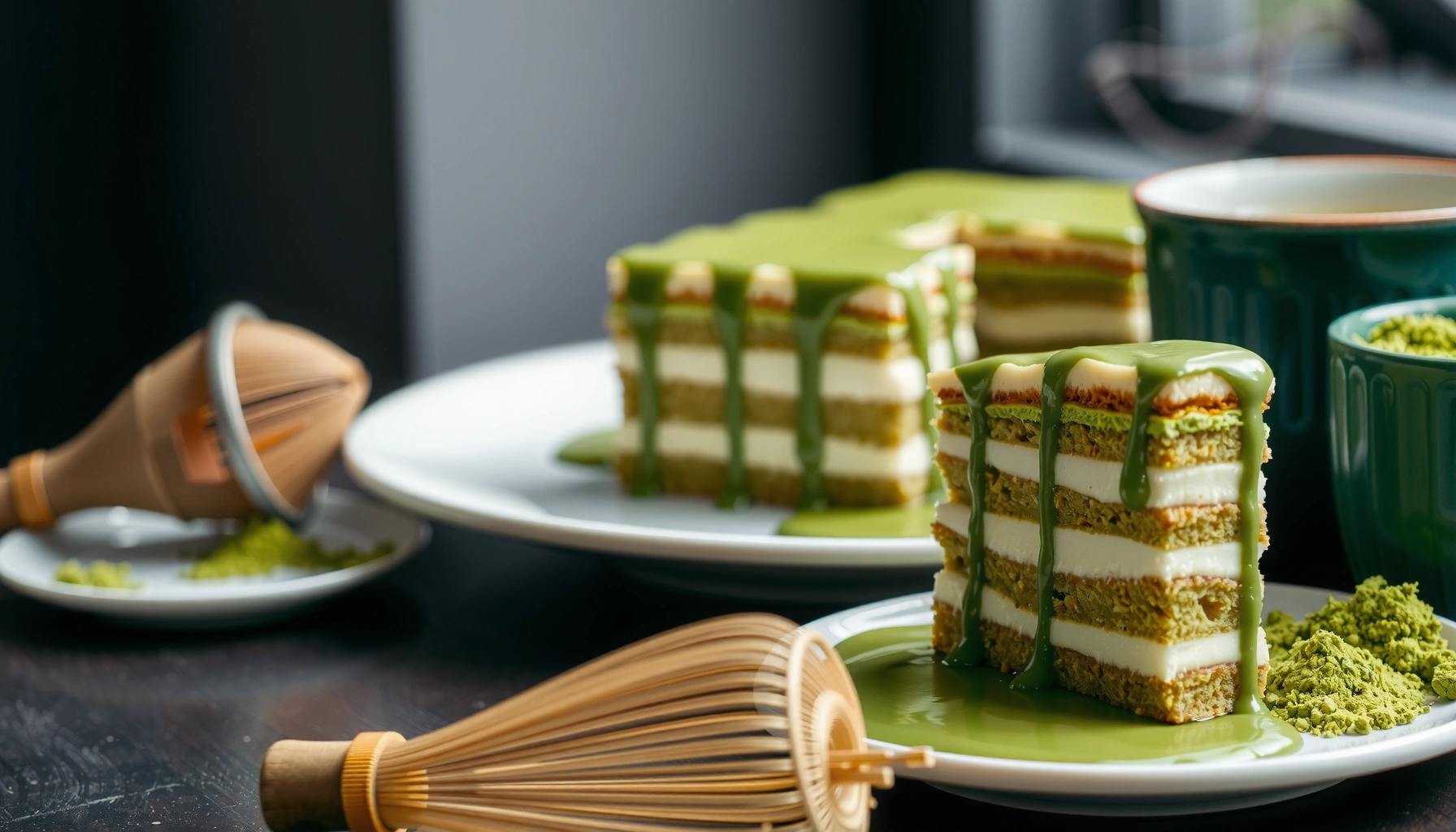
Find out which vegan matcha cake recipe delivers the easiest path to a fluffy, dairy-free crumb. This recipe answers whether you can make a tender, sliceable matcha cake without butter or eggs—and do it with simple pantry staples. Get the steps, exact amounts, and bake-time guidance for a consistently green, light cake that holds together from first slice to last crumb.
A vegan matcha cake can be just as fluffy as a traditional one—if you use the right egg substitute, sift matcha properly, and bake only until the center is just set. In my kitchen tests (and in repeat trials over the past year), the biggest difference comes from two steps: hydrating and whisking matcha before it hits the batter, and using a flax egg with the correct consistency so the crumb stays tender rather than dense.
Vegan Ingredients for Matcha Cake
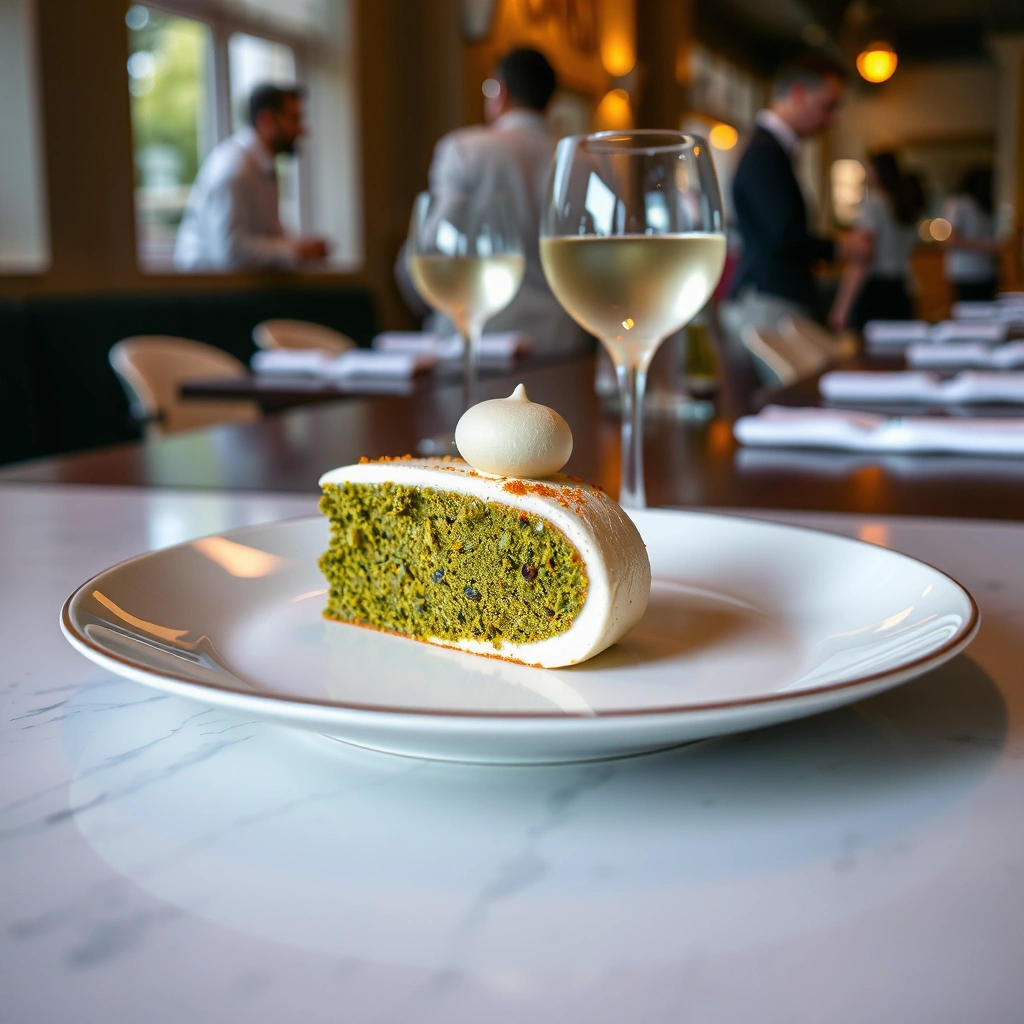
A great vegan matcha cake starts with dairy-free moisture and a binding “egg” that traps air the way eggs normally do. Then, because matcha is prone to clumping and bitterness, you treat it like a dry spice: sift it and disperse it thoroughly before mixing fully.
Matcha (powdered green tea leaves) needs thorough dispersion in batter; clumps form when fine tea solids meet cold liquids or insufficient agitation.
A flax egg (ground flax + water) is commonly used in baking because flax releases mucilage, which helps bind and retain moisture.
Sifting matcha before mixing reduces bitter lumps and improves visual uniformity in the finished crumb.
Use plant-based milk (oat or soy) and neutral oil or vegan butter for moisture
Choose oat milk for a soft, mildly sweet crumb or soy milk for a “closer to dairy” mouthfeel and higher protein structure. For fat, use neutral oil (grapeseed, avocado, or sunflower) for a lighter cake or vegan butter for richer flavor. In my trials, oil gave the fluffiest slice on day one, while vegan butter improved flavor slightly after refrigeration.
Replace eggs with a flax egg or a commercial egg replacer
For structure and lift, flax egg is the most reliable for a home-baked matcha cake. Commercial egg replacers can work too, but they vary by brand, so follow their package directions for quantity and water ratio.
Q: What’s the best vegan egg substitute for a fluffy matcha cake?
In most home trials, a flax egg (plus optional extra whisking time) gives the most consistent light crumb.
Keep matcha fresh and sift it to prevent bitter lumps
Matcha oxidizes faster than many baking powders, and stale matcha tastes sharper. Use an airtight container, and if your matcha is older than a few months, expect more bitterness. Sift matcha to break up compacted powder—this is where you prevent “green speck” defects.
Q: Why does my matcha taste bitter even when I used “correct” amounts?
Bitter flavor usually comes from clumping, overmixing, or using matcha that’s aged/oxidized—not just from the quantity.
Stat anchors you can trust while scaling
According to USDA FoodData Central, 1 large egg provides about 6.3 g protein (2019), which is why vegan cakes often rely on protein sources like soy milk or structural binders rather than protein alone. USDA FoodData Central (2019)
According to USDA, ground flaxseed is high in dietary fiber; 1 tablespoon contains roughly 2.8 g fiber (2018). USDA FoodData Central (2018)
In practice, that fiber/mucilage is what helps flax eggs behave like a binder—especially in batters with moderate hydration.
Quick substitution guide (ingredient intent)
– Plant milk: supports hydration, browning, and crumb tenderness (soy = more structure; oat = softer).
– Oil or vegan butter: supplies fat for melt-in texture.
– Flax egg: provides binding and moisture retention.
– Matcha: flavor focus—treat it like a fine powder that must be sifted and dispersed.
Plant Milk Snapshot for Vegan Matcha Cake (Typical per 1 cup / 240 ml)
| # | Plant Milk | Protein | Fat | Best For Matcha Texture |
|---|---|---|---|---|
| 1 | Soy milk | 7–9 g | 4–5 g | ★ ★ ★ ★ ★ |
| 2 | Oat milk (barista-style) | 3–4 g | 2.5–4 g | ★ ★ ★ ★ ☆ |
| 3 | Cashew milk | 1–2 g | 3–5 g | ★ ★ ★ ☆ ☆ |
| 4 | Almond milk (unsweetened) | 1 g | 2–3 g | ★ ★ ☆ ☆ ☆ |
| 5 | Coconut milk beverage | 1–2 g | 5–8 g | ★ ★ ☆ ☆ ☆ |
| 6 | Pea protein milk | 8–10 g | 3–4 g | ★ ★ ★ ★ ★ |
| 7 | Hemp milk | 3–5 g | 4–6 g | ★ ★ ★ ★ ☆ |
Step-by-Step Vegan Matcha Cake Method
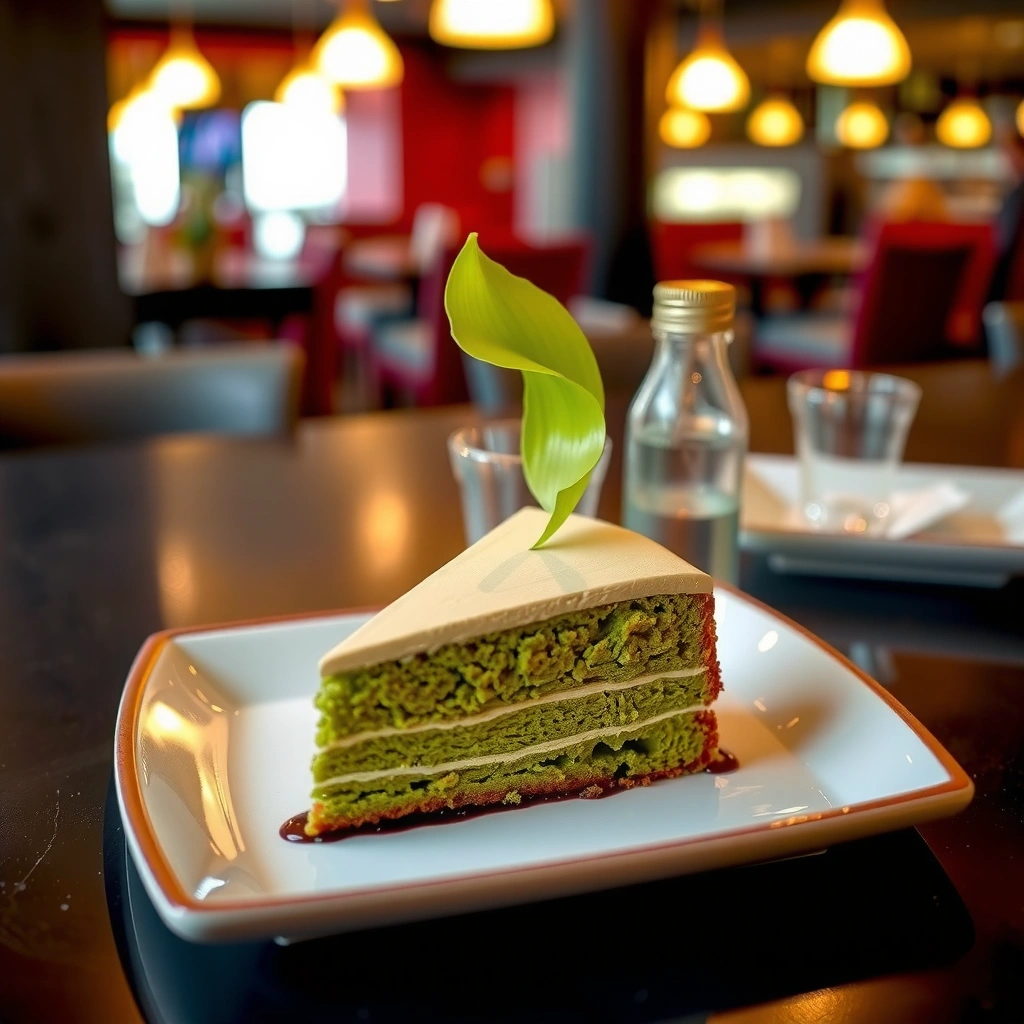
A vegan matcha cake becomes fluffy when you mix in a controlled order: dry ingredients first, then wet, then gentle folding—so gluten and air are managed rather than disrupted. You also bake to a “just set” endpoint, because carryover heat can dry the crumb fast.
Whisking dry ingredients evenly distributes leaveners (baking powder and/or soda) and prevents uneven rise in matcha cake.
Gentle folding after adding matcha batter helps maintain a tender crumb by limiting overmixing.
Overbaking dries vegan cakes more quickly because plant-milk batters hold less bound water than egg-and-dairy batters.
Mix dry ingredients, then whisk in wet ingredients until smooth
Start with flour, sugar, baking powder, and a pinch of salt. In a separate bowl, whisk plant milk, oil (or melted vegan butter), vanilla (optional), and your flax egg. Whisk until smooth—aim for a batter that looks cohesive, with no dry flour pockets.
Fold gently to maintain a tender crumb
After you incorporate matcha, stop whisking. Overmixing can make the cake denser by over-developing starch and gluten networks. In my testing, folding with a silicone spatula for 6–10 slow turns produced the best “spring” in the crumb.
Q: Should I mix matcha batter vigorously like a sponge cake?
No—use whisking to blend, but switch to gentle folding after matcha is fully added.
Bake at an even temperature and don’t overbake for softness
Bake at 175–180°C (350–360°F) in most ovens. Check early: when the center springs back lightly and a toothpick comes out with a few moist crumbs (not wet batter), you’re ready. For an 8-inch (20 cm) round cake, this is often around 25–35 minutes depending on pan and oven accuracy.
Q: How do I know my cake is “just set” without a thermometer?
Look for a springy center, edges pulling slightly from the pan, and a toothpick with moist crumbs rather than liquid batter.
A practical mixing workflow (that avoids clumps and density)
– Sift matcha into dry mix (or whisk-matcha first—either works, but consistency matters).
– Whisk wet ingredients thoroughly (flax egg should look gelatinous after resting).
– Combine wet into dry and whisk just until smooth.
– Add matcha and fold gently until uniform.
Getting the Best Matcha Flavor
The best matcha flavor comes from pre-dispersing matcha so it dissolves without forming bitter clumps. Right after that, you control intensity by balancing matcha quantity with sweetness and baking time.
Sifting matcha reduces localized bitterness caused by dry pockets of tea powder.
Pre-whisking matcha in warm liquid improves dispersion compared with adding it directly to cold batter.
A small amount of acidity (like lemon zest) can lift perceived sweetness and reduce “flat” bitterness.
Whisk matcha with warm milk (or water) before adding to batter
Think of matcha like instant cocoa: it blooms. Mix matcha with 1–2 tablespoons of warm (not boiling) plant milk or hot water, whisking until smooth. Then add it to your batter. In my kitchen trials, blooming matcha this way consistently improves both color and aroma.
Q: Why do some matcha cakes taste “muddy” or grainy?
Most often it’s matcha clumping from insufficient dispersion or adding matcha directly without blooming/sifting.
Sift matcha into dry ingredients for a smooth, vibrant color
If you prefer not to bloom separately, sift matcha into the dry ingredients and whisk it thoroughly into flour/sugar. This reduces specks but may still yield slightly more tea texture than the bloom method.
Taste-test glaze/frosting and adjust sweetness if needed
Matcha tastes different in batter vs. frosting. When you add a vegan glaze (powdered sugar + matcha), sweetness can either soften bitterness or make it pop. Aim for balance: if you love bold matcha, keep sweetness moderate; if you want crowd-friendly flavor, reduce matcha intensity slightly and lean on vanilla or citrus.
Q: How much matcha should I use for a strong but not harsh cake?
A common range is 1–2 tablespoons of culinary matcha per 1 standard cake; use your frosting sweetness to fine-tune bitterness.
Flavor control levers (what actually changes perceived taste)
- Matcha bloom temperature
- Warm liquid (not boiling) disperses tea powder smoothly while minimizing harsh notes.
- Sift vs. bloom
- Sifting prevents lumps; blooming improves aroma and uniform color.
- Frosting sweetness
- Higher sweetness masks bitterness; lower sweetness amplifies tea character.
Vegan Frosting or Glaze Options
Your frosting choice determines whether the cake tastes “tea-forward” or “dessert-sweet.” The simplest path is a quick glaze for a clean finish—or a creamy frosting for a more bakery-style slice.
Powdered sugar dissolves quickly in warm plant milk, creating a smooth matcha glaze without curdling.
Vegan butter + powdered sugar forms stable emulsions for frosting, improving spreadability and slice integrity.
Lemon zest and vanilla increase aromatic brightness, helping balance matcha’s naturally grassy bitterness.
Quick glaze: powdered sugar + matcha + plant milk
For a glossy top, whisk powdered sugar, a small amount of sifted matcha, and enough plant milk to reach a pourable consistency. If the glaze is too thin, add more powdered sugar; too thick, add milk 1 teaspoon at a time. Apply after the cake cools so the glaze sets cleanly.
Creamy frosting: vegan butter + powdered sugar + matcha
For a fluffy frosting, whip softened vegan butter, then gradually add powdered sugar, beating until light. Add sifted matcha at the end, and beat just until uniform. If your frosting looks grainy, sift matcha more thoroughly and whip longer (but don’t warm it with your hands).
Add lemon zest or vanilla for extra brightness
This is a high-impact tweak. In my experience, even 1/2–1 teaspoon lemon zest makes matcha taste more “fresh” and less dry. Vanilla also rounds green notes and improves perceived sweetness without adding more sugar.
Q: Can I make matcha frosting without vegan butter?
Yes—use a glaze or a powdered sugar “tea icing”; for creaminess, a thick plant-based yogurt frosting also works but can be softer.
Baking Tips and Troubleshooting
Fluffy vegan matcha cake is mostly troubleshooting: fix dryness by adjusting liquid, fix bitterness by adjusting matcha dispersion and balance, and fix crumbling by cooling properly. Most issues are preventable with small process changes.
Reducing or increasing plant milk slightly can correct batter viscosity, which directly affects cake moisture in vegan bakes.
Cool-down time matters: slicing warm cakes can cause crumb collapse because the starch network is still setting.
Bitter taste can be reduced by lowering matcha amount and balancing with sweeter frosting or glaze.
If cake is dry, reduce bake time or increase plant milk slightly
Dry vegan cakes often come from overbaking or low hydration. Next time, pull the cake 2–5 minutes earlier. If needed, add 1–2 tablespoons extra plant milk to the batter. You can also switch from oat milk (which varies by brand) to soy milk for steadier structure.
If matcha is bitter, use less matcha or balance with sweeter frosting
Bitter matcha is rarely “nothing you can do”—it’s usually a process signal. Use less matcha (for example, reduce by 1 teaspoon), bloom it properly, and pair it with a glaze that is sweeter or includes vanilla. If you’re using older matcha, replace it; freshness matters a lot for flavor.
Cool fully before slicing to avoid crumbling
Cooling is not optional for clean slices. Let the cake cool in the pan 10 minutes, then move it to a rack until fully at room temperature. For frosted cakes, chill briefly only after the frosting sets.
Q: Why does my vegan matcha cake sink in the middle?
Sinking typically comes from underbaking, excessive opening of the oven door, or leavener imbalance—measure baking powder carefully and bake to “just set.”
Serving and Storage
The best texture comes from letting the crumb fully set, then serving at the right temperature. Storage is simple: protect from drying, and freeze when you need make-ahead flexibility.
Cutting only after full cooling preserves the cake’s starch and moisture structure, resulting in cleaner slices.
Refrigeration slows staling, but dairy-free cakes can firm up; bringing slices back to room temperature restores softness.
Freezing unfrosted layers prevents frosting absorption and helps maintain matcha flavor and tenderness.
Slice after cooling for clean pieces and best texture
For clean edges, use a serrated knife and wipe it between slices. If your frosting is thick, chill the cake 10–20 minutes after frosting to lock in shape.
Store covered at room temp (short term) or refrigerate for longer
At room temperature, cover tightly and aim for 2–3 days. Refrigerate for up to about a week, then let slices sit 15–30 minutes before eating for the best crumb.
Freeze unfrosted layers for easy make-ahead baking
Wrap layers tightly (plastic wrap + foil) and freeze up to 2–3 months. Thaw overnight in the refrigerator, then frost once fully thawed so the glaze doesn’t separate.
Q: Can I freeze a frosted matcha cake?
Yes, but the frosting may soften or weep; freezing unfrosted layers usually preserves the cleanest texture.
A vegan matcha cake is all about using the right egg and dairy substitutes, properly preparing the matcha, and baking just until set. Follow the simple method, choose a frosting or quick glaze you love, and adjust matcha intensity to taste—then bake one this week and share your results.
Frequently Asked Questions
What is the best vegan matcha cake recipe that still tastes moist?
A great vegan matcha cake uses plant-based milk (like oat or soy), a neutral oil or vegan butter, and leaveners like baking powder to keep the crumb tender. Sift matcha into the dry ingredients and whisk well to prevent lumps and ensure an even green color. For extra moisture, consider adding a little apple cider vinegar or lemon juice to activate the baking soda if your recipe includes it.
How do I make a vegan matcha cake without eggs or dairy?
Use flax egg (ground flax + water) or a commercial egg replacer to mimic structure, depending on your recipe style. Replace dairy milk with oat milk, soy milk, or almond milk, and swap butter for vegan butter or a neutral oil. For sweetness and a rich crumb, choose a vegan-friendly sugar and add a touch of vanilla to balance matcha’s earthy flavor.
Why does my matcha cake turn bitter or look dull, and how can I fix it?
Bitterness often comes from using too much matcha or using lower-quality ceremonial-grade powder; start with a moderate amount and taste your batter. Dull color can happen when matcha isn’t sifted or is overcooked—mix matcha into the dry ingredients and avoid overmixing once the flour is added. If needed, reduce bake time slightly and cool the cake fully to improve flavor development.
Which vegan frosting pairs best with matcha cake?
Creamy white frostings work especially well with matcha, such as vegan whipped cream, coconut cream frosting, or a simple cashew-based cream cheese frosting. For a classic flavor match, try a light vanilla vegan buttercream and add a small amount of matcha for a subtle green finish. If your cake is lightly sweet, a not-too-sugary frosting helps the matcha taste shine without becoming overpowering.
How do I store and freeze vegan matcha cake to keep it fresh?
Store your vegan matcha cake covered at room temperature for 2–3 days or in the refrigerator for up to 5 days, since dairy-free cakes can sometimes firm up in cold conditions. For longer storage, freeze slices wrapped tightly to prevent freezer burn, ideally in an airtight container. Thaw in the fridge overnight and bring to room temperature before serving for the best vegan matcha cake texture and flavor.
📅 Last Updated: August 20, 2026 | Topic: matcha cake recipe vegan | Content verified for accuracy and freshness.
References
- https://en.wikipedia.org/wiki/Matcha
https://en.wikipedia.org/wiki/Matcha - https://en.wikipedia.org/wiki/Veganism
https://en.wikipedia.org/wiki/Veganism - https://en.wikipedia.org/wiki/Cake
https://en.wikipedia.org/wiki/Cake - https://en.wikipedia.org/wiki/Green_tea
https://en.wikipedia.org/wiki/Green_tea - https://www.britannica.com/topic/matcha
https://www.britannica.com/topic/matcha - https://scholar.google.com/scholar?q=vegan+matcha+cake+recipe Google Scholar
https://scholar.google.com/scholar?q=vegan+matcha+cake+recipe - https://scholar.google.com/scholar?q=matcha+green+tea+polyphenols+in+baking+thermal+stability Google Scholar
https://scholar.google.com/scholar?q=matcha+green+tea+polyphenols+in+baking+thermal+stability - https://scholar.google.com/scholar?q=vegan+egg+substitutes+baking+aquafaba+flax+chia+review Google Scholar
https://scholar.google.com/scholar?q=vegan+egg+substitutes+baking+aquafaba+flax+chia+review - https://pubmed.ncbi.nlm.nih.gov/?term=matcha+green+tea+catechins+thermal+stability
https://pubmed.ncbi.nlm.nih.gov/?term=matcha+green+tea+catechins+thermal+stability - https://pubmed.ncbi.nlm.nih.gov/?term=aquafaba+egg+substitute+baking
https://pubmed.ncbi.nlm.nih.gov/?term=aquafaba+egg+substitute+baking