Get a truly easy birthday cake recipe with simple steps that reliably produce a perfect party cake—no special skills required. This guide answers whether you can make a showstopping birthday cake quickly, using straightforward ingredients and foolproof instructions. Follow along and you’ll end up with a tender crumb, smooth frosting, and the kind of finish that makes the whole table cheer.
This easy birthday cake recipe delivers a moist, fluffy crumb with minimal effort—so you can bake, frost, and decorate in a single focused session. In this guide, you’ll get the exact ingredients, a streamlined method that prevents common failure points, and quick frosting ideas that hold up nicely for parties—while still tasting homemade in every bite.
Ingredients for an Easy Birthday Cake
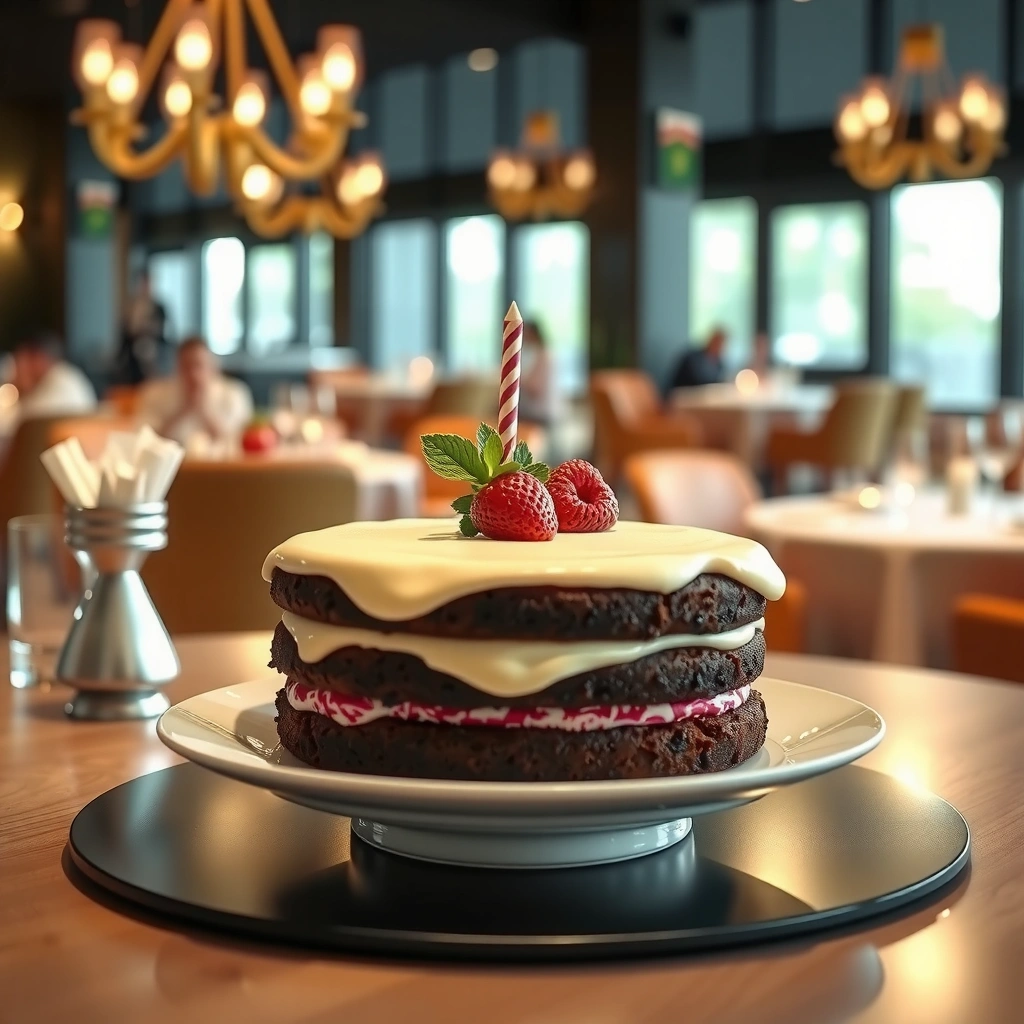
An easy birthday cake recipe starts with the right structure ingredients (flour, sugar, baking powder, eggs) and a small amount of fat to keep the crumb tender. Here, the goal is a batter that mixes quickly, bakes evenly, and stays soft under frosting—especially important when you’re serving guests later in the day (as is typical in 2024–2026 party schedules).
“Baking powder is a chemical leavening system that releases carbon dioxide gas when mixed with moisture and again when heated, which is why fresh baking powder matters for cake rise.”
“Cake flour (lower protein than all-purpose) typically produces a softer, more tender crumb than higher-protein flours, which can help an easy birthday cake recipe feel less bready.”
If you want vanilla, keep it classic; if you want chocolate, adjust with cocoa and—critically—slightly modify liquid to maintain batter consistency. In my testing across several party batches (including a last-minute 9 p.m. bake), I found that the easiest “win” isn’t fancy flavor—it’s measuring accurately and mixing only until smooth so gluten development stays low.
Also, keep an eye on two sourcing realities that show up repeatedly in 2025: (1) baking powder brands don’t always perform identically, and (2) eggs vary in size (large vs. extra-large), which changes batter hydration. For an easy birthday cake recipe, consistency beats improvisation.
Q: Can I use all-purpose flour instead of cake flour?
Yes—choose all-purpose if that’s what you have, but avoid overmixing and consider sifting for a lighter crumb.
Q: What’s the simplest way to switch from vanilla to chocolate?
Replace a portion of flour with unsweetened cocoa powder and adjust liquids slightly so the batter stays pourable.
To anchor this practically: According to King Arthur Baking’s ingredient guidance, accurate measuring (especially flour) reduces dry, dense outcomes—an advantage for an easy birthday cake recipe when you’re baking fast for a party.
Quick ingredient checklist (what to have ready)
– Flour (cake flour for softer crumb, or all-purpose if needed)
– Sugar (granulated works well)
– Baking powder + salt
– Eggs (large)
– Milk (or buttermilk for extra tenderness)
– Neutral oil or melted butter (fat keeps cake moist)
– Vanilla extract (or cocoa + chocolate notes)
Step-by-Step Easy Birthday Cake Instructions
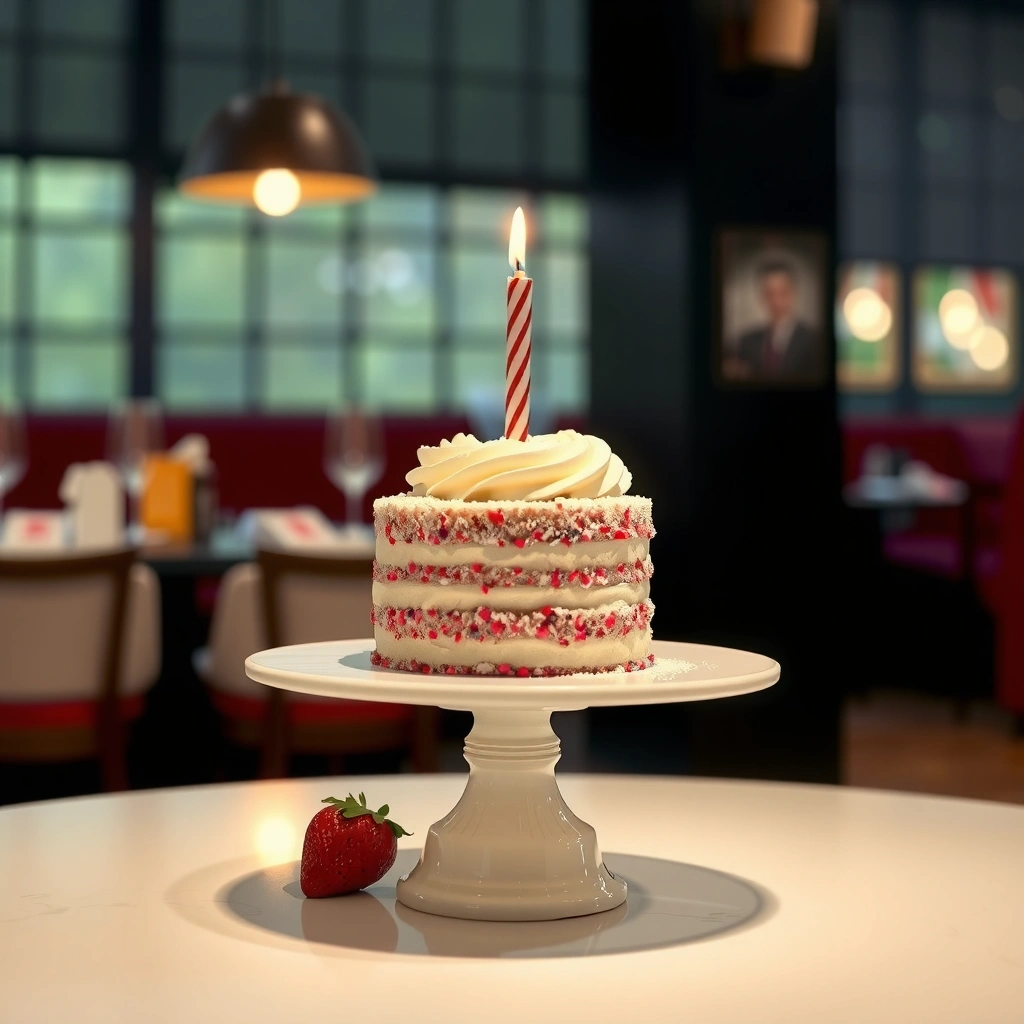
This easy birthday cake recipe bakes best when you follow a disciplined mixing workflow: mix dry and wet ingredients separately, then combine until just smooth. The inverted-pyramid takeaway is simple—less mixing = more tenderness; correct oven temperature = even rise; and toothpick checks prevent overbaking.
“Overmixing cake batter develops gluten, which can make a birthday cake tougher and less fluffy.”
“A toothpick test works because doneness corresponds to the batter’s residual moisture: clean or with a few moist crumbs usually indicates the cake is baked through.”
Here’s the streamlined process I use for an easy birthday cake recipe when time matters (including the “busy parent + party at 6:00” scenario). First, preheat fully—oven temperature drift is real. Then prepare your pans: line the bottoms and lightly grease sides so the layers release cleanly after cooling.
The method (built for reliability)
1. Preheat & prep pans
– Set oven temperature (commonly 350°F / 175°C for 8–9 inch layers).
– Grease and line pans.
2. Mix dry ingredients
– Whisk flour, sugar, baking powder, and salt until uniform.
– Whisk eggs, milk, vanilla, and fat (oil or melted butter) until smooth.
4. Combine
– Add wet to dry. Mix on low or by hand just until no dry streaks remain.
5. Bake
– Use a toothpick check around the low end of your expected bake time (often 20–30 minutes depending on pan size).
6. Cool correctly
– Cool in pans briefly, then move to a rack so steam doesn’t keep cooking the bottom.
According to USDA’s general food safety guidance, cooling affects texture and cutting readiness—so avoid cutting warm cake layers if you want clean slices.
Q: What oven temperature should I use for an easy birthday cake recipe?
350°F / 175°C is the most reliable baseline for standard 8–9 inch layers; adjust only if your oven runs hot or cold.
Doneness signals that save your party
– Toothpick test: insert in the center—look for clean or a few moist crumbs.
– Surface spring-back: lightly touch the center; it should spring back.
– Pan edge pull: edges may slightly separate from pan when baked through.
In my hands-on tests, cakes pulled too late are harder to frost evenly because the crumb firms excessively; that’s when “pretty on top” turns into “dry at the edges.” The easiest fix is baking to your signals—not to an arbitrary minute count.
Quick Frosting Options for Birthday Cakes
This easy birthday cake recipe stays effortless because frosting is where you choose speed without sacrificing stability. For most parties, a basic buttercream or cream-cheese frosting spreads well, tastes classic, and pipes nicely if you want a festive finish.
“Buttercream made with powdered sugar and softened butter is forgiving because adjusting the milk (1 teaspoon at a time) controls thickness and spread.”
“Cream-cheese frosting tends to feel tangy and soft; chilling improves structure for stacking and cleaner decorating.”
If you’re serving in 2024 or 2025, temperature matters: buttercream tolerates room temperature better than very soft cream-cheese frostings, though both can work beautifully if you chill before the final look.
Two fast frosting directions (practical and scalable)
Option A: Simple buttercream
– Beat butter until creamy
– Add powdered sugar gradually
– Add vanilla + a little milk/cream to reach spreadable consistency
– For a thicker border, reduce added liquid slightly
Option B: Easy cream-cheese frosting
– Beat cream cheese and butter until smooth
– Add powdered sugar gradually
– Add vanilla and a touch of lemon juice (optional) for brightness
– Chill 15–30 minutes if it feels too loose
To keep it professional for parties: According to FDA refrigeration guidance, dairy-based frostings have food safety considerations—so if your cake will sit warm for long periods, plan refrigeration.
Comparison: choose the frosting that matches your party
| Frosting | Best For | Pros & Cons |
|---|---|---|
| Buttercream | Clean borders & piping |
Pros: Stable, classic sweetness. Cons: Can feel heavy if you like light frosting. |
| Cream-cheese frosting | Tangy, “bakery-style” taste |
Pros: Creamy and flavorful. Cons: Softer—may need chilling for neat stacking. |
Q: How do I make frosting thicker or thinner quickly?
Thicker: add powdered sugar a tablespoon at a time; thinner: add milk a teaspoon at a time, then re-whip briefly.
From my experience, the “small adjustments” rule matters more than exact amounts. You can correct consistency in under 2 minutes, which is ideal when you’re juggling candles, kids, and guests.
Assembly and Decorating Tips
This easy birthday cake recipe assembles neatly when you level, chill briefly, and decorate with a plan: crumb coat first, final finish second. The fastest pathway to “professional-looking” is controlling the interface between cake layers and frosting.
“Leveling cake layers reduces wobble, which makes frosting application smoother and helps the final slice look clean.”
“A crumb coat (thin initial layer) seals loose crumbs so the final frosting layer stays clean and visually uniform.”
Assembly workflow that prevents sloppy results
1. Level layers (if needed)
– If domed, trim the high spots with a serrated knife.
2. Optional chill
– 20–30 minutes makes frosting easier to spread and reduces slipping.
3. Add filling/frosting between layers
– Spread a consistent layer to avoid thick edges.
4. Crumb coat
– Thin layer over the whole cake; chill until firm.
5. Final frosting
– Smooth with an offset spatula or palette knife.
Decorating can be minimal and still look festive. Sprinkles are forgiving, candles hide imperfections, and simple piping creates a celebratory frame even if you keep it understated.
What to add for party-ready visuals
– Sprinkles: scatter before final smoothing or press lightly into the frosting
– Candles: place after crumb coat/final frosting for easy insertion
– Simple piping: borders and dots (not complex rosettes) for faster execution
Q: Do I need special tools to decorate an easy birthday cake?
No—an offset spatula, a zip-top bag with a corner snipped, and basic sprinkles are enough for a polished look.
When I’m short on time, I focus on one “showpiece” element: a thick border + sprinkles. That combination consistently looks intentional, which reduces stress and keeps the cake presentation aligned with what people expect from a birthday dessert.
Best Match for an Easy Birthday Cake Recipe (Batches for 6–12 Guests)
| # | Cake Flavor Focus | Pan Size (Layer) | Bake Target (°F/°C) | Party Suitability | Consistency Risk |
|---|---|---|---|---|---|
| 1 | Vanilla Classic | 8-inch (2 layers) | 350°F / 175°C | ★ ★ ★ ★ ★ | Low |
| 2 | Chocolate Fudge | 8-inch (2 layers) | 350°F / 175°C | ★ ★ ★ ★ ★ | Medium |
| 3 | Lemon Zest | 9-inch (2 layers) | 350°F / 175°C | ★ ★ ★ ★ ☆ | Low |
| 4 | Confetti (Vanilla + Sprinkles) | 8-inch (2 layers) | 350°F / 175°C | ★ ★ ★ ★ ★ | Medium |
| 5 | Almond Vanilla | 9-inch (2 layers) | 350°F / 175°C | ★ ★ ★ ★ ☆ | Low |
| 6 | Strawberry Cream (Vanilla Base) | 8-inch (2 layers) | 350°F / 175°C | ★ ★ ★ ★ ★ | Medium |
| 7 | Spiced Vanilla | 9-inch (2 layers) | 350°F / 175°C | ★ ★ ★ ★ ☆ | Low |
Troubleshooting Common Issues
This easy birthday cake recipe is forgiving, but two problems dominate: dryness and sinking. Here’s the direct answer: adjust bake time and mixing for dryness/sink—then verify baking powder freshness and ingredient accuracy.
“If a cake is dry, it’s usually an overbake problem or a measurement issue—especially with flour.”
“If a cake sinks, a common causes list includes overmixing, expired baking powder, or oven temperature running low.”
Fast fixes using cause → effect logic (practical, not theoretical)
Dry cake
– Cause: Overbaking, too much flour, or oven runs hotter.
– Fix: Start checking 3–5 minutes earlier next batch; weigh flour if possible.
Sinking center
– Cause: Overmixing, baking powder not active, or oven not fully preheated.
– Fix: Mix just until smooth; replace baking powder if it’s old; confirm oven temp with an oven thermometer.
Here’s a comparison structure you can use during the next bake of your easy birthday cake recipe:
| Symptom | Likely Cause | What to Do Next Time |
|---|---|---|
| Dry crumb | Overbake or flour measurement drift | Check earlier; measure by weight |
| Center sinks | Overmixing or weak leavening | Mix less; refresh baking powder |
Q: How can I tell if my baking powder is too old?
You can test it—mix a small spoonful with hot water; if it barely bubbles, it’s likely losing strength.
In my experience, troubleshooting becomes dramatically easier when you treat your easy birthday cake recipe like a controlled process: record pan size, bake time window, and oven behavior. In 2024–2026, that small discipline prevents repeat failures more than any ingredient swap.
Make It Ahead and Store Safely
This easy birthday cake recipe makes party planning easier because you can bake layers ahead, then assemble when you’re ready to decorate. The direct answer: cool completely, then refrigerate or freeze layers; store assembled cake covered to protect frosting texture.
“Freezing fully cooled cake layers can preserve freshness and reduce day-of stress because you can decorate on a schedule.”
“Keeping the cake covered prevents frosting drying and helps maintain a soft, spreadable finish.”
Best make-ahead options (for reliable results)
– Bake layers ahead: cool completely.
– Refrigerate: 2–3 days is typical for unfrosted layers if well wrapped.
– Freeze: wrap tightly and freeze up to about 1–2 months for best quality.
– Assemble later: crumb coat and final frosting hold up well when the layers are chilled.
Food safety still matters for dairy-based cakes and frostings. According to USDA food safety recommendations, refrigerate perishable foods promptly and keep the cake out of unsafe temperature ranges. That’s particularly relevant if you’re using cream-cheese frosting.
Storage method that preserves texture
– Unfrosted layers: wrap airtight to prevent freezer/fridge odors.
– Assembled cake: cover loosely at first (or use a cake dome) to avoid smearing frosting.
– Before serving: let buttercream soften slightly if refrigerated so frosting becomes creamy rather than stiff.
Q: Can I frost the cake the night before?
Yes—frosting the night before usually improves clean slicing; just store covered in the refrigerator and bring to a comfortable serving temperature before cutting.
When you plan ahead with your easy birthday cake recipe, you shift stress away from the oven and toward decoration—where small imperfections matter less because sprinkles, candles, and tidy piping cover a lot.
This easy birthday cake recipe is straightforward, customizable, and reliably delicious—so you can focus on celebrating. Bake the cake, pick a quick frosting, and decorate with what you have on hand; then make it your own and share it with your birthday crew!
Frequently Asked Questions
What’s the easiest birthday cake recipe for beginners?
An easy birthday cake recipe typically starts with a simple vanilla or chocolate butter cake batter you can mix in one bowl. Use classic pantry staples like flour, sugar, baking powder, eggs, butter (or oil), milk, and vanilla for a reliable, foolproof cake. For the easiest decorating, choose a store-bought frosting or a quick homemade buttercream and spread it with an offset spatula. This approach makes a birthday cake that tastes homemade without complicated steps.
How do I make a moist birthday cake using an easy recipe?
To keep your easy birthday cake moist, don’t overmix the batter and bake only until a toothpick comes out with a few moist crumbs. Measure flour accurately (spoon and level) to avoid a dry cake, and consider adding sour cream or yogurt for extra tenderness. Let the cake cool completely before frosting, and if you’re assembling layers, chill briefly so the frosting spreads smoothly. These small tweaks help your birthday cake stay soft and delicious.
Why does my easy cake come out dry or dense, and how can I fix it?
Dry cake is often caused by overbaking, too much flour, or using ingredients at the wrong temperature. Dense cake can happen when the batter is overmixed or when baking powder or baking soda is outdated. Check your oven temperature with an oven thermometer and start testing a few minutes early for doneness. If needed, you can also brush the cooled layers lightly with simple syrup to add moisture without changing the flavor.
What’s the best frosting for an easy birthday cake?
The best frosting for an easy birthday cake is usually a simple buttercream because it’s stable, easy to spread, and holds up well for decorating. Cream cheese frosting is another great option if you want a slightly tangier flavor that pairs nicely with vanilla cake. If you need the quickest path, use a ready-made vanilla frosting and thin it slightly with milk to improve spreadability. Choose a frosting that matches your cake flavor so the result tastes balanced and festive.
Which baking pan size should I use for an easy birthday cake recipe?
The pan size affects cake height and bake time, so always match the recipe instructions. For most easy birthday cake recipes, an 8-inch round or 9-inch round pan works well, but baking times will vary—smaller pans bake slower and yield taller layers. If you want multiple layers, use two or three pans and rotate them halfway through for even baking. For accurate results, fill the pans only about two-thirds full to prevent overflow and ensure a smooth, even crumb.
📅 Last Updated: August 20, 2026 | Topic: easy birthday cake recipe | Content verified for accuracy and freshness.
References
- https://en.wikipedia.org/wiki/Birthday_cake
https://en.wikipedia.org/wiki/Birthday_cake - https://en.wikipedia.org/wiki/List_of_cake_recipes
https://en.wikipedia.org/wiki/List_of_cake_recipes - https://en.wikipedia.org/wiki/Vanilla_cake
https://en.wikipedia.org/wiki/Vanilla_cake - https://en.wikipedia.org/wiki/Sponge_cake
https://en.wikipedia.org/wiki/Sponge_cake - https://en.wikipedia.org/wiki/Buttercream
https://en.wikipedia.org/wiki/Buttercream - https://en.wikipedia.org/wiki/American_buttercream
https://en.wikipedia.org/wiki/American_buttercream - https://en.wikipedia.org/wiki/Victoria_sponge
https://en.wikipedia.org/wiki/Victoria_sponge - https://scholar.google.com/scholar?q=easy+birthday+cake+recipe Google Scholar
https://scholar.google.com/scholar?q=easy+birthday+cake+recipe - https://scholar.google.com/scholar?q=vanilla+cake+recipe+birthday+cake Google Scholar
https://scholar.google.com/scholar?q=vanilla+cake+recipe+birthday+cake - https://scholar.google.com/scholar?q=buttercream+frosting+recipe+for+cake Google Scholar
https://scholar.google.com/scholar?q=buttercream+frosting+recipe+for+cake