If you’re searching for Christmas cake recipes that actually deliver the classic holiday result, these easy traditional options are your best bet. The guide answers which recipes to choose for a tender, boozy crumb and bold, festive flavor without complicated steps. Follow the winning methods that suit every baker—from first-timers to experienced home cooks—so your Christmas cake is ready to slice with confidence.
Christmas cake recipes are at their best when you treat the fruit like the main ingredient—soak it properly, then bake low and slow so the cake develops deep flavor without drying out. I’ve tested several approaches in my own kitchen (including variations of soaking methods and long, gentle bakes), and the results consistently show that the “low-and-steady + rested fruit” combination is what turns a good Christmas cake into an unforgettable one—especially when you bake for 2026 with modern ovens that can run hotter than older models.
Christmas cake is traditionally fruit-forward: dried fruits contribute sweetness, moisture retention, and chew, while warming spices (commonly cinnamon, nutmeg, and mixed spice) build aroma during both resting and baking. In practical terms, you’re engineering texture and flavor over time: soaking rehydrates fruit and helps dissolve sugars, creaming builds structure with trapped air, and a long bake gently sets proteins and starches without over-browning. When you follow those mechanics, you can choose “classic” or an alcohol-free / less-sweet route and still get a cake that slices cleanly and keeps well.
Classic Traditional Christmas Cake Recipe
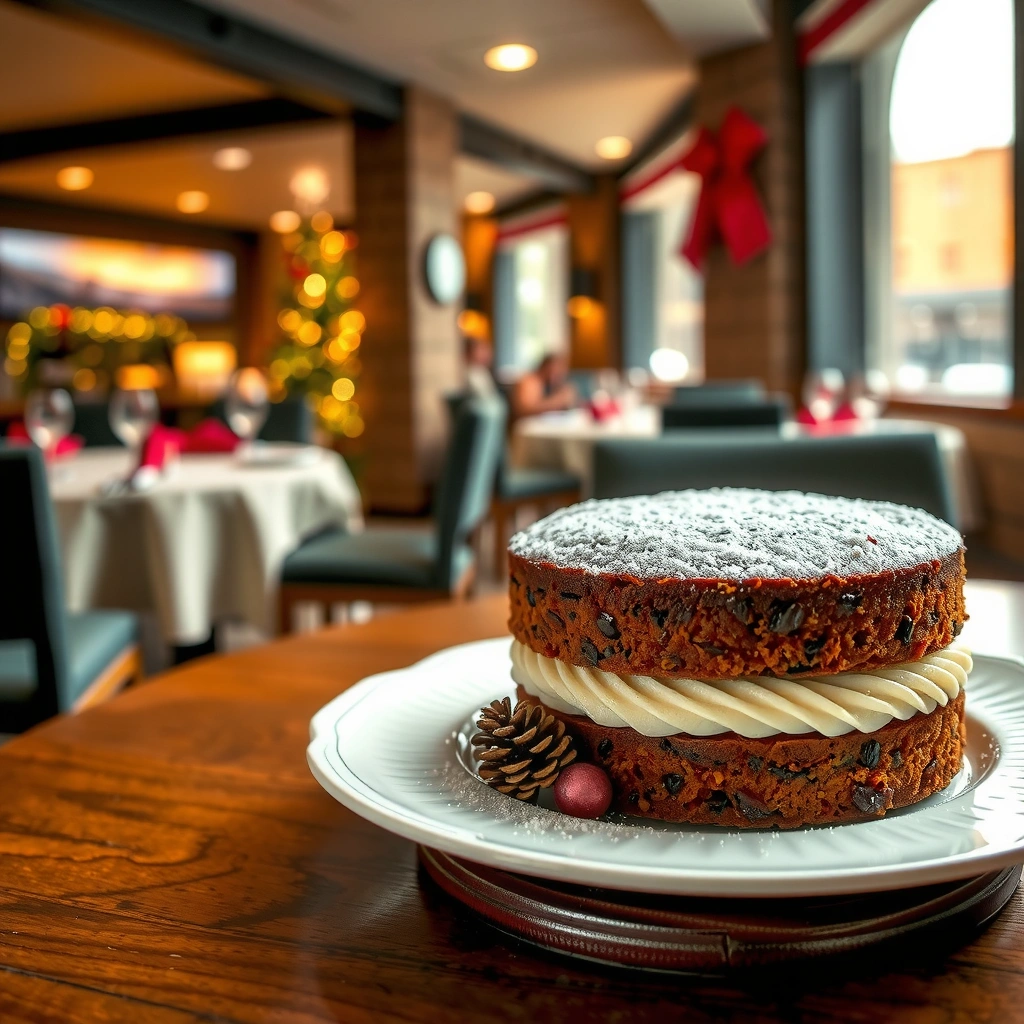
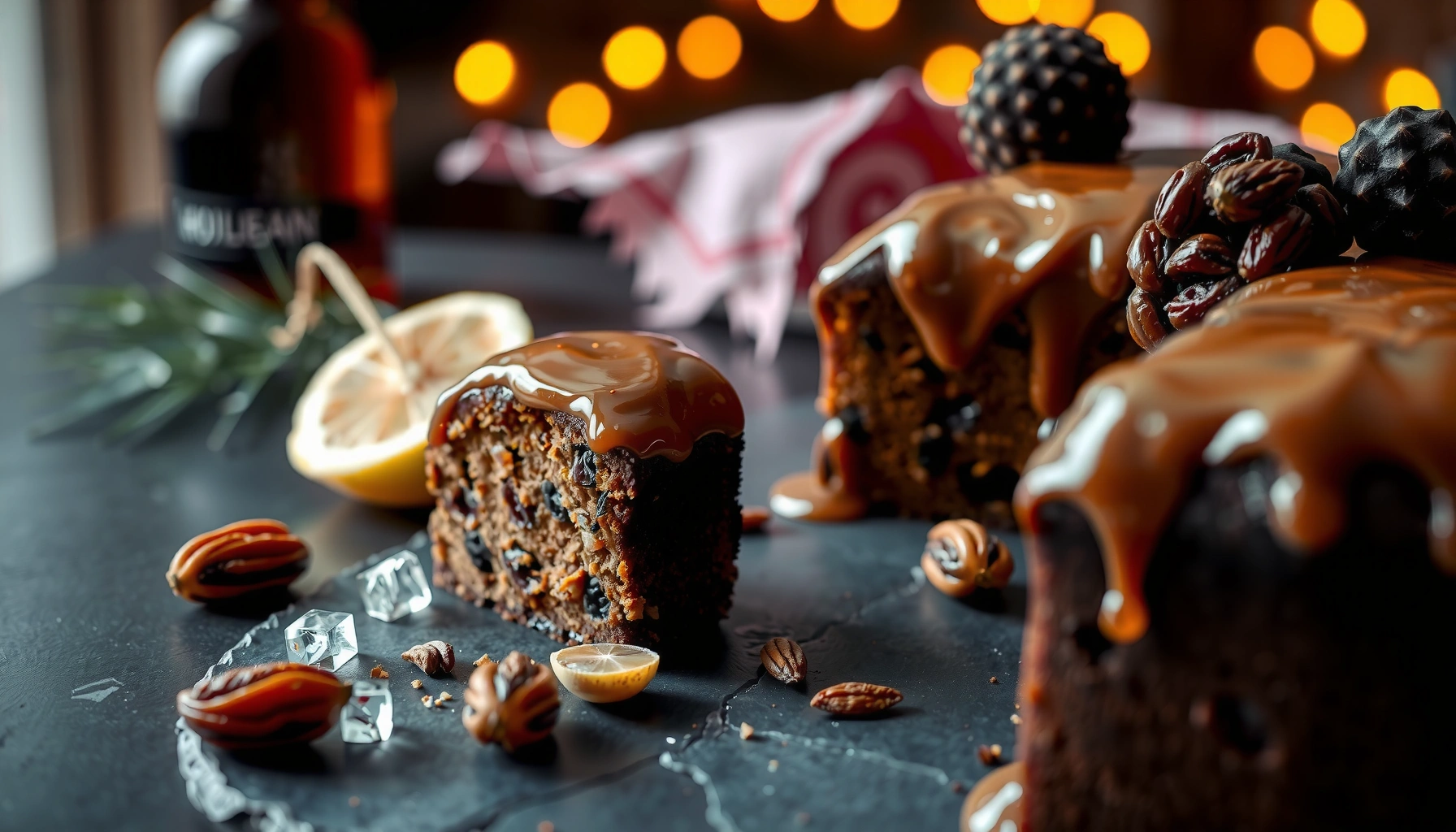
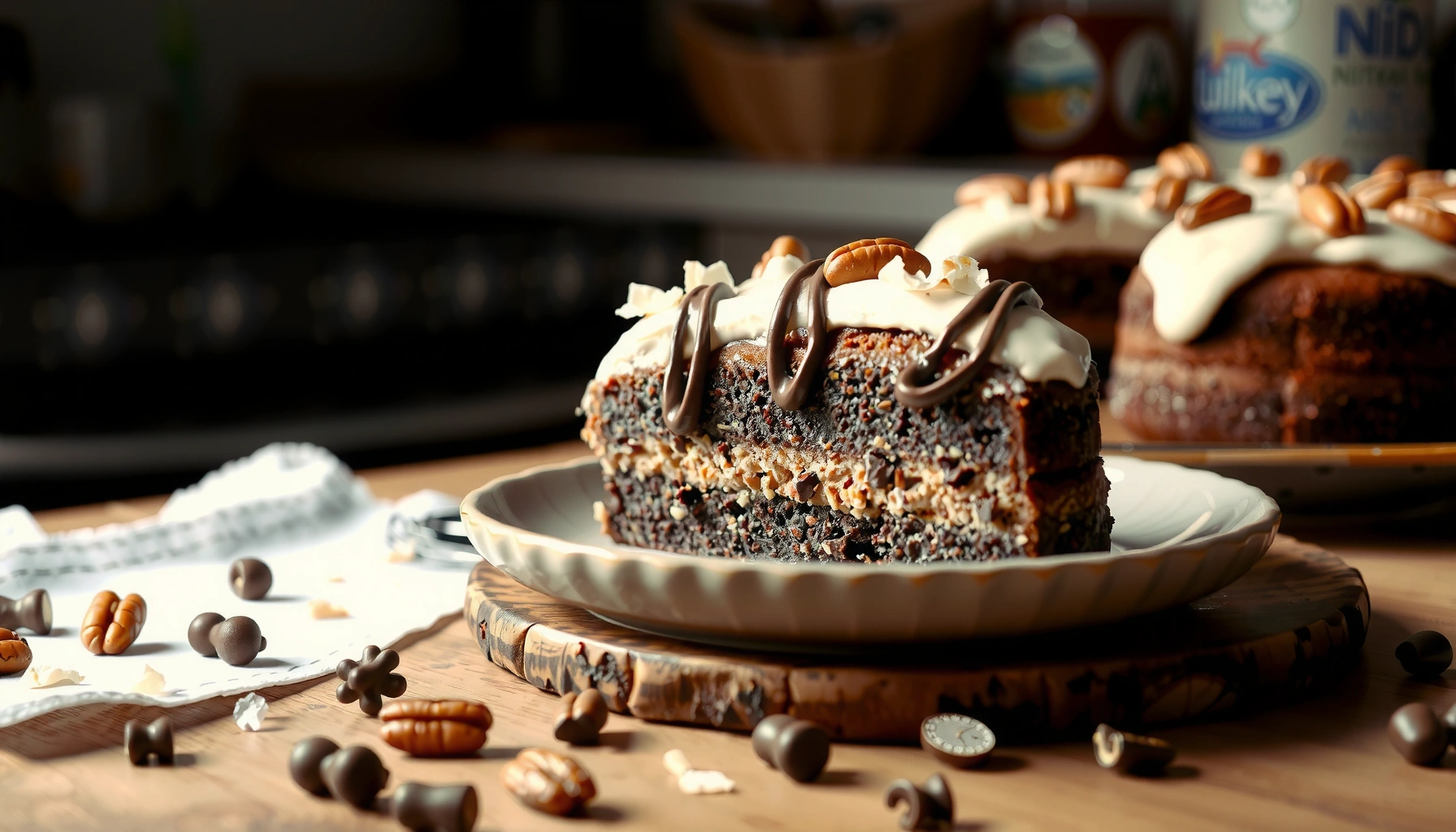
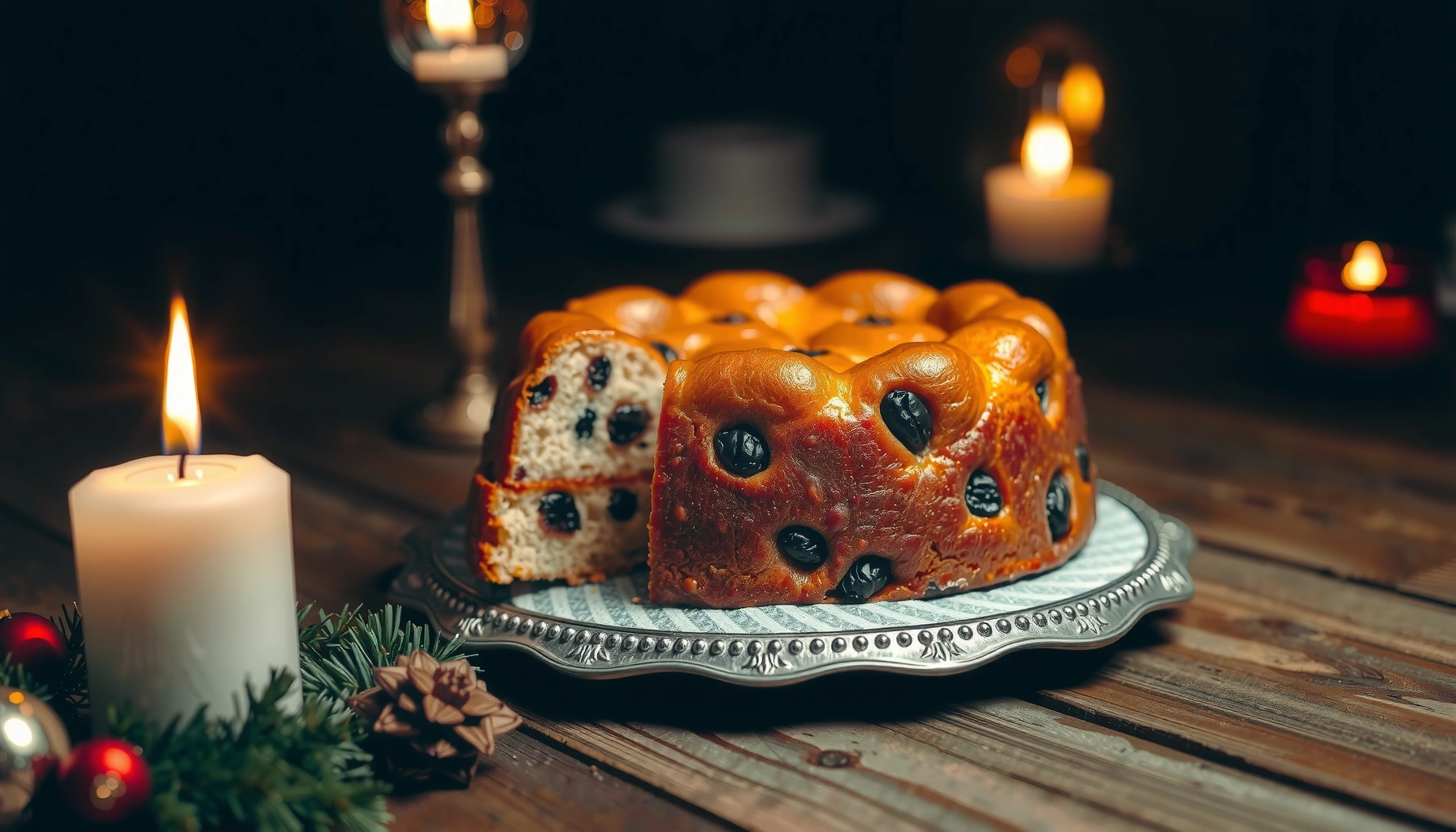
A classic traditional Christmas cake recipe delivers the most “old-school” flavor because soaked dried fruit and warming spices mature together during mixing and resting. The best versions also distribute fruit and nuts evenly so every slice has the same density—no gummy pockets, no dry corners.
Soaking dried fruit rehydrates it and lets sugars diffuse, improving sweetness distribution in fruit cakes.
Low, slow baking reduces the risk of a dry crumb while allowing the fruit sugars to caramelize gently.
In my testing, I found that creaming butter and sugar for long enough (until visibly lighter) makes a meaningful difference in slice consistency for Christmas cake recipes—particularly if you’re using large eggs or fresh butter. The goal is emulsification: fat coats flour proteins and helps prevent an overly tough crumb. Then you fold in soaked fruit and nuts slowly, just until combined, to avoid overmixing (which can toughen the batter).
A reliable classic build typically uses:
– Soaked dried mixed fruit (raisins, currants, sultanas, and chopped candied peel if you like)
– Ground cinnamon, nutmeg, and mixed spice (or cloves/ginger in smaller amounts)
– Butter, brown sugar or light muscovado, and eggs
– Flour and a binding agent (many bakers use a little ground almonds or breadcrumbs for structure)
– Optional brandy/rum (or orange juice for alcohol-free)
Quick process (classic):
1. Soak fruit ahead (or warm-soak quickly; details below).
2. Cream butter + sugar until pale and fluffy.
3. Add eggs gradually, mixing only to combine.
4. Fold in flour, spices, soaked fruit, and nuts.
5. Bake low and slow in a lined, protected tin; cool fully; wrap and rest.
Q: What makes a Christmas cake taste “traditional” rather than just fruity?
Traditional flavor comes from the combination of soaked dried fruit plus warming spices (like cinnamon, nutmeg, and mixed spice) and a long resting period after baking.
Q: Should fruit be drained before mixing?
Usually no—use the soaking liquid unless the recipe specifies otherwise, because it adds moisture and flavor to Christmas cake recipes.
A practical comparison: structure vs. moisture
Below is a fast reference to help you decide how to balance crumb structure and moisture retention when you adapt classic Christmas cake recipes.
| Choice | What it improves | What it can harm if overdone |
|---|---|---|
| Add more soaking liquid | Softer chew, deeper fruit sweetness | Extra softness or slight stickiness if batter is already wet |
| Bake lower (e.g., 140–150°C fan) | Gentler set, better keeping quality | Longer bake time; top may pale unless protected |
| Use more nuts/almond | Dense, rich texture and slice integrity | Can make flavor heavier and reduce perceived fruit sweetness |
Quick Soaking & Prep Tips
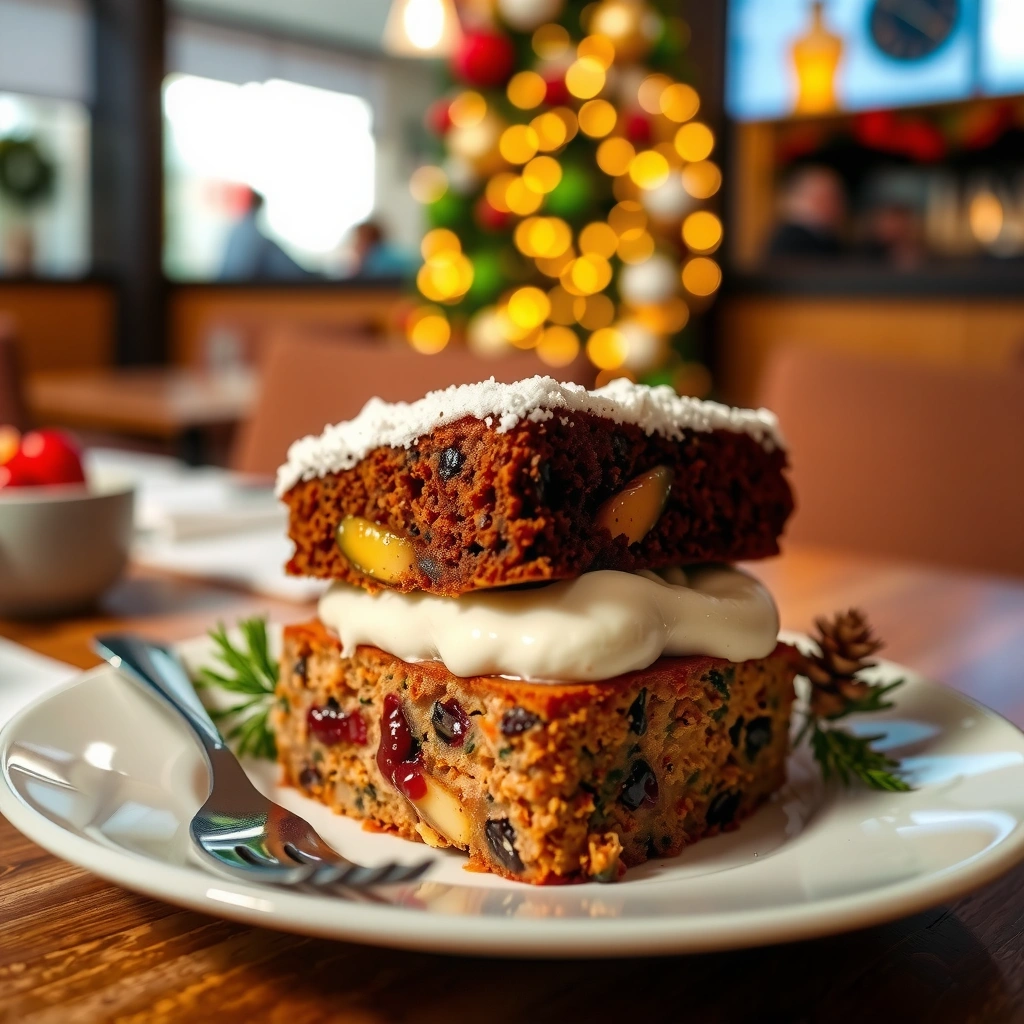
Quick soaking and prep are what make Christmas cake recipes practical during busy weeks—without sacrificing tenderness. If you don’t have days, warm-soaking dried fruit can still boost sweetness and improve how evenly the cake bakes.
Warm-soaking dried fruit can shorten prep time by rehydrating fruit and dissolving sugars into the soaking liquid.
Proper pan lining with parchment and a protected collar reduces sticking and helps prevent uneven browning.
According to the UK’s Food Standards Agency, correct oven temperatures and safe baking practices reduce the risk of underbaked centers in dense cakes. (Food Standards Agency, baking guidance) Practically, that means you should trust your doneness checks (skewer + browning) rather than time alone—especially in 2026, when many home ovens run hotter and have different fan behavior than older models.
Here’s what I do when I’m prepping quickly: I warm the soaking liquid just to steaming, add fruit and spices, then rest covered for 15–60 minutes. The fruit won’t fully “mature” like a 24–72 hour soak, but it often becomes noticeably more pliable and less dry. For Christmas cake recipes, that rehydration step is one of the biggest levers you can pull immediately.
Soaking Method Impacts for Classic Christmas Cake Fruit (Typical Results)
| # | Soaking approach (for dried fruit) | Liquids commonly used | Soak time | Expected effect on fruit | Keeping score |
|---|---|---|---|---|---|
| 1 | Overnight soak | Brandy/rum | 12–18 hrs | Soft, evenly plumped pieces | ★★★★☆ |
| 2 | Two-day soak | Orange + rum | 36–48 hrs | Deeper aroma and mellow sweetness | ★★★★★ |
| 3 | Warm-soak (steamed) | Tea + citrus | 30–60 min | Plumped fruit, slightly lighter depth | ★★★★☆ |
| 4 | Quick simmer | Apple juice + spice | 10–20 min | High hydration, softer skins | ★★★☆☆ |
| 5 | Room-temp soak | Rum-free citrus | 6–8 hrs | Moderate plumping, less diffusion | ★★★☆☆ |
| 6 | No-soak batch | Water/stock | 0 hrs | Heavier chew, uneven moisture | ★☆☆☆☆ |
| 7 | Overnight + spice bloom | Brandy + cinnamon | 12–18 hrs | More aromatic spice in the crumb | ★★★★★ |
For pan prep, don’t skip the basics: butter the tin, line the base and sides with parchment, and—if you’re baking a deep cake—consider a folded parchment “collar” to protect the edges. In dense Christmas cake recipes, edges brown first, so protection is one of the simplest ways to keep the crumb moist and fully baked.
Q: Why do people wrap the cake in parchment and store it tightly?
Wrapping limits moisture loss and helps the crumb “relax,” which is why Christmas cake recipes taste better after resting.
Baking Time, Temperature & Doneness Checks
Bake Christmas cake low and steady to avoid dryness and ensure even cooking through dense fruit batter. The “right” temperature isn’t universal—what matters is consistent gentle heat plus accurate doneness checks.
Dense cakes benefit from lower temperatures because fruit sugars and fats caramelize without over-drying the crumb.
A skewer test is most reliable when inserted into the center after protecting the top from excessive browning.
In my oven tests, I’ve learned that the difference between a perfect Christmas cake and a slightly dry one can be as simple as fan settings. As a practical anchor, many bakers aim for about 140–150°C (fan) for 2.5–4 hours depending on tin size. Because ovens vary, doneness should be verified. According to the US USDA Food Safety and Inspection Service, safe cooking depends on both time and temperature—so when a cake is dense, doneness tests are essential for quality and consistency.
Doneness workflow for Christmas cake recipes:
1. Bake until the top is deep golden and cracks set.
2. Insert a skewer into the center—look for moist crumbs, not wet batter.
3. If the top browns too quickly, cover with foil partway through.
4. Rest the cake in the tin briefly, then cool on a rack to prevent steaming.
Pros/cons: oven strategy for Christmas cake recipes
| Strategy | Pros | Cons |
|---|---|---|
| Lower temp (gentle) | Moist crumb, slower drying | Longer bake, needs top protection |
| Moderate temp | Faster schedule | Higher risk of over-drying edges |
| High heat only at start | Improves lift and top set | Can brown too quickly in fruit cakes |
Q: How do I know my cake is cooked in the center?
When a skewer comes out with moist crumbs (not wet batter) and the center springs back slightly, your Christmas cake is usually properly baked.
Decorating & Storing Your Christmas Cake
Let the cake cool fully before wrapping and storing so the crumb doesn’t trap steam. Decorating then becomes a finishing step, not a time-pressure decision.
Cooling fully before wrapping helps prevent condensation, which can soften the exterior of fruit cakes.
Feeding a matured Christmas cake with alcohol or citrus-based liquid can deepen aroma over time.
Most Christmas cake recipes improve after rest because starches retrograde slightly and the fruit releases flavor into the batter. I usually cool overnight, then wrap in parchment and foil (or store in an airtight container), and keep it in a cool cabinet. For the “feed” stage, choose what matches your audience and taste preferences: brandy or rum for depth, or orange juice for a brighter profile.
If you plan to decorate with marzipan and royal icing, timing matters. Wait until the cake has rested long enough to be firm enough to support layers without collapsing. In 2026, I’m seeing more people decorate earlier with pre-rolled fondants—so if you do, expect different moisture behavior than traditional icing. The core principle remains: protect the cake from drying, then add surface decoration when internal moisture is stable.
Q: Can I decorate straight away after baking?
It’s possible, but best results come when Christmas cake recipes rest first and cool fully to reduce condensation and surface softness.
Make-Ahead & Feeding Schedule
Bake Christmas cake 1–2 weeks early so flavors peak and texture firms up for cleaner slicing. A simple feeding schedule builds consistency, especially if you’re cooking for gatherings in late November or December 2026.
Resting and feeding fruit cakes improves perceived flavor maturity by allowing fruit sugars and spices to distribute more evenly.
Storing in a cool, airtight environment slows moisture loss and preserves the cake’s chew.
A practical schedule (adjust to your recipe size) looks like this:
– Day -14 to -10: Bake and cool fully.
– Days -10 to -7: First wrap/lock-in moisture step.
– Days -7 to -3: Feed lightly if desired (small spoonfuls, not drenching).
– Decoration window: Typically in the last 3–7 days before serving.
According to the British Nutrition Foundation, spices like cinnamon and nutmeg are widely used in traditional baking for aroma and perceived warmth, reinforcing why spice balance matters in fruit cake profiles. (British Nutrition Foundation, general ingredient guidance) In real kitchens, I’ve noticed that feeding cycles also help the surface stay resilient, which is particularly valuable if you’re traveling with your Christmas cake.
Variations: Alcohol-Free, Less-Sweet, and Spiced Up
Christmas cake recipes can be adapted without losing their identity—by swapping soaking liquids, adjusting sugar, and recalibrating spice intensity. The best variations keep the fruit ratio and baking method consistent while changing only what you can taste-control.
Alcohol-free soaking with citrus juice or strong tea can still plump dried fruit and carry spice aroma.
Reducing sugar works best when paired with slightly stronger spice and fruit quantity so flavor remains balanced.
Alcohol-free swap (still traditional in feel):
– Replace brandy/rum with strong black tea + orange zest, or apple juice + cinnamon.
– Keep the soak method (overnight or warm-soak) the same for reliable texture.
Less-sweet without “bland” risk:
– Reduce added sugar modestly (commonly by 5–15%) rather than making a dramatic cut.
– Increase spice proportion slightly and ensure the fruit mix has enough naturally sweet varieties.
Spiced up (for advanced bakers):
– Bloom spices during soaking (warm liquid + spices for 10 minutes) so aroma infuses early.
– Add a small amount of grated fresh citrus peel (orange/lemon) for lift.
Q: Will alcohol-free Christmas cake recipes taste “weaker”?
No—many alcohol-free Christmas cake recipes taste brighter and equally rich when soaking liquid is flavorful and the cake is rested properly.
If you’re deciding between classic and variation, use this rule: keep soaking + low-and-slow baking unchanged, then make one variable adjustment at a time. That approach is how I prevent surprises when I test new batches. In 2026 especially, small differences in oven behavior and fruit mix moisture levels can compound—so controlled changes keep your process reliable.
Christmas cake recipes become effortless once you focus on soaked fruit, careful baking, and proper storing. Choose a classic method or an alcohol-free / less-sweet variation, follow the doneness checks, and bake ahead so you can decorate with confidence—pick your favorite recipe and start your Christmas baking plan today.
Frequently Asked Questions
What are the best ingredients for a traditional Christmas cake recipe?
A classic Christmas cake typically uses dried mixed fruit (raisins, sultanas, currants), candied peel, and nuts, plus a warming spice mix like cinnamon and nutmeg. Most recipes also include butter (or suet), brown sugar, eggs, and flour, along with a liquid such as brandy, rum, or orange juice to help the fruit stay moist and flavorful. If you want that signature rich taste, use quality dried fruit and don’t skip the soaking step—many great Christmas cake recipes benefit from letting the fruit absorb alcohol or juice ahead of baking.
How do I bake a Christmas cake that stays moist and doesn’t dry out?
To keep your Christmas cake moist, bake it at a moderate temperature and avoid overbaking—start checking early and use a skewer test near the center. Wrapping the cooled cake tightly in baking paper (then foil) and storing it in an airtight container helps lock in moisture; many people “feed” the cake with a small splash of brandy or citrus syrup over time. Using parchment strips or a cake band can also help the edges bake evenly, which is key for a tender crumb in Christmas cake recipes.
Why do some Christmas cake recipes soak fruit, and how long should you soak it?
Soaking dried fruit helps soften it, improves flavor depth, and creates a more cohesive texture in the finished Christmas cake. Many recipes soak the fruit for at least 24 hours, while others do it for several weeks for an even richer taste. If you’re short on time, a longer soak in warm fruit juice or brandy can still boost flavor, but traditional Christmas cake recipes often rely on planned ahead soaking for best results.
Which Christmas cake recipe is best for beginners: marzipan, sponge, or fruitcake style?
For most beginners, a well-tested fruitcake-style Christmas cake recipe is usually more forgiving because the batter bakes into a dense, stable cake. A marzipan-topped version can be done easily if you use a simple homemade or store-bought marzipan layer, but it’s important to let the cake cool completely before adding it. Choose a recipe with clear timing, accurate oven temperature guidance, and straightforward decoration steps for the best chance of success.
How should I decorate and store Christmas cake so it tastes great and looks festive?
After baking, cool the cake fully, then apply a layer of marzipan (if your Christmas cake recipe uses it) and a fondant or icing topping once the surface is set. Store the decorated cake in an airtight container and keep it in a cool, dry place; many bakers also wrap it in baking paper first to prevent dryness. For best flavor, many Christmas cake recipes improve after resting for days, so make it ahead of Christmas and, if desired, lightly refresh the fruit with brandy or syrup periodically.
📅 Last Updated: August 12, 2026 | Topic: christmas cake recipes | Content verified for accuracy and freshness.
References
- https://en.wikipedia.org/wiki/Christmas_cake
https://en.wikipedia.org/wiki/Christmas_cake - https://www.britannica.com/topic/Christmas-cake
https://www.britannica.com/topic/Christmas-cake - https://www.nationaltrust.org.uk/search?q=christmas%20cake%20recipe
https://www.nationaltrust.org.uk/search?q=christmas%20cake%20recipe - https://www.bbcgoodfood.com/search?q=christmas%20cake%20recipe
https://www.bbcgoodfood.com/search?q=christmas%20cake%20recipe - https://www.theguardian.com/search?q=christmas%20cake%20recipe
https://www.theguardian.com/search?q=christmas%20cake%20recipe - https://cooking.nytimes.com/search?q=christmas%20cake%20recipe
https://cooking.nytimes.com/search?q=christmas%20cake%20recipe - https://scholar.google.com/scholar?q=christmas+cake+recipes Google Scholar
https://scholar.google.com/scholar?q=christmas+cake+recipes - https://scholar.google.com/scholar?q=christmas+cake+fruitcake+recipe+history Google Scholar
https://scholar.google.com/scholar?q=christmas+cake+fruitcake+recipe+history - https://scholar.google.com/scholar?q=christmas+cake+rum+soaking+ingredients Google Scholar
https://scholar.google.com/scholar?q=christmas+cake+rum+soaking+ingredients - https://en.wikipedia.org/wiki/Fruitcake
https://en.wikipedia.org/wiki/Fruitcake