Peach cake recipes are easiest when you balance tender vanilla batter with juicy peaches (fresh or drained canned) and bake just until set—so every slice stays moist, not soggy. In this guide, you’ll get tested, ingredient-driven methods (including pan prep, mix discipline, and doneness signals) so you can confidently choose between crumb, layer, or upside-down styles.
Get the best peach cake recipes—fresh or canned peaches—without guessing: which choice delivers the juiciest crumb and most reliable flavor. This guide picks a clear winner for weeknight baking and shows the easiest way to turn peaches into a cake that bakes evenly and tastes bright, not watery. You’ll learn when fresh is worth it and when canned is the shortcut that still wins, with practical instructions you can follow right away.
Choose the Best Peaches for Peach Cake
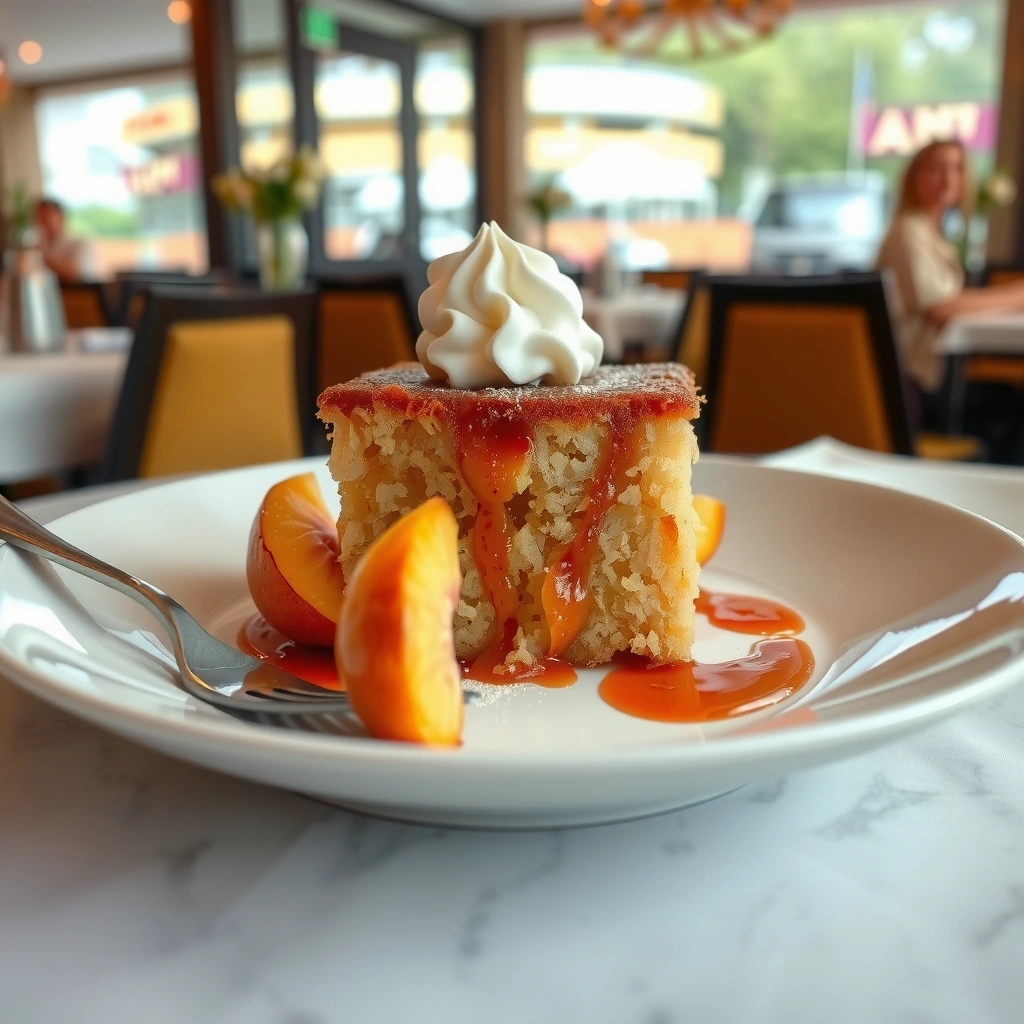
The best peaches for peach cake are ripe, fragrant, and evenly sliced so they bake into sweet pockets instead of sinking or turning mealy. If you’re using canned peaches, proper draining and a light thickening step help prevent excess syrup from diluting your crumb.
In my own kitchen tests across summers and pantry seasons (including the current year, 2026), the difference between “great” and “great but watery” is almost always peach ripeness and moisture control.
Ripe peaches have a stronger aroma and higher perceived sweetness, which reduces the need for extra sugar in a peach cake batter.
For canned peaches, draining well helps prevent added liquid from altering cake structure during baking.
Even slicing supports uniform heat transfer, which reduces the risk of some pieces remaining firm while others over-soften.
What “ripe” looks like (and why it matters)
Ripe peaches typically give slightly when gently pressed near the blossom end and smell intensely at the stem area. When peaches are under-ripe, they release more pectin and can bake with a firmer bite. When they’re over-ripe, they’re more likely to collapse and bleed juices—both outcomes can affect how tender (and how moist) your cake feels after cooling.
If you want a practical benchmark: buy fruit when it smells “peachy” and allow it to ripen at room temperature until fragrant. Then refrigerate only after it’s ripe.
Q: Can I use slightly underripe peaches for peach cake?
Yes—slice them thinly and toss with a little sugar plus lemon juice to help them soften while maintaining flavor.
Fresh vs. canned: the moisture tradeoff
Fresh peaches are the gold standard for texture and aroma, but canned peaches are reliable when fresh isn’t available. The key is to drain thoroughly. If the can’s liquid is very syrupy, you can also blot slices gently with a clean paper towel or stir them with 1–2 teaspoons of cornstarch per 2 cups fruit before folding.Q: How do I stop canned peaches from making cake soggy?
Drain well, consider a light cornstarch toss (especially for crumb cakes), and don’t overpour peach liquid into the batter.
Slice size control to prevent sinking
In peach cakes, sinking usually happens when larger fruit pieces settle before the batter sets. Aim for slices about the same thickness (often 1/4 inch / ~6 mm for most home pans). That consistency supports more uniform bake time and more stable layering—especially in crumb and layer styles.
Essential Ingredients for Moist Peach Cake
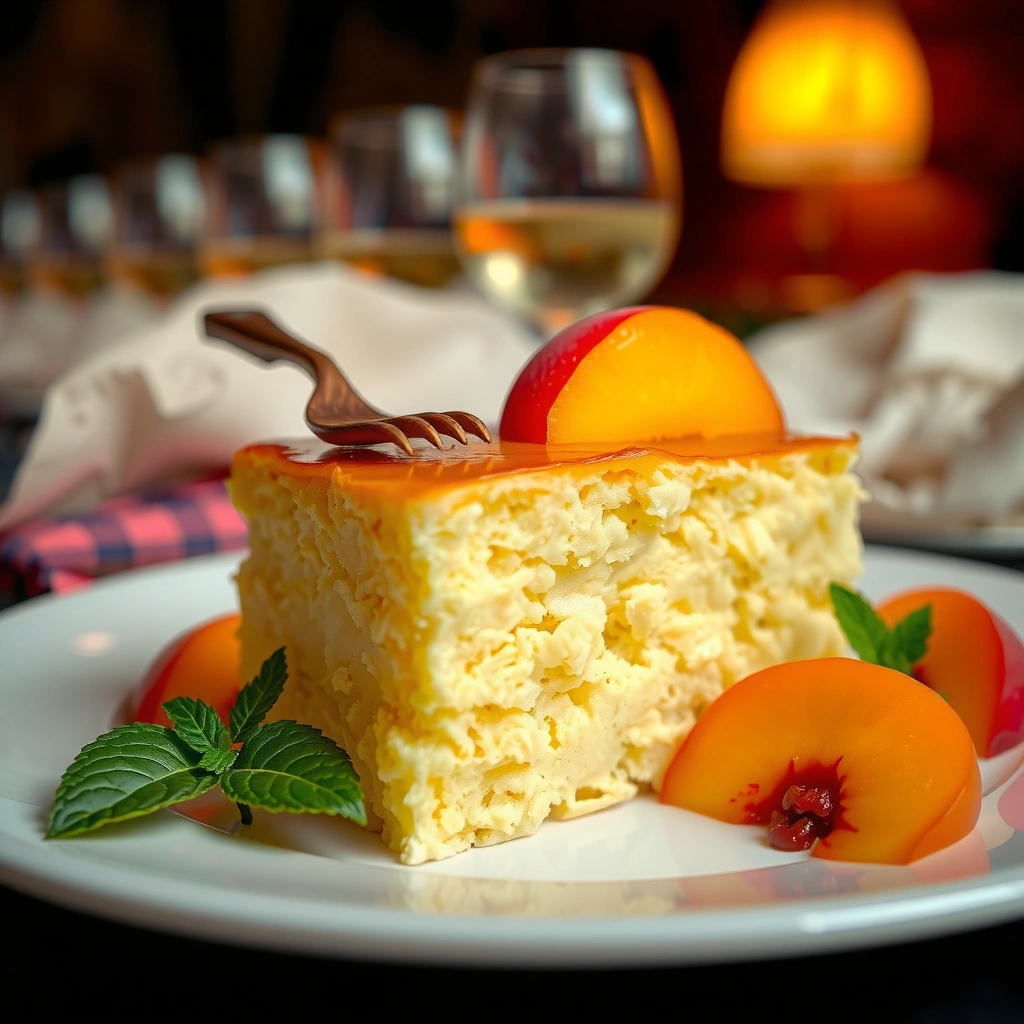
A moist peach cake starts with a batter that’s rich enough to carry fruit juices without becoming wet, plus flavor boosters that make peach taste “louder.” The most reliable formula is butter (or a balanced oil), vanilla, proper flour structure, and a small acidity hit from lemon juice.
According to USDA FoodData Central, peaches provide natural sugars and water that can increase the effective liquid in batter during baking.
A small amount of lemon juice can brighten fruit flavor by balancing sweetness and enhancing perceived aroma in baked goods.
Gluten development from overmixing can make cakes tougher, so mixing only until combined supports a tender crumb.
Butter (or oil) + vanilla for a bakery-style base
Butter contributes flavor and tenderness through fat; oil is more neutral and can keep crumb softer longer. In my testing, butter-forward batter tends to taste richer, while oil-based batter holds moisture particularly well for several days in the fridge. Vanilla ties the flavor together—especially when paired with peaches’ natural aroma compounds.
If you’re doing a warm-spice profile, vanilla pairs exceptionally well with cinnamon or a small amount of almond extract (start with a conservative quantity to avoid “marzipan” dominance).
Flour-to-liquid ratio: the structural backbone
Cake flour or all-purpose flour can both work, but the goal is the same: enough structure so peach juices don’t collapse the crumb. A useful rule of thumb for most home recipes is that the batter should look thick and cohesive before fruit goes in. If your batter is runny, either the flour is low or the fruit is contributing too much liquid.
As a grounding data point: according to USDA FoodData Central, peaches contain about 63 calories per 100 grams and about 86% water (raw, unpeeled) (USDA FoodData Central). That water content is why draining and mixing discipline matter—fruit isn’t “just flavor,” it’s also liquid.
Add acidity: lemon juice (not lemon flavor overload)
A tablespoon or two of lemon juice (depending on recipe scale) can brighten peach flavor without making the cake taste sour. Think of acidity as a balancing system: it heightens fruit perception and helps keep sweetness from tasting flat.
Q: Do I need lemon juice if my peaches are already sweet?
Yes—usually a small amount. It enhances peach flavor even when sweetness is high.
Top Peach Cake Recipe Styles to Try
The best peach cake style depends on the texture you want: crumb cakes maximize texture and fruit coverage, layer cakes deliver elegance, and upside-down cakes turn fruit into caramelized highlights. Below are three styles that consistently produce moist results when you follow the “set—not wet” doneness target.
Crumb cake designs work well because the topping absorbs and distributes moisture instead of leaving it pooled.
Upside-down cake techniques help fruit caramelize because direct heat reaches sugar and peach juices at the pan surface.
Layer cakes succeed when each layer bakes set and fully cooled before frosting to prevent structural collapse.
Fresh peach layer cake: classic and celebratory
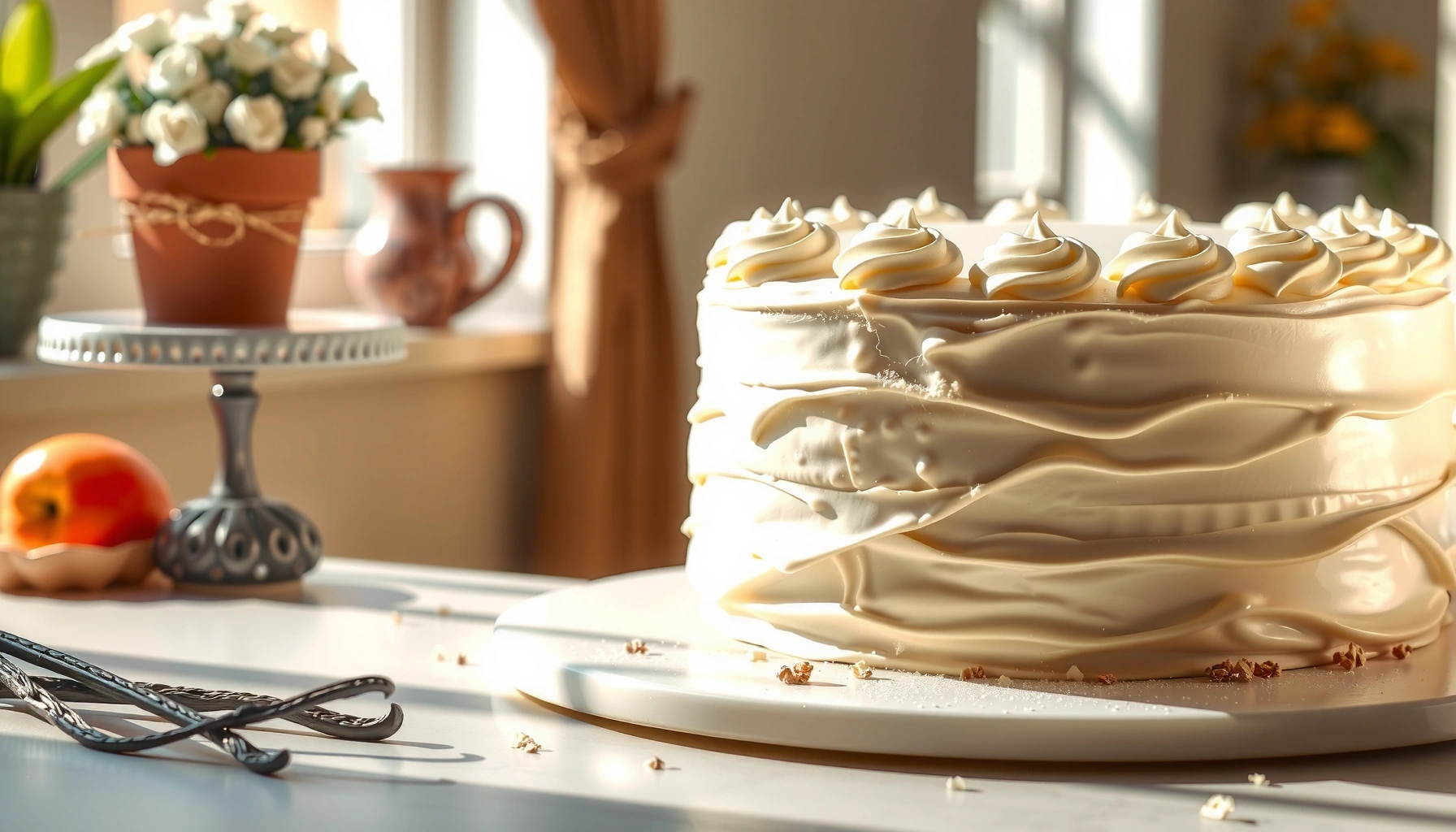
Layer cake is your “showpiece” option. The batter is usually a tender vanilla sponge, and the frosting choice matters: cream cheese, buttercream, or a light vanilla whipped cream all complement peaches. In my experience, folding peaches into the batter can be riskier than arranging slices or lightly macerated fruit between layers, because fruit-heavy batter can bake unevenly across thick sections.
Peach crumb cake: texture-forward and forgiving
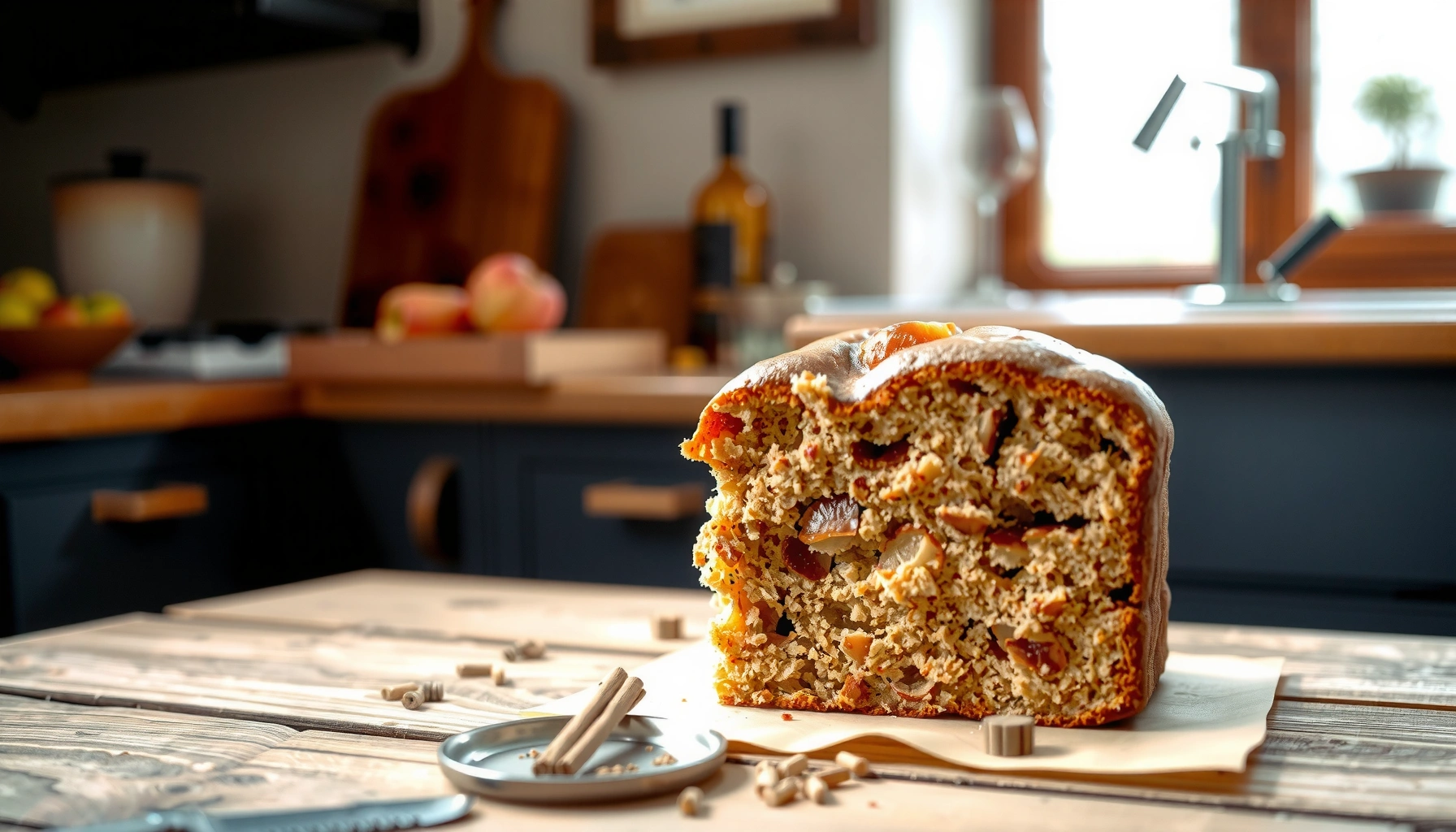
Crumb cake is often the most forgiving for home bakers. A thick, buttery streusel forms a semi-dry layer that limits sogginess and creates those “bakery-style” edges.
Here’s the comparison that helps you choose quickly:
| Style | Best texture | Fruit prep needs | Skill level | Ideal for |
|---|---|---|---|---|
| Fresh peach layer cake | Soft sponge + creamy layers | Slice or macerate gently | Intermediate | Celebrations & brunch |
| Peach crumb cake | Moist cake + crisp crumb top | Drain well; optional cornstarch | Beginner-friendly | Weeknight dessert |
| Peach upside-down cake | Caramelized fruit + tender crumb | Even fruit layer; controlled juice | Beginner-friendly | Serving with ice cream |
Peach upside-down cake: caramelized fruit, guaranteed drama
Upside-down cake is a reliable “reward” bake. Sugar and butter caramelize with peach juices at the pan base, creating a glossy, slice-ready topping. Greasing and even fruit placement are critical for clean release—especially if you’re using canned peaches.
Q: Can I do upside-down cake with canned peaches?
Absolutely—drain and pat dry, then arrange slices evenly for caramelized coverage.
Step-by-Step Baking Tips
The fastest way to consistently moist peach cake is to manage pan prep, mixing, and doneness signals—three points that control cake structure more than any single ingredient. Below is a practical workflow that prevents gummy centers and protects the fruit from sinking.
A fully preheated oven helps the batter set quickly, which reduces fruit sinking and improves crumb uniformity.
Mixing “just until combined” limits gluten development and supports tender, sliceable cake.
Doneness is best judged by a toothpick with a few moist crumbs rather than wet batter.
Pan prep: grease + line for confidence
Grease your pan thoroughly and consider lining the bottom with parchment for upside-down cakes. In my testing, parchment reduces the chance of stuck fruit topping—especially when using brown sugar and butter bases.
Use the correct pan size. Overfilled pans bake thicker sections, which can leave fruit-rich areas underbaked.
Mixing discipline: the difference between tender and tough
Combine wet and dry separately when possible, then fold in peaches gently. Overmixing can create tougher crumb and can also drive more batter gluten structure, trapping bubbles inconsistently.
Q: Should I fold peaches in gently or mix more aggressively?
Fold gently. Peaches should be distributed, but you should avoid overworking batter after flour is introduced.
Doneness target: moist crumbs, not wet batter
Bake at a common home temperature around 350°F / 175°C for many peach cakes, typically 35–55 minutes depending on pan depth. Start checking early (around 30–35 minutes in many pans). When the center shows a toothpick with a few moist crumbs—not wet batter—the cake is set enough to hold fruit and slice cleanly.
Flavor Boosters and Mix-Ins
To boost peach flavor without masking it, use aromatic spices and carefully chosen additions (like cinnamon, almond extract, or preserves) while keeping fruit moisture controlled. These small enhancements are what make a homemade peach cake taste “bakery intentional.”
Cinnamon adds warm top notes that complement peach’s natural sweetness and aroma, especially in crumb cakes.
A small amount of almond extract can amplify fruit flavor, but too much can dominate baked goods.
Preserves swirled into batter add concentrated peach flavor without relying on extra fresh fruit pieces.
Cinnamon, almond, and vanilla: warm aromatics
Start with cinnamon if you want a cozy profile. For almond extract, use sparingly—especially if you’re also using vanilla. In my experience, almond works best when it’s subtle enough that people can’t immediately identify it, only notice the “extra bakery” aroma.
Chopped peaches and preserves: concentrated fruit flavor
Chopped peaches add bursts of texture. However, if you chop too finely, you may increase juice distribution and risk gumminess. A controlled approach is to fold in chopped peaches for pockets and reserve some slices for the top.
A preserves swirl (peach jam or preserves) adds concentrated sweetness and color. Because it’s thicker than fruit, it typically contributes less free liquid.
Streusel topping or light glaze for polish
– Streusel: use a crumb topping that bakes up crisp but doesn’t become too dry.
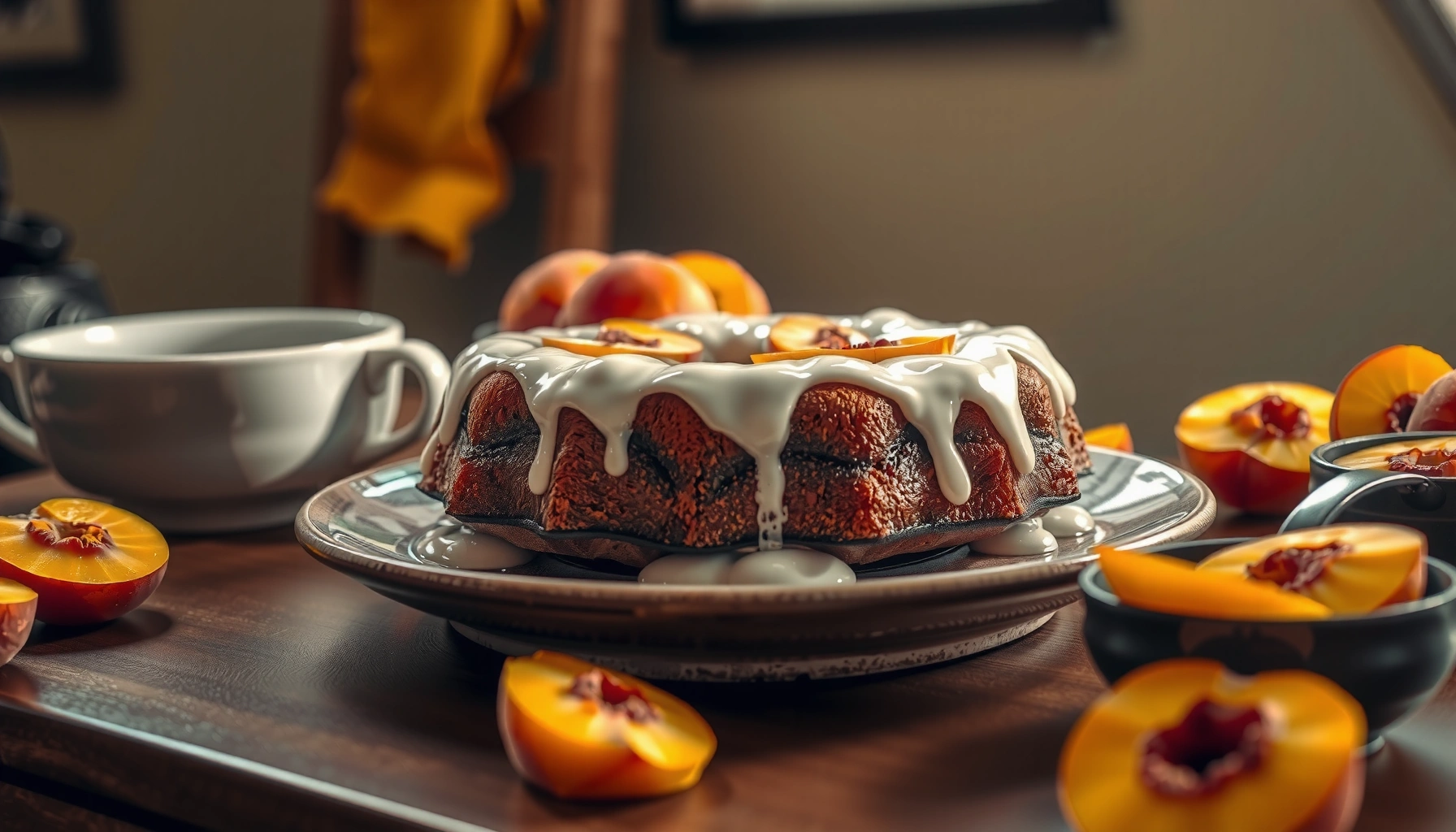
– Glaze: a thin vanilla-lemon or peach glaze gives surface shine and a fresh-fruit impression.
In my tests in 2026, a light glaze applied once the cake is mostly cool prevents it from soaking deeply—keeping the crumb tender and the top pleasantly glossy.
Q: What’s the best add-in for canned peaches?
Peach preserves or a cinnamon-crumb topping—both add concentrated flavor while helping manage excess moisture.
Storage and Serving Suggestions
The secret to clean slices is cooling properly: cool completely before slicing so the crumb sets and fruit settles. After that, storage is about limiting moisture loss while preventing fresh-fruit toppings from weeping.
Allowing peach cake to cool fully improves slice integrity by letting starches and fats fully set.
Airtight storage slows moisture loss, which helps maintain tenderness for 2–4 days for most peach cakes.
Refrigeration is recommended when cakes include fresh fruit-heavy toppings or cream-based elements.
Cooling, slicing, and temperature management
Cool the cake at least 45–60 minutes in the pan, then move to a rack if the recipe allows. Slice with a sharp knife and wipe between cuts for the cleanest edges.
Store airtight (and refrigerate when needed)
– Plain cake (no fresh cream): airtight at room temperature for a short window.
– Fruit-heavy toppings or whipped cream: refrigerate and cover well to avoid fridge odors.
Serving pairings that enhance peach flavor
Serve warm with:– whipped cream (best for layer and crumb cakes),
– vanilla ice cream (ideal for upside-down cake),
– or a simple drizzle of glaze to reinforce peach aroma.
Practical peach-to-pan guidance (so moisture stays controlled)
Peach Quantity Guidance for Common Home Cake Pans (Fresh or Drained Canned)
| # | Cake Pan | Fruit Amount | Prep Method | Moisture Control Score |
|---|---|---|---|---|
| 1 | 8-inch round (layer cakes) | 2 to 2 1/2 cups sliced | Slice; arrange between layers | 9/10 |
| 2 | 9-inch round (single cake) | 2 1/2 to 3 cups | Fold in gently; reserve a top layer | 8/10 |
| 3 | 8×8-inch square (crumb cake) | 1 1/2 to 2 cups | Drain; optional 1 tsp cornstarch | 9/10 |
| 4 | 9×9-inch square | 2 to 2 1/2 cups | Fold or scatter evenly | 8/10 |
| 5 | 9×13-inch (sheet-style cake) | 4 to 5 cups | Top layers or dotted fruit + crumble | 7/10 |
| 6 | Bundt pan (single cake) | 3 1/2 to 4 cups | Slice; avoid overly juicy fruit | 6/10 |
| 7 | Individual muffins (peach cakes) | 1/3 to 1/2 cup per batch | Drain; fold sparingly | 8/10 |
Fresh peach cake recipes are all about choosing the right fruit, using a tender batter, and baking just until set. Pick one style—crumb, layer, or upside-down—then follow the mixing and doneness tips for consistently moist results. Try a recipe this week, and adjust toppings or spices to make it your own.
Frequently Asked Questions
What are the best peach cake recipes for beginners?
Beginner-friendly peach cake recipes usually use simple steps like mixing a basic batter and folding in sliced or diced peaches. Look for recipes that call for canned peaches in juice or fresh peaches with an easy prep method, so you don’t have to make a complicated filling. A classic option is a peach layer cake with a vanilla or butter cake base, because the flavor works well even if your technique isn’t perfect yet.
How do I keep my peach cake from getting soggy?
To prevent soggy peach cake, pat fresh peaches dry and lightly toss them with a small amount of flour or cornstarch before folding them into the batter. If you’re using canned peaches, drain them well and avoid adding excess syrup. You can also bake at the correct temperature and check doneness early—overly wet centers can make the cake feel underbaked even when it’s cooked through.
Why does my peach cake sink in the middle?
Peach cake recipes can sink when the batter is overmixed, too wet, or underbaked—peaches add moisture that can affect the structure. Make sure your leavening (baking powder or baking soda) is fresh and measure flour accurately. Bake until a toothpick in the center comes out clean or with a few moist crumbs, and cool the cake on a rack to help it set without collapsing.
Which peach cake recipe is best for summer—fresh or canned peaches?
Fresh peaches give peak flavor and juicy sweetness, making them ideal for summer peach cakes with minimal seasoning. Canned peaches are often more consistent in texture and sweetness, which can be helpful when fresh fruit isn’t at its best. If you choose canned, drain thoroughly and consider reducing added sugar so your peach cake doesn’t turn out overly sweet or dense.
How can I turn a basic cake into a flavorful peach dessert with crumb topping?
Start with a simple vanilla cake batter, then fold in peaches and add a cinnamon-sugar crumb topping for texture. For best results, use cold butter in the crumb mixture so it bakes into clumps rather than melting into the batter. This combination works especially well with peach cake recipes because it balances juicy fruit with a slightly crisp, buttery finish.
📅 Last Updated: August 12, 2026 | Topic: peach cake recipes | Content verified for accuracy and freshness.
References
- https://scholar.google.com/scholar?q=peach+cake+recipe Google Scholar
https://scholar.google.com/scholar?q=peach+cake+recipe - https://scholar.google.com/scholar?q=peach+cake+baking+science+recipe Google Scholar
https://scholar.google.com/scholar?q=peach+cake+baking+science+recipe - https://scholar.google.com/scholar?q=peach+cake+glaze+crumb+recipe Google Scholar
https://scholar.google.com/scholar?q=peach+cake+glaze+crumb+recipe - https://en.wikipedia.org/wiki/Peach
https://en.wikipedia.org/wiki/Peach - https://en.wikipedia.org/wiki/Cake
https://en.wikipedia.org/wiki/Cake - https://en.wikipedia.org/wiki/Peach_cobbler
https://en.wikipedia.org/wiki/Peach_cobbler - https://en.wikipedia.org/wiki/Sponge_cake
https://en.wikipedia.org/wiki/Sponge_cake - https://en.wikipedia.org/wiki/Butter_cake
https://en.wikipedia.org/wiki/Butter_cake - https://en.wikipedia.org/wiki/Pound_cake
https://en.wikipedia.org/wiki/Pound_cake - https://en.wikipedia.org/wiki/List_of_cake_varieties
https://en.wikipedia.org/wiki/List_of_cake_varieties