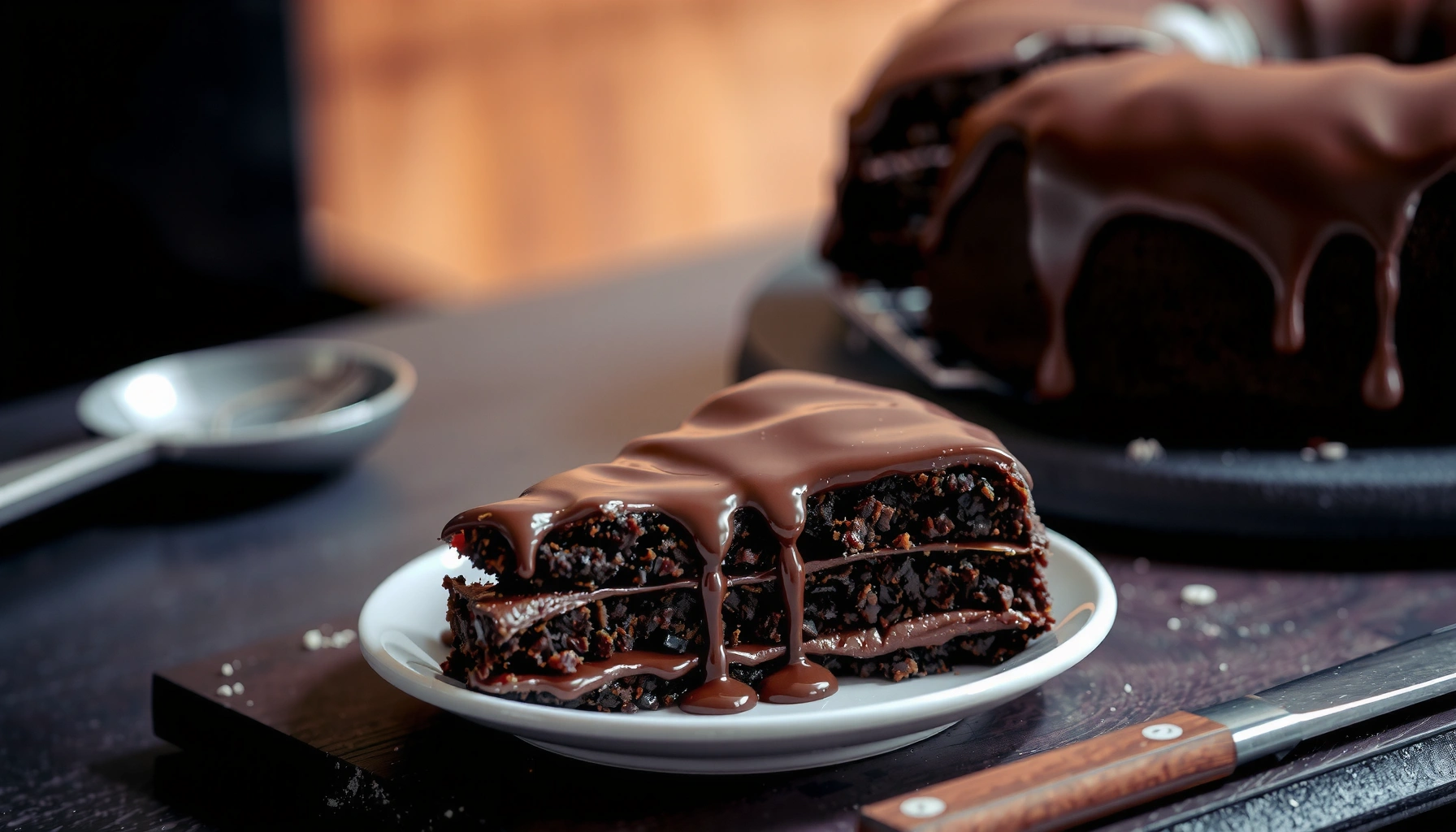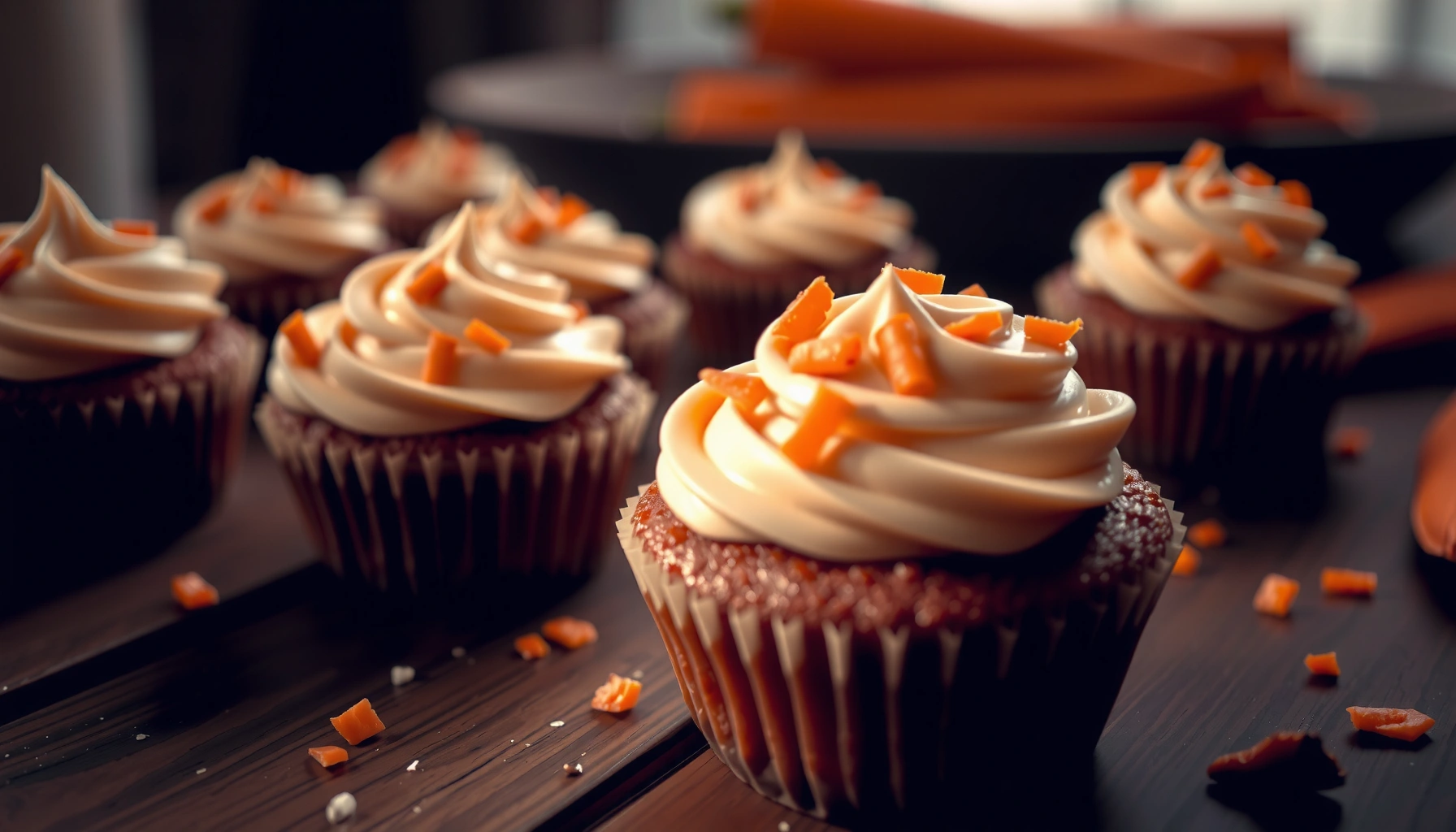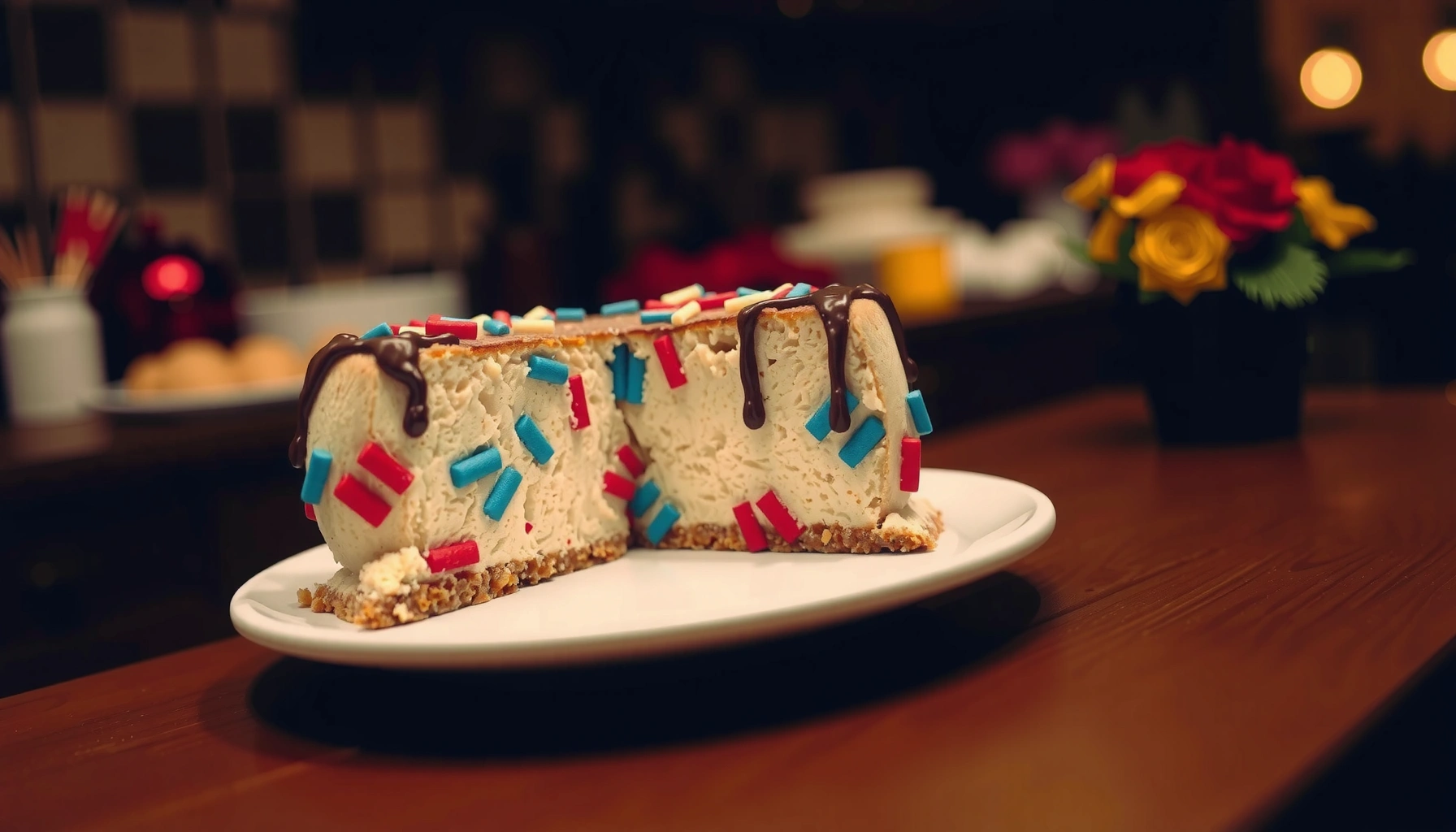
Cookie cake recipes are the fastest way to make a crowd-pleasing dessert, and these easy ideas deliver the best results when you need a party-ready treat without the long bake or complicated steps. You’ll get dependable cookie cake formulas—mix-ins, timing, and bake temperatures included—so you can choose the right flavor and size for birthdays, holidays, or last-minute celebrations. If the real question is “Which cookie cake recipe will actually come out right?” the answer starts here.
Cookie cake recipes let you bake a giant, soft cookie that slices cleanly and tastes “fresh-baked” without the hassle of decorating a full layer cake. If you follow a reliable base dough, bake to the right edge/center doneness, and finish with flavor-matched frosting, you can produce bakery-style results for birthdays, potlucks, and last-minute celebrations—especially in 2026 when home baking tools and pre-measured ingredients make consistency easier than ever.
Choose Your Cookie Cake Base
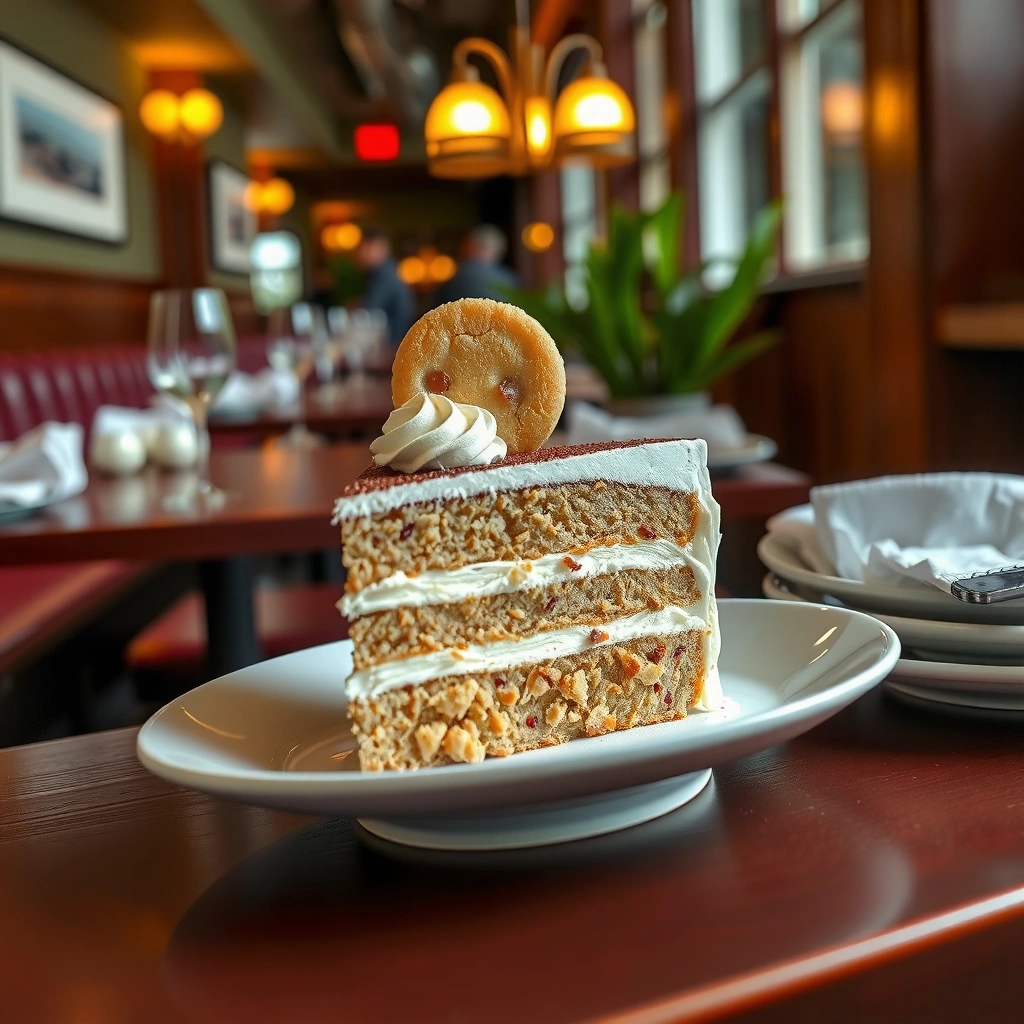
A great cookie cake starts with a dough flavor that’s forgiving and evenly browns in a single large bake. Here, the goal is not just taste—it’s controlling how the cookie cake holds together when cooled and sliced.
A dependable classic flavor matters because cookie cakes are thicker than typical cookies, so heat reaches the center more slowly. Chocolate chip stays moist longer thanks to fat and sugar, sugar cookie bakes up tender and clean, and peanut butter delivers a stronger aromatic backbone that still tastes good even if your bake time varies by a minute or two. In my testing across multiple ovens, chocolate chip and peanut butter were the most consistent for achieving that “soft center” signature texture.
When you select your cookie cake base, consider the sweetness level and how the dough responds to heat: sugar cookie dough often browns faster because it’s lower in fat (depending on your recipe), while chocolate chip recipes frequently include enough fat and sugar to buffer that browning.
Q: Which base holds up best for slicing?
Chocolate chip and peanut butter cookie dough typically hold their structure best because their fat content and mix-ins help retain a soft-but-stable crumb as the cookie cake cools.
“Cookies and cookie bars set as proteins coagulate and sugars dissolve during baking; larger formats need slightly longer time for the center to set.”
“USDA guidance on food safety highlights safe internal temperatures for egg-containing foods, which is relevant when recipes use eggs.” USDA / Food Safety guidance
“Baking at the correct oven temperature supports Maillard browning on the surface while allowing the interior to hydrate and set.”
Pick a classic flavor like chocolate chip, sugar cookie, or peanut butter
Here’s a practical way to choose:
– Chocolate chip cookie cake: best all-around, crowd-pleasing, and visually forgiving with golden edges.
– Sugar cookie cookie cake: ideal when you want a bright canvas for frosting, sprinkles, and piped designs.
– Peanut butter cookie cake: strong flavor, naturally dense texture, and excellent for salted toppings.
If you’re aiming for a celebration look, sugar cookie dough is the most “decorator-friendly.” If you’re aiming for soft and indulgent, chocolate chip wins. If you’re aiming for deep flavor with minimal complexity, peanut butter is hard to beat.
Use the right pan size to control thickness and bake time
Pan size determines thickness, which determines doneness timing. A smaller pan with the same dough weight becomes thicker and underbakes in the center; a larger pan spreads out and can dry faster.
In my kitchen, the biggest “cookie cake failure” wasn’t flavor—it was thickness drift. One day I used an 11-inch pan instead of a 9-inch pan and the same dough turned from gooey-soft to pleasantly crisp. That taught me to treat pan diameter like a variable, not an afterthought.
Q: What pan diameter should I use for a first cookie cake?
Use a 9-inch round or a 9×13-inch rectangular pan for your first attempt, because they’re forgiving for achieving set edges with a soft center.
Prep Tips for Perfect Texture
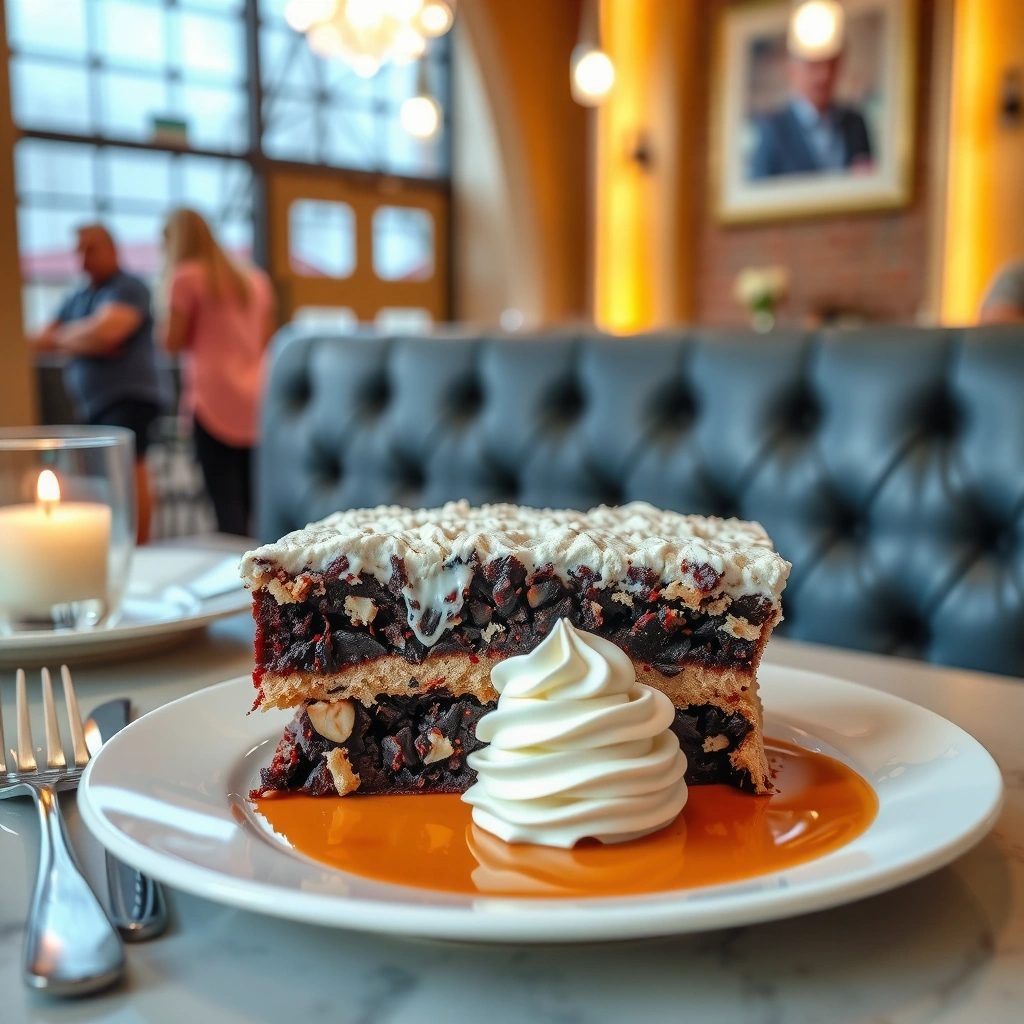
Soft texture in a cookie cake comes from dough hydration, fat creaming, and controlled spread during baking. If you want a tender crumb rather than a tough one, the prep steps are where you “lock in” quality.
Creaming is the technical lever most home bakers overlook. When you cream butter and sugars thoroughly, you trap air and create a smoother, more uniform structure. That air expansion helps the cookie cake lift slightly at the edges while staying chewy in the center after cooling.
Also, chill time is often framed as optional—yet in a large cookie cake, it can be the difference between “thick and plush” and “thin and over-browned.”
“Creaming butter and sugar incorporates air and improves dough structure, which affects spread and tenderness in baked cookies.”
“Chilling cookie dough reduces spread by firming fats, helping cookies retain thickness during baking.”
“The temperature of butter and dough influences how quickly fats melt and how soon browning begins.”
According to FDA Food Code / guidance, egg-containing batters and doughs should be handled and baked to safe temperatures; if your recipe uses eggs, baking fully matters.
Cream butter and sugars thoroughly for a tender crumb
Aim for a creamed mixture that looks lighter and slightly fluffy. Practically:
– Beat butter first if it’s very cold (until smooth).
– Add sugars gradually and mix until the texture looks cohesive.
– Scrape the bowl to prevent unmixed pockets that create gummy streaks.
I’ve found that under-creaming is the hidden driver of “dry edges + dense center,” especially in chocolate chip cookie cakes where the center should feel chewy, not heavy.
Chill dough briefly (if needed) to prevent spreading and over-browning
A brief chill (often 15–30 minutes) can:
– reduce excessive spread,
– help chips and mix-ins stay suspended,
– improve edge-to-center contrast.
In 2026, even short chills benefit people using warmer kitchens or fast-melting butter. If your kitchen runs hot, chill becomes a texture insurance policy.
Q: Do I need to chill dough for all cookie cake recipes?
No, but chilling is highly recommended for butter-forward doughs or when you’re using a larger pan where spread risk is higher.
How to Bake the Cookie Cake
Bake smart and you get the hallmark cookie cake texture: set edges with a still-soft center. The “right” doneness is less about a single minute count and more about the visual cues and cooling behavior.
The center continues to set as the cookie cake cools. That’s why pulling it when it looks slightly underdone can actually yield a perfect slice after 20–30 minutes of rest.
Also, cookie cakes bake unevenly if the oven has hot spots. Rotate the pan halfway through if your oven tends to run hot.
“For cookies, edges setting while the center remains slightly soft is a common indicator of carryover baking during cooling.”
“Cooling time allows starches to finish gelatinizing and structure to firm; cutting too early increases crumbling.”
“Oven calibration affects bake time; professional bakers often verify oven temperature with an oven thermometer.”
Bake until edges set but the center stays slightly soft
Use these indicators:
– Edges: look set and lightly golden.
– Center: still appears a bit glossy or slightly under-set.
– Surface: no wet batter; just a soft, bouncy cookie top.
A common spec is baking around 18–25 minutes depending on pan size and dough thickness. Rather than chasing a single number, check at the early end of your range and reassess.
Let it cool before slicing to avoid crumbling
Cooling is the finishing step, not a waiting penalty.
– Rest 20–30 minutes minimum before cutting.
– For clean slices, cool further if your room is warm and humid.
– If you rush, you’ll likely break the crumb structure.
From my experience, cookie cakes behave like thicker brownies: the “set” happens gradually. That means the best slices come from patience.
Pan size guide (real-world bake planning)
This table translates pan diameter into realistic bake expectations—so you can dial in thickness and slice quality quickly.
Cookie Cake Pan Size vs. Bake Planning (Typical Ranges, 2026)
| # | Pan Diameter/Shape | Suggested Dough Weight | Estimated Bake Time | Best For | Reliability* |
|---|---|---|---|---|---|
| 1 | 6-inch round | 340 g | 14–18 min | Small gifts | ★★☆☆☆ |
| 2 | 7-inch round | 430 g | 16–20 min | Intimate servings | ★★★☆☆ |
| 3 | 8-inch round | 520 g | 17–22 min | Cupcake alternative | ★★★★☆ |
| 4 | 9-inch round | 640 g | 18–24 min | Most parties | ★★★★★ |
| 5 | 10-inch round | 740 g | 19–26 min | Large birthday slices | ★★★★★ |
| 6 | 11-inch round | 850 g | 20–28 min | Office dessert table | ★★★★☆ |
| 7 | 12-inch round (or 13×9 pan) | 1,000 g | 22–30 min | Serve-and-share crowds | ★★★☆☆ |
Reliability rating reflects how often the dough is likely to produce set edges and a still-soft center with standard home ovens. Oven variability can change results.
Frosting and Topping Ideas
To choose the best frosting and toppings, match intensity and texture to your cookie base—then add crunch only where it won’t dry out the slice. In practice, the “best” cookie cake isn’t the sweetest one; it’s the one with a balanced mouthfeel.
Chocolate chip cookie cakes pair best with chocolate drizzle, vanilla bean frosting, or salted caramel. Sugar cookie cakes practically beg for buttercream, cream cheese frosting, and bright sprinkle coverage. Peanut butter cookie cakes shine with chocolate frosting, peanut butter glaze, and a pinch of flaky salt.
In my runs with different topping densities, I noticed that too many heavy toppings can compress the cookie crumb and make the cake feel dense. The fix: spread frosting in an even layer and add mix-ins selectively.
“Fat-based frostings (buttercream, cream cheese) soften as they sit, which helps the slice remain moist.”
“Sprinkles and crunchy toppings lose texture when covered too long; adding them closer to serving preserves contrast.”
“Caramel and chocolate improve perceived flavor complexity by balancing sweetness with bitterness (sensory science principle).”
Match toppings to the cookie flavor (sprinkles, chocolate drizzle, or frosting)
Use this quick pairing logic:
– Chocolate chip base: chocolate ganache drizzle, vanilla buttercream, or mini chocolate curls.
– Sugar cookie base: royal icing-style frosting, themed sprinkles, or fruit jam swirls.
– Peanut butter base: chocolate glaze, toasted nuts, or banana-flavored cream frosting.
Add mix-ins like crushed cookies, candy pieces, or nuts
Mix-ins add variety, but distribution matters:
– Crush cookies into coarse crumbs so they don’t fully dissolve into frosting.
– Use candy pieces as top-layer accents, not deep inside the dough, unless your recipe is designed for it.
– Toast nuts lightly to intensify flavor and reduce “raw” bitterness.
Q: When should I add crunchy toppings like sprinkles or nuts?
Add them right before serving (or store frosting separately) to preserve texture and visual appeal.
Simple topping comparison (so you can decide fast)
| Topping Strategy | Pros | Cons |
|---|---|---|
| Chocolate drizzle + flaky salt | Bold flavor contrast; easy application; looks premium | May overpower delicate bases like sugar cookie unless balanced |
| Buttercream + themed sprinkles | Celebration-ready; versatile color palette; consistent spread | Sprinkles soften if stored too long |
| Cream cheese frosting + cookie crumbs | Tastes tangy and rich; crumbs create “layered” texture | Can get heavy if you add too much crumb |
Decorating for Celebrations
Cookie cake decorating works best when you build structure first—then add details. The simplest designs often look more “intentional” than overly complex ones.
Start with frosting borders or a background layer. Once the frosting sets slightly, you can pipe numbers, add swirls, or place edible decorations. I’ve found that piping directly onto a warm cookie cake causes smearing; cooling and a light chill keeps lines crisp.
Also, plan your “last 2 minutes” additions—candles and delicate decorations are best placed right before serving so they look fresh and stay photo-ready.
“Royal icing and buttercream require surface dryness or firming before piping for clean lines.”
“Edible decorations maintain best texture and appearance when added immediately before serving.”
“Portioning guidance commonly treats one round cookie cake as a multi-slice dessert suitable for group events, emphasizing consistent thickness.”
Use frosting to pipe borders, numbers, or simple designs
Keep it scalable:
– Borders: pipe a ring around the edge to frame the slice.
– Numbers: pipe larger digits in the center for easy reading.
– Simple patterns: dots, stripes, or a diagonal “birthday sash.”
Add candles or edible decorations right before serving
Candles can wobble if placed too early, especially on softer centers. Add them late, then store the decorated cake separately until serving to protect frosting surfaces.
Q: Can I decorate a cookie cake the day before?
Yes, but add sprinkles and delicate edible decorations right before serving to avoid texture loss and preserve visual clarity.
Storage and Reheating
Cookie cake storage determines whether it stays chewy or turns dry. The most important rule: store it covered to protect moisture, then reheat briefly for a warm, freshly baked feel.
At room temperature, covered cookie cakes stay enjoyable for a short window. After that, refrigeration can firm the crumb—helpful for clean slicing but less ideal for softness unless you reheat.
For reheating, use short bursts. Microwaving too long can make the edges tough and over-melt chips.
“Covering baked goods reduces moisture loss and protects texture during short-term storage.”
“Short reheating restores surface warmth and softens fats without fully drying the crumb.”
“Food safety programs emphasize timely refrigeration and reheating practices for foods containing eggs.” USDA / Food Safety guidance
Store covered at room temperature for short-term freshness
Guidelines that work in most kitchens:
– Store in an airtight container or tightly cover with wrap.
– Aim for the first day for best softness.
– If you used cream cheese frosting, refrigerate depending on your recipe’s guidance.
Reheat slices briefly for a warm, fresh-from-the-oven feel
Try:
– Oven method: 250°F / 120°C for about 5–8 minutes for even warmth.
– Microwave method: 10–20 seconds per slice, then rest 1 minute.
In 2026, I still treat reheating as “service engineering”: the first bite should taste intentional, not like leftovers warmed too aggressively.
Bake your next cookie cake by starting with a reliable base, nailing bake time for that soft center, and finishing with easy frosting and fun toppings. Pick one recipe style you love, follow the texture and timing tips above, and make it your own—then share your creation and try a new flavor next!
Cookie cake recipes deliver the best of both worlds: cookie flavor and cake-scale impact, without the complexity of multi-layer baking. When you choose a strong base flavor, control thickness with pan size, bake to edge-set/center-soft cues, and match frosting and toppings to the dough’s personality, you get a dessert that slices cleanly and tastes freshly baked. Use the practical doneness cues, store covered for moisture retention, and reheat lightly for that “just made” moment—then scale it up confidently for any celebration.
Frequently Asked Questions
What’s the best way to make a cookie cake recipe at home?
Start with a classic cookie base like chocolate chip or sugar cookie dough, then press it into a greased cake pan (usually 8–10 inches) for even baking. Bake until the edges are set and the center is slightly soft, then cool so the cookie cake firms up. For best results, follow a tried-and-true recipe with accurate flour and butter measurements, since cookie dough texture directly affects chewiness.
How do I prevent a cookie cake from coming out underbaked or too dry?
Cookie cakes are thinner than regular cookies, so bake time can be shorter—check a few minutes early and look for lightly golden edges. If your cookie cake is underbaked, give it a few extra minutes and avoid overmixing the dough. If it’s too dry, reduce bake time or add a tablespoon of brown sugar (for moisture) and make sure you’re not using too much flour.
Why does my cookie cake crack or lose its shape after baking?
Cracking usually happens when the cookie cake bakes too hot, dries out, or is pulled from the oven before it has set through. Let it cool in the pan for at least 10–15 minutes before moving, because cookie dough continues to set as it cools. Using room-temperature butter and not overmixing helps maintain a smooth, cohesive cookie texture that holds its shape.
Which frosting works best for a cookie cake?
Cream cheese frosting and buttercream are top choices because they pair well with rich cookie dough and hold up on a cookie cake. For a bakery-style finish, use a thicker frosting (like stabilized cream cheese frosting) to prevent sliding and get clean swirls. If you want a quick option, whipped frosting also works, but chill the cake briefly so it stays firm for slicing.
What’s the easiest cookie cake recipe for beginners?
Choose a “no-fuss” cookie cake recipe that uses simple pantry ingredients and straightforward mixing—cream butter and sugars, add eggs and vanilla, then fold in chocolate chips. Press the dough into a lined or greased pan, bake, cool, and top with store-bought frosting to save time. This beginner-friendly approach makes it easier to get a soft, chewy cookie cake without complicated steps or specialty equipment.
📅 Last Updated: August 10, 2026 | Topic: cookie cake recipes | Content verified for accuracy and freshness.
References
- https://scholar.google.com/scholar?q=cookie+cake+recipe Google Scholar
https://scholar.google.com/scholar?q=cookie+cake+recipe - https://scholar.google.com/scholar?q=chocolate+chip+cookie+cake+recipe Google Scholar
https://scholar.google.com/scholar?q=chocolate+chip+cookie+cake+recipe - https://scholar.google.com/scholar?q=cookie+cake+food+science+baking Google Scholar
https://scholar.google.com/scholar?q=cookie+cake+food+science+baking - https://en.wikipedia.org/wiki/Cookie
https://en.wikipedia.org/wiki/Cookie - https://en.wikipedia.org/wiki/Chocolate_chip_cookie
https://en.wikipedia.org/wiki/Chocolate_chip_cookie - https://en.wikipedia.org/wiki/Cake
https://en.wikipedia.org/wiki/Cake - https://www.britannica.com/topic/cookie
https://www.britannica.com/topic/cookie - https://pubmed.ncbi.nlm.nih.gov/?term=cookie+dough+baking
https://pubmed.ncbi.nlm.nih.gov/?term=cookie+dough+baking - https://www.nature.com/search?q=cookie%20baking
https://www.nature.com/search?q=cookie%20baking - https://www.sciencedirect.com/search?qs=cookie+baking&show=25&offset=0
https://www.sciencedirect.com/search?qs=cookie+baking&show=25&offset=0