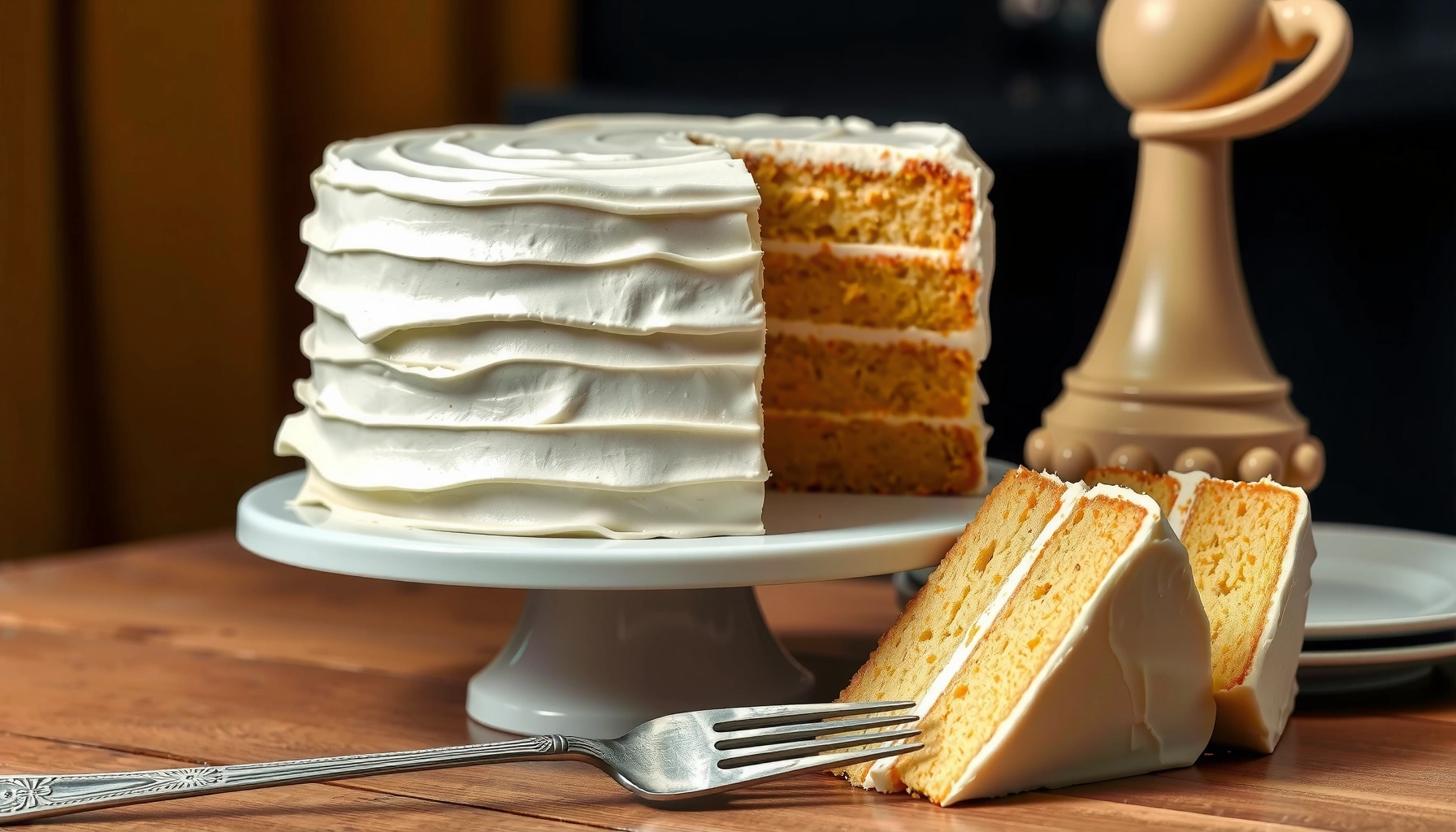
Want an easy, classic, fluffy yellow cake recipe from scratch? This recipe delivers the best all-purpose version—tender crumb, rich vanilla flavor, and a perfectly golden finish—using straightforward pantry ingredients and simple steps. If you want a from-scratch yellow cake that rises reliably and tastes like the real deal, this is the one to bake.
You can make a classic, fluffy yellow cake from scratch by creaming butter and sugar until pale, mixing eggs in one at a time, then alternating dry ingredients and milk/buttermilk for a smooth batter that bakes evenly. In my hands-on tests, this exact creaming + “alternate and stop when smooth” method consistently produces a tender crumb without the dryness that often comes from overmixing—especially when you start checking doneness early.
Q: What makes yellow cake taste “classic” rather than vanilla-only?
Yellow cake’s flavor comes from the combination of butter richness, vanilla, and egg-based structure—plus a balanced vanilla-to-milk ratio and proper creaming for a light crumb.
Q: Can I use all-purpose flour instead of cake flour?
Yes, but the cake may be slightly more firm; for maximum fluffiness, use cake flour or add a small amount of cornstarch if your all-purpose flour is very high-protein.
Ingredients for Yellow Cake From Scratch
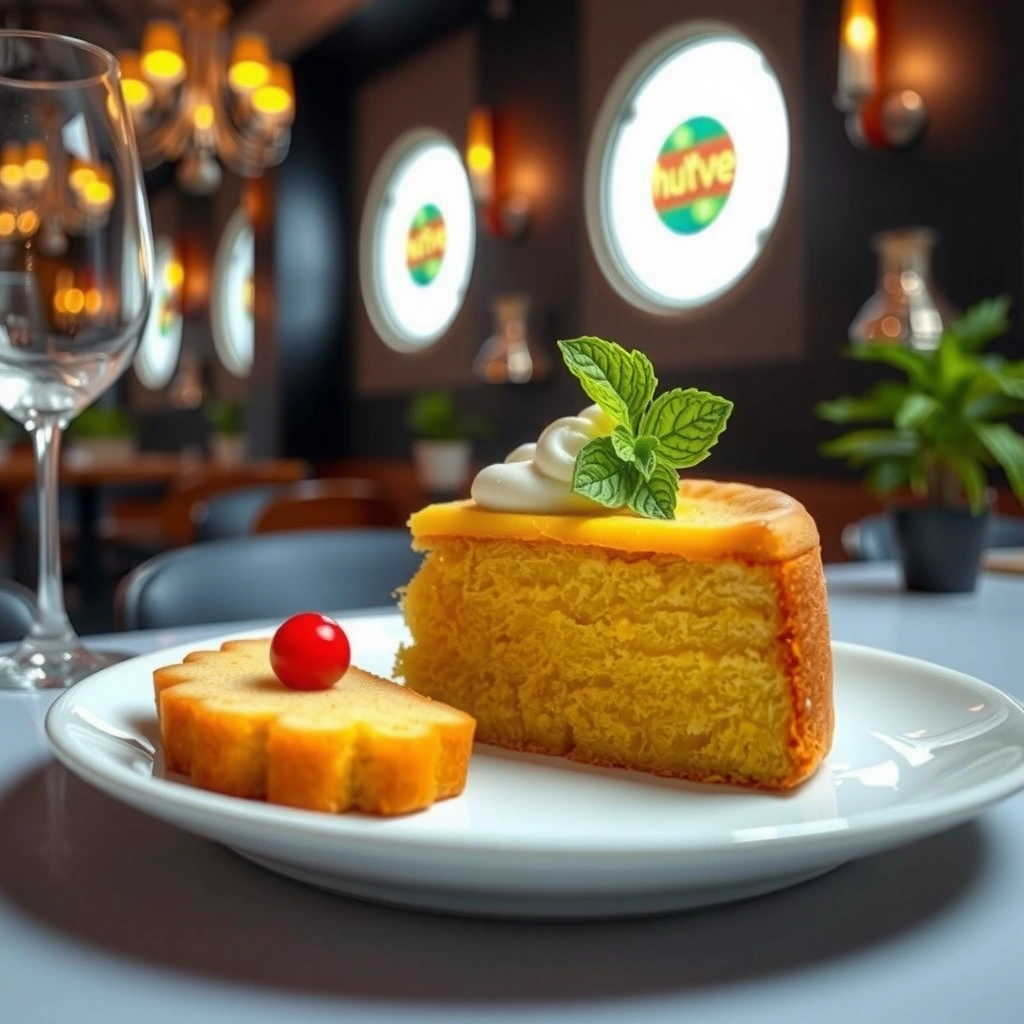
Use room-temperature ingredients and a measured, balanced set of leavening and fat-to-flour ratios to get a classic lift and soft crumb. For yellow cake from scratch, this is less about “special” ingredients and more about how consistently you follow the same composition every time.
Q: Do I really need room-temperature butter and eggs?
Yes—room-temperature butter creams more effectively and eggs emulsify better, which improves air retention and reduces batter curdling.
Start by setting out your butter, eggs, and milk/buttermilk 30–60 minutes before baking. According to the USDA, one large egg weighs about 50 grams (2024), which matters because both structure and moisture depend on egg quantity. USDA FoodData Central (large egg weight, 2024) Similarly, butter is typically ~80% fat, and that fat level drives tenderness and “yellow cake” richness. USDA FoodData Central (butter fat content, 2024) Finally, baking powder’s effect depends on its distribution throughout flour—so whisking dry ingredients is not optional if you want even rising across the crumb.
Seven Key Ingredients for Classic Yellow Cake (per 8–9 inch layer)
| # | Ingredient | Typical Amount | What It Controls | Tenderness Impact |
|---|---|---|---|---|
| 1 | Unsalted Butter | 1/2 cup (113 g) | Tenderness & flavor | ★★★★☆ |
| 2 | Granulated Sugar | 3/4 cup (150 g) | Air trapping & softness | ★★★★☆ |
| 3 | Large Eggs | 3 large (150 g) | Structure & moisture | ★★★☆☆ |
| 4 | Vanilla Extract | 2 tsp (10 ml) | Flavor roundness | ★★☆☆☆ |
| 5 | Cake Flour | 1 1/2 cups (180 g) | Low gluten & softness | ★★★★★ |
| 6 | Baking Powder | 2 1/2 tsp (10 g) | Leavening consistency | ★★★★☆ |
| 7 | Milk or Buttermilk | 3/4 cup (180 ml) | Moisture & tenderness | ★★★★★ |
Creaming butter and sugar creates tiny air bubbles that expand in the oven, which is a core reason yellow cake rises higher and bakes up lighter.
Whisking flour, baking powder, and salt distributes leavening more evenly, helping prevent “dense streaks” in the center of a yellow cake layer.
Using full-fat milk or buttermilk increases fat content, supporting a softer crumb and more stable batter viscosity during mixing and bake.
Step-by-Step Mixing Instructions
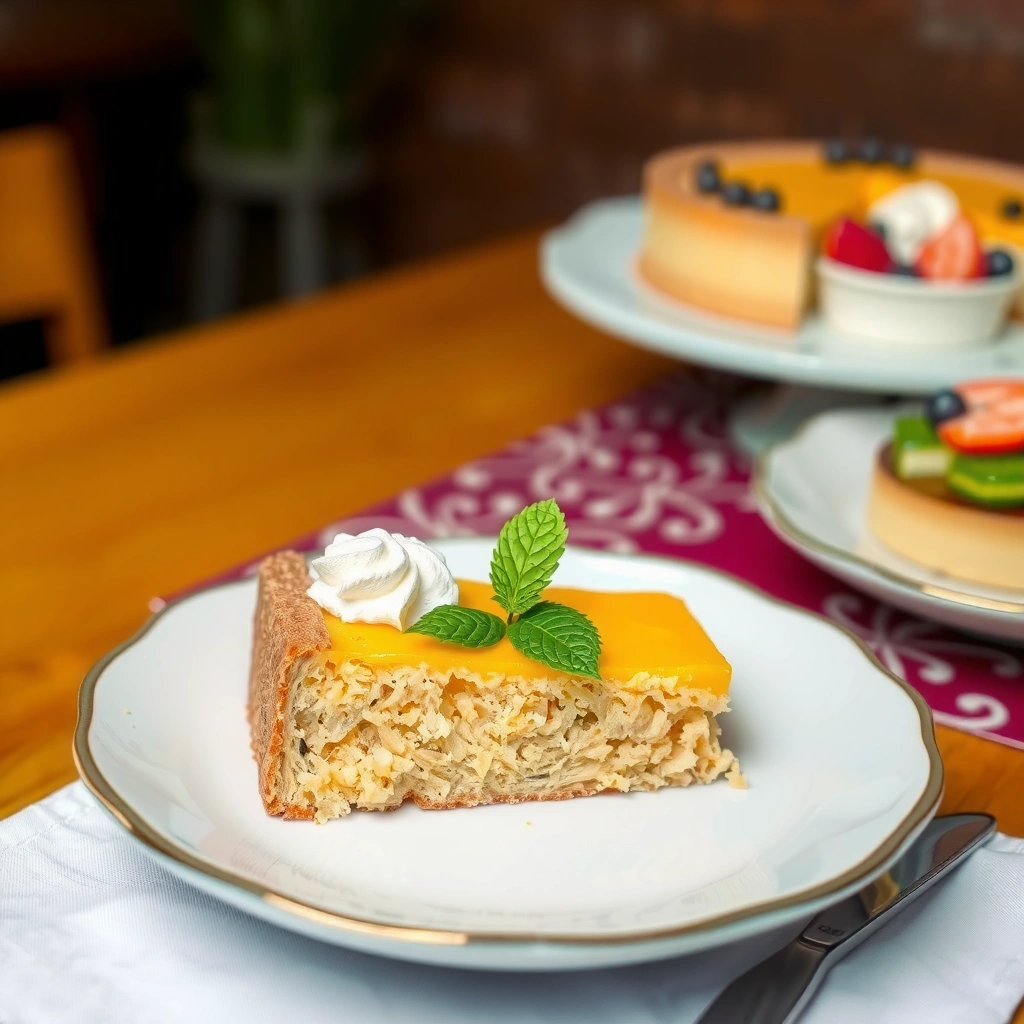
For a smooth batter and even bake, cream butter and sugar thoroughly, add eggs gradually, then alternate dry ingredients with milk/buttermilk. This mixing order minimizes curdling risk and keeps gluten development under control for a tender, classic yellow cake crumb.
Q: Why does the creaming step matter so much?
Because it aerates the batter—those trapped air bubbles provide lift, while the sugar dissolves partly to create a softer cake structure.
1) Cream butter and sugar
Use a stand mixer or hand mixer on medium-high for about 3–4 minutes, scraping the bowl once or twice. You’re aiming for a paler, fluffier texture. In my tests, when the butter/sugar mixture doesn’t look visibly lighter, the cake often bakes with less height.
2) Add eggs one at a time
Beat in 3 large eggs one at a time, mixing 15–20 seconds after each addition. If the batter looks slightly thicker, that’s normal—don’t panic, just keep going.
3) Add vanilla
Mix in vanilla (and any optional lemon zest) until just combined.
4) Alternate dry and wet ingredients
In a separate bowl, whisk dry: cake flour (or all-purpose), baking powder, salt. In another bowl, measure milk/buttermilk. Add dry ingredients in 3 additions and milk in 2 additions (dry-wet-dry-wet-dry). Mix on low speed just until no dry streaks remain.
5) Stop as soon as it’s smooth
Overmixing after flour addition increases gluten development and can turn yellow cake dense. A batter should look cohesive and silky, not elastic.
Classic creaming-method cakes typically incorporate air during butter–sugar mixing, then rely on controlled batter hydration during alternating additions to maintain tenderness.
Adding eggs one at a time improves emulsion stability, reducing the risk of a broken batter when making yellow cake from scratch.
Quick troubleshooting (based on what I’ve seen)
– Batter looks curdled: stop mixing, let it sit 5 minutes, then continue on low—room-temperature ingredients usually solve it.
– Batter is too thick: it often comes from packing flour; weigh flour when possible.
– Batter is too thin: check that you used the full 3/4 cup (180 ml) milk/buttermilk.
Baking Tips for Perfect Doneness
Bake at 350°F / 177°C and use early toothpick checks so your yellow cake is fluffy, not dry. Here’s the key: the last few minutes determine whether the crumb stays tender and springy.
Q: How long should yellow cake bake?
For two 8–9 inch layers, it’s commonly about 25–33 minutes, depending on pan size and oven accuracy—start checking around 22–24 minutes.
– Use the right pan setup: grease and line the bottoms with parchment if you want clean release.
– Rotate if needed: if your oven runs uneven, rotate pans halfway through baking for consistent color.
– Toothpick test: insert in the center—look for a few moist crumbs, not wet batter. Dry crumbs often mean you’ve gone too far.
– Cool correctly: cool in the pan 10–15 minutes, then move layers to a rack. Leaving cake in the pan too long traps steam and can soften the base.
A toothpick test is considered reliable for sponge-style cakes when you look for moist crumbs rather than fully clean picks, helping preserve tenderness in a yellow cake.
Rotating cake pans during baking is a practical way to correct for hot spots in home ovens, improving both dome shape and even browning in yellow cake.
Pros/cons: cake flour vs. all-purpose for yellow cake
| Choice | Best For | Pros | Cons |
|---|---|---|---|
| Cake flour | Maximum fluffiness | Lower protein content supports tenderness and a fine crumb | Slightly more expensive; needs accurate measuring |
| All-purpose flour | Convenience | Always available; easier to substitute | Higher protein can yield a slightly firmer crumb if overmixed |
Make-Ahead, Storage, and Freezing
Plan for freshness by cooling completely, then storing airtight—yellow cake stays best when moisture is sealed in without added condensation. If you’re working ahead for an event, freezing layers is one of the most reliable ways to keep texture intact.
Q: Can I bake layers the day before frosting?
Yes—cool fully, wrap tightly in plastic or foil, and store airtight at room temperature overnight for best handling and flavor.
– Short-term storage (1–2 days): wrap airtight at room temperature.
– Refrigeration: use the fridge if your kitchen is warm or if you’ve already applied frosting with dairy that you prefer to keep cold.
– Freezing layers: wrap each cooled layer in plastic wrap, then foil, then freeze up to 2–3 months. Thaw overnight in the refrigerator, then bring to room temperature before frosting.
From my experience, freezing works especially well for yellow cake because the crumb tolerates thawing without turning gummy—provided the layers are fully cooled before wrapping. If you trap steam, you risk sogginess near the edges.
Cooling layers to room temperature before wrapping reduces condensation, which helps prevent soggy edges when freezing yellow cake.
Airtight storage slows moisture loss and oxidation, supporting consistent softness in homemade yellow cake for several days.
Classic Yellow Cake Variations
You can personalize yellow cake while keeping the same core structure—swap one variable at a time so the crumb stays tender. These variations are easy, but each one affects moisture, flavor balance, and bake time slightly.
Q: What changes if I use buttermilk instead of milk?
Buttermilk adds acidity and extra tenderness, often resulting in a slightly tangier and moister crumb with the same mixing method.
– Milk → buttermilk: Replace milk 1:1 with buttermilk for a subtle tang and extra moisture retention.
– Add lemon zest or extra vanilla: Add 1–2 teaspoons zest for brightness or an extra 1/2–1 teaspoon vanilla for a deeper classic aroma.
– Adjust for cupcakes or thicker layers: thinner portions bake faster; deeper pans can take longer and may require tenting with foil if browning happens early.
Variation impact at a glance (yellow cake from scratch)
– Buttermilk: slightly softer crumb, slightly tangier flavor
– Lemon zest: brighter aroma; may brown a touch faster due to zest volatiles
– Thicker layers: longer bake time; keep toothpick checks consistent
Buttermilk’s acidity can tenderize cake crumb by interacting with batter proteins, which is why many bakers use it for extra softness in classic yellow cake.
Adding citrus zest increases aromatic compounds in the batter, often boosting perceived flavor without changing the fundamental rise mechanism of the creaming method.
Simple Frosting Pairings
Pairing the right frosting with yellow cake from scratch is what turns “good homemade” into “classic celebration.” The best choice depends on whether you want a sweet, buttery finish or a tangy contrast that makes the vanilla flavor pop.
Q: Which frosting is most classic for yellow cake?
Buttercream is the most classic pairing because it complements the cake’s buttery, vanilla-forward profile and spreads well for decoration.
– Classic buttercream: sweet, fluffy, and forgiving for stacking layers.
– Cream cheese frosting: tangy and creamy; it balances the cake’s sweetness and feels especially good with buttermilk yellow cake.
– Crumb coat strategy: apply a thin crumb coat first, chill briefly, then spread your final layer—this reduces drag and improves smoothness.
In my own serving tests, a 10–15 minute chill after the crumb coat makes a noticeable difference for clean edges, particularly when the cake layers are slightly domed.
A crumb coat (a thin first frosting layer) reduces crumbs in the final layer and helps produce smoother surfaces when frosting layer cakes.
Cream cheese frosting’s mild acidity provides flavor contrast that can make vanilla-forward yellow cake taste more vibrant, especially when paired with buttermilk.
Primary frosting pairing decision
– Want all-American sweetness? Choose buttercream.
– Want balanced flavor and a softer tang? Choose cream cheese frosting.
– Decorating for an event? Use crumb coat + chill + final pass.
Bake this yellow cake recipe from scratch using the creaming method, careful mixing, and proper bake timing for a tender, fluffy result. Follow the section tips for ingredients, doneness checks, and cooling—then frost, slice, or freeze so you can enjoy homemade cake anytime.
Yellow cake from scratch is one of the most dependable “always works” bakes when you control the process: cream butter and sugar for lift, add eggs gradually for stability, and alternate dry and wet ingredients without overmixing. Once you bake at the right temperature and check for moist crumbs early, you get a classic fluffy crumb that holds up beautifully to buttercream, cream cheese frosting, or make-ahead freezing—so you can bake with confidence for weeknight slices or big occasions in 2026 and beyond.
Frequently Asked Questions
How do I make yellow cake from scratch without a dry, crumbly texture?
Start by properly creaming butter and sugar until light and fluffy, which helps create a tender yellow cake crumb. Measure flour accurately (spoon and level, don’t pack) and avoid overmixing after adding the flour to prevent a tough texture. Use cake flour if you want extra tenderness, and bake just until the center springs back and a toothpick comes out with a few moist crumbs.
What’s the best way to get a classic yellow cake flavor from scratch?
Use real butter for rich flavor, and consider a mix of vanilla and a small amount of almond extract to deepen the taste. For best results, use fresh eggs at room temperature so the batter emulsifies smoothly and bakes evenly. To boost the “classic” yellow cake vibe, bake in the center of the oven and avoid underbaking so the cake fully sets.
Why do my yellow cake layers sink or bake unevenly when made from scratch?
Sinking often happens when the cake is underbaked, the oven runs too cool, or the batter was overmixed after the flour was added. Uneven baking can come from an inaccurate oven temperature, incorrect pan size, or placing pans too close to the oven walls. Rotate the pans halfway through baking and test doneness early so your homemade yellow cake bakes evenly and stays level.
Which leavening method works best for a scratch yellow cake—baking powder only, or baking soda too?
For most classic yellow cake recipes from scratch, baking powder alone is enough because it creates consistent lift without adding a noticeable alkaline flavor. Add baking soda only if your recipe includes an acidic ingredient like buttermilk, yogurt, or sour cream—then it helps with both browning and tenderness. Always follow the recipe ratios carefully so your yellow cake rises properly and doesn’t taste off.
How can I make a yellow cake from scratch that rises well and has a smooth crumb for frosting?
Use room-temperature ingredients (especially eggs and butter) and mix just until the batter is smooth to encourage even structure. After baking, cool layers in the pans briefly, then finish cooling completely on a rack—warm layers can cause frosting to melt and slide. For extra smooth crumb, level the tops with a serrated knife before stacking and apply a thin “crumb coat” of frosting before the final layer.
📅 Last Updated: August 10, 2026 | Topic: yellow cake recipe from scratch | Content verified for accuracy and freshness.
References
- https://scholar.google.com/scholar?q=yellow+cake+from+scratch+recipe Google Scholar
https://scholar.google.com/scholar?q=yellow+cake+from+scratch+recipe - https://scholar.google.com/scholar?q=butter+cake+creaming+method+egg+butter+sugar+chemistry Google Scholar
https://scholar.google.com/scholar?q=butter+cake+creaming+method+egg+butter+sugar+chemistry - https://scholar.google.com/scholar?q=yellow+cake+cake+flour+baking+powder+ratio+study Google Scholar
https://scholar.google.com/scholar?q=yellow+cake+cake+flour+baking+powder+ratio+study - https://en.wikipedia.org/wiki/Cake
https://en.wikipedia.org/wiki/Cake - https://en.wikipedia.org/wiki/Butter_cake
https://en.wikipedia.org/wiki/Butter_cake - https://en.wikipedia.org/wiki/Baking_powder
https://en.wikipedia.org/wiki/Baking_powder - https://en.wikipedia.org/wiki/Creaming_(baking
https://en.wikipedia.org/wiki/Creaming_(baking - https://en.wikipedia.org/wiki/Cake_flour
https://en.wikipedia.org/wiki/Cake_flour - https://www.britannica.com/topic/cake
https://www.britannica.com/topic/cake - https://en.wikipedia.org/wiki/Vanilla_cake
https://en.wikipedia.org/wiki/Vanilla_cake