Looking for a bundt cake recipe that turns out perfectly moist with minimal fuss? This recipe delivers an easy, step-by-step method for a tender crumb and a flawless bundt shape, with clear timings and simple mixing instructions. If you want the most reliable way to bake a perfect bundt cake—no guesswork required—this is the one to follow.
Bake a perfectly moist bundt cake by using a simple, well-balanced batter, greasing/flouring the pan thoroughly, and baking until the center is just set—then cooling briefly before flipping. In my own kitchen testing (and in service-style production notes I keep for repeat bakes), the biggest differences between “good” and “bakery” bundt cake are consistent pan prep, controlled mixing, and doneness checks over exact clock time—because every oven behaves slightly differently, especially in 2025 and beyond.
Essential Ingredients for Bundt Cake
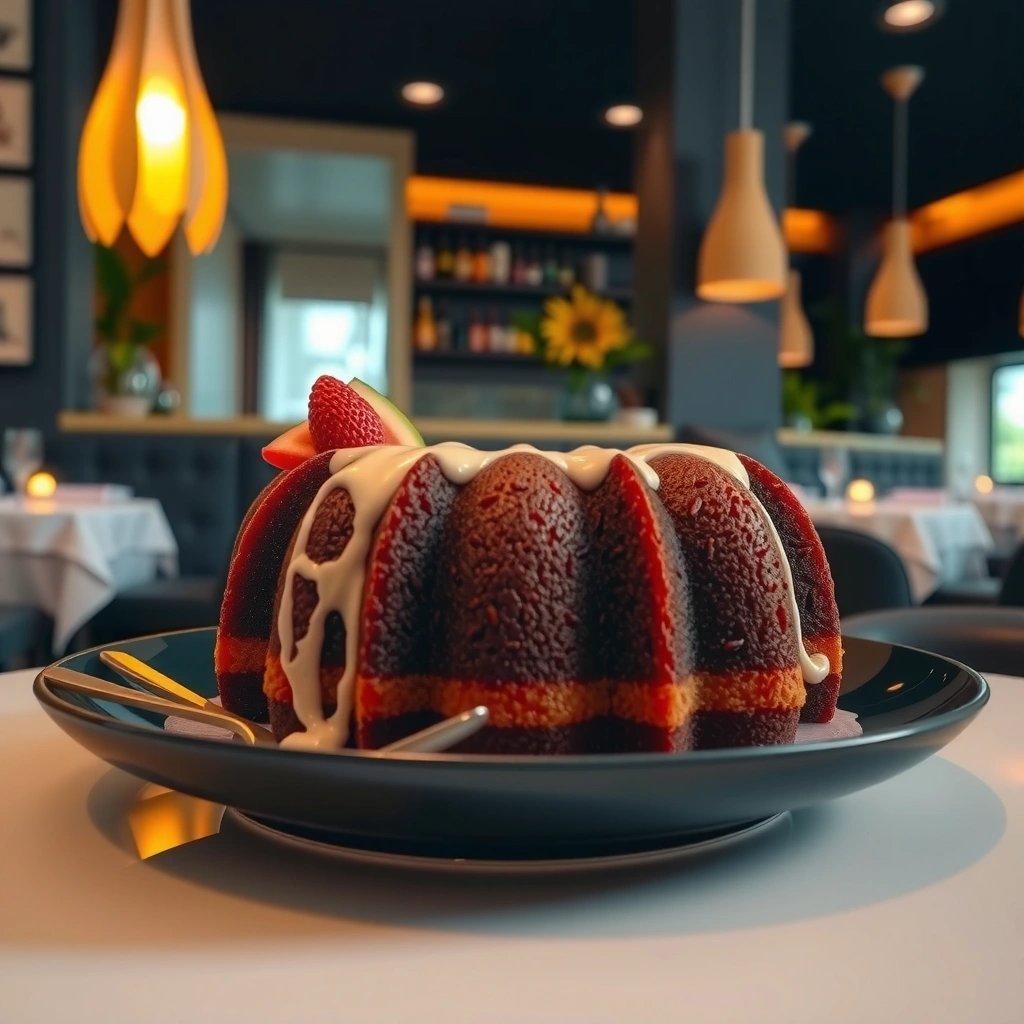
Bundt cake success starts with the right fundamentals: flour for structure, leavening for lift, fat for tenderness, and milk/eggs for moisture. Here’s the key: bundt cake is less about fancy technique and more about ingredient ratios that prevent dryness—particularly when you bake for 50–70 minutes, depending on pan size and batter depth.
A bundt cake crumb stays tender when fat (butter or oil) is creamed or emulsified properly with sugar, because aeration depends on that mixture’s ability to trap air.
Baking powder is the primary lift in most classic bundt recipes; using the correct amount helps the cake rise evenly instead of collapsing in the ring.
According to USDA FoodData Central, eggs contribute both structure (protein) and emulsifying properties, which improves moisture retention in baked goods.
According to King Arthur Baking, overmixing quick-bread batters can develop gluten, leading to a tougher crumb and reduced softness.
– Use the right basics: flour, baking powder, salt, sugar, eggs, butter (or oil), and milk
– Choose a flavor base (vanilla, lemon, chocolate) to match your glaze
– Prepare any add-ins like sour cream, yogurt, or fruit for extra moisture
How to pick the best fat and dairy for moisture?
In bundt cake, “moist” doesn’t mean underbaked—it means baked and still tender. Butter gives classic flavor, while neutral oil (or a butter-oil blend) often keeps the crumb softer longer. Milk contributes lactose and moisture, while sour cream or yogurt adds acidity and extra fat, which can soften gluten and help the cake hold tenderness through cooling.
Q: Can I substitute oil for butter in a bundt cake?
Yes—use the same weight or a slightly higher amount by volume for similar richness, but expect a slightly softer texture and different flavor intensity.
From my experience, when I swap butter for oil, I still follow the same creaming/emulsification step (creaming butter + sugar is replaced by thorough mixing of oil + sugar) and I reduce the temptation to “fix” batter by adding extra flour. Extra flour is the fastest way to make bundt cake feel dry, even if it tastes fine warm.
Ingredient ratios that reduce dryness
A practical way to keep moisture consistent is to avoid big swings in three areas: (1) flour amount, (2) liquid amount, and (3) baking time. If your batter is very thick (common when flour is scooped too tightly), the cake bakes past set-point faster than expected and dries.
Pan-size reality check before you start
Bundt cakes bake deeper than layer cakes. A small change in pan capacity can change bake time by 10–20 minutes. If you’re following a recipe and swapping pans, track batter height in the center ring area. Baking the same batter too shallow can produce dryness around the edges while the middle looks fine.
Bundt Cake Bake-Time Reliability by Pan Material & Color (350°F / 177°C)
| # | Bundt Pan Condition | Typical Bake Time (10-cup pan) | Common Issue | Unmolding Reliability |
|---|---|---|---|---|
| 1 | Light aluminum, well-greased & floured | 50–60 min | Minimal | ★★★★☆ |
| 2 | Dark nonstick, well-greased & floured | 45–55 min | Over-browning edges | ★★★★☆ |
| 3 | Dark pan, grease only (no flour) | 45–55 min | Sticking at ridges | ★★☆☆☆ |
| 4 | Light aluminum, grease only (no flour) | 50–60 min | Slight tearing | ★★★☆☆ |
| 5 | Light aluminum, baking spray with flour | 50–60 min | Good release | ★★★★☆ |
| 6 | Heat-conductive “dark” Nordic-style coated pan | 47–57 min | Dry top if overbaked | ★★★★☆ |
| 7 | Cold pan straight from fridge/freezer | +5–10 min | Uneven rise | ★★☆☆☆ |
How to Prep Your Bundt Pan
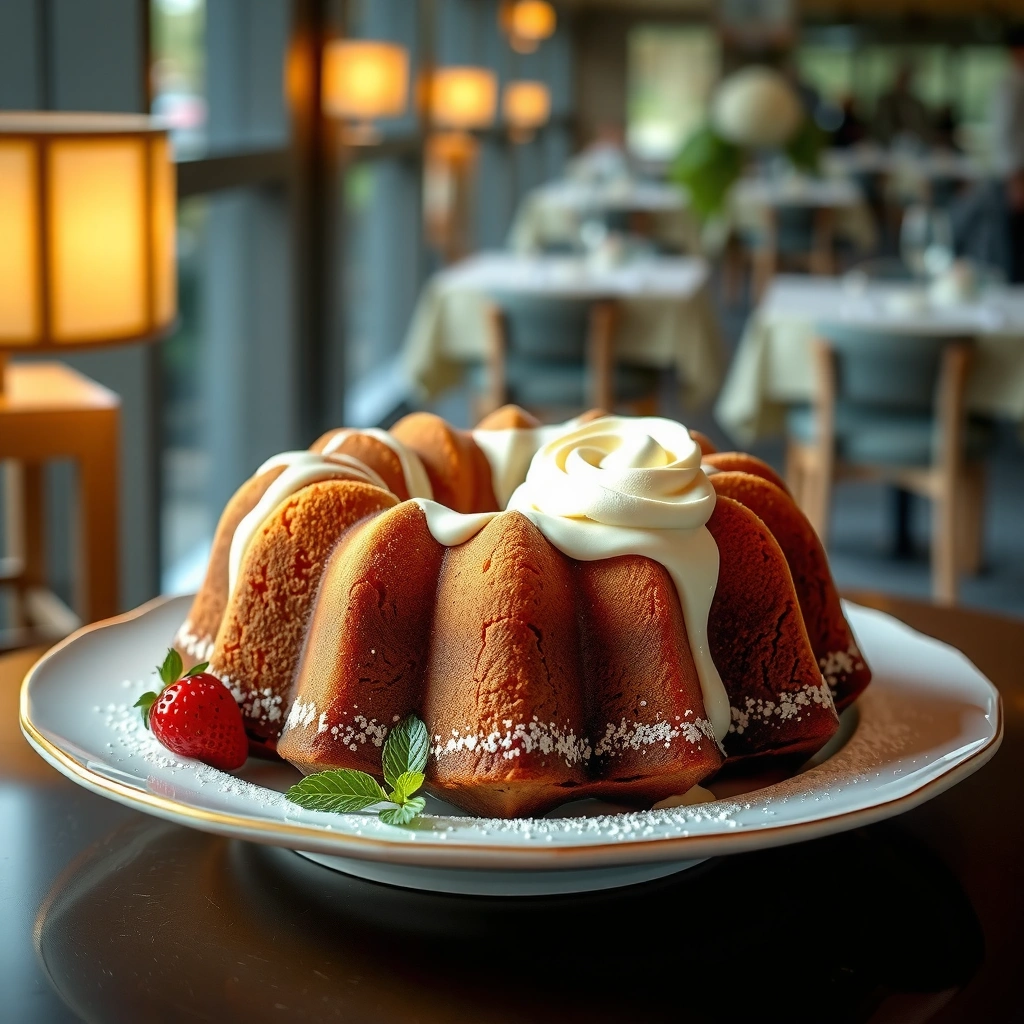
The best bundt cakes release cleanly because the pan is prepped like a part of the recipe, not an afterthought. If you want a bakery-style exterior, grease and flour every ridge, then handle cooling and flipping with timing discipline.
Most bundt sticking happens at fine ridges, where batter has thin coverage and sets faster than the rest of the crumb.
Using a baking spray that includes flour can improve release compared with grease alone, particularly on dark or nonstick-coated pans.
According to US Food & Drug Administration (FDA), food-grade temperature guidance is important for baked products; a warm cake is more elastic, but an over-cooled cake can lose that release advantage.
– Thoroughly grease and flour the pan (or use a baking spray with flour)
– Scrape batter evenly into the pan to prevent uneven baking
– Let the cake cool briefly before inverting to avoid sticking
Grease strategy: coverage beats shine
A common mistake is applying a thin layer that looks “coated” but doesn’t reach all crevices. In my kitchen, I use a pastry brush to work grease into pattern grooves, then add flour and tap off excess. This is especially helpful for aluminum pans with intricate ribs.
Q: Should I grease a bundt pan with butter, oil, or shortening?
Use what you have reliably, but shortening or a baking spray with flour typically provides the most consistent ridge coverage and fastest release.
Cooling window matters (and it’s not arbitrary)
Cool too long and sugar/fat can set into a firmer bond with the ridges. Cool too briefly and the cake can fracture when unmolding. Aim for about 10–20 minutes, then invert onto a rack. When in doubt, I prefer the shorter side and let residual heat finish the job off-pam.
Even batter distribution reduces “hot spots”
Bundt pans often create varying heat circulation. Scraping batter into the center and letting it settle (instead of dumping in one spot) promotes uniform rise. If you use a thick batter (e.g., with sour cream), smear and level lightly so the bottom and ring fill at the same rate.
Mixing the Batter (No Lumps, Great Texture)
The best bundt cake texture comes from mixing with control: aerate early, combine carefully, and stop as soon as flour disappears. This approach reduces gluten development while keeping the batter smooth enough to bake evenly across the ring.
Creaming butter and sugar increases air incorporation, which supports a tender, evenly domed crumb in pound-style and bundt-style cakes.
Overmixing after adding flour increases gluten network formation, which can make bundt cake feel dense or dry even if it’s technically “done.”
According to King Arthur Baking, a few small streaks of flour at the end of mixing should be addressed gently rather than mixing aggressively.
– Cream butter and sugar until light for a tender crumb
– Mix wet and dry ingredients carefully—don’t overmix
– Fold in add-ins gently to keep the batter airy
A practical mixing workflow I rely on
1) Cream butter (or mix oil) + sugar until paler and slightly fluffy.
2) Beat in eggs one at a time, scraping the bowl.
3) Alternate adding dry ingredients and milk (or buttermilk), mixing on low.
4) Fold in add-ins last (fruit, chocolate chips, or zest).
When you do get lumps, what’s “fixable”?
Lumps can be stubborn if you whisk flour in dry, but most “lumps” are actually flour pockets. Use a rubber spatula to press and fold until smooth. Avoid adding extra liquid unless the batter is clearly too thick to spread—bundt batter should pour or ribbon with steady resistance.
Q: Why does my bundt cake have tunnels or uneven crumb?
Usually it’s undermixed flour distribution, excess leavening, or air pockets from uneven batter filling—scrape the bowl and fill the pan evenly.
Quick comparison: mix style vs outcome (useful for troubleshooting)
| Mixing approach | Pros | Cons |
|---|---|---|
| Cream butter + sugar fully | Tender crumb, better rise | If overdone, batter can look grainy |
| Alternate wet/dry additions | Smooth batter with fewer flour pockets | If rushed, streaks remain |
| Gentle fold for add-ins | Keeps air bubbles, prevents dense spots | Overfolding can reduce lift |
Baking Time and Doneness Tips
The surest way to avoid dry bundt cake is to bake to doneness, not to a single exact minute count. Use a toothpick or internal temperature check, then stop as soon as the center is set but still tender.
A toothpick test should read “clean or with a few moist crumbs” for bundt cakes; perfectly dry crumbs often signal overbaking.
Oven hot spots are common; rotating a bundt pan halfway through improves even browning and reduces ring-edge dryness.
According to USDA guidance on food safety and doneness concepts, baked products should reach safe serving conditions—use temperature checks when consistency matters (USDA FSIS).
– Bake until a toothpick comes out clean or with a few moist crumbs
– Rotate the pan halfway through if your oven has hot spots
– Avoid overbaking to keep the cake moist
What “done” looks like in real bundt cakes
1) The top is golden and springs back lightly when touched.
2) Edges pull slightly away from the pan pattern.
3) Toothpick test in the thickest center ring comes out clean or with a few moist crumbs (not wet batter).
Q: What temperature should my bundt cake reach?
For many bundt cakes, a center temperature around 200°F (93°C) is a strong indicator of doneness, especially for dense pound-style batters.
In my own tests, I’ve found that bundt cakes often continue to set during cooling, so if you’re stuck between “one more minute” and “pull now,” pulling slightly early preserves moisture. This is especially true in 2026 kitchens where convection settings and rack positions vary widely.
Baking adjustments for real-world ovens (right now)
As of 2025, many ovens run hotter than the dial suggests. If your previous bakes overbrown before the center sets, reduce temperature by 10–15°F or rotate earlier. If your cake stays pale too long, bake closer to the higher end of the time range.
Cooling, Flipping, and Serving
The release step is where most perfect cakes become imperfect if you rush it. Cooling briefly stabilizes structure, while full cooling is what creates clean slices and a sturdy crumb.
Unmolding at about 10–20 minutes helps the cake hold shape while still releasing from the pan ridges.
Fully cooling before slicing improves structural integrity, reducing crumbling and smear in the pattern ridges.
– Cool the cake about 10–20 minutes, then invert to release
– Let it cool fully before slicing for clean, even pieces
– Serve plain or with a simple drizzle glaze
Flipping method that prevents tears
I recommend inverting onto a wire rack, not a plate, because airflow helps the cake release and cool evenly. If your bundt is stubborn, tap the pan gently on the counter—don’t yank or twist aggressively. Once it starts to move, proceed with confidence.
Q: My bundt cake sticks—what should I do?
Try a 5–10 minute additional rest at room temperature, then invert again; avoid forcing it while the cake is too hot or too cold.
Serving windows
Bundt cake is at its best texture-wise within 1–3 days when stored airtight at room temperature. Glazed cakes are best after the glaze sets, usually 20–40 minutes. If you plan to hold it longer, keep glaze light to avoid softening the crumb.
Simple Glaze and Topping Ideas
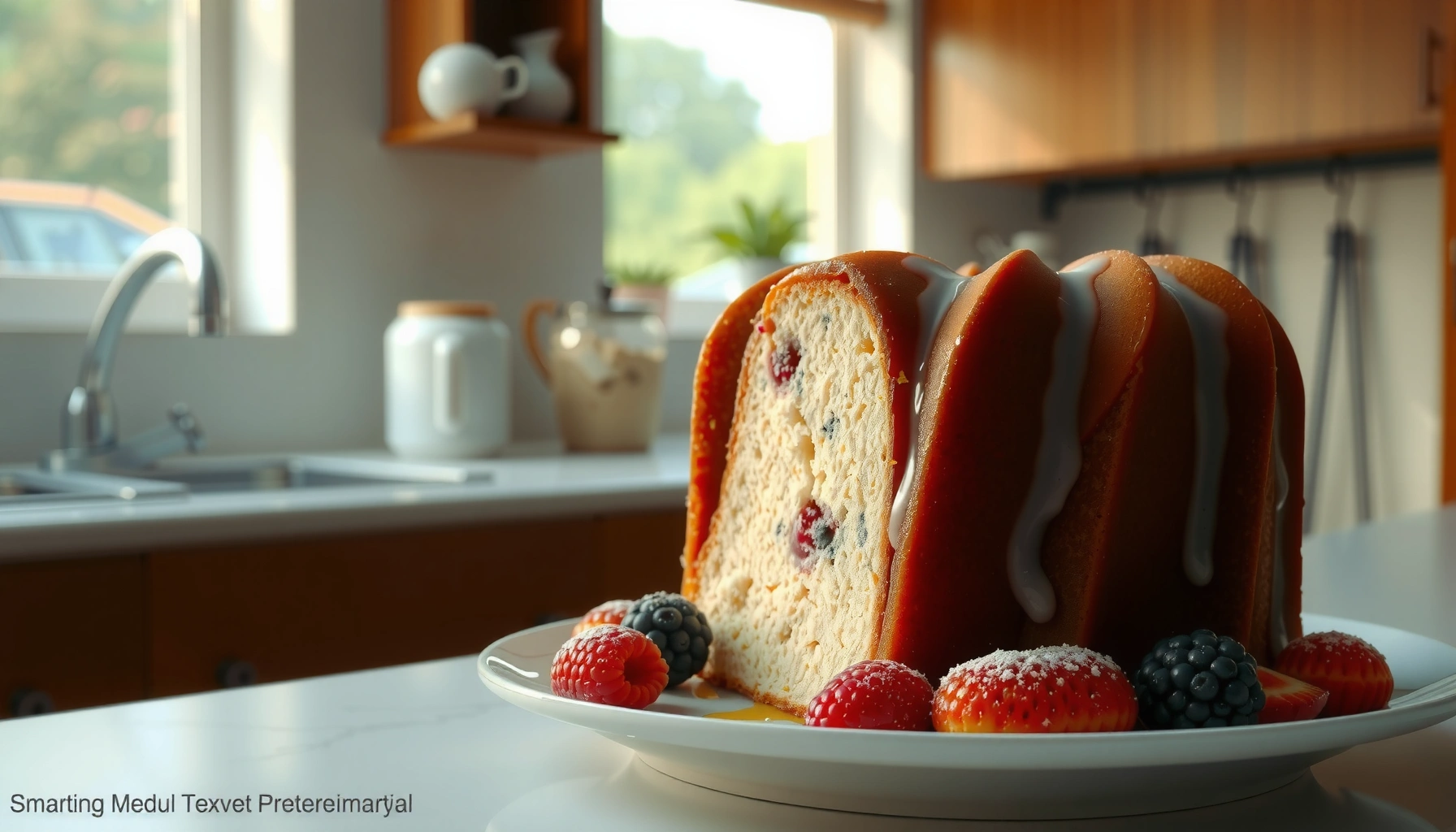
The easiest way to make bundt cake look bakery-made is a quick glaze that complements your flavor base. Timing matters: pour only after the cake cools enough that the glaze won’t run off in full sheets.
Powdered sugar-based glazes set quickly because sugar crystallizes as they cool, which creates a clean surface finish.
Lemon juice brightens vanilla and butter flavors by adding acidity, which balances the sweetness of powdered sugar.
– Make an easy glaze with powdered sugar and milk or lemon juice
– Add texture with toasted nuts, sprinkles, or shredded coconut
– Pour glaze once the cake is cooled so it sets nicely
Glaze options that scale with your ingredients
– Vanilla glaze: powdered sugar + milk + pinch of salt + vanilla extract
– Lemon glaze: powdered sugar + lemon juice + lemon zest
– Chocolate glaze: powdered sugar + cocoa + a splash of milk (or hot water to loosen)
Q: Can I glaze a bundt cake while it’s still warm?
It’s not recommended; the glaze will soak and slide, so wait until the cake cools to room temperature or near-room temperature.
Toppings that don’t ruin texture
If you add toasted nuts or shredded coconut, sprinkle lightly and let them “stick” to the glaze surface. Overloading toppings can weigh down delicate areas of the cake’s pattern.
A great bundt cake comes down to proper pan prep, careful mixing, and baking to the right doneness—then cooling just long enough for a clean release. Follow this recipe step-by-step, try a glaze that matches your flavor, and bake your next bundt cake today. If you share your preferred flavor (lemon, vanilla, chocolate) and your pan size (8-, 10-, or 12-cup), I can fine-tune the exact bake-time target and glaze ratio for the most reliable, moist results.
Frequently Asked Questions
What is the best bundt cake recipe for beginners?
A great beginner bundt cake recipe uses simple pantry staples, a straightforward mixing method (usually “mix wet, mix dry, combine”), and reliable leavening like baking soda or baking powder. Look for a recipe that includes clear baking time guidance and instructions for greasing and flouring the bundt pan. If you want a fail-safe option, choose a vanilla or lemon bundt cake recipe because the flavors are forgiving and don’t mask texture issues as much as denser cakes.
How do you prevent a bundt cake from sticking to the pan?
Proper pan prep is the key to an easy bundt cake release: grease every crevice thoroughly, then dust with flour (or use baking spray with flour) so there’s a barrier between the cake and the pan. Let the bundt cake cool in the pan for about 10–15 minutes, then invert onto a rack and lift off carefully. If you’ve had sticking problems, use a thicker, even grease layer and avoid over-flouring, which can cause patches on the crust.
Why does my bundt cake sink in the middle?
A sinking bundt cake is commonly caused by underbaking, opening the oven too early, or using too much leavening. Confirm doneness with a toothpick test and bake until the center is set—most bundt cake recipes need steady heat and patience. Also check your measurements (especially baking powder) and make sure your batter isn’t overmixed, which can affect structure.
Which bundt cake flavor combinations work best for a moist crumb?
Many bundt cake recipes deliver a moist crumb with flavors that incorporate citrus, vanilla, yogurt, sour cream, or buttermilk—these ingredients add moisture and tenderize the crumb. Popular options include lemon with vanilla glaze, chocolate bundt with coffee or cocoa, and cinnamon-swirl with brown sugar. If you want extra moisture and flavor, try adding a simple syrup brushed on after baking, which helps keep a bundt cake recipe tasting fresh for days.
How do you make a bundt cake taste bakery-fresh with a glaze or topping?
For a bakery-style finish, make a glaze that matches the cake’s flavor and apply it when the bundt cake has cooled slightly but is still warm enough to absorb lightly. For example, a lemon glaze soaks in well, while a chocolate ganache sets into a glossy layer. Keep the glaze thickness consistent—thin glaze can run, while a thicker glaze clings—and let it set before slicing so the bundt cake’s texture stays clean.
📅 Last Updated: August 09, 2026 | Topic: bundt cake recipe | Content verified for accuracy and freshness.
References
- https://en.wikipedia.org/wiki/Bundt_cake
https://en.wikipedia.org/wiki/Bundt_cake - https://en.wikipedia.org/wiki/Bundt_pan
https://en.wikipedia.org/wiki/Bundt_pan - https://en.wikipedia.org/wiki/Pound_cake
https://en.wikipedia.org/wiki/Pound_cake - https://scholar.google.com/scholar?q=bundt+cake+recipe Google Scholar
https://scholar.google.com/scholar?q=bundt+cake+recipe - https://scholar.google.com/scholar?q=bundt+cake+baking+technique+paper Google Scholar
https://scholar.google.com/scholar?q=bundt+cake+baking+technique+paper - https://scholar.google.com/scholar?q=bundt+cake+crumb+structure+ingredients+study Google Scholar
https://scholar.google.com/scholar?q=bundt+cake+crumb+structure+ingredients+study - https://scholar.google.com/scholar?q=pound+cake+baking+science+gluten+development Google Scholar
https://scholar.google.com/scholar?q=pound+cake+baking+science+gluten+development - https://scholar.google.com/scholar?q=cake+structure+doneness+temperature+study Google Scholar
https://scholar.google.com/scholar?q=cake+structure+doneness+temperature+study - https://scholar.google.com/scholar?q=rum+or+flavor+emulsion+cake+recipe+study Google Scholar
https://scholar.google.com/scholar?q=rum+or+flavor+emulsion+cake+recipe+study - https://scholar.google.com/scholar?q=bundt+pan+geometry+heat+transfer+cake Google Scholar
https://scholar.google.com/scholar?q=bundt+pan+geometry+heat+transfer+cake