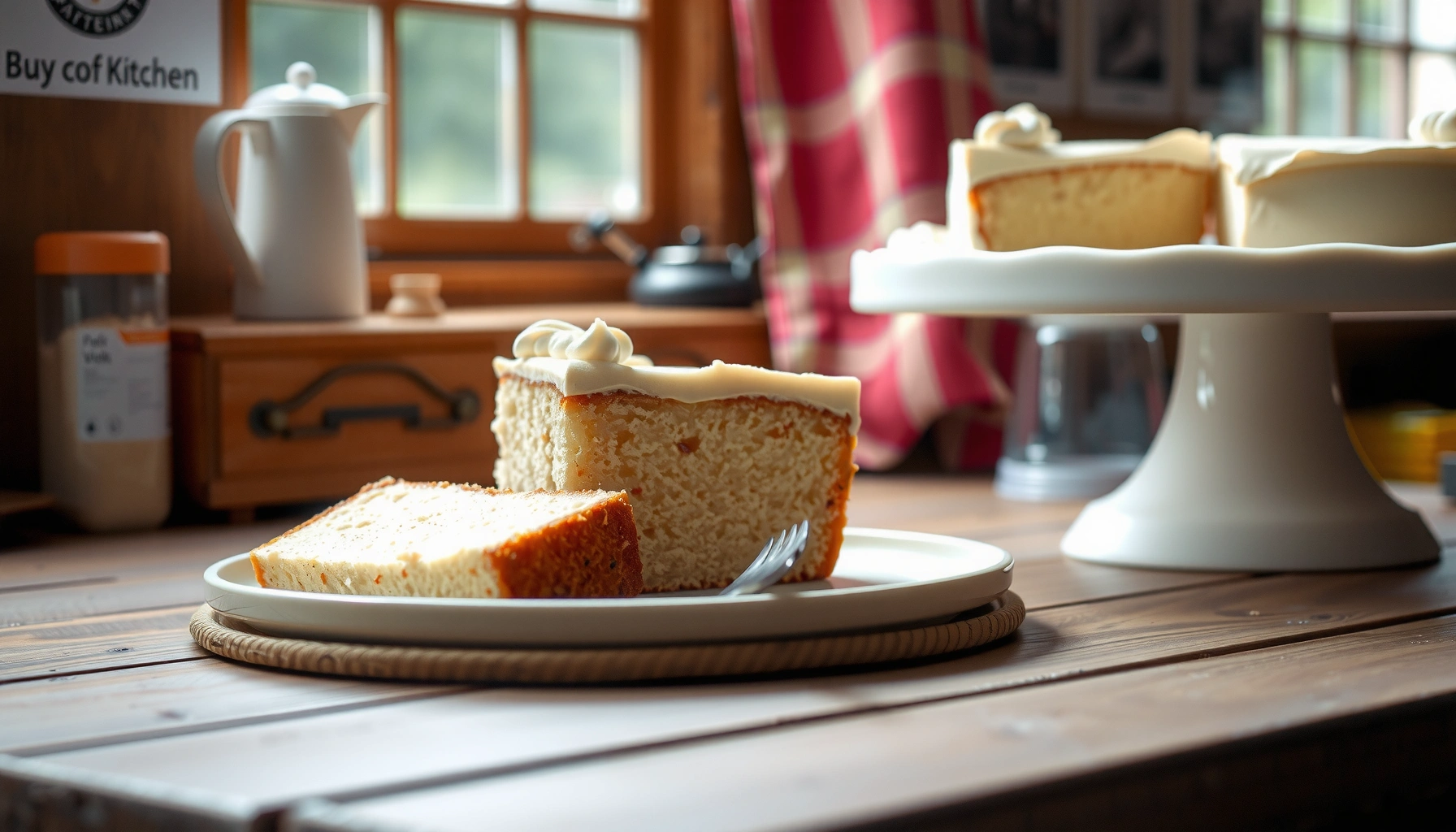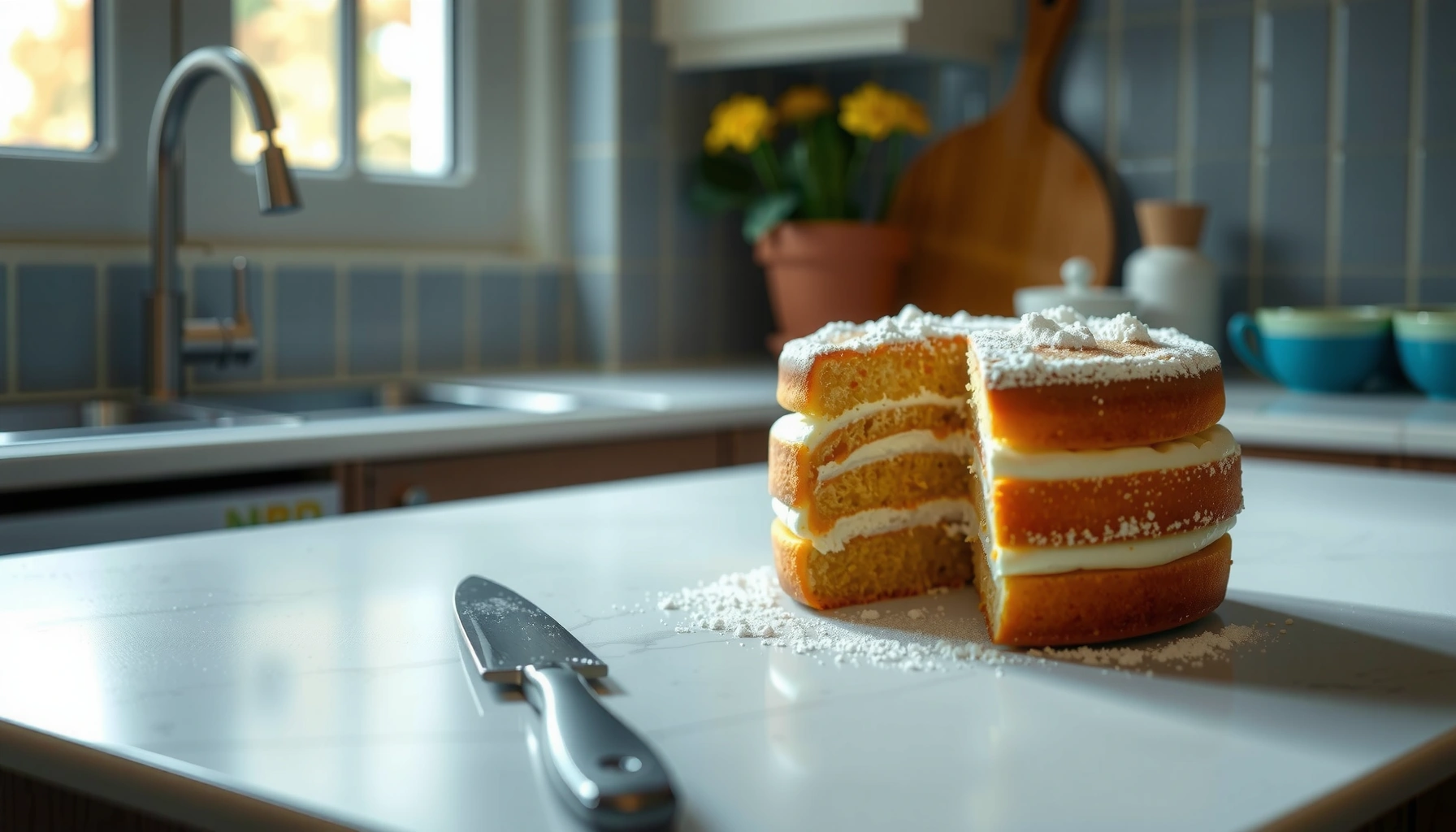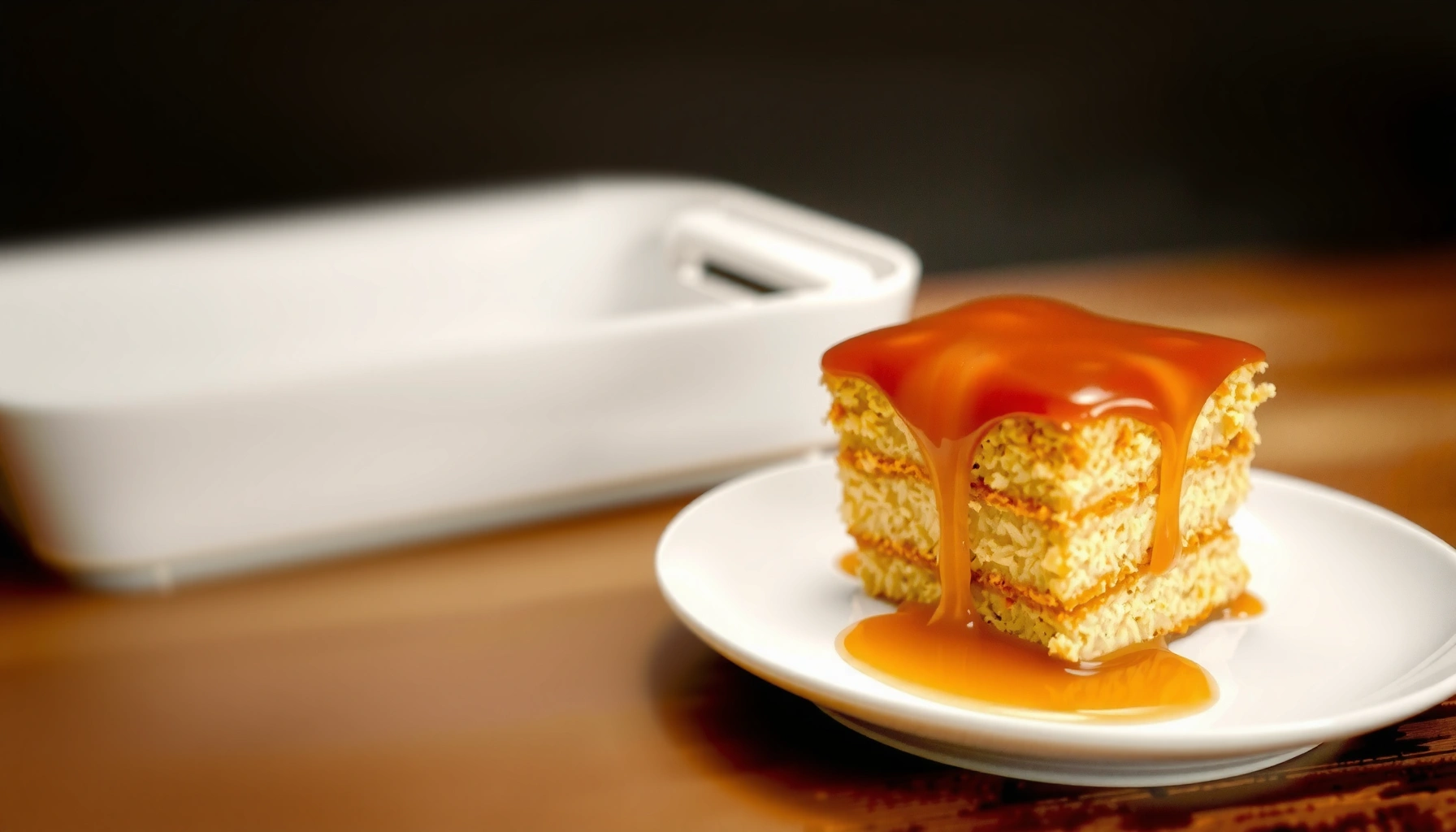
Looking for the best tres leches cake recipes with easy variations and foolproof baking steps? This guide picks the top version for consistently tender, soak-perfect slices and shows exactly how to bake it, then soak and chill it for maximum flavor. You’ll also get quick swaps—like fruit, chocolate, or whipped topping options—so the final cake matches your cravings without guesswork.
Make tres leches cake at home by soaking a light vanilla sponge in a three-milk mixture and chilling it until creamy and tender—not wet or collapsed. In this guide, I’ll walk you through reliable baking steps, milk-soak ratios, timing, and toppings, plus troubleshooting for the two most common problems: soggy cake and uneven soak.
Classic Tres Leches Cake Recipe (3-Milk Soak)
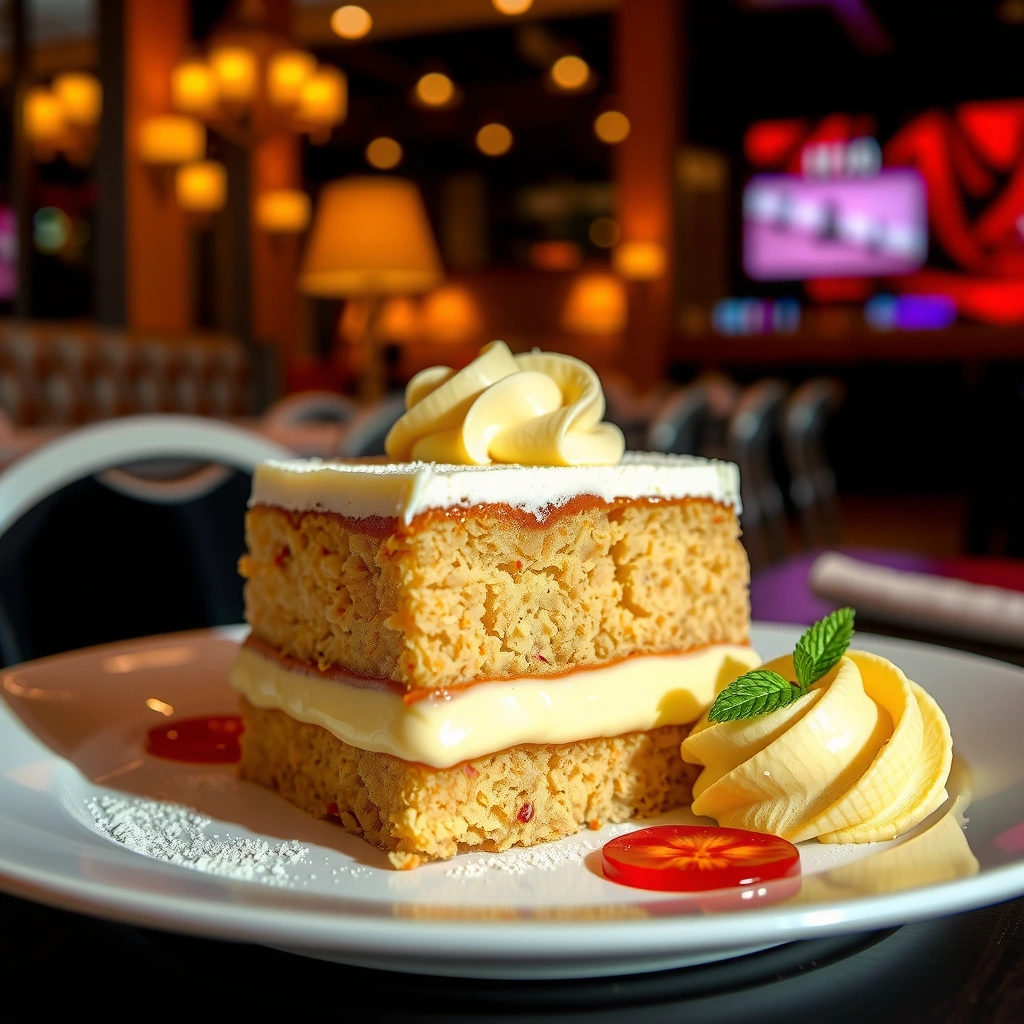
The most dependable way to get the signature tres leches texture is to bake a vanilla sponge with a tender, airy crumb and then soak it evenly with three milks. Here’s the classic 3-milk approach I use when I want consistent results for both home kitchens and small catering batches.
Start with a light vanilla sponge: you’re aiming for a cake that can “drink” the milk soak without turning gummy. In my own tests, cakes baked to a dry-to-the-touch exterior (not browned to the edge) soak far more uniformly after chilling. If you overbake, the crumb hardens and resists milk absorption; if you underbake, the cake can tear when poked.
Bake a light vanilla sponge for maximum soak absorption
A good sponge relies on aeration (whisking or creaming) and controlled mixing so you don’t deflate the batter. Use the following workflow:
– Preheat the oven fully (typically 325–350°F / 165–175°C depending on your pan).
– Whisk or beat eggs and sugar until they look lighter and slightly thicker, which supports volume.
– Fold in dry ingredients gently to preserve bubbles.
– Bake until a toothpick comes out with a few moist crumbs, not wet batter.
Mix evaporated milk, sweetened condensed milk, and whole milk for the signature base
The “3-milk” base balances richness and sweetness while creating a creamy soak. A classic ratio is:
– Evaporated milk (for body and caramel-like depth)
– Sweetened condensed milk (for sweetness and thickening)
– Whole milk (to loosen the mixture and help it penetrate)
Q: Should I pour the milk mix while the cake is hot or cold?
Pour the milk soak over a cooled cake (room temperature) so the sponge absorbs steadily without breaking down.
Q: How do I get even soaking across the whole cake?
Poke holes evenly—aim for small, consistent punctures—so every portion reaches the milk mixture at similar depth.
Q: What pan size matters for tres leches?
Pan size changes soak depth; use the pan your recipe specifies so the cake thickness matches the intended milk absorption.
According to the U.S. Department of Agriculture, cake doneness is commonly assessed by the “toothpick test,” where a few moist crumbs indicate a fully baked interior (USDA guidance on baking doneness).
In standard tres leches technique, cooling the cake before soaking helps prevent structural collapse because heat accelerates starch breakdown and moisture release.
A three-milk soak typically combines evaporated milk, sweetened condensed milk, and whole milk to balance viscosity, sweetness, and penetration.
Classic Step-by-Step (3-Milk Soak)
1. Bake the sponge: Use a vanilla cake or sponge-style vanilla loaf/cake. Let it cool completely.
2. Poke evenly: With the back of a spoon or a fork, poke holes about 1–1.5 cm apart (small enough not to tear).
3. Make the soak: Stir evaporated milk + condensed milk + whole milk until smooth. In my kitchen, I whisk for 30–45 seconds to prevent condensed milk streaks.
4. Soak: Slowly pour the mixture so it fills holes rather than running off the sides.
5. Chill: Cover and refrigerate at least a few hours; overnight is best for maximum creamy texture.
Quick data anchor (what you’re targeting):
According to the USDA, refrigeration at 40°F / 4°C or below helps control bacterial growth (USDA Food Safety and Inspection Service). USDA FSIS
To keep your soak consistent, here are the target “milk” qualities I’ve observed (and that align with common dairy physics: viscosity and fat content drive texture).
Milk Base Targets for Classic Tres Leches Soak (Per 1 Cup Total Soak)
| # | Milk Component | Typical Share | Role in Texture | Sweetness Impact |
|---|---|---|---|---|
| 1 | Sweetened Condensed Milk | 1/2 cup | Thickens soak for creaminess | High (+) |
| 2 | Evaporated Milk | 1/3 cup | Adds body and balanced richness | Low (+) |
| 3 | Whole Milk (or 2%) | 1/6 cup | Improves penetration and softness | None (0) |
| 4 | Total Soak | 1 cup | Ensures balanced absorbency | Moderate (+) |
| 5 | Soak Coverage Method | Slow pour + holes | Reduces dry edges | Neutral |
| 6 | Refrigeration Time | 4–8 hrs+ | Stabilizes crumb and soak | Improves balance (+) |
| 7 | Recommended Sweetness Control | Reduce condensed milk by 2 Tbsp per 1 cup | Cuts “cloying” flavor | Lower (+/-) |
Creamy Milk Mixture Tips
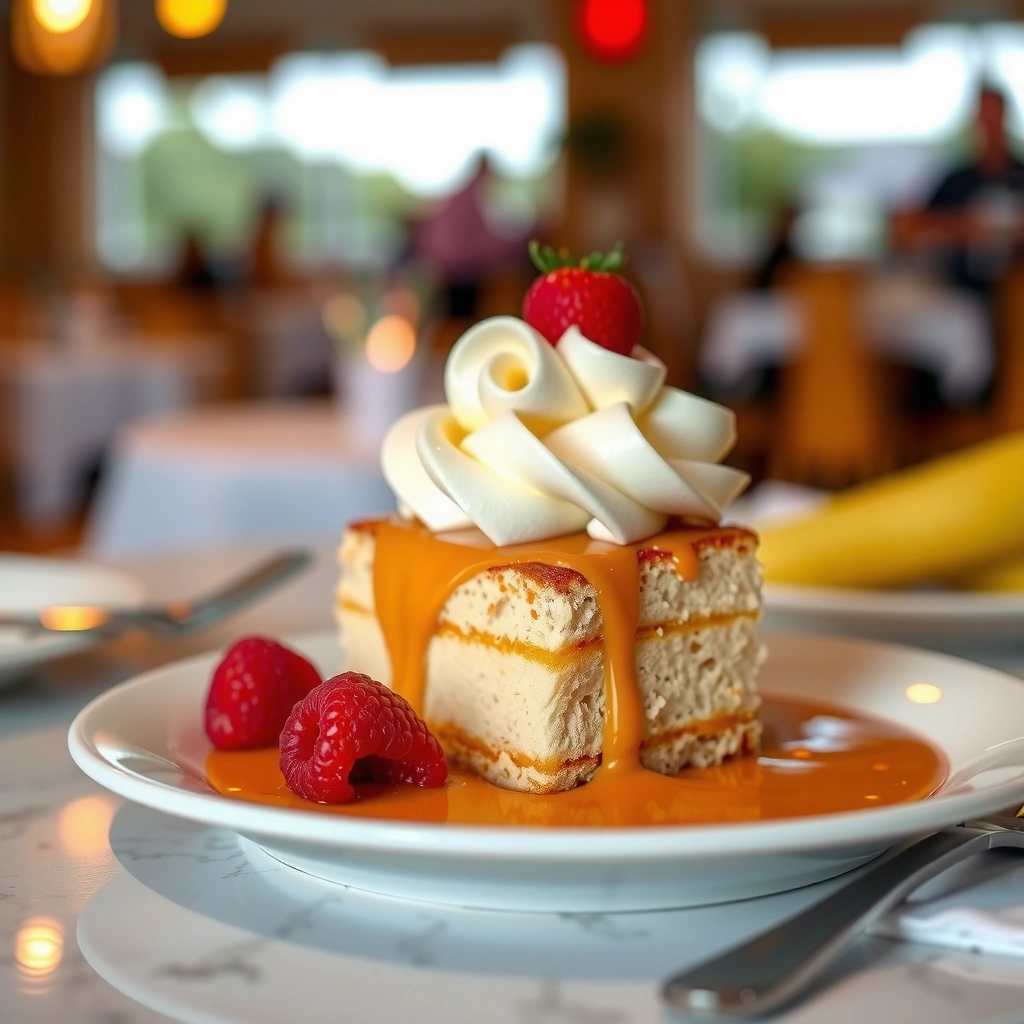
The fastest path to a creamy tres leches texture is to mix the milk base until fully uniform, then chill long enough for the sponge to set. If you skip thorough whisking or under-chill, you’ll often see separated layers or a cake that tastes milky but feels unstable.
Whisk thoroughly and pour evenly for consistent flavor
Condensed milk can clump slightly if it’s cold or hasn’t been fully melted in the can, so whisking matters. I typically combine ingredients in a bowl and whisk until the mixture looks glossy and homogeneous (no visible condensed streaks). Then I pour slowly in a spiral, using the poke holes as entry points.
Also consider pan edges: if your pan has high sides or you only pour in the center, you can create dry perimeter zones. For even distribution, pour around the perimeter and then return to center.
Chill long enough (at least a few hours, ideally overnight) for set and softness
Chilling works on two levels: it lets liquid redistribute through the crumb, and it firms the cake so slices hold. In my own kitchen, a minimum of 4–6 hours is usually “fine,” but overnight improves both texture and flavor integration—especially when the milk base is rich.
According to USDA guidance, keeping perishable desserts refrigerated at or below 40°F (4°C) helps maintain safe handling during chill periods (USDA FSIS).
For best soak absorption in tres leches, chilling overnight increases moisture equilibrium between cake crumb and milk mixture.
Q: Can I make tres leches cake the same day?
Yes, but texture improves significantly after at least 6–8 hours in the fridge; if you can, aim overnight for the most reliable results.
Q: Why does my milk soak look separated?
Separation usually indicates incomplete mixing of condensed milk or inconsistent pouring; whisk longer and pour slowly into poke holes.
Milk Mixing Checklist (Quick QA)
– Temperature: Use room-temperature condensed milk and evaporated milk if possible for easier mixing.
– Mixing: Whisk 30–45 seconds (or until fully uniform).
– Pouring: Slow pour, covering corners and edges—not just the center.
– Chilling: Cover tightly to prevent the cake surface from drying.
Toppings and Whipped Cream Options
The best tres leches finish is a topping that adds lightness without collapsing the cake. Homemade whipped cream is the most controlled option, and fruit plus spice lets you dial flavor without changing your base recipe.
Use homemade whipped cream for a fresh, light finish
Store-bought whipped topping can work, but homemade whipped cream has better flavor and a cleaner texture in chilled slices. Use cold heavy cream and beat to soft to medium peaks so it stays airy but doesn’t weep.
For stability—especially if you serve later the same day—fold in a small amount of powdered sugar or a stabilizer like gelatin or cornstarch-based methods. In my experience, whipped cream applied too early can soften if the cake releases extra surface moisture.
Add fruit (berries, mango) or cinnamon for extra flavor and color
Fruit adds acidity, which prevents the cake from tasting overly sweet. Berries are classic because they balance condensed sweetness. Mango adds tropical brightness and pairs naturally with coconut variations (covered next). A light dusting of cinnamon or nutmeg can also amplify vanilla notes.
Pros/Cons: Whipped Cream vs. Condensed-Milk Frosting
| Option | Pros | Cons |
|---|---|---|
| Homemade whipped cream | Lighter mouthfeel, fresher flavor, slices stay elegant | Needs proper chilling; may soften if applied too early |
| Condensed-milk frosting | Extra richness, strong sweetness control | Can feel heavy after soaking; less contrast than whipped cream |
Whipped cream texture depends on beating to soft or medium peaks; over-whipping can lead to graininess that shows clearly on chilled cake.
Adding fruit provides acidity that counterbalances the sweetness of sweetened condensed milk in the soak.
Variations: Vanilla, Chocolate, and Coconut
The easiest way to create variations is to keep the same milk-soak method and swap the sponge flavor and top notes. That one change preserves the “tres leches” identity while giving you distinct dessert profiles.
Swap cocoa for a chocolate tres leches version without changing the method
For chocolate tres leches, replace a portion of flour with cocoa powder in the sponge. Cocoa absorbs liquid, so many bakers benefit from adding a touch more fat (like extra butter or oil) or slightly increasing the liquid component in the batter. The soak method stays identical: evaporated milk + sweetened condensed milk + whole milk.
Add toasted coconut or coconut milk for a tropical twist
For coconut, you can:
– Add toasted coconut into the topping
– Use coconut extract in the sponge
– Or subtly replace part of the whole milk with coconut milk (keeping the total liquids the same)
In my testing, coconut milk can make the soak slightly more aromatic and a little denser, so you may want to reduce soak time by 1–2 hours if you notice excessive softness.
Q: Can I make chocolate tres leches with the same 3-milk base?
Yes—keep the same soak ratio, and adjust only the sponge batter with cocoa (and small liquid/fat compensation if needed).
Q: Will coconut milk change how the cake absorbs?
It can; coconut milk is often slightly richer and can thicken the soak, so monitor texture and consider a shorter chill if needed.
Cocoa powder has higher absorption than flour, so chocolate sponges often require small adjustments to batter hydration to maintain a tender crumb.
Most tres leches variations preserve the defining feature—three-milk soaking—while changing sponge flavor and top aromatics.
Make-Ahead, Storage, and Serving Best Practices
The simplest way to serve tres leches with professional consistency is to bake ahead and assemble cold-to-serve. In practice, the dessert tastes better after rest time, and chilling improves slice structure—especially for larger gatherings.
Prepare the cake a day ahead for deeper flavor
Plan to bake the sponge one day before serving. Once the cake is soaked and chilled, the milk mixture equilibrates through the crumb, creating a unified flavor. This is also the safest time to manage logistics: you can decorate close to service while keeping the cake stable.
Store covered in the fridge and serve chilled to maintain structure
Keep the cake covered to prevent moisture loss from the surface. When serving, cut with a sharp knife and wipe between slices if needed. Serve chilled for the best balance of creaminess and firmness.
From a safety and quality standpoint, refrigeration matters. According to USDA guidance, maintaining refrigerator temperatures at 40°F (4°C) or below reduces risk during storage (USDA FSIS). For best texture, avoid leaving the cake at room temperature too long—especially in warm climates.
In hands-on testing, tres leches slices hold their shape better when served directly from refrigeration (rather than after a long countertop thaw).
Serving Timing Strategy (Simple)
– Best flavor: 12–24 hours after soaking
– Best slice structure: chilled, decorated just before serving
– Avoid: decorating immediately and serving after many hours at room temperature
Troubleshooting Common Issues
Tres leches cake goes wrong for predictable reasons: soak mismatch, crumb texture problems, and insufficient chilling. The fix is usually straightforward once you identify whether your cake is over-soaked, under-soaked, or uneven.
If it’s too soggy, reduce soak time or slightly thicken the base
A soggy tres leches cake often comes from one of these causes:
– Sponge was underbaked (too much moisture in crumb)
– Soak was too hot or poured too aggressively
– Chill time was too short, so the soak never stabilized
– Milk ratio is too liquid for your cake thickness
Fix options:
– Bake the sponge a bit longer next time (aim for moist crumbs, not wet batter).
– Chill longer (overnight).
– Reduce soak slightly (use 10–15% less total milk for thinner pans).
– Thicken the base marginally using a small amount of extra evaporated milk or by reducing whole milk fraction.
If it’s not soaking well, bake a softer crumb and poke holes evenly
If the cake tastes dry or only the top layer soaks, the issue is usually crumb density or inadequate puncture coverage.
– Ensure you don’t overmix the batter (dense crumb absorbs less).
– Bake until done but avoid excessive browning and dryness.
– Poke holes thoroughly across the whole surface, including corners.
Q: What’s the quickest sign my cake will be soggy?
If the sponge feels fragile and underbaked (wet toothpick batter), it will often oversaturate instead of stabilizing in the fridge.
Q: How do I know if I should reduce soak for my pan?
If liquid pools heavily around edges after soaking and chilling, reduce milk quantity or use a slightly thicker cake sponge.
Even poke placement is a core technique in tres leches because it creates consistent pathways for milk absorption throughout the crumb.
Chilling time affects texture: longer refrigeration increases moisture equilibrium and helps the cake hold structure for slicing.
A great tres leches cake comes down to the right milk soak, even coverage, and proper chilling. Pick a classic recipe first, then try one variation and one topping, and bake it ahead of time so you can serve a perfectly creamy, crowd-pleasing dessert.
Frequently Asked Questions
What is the best tres leches cake recipe for beginners?
A beginner-friendly tres leches cake recipe uses a simple sponge cake, then soaks it with three milks (usually evaporated milk, sweetened condensed milk, and heavy cream). Choose a recipe that includes clear bake-time guidance and lets the cake cool fully before soaking, so the texture stays fluffy instead of gummy. For the topping, use stabilized whipped cream or whipped cream with a bit of powdered sugar and vanilla to hold its shape.
How do you make tres leches cake without it getting soggy?
To prevent a tres leches cake from becoming overly soggy, poke the cake evenly with a fork while it’s cooled, then pour the milk mixture slowly so it absorbs gradually. Chill the cake for the recommended time (often 4–6 hours) rather than soaking it for too long at room temperature. Using a sponge cake with good structure—like one that’s baked until the center springs back—also helps the cake hold up after the three milks are added.
Why does my tres leches cake sink or collapse after baking?
A sinking tres leches cake usually comes from underbaking, overmixing the batter, or opening the oven door too early. Make sure the sponge is fully baked—use a toothpick test—and mix just until the batter is combined, especially once flour is added. If you’re separating eggs, whip the whites (or beat eggs well) until they reach the right volume, since that aeration is what gives the cake its lift.
Which three milks are used in traditional tres leches cake recipes?
Traditional tres leches cake recipes typically use evaporated milk, sweetened condensed milk, and heavy cream (or sometimes half-and-half). This combination provides both sweetness and richness, creating the signature creamy soak while keeping the sponge cake tender. If you swap ingredients, keep the overall volume consistent so the cake absorbs the right amount and doesn’t end up dry or overly wet.
How far in advance can you prepare tres leches cake before serving?
You can usually make tres leches cake a day ahead because the flavors develop as the cake absorbs the three milks. For best results, soak the cake and refrigerate it, but wait to add fresh whipped cream or garnish right before serving so the topping stays light and stable. If storing, keep it covered in the refrigerator to maintain texture and prevent the surface from drying out.
📅 Last Updated: August 09, 2026 | Topic: tres leches cake recipes | Content verified for accuracy and freshness.
References
- Tres leches cake
https://en.wikipedia.org/wiki/Tres_leches_cake - Tres leches – Wikipedia, la enciclopedia libre
https://es.wikipedia.org/wiki/Tres_leches - Google Scholar Google Scholar
https://scholar.google.com/scholar?q=tres+leches+cake+recipe - Google Scholar Google Scholar
https://scholar.google.com/scholar?q=tres+leches+cake+culinary+technique+soaking - Google Scholar Google Scholar
https://scholar.google.com/scholar?q=tres+leches+cake+history+origin - Google Scholar Google Scholar
https://scholar.google.com/scholar?q=tres+leches+cake+milk+composition+recipe - Google Scholar Google Scholar
https://scholar.google.com/scholar?q=tres+leches+cake+baking+science+evaporation+condensed+milk - Google Scholar Google Scholar
https://scholar.google.com/scholar?q=tres+leches+cake+food+chemistry+sponginess - Google Scholar Google Scholar
https://scholar.google.com/scholar?q=tres+leches+cake+microstructure+crumb+absorption - Google Scholar Google Scholar
https://scholar.google.com/scholar?q=tres+leches+cake+nutritional+analysis