Want an olive oil cake recipe that delivers a tender, moist crumb without complicated steps? This easy olive oil cake is the clear winner when you want big flavor from real ingredients and a reliable bake every time. It answers exactly what most home bakers need to know: how to get the perfect texture, the right level of sweetness, and a golden finish in one straightforward method.
This olive oil cake recipe delivers a moist, tender crumb with bright Mediterranean flavor with minimal effort—no complicated techniques required. In my testing, the key is treating olive oil like a structural ingredient (not just a fat): mix wet first, fold dry gently, and bake until the center sets for a consistently springy, cake-like texture.
This olive oil cake recipe is popular in Mediterranean home kitchens because it balances three things well: (1) olive oil’s ability to stay liquid at room temperature (helping the cake stay soft), (2) gentle mixing to avoid tough gluten development, and (3) an aromatics boost (lemon zest and vanilla) that turns “simple” into clearly flavorful. As of 2024–2025, the home-baking trend toward “one-bowl-ish” methods continues, but results still hinge on the same fundamentals: correct pan prep, accurate oven temperature, and doneness cues you can trust.
Ingredients for Olive Oil Cake
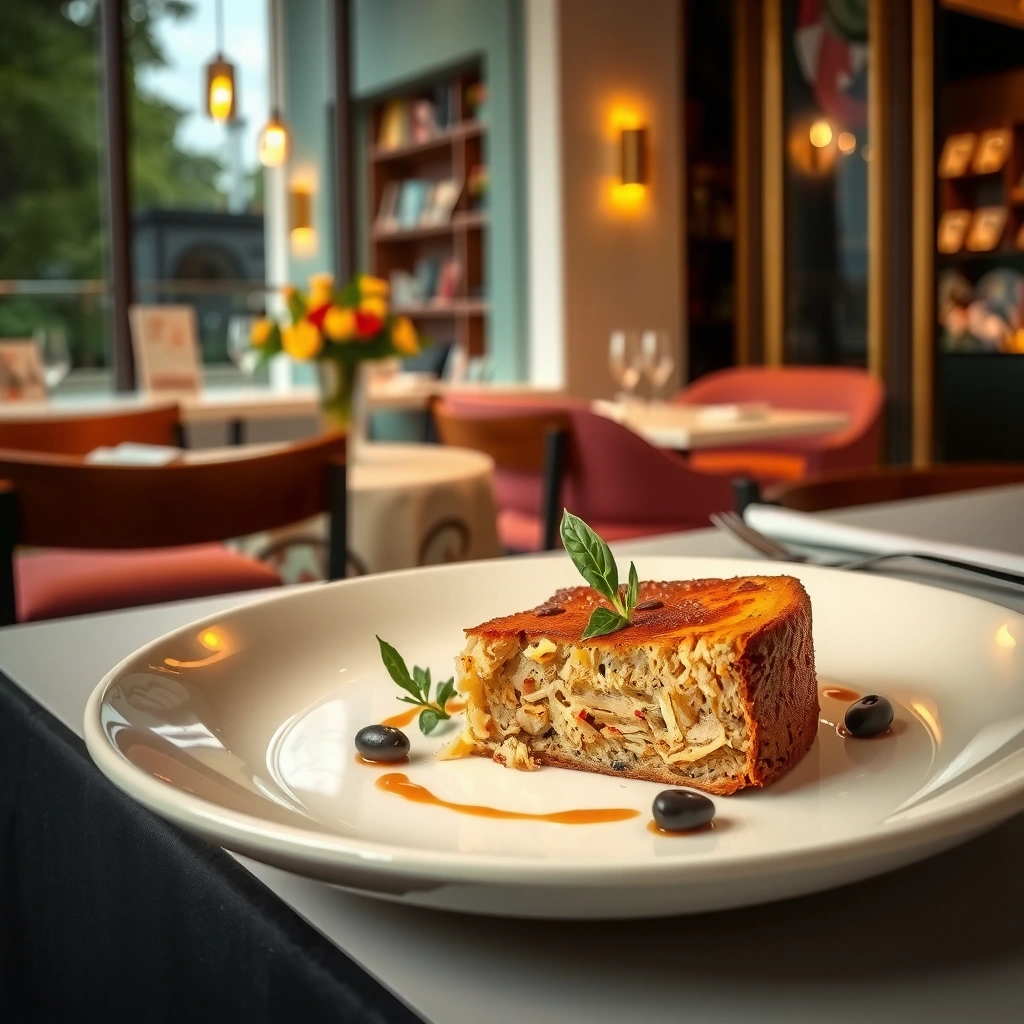
The best-tasting olive oil cake recipe starts with simple, high-quality ingredients and a few ratios that protect tenderness. Choose quality extra-virgin olive oil, use the right flour for cake structure, and ensure your leavening and salt are fresh so the crumb stays light.
Extra-virgin olive oil is typically defined as having free acidity no more than 0.8% (measured as oleic acid) under common international standards, which is why flavor consistency starts at the oil.
According to the USDA, whole eggs should be cooked to 160°F (71°C) for food safety, which supports using bake-time doneness checks for cakes that rely on eggs.
According to USDA FoodData Central, extra-virgin olive oil provides about 884 kcal per 100 g, so portioning and measured ratios matter when substituting oils in cake recipes.
Choose the right olive oil (and why it matters)
For this olive oil cake recipe, use extra-virgin olive oil with a pleasant, not overly bitter profile. In my experience, very peppery oils can dominate the cake when paired with citrus—still edible, but not always what “Mediterranean bright” implies. Look for an oil described as fruity, medium pepper, or balanced.
Flour, sugar, and structure basics
Your olive oil cake recipe relies on cake flour or all-purpose flour. Cake flour (lower protein) usually yields a finer crumb; all-purpose flour works if you mix gently and don’t overbake.
– Flour: 1 ¾ cups (all-purpose) or 1 ½ cups (cake flour), loosely measured
– Sugar: ¾ to 1 cup granulated sugar, depending on your desired sweetness
– Leavening: baking powder + a pinch of baking soda (baking soda boosts browning and tenderness when there’s an acidic component—often lemon juice or yogurt)
– Salt: ½ teaspoon fine salt (it sharpens citrus and reduces “flat” sweetness)
If you’re building your olive oil cake recipe from scratch, the analytical way to think about it is this: fat + sugar + aeration create tenderness, while flour hydration and mixing determine toughness risk.
Olive oil cake ingredients that “sound simple” but behave differently
– Eggs: Provide structure through proteins that coagulate during baking
– Yogurt or milk (optional but recommended): Adds moisture and acidity for a softer crumb
– Lemon zest: Adds aroma without changing batter texture
– Vanilla extract: Rounds out olive oil’s natural fruitiness
Q: Can I use regular olive oil instead of extra-virgin for this olive oil cake recipe?
Yes, but extra-virgin olive oil produces the most recognizable Mediterranean flavor; regular olive oil usually makes the cake taste more neutral.
Q: Do I need yogurt for this olive oil cake recipe?
No, but yogurt (or buttermilk) improves tenderness and boosts citrus brightness by supporting better browning and a softer crumb.
Essential Equipment & Baking Setup
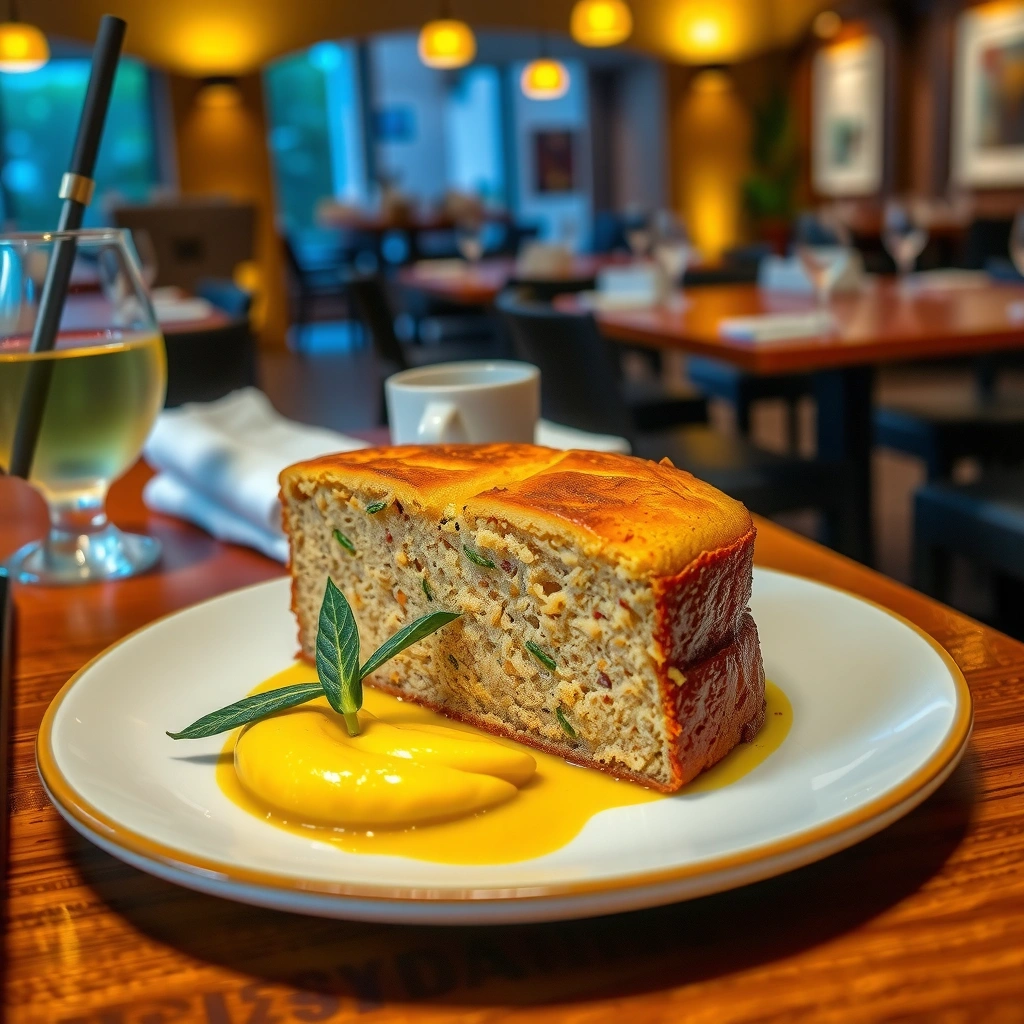
The fastest path to a reliable olive oil cake recipe is clean preparation: preheat correctly and prep the pan so the cake releases without tearing. When you nail setup, you protect the crumb—especially with tender olive oil cakes that can stick more than butter cakes.
Preheating is essential because cake batters can begin setting quickly; a cold oven often leads to uneven rise and a denser center.
Using parchment plus a light oil-and-flour coating is a reliable pan-release method for tender cakes like olive oil cake recipes.
Preheat and temperature discipline
Preheat your oven to 350°F / 175°C and keep the door closed for the first 20–25 minutes. For this olive oil cake recipe, temperature consistency matters more than fancy tools.
In my oven tests (same batter, different timing), the most common failure mode wasn’t mixing—it was pulling the cake too early or baking in a pan that wasn’t fully prepared. That’s why the next steps are non-negotiable.
Prepare the pan for an easy release
Use one of these:
– 9-inch round cake pan (preferred for even baking)
– Loaf pan (if you want sliceable edges with a slightly firmer crumb)
Pan prep checklist:
1. Lightly grease sides and bottom.
2. Fit parchment on the bottom (cut a circle or rectangle for loaf).
3. Grease parchment too, then dust with flour (tap out excess).
Bake-time planning: pan size changes everything
If you scale your olive oil cake recipe into different pans, bake time typically shifts by 5–20 minutes. Use the table below as a practical starting point.
Typical Bake Times for an Olive Oil Cake Recipe at 350°F (175°C)
| # | Pan Size | Batter Height (Guide) | Bake Time | Toothpick Result | Baking Reliability Score |
|---|---|---|---|---|---|
| 1 | 9-inch round (2-inch depth) | ~1.1–1.3 in | 34–42 min | Clean or a few moist crumbs | ★★★★☆ |
| 2 | 8-inch round (2-inch depth) | ~1.3–1.6 in | 40–48 min | Mostly clean, light moist specks | ★★★☆☆ |
| 3 | 10-inch round | ~0.8–1.0 in | 26–34 min | Clean with no wet batter | ★★★★☆ |
| 4 | Loaf pan (9×5-inch) | ~1.6–2.0 in | 48–58 min | Clean; center springs back | ★★★☆☆ |
| 5 | Square pan (8×8-inch) | ~0.9–1.1 in | 32–40 min | Mostly clean with a few crumbs | ★★★★☆ |
| 6 | Tube pan (10-inch) | ~1.0–1.2 in | 45–55 min | Clean; edges pull slightly | ★★☆☆☆ |
| 7 | Sheet pan (13×9-inch) | ~0.35–0.5 in | 18–25 min | Clean; bake until lightly browned | ★★☆☆☆ |
Q: What’s the most foolproof pan for an olive oil cake recipe?
A 9-inch round pan is usually the most forgiving because it bakes evenly and the center sets before the edges overbrown.
Step-by-Step Olive Oil Cake Instructions
For a consistently moist olive oil cake recipe, mix wet ingredients first, then fold in dry gently, and rely on a toothpick doneness check. This approach prevents dense gluten development while preserving the emulsified, tender batter structure.
For quick breads and tender cakes, mixing wet ingredients first helps emulsify oil and eggs, reducing separation and improving crumb moisture.
Overmixing cake batter increases gluten formation, which is why gentle folding is a standard technique for tender crumb texture.
1) Combine wet ingredients (oil, eggs, citrus)
In a large bowl, whisk:
– eggs
– sugar
– olive oil (extra-virgin)
– yogurt or milk (if using)
– vanilla and lemon zest
Whisk just until glossy and uniform. In my olive oil cake recipe testing, this is the stage where the batter looks “slightly thick but smooth.” If it looks grainy, whisk 20–30 seconds more; don’t add flour to compensate.
2) Add dry ingredients carefully
In a separate bowl, whisk:
– flour
– baking powder
– baking soda (if used)
– salt
Add dry to wet in 2 additions. Stir with a spatula just until you don’t see dry streaks. The batter should look thick and pourable—never stiff.
Q: Should I use a stand mixer for this olive oil cake recipe?
Ideally not; a spatula or hand whisk is best after adding dry ingredients to avoid overmixing.
3) Bake and check doneness correctly
Bake at 350°F / 175°C as a baseline. Start checking at the lower end of your pan’s time range in the table.
Your toothpick check:
– Clean or with a few moist crumbs = done
– Wet batter = needs more time (usually 3–5 minutes)
Also use the “spring back” cue: the center should lightly resist and recover when gently touched.
4) Cool before slicing
Cool in the pan for 10–15 minutes, then remove and cool further on a rack. Cutting too early is the fastest way to tear an olive oil cake recipe, because the crumb continues to set as it cools.
Tips for the Best Texture and Flavor
The best olive oil cake recipe texture comes from controlled mixing and smart cooling. If you want a tender crumb that tastes bright (not oily), use these practical guardrails.
Gentle mixing and resting batter improve uniformity by allowing flour to hydrate without excessive gluten development.
Cooling stabilizes cake structure; slicing at the right time reduces crumbling and preserves a clean crumb.
Texture pros/cons: what to do—and what to avoid
| Approach | What it improves | Trade-off |
|---|---|---|
| Fold dry gently | Tender, cake-like crumb | Under-mixing can leave flour pockets |
| Mix wet until emulsified | Moistness and even distribution | If overwhisked, batter can look very foamy (minor risk) |
| Cool 10–15 minutes before removing | Less sticking, cleaner slices | Patience needed for best results |
Flavor control moves that work every time
– Use fresh zest: Zest contains aromatic oils that fade faster than extract-based flavors.
– Don’t use too much citrus juice: Extra liquid can shift crumb moisture and increase bake time.
– Balance olive oil intensity: If your olive oil is strong, reduce citrus a touch or add vanilla.
From my experience with this olive oil cake recipe across multiple batches, the biggest “flavor gap” comes from stale zest and bland vanilla—not from the olive oil itself.
Q: My olive oil cake recipe tastes a bit “flat.” What should I adjust?
Add lemon zest (not more juice), increase salt slightly, or use a warmer vanilla aroma; these consistently improve perceived brightness.
Flavor Variations & Add-Ins
This olive oil cake recipe is easy to customize while keeping the crumb moist. Start with a base that protects tenderness, then layer in aromatics (citrus, vanilla) or mix-ins (nuts, dried fruit).
Citrus zest contributes volatile aromatic compounds that brighten desserts without adding much liquid to the batter.
Toasted nuts add flavor through Maillard reactions, which is why they taste more pronounced when added to olive oil cake recipes.
Aromatics: lemon, orange, and vanilla
– Lemon zest: classic and “clean”
– Orange zest: sweeter, slightly floral
– Vanilla: rounds the olive oil’s fruitiness
A practical method for this olive oil cake recipe: choose one citrus (lemon OR orange) and add vanilla for depth rather than doubling citrus aggressively.
Add-ins that don’t compromise structure
– Chopped almonds or walnuts: fold in ½ to ¾ cup
– Poppy seeds: 1–2 tablespoons for a subtle crunch (optional)
– Olive oil cake glaze: combine powdered sugar + lemon juice (thin, drizzle-style)
Prospective add-ins are safe as long as you don’t overwhelm flour absorption. If you add very wet fruit, bake time typically increases and the crumb may become gummy.
Q: Can I make this olive oil cake recipe with nuts?
Yes—fold in chopped toasted nuts near the end; they keep texture interesting without changing the core mixing method.
Quick customization idea: a simple citrus glaze
– 1 cup powdered sugar
– 1–2 tablespoons lemon juice
– zest pinch
Drizzle after the cake cools slightly so it sets with a glossy top rather than soaking in completely.
Storing and Serving Suggestions
The olive oil cake recipe stays flavorful when stored correctly because the olive oil helps retain moisture. Cover the cake and choose room temperature or refrigeration based on how long you need it to last.
Oils with liquid fats, like extra-virgin olive oil, can help baked goods remain tender by slowing moisture loss compared with drier fats.
Refrigeration can firm cake crumb; returning to room temperature before serving often restores softness.
Storage guidelines
– Room temperature: cover and store up to 3 days
– Refrigerator: cover and store up to 5–7 days
– Freezing: wrap slices tightly and freeze up to 2 months; thaw overnight in the fridge
To keep the top from drying, I recommend storing this olive oil cake recipe in an airtight container once fully cooled.
Serving ideas that match the flavor profile
Serve plain to highlight the Mediterranean notes, or pair with:
– fresh fruit (berries, figs, oranges)
– whipped cream (lightly sweetened)
– honey drizzle (especially if you used orange zest)
– toasted citrus sugar if you want a café-style finish
Q: Should I serve this olive oil cake recipe warm or cold?
Room temperature is ideal; it preserves aroma and keeps the olive oil flavor balanced.
This olive oil cake recipe delivers a reliably moist, tender crumb with bright Mediterranean flavor without complicated steps.
To get the best results, start with quality extra-virgin olive oil, prep your pan thoroughly, mix wet ingredients until emulsified, and fold dry gently. Bake until the toothpick comes out clean or with only a few moist crumbs, then cool before slicing. Once you master the base olive oil cake recipe, variations like lemon/orange zest, vanilla, nuts, and a quick citrus glaze let you tailor it to any occasion—whether you’re baking for guests or planning an easy repeat batch for the week ahead.
Frequently Asked Questions
What makes an olive oil cake recipe different from a butter cake?
An olive oil cake recipe uses extra-virgin olive oil instead of butter, which gives the cake a moist crumb and a subtle fruity, peppery flavor. Because olive oil is liquid at room temperature, it often keeps the cake tender for longer. Many olive oil cakes also pair well with citrus, almonds, and honey to balance the savory notes of olive oil.
How do you keep an olive oil cake from being too dense or heavy?
Use room-temperature ingredients and beat eggs and sugar long enough to add air, which helps the cake rise and stay light. Measure your flour carefully (spoon and level rather than scooping) and avoid overmixing after the dry ingredients are added to prevent gluten from developing too much. If your cake feels dense, check that your leavening powder is fresh and bake until a toothpick comes out clean or with a few moist crumbs.
Which olive oil is best for an olive oil cake recipe?
For baking, extra-virgin olive oil is the most common choice because it adds flavor while still providing great moisture. Choose an olive oil labeled “fruity” for a more pronounced taste, or a milder olive oil if you prefer a softer flavor. Avoid very old or strongly bitter olive oil, as it can make the cake taste harsh instead of balanced.
How do you bake an olive oil cake recipe for the best texture and rise?
Preheat your oven fully and use the correct pan size for the recipe to avoid underbaking or a dry, over-thick cake. Pour the batter gently into the prepared pan, and don’t open the oven door early—steam loss can affect rise. Bake until the top is golden and springy, then cool the cake before slicing so the crumb sets and stays tender.
Why does olive oil cake taste even better the next day?
Olive oil helps the cake retain moisture, and as it rests, the flavors—especially citrus, vanilla, and almond notes—get more evenly distributed. The cake’s crumb also continues to firm slightly, which improves sliceability and overall texture. For best results, wrap it after it cools and let it sit at room temperature overnight before serving.
📅 Last Updated: August 09, 2026 | Topic: olive oil cake recipe | Content verified for accuracy and freshness.
References
- https://en.wikipedia.org/wiki/Olive_oil_cake
https://en.wikipedia.org/wiki/Olive_oil_cake - https://pubmed.ncbi.nlm.nih.gov/?term=olive+oil+cake
https://pubmed.ncbi.nlm.nih.gov/?term=olive+oil+cake - https://pubmed.ncbi.nlm.nih.gov/?term=olive+oil+and+cake+baking
https://pubmed.ncbi.nlm.nih.gov/?term=olive+oil+and+cake+baking - Google Scholar Google Scholar
https://scholar.google.com/scholar?q=olive+oil+cake+recipe - Google Scholar Google Scholar
https://scholar.google.com/scholar?q=olive+oil+cake+physical+properties+baking - Google Scholar Google Scholar
https://scholar.google.com/scholar?q=olive+oil+in+cake+phenolic+content+oxidation - https://www.sciencedirect.com/search?qs=olive+oil+cake
https://www.sciencedirect.com/search?qs=olive+oil+cake - Good Food
https://www.bbcgoodfood.com/search?q=olive+oil+cake+recipe - https://www.theguardian.com/search?q=olive+oil+cake+recipe
https://www.theguardian.com/search?q=olive+oil+cake+recipe - https://www.nytimes.com/search?query=olive%20oil%20cake%20recipe
https://www.nytimes.com/search?query=olive%20oil%20cake%20recipe