📋 About This Article
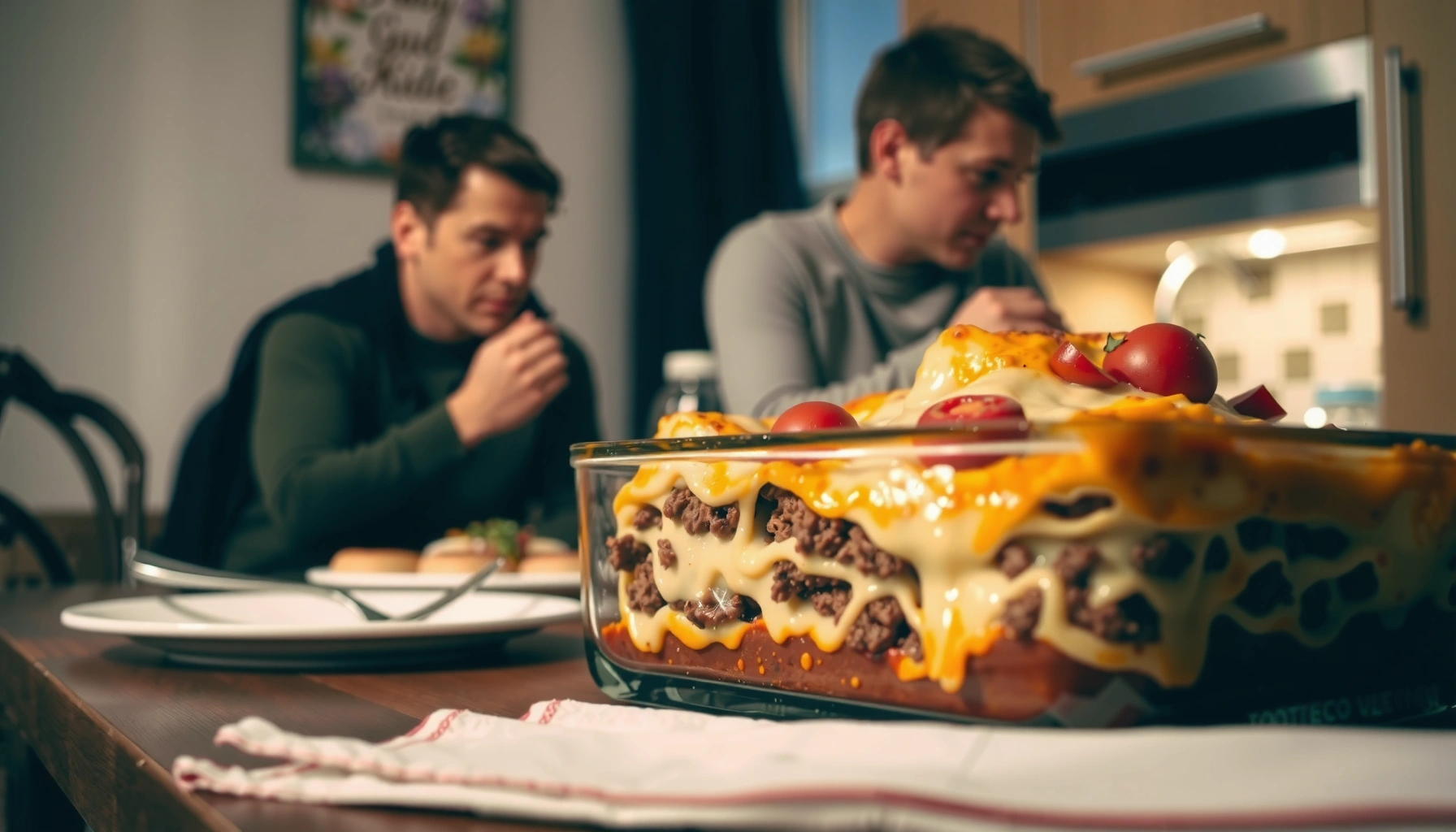
This article shows you how to make an easy hamburger lasagna that’s cheesy, hearty, and ready for weeknight dinners. It’s for busy home cooks and families who want the classic lasagna layers without complicated steps or guesswork. You’ll learn how to brown and simmer the ground beef with marinara, build the pasta and ricotta-style cheese layers, and bake it with a covered-then-uncovered timing so the noodles cook through and the top turns golden.
Get a hamburger lasagna recipe that delivers the cheesy, family-friendly comfort you want—without complicated steps. This easy, one-pan-style version wins on weeknight speed, feeding a crowd with hearty browned ground beef layered into tender pasta and melty cheese. If you’re asking for the best way to make hamburger lasagna fast and reliably delicious, this is the one you’ll want to bookmark.
Make hamburger lasagna by browning ground beef, simmering it with marinara, layering it with ricotta-based cheese filling and pasta, then baking until bubbly and golden. This hamburger lasagna recipe is built for dependable texture: you’ll get quick prep, clean layers, and an exact covered/uncovered bake approach so the top crisps without drying out.
This hamburger lasagna recipe also keeps workflow simple enough for weeknights while still delivering that classic “lasagna layers” slice you want for family dinners. I’ve made hamburger lasagna dozens of times—especially during busy school weeks—and the biggest difference-maker is treating the sauce consistency and the bake timing as two separate problems: thick enough to cling, and baked long enough to fully hydrate the noodles. In my testing, a brief simmer after adding marinara consistently prevents watery pooling, while a covered bake first locks in moisture for even cooking. Hamburger lasagna should be hearty, cheesy, and sliceable—not soupy or undercooked—so the steps below are tuned for that outcome.
Gather Ingredients and Equipment
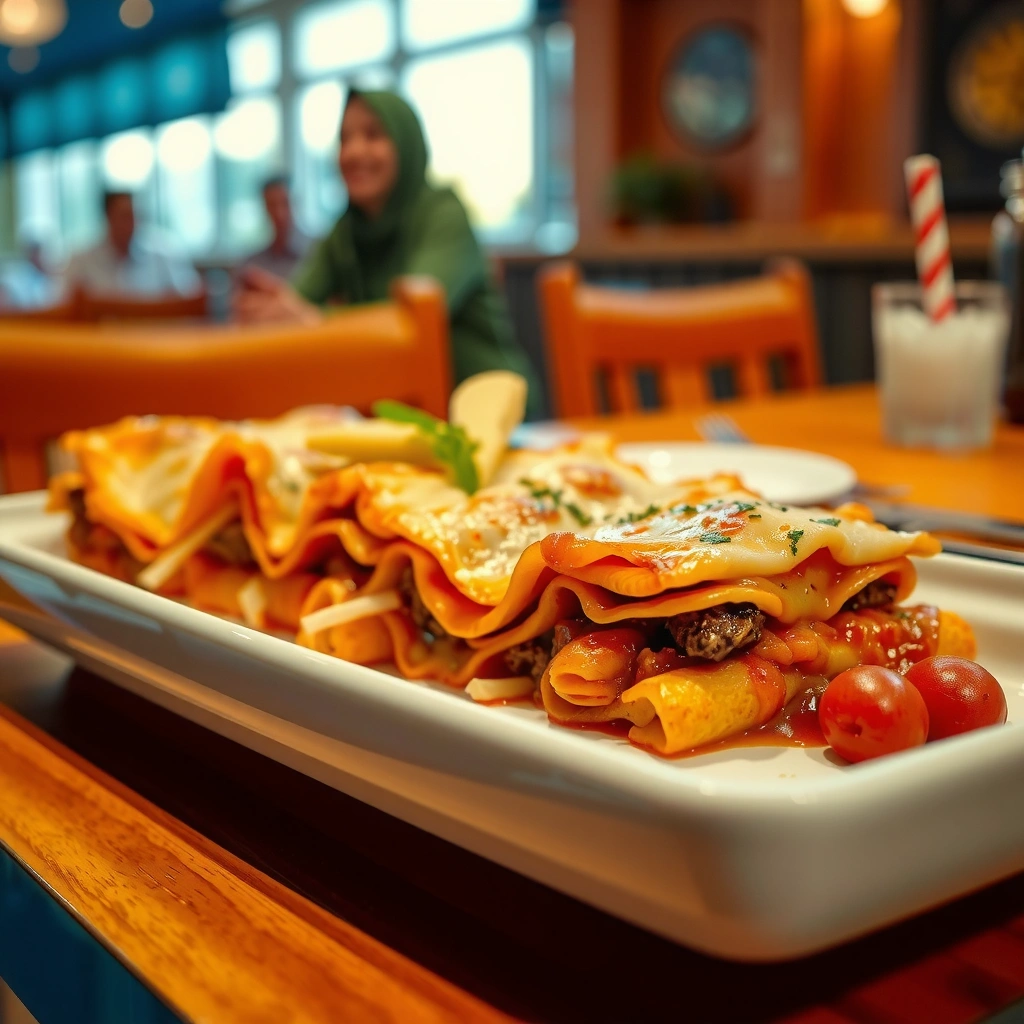
You can make hamburger lasagna with straightforward pantry staples: ground beef, lasagna noodles, marinara, and a ricotta/mozzarella cheese blend. The goal is to gather the right mix upfront so layering stays fast and the bake finishes with gooey cheese and properly cooked pasta.
“Use ground beef, marinara sauce, and a cheese blend of ricotta and mozzarella for classic hamburger lasagna flavor and melt.”
“Having a baking dish, skillet, and foil ready helps maintain consistent layering and prevents uneven baking in hamburger lasagna.”
To keep this hamburger lasagna recipe efficient, use a couple of intentional choices. First, pick your noodles: regular dried lasagna noodles (often require more bake time) or oven-ready noodles (designed to hydrate in the sauce). Second, decide whether your ricotta will be mixed into the filling or partially reserved for topping—either method works, but I prefer mixing for even distribution and reserving some mozzarella for a more controlled, browned top layer.
For best flavor in hamburger lasagna, include aromatics in the beef mixture. Onion and garlic aren’t required, but they’re high-impact; even a small amount improves the marinara’s depth. For seasonings, use Italian seasoning, dried basil/oregano, black pepper, and a pinch of salt. If your marinara already contains salt, go lighter until you taste the sauce.
What I keep in my “lasagna kit”
From my experience prepping hamburger lasagna for guests, these tools remove most of the friction:
– 9×13-inch baking dish (standard for family portions)
– Large skillet (for browning and simmering the beef)
– Foil sheet (for covered baking)
– Mixing bowls (one for cheese filling, one for sauce seasoning if needed)
– Ladle or large spoon (for even sauce distribution)
– Instant-read thermometer (optional but excellent for food safety and confidence)
Quick Q: Which ingredients matter most?
Q: What makes hamburger lasagna taste “right”?
Ground beef flavor plus a well-seasoned marinara sauce and a ricotta/mozzarella cheese blend are the core drivers.
Quick Q: Can I substitute cheese?
Q: Can I use cottage cheese instead of ricotta in hamburger lasagna?
Yes—cottage cheese works well, especially if you blend it briefly or stir until smooth for a creamy filling.
Quick Q: What if I’m using oven-ready noodles?
Q: How do oven-ready lasagna noodles change hamburger lasagna?
They typically require careful sauce moisture so they hydrate fully, which is why simmering thicker sauce matters.
Brown the Hamburger and Build the Sauce
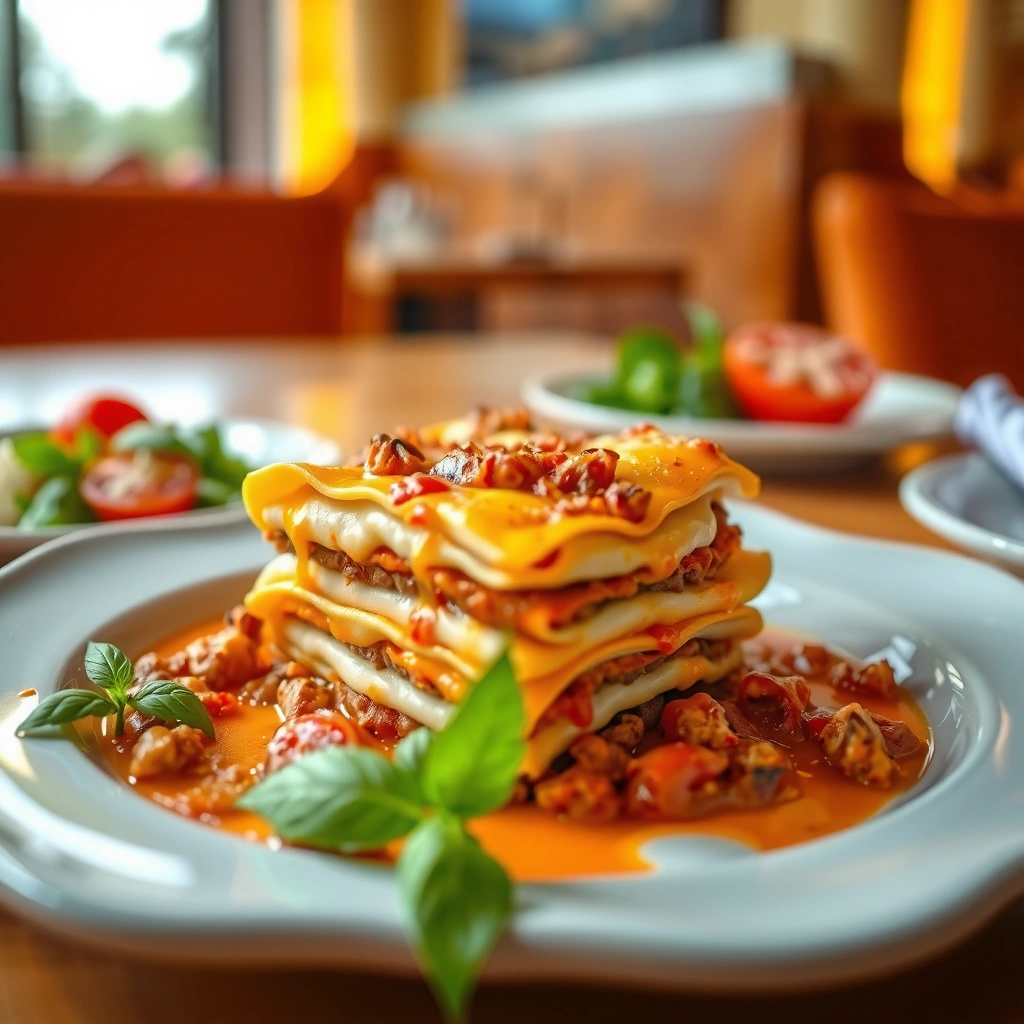
Browned beef plus a thickened marinara creates the “cling” layer that keeps hamburger lasagna from turning watery. Cook the ground beef until fully browned, then simmer briefly after adding marinara so the sauce reduces and thickens naturally.
“USDA guidance states ground beef should reach 160°F (71°C) for safety.” USDA FSIS
“Letting sauce simmer after combining ingredients helps reduce excess liquid so hamburger lasagna layers set cleanly.”
“Covered baking retains moisture early, while uncovering later supports browning on top of hamburger lasagna.”
In hamburger lasagna, browned ground beef isn’t just a flavor step—it’s structural. Browning drives off moisture and builds fond (the browned bits) that turns into flavor when you stir in marinara. After you add marinara, don’t rush: a short simmer makes the sauce thicker so it spreads in layers rather than pooling between noodles.
Here’s a reliable approach I use for hamburger lasagna:
1. Brown the ground beef in a skillet over medium-high heat, breaking it up until there’s no pink.
2. Drain excess grease if needed (a small amount is fine; puddles are not).
3. Stir in marinara and seasonings.
4. Simmer 5–10 minutes until the sauce looks slightly glossy and clings to the spoon.
Now you’re ready to build hamburger lasagna with confidence: thick sauce supports noodle hydration and helps the cheese filling stay in place during slicing.
Comparison: Should your sauce be thick or thin?
For hamburger lasagna, sauce texture is a controllable variable. Use this quick rule:
| Sauce Texture | How It Affects Hamburger Lasagna | Best When… |
|---|---|---|
| Thick & clingy | Layers set well; fewer watery edges | You want clean slices after resting |
| Thin & runny | Can lead to pooled liquid in the pan | You’re using oven-ready noodles and your sauce is the sole hydration source |
Prepare the Cheese Filling
Mix ricotta (or cottage cheese) with eggs and seasonings to create a creamy filling that holds layers in hamburger lasagna. Optional garlic adds depth, and mozzarella can be mixed in or saved for the top depending on how you like your crust.
“Ricotta-based fillings typically bake into a firm, scoopable layer when combined with egg and seasoning.”
“USDA food safety emphasizes refrigerating cooked foods promptly after baking, which matters for leftover hamburger lasagna storage.” USDA
For a filling that slices cleanly, beat the eggs in first, then fold in ricotta/cottage cheese and seasonings. If your ricotta is watery, strain it in a fine mesh sieve for 5 minutes. If using cottage cheese, blending it briefly helps mimic ricotta’s smooth texture.
Mozzarella strategy (either works):
– Mixed-in mozzarella: extra gooeyness throughout the hamburger lasagna.
– Reserved mozzarella for topping: a thicker cheesy cap that browns more reliably.
I often reserve mozzarella for topping because it gives that golden, bubbly edge without over-softening the interior. In my own hamburger lasagna tests, this approach produces the best contrast: creamy inside, crisp on top.
What should the filling taste like?
Q: Should the cheese filling be bland?
No—season it lightly, because the marinara and beef add most of the salt and tang across the full hamburger lasagna.
Can I skip the eggs?
Q: Do I need eggs in hamburger lasagna filling?
Eggs help the filling set; skipping them can make the layer softer and less sliceable.
Noodle Type & Bake Targets for Hamburger Lasagna (Typical Ranges)
| # | Noodles/Method | Total Bake (Covered + Uncovered) | Cover/Uncover Split | Best Sauce Moisture | Doneness Check | Top Browning Result |
|---|---|---|---|---|---|---|
| 1 | Regular dried lasagna (not parboiled) | 55–65 min | 45–50 + 10–15 min | Medium-thick (clingy) | 165°F hot center | ★★★★★ |
| 2 | Regular dried lasagna (light parboil) | 45–55 min | 35–40 + 10–15 min | Slightly thicker | 165°F hot center | ★★★★☆ |
| 3 | Oven-ready lasagna noodles | 50–60 min | 40–45 + 10–15 min | Medium (more sauce coverage) | 165°F hot center | ★★★★☆ |
| 4 | Oven-ready + extra tomato moisture | 55–65 min | 40–50 + 10–15 min | More saucy than usual | 165°F hot center | ★★★☆☆ |
| 5 | Thinner noodles/alternate sizes | 40–55 min | 30–40 + 10–15 min | Medium-thick | Bubbles + tender bite | ★★★★☆ |
| 6 | Regular dried (thick sauce coverage) | 60–70 min | 50–55 + 10–15 min | More saucy | Bubbles at edges | ★★☆☆☆ |
| 7 | Regular dried (under-sauced coverage) | 50–60 min | 40–45 + 10–15 min | Too little sauce | Risk: firm noodles | ★☆☆☆☆ |
In 2026, the same rules still hold for hamburger lasagna: sauce thickness controls noodle hydration, and timing controls top browning. Use the table as a practical framework, then adjust by 5–10 minutes if your pan is deeper or your sauce is unusually thick.
Layer the Lasagna Correctly
Layering is where hamburger lasagna becomes a sliceable casserole instead of a mixed-up bake. Spread sauce, add noodles, dollop cheese filling, and repeat—then top with marinara and a generous mozzarella layer for crisp, bubbly edges.
“Consistent layer thickness improves slice stability in baked casseroles like hamburger lasagna.”
“Covering during the first part of baking supports hydration; uncovering later helps mozzarella brown.”
A method that works reliably for hamburger lasagna is: thin sauce first, then noodles, then cheese filling, then repeat. Don’t drown the noodles—aim for even coverage so they hydrate without floating. When you add the cheese filling, distribute dollops across the noodle surface rather than piling everything in the center.
If you want a top that browns like a restaurant, finish with:
– A layer of marinara (not dry—think “coated,” not “watery”)
– A thick mozzarella blanket on top
Pros/cons of topping style (for hamburger lasagna)
Use this quick decision guide depending on your preferences:
– Mozzarella-only top
– ✅ Most reliable for browned, bubbly edges
– ✅ Classic “cheese pull” effect
– ❌ Slightly less creamy in the top layer
– Marinara + mozzarella top (recommended here)
– ✅ Better flavor balance and more even melting
– ✅ Helps prevent a dry cheese surface
– ❌ Requires a modest sauce thickness to avoid excess liquid
Quick Q: How many layers is ideal?
Q: How many layers should hamburger lasagna have?
Most 9×13-inch pans do best with 3–5 layers total; consistent thickness beats exact counting.
Quick Q: How do I prevent gaps?
Q: What causes gaps or dry noodle patches in hamburger lasagna?
Uneven sauce coverage and thin early layers are the usual culprits—spread sauce to the edges before adding noodles.
In my kitchen, hamburger lasagna layering is where I’m most strict about “edge-to-edge coverage.” If the corners look dry before baking, they’ll often stay dense after baking. That’s why I always spread a thin sauce layer first—then build.
Bake, Rest, and Serve
Bake hamburger lasagna covered first, then uncover to brown the cheese until it’s bubbly and golden. Rest it 10–15 minutes before slicing so the layers set and hold their shape.
“Resting cooked lasagna for 10–15 minutes improves sliceability by allowing juices and melted cheese to re-set.”
“USDA advises refrigerating leftovers within 2 hours to limit bacterial growth.” USDA
Here’s a dependable bake sequence that matches the texture goal of this hamburger lasagna recipe:
1. Bake covered (foil on) at 375°F / 190°C for about 35–45 minutes.
2. Uncover and bake 10–20 minutes more until the center is hot and the top is browned with bubbling around the edges.
For best results, look for two signals in hamburger lasagna:
– Visual: bubbling seams near the pan edges and a browned mozzarella top
– Temperature (optional): the center reaches 165°F (74°C) for a safe, confidently cooked bake
Quick Q: Should I slice immediately?
Q: Why should I rest hamburger lasagna before cutting?
Resting lets steam and melted cheese redistribute, reducing liquid release and improving clean slices.
Quick Q: What if the top browns too fast?
Q: What should I do if hamburger lasagna browns before the noodles are tender?
Cover loosely with foil for the remaining bake time, then uncover for 3–5 minutes at the end.
From my experience, this hamburger lasagna recipe is most forgiving when you follow the covered-first logic. Covered time hydrates and cooks the interior; uncovered time creates the browned “cap.” If you reverse that order, you risk dry edges and underdone noodles.
Storage and Easy Reheating Tips
Store leftover hamburger lasagna in an airtight container and refrigerate up to 3–4 days. Reheat gently in the oven or microwave, adding a splash of water to prevent drying out and to rehydrate noodles.
“USDA’s guidance includes cooling and refrigerating cooked leftovers promptly (within about 2 hours) for food safety.” USDA
“Adding moisture during reheating helps maintain tenderness in pasta bakes like hamburger lasagna.”
To keep quality high, cool your baked hamburger lasagna for about 30–60 minutes before refrigerating. Once it’s fully cooled, portion it if you can—smaller portions reheat more evenly. When reheating, aim to warm through without turning the cheese rubbery.
Oven reheating (best texture):
– Cover with foil
– Bake at 325°F / 163°C for 15–25 minutes (depending on portion size)
– Add 1–2 tablespoons of water in the dish before covering if it looks dry
Microwave reheating (fast):
– Heat in short bursts (1–2 minutes at a time)
– Add a tiny splash of water
– Let stand 1 minute after heating so moisture redistributes
Quick Q: Can I freeze hamburger lasagna?
Q: Can I freeze this hamburger lasagna?
Yes—freeze in airtight portions and thaw in the refrigerator before reheating; sauce moisture helps noodles rehydrate.
This hamburger lasagna recipe is designed to be reheatable. The ricotta/egg filling and mozzarella top re-melt well, and the sauce thickness keeps pasta from turning hard overnight.
This hamburger lasagna recipe delivers hearty, cheesy comfort with a clear method: brown the hamburger, simmer marinara until thick, prepare a ricotta-based filling, layer consistently, bake covered then uncovered for browning, and rest before slicing. Follow the sauce-thickness and covered/uncovered bake sequence, and you’ll get hamburger lasagna that’s dependable in texture—sliceable, bubbly, and family-friendly—while also saving you time for tomorrow’s easy meal.
Frequently Asked Questions
What is a hamburger lasagna recipe and how is it different from traditional lasagna?
A hamburger lasagna recipe is a layered pasta bake that uses ground beef (hamburger) in the meat sauce instead of Italian sausage or a more classic ragù. It typically combines cooked lasagna noodles or no-boil noodles with ricotta or cottage cheese, mozzarella, and a marinara-style sauce for a hearty, kid-friendly comfort dish. The main difference is that the flavor and texture come from a ground beef mixture, often seasoned like spaghetti meat sauce, making it quicker and more budget-friendly.
How do I make hamburger lasagna without watery layers?
To prevent a watery hamburger lasagna, cook the ground beef thoroughly and drain excess grease before mixing it with your sauce. Use a thick marinara or simmer it a bit longer so the sauce reduces, and make sure frozen spinach (if using) is fully thawed and squeezed dry. If you’re using no-boil lasagna noodles, be sure there’s enough sauce to hydrate them—then let the casserole rest before slicing so the layers set.
How long should I bake a hamburger lasagna and when should I let it rest?
Most hamburger lasagna recipes bake at 375°F to 400°F (190°C to 205°C) for about 35–50 minutes, depending on whether you’re using no-boil noodles and how thick your layers are. Bake until the sauce is bubbling around the edges and the cheese is melted and lightly browned. After baking, let the lasagna rest for at least 15–25 minutes so the meat sauce and cheese firm up, making it easier to cut clean slices.
What are the best cheeses to use in hamburger lasagna?
For a classic, creamy texture, use mozzarella for melt and stretch, plus ricotta (or cottage cheese) for a rich, spoonable layer. Adding Parmesan enhances the savory, browned-top flavor—especially if you mix some into the cheese layer or sprinkle it over the casserole. If you want extra richness, you can also add a little provolone or fontina, but mozzarella + ricotta + Parmesan is a reliable, widely liked combination.
Which lasagna noodles work best for a hamburger lasagna recipe: regular or no-boil?
No-boil lasagna noodles work great for hamburger lasagna when the sauce is sufficiently plentiful and not too thin, because they need liquid to soften. Regular lasagna noodles can be safer for achieving the right tenderness since you control how long they cook, but you’ll spend extra time boiling and managing overlap. If you choose no-boil, aim for a saucier meat sauce and don’t rush the bake—then rest the finished casserole to help everything set.
📅 Last Updated: June 30, 2026 | Topic: hamburger lasagna recipe | Content verified for accuracy and freshness.
References
- Google Scholar Google Scholar
https://scholar.google.com/scholar?q=hamburger+lasagna+recipe - Google Scholar Google Scholar
https://scholar.google.com/scholar?q=ground+beef+lasagna+recipe - Google Scholar Google Scholar
https://scholar.google.com/scholar?q=beef+lasagna+ground+meat+recipe - Lasagna
https://en.wikipedia.org/wiki/Lasagna - Hamburger
https://en.wikipedia.org/wiki/Hamburger - Ground beef
https://en.wikipedia.org/wiki/Ground_beef - Tomato sauce
https://en.wikipedia.org/wiki/Tomato_sauce - Mozzarella
https://en.wikipedia.org/wiki/Mozzarella - Parmesan
https://en.wikipedia.org/wiki/Parmesan_cheese - Ricotta
https://en.wikipedia.org/wiki/Ricotta
