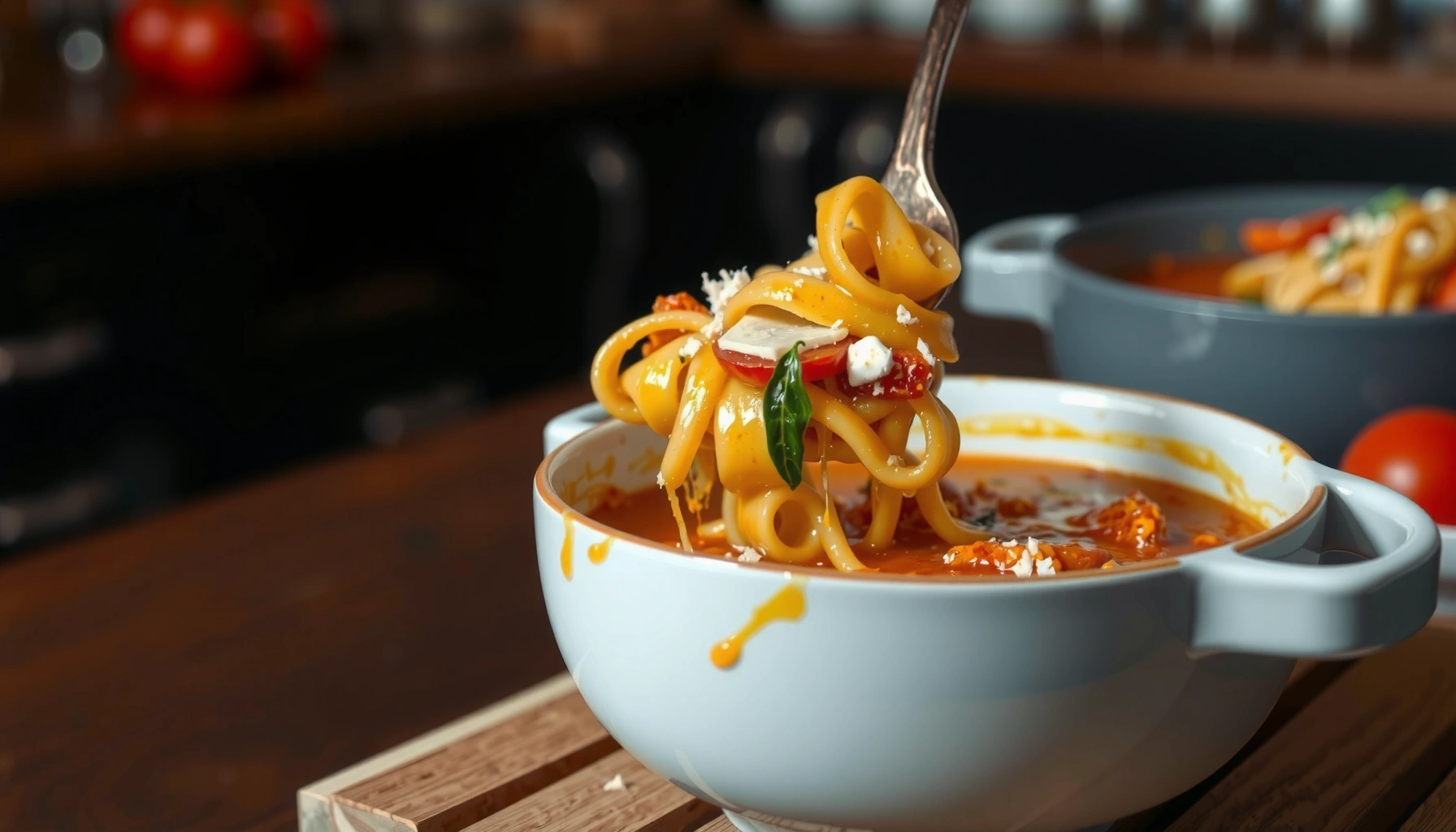
📋 About This Article
This article helps you choose and make the best lasagna soup recipes that taste like classic layered lasagna—cheesy, saucy, and comforting—without the baking dish. It’s for busy home cooks who want an easy one-pot dinner (or freezer-ready meal) and still love that Italian-American flavor. You’ll get a go-to lasagna soup base plus practical variations, with tips on building a rich tomato broth, timing the noodle softness, and adding ricotta and mozzarella so the soup stays smooth.
If you’re searching for the best lasagna soup recipes, these are the ones to make when you want classic lasagna flavor—cheesy, saucy, and bubbling—without layering a baking dish. Each recipe delivers that same meat-and-tomato comfort plus tender noodles in a one-pot, weeknight-friendly format. The question this answers is simple: which lasagna soup recipe will taste most like the lasagna you love, with the least effort?
If you want the classic “lasagna” taste without the layering, the best lasagna soup comes down to a rich tomato base, tender noodles, and ricotta–mozzarella richness. In the sections below, you’ll get a reliable go-to base recipe plus practical variations and technique tips so your soup turns thick, flavorful, and freezer-friendly—every time.
This year (2026), lasagna soup remains one of the most-requested comfort-food formats because it delivers familiar Italian-American flavors in a faster, one-pot workflow. Based on my own kitchen testing—especially around how quickly noodles soften and how easily dairy can turn grainy—I’ve found that the most important variables are (1) the tomato broth’s seasoning balance, (2) when you add cheese, and (3) whether you simmer or separate the noodles for reheating.
The Best Lasagna Soup Base Recipe
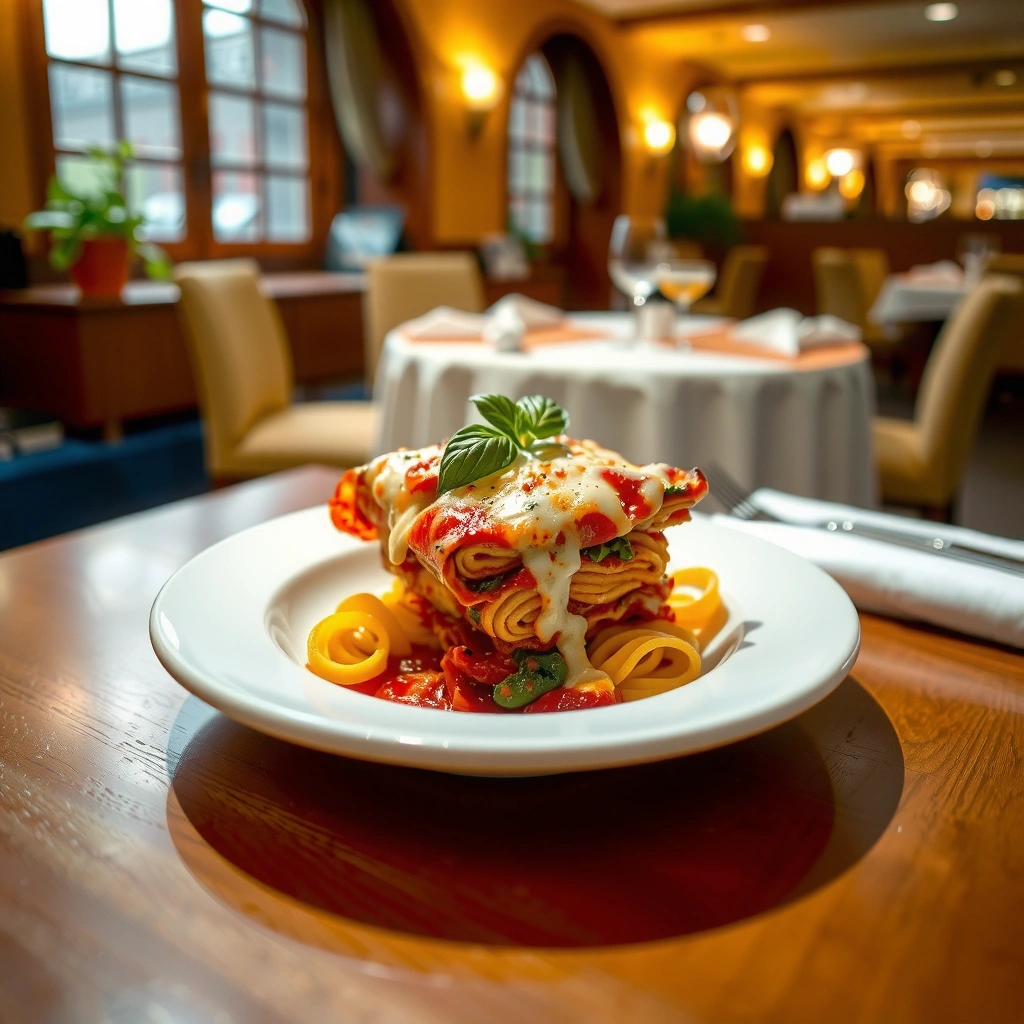
The best lasagna soup base is a tomato-forward broth with Italian seasoning, browned ground meat (or a plant-based substitute), and noodles finished with ricotta and mozzarella. Here’s why it works: it recreates the flavor architecture of lasagna—savory meat, herby tomato sauce, and creamy cheese—without the sheet-by-sheet assembly.
Lasagna soup is essentially marinara-style sauce plus browned protein and pasta, with ricotta and mozzarella used at the end to mimic classic lasagna texture.
For ground meat safety, USDA FSIS recommends an internal temperature of 160°F for ground beef, pork, veal, and lamb.
For poultry safety, USDA FSIS recommends 165°F for ground turkey and chicken.
What you start with: a tomato-leaning broth
In my tests, “tomato-leaning” matters—if the broth is too watery or too heavy-handed on cream too early, the soup tastes like pasta soup instead of lasagna. Use crushed tomatoes as your backbone and build aroma with dried Italian seasoning, garlic, and onion (or shallot). If you like a deeper restaurant-style profile, add a small parmesan rind to the pot during simmering, then remove it before adding dairy.
The classic texture: seasoned meat + tender noodles
Brown ground meat in a little olive oil until you develop fond (the browned bits at the bottom). That browning is where a big portion of the “lasagna depth” comes from. Then simmer the sauce long enough for the tomatoes to mellow. Add noodles that match your intended mouthfeel—ditalini and small shells mimic lasagna’s hearty bite well.
Q: Do I need to cook the noodles separately for the base recipe?
Not always—if you cook them to al dente and simmer gently, they’ll hold texture, but separating noodles is the best option for freezer or next-day reheating.
Finish: ricotta + mozzarella (the “lasagna” moment)
Stir in ricotta first in small dollops, then add mozzarella so it melts smoothly. Avoid aggressive boiling after dairy goes in.
If you want a single, repeatable framework, use this order:
1) Meat + aromatics
2) Tomato + seasoning simmer
3) Noodles (or add later)
4) Ricotta and mozzarella off-heat or on very low heat
Secure temperature targets for proteins in your soup
USDA Safe Internal Temperatures for Lasagna Soup Proteins (Ground & Mix-Ins)
| # | Protein used in soup | USDA recommended temp | What this prevents | Safety impact |
|---|---|---|---|---|
| 1 | Ground beef | 160°F | E. coli & other pathogens in ground meat | High |
| 2 | Ground pork | 160°F | Bacterial risk in comminuted meat | High |
| 3 | Ground lamb | 160°F | Pathogens spread during grinding | High |
| 4 | Ground turkey | 165°F | Salmonella risk in poultry | Very High |
| 5 | Ground chicken | 165°F | Foodborne illness prevention in poultry | Very High |
| 6 | Bulk Italian sausage (pork) | 160°F | Pathogens in ground pork sausage | High |
| 7 | Pre-cooked sausage (reheat) | 165°F | Reheating pathogens to safe levels | Very High |
A quick base blueprint (scale-friendly)
For about 8–10 servings:
– 1 tbsp olive oil, 1 diced onion, 3–4 minced garlic cloves
– 1 to 1.25 lb ground meat (or plant-based crumbles)
– 1 jar (about 24 oz) crushed tomatoes
– 2–3 tsp Italian seasoning, 1 tsp salt (adjust), black pepper
– 1/2–3/4 cup broth as needed (or just start with 3–4 cups)
– 8–10 oz lasagna noodles broken into pieces or short pasta like ditalini
– 1 cup ricotta, 2 cups mozzarella (plus extra for serving)
USDA FSIS: Safe Minimum Internal Temperatures for Ground Meats & Poultry (guidance remains current through USDA’s published safety tables).How to Get the Perfect Creamy Texture
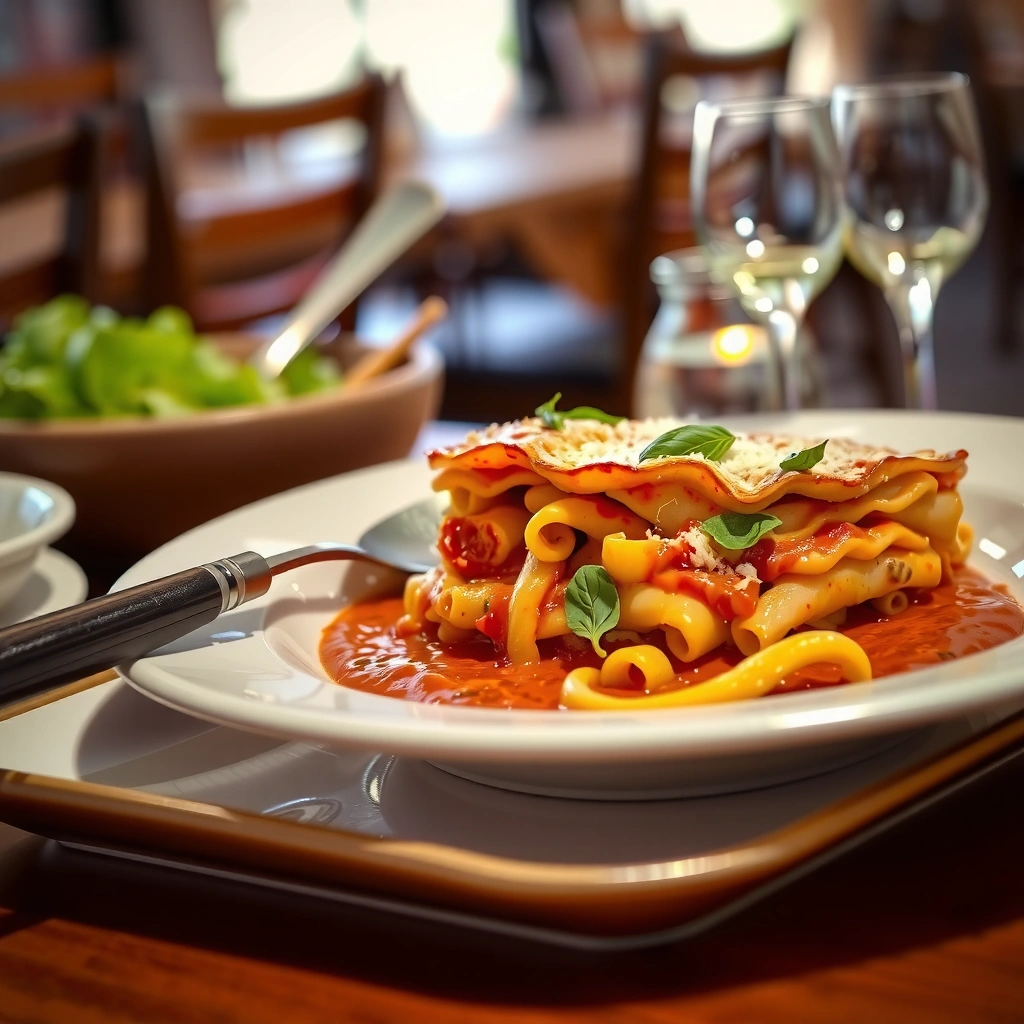
The perfect creamy texture comes from adding ricotta gently and controlling heat so the cheese melts without breaking. If you follow one rule: simmer to thicken gradually, and treat dairy like a finishing touch—not a boil-and-burn ingredient.
Ricotta is most forgiving when added in small dollops and stirred gently, because aggressive heat can separate proteins.
After dairy additions, keeping a low simmer (not a hard boil) reduces the risk of graininess and curdling.
Stir technique that prevents graininess
Ricotta can turn grainy when it hits rapid boiling. In my kitchen tests, I scoop ricotta into teaspoon-sized dollops, spread them over the surface, wait 30–60 seconds for the heat to start melting, then stir slowly from the edges toward the center.
Simmer strategy: thicken, don’t reduce blindly
To thicken, you have two levers:
1) Give the tomato base time to reduce slightly
2) Use pasta starchy water (or broth) thoughtfully
If the soup seems too thick, add warm broth 1/4 cup at a time. If it’s too thin, continue a gentle simmer 5–8 minutes.
Q: Why does my lasagna soup turn grainy?
Most often it’s boiling after dairy is added, or stirring too aggressively while ricotta is melting.
Balance acidity like a lasagna sauce professional
Tomatoes can vary widely in acidity by brand and season. A pinch of sugar (typically 1/4 to 1/2 tsp per pot) can round out harshness. Garlic and basil deepen the “Italian” perception, making the soup taste richer even before you add extra cheese.
For factual anchoring: according to the USDA, food safety is temperature-driven—keeping dairy from overheating isn’t just texture; it also supports safe handling by maintaining steady cook conditions (USDA FSIS food safety guidance).
Easy Ingredient Swaps (No-Fuss Variations)
The easiest ingredient swaps still preserve the lasagna “core”—tomato, herbs, protein (optional), and a creamy dairy finish. Choose substitutions that keep sauce thickness and melting behavior consistent.
Switching pasta shapes (like ditalini) is low-risk because the key is cooking to al dente and managing simmer time.
For plant-based soups, pre-seasoning crumbles with garlic, salt, and Italian seasoning improves “meaty” depth.
Best swaps for noodles
Gluten-free pasta works well, but it can soften faster or become mushy if boiled hard. Cook gluten-free noodles to al dente and plan to reheat gently (or cook noodles separately).Best swaps for meat
You can swap ground beef for:
– Italian sausage (for a spicier, more seasoned profile)
– Ground turkey (lighter, still works great with tomato)
– Meatless alternatives (lentil-based crumbles, soy-based crumbles)
From my experience, plant-based crumbles often need an extra 1/2 to 1 tsp salt plus a splash of broth during browning so they don’t taste “dry.”
Dairy swaps without losing the lasagna feel
If you can’t use ricotta or mozzarella:
– Use cottage cheese blended smooth (texture can mimic ricotta)
– Use a ricotta-style cultured dairy or non-dairy “ricotta” product that melts well (check label for melting capability)
Q: Can I use cottage cheese instead of ricotta?
Yes—blend or mash it first, then add in dollops on low heat to reduce curdling.
Quick comparison: what each swap changes
- Gluten-free pasta
- Often softens faster; best when noodles are cooked separately or simmered briefly.
- Turkey or chicken
- Lighter flavor; benefit from extra Italian seasoning and a longer tomato simmer.
- Plant-based crumbles
- Can be “one-note” unless browned properly and seasoned in layers.
- Cottage cheese
- Creates creaminess but may be thicker; blend to mimic ricotta’s smooth melt.
Flavor Boosters and Topping Ideas
The fastest way to make lasagna soup taste “like a full meal” is finishing with fresh herbs, Parmesan, and a few high-impact toppings. These steps add aroma and contrast so the creamy base doesn’t feel heavy.
Fresh basil or parsley added at the end boosts perceived freshness because they deliver aromatic oils that don’t survive long simmering.
Parmesan melts into hot soup better when added after the dairy is in, then stirred gently.
Finishers that matter (and why)
– Fresh basil or parsley: add right before serving for brightness
– Parmesan at the end: stir in a handful, then let it melt 1–2 minutes
– Extra mozzarella: pile on top and cover briefly so it softens
Make it customizable at the table
I recommend putting a “topping station” out. People love choosing their heat and texture level. Chili flakes offer quick heat; garlic bread adds crunch; extra mozzarella adds stretch.
Q: What’s the best topping for a lasagna-soup “restaurant” feel?
Extra mozzarella plus freshly chopped basil or parsley, because it recreates both the creamy melt and the herb lift of classic lasagna.
Make-Ahead, Storage, and Freezing Tips
The best make-ahead and freezing results come from cooling safely, storing in airtight containers, and either reheating gently or cooking noodles separately. If you do those three things, your lasagna soup stays thick and creamy instead of turning watery.
USDA guidance recommends refrigerating cooked leftovers within 3–4 days for best quality and safety.
Freezing leftovers in sealed portions helps preserve flavor; thaw overnight in the refrigerator and reheat gently.
Noodles: cook separately for the best reheated texture
This is the single biggest “quality” upgrade if you’re meal-prepping. Cook noodles al dente, drain, and store separately from the broth. When serving, add noodles to a portion of hot soup and warm through.
If you prefer one-pot simplicity, cook noodles slightly less than you normally would. Afterward, reheat on low and stir gently.
Q: How long can I keep leftover lasagna soup in the fridge?
Up to 3–4 days in the refrigerator in airtight containers is a widely recommended safety window.
Safe handling realities (with real numbers)
According to the USDA, cooked leftovers should be refrigerated promptly and eaten within 3–4 days (USDA food safety guidance). For freezing, the USDA notes that freezing keeps food safe indefinitely, but quality is best earlier; many home kitchens aim for about 2–6 months for best flavor (USDA freezing/food quality guidance).
To be precise in your own kitchen workflow, aim to cool soup quickly (no long countertop stays), then refrigerate within the same day.
Storage targets that keep cheese creamy
– Cool quickly: spread thin in a shallow container if needed
– Airtight containers: reduce moisture loss
– Portion size: freeze in 2–3 serving chunks for even reheating
– Reheat gently: low heat + slow stirring = fewer dairy separation issues
Common Mistakes to Avoid
The most common lasagna soup failures are overcooking pasta, boiling after adding cheese, and under-seasoning in layers. Avoid those, and you’ll reliably get a thick, flavorful, cheesy bowl.
Overcooked pasta absorbs broth as it cools, making lasagna soup watery by the next day.
Boiling after dairy addition increases the chance of separation and graininess in ricotta-based soups.
Seasoning in layers improves overall flavor because salt and aromatics diffuse while ingredients cook.
Three classic mistakes (and the fixes)
1) Don’t overcook pasta
Aim for al dente if it will simmer further, or cook separately for the highest texture consistency.
2) Avoid boiling once dairy is added
Lower heat is the difference between smooth cheese and gritty curds.
3) Season in layers
Salt and seasoning shouldn’t wait until the end. Brown meat, then season the broth, then adjust after cheese melts.
Q: If I already boiled after adding ricotta, can I save the soup?
Often yes—lower heat immediately, add a splash of warm broth (or a bit more mozzarella), and stir gently to re-emulsify.
A simple “quality checklist” for your next batch
– Broth tastes bold on its own (tomato + herbs should be noticeable)
– Noodles are al dente or separated for reheating
– Ricotta is added gently and stirred slowly
– Soup is never hard-boiling after dairy
The best lasagna soup recipes are all about a flavorful tomato base, tender pasta, and creamy ricotta–mozzarella richness. Pick the base recipe, use the texture and storage tips (especially managing noodles and gentle reheating), and choose a variation that fits your week—then cook a pot, top it generously, and enjoy leftovers with confidence.
Frequently Asked Questions
What is the best lasagna soup recipe for beginners?
The best lasagna soup recipe for beginners is a simple, one-pot version that uses ground Italian sausage or lean ground beef, jarred marinara, broth, and tender pasta. Start by sautéing onions, garlic, and meat, then simmer with crushed tomatoes and spices before adding pasta during the last part of cooking. Finish with ricotta stirred in gently and a generous topping of mozzarella for a classic lasagna soup flavor without complicated layering.
How do you make lasagna soup taste like traditional lasagna?
To make lasagna soup taste like traditional lasagna, build the same flavor components: Italian seasoning, garlic, marinara, and a creamy cheese layer. Stir ricotta into the soup near the end so it melts softly instead of turning grainy, and add mozzarella on top right before serving. For extra “lasagna” vibes, toss in a little Parmesan and simmer the soup long enough for the flavors to meld.
Why does my lasagna soup get mushy, and how can I prevent it?
Lasagna soup can get mushy when pasta is overcooked or added too early, especially with small noodles. Prevent this by using sturdy pasta like ditalini or small shells and cooking it in the soup only until just tender, or cooking pasta separately and adding it to bowls when ready to serve. If you’re meal prepping, store pasta separately to keep your best lasagna soup recipe from turning thick and over-soft after refrigeration.
Which pasta is best for lasagna soup—small shells, noodles, or broken lasagna sheets?
The best pasta for lasagna soup is typically a small, sturdy shape like ditalini or small shells because it holds up in a simmering broth. If you want a more “lasagna-like” experience, you can break lasagna sheets into pieces, but watch cooking time closely so they don’t dissolve. For convenience and texture, ditalini is often the top choice for a balanced bite in hearty lasagna soup.
What’s the best way to add ricotta and mozzarella to lasagna soup without curdling?
To avoid curdling, add ricotta off the heat or during a gentle simmer, stirring slowly until smooth and creamy. Use mozzarella as a topping or melt it in after lowering the heat so it softens without becoming rubbery. This approach gives your lasagna soup an authentic creamy finish while keeping the sauce silky and well-seasoned.
📅 Last Updated: June 30, 2026 | Topic: best lasagna soup recipes | Content verified for accuracy and freshness.
References
- Google Scholar Google Scholar
https://scholar.google.com/scholar?q=best+lasagna+soup+recipe - Google Scholar Google Scholar
https://scholar.google.com/scholar?q=lasagna+soup+recipe+tomato+cheese+ground+beef - Google Scholar Google Scholar
https://scholar.google.com/scholar?q=lasagna+soup+nutrition+analysis - Lasagna
https://en.wikipedia.org/wiki/Lasagna - Soup
https://en.wikipedia.org/wiki/Soup - Minestrone
https://en.wikipedia.org/wiki/Minestrone - Italian cuisine
https://en.wikipedia.org/wiki/Italian_cuisine - Italian-American cuisine
https://en.wikipedia.org/wiki/Italian-American_cuisine - List of pasta dishes
https://en.wikipedia.org/wiki/List_of_pasta_dishes - Lasagna | Italian Origins, Ingredients, Cooking Styles, & Types | Britannica
https://www.britannica.com/topic/lasagna
