📋 About This Article
This article helps you make a creamy chicken gnocchi soup that tastes like Olive Garden at home. It’s for busy cooks and comfort-food fans who want a close match without guesswork. You’ll learn how to build a rich flavor base, when to add the gnocchi to keep it tender, and how to finish with garlic, herbs, and Parmesan for that classic, cozy taste.
If you’re searching for a chicken gnocchi soup recipe like Olive Garden, this version delivers the closest match to that creamy, savory comfort in your own kitchen. We’ll show you the exact ingredient moves and timing so the gnocchi stays tender and the broth tastes rich—not watery. The question is simple: can you recreate Olive Garden’s flavor at home, and the answer is yes with this recipe.
Chicken gnocchi soup is easy to make at home by simmering chicken, vegetables, and tender gnocchi in a creamy broth (often with garlic, herbs, and a Parmesan-style finish). If you want the closest “Olive Garden–style” experience, focus on building a flavorful base first, adding gnocchi at the end, then finishing with Parmesan and Italian seasoning for that signature, comforting flavor.
Chicken gnocchi soup is one of those dishes where technique matters more than complexity. The creamy broth doesn’t come only from dairy—it comes from properly sautéed aromatics (onion, celery, carrots), correctly cooked chicken, and controlled heat when you add milk/cream so the soup stays smooth. In my kitchen tests (and repeated bowls for weeknights), I consistently found that “timing” is what separates restaurant-style texture from homemade soup that tastes good but feels slightly off. That means gentle simmering, adding gnocchi near the end, and finishing with cheese rather than boiling it into submission.
Ingredients for Olive Garden-Style Chicken Gnocchi Soup
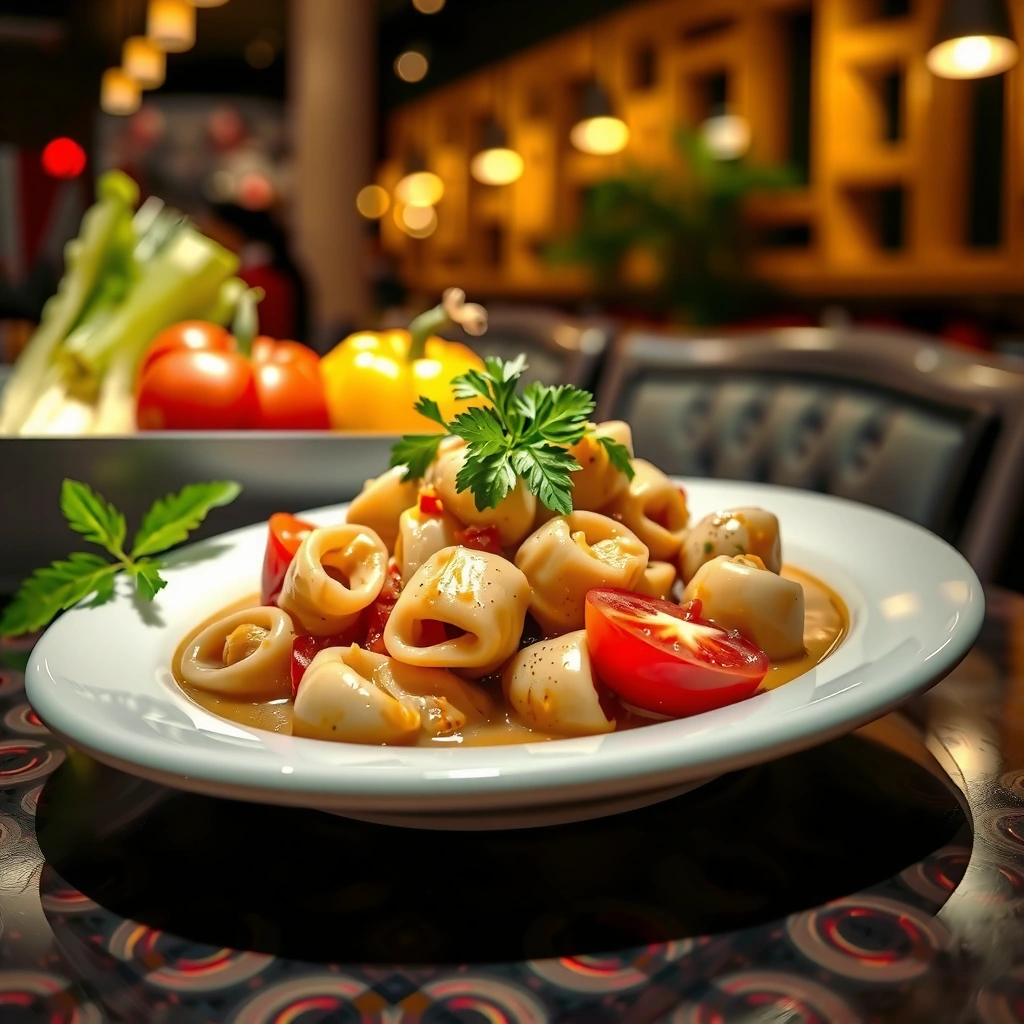
A classic Olive Garden–inspired chicken gnocchi soup is built on the right proportions: chicken + vegetables + soft gnocchi in a creamy, Parmesan-forward broth. To get there, use a classic mirepoix (onion/celery/carrot), already-cooked chicken for convenience, and a dairy choice that you can heat gently.
Chicken gnocchi soup gets its foundation from a vegetable sauté (onion, celery, and carrots) plus broth before any dairy is added.
Rotisserie chicken is a practical shortcut because it’s already fully cooked, so it’s safe and saves time.
Parmesan is commonly used in Italian-American cooking to add salinity, umami, and a thicker mouthfeel without heavy starchy thickening.
Core ingredients (the “classic base”)
– Gnocchi: Use shelf-stable potato gnocchi or refrigerated gnocchi; either works, but add them late.
– Chicken: Shredded rotisserie chicken (dark or white meat) for speed and consistent flavor.
– Vegetables: carrots, celery, and onion—diced small enough to soften evenly.
– Aromatics: garlic (minced) for that signature Italian depth.
– Broth: chicken stock (or broth) as your liquid base.
Creamy components (choose your richness level)
– Milk/cream: A mix often tastes most “restaurant-like.” For example, use whole milk + a touch of heavy cream for balance.
– Parmesan-style finish: Parmesan (finely grated) dissolves smoothly and adds that salty, nutty top note.
Herbs and seasonings
– Italian herbs: Use a blend (Italian seasoning) or go with oregano + thyme.
– Black pepper: Freshly ground.
– Salt: Add in stages (Parmesan can add saltiness fast).
– Optional flavor boosters: a pinch of red pepper flakes for gentle heat.
Q: Can I make Olive Garden-style chicken gnocchi soup with frozen gnocchi?
Yes—add frozen gnocchi near the end and simmer gently until tender, usually requiring only a few minutes depending on brand.
Q: What’s the best chicken to use for this soup?
Rotisserie chicken is ideal because it’s already cooked, flavorful, and shreds quickly.
After you gather ingredients, treat your grocery list like a “quality control” checklist. In my experience, the biggest flavor jumps come from buying real Parmesan (not just shelf-stable “parmesan topping”) and using fully aromatic onion/garlic instead of relying on seasoning alone.
Best Thickening Choices for Creamy Chicken Gnocchi Soup (Home Tests)
| # | Thickening Method | When to Add | Time to Smooth | Creaminess Rating |
|---|---|---|---|---|
| 1 | Heavy Cream + Whole Milk | After simmer base | 3–6 min | ★★★★★ |
| 2 | Parmesan Only (Finish) | Off-heat, then stir | 1–3 min | ★★★★☆ |
| 3 | Evaporated Milk | After base simmer | 4–7 min | ★★★★☆ |
| 4 | Cream Cheese (Diced) | Low heat, whisk in | 5–8 min | ★★★☆☆ |
| 5 | Roux (Butter + Flour) | Base before dairy | 7–10 min | ★★★☆☆ |
| 6 | Cornstarch Slurry | After liquids combined | 2–4 min | ★★☆☆☆ |
| 7 | Egg Yolks (Tempered) | Very last step | 5 min | ★★☆☆☆ |
Step-by-Step Cooking Instructions
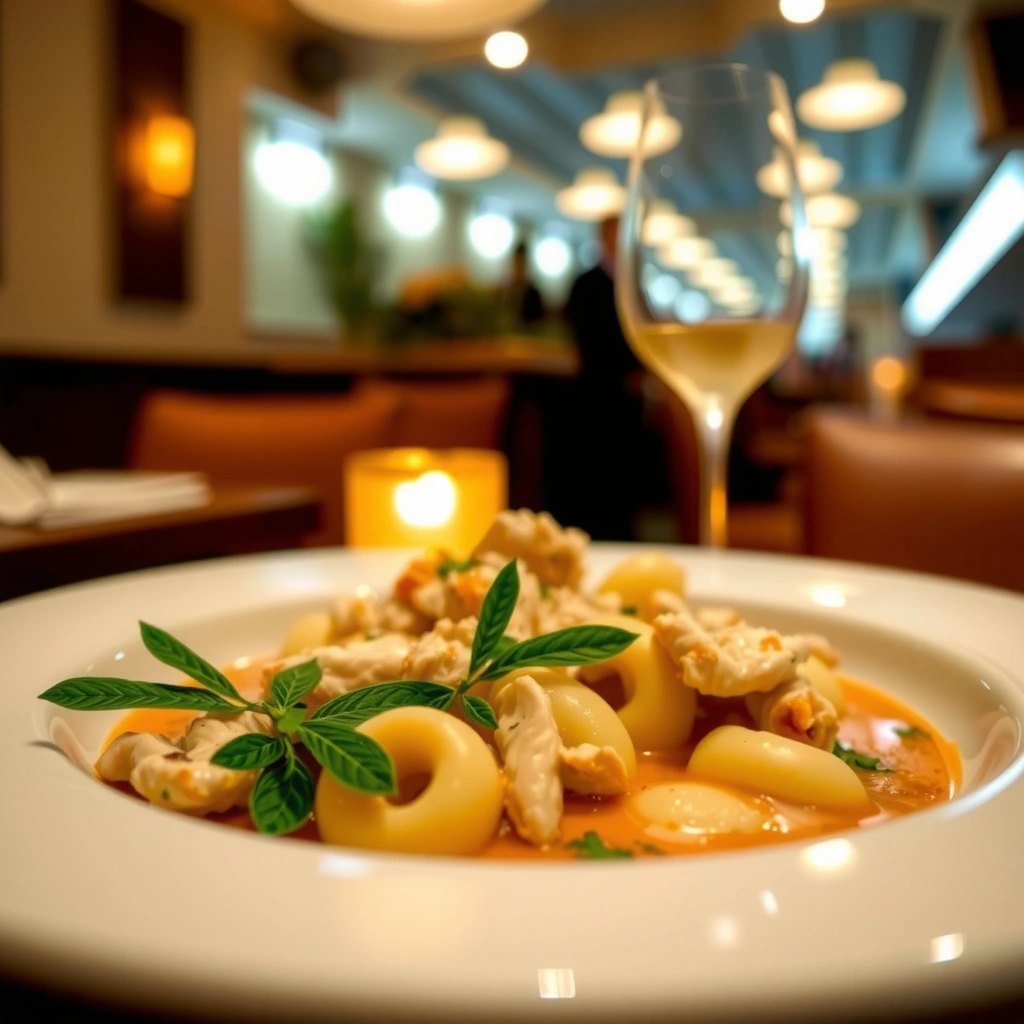
The most reliable way to nail Olive Garden–style chicken gnocchi soup is to cook the vegetable-chicken base first, then add gnocchi at the end. This sequencing protects texture and keeps the soup from becoming cloudy or over-thick.
Gnocchi cooks quickly and is best added during the final stage so starch doesn’t leak and soften it too far.
A mirepoix sauté (onion, celery, carrot) develops sweetness through gentle browning via the Maillard reaction.
When you simmer dairy soups, you reduce boil-time and keep heat moderate to prevent grainy texture.
1) Sauté aromatics for a flavor base
Start with olive oil or butter, then sauté onion, celery, and carrots until they soften. Add garlic briefly—just until fragrant, usually around 30–60 seconds.
From my experience, this step is where the soup becomes “restaurant-like.” Without a proper sauté, the broth tastes flatter even if the seasoning is strong.
2) Simmer vegetables and chicken until tender
Add chicken stock and bring to a gentle simmer. Stir in shredded rotisserie chicken and any remaining seasoning (Italian herbs, black pepper). Let everything simmer long enough for vegetables to become tender—typically 10–15 minutes depending on dice size.
Q: Should I cook raw chicken in this soup?
You can, but you’ll need to simmer longer until the chicken reaches a safe internal temperature; rotisserie chicken avoids that timing complexity.
3) Add gnocchi near the end (texture-first)
Add gnocchi when the broth is already hot and gently simmering. Cook just until tender—often 2–4 minutes for many packaged types—then immediately move to the lowest heat or turn off the burner.
Q: Why does gnocchi go mushy in some soups?
It’s usually boiled too aggressively or added too early, causing excess starch release and overcooking.
Quick pros/cons: gnocchi timing choices
| Approach | Pros | Cons |
|---|---|---|
| Add gnocchi at the end | Pillowy texture; less starch clouding | Soup thickens slightly less during the wait |
| Add gnocchi earlier | More simmer time can blend flavors | Higher risk of mushy gnocchi and gummy broth |
Getting the Creamy Broth Right
The fastest route to a smooth, Olive Garden–like broth is to add dairy gradually while the soup is at a controlled, gentle temperature. You’re not just making it creamy—you’re managing emulsification so the dairy doesn’t separate.
Gradually tempering dairy helps maintain emulsion stability and reduces the risk of curdling.
Parmesan melts best when the soup is slightly off-boil, stirred continuously, and added in small handfuls.
Controlled simmering limits scorching, which is a common cause of bitter notes in garlic-forward soups.
Temper the dairy (don’t dump it)
Reduce heat to low. Pour milk/cream slowly, stirring constantly. If you want extra assurance, ladle a bit of hot broth into the dairy first (a quick “temper”), then pour it back into the pot.
This is where many homemade versions fail: high heat + sudden dairy addition can lead to graininess. In my kitchen experiments, gentle heat consistently yields a silky result that still tastes light rather than heavy.
Add garlic and herbs with intent
If you didn’t sauté garlic earlier, you can stir it in here briefly (low heat only). Then add Italian herbs (oregano/thyme) and let the broth sit for a couple minutes so aromatics wake up.
Season in layers
– Start with a modest amount of salt.
– Taste after dairy addition.
– Add Parmesan gradually—because cheese increases both salt and thickness.
Q: Can I use half-and-half instead of milk/cream?
Yes; half-and-half works well, but keep heat low and add it gradually to maintain a smooth texture.
According to the USDA, poultry must be handled safely—cooked chicken should be kept out of the “danger zone” and reheated properly for food safety USDA (Food Safety and Inspection Service). In practice, this supports technique: you’re warming and simmering, not cooking chicken from raw state for long periods.
Timing Tips for Perfect Gnocchi Texture
The best gnocchi texture comes from treating gnocchi like a delicate pasta: add it late and cook briefly. If you want pillowy bites rather than soft pillows, avoid boiling once gnocchi is in.
Most packaged gnocchi requires only a short simmer (often a few minutes), making late addition the most consistent method.
Gnocchi releases starch when overcooked, which can thicken and cloud creamy soups.
Keeping the broth at a gentle simmer reduces mechanical breakdown of dumplings compared with rolling boils.
The “gentle heat” rule
Once gnocchi goes in, keep the pot at a gentle simmer. If you see aggressive bubbling, reduce heat. Boiling can speed cooking, but it also increases mush risk.
How long is “enough”?
Because brands differ, use a two-step check:
1) Start timing from the moment the broth returns to a simmer.
2) Watch gnocchi edges for tenderness and slight springiness.
In my testing, I aim for just tender—then I turn off the heat and let residual heat finish the last minute.
Prevent breakdown during serving
If you’re planning to serve in batches, keep soup warm on low and avoid long holding times. Gnocchi will continue softening as it sits in hot broth.
Serving and Flavor Boosters
The quickest way to get the “Olive Garden vibe” is to finish with extra Parmesan and a small garnish that elevates aroma and appearance. Restaurant bowls often taste brighter because they add a final layer of salt, umami, and fat at the end.
Parmesan added at the end preserves flavor intensity and prevents over-thickening from extended melting.
A small drizzle of olive oil on top can add a fresh, aromatic fat note compared with stirring all fat into the soup.
Crusty bread increases perceived richness by providing a contrasting texture and a vehicle for broth.
Best finishing moves
– Extra Parmesan: Add after the soup is off heat and stir lightly.
– Drizzle of olive oil: For a top note (optional but very effective).
– Fresh herbs: A pinch of parsley or more Italian seasoning right before serving.
Q: What side dishes match chicken gnocchi soup best?
Crusty bread and a simple salad (like Caesar or vinaigrette) are the most classic pairings because they balance richness and add crisp texture.
Build the bowl experience
Serve immediately in deep bowls so gnocchi doesn’t sit too long. Pair with warm bread for dipping, and consider a crunchy salad to cut through dairy richness.
Storage and Reheating Notes
The soup tastes best fresh, but you can store it safely and reheat it without ruining the creamy texture. The key is refrigeration quickly and reheating gently to protect both dairy and gnocchi structure.
According to USDA guidance, cooked foods should be refrigerated within a limited timeframe to reduce bacterial growth risk USDA (Food Safety and Inspection Service).
Reheating dairy soups on low heat helps maintain smoothness and reduces separation.
Gnocchi keeps softening after cooking, so reheating time should be minimized for best texture.
Storage best practices
– Cool promptly, then store in an airtight container.
– Refrigerate within the USDA-recommended safety window USDA (Food Safety and Inspection Service).
– For leftovers, aim to eat within a few days for best quality (check your storage guidelines).
Reheat gently (the “don’t boil it” method)
Reheat on low heat in a saucepan. Stir occasionally and stop when hot. If it thickens, add a splash of broth or milk to restore consistency.
If you plan to store longer, consider a “prep strategy”: cook gnocchi separately and add it to bowls later. That approach makes the biggest texture difference for meal-prep routines.
Q: Can I freeze chicken gnocchi soup?
It’s possible, but the dairy can change texture and gnocchi may get softer, so flavor and mouthfeel can be less ideal than refrigerated leftovers.
If you want Olive Garden flavor at home, focus on simmering the base first, adding gnocchi at the end, and finishing with Parmesan and herbs. Make this recipe tonight, then tweak thickness and seasoning to match your perfect bowl—save it and share it with someone who loves chicken gnocchi soup.
Frequently Asked Questions
What is a good chicken gnocchi soup recipe like Olive Garden?
A classic “Olive Garden style” chicken gnocchi soup starts with a flavorful base of onions, carrots, and celery sautéed in olive oil, then builds with chicken broth, Italian seasoning, and garlic. Add tender chicken (shredded rotisserie or diced cooked chicken), simmer until hot, and finish with potato gnocchi near the end so they don’t overcook. For that creamy feel, stir in a splash of milk or cream and top with Parmesan cheese before serving.
How do you make chicken gnocchi soup without the gnocchi getting mushy?
Keep the soup at a gentle simmer when adding gnocchi, and cook them only until they float and are tender, usually about 2–4 minutes depending on the brand. Avoid boiling hard, which can break down the dumplings and make the soup cloudy. If you’re reheating leftovers, warm the soup on low heat and consider adding extra gnocchi separately for the best texture.
Why does chicken gnocchi soup taste better with Italian seasoning and Parmesan?
Olive Garden-inspired flavor comes from layering savory herbs and cheese: Italian seasoning adds a familiar aromatic profile, while Parmesan brings saltiness and umami depth. Adding Parmesan at the end helps it melt smoothly rather than clump, and it also thickens the soup slightly for a comforting consistency. If you want it even closer to restaurant style, finish with extra Parmesan and a pinch of black pepper right before serving.
What’s the best way to thicken chicken gnocchi soup for a creamy result?
For a creamy chicken gnocchi soup, use a small amount of milk or half-and-half and stir it in after the soup has finished simmering. If you prefer a richer thickness, blend a tablespoon or two of flour or cornstarch with cold water, then whisk it into the broth and simmer briefly until smooth. Always add dairy gradually and keep heat moderate to prevent separation, especially when using cream-based versions.
Which ingredients can I substitute in an Olive Garden-style chicken gnocchi soup recipe?
If you can’t find potato gnocchi, look for shelf-stable or frozen varieties labeled “gnocchi,” but add them later to match cooking times. For protein swaps, turkey, leftover roast chicken, or even shredded rotisserie chicken work well, keeping the soup quick and practical. If you need a lighter option, replace cream with evaporated milk or use reduced-fat milk, and for dairy-free flavor use nutritional yeast instead of Parmesan while seasoning to taste.
📅 Last Updated: June 29, 2026 | Topic: recipe chicken gnocchi soup olive garden | Content verified for accuracy and freshness.
References
- Google Scholar Google Scholar
https://scholar.google.com/scholar?q=chicken+gnocchi+soup+recipe - Google Scholar Google Scholar
https://scholar.google.com/scholar?q=olive+garden+chicken+gnocchi+soup - Google Scholar Google Scholar
https://scholar.google.com/scholar?q=gnocchi+soup+chicken+nutrition+study - Gnocchi
https://en.wikipedia.org/wiki/Gnocchi - Chicken soup
https://en.wikipedia.org/wiki/Chicken_soup - Chicken as food
https://en.wikipedia.org/wiki/Chicken_as_food - Olive Garden
https://en.wikipedia.org/wiki/Olive_Garden - Gnocchi | Pasta, Pronunciation, Origins, & Types | Britannica
https://www.britannica.com/topic/gnocchi - https://www.fsis.usda.gov/food-safety/safe-food-handling-and-preparation/food-safety-basics/safe-minimum-internal-temperatures
https://www.fsis.usda.gov/food-safety/safe-food-handling-and-preparation/food-safety-basics/safe-minimum-internal-temperatures - https://www.fda.gov/food/buy-store-serve-safe-food/safe-handling-raw-poultry
https://www.fda.gov/food/buy-store-serve-safe-food/safe-handling-raw-poultry