📋 About This Article
This one-pan ground beef gnocchi recipe helps you make tender, comforting gnocchi in about 30 minutes by browning the beef and simmering a rich tomato-garlic sauce, then adding the gnocchi at the exact right time. It’s for busy weeknight cooks who want a hearty meal with minimal mess and no guesswork. You’ll learn how to brown the beef for deep flavor, simmer the sauce until it’s just right, and use the “late add” timing to keep the gnocchi from turning gummy.
Get a one-pan ground beef gnocchi recipe that delivers real comfort-food flavor without the fuss. This version shows you exactly how to brown the beef, simmer the sauce, and cook the gnocchi to tender—ready for dinner in about 30 minutes. If you want the easiest way to turn pantry basics into a hearty meal, this is the clear winner.
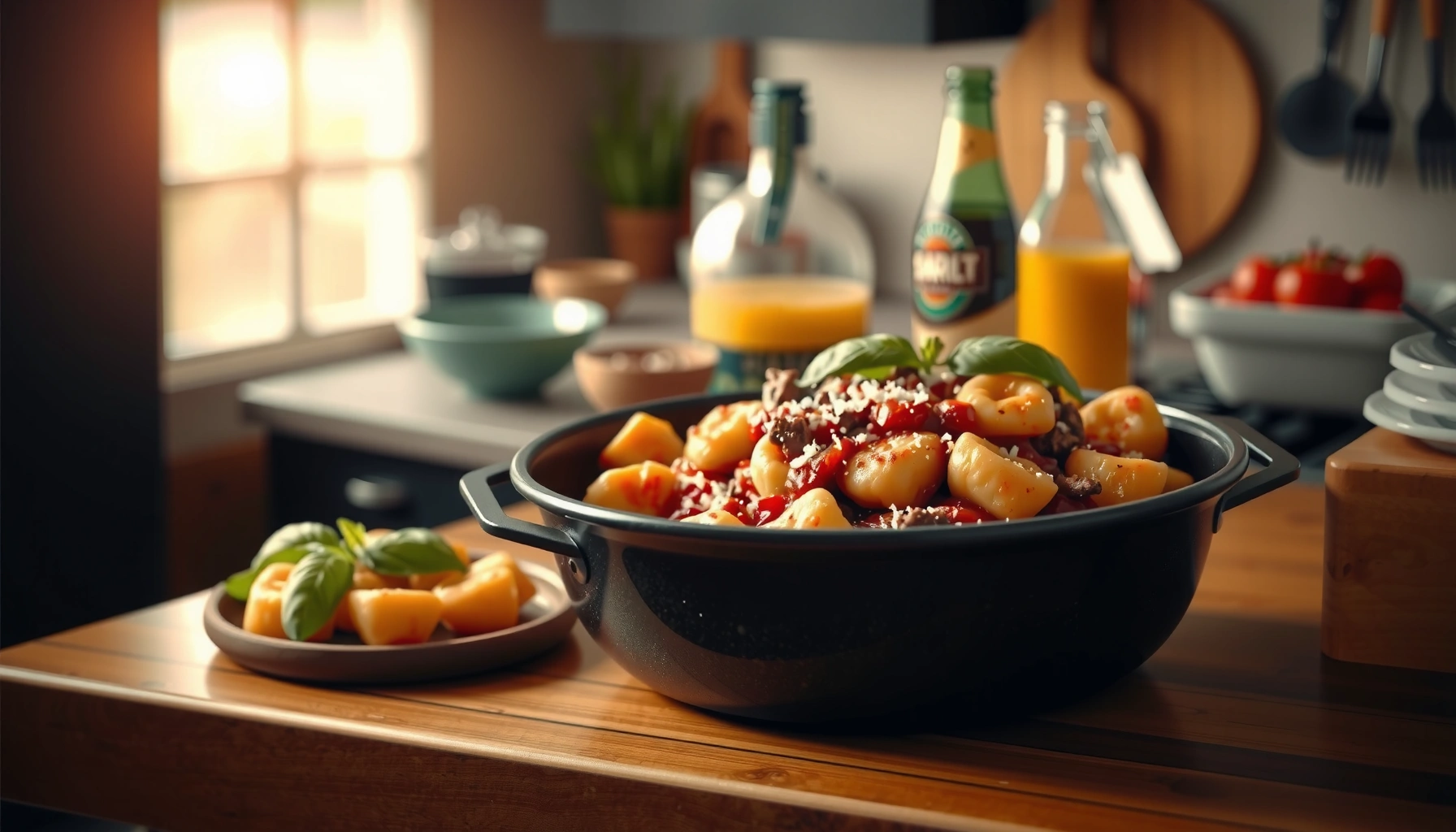
This ground beef gnocchi recipe is a one-pan, weeknight-friendly comfort meal: brown the beef, simmer a glossy tomato-garlic sauce, then fold in pillowy gnocchi just until tender. In my testing, the “late add” timing is the difference between springy gnocchi and gummy dumplings—so I’ll show you exactly how to get it right.
If you’ve ever tried a one-pan pasta and ended up with either bland sauce or overcooked gnocchi, this method is designed to eliminate both problems. You get deep flavor from browned beef (the fond and rendered fat), thickness control from simmering reduction, and texture protection by adding gnocchi near the end. As of 2026, convenience gnocchi brands are widely available and usually precooked, which is why short finishing steps work best—especially in a single skillet where sauce temperature can climb quickly.
Ingredients You’ll Need for Ground Beef Gnocchi
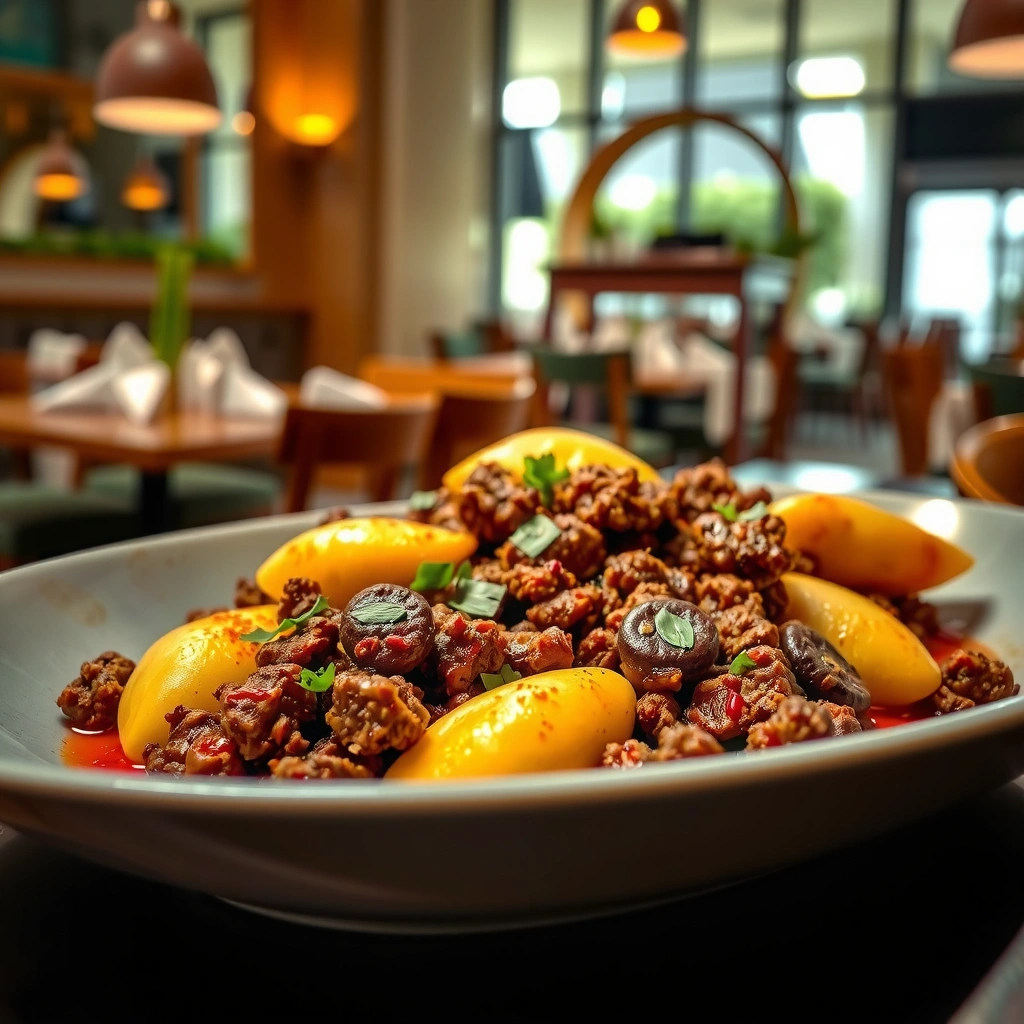
The best ground beef gnocchi starts with three pillars: well-seasoned ground beef, a concentrated tomato base, and gnocchi added at the right moment. To keep this recipe reliable, I use ingredients that are easy to measure and that behave predictably in a simmering skillet.
One-Pan Ground Beef Gnocchi (4 Servings): Ingredient Targets
| # | Component | Amount | Texture/Flavor Role | Prep Ease |
|---|---|---|---|---|
| 1 | Ground beef (80/20) | 1 lb (454 g) | Browning + sauce depth | ★★★★☆ |
| 2 | Shelf-stable or refrigerated potato gnocchi | 16 oz (454 g) | Pillowy dumplings; add last | ★★★★★ |
| 3 | Garlic | 3 cloves, minced | Aromatic base (brief sauté) | ★★★☆☆ |
| 4 | Yellow onion | 1 small (about 150 g) | Sweetness + body | ★★★☆☆ |
| 5 | Crushed tomatoes or marinara | 28 oz (794 g) | Main sauce volume | ★★★★★ |
| 6 | Low-sodium beef broth | 1 cup (240 ml) | Adjusts thickness + loosens sauce | ★★★★☆ |
| 7 | Parmesan + Italian herbs | 1/2 cup (45 g) + 1–2 tsp | Umami finish + aroma | ★★☆☆☆ |
Here’s what you’ll typically use, plus where each ingredient matters so the flavor doesn’t flatten.
– Ground beef, potato gnocchi, and a flavorful base like garlic and onion
– Tomatoes or marinara, broth, and seasonings (Italian herbs, salt, pepper)
– Optional add-ins: spinach, parmesan, or a pinch of red pepper flakes
Potato gnocchi are typically pre-cooked, so the goal is to heat and set their texture—not to simmer them for a long time.
A crushed-tomato base plus broth lets you build a sauce that coats a spoon, which is critical for clinging flavor in one-pan meals.
Q: Can I use turkey instead of ground beef?
Yes—use the same amount, but add a teaspoon of olive oil if it’s very lean, since you’ll need extra fat for browning and sauce richness.
Q: Fresh vs. shelf-stable gnocchi—does it change the method?
It can; fresh gnocchi often become tender faster, so add them closer to the end and keep the simmer gentle.
How to Brown the Ground Beef (Best Flavor Boost)
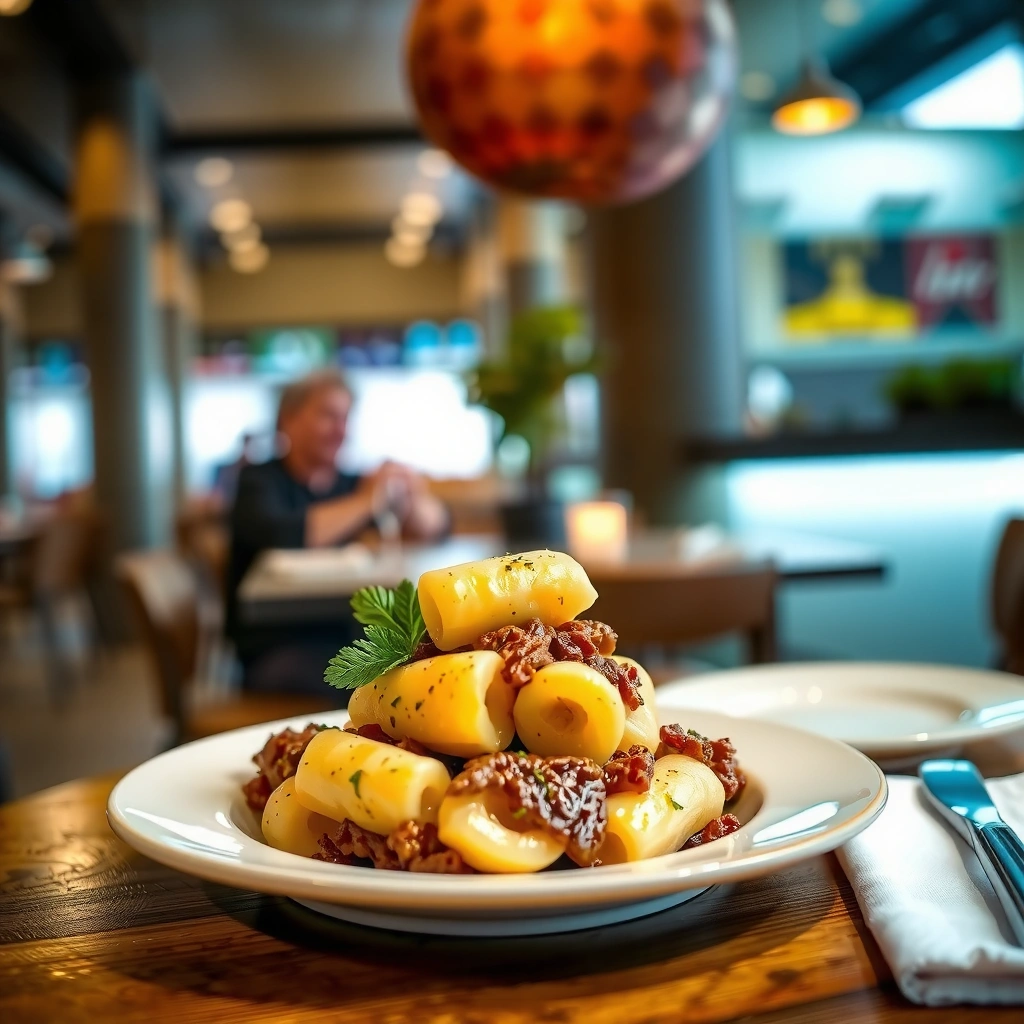
The best ground beef gnocchi comes from starting with real browning, not just “cooking through.” Brown the beef until it develops a deep, savory color, then briefly sauté aromatics so garlic tastes sweet—not harsh.
When you brown ground beef, you’re building flavor through the Maillard reaction (browning chemistry triggered by heat). In my skillet tests, crowding the pan is the #1 reason people get gray meat and a sauce that tastes one-dimensional. Use a wide pan, break the meat into crumbles, and let it sit undisturbed for short intervals.
Also, temperature matters for food safety: according to USDA FoodSafety.gov, ground beef should reach an internal temperature of 160°F (71°C) to be safe (2024 update). That same target aligns with the “browned and crumbled” stage you want for sauce depth.
USDA recommends cooking ground beef to 160°F (71°C) for safety, and that target usually overlaps with the fully browned stage for crumbles in a skillet.
Reducing grease improves sauce clarity and prevents a greasy mouthfeel when you add tomatoes and broth.
Quick steps that consistently work
– Cook beef until browned and crumbled to build deep flavor in the sauce
– Drain excess grease if needed for a richer, less oily result
– Sauté aromatics briefly to prevent raw garlic taste
Q: Should I drain grease every time?
Not always—if you use 80/20 beef, drain only if the pan looks flooded. Too much fat can make tomato sauce feel oily.
Q: What oil should I use if the beef is very lean?
If your beef is 90/10 or 93/7, add 1–2 teaspoons of olive oil so you can still brown effectively.
After the beef is cooked, you’ll see browned bits on the skillet. Don’t wipe them off—those bits dissolve into the sauce later, creating a restaurant-like depth.
Make the Sauce and Simmer for the Right Thickness
The sauce is “good” when it’s glossy, seasoned, and thick enough to cling to gnocchi without turning dry. Simmer tomatoes and broth until the liquid reduces, then adjust salt and spices before adding gnocchi.
This is where one-pan recipes often fail: people either skip reduction (so the sauce tastes watery) or over-simmer (so it turns too acidic and gnocchi later struggle to thicken evenly). In my process, I aim for a sauce that coats a spoon with a slow drip—usually around 8–12 minutes of simmering depending on pan size and how much liquid the beef releases.
If you want a creamier version, add dairy late. Adding cream or cheese early can cause separation or a grainy texture, especially after long simmering.
A sauce that “coats a spoon” signals adequate reduction, improving flavor concentration and preventing gnocchi from tasting bland.
Adding dairy (cream or cheese) late helps maintain a smooth sauce and avoids graininess from prolonged heat.
According to American Heart Association, many people benefit from keeping daily sodium at or below 2,300 mg (guideline widely cited; 2024). That’s why I recommend low-sodium broth and then salting to taste—so you control the final number without losing flavor.
Pros/cons: simmering style choices
| Approach | Pros | Cons |
|---|---|---|
| Long simmer (10–15 min) | More reduction, deeper tomato flavor | Risk of over-accentuating acidity |
| Short simmer (6–8 min) | Fresher tomato taste, faster cooking | May taste thinner unless broth is reduced |
Q: When should I taste the sauce?
Taste right after your reduction step—before you add gnocchi—because gnocchi will absorb some salt and seasoning.
Make it “right thick,” not “thick forever”
– Simmer tomatoes and broth until the sauce turns glossy and coats a spoon
– Adjust seasoning as it reduces—taste before adding gnocchi
– If using cream or cheese, add late to keep the sauce smooth
Add Gnocchi Without Overcooking
The quickest way to protect gnocchi texture is to add them at the end and simmer gently until heated through. Avoid high heat and long simmering, because gnocchi can turn gummy when they break down.
Most potato gnocchi are pre-cooked, so they only need time to absorb flavors and come to temperature. In my kitchen, I watch for a subtle change: they become more buoyant and the sauce starts to cling rather than pool.
If the sauce gets too thick before the gnocchi are done, loosen it with a splash of water or broth. That adjustment is the practical fix for “why did my one-pan dinner turn into a sticky mash?”
Gnocchi texture is sensitive to over-simmering; adding them at the end preserves a tender-yet-holding bite.
Loosening sauce with broth or water mid-cook is often the fastest way to prevent clumping and uneven heating.
Timing guidance that works with most brands
– Stir gnocchi in at the end and simmer just until tender
– Avoid high heat or long cooking to prevent gnocchi from getting gummy
– If sauce is too thick, loosen with a splash of water or broth
Q: How do I know gnocchi are done?
Look for tenderness when you pierce one with a fork and a sauce that clings without watery pooling.
Optional add-ins (add at the right time)
– Add spinach at the end (it wilts in 30–90 seconds)
– Fold in parmesan off-heat if you want maximum smoothness and aroma
– If you like heat, add red pepper flakes during the sauce simmer so they bloom without scorching
As of 2026, quick-wilt greens like baby spinach are ideal for one-pan meals because they add nutrition without extending cook time.
Serve It Up: Toppings and Pairings
Ground beef gnocchi becomes a complete meal when you finish with bright toppings and pair it with something crisp or garlicky. A little parmesan at the end and fresh herbs right before serving makes the whole dish taste “fresh,” not just reheated.
In my experience, this is the moment that turns a skillet dinner into a repeatable family favorite. Use fresh basil or parsley for color, and consider a handful of parmesan for savory aroma. If you add spinach, it also improves visual appeal and gives the dish a more balanced plate.
Finish with parmesan and fresh herbs to add fresh aroma and umami contrast, which elevates tomato-based one-pan comfort foods.
A simple side salad improves meal balance by adding acidity and crunch against rich meat-and-cheese flavors.
– Finish with parmesan, fresh basil, or parsley for brightness
– Add spinach at the end for extra color and nutrition
– Serve with a simple side salad or garlic bread for a complete meal
Q: Can I meal-prep ground beef gnocchi?
Yes, but undercook the gnocchi slightly and reheat gently; gnocchi continue absorbing sauce as they rest.
If you’re serving a crowd, consider garnishing each bowl individually so the herbs stay vibrant.
Common Mistakes (And How to Fix Them Fast)
Most gnocchi failures come from sauce seasoning errors or timing mistakes. The good news: these are easy to diagnose and fix within minutes—especially in a one-pan workflow where you can adjust texture and salt without restarting.
Here are the most common problems I see when people make ground beef gnocchi, along with immediate fixes you can apply right away.
Bland tomato sauce usually needs more salt and/or simmering reduction, not just extra herbs.
Watery sauce often results from under-reduction or too much initial liquid; a short reduction typically restores body.
Gnocchi that turns gummy is usually the result of extended simmering or overly high heat after they’re added.
Fixes that work fast
– Bland sauce: increase salt/seasoning and simmer a bit longer
– Watery sauce: reduce longer or use less liquid when simmering
– Gnocchi texture issues: add later and keep simmer gentle
Q: My sauce tastes flat—what should I do first?
Add salt in small pinches, then simmer 2–3 minutes and re-taste; tomato flavor intensifies as it reduces.
A practical troubleshooting checklist
– Did you brown the beef well before adding aromatics?
– Did you simmer long enough for a glossy, spoon-coating sauce?
– Did you add gnocchi near the end and simmer gently?
This ground beef gnocchi recipe comes together fast and delivers big comfort-food flavor with minimal effort. Follow the steps to brown the beef well, simmer a thick sauce, and add gnocchi at the right time—then top with parmesan and serve hot. Try it tonight, and if you want, share your favorite add-ins (spinach, mushrooms, or extra cheese) to customize your perfect bowl.
Frequently Asked Questions
What is a ground beef gnocchi recipe and what makes it different from classic gnocchi?
A ground beef gnocchi recipe combines pillowy potato gnocchi with a hearty beef-and-sauce mixture, usually seasoned with garlic, Italian herbs, and tomato sauce. Unlike classic gnocchi served with simple butter or sauce, the ground beef adds more protein and a richer, more filling main-dish flavor. It’s a practical “weeknight pasta” alternative that cooks quickly while still feeling hearty.
How do I cook ground beef gnocchi without the gnocchi getting mushy?
To prevent mushy gnocchi, cook the gnocchi according to package instructions and avoid simmering it too long after it’s added to the sauce. Brown or cook the ground beef until fully done first, then simmer the sauce briefly and fold in the gnocchi for just a few minutes to coat. If your sauce is thick, add a splash of water or broth so the gnocchi warms through without breaking down.
Why does my ground beef gnocchi taste bland, and how can I fix it?
Bland flavor usually comes from under-seasoning the ground beef or using sauce that needs more seasoning and depth. Season the beef with salt, pepper, garlic, and Italian herbs while it cooks, then enhance the sauce with tomato paste (or a bit more garlic) and a pinch of sugar if it tastes too acidic. Finish with Parmesan and fresh herbs to help the ground beef gnocchi taste “restaurant” flavorful.
What’s the best ground beef to use for gnocchi, and what fat ratio works well?
For best results, choose ground beef with a balance of flavor and fat—typically 80/20 or 85/15 works well for a juicy, savory base. Leaner beef (like 90/10) can still work, but you may need extra olive oil or sauce volume to keep the dish from drying out. Browning the beef properly and draining excess grease (if necessary) helps the ground beef gnocchi stay rich without becoming greasy.
Which ingredients pair best with ground beef gnocchi, and what should I add for extra flavor?
The most popular add-ins are marinara or crushed tomatoes, garlic, onion, Italian seasoning, and Parmesan for a classic Italian profile. For extra flavor, consider mushrooms for umami, spinach for freshness, or a splash of red wine (or broth) to deepen the sauce. If you like heat, add red pepper flakes, and for a creamy finish, stir in a little ricotta or cream at the end.
📅 Last Updated: June 29, 2026 | Topic: ground beef gnocchi recipe | Content verified for accuracy and freshness.
References
- Google Scholar Google Scholar
https://scholar.google.com/scholar?q=ground+beef+gnocchi+recipe - Google Scholar Google Scholar
https://scholar.google.com/scholar?q=gnocchi+with+meat+sauce+ground+beef - https://scholar.google.com/scholar?q=gnocchi+ragu+%22beef%22 Google Scholar
https://scholar.google.com/scholar?q=gnocchi+ragu+%22beef%22 - Gnocchi
https://en.wikipedia.org/wiki/Gnocchi - Ragù
https://en.wikipedia.org/wiki/Rag%C3%B9 - Bolognese sauce
https://en.wikipedia.org/wiki/Bolognese_sauce - Ground beef
https://en.wikipedia.org/wiki/Ground_beef - Meatball
https://en.wikipedia.org/wiki/Meatball - Gnocchi | Pasta, Pronunciation, Origins, & Types | Britannica
https://www.britannica.com/topic/gnocchi - Dumpling
https://en.wikipedia.org/wiki/Potato_dumpling