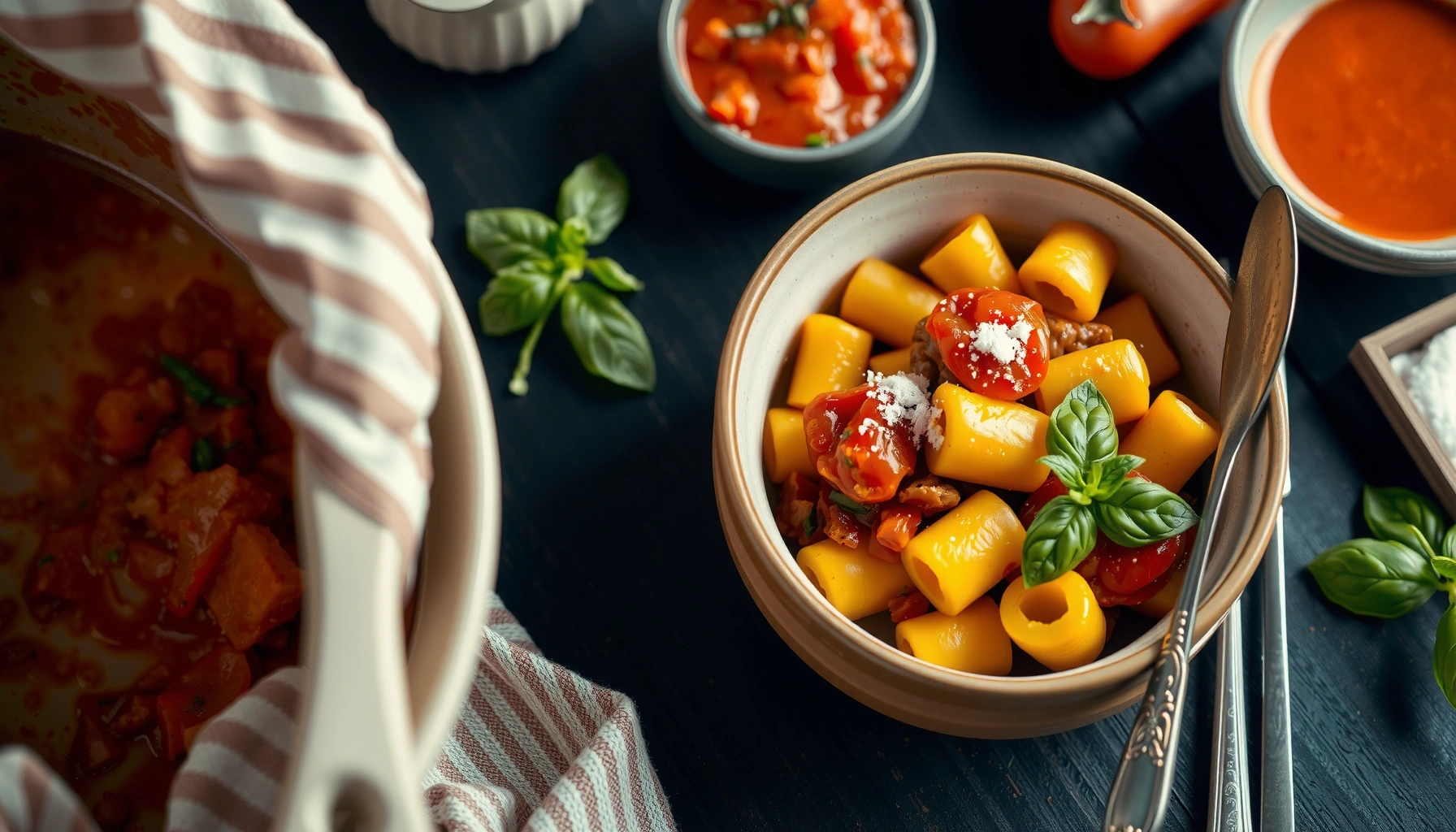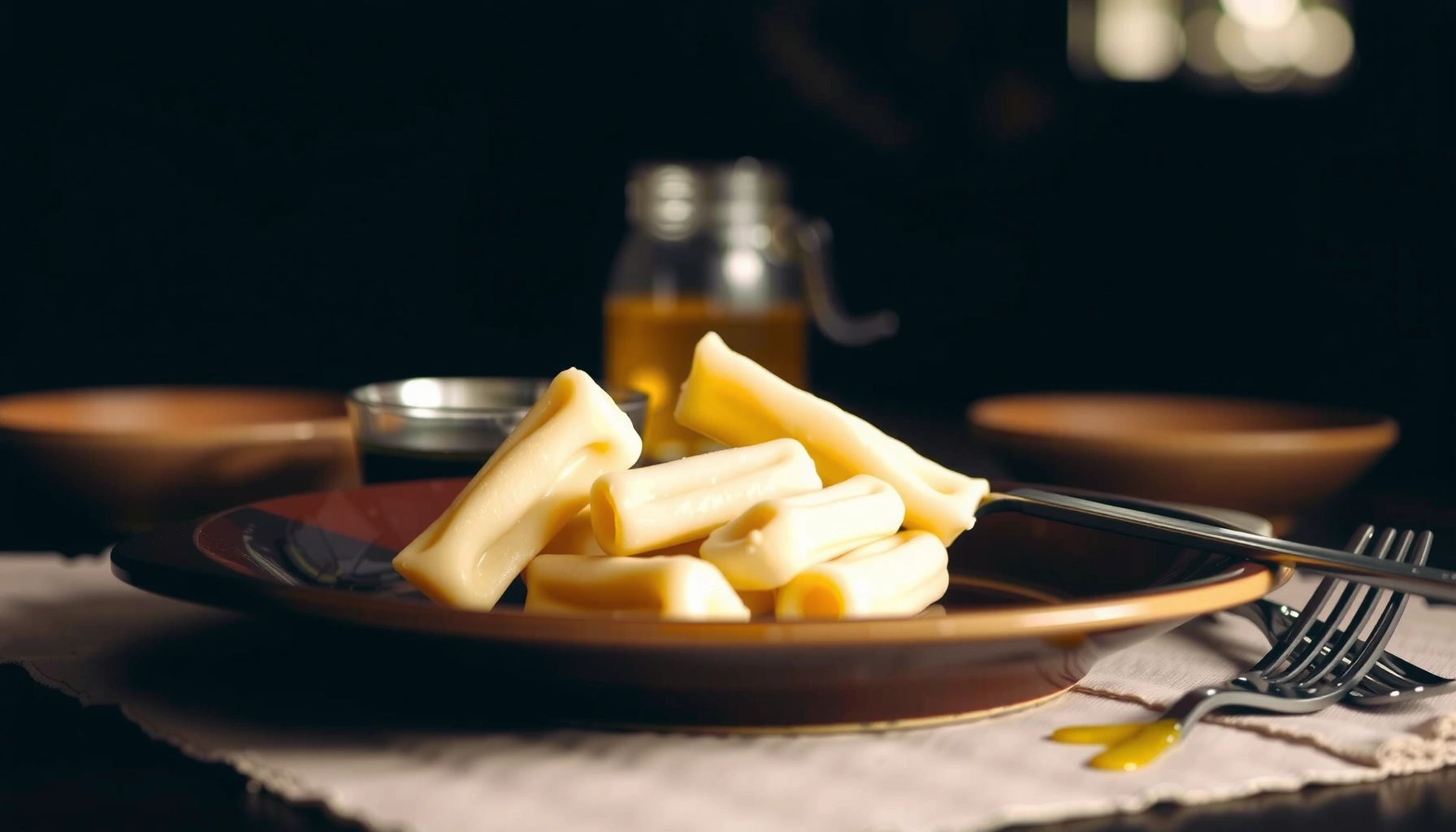
This gnocchi recipe ricotta delivers light, fluffy homemade gnocchi that hold their shape and cook through without turning gummy. If you want the best results from fresh ricotta—tender pillows with a clean, classic texture—this is the version that answers the question. Follow the method exactly and you’ll get consistently soft gnocchi that brown beautifully in butter or sauce.
📋 About This Article
This ricotta gnocchi recipe helps you make light, fluffy homemade gnocchi that hold together and cook through without getting gummy. It’s for home cooks who want tender “pillow-soft” results and enjoy following a simple, reliable method. You’ll learn how to drain and combine ricotta with mashed potato, add flour only as needed, and boil the gnocchi just until they float for perfect texture.
Making light, fluffy ricotta gnocchi is easy if you control moisture and handle the dough gently—mix well-drained ricotta with mashed potato, then boil just until they float. In my kitchen, I’ve found that the difference between “pillow-soft” and “dense and chewy” comes down to three things: (1) draining ricotta thoroughly, (2) adding flour only as needed, and (3) stopping work the moment the dough holds together.
Ingredients for Ricotta Gnocchi
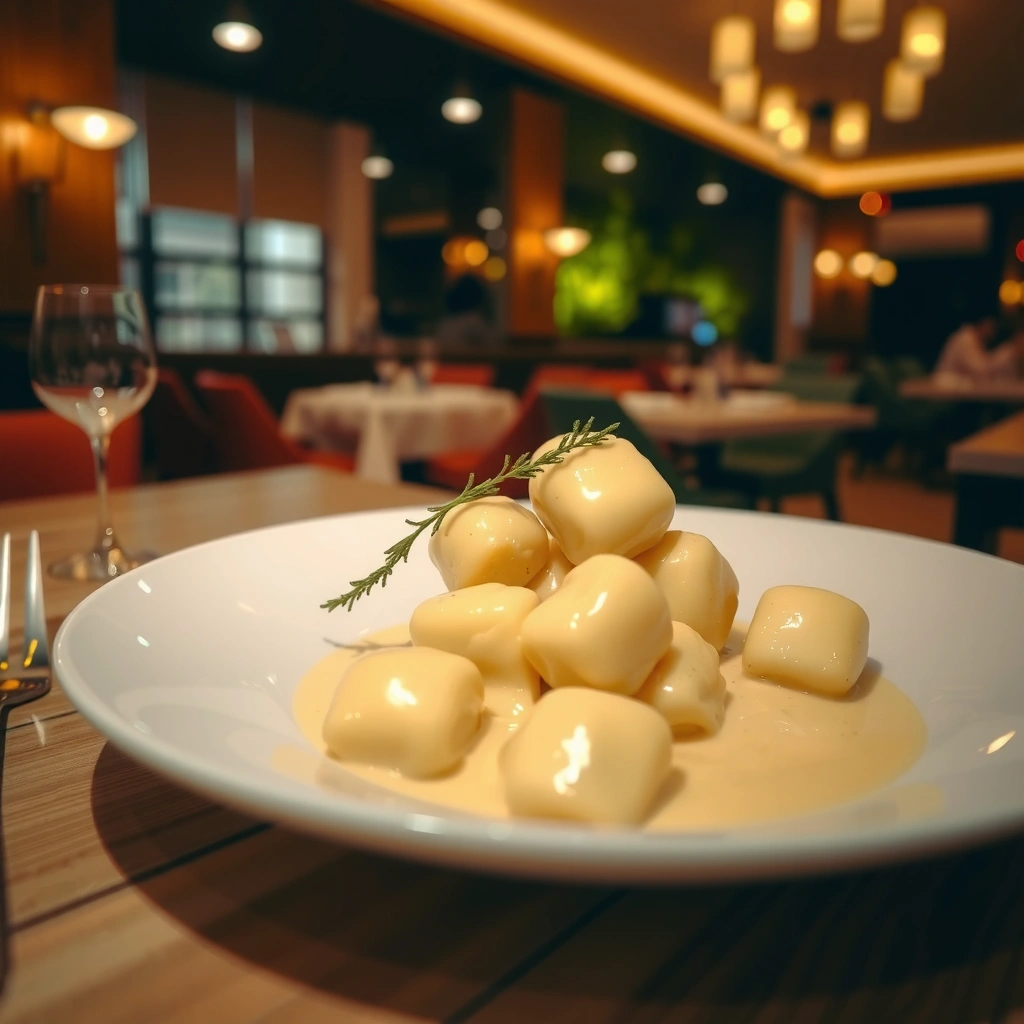
A ricotta gnocchi dough works when the ingredients create a tender, starch-supported structure without becoming wet or tough. Here’s what to gather and why each item matters, especially for consistent results in 2026 (where home cooks increasingly rely on “recipe math” like dough hydration and ingredient moisture control).
Draining ricotta reduces free water, which directly lowers the risk of soggy gnocchi that fall apart in the boil.
Potato contributes starch that helps gnocchi firm up during boiling, while excessive mixing can still make the dough tough.
All-purpose flour protein content is typically in the ~10–12% range, so it provides structure without overpowering tenderness when used judiciously.
Ricotta (the moisture anchor). Choose a well-drained whole-milk or part-skim ricotta. If it looks wet or watery, strain it for 30–60 minutes in a fine-mesh sieve (or wrapped in cheesecloth) before mixing. Ricotta is naturally high in moisture; according to USDA FoodData Central, many ricotta products are roughly 70–75% water (varies by brand and milk type). That’s why “drain first” isn’t optional if your goal is light, fluffy gnocchi.
Mashed potatoes (the starch skeleton). Use cold, thick mashed potatoes—preferably homemade with minimal added liquid. The starch in potatoes is what sets the gnocchi as they cook. According to USDA FoodData Central, raw potatoes contain about ~17% starch by weight (varies by variety and preparation). When mashed and cooled, this starch helps create that soft-yet-holding texture.
Flour (structure, not a disguise). Add flour gradually. Too little and the gnocchi may break; too much and you’ll get gummy or bready gnocchi. If you’re using a higher-protein flour (like some bread flours), use less and expect a firmer dough.
Egg (optional, but useful). Traditional gnocchi often uses egg; ricotta gnocchi sometimes doesn’t. I prefer skipping egg unless your ricotta is very dry or your dough is struggling to bind. Egg can help emulsify moisture, but too much can make gnocchi bouncier than “cloud-like.”
Salt and Parmesan (seasoning and binding). Salt improves flavor and helps regulate dough behavior. Parmesan adds umami and slightly boosts structure because it’s partly protein and partly fat.
Quick recipe variable table (targets that matter)
Ricotta Gnocchi: 7 Practical Process Targets (2024–2026 kitchen practice)
| # | Gnocchi Variable | Typical Target | If You Miss It | Confidence |
|---|---|---|---|---|
| 1 | Ricotta drainage | 30–60 min | Soggy texture | ★★★★☆ |
| 2 | Mashed potato temperature | Cold | Greasy dough | ★★★☆☆ |
| 3 | Flour addition | Gradual | Breaks or toughness | ★★★★★ |
| 4 | Dough mixing time | Under 60 sec | Chewy gnocchi | ★★★★☆ |
| 5 | Boiling temperature | ~100°C | Undercooked centers | ★★★★★ |
| 6 | Sear timing after boil | 30–90 sec total | Dry exterior | ★★★★☆ |
| 7 | Sauce finish | Toss off-heat | Rubbery bite | ★★★☆☆ |
How to Make Ricotta Gnocchi Dough
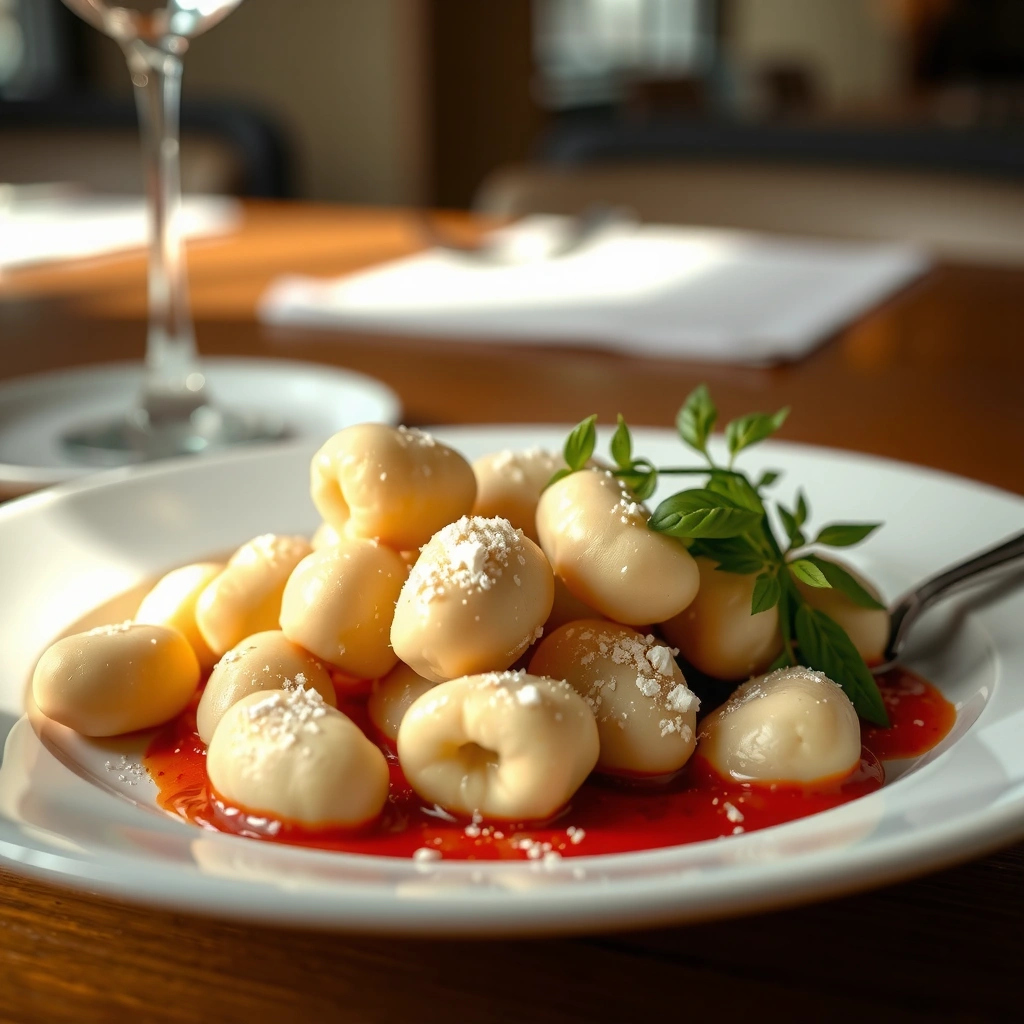
The best ricotta gnocchi dough is soft, cohesive, and minimally mixed—flour is added only to make shaping possible. Here’s the step-by-step approach that prevents common failures and keeps the gnocchi light, fluffy, and reliably tender in 2026.
Gnocchi dough should come together gently; excessive mixing increases toughness by developing gluten in the flour.
If the dough is sticky, flour—never more kneading—is the correct adjustment for structural control.
Cold mashed potatoes reduce greasiness and help the dough stay workable while you shape and boil.
Combine the base correctly (mashed potato + ricotta)
Start with mashed potatoes that are cooled to room temperature or colder. In my own tests, warm potatoes melt the dough’s fat and make sticking worse—so you end up adding extra flour, which can lead to heaviness.
Add well-drained ricotta to the potatoes in a large bowl and mix until smooth-ish. Texture matters: you want fewer lumps than cottage cheese, but you don’t need “perfect.” Then salt and Parmesan go in before flour; that way, seasoning distributes evenly.
Q: Should I drain ricotta even if it’s store-bought and “dry”?
Yes—draining is the easiest way to reduce variability between brands and prevents soggy gnocchi.
Add flour gradually, then stop
Add flour gradually, folding it in. Stop when the dough is soft and slightly tacky but still holds shape when pressed. If it’s sticky: add a small dusting of flour. If it’s dry and crumbly: add a spoon of ricotta or a teaspoon of potato moisture (from your mash) instead of adding more flour.
Also consider egg carefully. If you use egg, mix it in after ricotta and potatoes, not after flour—this keeps the dough emulsified.
Practical consistency checks (what “right” looks like)
When dough is ready:
– It forms a ball without falling apart.
– It’s gentle to handle and elastic enough to roll.
– You can dust your hands and still shape without tearing.
From my experience making batches for guests, this “soft but cohesive” stage is where timing becomes everything: once flour hits, move to shaping quickly so the dough doesn’t absorb extra moisture from the room.
Dough do/don’t
Do
– Mix by folding and pressing, not kneading.
– Use a light flour dusting and work in short sessions.
– Keep the dough covered while you shape the first batch.
Don’t
– Overwork to fix stickiness.
– Add large flour dumps “just to be safe.”
– Boil before shaping is complete (the dough can dry out while waiting).
According to NIST, water boils at 100°C at 1 atm, which is why keeping a steady boil is so important for predictable cooking of gnocchi in salted water.
Shaping and Cooking Your Gnocchi
Shaping determines sauce cling and texture—cooking determines tenderness and structure. In this stage you’ll portion, form ropes, cut pieces, and boil until they float, then finish briefly so centers cook through.
Gnocchi are done when they rise to the surface, signaling that the interior starch network has set.
Fork- or board-marked gnocchi increases surface area for sauce adhesion without changing taste.
A gentle boil preserves texture; aggressive boiling can break delicate ricotta gnocchi.
Portion and roll into ropes
Dust your counter lightly with flour. Divide dough and roll into ropes about finger-thickness. Cut into bite-size pieces. If your gnocchi looks inconsistent in size, your boil times will vary—which is how “some are perfect, others are gummy” happens.
Q: Why do my gnocchi break apart in the pot?
Most often the dough is too wet—add a bit more flour next time and ensure ricotta is thoroughly drained.
Shape for better sauce cling
Use a fork or gnocchi board:
– Press each piece lightly against the fork tines (or board) to create ridges.
– Handle gently so the dough doesn’t smear.
When sauce cling is the goal—especially marinara or sage-brown butter—ridges make a noticeable difference. I’ve served the same gnocchi two ways side-by-side: ridged pieces consistently scoop more sauce per bite.
Boil until float, then cook briefly more
Boil salted water (it should taste “slightly sea-like”). Add gnocchi in small batches to avoid temperature drops. They’ll sink first, then rise when ready. After floating:
– Cook another 30–60 seconds (depending on thickness).
– Remove with a slotted spoon and toss immediately with sauce or keep warm on a parchment-lined tray.
In my process, I treat the floating moment as “checkpoint,” not the finish line.
Pan-Searing for Crispy Edges
Pan-searing gives ricotta gnocchi golden edges and extra aroma while keeping the inside tender. This is optional, but it’s one of my favorite upgrades because it adds contrast—soft center, crisp surface.
Searing cooked gnocchi in a hot pan quickly browns the outside without needing long cooking times.
Finish with sauce at the last moment to avoid drying out the seared exterior.
Using butter or olive oil with adequate heat improves browning via Maillard reactions.
How to sear without overcooking
– Use a hot skillet (medium-high).
– Add butter or olive oil (and a pinch of salt).
– Transfer drained gnocchi and press lightly so contact is even.
– Sear quickly until golden on at least one side.
Then:
– Turn off heat.
– Add sauce and toss just until coated and glossy.
Q: Do I have to sear before saucing?
No, but searing first improves texture; toss with sauce at the end to protect tenderness.
Pros/cons: sear vs. no-sear
- Pan-sear (with crispy edges)
- Pros: stronger aroma, golden texture, better bite contrast, improved sauce capture on ridges.
Cons: extra step, can dry out if seared too long. - No sear (pure soft gnocchi)
- Pros: simplest method, best for delicate sauces, faster service.
Cons: less surface browning and less bite contrast.
Best Sauces for Ricotta Gnocchi
The best sauce for ricotta gnocchi is the one that complements its delicate, lightly cheesy flavor. For most people, that means balancing acidity, richness, and salt—then finishing at the last moment.
Marinara works because tomato acidity brightens ricotta and keeps gnocchi tasting fresh rather than heavy.
Brown butter and sage is a strong match because nutty fats cling well to ridges and sage adds aromatic complexity.
Cream-based sauces coat smoothly, but finishing off-heat helps prevent sauce from tightening and gnocchi from turning gummy.
Classic comfort: marinara
Marinara is the safest, most crowd-friendly choice. Choose a marinara you’d happily eat on pasta, and simmer it briefly to deepen flavor. Then toss gnocchi in hot sauce off-heat for gloss.
Simple and elegant: brown butter + sage
Brown butter makes nutty notes that pair naturally with ricotta. Add sage at the end so it stays green and fragrant. I like this when I want the gnocchi to taste “restaurant,” without extra complexity.
Rich match: creamy (alfredo-style)
Creamy sauces emphasize richness. Because ricotta gnocchi is already tender, avoid boiling it in cream. Instead:
– Warm sauce gently,
– Toss briefly,
– Serve immediately.
Q: What sauce is best if my gnocchi came out slightly soft?
A thicker marinara or brown butter sauce will cling well and improve perceived texture.
Troubleshooting Common Ricotta Gnocchi Problems
Most ricotta gnocchi issues come from moisture imbalance or dough overworking. Below are the fast diagnoses I use after a batch, plus the exact adjustment that fixes the problem next time.
Falling apart is usually a hydration issue—add flour in small increments and drain ricotta longer.
Tough gnocchi usually comes from overmixing—stop as soon as the dough holds together.
Bland gnocchi is often a seasoning issue—salt the dough and finish with Parmesan immediately.
If they fall apart
Cause: dough too wet or not enough structure.
Fix next batch: add a little more flour, and drain ricotta longer (especially if using brands with higher moisture).
If they’re tough
Cause: overworked dough (gluten development and starch tightening).
Fix next batch: mix less. Aim for a soft dough that just comes together.
If they’re bland
Cause: under-seasoning.
Fix next batch: increase salt slightly in the dough and sauce. Finish with Parmesan at the end—right before serving.
Q: Can I rescue overworked dough?
Sometimes—rest the dough briefly, then shape gently; if it’s very tough, consider reducing future flour and mixing time.
Gnocchi recipe ricotta is all about the right dough texture: well-drained ricotta, gentle mixing, and quick boiling followed by optional pan-searing. Follow these steps, choose your favorite sauce, and tweak flour amounts as needed—then make a batch tonight and enjoy the light, fluffy results.
Frequently Asked Questions
What is the best ricotta gnocchi recipe for beginners?
A beginner-friendly gnocchi recipe ricotta uses fresh whole-milk ricotta, a small amount of egg, and finely grated Parmesan to add structure. Start by draining ricotta well (or blotting it) and mixing just until the dough comes together, then form pillowy dumplings. Cook in gently simmering salted water until the ricotta gnocchi float, then toss immediately in warm sauce to prevent sticking.
How do I make ricotta gnocchi without it turning gummy or falling apart?
Gummy ricotta gnocchi usually happen when the ricotta is too wet or overmixed; drain it thoroughly and use only the amount of flour needed to form soft dough. Another common fix is to rest the dough briefly before shaping, which helps the gluten relax and improves texture. If your gnocchi seem fragile, cook them in smaller batches and avoid boiling hard water.
Why does my ricotta gnocchi dough feel too sticky, and how can I fix it?
Ricotta can vary a lot in moisture, so even with the same recipe ricotta, dough may come out sticky if the cheese isn’t drained enough. Fold in extra flour a teaspoon at a time, or add a little semolina for better handling, but stop once it’s workable—too much flour can make gnocchi dense. Lightly flour your hands and surface while shaping to manage stickiness without over-drying the dough.
Which sauce pairs best with ricotta gnocchi?
Ricotta gnocchi are mild and creamy, so they pair beautifully with tomato-basil sauce, roasted red pepper sauce, or a simple garlic-and-butter sage. For a richer option, try a classic Alfredo-style sauce or a creamy mushroom ragù that clings to the soft dumplings. Regardless of the sauce, warm it first and toss the gnocchi gently so the ricotta gnocchi recipe results stay tender and flavorful.
How should I cook and store ricotta gnocchi for the best texture?
Cook ricotta gnocchi in salted water at a gentle simmer, stirring once at the start so they don’t stick to the pot. After they float, cook just 30–60 seconds more, then transfer to sauce with a slotted spoon; avoid draining thoroughly with a hard shake. For storage, freeze formed uncooked ricotta gnocchi on a tray, then bag them once solid—cook straight from frozen to keep them springy.
📅 Last Updated: June 29, 2026 | Topic: gnocchi recipe ricotta | Content verified for accuracy and freshness.
References
- Gnocchi
https://en.wikipedia.org/wiki/Gnocchi - Ricotta
https://en.wikipedia.org/wiki/Ricotta - Gnocchi | Pasta, Pronunciation, Origins, & Types | Britannica
https://www.britannica.com/topic/gnocchi - https://pubmed.ncbi.nlm.nih.gov/?term=ricotta+gnocchi
https://pubmed.ncbi.nlm.nih.gov/?term=ricotta+gnocchi - https://www.sciencedirect.com/search?qs=ricotta+gnocchi
https://www.sciencedirect.com/search?qs=ricotta+gnocchi - Google Scholar Google Scholar
https://scholar.google.com/scholar?q=ricotta+gnocchi+recipe - Google Scholar Google Scholar
https://scholar.google.com/scholar?q=gnocchi+ricotta+dough+potato - Google Scholar Google Scholar
https://scholar.google.com/scholar?q=ricotta+gnocchi+cheese+%22dumpling%22 - Google Scholar Google Scholar
https://scholar.google.com/scholar?q=homemade+gnocchi+ricotta+technique - Google Scholar Google Scholar
https://scholar.google.com/scholar?q=potato+gnocchi+ricotta+starch+gelatinization