Want copycat Crumbl recipes that actually taste like the originals? This guide picks the best home method for nailing Crumbl-style cookies—thick centers, crisp edges, and that signature sweetness—using ingredients and baking steps you can execute in one session. If you can follow a timer and weigh your butter and flour, you’ll get the closest match without guesswork.
Copycat Crumbl recipes are the fastest path to oversized, bakery-style cookies with a chewy center and bakery-satisfying frosting—without needing restaurant-grade equipment. If you focus on three variables (dough technique, bake timing, and frosting consistency), you can reliably reproduce the Crumbl taste and texture at home, cookie after cookie.
Copycat Crumbl recipes are the easiest way to recreate your favorite oversized, bakery-style cookies at home. In this guide, you’ll learn the key ingredients, common dough techniques, and topping methods to match that Crumbl taste and texture.
Choose the Best Copycat Crumbl Recipes to Start
If you’re new to cookie replication, choosing the right “starting lane” matters as much as the recipe itself. Start with flavors that rely on straightforward dough behavior (butter, sugar, flour, vanilla, chocolate/cinnamon) rather than complex mix-ins that can destabilize texture.
– Pick cookies with simple base flavors (vanilla sugar, chocolate, cinnamon)
Vanilla sugar cookies are a benchmark for sweetness balance and frosting carryover; chocolate cookies test how well your dough browns and stays chewy; cinnamon-forward cookies help you perfect flavor intensity without relying on bulky inclusions.
– Focus on recipes that match what you love most—served warm or chilled
Many copycat Crumbl recipes lean toward “warm gooey” performance (slightly underbaked centers, then cooled for set edges). If you prefer a firmer bite, you’ll adjust baking time by a few minutes and chill dough longer.
– Use ratings and comments to confirm texture and sweetness levels
When reviewing a copycat recipe, don’t just look for “tastes like Crumbl.” Look for comments mentioning:
– “chewy center,” “set edges,” “thick frosting that holds shape,” or “holds well after cooling”
– whether the frosting needs thinning or thickening (a major clue about success consistency)
Quick selection strategy: Choose one cookie that has a clear “dough signature” (chewy center) and one that has a “frosting signature” (spreadable topping that doesn’t melt into the cookie). That two-cookie practice plan accelerates results.
—
Master the Crumbl-Style Dough
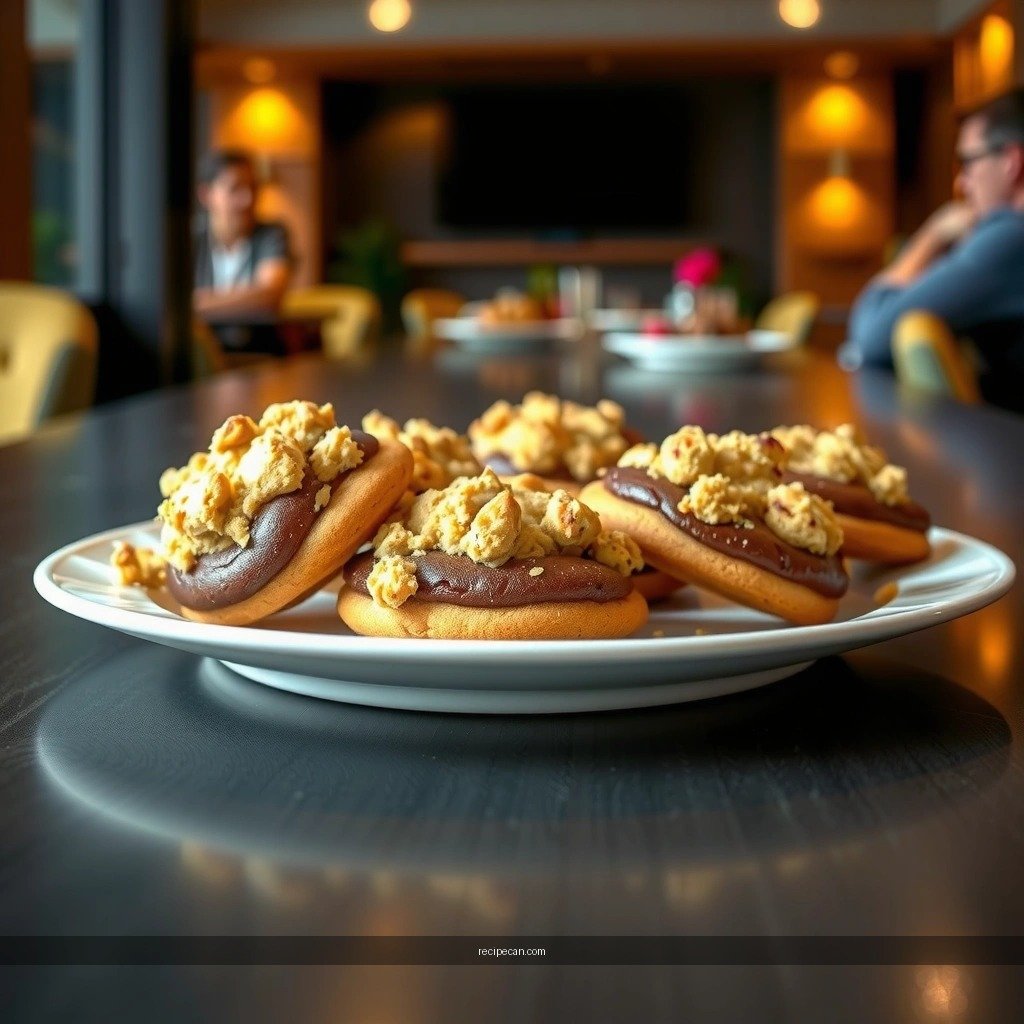
Crumbl-style cookies are typically built for a specific sensory outcome: soft, thick, and tender crumb with a chewy center. The dough is where most copycat attempts succeed or fail.
– Cream butter and sugar thoroughly for a light, soft crumb
Proper creaming traps tiny air cells and helps create a tender crumb. Mix butter and sugar until the mixture looks paler and slightly fluffy (not just combined). If you under-cream, you often get a denser cookie that feels dry even with frosting.
– Control baking time to keep centers chewy and edges set
Many home ovens run hotter or unevenly. Crumbl-like cookies often benefit from baking to a “just done” stage—tops set, edges lightly golden, and the center still looks slightly soft. Overbaking is the fastest way to lose the chewy texture you’re copying.
– Chill dough when needed to prevent spreading and improve structure
Chilling doesn’t just “thicken the dough”—it hydrates flour and firms fat, which improves shape and thickness. For oversized cookies, even a short chill (30–60 minutes) can help maintain bakery-style height.
What to measure for consistent results (without fancy tools):
– Dough texture before baking: it should be thick enough to hold a scoop’s shape.
– Cookie behavior after 8–10 minutes: the edges should look set before the center completely dries out.
– Cooling cue: Crumbl-style centers firm as they cool, but should remain soft rather than cakey.
Common ingredient swaps to avoid:
If a copycat recipe calls for brown sugar (common for caramel notes and moisture), don’t replace it 1:1 with white sugar unless the recipe explicitly accounts for the texture change. Brown sugar contributes chew and tenderness.
—
Oversized Cookie Target Traits (Home Copycat Benchmarks)
| # | Cookie Trait | Target Range | Why It Matters | Copycat “Win” Score |
|---|---|---|---|---|
| 1 | Cookie thickness (after bake) | 2.0–2.7 in (5.1–6.9 cm) | Helps replicate the “oversized bakery” bite | 9/10 ★★★★☆ |
| 2 | Top set time at oven | 8–11 minutes | Keeps centers chewy while edges set | 8/10 ★★★★☆ |
| 3 | Center chew (cooling phase) | Soft spring back (not wet) | The “Crumbl moment” after 10–20 minutes cooling | 9/10 ★★★★★ |
| 4 | Spread from start to finish | Low-to-moderate (controlled) | Prevents thin cookies that can’t support frosting thickness | 8/10 ★★★★☆ |
| 5 | Frosting hold on contact | Holds ridges for ~10–20 sec | Indicates correct viscosity—no runoff | 9/10 ★★★★★ |
| 6 | Frosting firmness after 30 min | Soft set (slightly tacky) | Matches bakery texture and clean bite edges | 8/10 ★★★★☆ |
| 7 | Sweetness perception (no-salt control) | Balanced (not cloying) | Salt + vanilla depth prevents “sugar-only” flavor | 8.5/10 ★★★★☆ |
—
Nail the Signature Frostings and Toppings
Even perfect dough can fall short if frosting is too runny, too stiff, or applied at the wrong moment. Think of frosting as a structural element as much as a flavor component.
– Use the right consistency (spreadable but not runny)
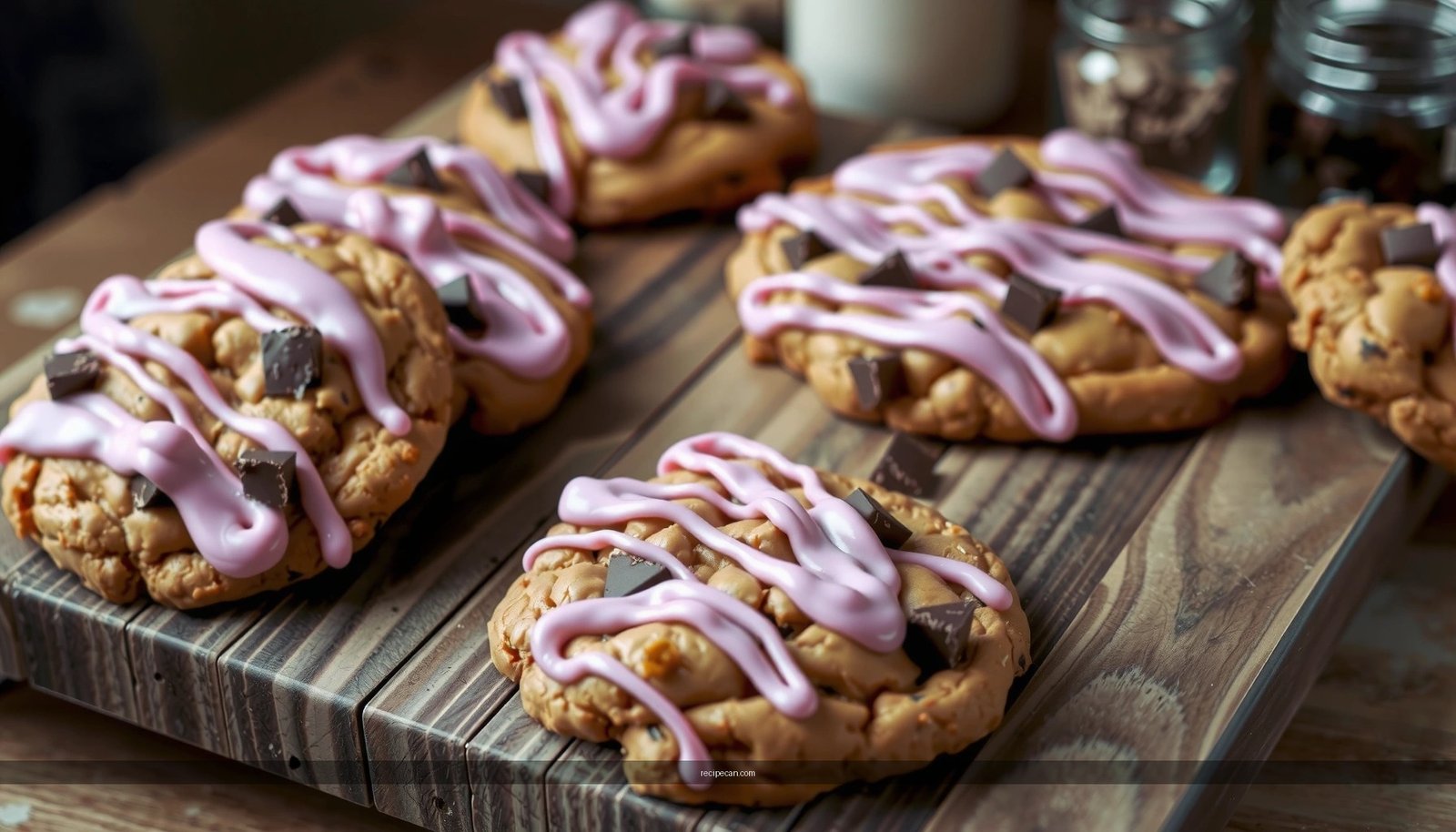
The goal is “controlled flow”: you should be able to spread frosting to cover the top without it puddling at the edges. If it’s too thick, it drags and tears the cookie crumb. If it’s too thin, it soaks in and loses that bold, bakery look.
– Balance sweet frosting with salty accents (like a tiny pinch of salt)
A small pinch of salt sharpens sweetness and makes chocolate, vanilla, and caramel flavors taste more dimensional. For copycat success, don’t treat salt as optional—it’s part of the signature profile.
– Add toppings at the right time so they don’t sink or melt
For crunchy toppings (cookie crumbs, chopped chocolate, sprinkles), apply when frosting is set enough to “catch” texture but still tacky—often within a few minutes after spreading. For warm or melted toppings, let the cookie cool briefly first to avoid bleeding.
Pro frosting workflow (reliable in most home kitchens):
1. Bake and let cookies cool 10–15 minutes.
2. Spread frosting while cookie surfaces are warm enough to remain slightly receptive, but not hot enough to liquefy butterfat.
3. Finish with toppings immediately, then let cookies set fully before stacking.
If your frosting looks correct while mixing but breaks after spreading, the cookie may be too hot (or your frosting fat warmed beyond ideal working temperature).
—
Recreate the Perfect Cookie Size and Bake Finish
Copycat Crumbl cookies are visually distinctive: they’re large, thick, and uniform. Size isn’t just aesthetics—it affects cooking time and chew-to-crisp balance.
– Portion dough evenly for that classic Crumbl look
Use a scale if possible. Consistency ensures every cookie hits the same bake “window,” which is critical for chewy centers. If you eyeball portions, your bake times must vary—and variation makes troubleshooting harder.
– Bake to the “just done” stage for chewy results
Look for set edges and a center that still feels soft when you gently nudge the top. A reliable indicator is slight underdone appearance at the time of removal; cookies finish cooking during cooling.
– Let cookies rest briefly before lifting or transferring
Resting lets crumb stabilize so the cookie doesn’t collapse under frosting weight. Transfer too early and you risk thin, broken bases; too late and you can lock in overbaked dryness.
Practical timing guidance:
If you’re testing a new recipe, bake one batch slightly shorter and the next batch slightly longer. Record the time and note surface appearance. You’ll converge faster than relying on guesswork.
—
Troubleshooting Common Copycat Crumbl Problems
Even experienced bakers run into issues when trying to match bakery texture. The key is to diagnose the cause, not just apply a quick fix.
– Cookies too flat? Chill dough and check bake temperature
Flat cookies typically come from dough that warmed too much (insufficient chilling), too much butter/shortening softening, or oven temperature running hot. Confirm your oven with a thermometer if possible.
– Frosting too thick or thin? Adjust with milk/cream or powdered sugar
Thick frosting usually needs a small splash of milk/cream and mixing until smooth. Thin frosting typically needs powdered sugar in small increments. Make adjustments gradually—frosting can “suddenly” shift once butterfat re-emulsifies.
– Lacking flavor? Upgrade vanilla, salt level, and chocolate intensity
Cookie flavor often tastes muted when vanilla is weak or salt is missing. For chocolate cookies, verify you’re using real cocoa or high-quality chocolate rather than relying only on sweet chips. Small upgrades compound across batches.
Diagnostic shortcut:
– Flat + pale = likely too-warm dough or high oven heat.
– Crisp edges + dry center = overbaked time.
– Frosting slides off = cookie too hot or frosting too thin.
– Frosting tears crumb = frosting too stiff or cookies under-rested.
—
Storage and Make-Ahead Tips for Best Flavor
Copycat cookies taste best when you manage temperature and moisture timing. Storage isn’t just about keeping cookies edible—it’s about preserving texture.
– Store unfrosted cookies airtight to maintain softness
Unfrosted cookies hold moisture better without frosting interfering. Wrap or place in an airtight container to prevent dryness, especially for butter-rich doughs.
– Freeze dough for later batches and bake straight from chilled
Freezing dough can even help replicating thickness—cold dough spreads less. Portion into balls, freeze on a tray, then bag for later. Bake from chilled to maintain structure and avoid uneven thawing.
– Frost closest to serving for the freshest texture and appearance
Frosting can soften cookie surfaces over time. For the most Crumbl-like presentation, frost shortly before serving, then add toppings and allow a short set time.
Make-ahead routine that works well for busy schedules:
– Day 1: Mix dough and chill (or portion and freeze).
– Day 2: Bake, cool, then frost within the same window.
– Serve: within 1–3 hours for best texture and look.
—
Copycat Crumbl recipes let you enjoy that same bold, bakery-style cookie experience without the wait—by nailing the dough, timing, and frosting consistency. Choose one cookie to practice first, follow the bake-and-topping tips, and then tweak flavors until they taste spot-on; try your first batch this week.
Frequently Asked Questions
What are some easy copycat Crumbl cookie recipes to make at home?
If you want copycat Crumbl recipes that are beginner-friendly, start with classics like Chocolate Chip, Sugar Cookies, or M&M cookies using a simple creaming method and basic baking times. Look for recipes that rely on readily available ingredients (butter, brown sugar, flour, vanilla) and include clear dough thickness and bake temperature guidance. Many successful copycat attempts also focus on getting the cookie size right so you achieve the thick, soft center Crumbl is known for.
How do you copy the thick, chewy texture of Crumbl cookies with a copycat recipe?
To mimic Crumbl’s thick, chewy texture, use a higher ratio of brown sugar, slightly underbake, and chill the dough if the recipe calls for it to help control spread. Measure flour carefully (spoon and level instead of scooping) because too much flour can make cookies cakey rather than gooey. For the best results, follow baking instructions closely—Crumbl-style cookies are usually baked until edges set while centers remain soft.
Why do some copycat Crumbl recipes turn out flat or dry?
Flat or dry cookies in copycat Crumbl recipes are often caused by incorrect flour measurement, using butter that’s too warm, or baking too long. Another common issue is skipping chilling or using dough that’s too thin, which increases spread. If your cookies are dry, try lowering the bake time by 1–2 minutes and make sure you’re using the right oven temperature and a reliable thermometer.
Which copycat Crumbl frosting and topping ideas taste the most like the originals?
For a Crumbl-like finish, focus on stable frosting bases such as cream cheese frosting, vanilla glaze, and thick buttercream, then adjust sweetness and thickness to match the cookie. Many people also love adding textures similar to Crumbl by using crushed cookies, chocolate chunks, or toasted toppings. If your frosting melts or runs, you likely need a thicker buttercream consistency or a short chill after frosting to set the topping.
What’s the best way to scale copycat Crumbl cookie recipes for a party?
The best way to scale copycat Crumbl recipes is to keep the dough ball size consistent and bake in batches so each cookie gets the same heat exposure. Use a kitchen scale to portion dough evenly—Crumbl cookies are large, so consistent grams help you avoid underbaked centers or overbrowned edges. If you plan to frost, consider baking and fully cooling first, then add frosting and toppings right before serving for the freshest texture.