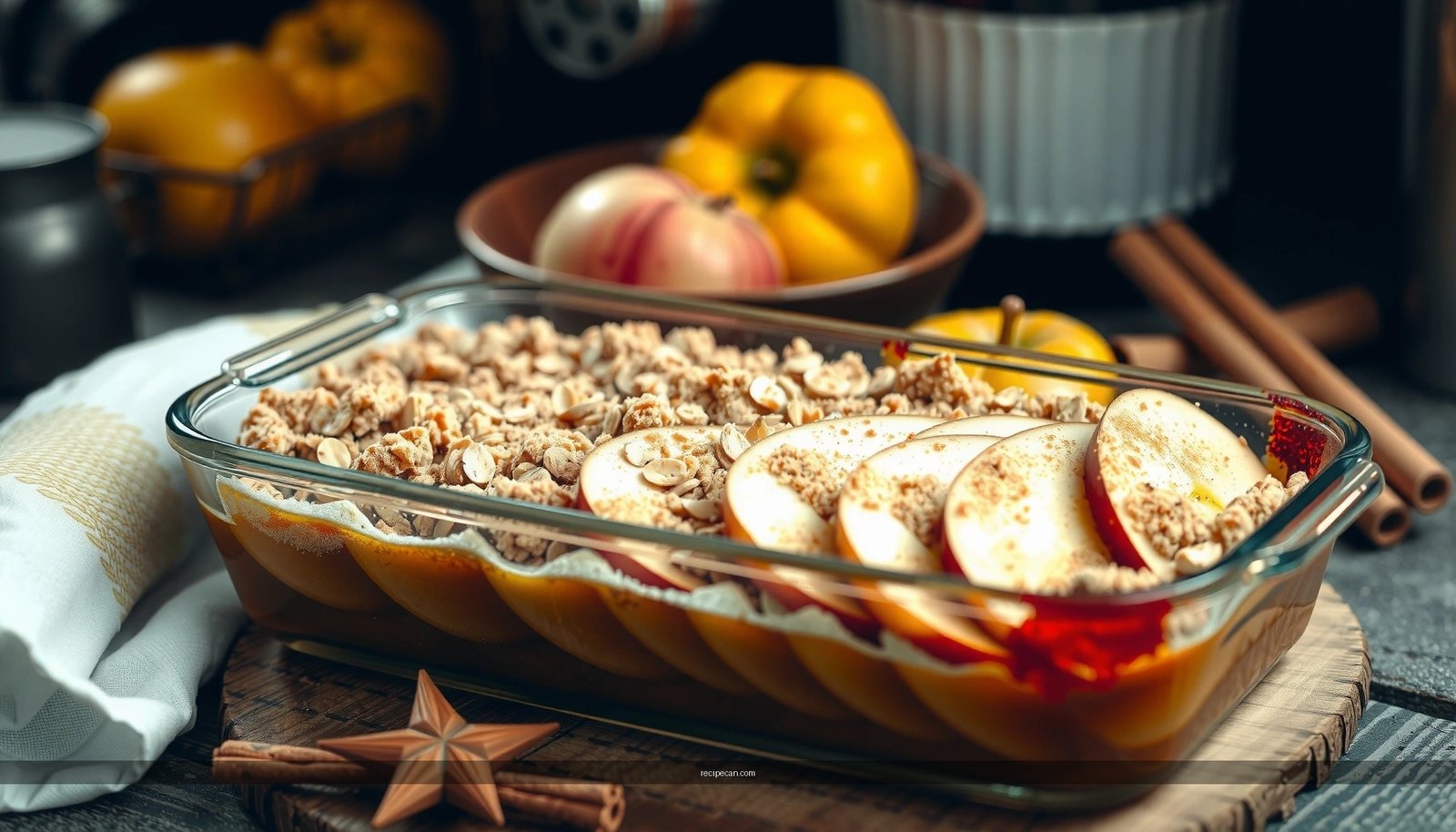
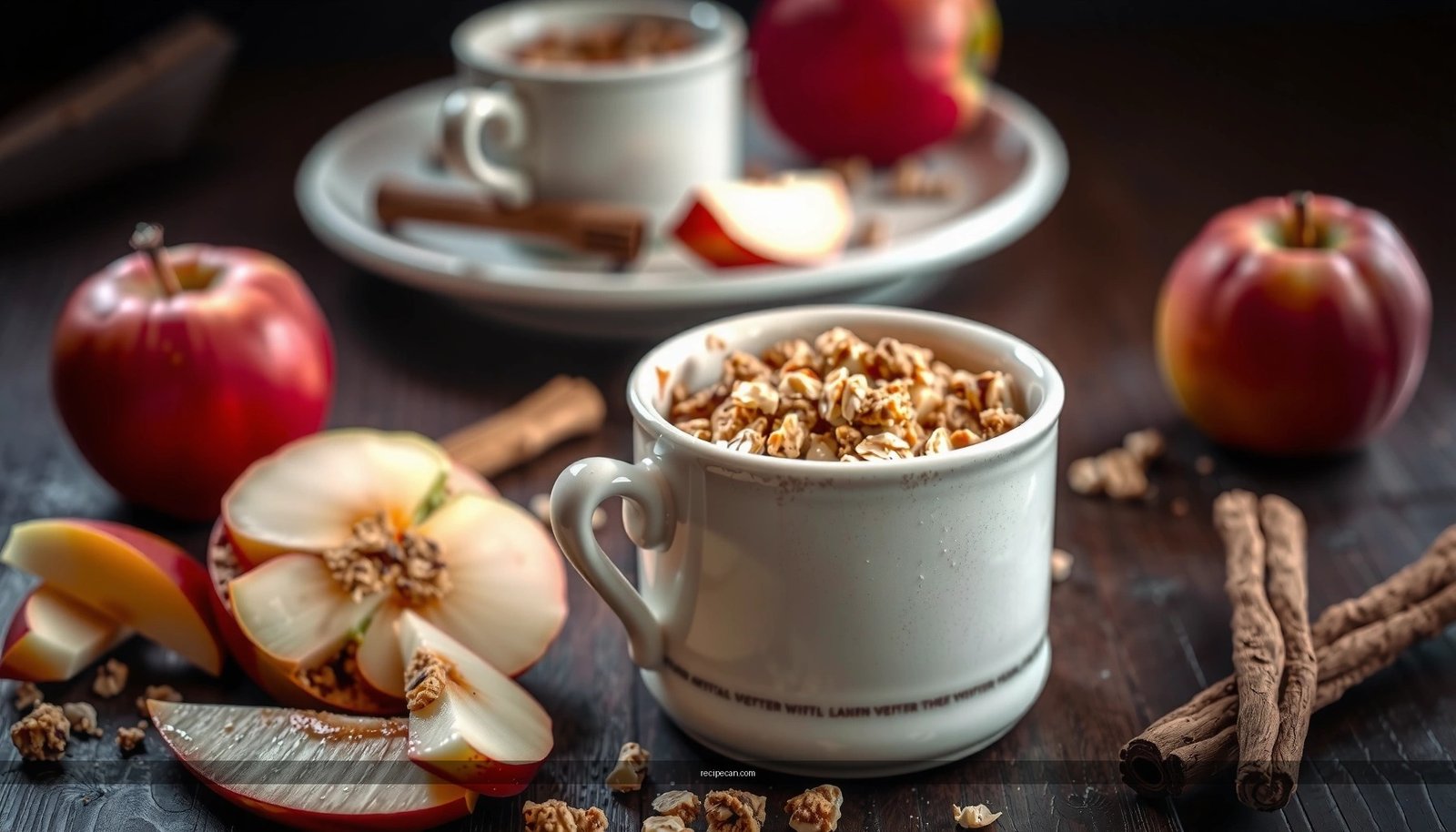
Get a quick, no-fuss crumble topping for muffins that bakes up perfectly crunchy every time. This easy recipe delivers a golden crumble with the right balance of buttery flavor and crisp texture—ideal when you want bakery-style muffin tops. If you want the most reliable crunch without complicated steps, this crumble topping is the winner.
Crumble topping for muffins is the easiest way to add a bakery-style, sweet crunch: mix cold butter, flour, sugar, and a pinch of cinnamon, then sprinkle over the batter and bake until golden. The secret to a crisp crumble is getting the right crumb size (pea-sized) and preventing the topping from melting into the muffin—so it stays crisp, not gummy, even after cooling.
Essential Ingredients for Crumble Topping
A reliable muffin crumble is built on a simple ratio of dry ingredients (for structure and sweetness) plus cold fat (for texture). When those components are balanced, the topping bakes into distinct, crunchy clusters rather than a flat, sugary crust.
– Use flour and sugar as the base for texture and sweetness
Flour provides the “framework” that holds the crumbs together as they bake. Sugar melts during baking, helping crumbs adhere to the muffin surface while also creating caramelized edges. For muffins, regular all-purpose flour works best because it forms a predictable crumb network without turning tough.
Practical guideline: If your topping tastes sweet but doesn’t “set” into crumbs, you likely need a touch more flour (structure). If it hardens too fast or burns easily, reduce sugar slightly.
– Add butter for that classic crumbly, crunchy finish
Cold butter is the engine of crumble topping. It coats the flour and sugar, then creates pockets of fat that melt and evaporate in the oven, leaving behind crisp ridges and clusters. If the butter is warm or over-mixed, it will smear into the dry ingredients and the crumble will bake into a dense layer instead of discrete crumbs.
Best practice: Use very cold butter straight from the fridge. Cut it into small cubes so you can cut it into the dry ingredients quickly without warming the mixture.
A dependable base formula (for about 12 standard muffins):
– 1/2 cup (60 g) all-purpose flour
– 1/3 cup (65 g) granulated sugar
– 1/2 tsp ground cinnamon (optional but recommended)
– 1/4 cup (56 g) cold unsalted butter, cubed
– Pinch of salt (optional but strongly improves flavor)
Step-by-Step Crumble Topping Instructions
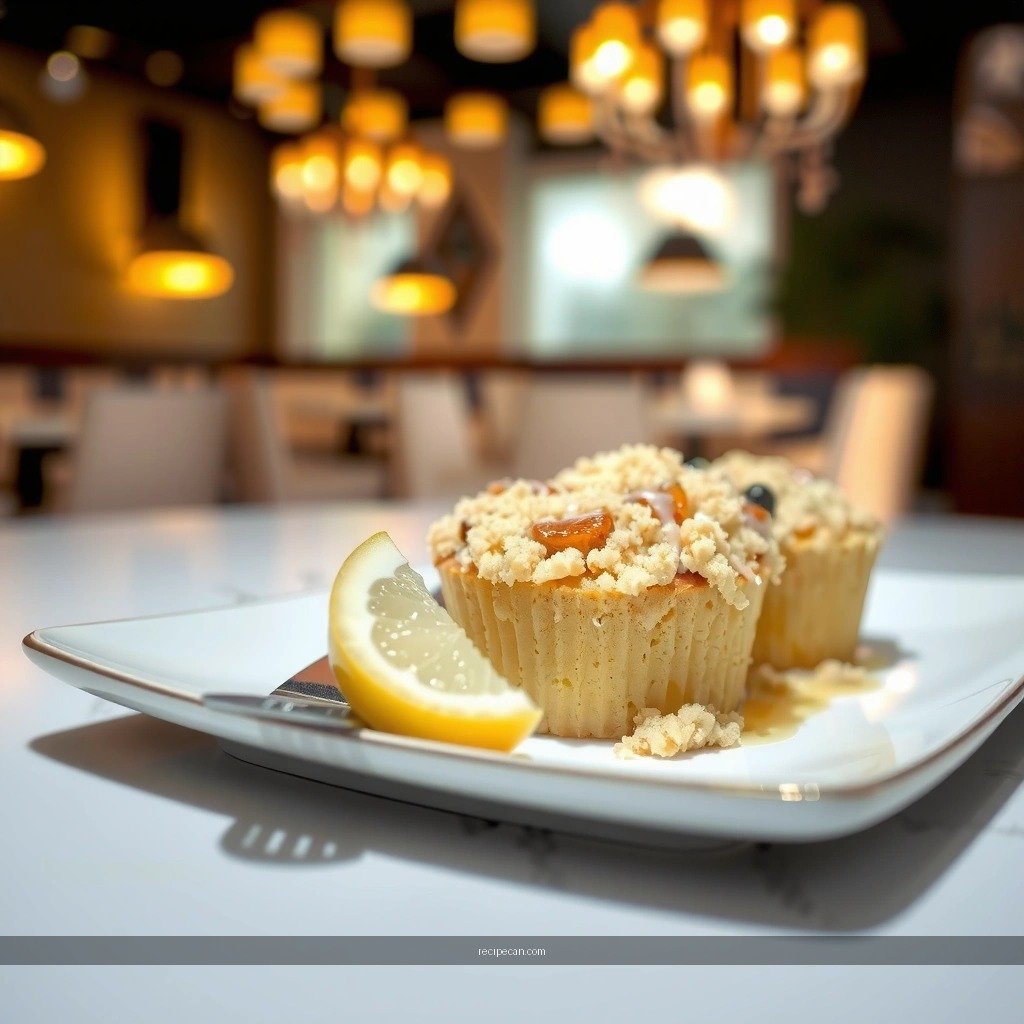
You don’t need special tools—just a bowl and a little technique. The goal is to distribute butter into the flour-sugar mix until it forms coarse crumbs, not smooth dough.
– Cut in cold butter until the mixture forms coarse crumbs
1. Combine flour, sugar, cinnamon, and salt in a mixing bowl.
2. Add cold butter cubes.
3. Use a pastry cutter, fork, or your fingertips to cut/bend the butter into the dry mix.
4. Stop as soon as the mixture looks like uneven coarse crumbs—some pieces larger than others.
Analytical note: Crumble texture is driven by how much butter remains in small pockets versus fully incorporated. Overworking collapses crumb structure and reduces the “crispness potential” because the topping bakes more uniformly and less aerated.
– Sprinkle evenly over muffin batter right before baking
Timing matters because the topping should sit on the batter long enough to adhere, but not so long that it absorbs moisture and softens.
– Spoon batter into your muffin pan.
– Sprinkle crumble generously—aim for coverage but still see the muffin surface between crumbs.
– Bake immediately.
Even coverage tip: Use a two-step method. First, lightly distribute topping across the entire tray (a “base layer”), then return to each muffin and top it with an extra pinch to ensure consistent crunch at every bite.
Crumble Texture Targets for Muffins (Practical Oven Outcomes)
| # | Target crumb size | How it looks after mixing | Oven result (baked top) | Best for | Crunch rating |
|---|---|---|---|---|---|
| 1 | Pea-sized (3–6 mm) | Coarse, uneven clusters | Golden, crunchy islands | Classic muffin crumble | ★★★ ★☆ |
| 2 | Hazelnut-sized (7–10 mm) | Few large clumps, some small crumbs | Thicker top, louder crunch | Coffee shop style | ★★★★☆ |
| 3 | Almond-sized (11–15 mm) | Large clumps dominate | Crunchy edges, slightly less coverage | Branded “chunky” topping | ★★★☆☆ |
| 4 | Oat-sized (2–3 mm) | Small, uniform grains | More crust, less “crumb bite” | Delicate muffin tops | ★★★☆☆ |
| 5 | Sand-like (<2 mm) | Looks powdery; butter fully worked in | Thin crust, can soften fast | When serving immediately | ★★☆☆☆ |
| 6 | Flour-dry mix (no visible chunks) | Dry powder, butter not distributed | No adhesion; crumbs fall off | Not recommended | ☆☆☆☆☆ |
| 7 | Melted-butter paste | Greasy, doughy clumps | Dense top, reduced crunch | Avoid for crispness | ★☆☆☆☆ |
Get the Perfect Crumble Texture
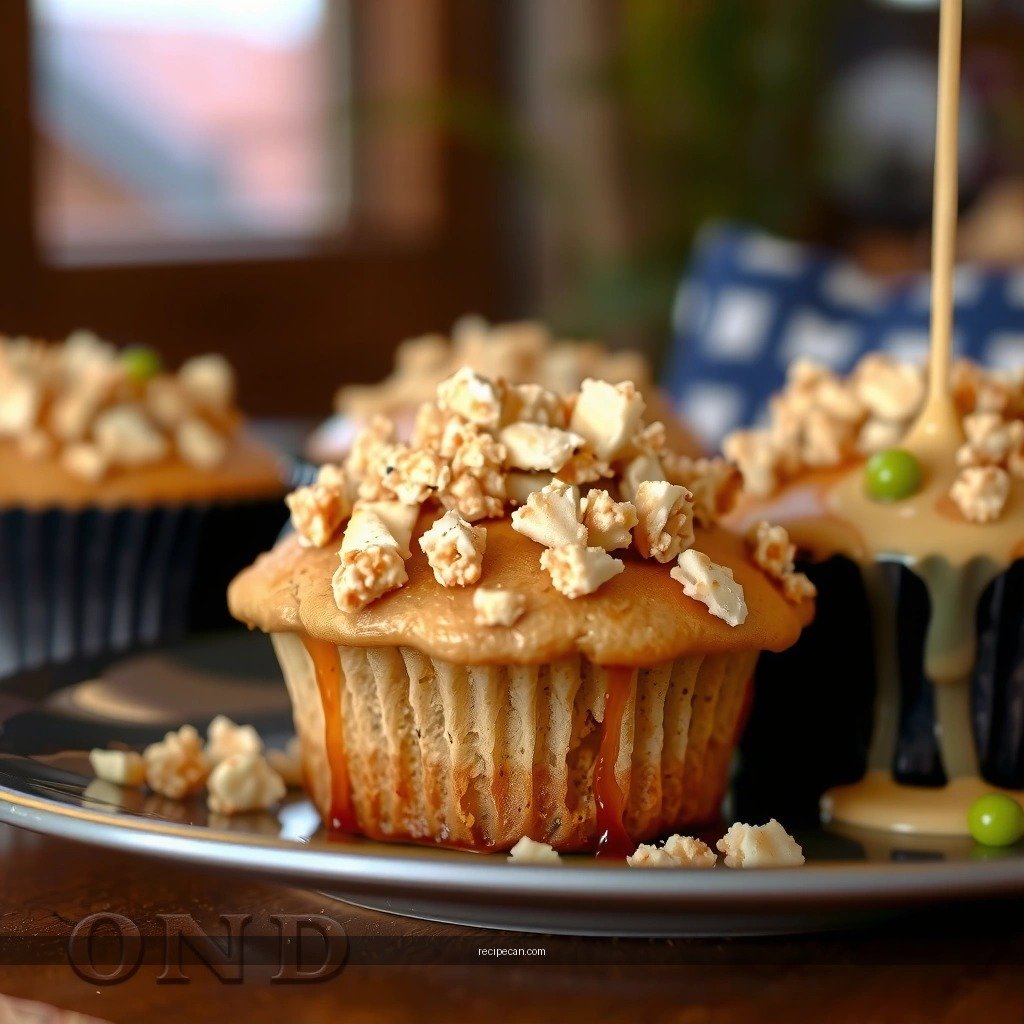
Crumble topping can go from “spectacularly crunchy” to “soft and indistinct” with small changes in crumb size and temperature. Your aim is a topping that holds shape, browns evenly, and provides a clean bite.
– Aim for “pea-sized” crumbs for crunch without melting away
When your butter is cut in properly, you’ll see crumbs roughly the size of peas—small enough to distribute, large enough to retain crunch. This size range creates multiple crust pockets that crisp as moisture escapes.
If your crumbs are too small: you probably over-mixed. Next time, stop earlier and leave some larger pieces intact.
If your crumbs are too large: you may get uneven coverage; crush larger clumps slightly while sprinkling.
– Chill the topping briefly if it feels too soft
If your kitchen is warm or the butter smears easily, chill the topping 10–20 minutes before using. Cooling firms up the fat, so it melts more slowly in the oven and supports a crisp, clustered texture.
Signal it’s time to chill: the topping starts clumping into a paste or you can press it into a cohesive mass. Refrigeration restores the crumb structure without changing the flavor.
Flavor Variations for Muffins
Once your base crumble is consistent, flavor customization becomes straightforward. Small adjustments to sweetness and spice can make your crumble harmonize with different muffin flavors rather than compete with them.
– Add cinnamon for warmth or brown sugar for deeper flavor
Cinnamon boosts perceived sweetness and aroma, which is especially effective for vanilla, apple, pumpkin, and cinnamon-swirl muffins. Brown sugar contains molasses, which adds a darker caramel note and a slightly more tender crumble interior.
Quick customization:
– Swap half the granulated sugar for brown sugar to get richer caramel flavor.
– Increase cinnamon by 1/4 tsp if your muffin batter is not already strongly spiced.
– Mix in a pinch of salt to balance sweetness
Salt may sound minor, but it’s one of the clearest ways to improve flavor clarity. A pinch of salt makes sweetness taste less “flat” and enhances baked spice aromas.
Professional calibration: If you’re using salted butter (or salted margarine), either omit the salt or reduce to a very small pinch to avoid over-salting the topping.
Baking Tips for Maximum Crunch
Even with perfect ingredients, crunch depends on bake conditions. Your goal is to caramelize sugar and set the crumb structure without leaving it underbaked.
– Bake until the topping is golden and set, not pale
Watch the top: when crumble is ready, it typically looks deeper golden with visible set crumbs (not pale and soft). If the topping is pale, sugar hasn’t fully caramelized and the crumb network hasn’t developed its crisp exterior.
How to adjust if needed:
– If tops brown quickly but muffins are underdone inside, lower oven temperature by about 10–15°C (or 20–25°F) and extend time.
– If tops don’t brown, keep the muffin bake time but consider finishing with 1–2 minutes under broil—carefully—to avoid burning.
– Rotate the pan halfway through for even browning
Standard home ovens often have hotspots. Rotating the muffin tin halfway ensures the crumble browns consistently across the entire tray, which improves uniformity in texture.
Consistency tip for batches: If you’re producing muffins for a group or event, use the same rack position every time and rotate on the same timing for reliable results.
Storage and Make-Ahead Options
Crumble topping is easy to store, which makes it ideal for meal prep and batch baking. The key is preventing moisture absorption and keeping the fat in a crumb-friendly state.
– Refrigerate leftover crumble topping in an airtight container
Store any unused crumble in the refrigerator for up to 3–4 days. Airtight storage prevents odors from transferring and reduces moisture pickup, both of which can soften topping.
Re-crisping method (if needed): If the topping feels slightly softened after storage, chill it 10 minutes before sprinkling.
– Prep ahead and top muffins just before baking for best results
For best texture, prepare topping in advance but assemble right before baking. Batter contains moisture that can soften the crumble if left too long. Sprinkling immediately before baking ensures maximum crispness.
Operational workflow idea:
– Day before: mix crumble and refrigerate.
– Baking day: portion batter, sprinkle, bake.
– Serve: allow muffins to cool slightly so the crumb sets fully.
Crumble topping should deliver crunch right after bake and remain pleasantly crisp for a short window afterward—especially if muffins are cooled on a rack rather than stacked hot.
Conclusion
This crumble topping recipe gives you a consistent, bakery-style muffin crunch by focusing on three fundamentals: cold butter cut into flour and sugar to form coarse, pea-sized crumbs; quick, even sprinkling just before baking; and baking until the topping turns deep golden and set. Follow the texture and temperature cues, customize with cinnamon or brown sugar, and use make-ahead storage wisely—then every batch of muffins will come out with a sweet, crisp top that holds up in every bite.
Frequently Asked Questions
What is the best crumble topping recipe for muffins?
A classic crumble topping for muffins is made with flour, brown sugar, cold butter, and a pinch of salt, plus cinnamon or nutmeg if you like. Combine flour and sugar first, then rub in cold butter until the mixture looks like coarse crumbs. For muffins, a good ratio is about 1/4 cup flour to 1/4 cup brown sugar and 3 tablespoons cold butter, which bakes up nicely without turning into a hard shell. Top each muffin with a generous pinch so the crumble forms a textured, golden layer.
How do I make crumble topping that doesn’t sink or melt off muffins?
Use cold butter and don’t overmix—cutting the butter into the dry ingredients with your fingers or a pastry cutter helps create crumbly crumble topping. Spoon topping on only after the muffin batter is filled and ready, and avoid pressing it down firmly so it adheres without becoming greasy. If your kitchen is warm, chill the crumble for 10–15 minutes before adding it to muffins to prevent the topping from spreading too much during baking.
Why is my muffin crumble topping too dry or too wet, and how can I fix it?
If the topping is too dry and won’t hold together, add cold butter 1 teaspoon at a time until you get clumpy crumbs. If it’s too wet and looks pasty, add an extra tablespoon of flour to absorb moisture and improve crumb texture. Aim for a mixture that forms small clusters when squeezed between your fingers—this is the ideal consistency for a crisp crumble topping on muffins.
Which type of sugar (brown sugar vs. white sugar) gives the best crumble topping flavor?
Brown sugar is usually the best choice for crumble topping because it adds caramel-like flavor and helps create a deeper golden color as it bakes. White sugar can make the topping more crisp and lighter in flavor, but it may not brown as richly. Many bakers use a combination—mostly brown sugar with a little white sugar—to balance sweetness, crunch, and color in muffin crumble topping.
How much crumble should I add to each muffin, and how do I get even coverage?
For standard muffins, plan on about 1 to 2 tablespoons of crumble topping per muffin, depending on how thick you want the layer. Sprinkle evenly so each bite gets crunchy topping, then gently press once to help the crumbs stick—avoid compressing hard. If you want extra crunch, add a second light layer after the first, keeping the crumble texture coarse so it bakes up crisp rather than forming a dense crust.