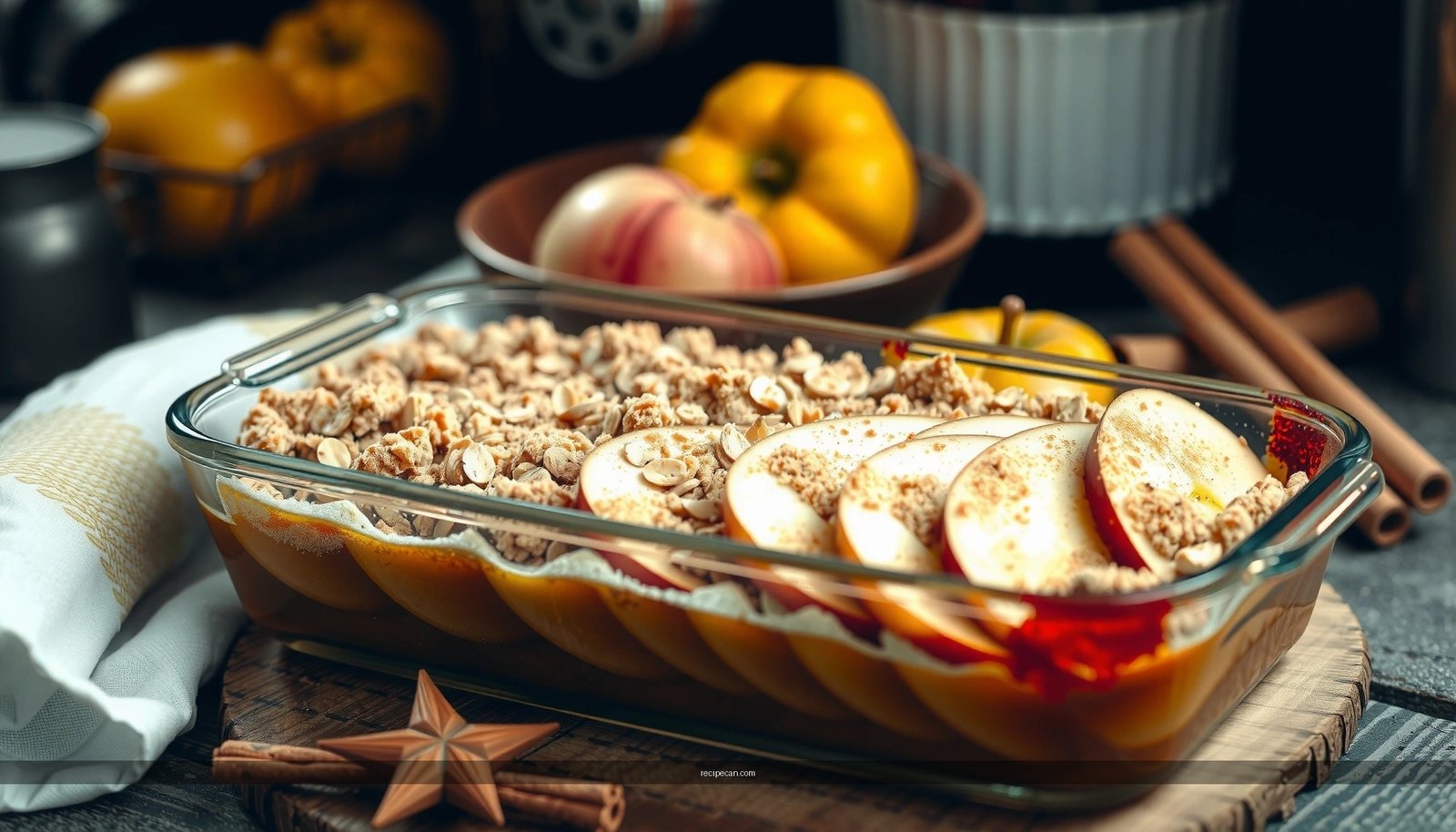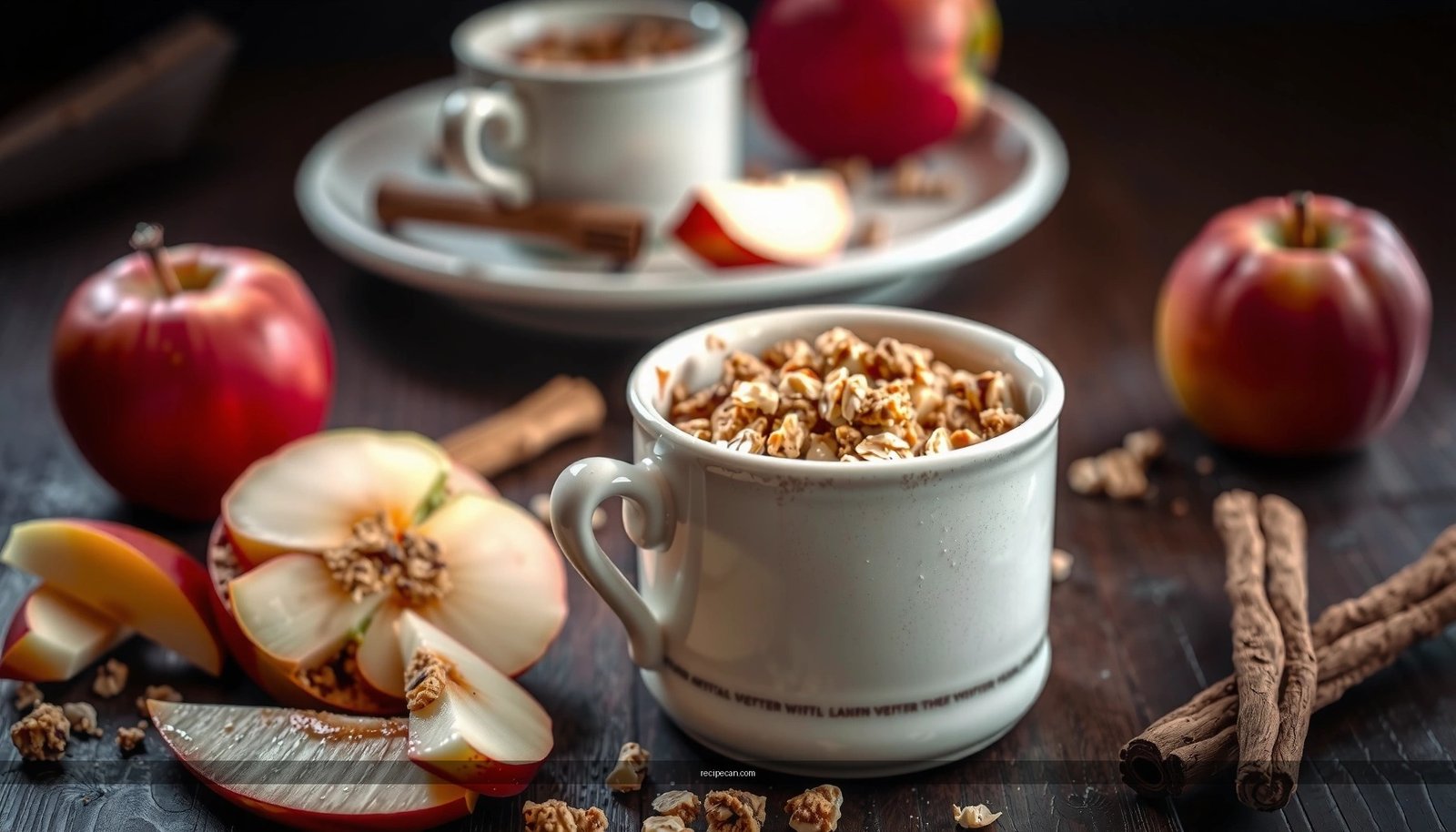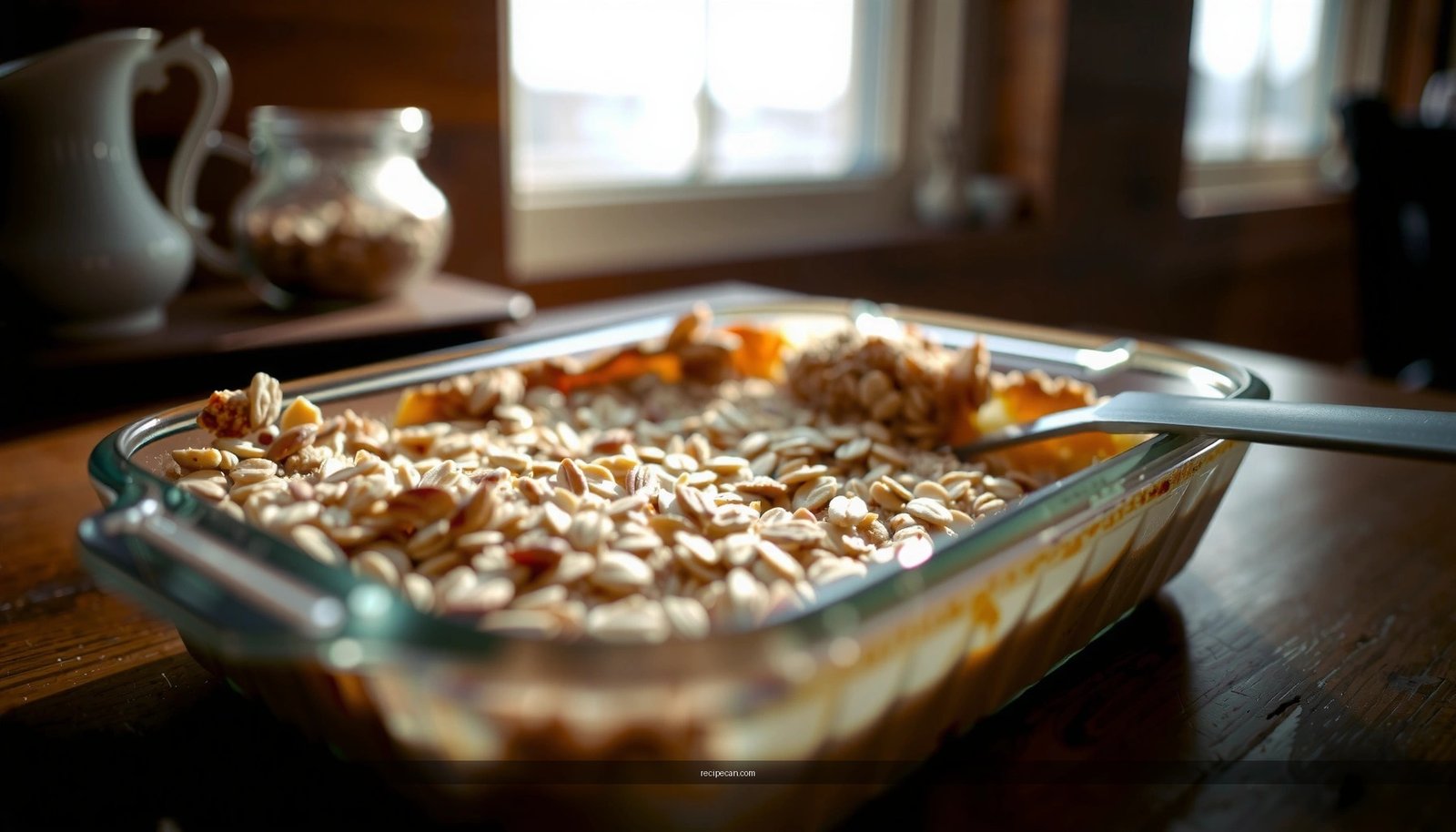
If you’re searching for an oats crumble recipe that’s truly easy, this is the winner: a simple oat-based crumble that turns basic fruit or dessert into something crisp and satisfying. You’ll learn the exact oat crumble method—quick to mix, fast to bake, and reliable every time. Stop guessing and get a go-to oats crumble that delivers crunch without complicated steps.
A quick crumble using oats is simple: make a crisp topping by combining oats with fat (butter or oil), sugar, and flour, then bake it over fruit until it turns deep golden and crunchy. If you follow the exact ratios and a few doneness checks outlined below, you’ll reliably get that classic oat crumble texture—craggy, buttery, and crisp at the edges.
Classic Oats Crumble Ingredients
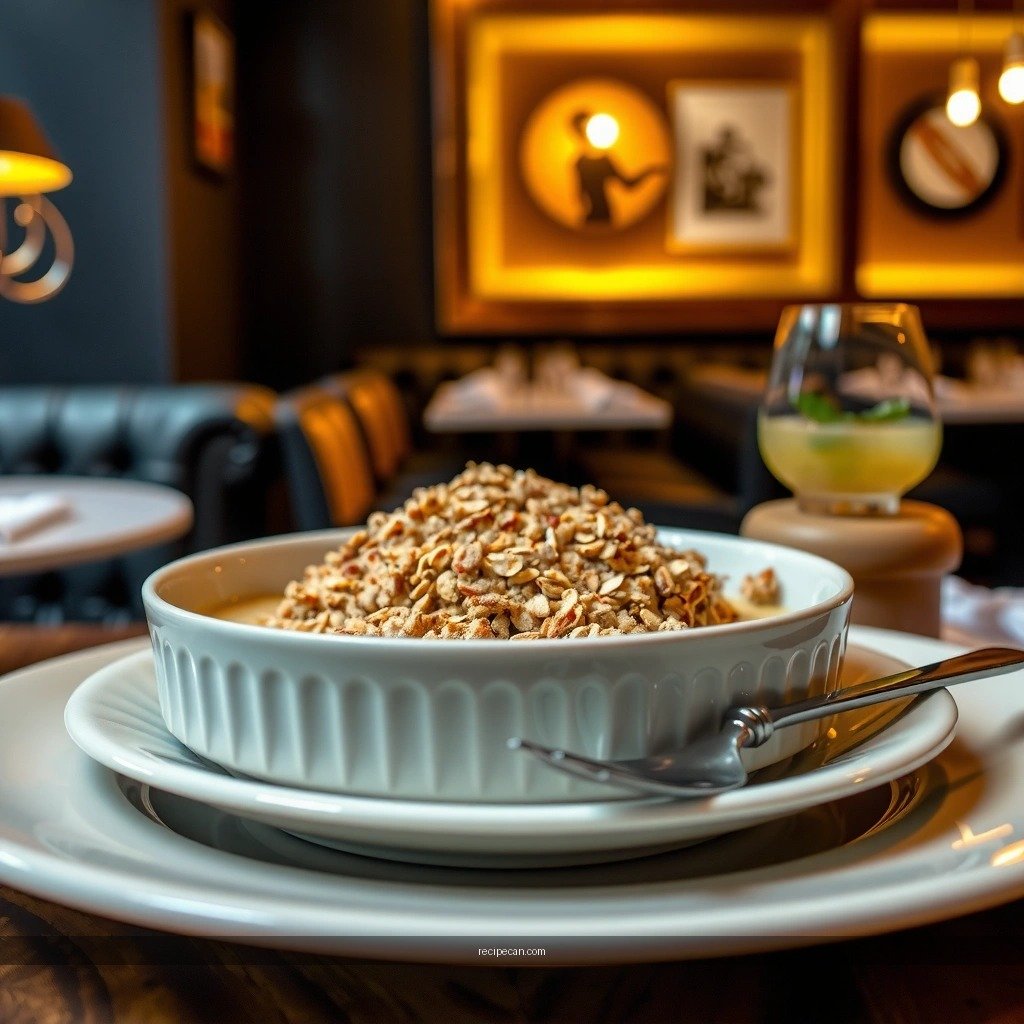
– Oats, flour, sugar, and butter (or a dairy-free alternative)
– Optional spices like cinnamon for extra warmth
The best oat crumble starts with ingredient roles: oats provide structure and chew, flour helps bind the crumbs into crisp clusters, and sugar supports browning and flavor. Butter (or a neutral baking oil) supplies the fat that melts during baking, creating the toasted, crisp “shards” many people associate with bakery-style crumble.
Core ingredient guidance (reliable, repeatable results):
– Rolled oats (not instant): They toast evenly and hold crunch after baking. If you only have quick oats, the crumble will be slightly finer and more tender.
– All-purpose flour: Provides gluten structure for crumble clumps. Use a 1:1 flour swap for gluten-free flour blends that include binding starches (e.g., a “1:1” style mix).
– Sugar (brown or white): Brown sugar adds molasses notes and deeper caramelization; white sugar can keep the topping lighter and cleaner in flavor.
– Butter or dairy-free fat: Butter yields the most classic aroma. For dairy-free versions, use a high-quality plant butter or solid coconut oil for the most “buttery” crunch.
Optional but highly recommended flavor enhancers:
– Cinnamon (ground): A classic warm note that pairs with apples, berries, and stone fruit.
– Pinch of salt: Even in a sweet crumble, salt sharpens flavor and improves perceived sweetness balance.
– Vanilla extract or paste: Add after mixing when you want a more rounded, fragrant topping (especially with lighter fruits).
How to Make the Oats Crumble Topping
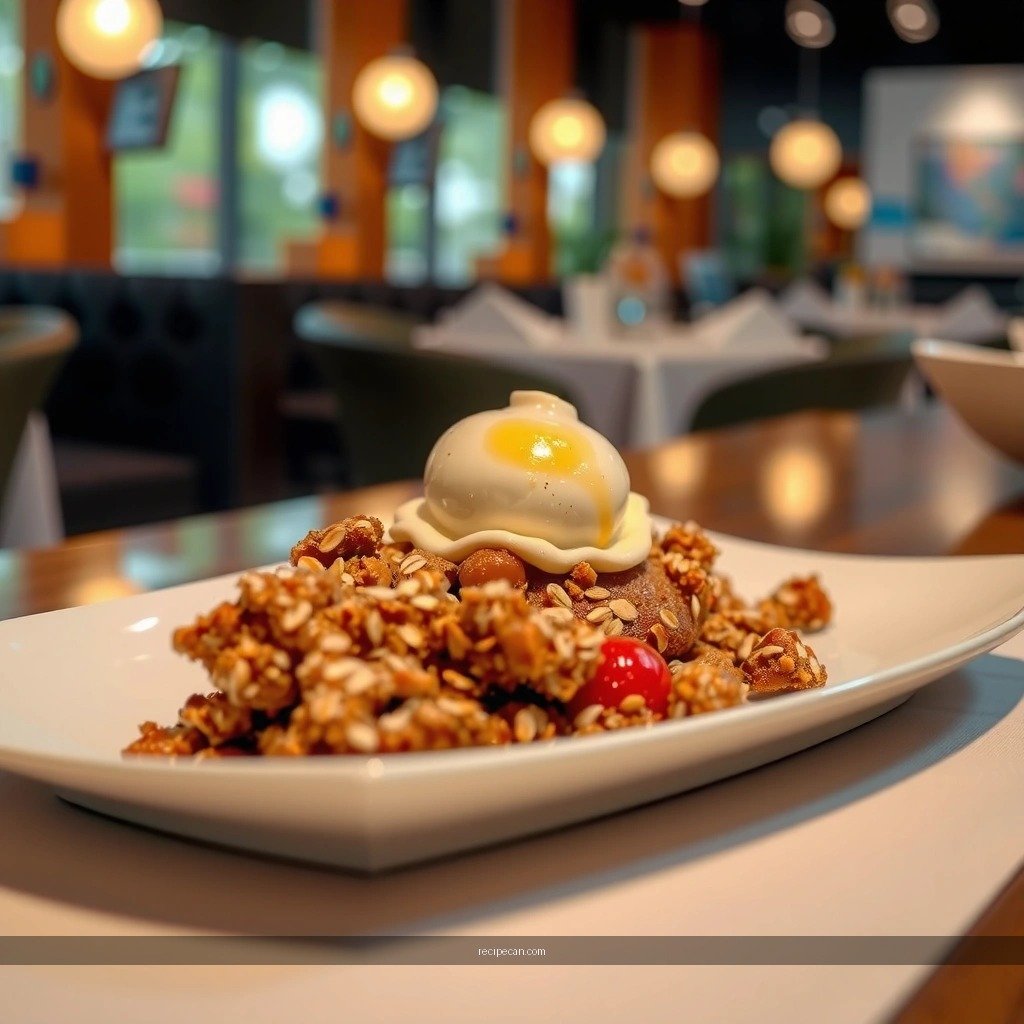
– Mix dry ingredients, then work in butter until crumbly
– Aim for pea-to-almond sized clumps for the best crunch
To get a crisp oat crumble topping, you’re not just mixing—you’re building crumb clusters that trap air and fat. During baking, melted fat steams briefly, then evaporates, leaving dry, crisp edges around those clusters.
Step-by-step method (technique matters):
1. Combine dry ingredients (oats, flour, sugar, salt, and spices). Stir thoroughly so sugar and spices disperse evenly.
2. Work in cold butter using fingertips or a pastry cutter. The goal is an even, sandy mixture with distinct clumps.
3. Stop when clumpy, not when fully smooth. If the mixture becomes pasty, it will bake up more like a thick cookie layer than a crumble.
4. Target clump size: pea-to-almond sized is ideal.
– Smaller crumbs = more uniform crunch but less “crumbly crumble.”
– Larger chunks = more dramatic crisp pieces, but can bake unevenly if your fruit is very wet.
Consistency checkpoints:
– If the mix looks dry and won’t form clusters, add fat in small increments (e.g., 1 teaspoon at a time).
– If it looks greasy or holds together like dough, add more oats (or a spoonful of flour) to rebalance.
Recommended ratio (base template for a standard home dish):
For roughly 8 cups of fruit (about 2–2.5 pounds), plan around 1.25 cups oats + 1/2 cup flour + 1/2 cup sugar + 1/2 cup butter (or equivalent fat). Adjust fruit volume rather than changing the crumble chemistry drastically—small tweaks yield best control.
Oats Crumble Ingredient Profile (What each component does)
Oats Crumble Topping: Performance by Ingredient Role
| # | Topping Component | Typical Amount* | Primary Function | Impact on Crunch |
|---|---|---|---|---|
| 1 | Rolled Oats | 1.25 cups | Toasting texture & structure | High |
| 2 | All-Purpose Flour | 1/2 cup | Binding for crisp clusters | Medium-High |
| 3 | Brown Sugar | 1/2 cup | Caramelization & flavor depth | Medium |
| 4 | Butter (or plant butter) | 1/2 cup | Fat melt → crisp edges | High |
| 5 | Cinnamon (optional) | 1 tsp | Warm aroma & sweetness lift | Low (indirect) |
| 6 | Salt | 1/4 tsp | Flavor balance & contrast | Medium (perception) |
| 7 | Vanilla (optional) | 1 tsp | Round, bakery-style flavor | Low (indirect) |
Amounts reflect a common crumble topping ratio for about 8 cups of fruit. Scale proportionally for smaller or larger trays.
Best Fruit Base for a Crumble Using Oats
– Use berries, apples, or peaches; slice fruit evenly
– Thicken fruit with a little sugar and cornstarch (optional)
A great oats crumble recipe isn’t only about the topping—it depends on how the fruit releases juices. Ideally, the filling should bubble and thicken enough to coat the spoon, not pool into a watery layer that softens the topping.
Top fruit options (and how to handle them):
– Berries (blueberries, raspberries, mixed): Use fresh or frozen. If frozen, don’t fully thaw—reduce extra liquid by adding a touch of cornstarch.
– Apples: Peel if desired, then slice uniformly. Apples benefit from a little time to soften; if your pieces vary in size, you’ll get uneven tenderness.
– Peaches / nectarines: Slice evenly; they can be juicy, so thickening helps the topping stay crisp.
Juice control (simple thickening strategy):
– Add sugar to taste plus cornstarch if the fruit is very juicy (berries in particular can release water).
– Typical thickener rate: 1 to 2 tablespoons cornstarch per 4 cups fruit, depending on how juicy your fruit is and how thick you like the filling.
Practical assembly tip:
Evenly spread fruit in the dish first, then sprinkle topping. For best results, don’t pack the topping down—let clumps stay airy so they crisp properly.
Baking Time, Temperature, and Doneness
– Bake until bubbling and the top is deep golden
– Rest briefly so the filling sets and the topping stays crisp
Oven temperature and bake time determine whether your oat crumble turns out crisp or “soft-crumble.” For a dependable balance between bubbling fruit and toasted topping, you want enough heat to brown oats while allowing the filling to thicken.
Reliable baking parameters:
– Temperature: Bake at 375°F to 400°F (190°C to 205°C).
– 400°F (205°C) browns faster—watch closely for deep golden.
– 375°F (190°C) is slightly gentler for thicker dishes.
– Time: Typically 35–55 minutes, depending on dish depth and fruit moisture.
– Doneness cues (the most useful part):
– Fruit should bubble at the edges, not just in the center.
– The topping should look deep golden brown with crisp, slightly darker oat peaks.
Resting is non-negotiable for crispness:
Let the crumble rest 10–15 minutes after baking. This short cooldown lets the fruit filling set (less runny), while the topping keeps its crunch rather than steaming itself soft immediately.
Variations and Flavor Add-Ins
– Swap in nuts, coconut, or chocolate chips for texture
– Add vanilla, orange zest, or extra cinnamon for flavor
Once you’ve mastered the base crumble using oats, variations become straightforward because the topping ratios remain stable. The key is selecting add-ins that complement the fruit and don’t introduce excess moisture.
Texture upgrades that stay crisp:
– Chopped nuts (walnuts, pecans, almonds): Add 1/3 to 1/2 cup for a toasted crunch. Toasting nuts briefly before mixing improves aroma.
– Shredded coconut: Works especially well with peach or berry mixes. Use 1/4 to 1/3 cup so it toasts without becoming overly dry.
– Chocolate chips: Add 1/3 cup mixed into the topping or sprinkled over fruit before topping. Choose semi-sweet or dark to avoid overwhelming tart fruits.
Flavor directions that elevate the crumble:
– Orange zest: Brightens berries and pairs well with cinnamon—use about 1–2 teaspoons zest.
– Vanilla extract: Add 1–2 teaspoons to the fruit mixture or drizzle lightly after assembly.
– Extra cinnamon or a pinch of nutmeg: Great for apple crumble style profiles.
Professional pairing idea:
For a “bakery-style” effect, use cinnamon-brown sugar apples with chopped pecans, or blueberry crumble with lemon/orange zest and a small amount of vanilla in the filling.
Storage and Reheating Tips
– Store leftovers covered in the fridge
– Reheat in the oven or air fryer to restore crispness
Crumble can lose crispness as the topping absorbs fruit juices over time—but you can reverse much of that by reheating correctly.
Storage best practices:
– Cool completely, then cover and refrigerate.
– Store for up to 3 days for best texture and flavor.
Reheating for maximum crunch:
– Oven: Reheat at 350°F (175°C) for about 10–15 minutes until warmed through and the topping re-crisps.
– Air fryer: 350°F (175°C) for 6–10 minutes works well for single servings and faster crisp recovery.
– Microwave reheating is convenient but typically softens the topping—use it only if time is critical.
Portion strategy for texture:
If you plan to eat later, reheat single portions rather than the whole dish, since the topping is the first element to soften.
After baking your crumble using oats, you’ll have a golden, crunchy topping and a warm, juicy filling in less time than you think. Make it your own with different fruits and add-ins—then try the next batch with a new flavor combo.
Frequently Asked Questions
What is a good crumble recipe using oats?
A good oats crumble recipe usually combines rolled oats, flour, brown sugar, cinnamon, and cold butter (or vegan butter) for a crisp topping. For the filling, mix fruit like apples or berries with sugar and a little cornstarch so it thickens as it bakes. Bake until the fruit is bubbling and the oat crumble topping turns golden and crunchy, typically around 35–45 minutes at 350°F (175°C).
How do I make an oat crumble topping that stays crunchy?
Use cold butter and gently rub it into the dry ingredients until the mixture forms small clumps—this helps the crumble crisp up in the oven. Don’t overmix the topping, and let it sit briefly before baking so the butter firms up. Bake on a preheated tray if possible, and avoid covering the dish during baking; once it cools slightly, the oat crumble will maintain its texture.
Which fruits work best in an oats crumble recipe?
Apples, pears, peaches, and mixed berries are all excellent choices for an oats crumble recipe using oats. Apples and pears hold up well and taste great with cinnamon and a squeeze of lemon to balance sweetness. For berries, consider adding cornstarch or flour to prevent a watery filling, especially if you’re using frozen fruit.
Why is my oat crumble not crispy, and how can I fix it?
If your oat crumble topping is soft or greasy, it often means the butter was too warm or you didn’t get enough oat-and-flour structure in the topping. Another common issue is underbaking—look for a deep golden color and bubbling fruit to ensure the topping sets. To fix it next time, bake a few minutes longer and consider adding a little extra oats or reducing sugar in the filling so the moisture doesn’t overpower the crumble.
What’s the best way to bake oat crumble and prevent a soggy bottom?
Bake on the middle rack and consider placing the baking dish on a preheated sheet for extra bottom heat and crispness. Use thickened fruit filling—cornstarch or flour helps the filling stay in place instead of soaking into the oat crumble. Let the crumble cool for 10–20 minutes after baking so the filling firms up and the oats stay crisp.