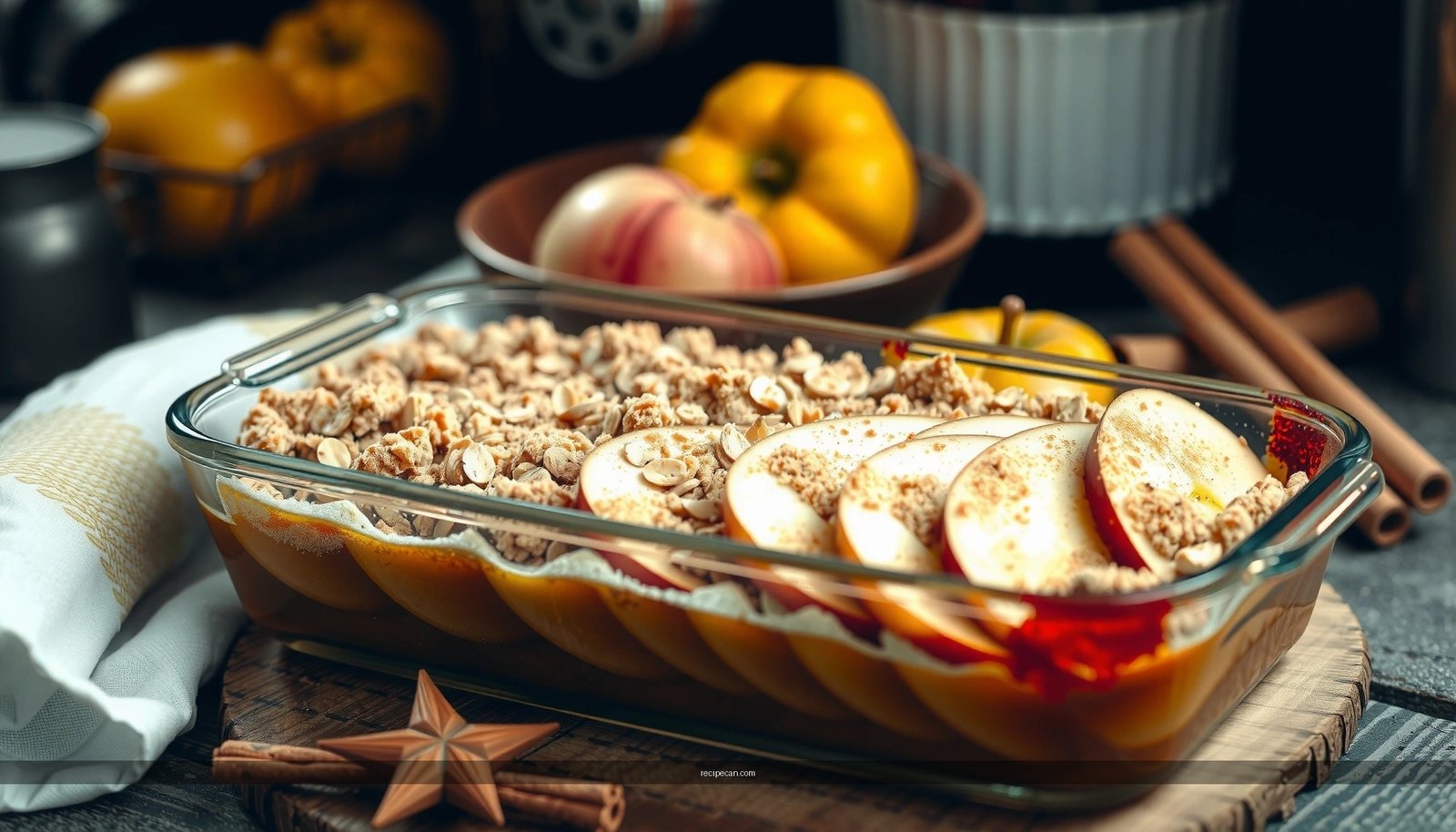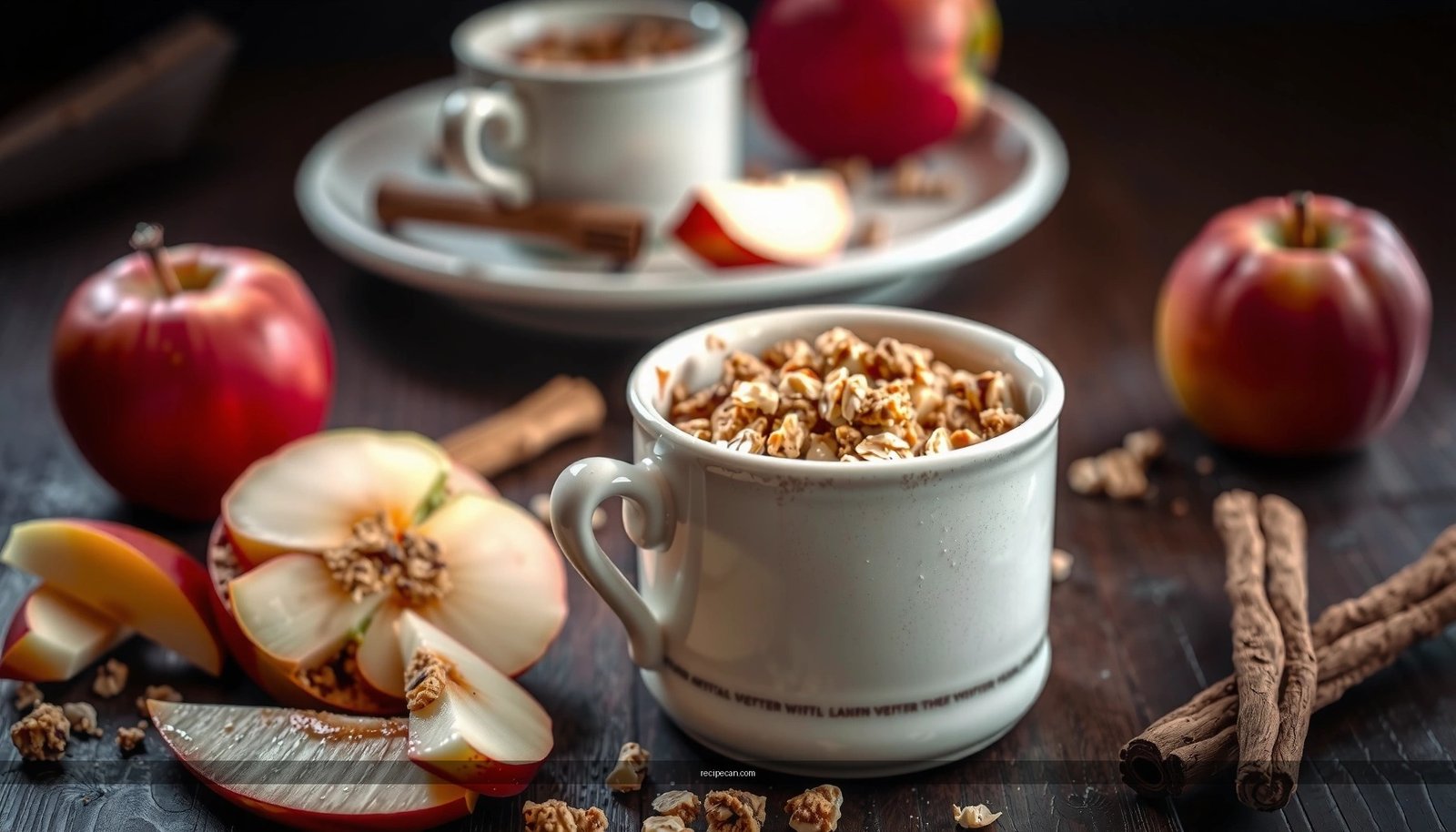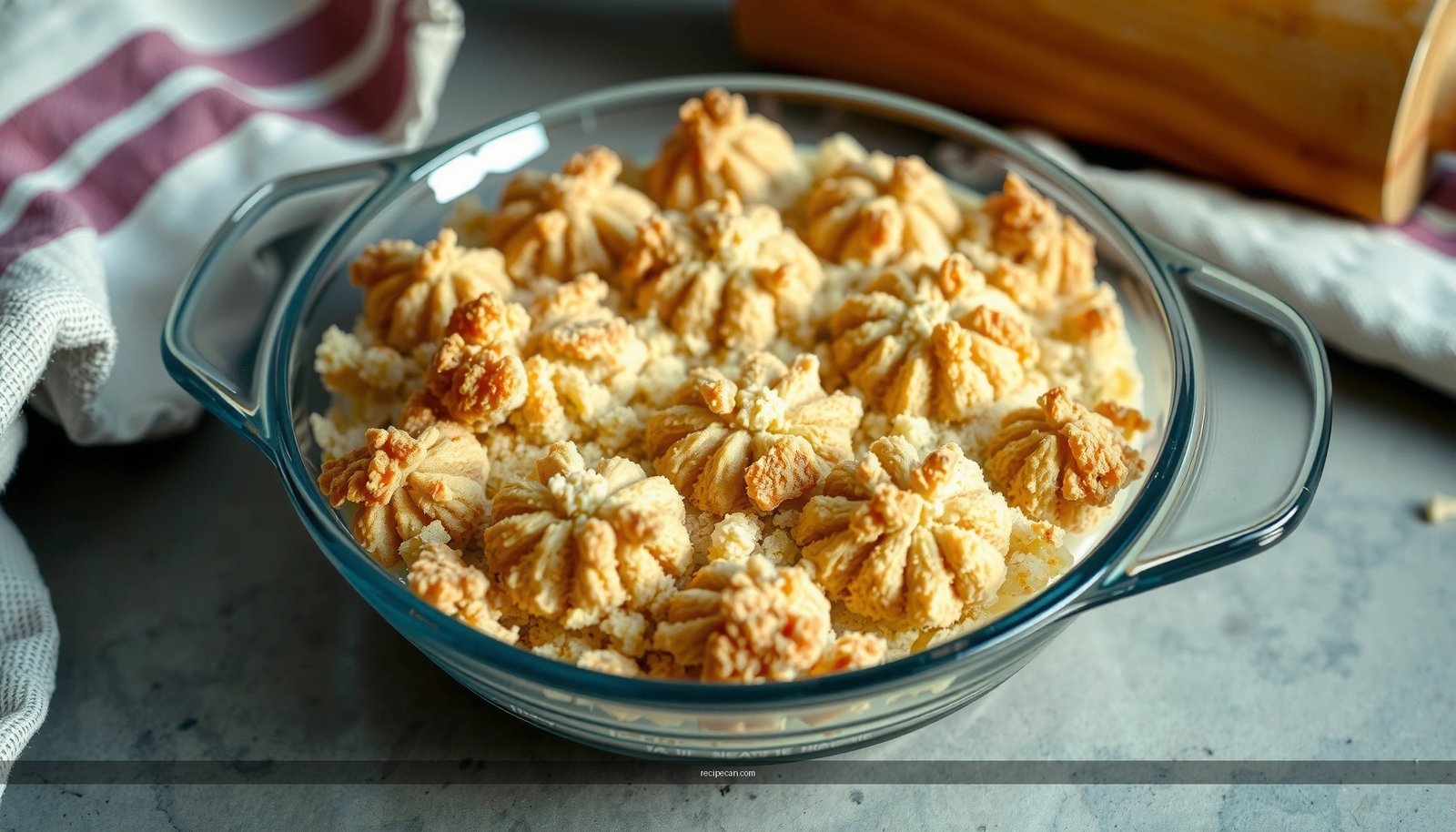
Want the best pie crumble topping recipe for an easy, buttery crisp layer? This recipe delivers a reliably golden, crunch-on-top crumble that holds its shape and bakes through evenly—so it beats a standard streusel-style topping when you want real crunch. Follow the simple mix-and-sprinkle method and you’ll get that bakery-style finish in every pie.
Make a classic pie crumble topping by cutting cold butter into flour, sugar, and salt until you get coarse crumbs—then bake until the top is deep golden and crisp. In this recipe, you’ll use precise ratios and timing, plus practical troubleshooting tips to get a flavorful, crunchy layer on fruit or apple pies every time.
Gather Ingredients for Pie Crumble Topping
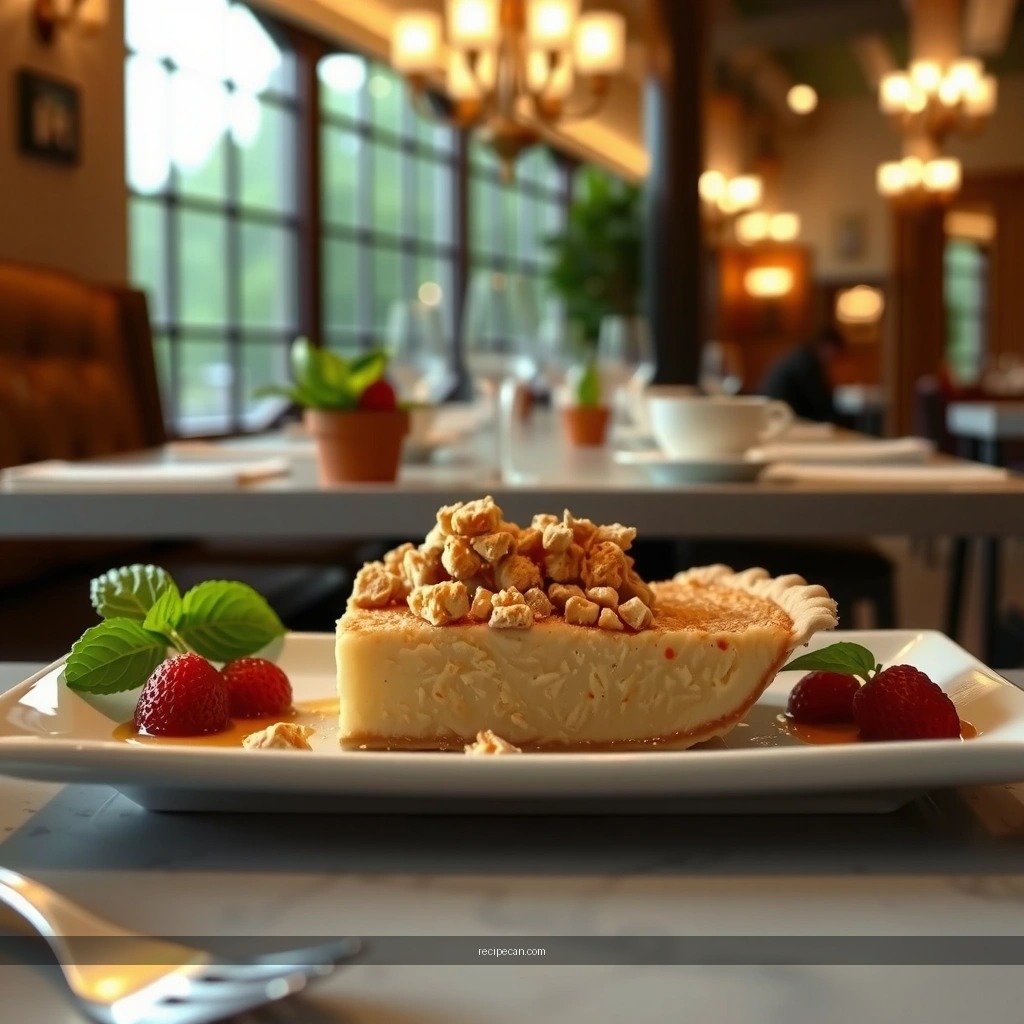
A dependable pie crumble topping starts with the right balance of structure (flour), sweetness (sugar), richness (butter), and seasoning (salt). Use ingredients that are consistent in texture and temperature—especially the butter—because crumble is a texture-driven component, not a batter-based one.
Core ingredients (recommended for the best “crisp layer”):
– All-purpose flour: Provides the crumb’s structure. Too little flour leads to greasy spread; too much can make it dry and pasty.
– Granulated sugar: Adds sweetness and—more importantly—helps with browning. As sugar melts and caramelizes, it creates a crisp top.
– Cold butter: The critical ingredient. Cold butter forms solid fat pockets that melt during baking, creating uneven, crunchy crumbles.
– Pinch of salt: Enhances flavor and prevents the topping from tasting flat, especially on sweet fruit fillings.
– Optional cinnamon: Adds warm spice that pairs naturally with apple, blueberry, cherry, and peach.
Practical ingredient notes (quality and behavior):
– Butter temperature matters: If butter is too warm, the crumble can become sandy before baking, then bake up dense rather than crisp.
– Salt type: Fine salt dissolves quickly; if using flaky salt, use slightly less because it’s less concentrated by weight.
– Spice timing: Cinnamon is best mixed into the dry ingredients so it’s evenly distributed across the crumb.
Mix the Crumble to Get the Right Texture
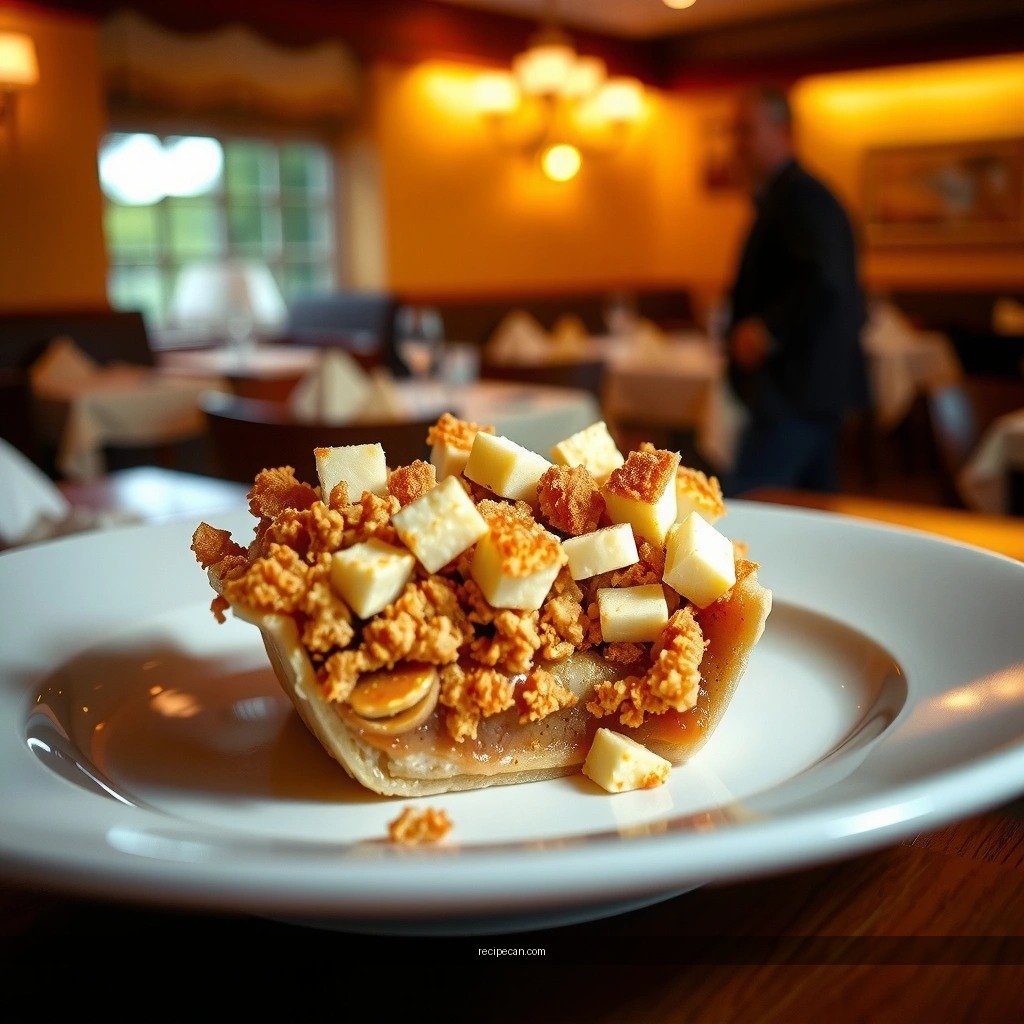
The key to a perfect crumb topping is uneven, coarse crumbs. You’re not making a smooth dough—you’re creating variation: small pieces that brown quickly and larger flakes that stay crisp and crunchy.
How to mix (and what “right” looks like):
– Combine flour, sugar, salt, and any spices in a bowl.
– Add cold butter, then mix until you see coarse crumbs with some uneven clumps.
– Stop mixing early. Overmixing warms the butter and produces smaller, uniform crumbs that can bake into a tighter crust.
Ideal ratio (for a standard 9-inch pie):
– Flour: 1/2 cup (60 g)
– Sugar: 1/3 cup (65 g)
– Salt: 1/8 tsp
– Cold unsalted butter: 1/2 cup (113 g), cut into cubes
This ratio yields a crumble layer that’s thick enough to be texturally distinct, without overwhelming the filling.
Texture troubleshooting (use this like a quick checklist):
– If the mixture feels too dry and won’t clump at all: add 1 teaspoon butter and mix briefly.
– If the mixture feels too wet or the butter is smearing: add 1 tablespoon flour and mix until coarse crumbs form again.
Mixing method options:
– Fingertips: Lightly rub butter into flour until coarse. Fast, tactile, and great for consistent texture.
– Fork or pastry cutter: Works well when your butter is very cold and you want control over crumb size.
– Food processor (careful): Pulse in short bursts. Overprocessing is the most common reason crumble toppings come out too uniform and less crisp.
Why coarse crumbs matter: During baking, butter melts and leaves tiny air pockets. A mix of sizes creates a crisp surface with a range of bite—some bits get extra caramelized while others remain lightly crisp.
Prep Your Pie for Even Crumble Coverage
Even coverage prevents “thin spots” where the topping disappears into the filling, and it also reduces soggy outcomes caused by steam. Your goal is to treat crumble like a protective crust—distributed right where the filling will bubble up.
Best practices for placement:
– Spread filling evenly in the pie dish before adding crumble. Lumpy filling creates areas where the topping sits too low (soggy) or too high (over-browned).
– Leave a small gap at the edges of the crust: This helps reduce overflow and keeps the lines clean. It also allows the edges to bake without the crumble forming a thick barrier that can overbrown.
– Sprinkle gently, don’t press hard: Lightly distribute the crumble so it covers the surface, but avoid compacting it into a dense layer.
How much crumble to use:
– Aim for a moderate, even layer that covers the surface fully. If you use too little, you’ll get more “speckle” than topping. If you use too much, the pie can taste heavy and the bottom may take longer to set.
Filling moisture is a major driver of crispness:
– For fruit fillings, ensure you have thickened properly (cornstarch, thick fruit reduction, or a pre-cooked filling). When filling is too loose, steam softens crumble from below.
– If your filling is especially juicy (like fresh berries), consider thickening slightly more than usual for crumble pies.
Crumble Texture Targets by Bake Stage (9-inch Pie)
| # | Time into Baking | What You Should See | Moisture Indicator | Crispness Trend |
|---|---|---|---|---|
| 1 | 0–10 min (pre-crisping) | Butter starts to melt; crumbs darken slightly | Surface still looks “dull” | Rising |
| 2 | 10–20 min (first browning) | Crumbs show golden edges; clumps appear distinct | Light steam may be visible at vents | Improving |
| 3 | 20–30 min (caramelization) | Top color deepens; sugar caramel smell increases | Filling begins bubbling more actively | Strong |
| 4 | 30–40 min (set crumb) | Crumbs look crisp and toasted; clumps feel firm | Bubbles reduce from vigorous to steady | At peak |
| 5 | 40–50 min (finishing) | Deep golden overall; small darker freckles OK | Center bubbles should be less watery | Maintained |
| 6 | 50–60 min (cooling begins) | Crumb surface stays dry-looking | Steam becomes minimal | Stabilizing |
| 7 | After 60 min (fully set) | Top crispness is obvious when tapped | Filling thickens and reduces bubbling | Highest |
Bake for Golden Color and Crisp Crunch
Baking is where crumble becomes “crisp, buttery, and caramelized.” The two most common failure modes—underbaked softness and overbrowned bitterness—are solved by correct temperature, timing, and strategic monitoring.
Recommended baking approach (works for most fruit pies):
1. Bake at a hot temperature (commonly 425°F / 220°C) to drive rapid browning and set crumbs quickly.
2. Bake until the top is deep golden and smells caramelized.
3. If your pie filling bubbles vigorously, it’s a sign the bottom is heating through—but don’t confuse “bubbling” with “set.” The topping also needs time to crisp.
What to check during baking:
– Start checking at around 20–25 minutes, depending on your oven.
– Rotate the pie if your oven has hot spots.
– Look for a top that is visibly dry and firm, not tacky.
Foil tenting strategy (prevents premature browning):
– If the crumble browns too fast before the filling sets, tent with foil loosely. This slows surface browning while allowing the pie to continue baking inside.
A simple doneness test:
– The filling should bubble through vents or around the edges.
– The crumb top should be crisp and golden, not pale.
– If you lift the pie gently with a spatula, the bottom should hold structure rather than feel overly wet.
Timing guidance (typical range):
– Many 9-inch crumble pies bake in 40–55 minutes, depending on filling thickness and whether the pie was pre-chilled.
Customize Your Pie Crumble Topping
Once you’ve mastered the baseline crumble topping, you can tailor it to match your pie filling and desired mouthfeel—crunchier, richer, or more spiced.
1) Add extra crunch with oats
Swap a portion of the flour for oats:
– Replace 1/4 cup of flour with 1/4 cup rolled oats.
Oats create bigger texture variations and add a toasted flavor. They also absorb some fat and moisture, which can improve crispness for juicy fillings.
2) Use brown sugar for deeper caramel notes
For a richer topping:
– Replace half the granulated sugar with brown sugar.
Brown sugar contains molasses-like compounds that brown earlier and give a more complex flavor than plain sugar—excellent for apple pie and spiced fruit.
3) Adjust sweetness and spice
– For very sweet fillings (ripe peaches), reduce sugar slightly or rely on cinnamon and salt for balance.
– For tart fillings (sour cherries, rhubarb), keep the sugar ratio or consider a touch more for symmetry.
4) Flavor-forward variations
– Citrus zest (lemon or orange) mixed into the filling pairs well with buttery crumble.
– A small pinch of nutmeg can enhance apple-based pies without overpowering.
Best Crumble Tweaks by Pie Filling
| # | Pie Filling | Recommended Swap | Crispness | Flavor Impact |
|---|---|---|---|---|
| 1 | Apple (classic) | +1/4 cup oats | ★★★★☆ | Warm caramel spice |
| 2 | Blueberry | Brown sugar 50% | ★★★★☆ | Deep, rounded sweetness |
| 3 | Cherry | Add 1/8 tsp cinnamon | ★★★★☆ | Enhances tart-fruit aroma |
| 4 | Peach | +1 tbsp flour (juicy) | ★★★☆☆ | Controls spread, keeps crisp |
| 5 | Rhubarb | Brown sugar 25% | ★★★★☆ | Balances sharpness |
| 6 | Mixed berries | Oats + pinch nutmeg | ★★★★☆ | Toasty, bakery-style depth |
| 7 | Pumpkin | Cinnamon + 1 tbsp oats | ★★★☆☆ | Spiced autumn topping |
Serve and Store Your Pie Crumble Topping
A crisp crumble top is a “set” texture—it improves as the pie cools, and it stays best when moisture is managed. Serve at the right temperature, store correctly, and reheat in a way that revives crunch instead of steaming it.
Serving (best timing):
– Let the pie cool 15–30 minutes so the filling thickens and the crumble sets.
– Cutting too early can smear filling and soften the top because trapped steam escapes slowly.
Storage for crispness:
– Store the pie covered in the refrigerator.
– Because refrigeration increases moisture migration, the topping may lose some crunch over time—but the goal is to keep it from getting soggy.
Reheating to refresh the crunch:
– Reheat in an oven or toaster oven rather than a microwave.
– Use a moderate temperature until warmed through—this re-crispens the crumb surface by evaporating surface moisture.
Quality expectations (realistic outcomes):
– Day 1: Best crunch and flavor.
– Day 2–3: Still delicious, but crispness may soften slightly. Oven reheating restores much of the texture.
Baking a pie crumble topping is simple: mix cold butter with flour and sugar into coarse crumbs, sprinkle evenly, and bake until golden and crisp. Follow the texture and baking tips above, then customize with oats or cinnamon to match your filling—try it on your next fruit or apple pie and enjoy that perfect crunchy layer.
When you nail the fundamentals—cold butter, coarse crumb texture, even coverage, and monitored browning—you get a crumble topping that performs like a professional bakery crust: buttery, crisp, and reliably golden. Use the troubleshooting cues (dry/wet adjustments), tent foil when needed, and cool before slicing to preserve crunch; with these steps, your pie crumble topping will be consistent and scalable for any filling you bake.
Frequently Asked Questions
What is the best pie crumble topping recipe for a buttery, crispy finish?
A great pie crumble topping usually uses flour, rolled oats (optional), brown sugar, and cold butter mixed until it forms coarse crumbs. For a classic buttery texture, use unsalted butter and mix just until the mixture clumps when pressed. Sprinkle the crumble generously over your pie filling so it bakes into a crisp, golden layer.
How do you make pie crumble topping that doesn’t turn soggy?
To prevent a soggy topping, bake the pie filling until it’s thick enough to support the crumble before adding the topping, or choose a filling that naturally thickens (like fruit with sugar and a thickening agent). Use cold butter and avoid overmixing—small crumb sizes bake faster and stay crisp. If needed, bake on a preheated tray and consider covering loosely with foil for part of the bake time, then uncover to brown at the end.
How do you keep crumble topping from burning while the pie filling finishes baking?
Start by baking at an appropriate temperature and placing the pie on the middle rack so the topping browns evenly. If your crumble is browning too quickly, loosely tent the top with foil for the remaining bake time, then remove it near the end to let the topping crisp up. Using rolled oats and a higher flour-to-butter ratio can also help the topping brown more gradually.
Why add oats to a crumble topping for pie?
Adding oats to a pie crumble topping recipe increases crunch and helps the topping hold its shape while baking. Oats also add flavor depth and create a more textured, “streusel-like” finish compared with a flour-only crumb. If you want extra crispness, use rolled oats and keep the butter cold for proper crumb formation.
Which fruit pies pair best with crumble topping?
Crumble topping works especially well with juicy fruit pies like apple, berry (blueberry or mixed berries), peaches, and cherries because the crumb balances sweetness and adds texture. For very watery fillings, make sure the filling is properly thickened so the crumble stays crisp after baking. A cinnamon-forward crumble is particularly popular with apples and peaches, while a lighter sugar crumb complements berries without overpowering them.