Want a French toast recipe with no vanilla that still tastes rich and comforting? This easy no-vanilla method delivers a golden, custardy slice using simple pantry staples—no vanilla extract required. If you’re avoiding vanilla or running out, this is the fastest way to get restaurant-style French toast without sacrificing flavor.
French toast without vanilla is still easy and flavorful—just replace vanilla with warm cinnamon and a small amount of almond extract (or skip extracts entirely). The key is balancing aroma (spice + fat + sweetness) with technique (proper soak and the right heat) so your French toast turns golden, tender, and never “flat.”
Ingredients for French Toast (No Vanilla)
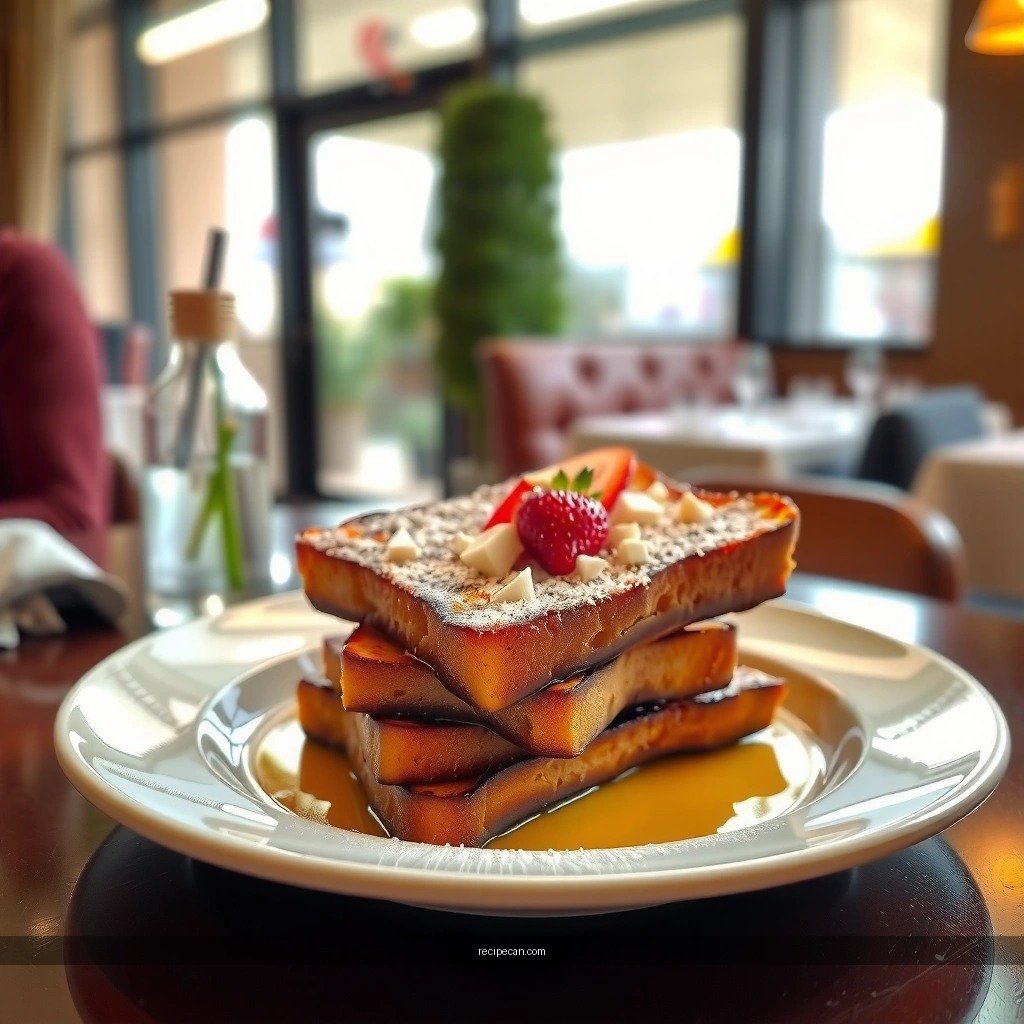
French toast’s flavor isn’t dependent on vanilla alone; it comes from the custard base (eggs + milk), the bread’s absorption, and the aromatic seasoning you choose. For a no-vanilla breakfast that still tastes bakery-level, focus on good bread and a well-seasoned custard.
– Use eggs, milk (or half-and-half), and bread (brioche or thick-cut works best)
– Eggs provide structure and richness.
– Milk/half-and-half affects creaminess and browning (higher fat browns more readily).
– Bread choice matters: brioche and challah are naturally sweet and custardy; thick-cut slices prevent over-soaking and keep centers soft.
– Add cinnamon and a pinch of salt for flavor without vanilla
– Cinnamon delivers the cozy “warm aroma” people often associate with vanilla.
– Salt isn’t optional—just a pinch makes egg-and-milk flavors taste more complete and sweeter without adding sugar.
Practical custard ratio (works for 4 slices):
– 2 large eggs
– 1/2 cup milk or half-and-half
– 1/2 tsp ground cinnamon (adjust to taste)
– Pinch of salt
– Optional: your chosen vanilla substitute (see next section)
Recommended Vanilla Replacement Strengths for French Toast
| # | Vanilla Replacement | Typical Amount per 2 Slices | Flavor Match (to Vanilla) | Impact on Browning |
|---|---|---|---|---|
| 1 | Cinnamon (increase slightly) | +1/8 tsp | ★★★☆ | Slight ↑ |
| 2 | Almond extract | 1/8 tsp | ★★★★☆ | Slight ↑ |
| 3 | Maple syrup (in custard) | 1 tsp | ★★★☆ | Moderate ↑ |
| 4 | Honey (in custard) | 1 tsp | ★★★☆ | Moderate ↑ |
| 5 | Vanilla-free “warm spice” (nutmeg) | Pinch | ★★☆☆☆ | Slight ↑ |
| 6 | Allspice (use very lightly) | 1/16 tsp | ★★☆☆☆ | Neutral / ↑ risk if heavy |
| 7 | No extract (cinnamon + salt only) | — | ★★★☆☆ | Controlled Browning |
Best Substitutes for Vanilla Flavor
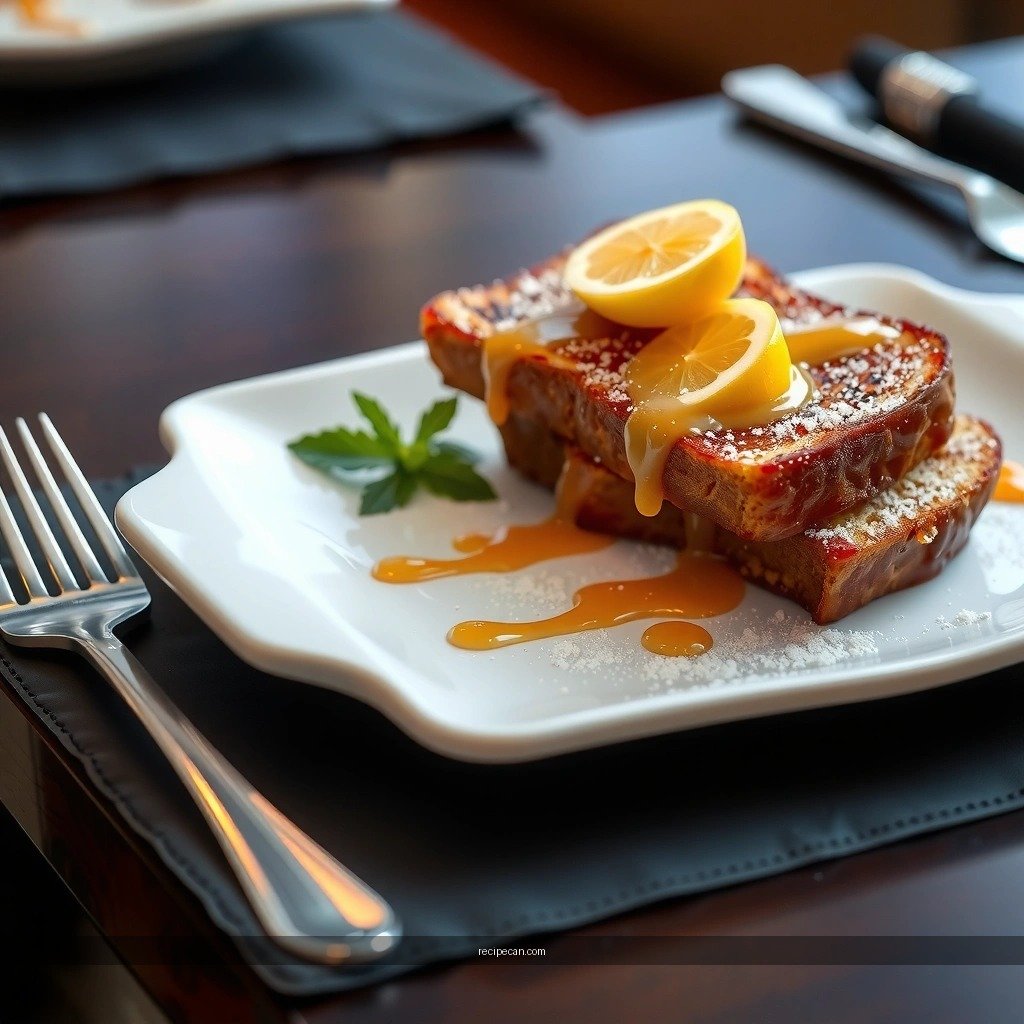
When you remove vanilla, you’re removing more than “sweetness”—you’re removing a smooth, warm aromatic background. The most reliable no-vanilla French toast substitutes either (1) mimic vanilla’s warm notes or (2) supply a similar perception of sweetness and comfort.
– Almond extract (tiny amount) for a “vanilla-like” warmth
Almond extract doesn’t taste like vanilla, but at very small doses it creates a warm, bakery-like impression that many people describe as “vanilla-adjacent.” Start with 1/8 teaspoon per 2 slices and taste confidence: if you go too high, almond can dominate and read as “perfume.”
– Optional: a splash of maple syrup or honey to boost sweetness
A small amount of syrup or honey in the custard rounds out the flavor and improves browning. Operationally, this works well when you want a brunch-friendly “caramelized” edge without needing vanilla.
Analytical note: vanilla is often used because it blends with custard flavors and reduces the perception of egginess. To compensate in no-vanilla French toast, prioritize:
– Salt (keeps flavor balanced)
– Cinnamon (adds warmth and familiarity)
– Fat (half-and-half or a richer bread)
If you prefer to avoid extracts entirely, you can still produce excellent results with cinnamon + salt + a thicker bread and a slightly longer—but controlled—soak.
How to Make French Toast Step-by-Step
This method is designed for consistent outcomes—golden color, custardy centers, and minimal sogginess. It also scales well for meal prep and serving multiple guests.
– Whisk eggs, milk, cinnamon, and your chosen substitute
1. Crack eggs into a bowl and whisk until smooth.
2. Add milk or half-and-half, ground cinnamon, and a pinch of salt.
3. Add your substitute (almond extract, or a teaspoon of maple/honey) and whisk again.
– Soak bread briefly, then cook on a buttered skillet until golden both sides
1. Heat a skillet over medium and melt butter (or use a neutral oil with butter for flavor).
2. Dip each bread slice into the custard for about 10–20 seconds per side, just long enough for coating and absorption.
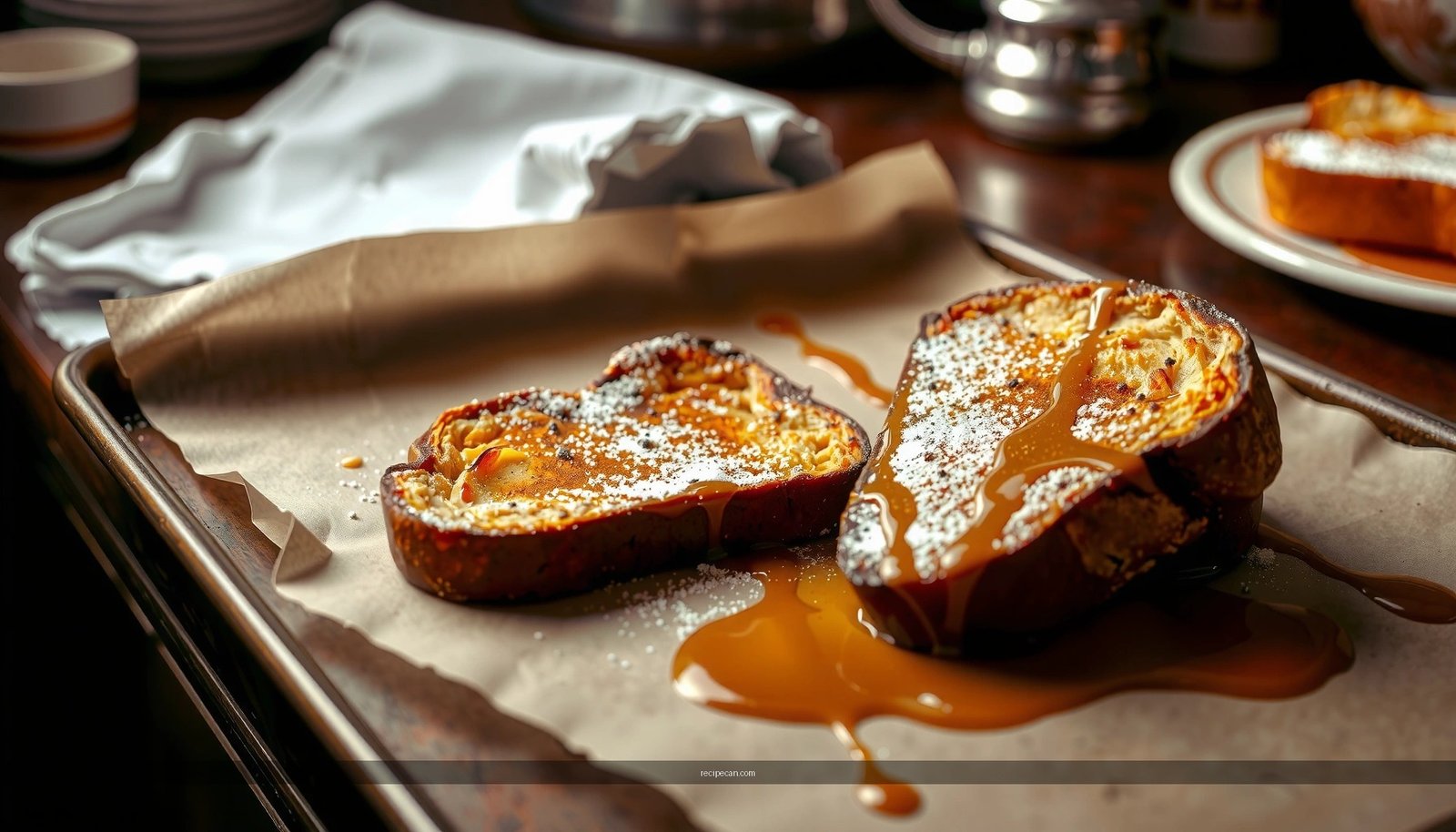
3. Place on the skillet and cook until the first side is deeply golden (typically 2–4 minutes, depending on thickness).
4. Flip and cook the second side until golden and set.
Consistency tip for professionals: thick-cut brioche behaves differently than sandwich bread. Thicker bread requires less soak time but slightly longer cook time. The goal is “custard set,” not “custard soaked through.”
Cooking Tips for Crispy Edges and Soft Centers
Without vanilla, you’ll rely even more on technique to create the sensory contrast that makes French toast satisfying. Crispy edges and soft centers come from controlling heat, timing, and moisture.
– Use medium heat to prevent burning while cooking through
High heat browns the exterior before the custard inside has time to set, which can lead to a raw center or a custard that tastes undercooked. Medium heat gives you even color and stable texture.
– Don’t over-soak—aim for coating, not sogginess
Over-soaking turns custard into excess moisture that either leaks out into the pan or makes the center gummy. Practical rule: bread should look coated and slightly saturated, but it shouldn’t feel waterlogged.
Quality control checklist (quick):
– Custard should be whisked smooth—no streaks of egg.
– Bread should be thick enough to resist collapsing.
– When you flip, the first side should release easily and appear golden, not pale or liquidy.
Serving Ideas Without Vanilla
Serving is where you can “complete the flavor loop” even if vanilla is absent. Think in layers: sweetness, aroma, and freshness.
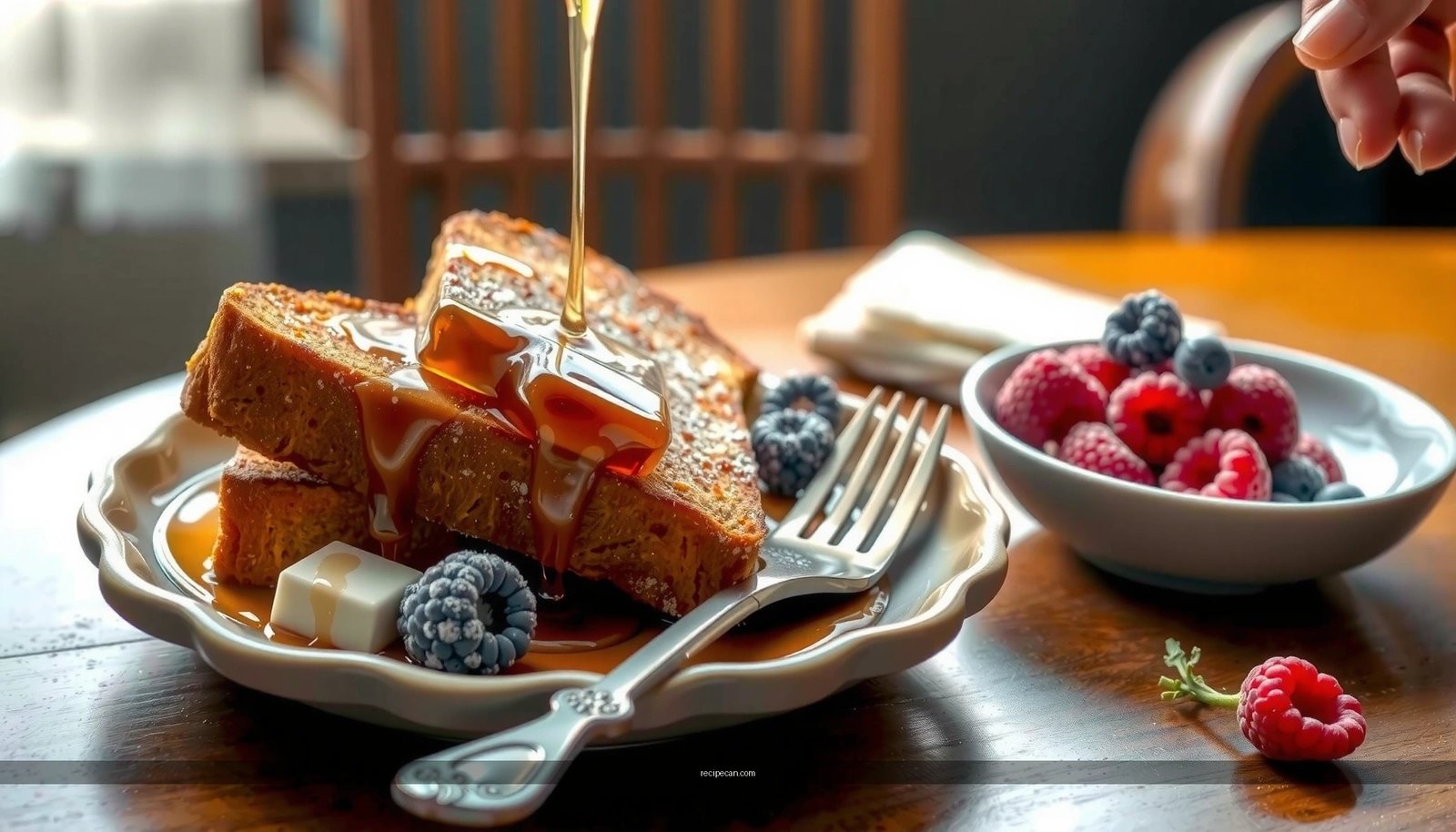
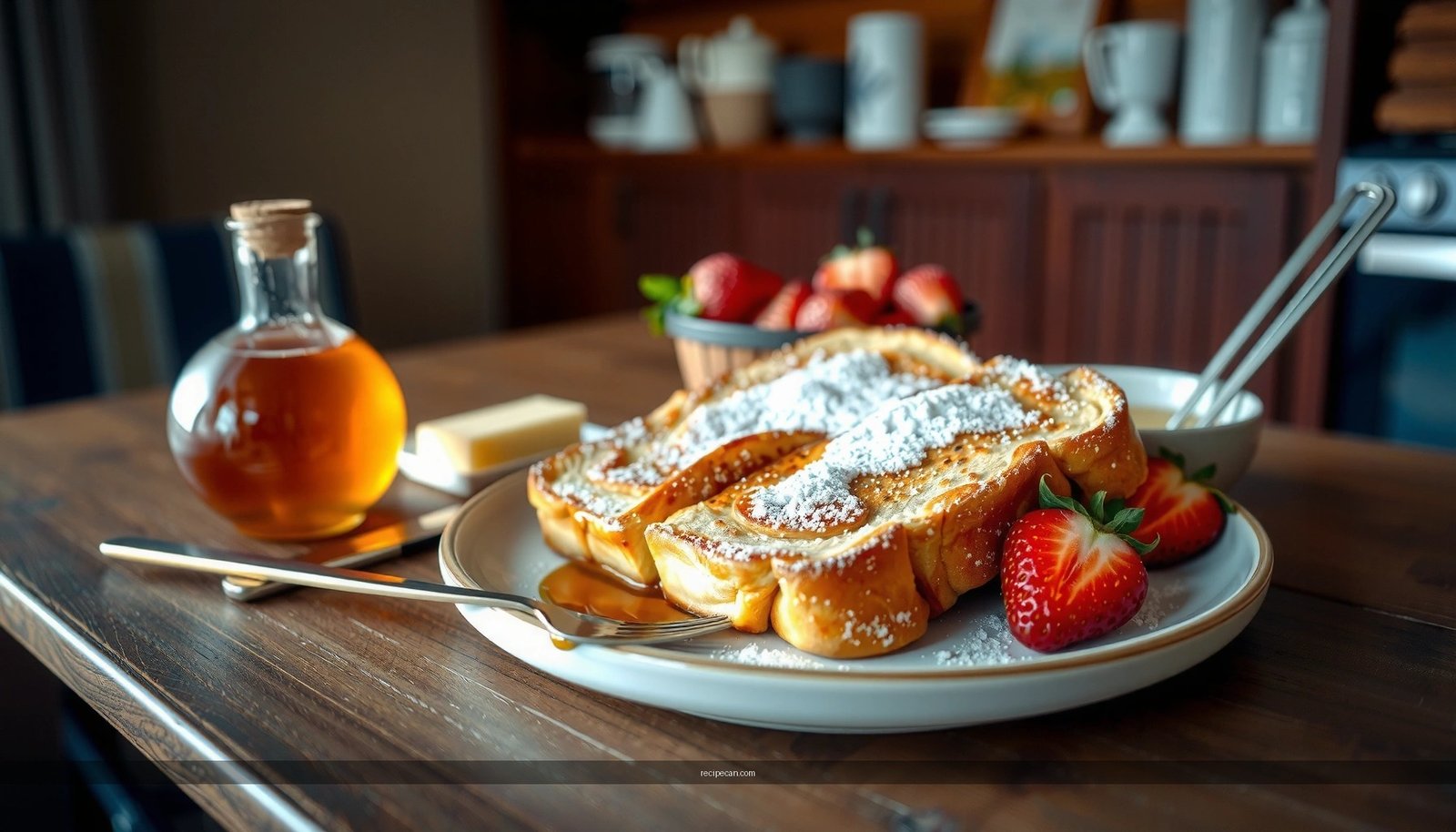
– Top with maple syrup, fresh berries, or powdered sugar
Maple syrup pairs naturally with cinnamon and delivers that classic brunch sweetness many people expect from vanilla-based recipes.
– Try cinnamon butter or warm fruit compote for extra flavor
Cinnamon butter (softened butter + a pinch of cinnamon + a little powdered sugar) adds aroma and sheen. Warm fruit compote (berries, apples, or peaches) brings acidity and fruit sweetness that keep the dish from feeling one-dimensional.
Suggested combinations (high success):
– Maple syrup + berries + pinch of cinnamon
– Cinnamon butter + sliced bananas + drizzle of honey
– Apple compote + powdered sugar + a light squeeze of lemon
Storing and Reheating Leftover French Toast
If you batch cook (or make ahead for a morning meeting, family breakfast, or weekend hosting), storage and reheat method determine whether leftovers stay tender or turn rubbery.
– Refrigerate leftovers in an airtight container up to 2 days
Cool French toast completely before sealing to reduce condensation, which can soften the crust.
– Reheat in a toaster oven or skillet for best texture (avoid microwaving when possible)
– Toaster oven: reheats gently and revives crisp edges.
– Skillet: quick, controlled rewarm with minimal moisture loss.
– Microwave: convenient, but it tends to steam the bread and dull the crispness.
Best-practice reheat method: reheat at a moderate temperature just until warmed through. If the toast looks dry, you can cover loosely for 15–30 seconds, then uncover to re-crisp.
French toast made without vanilla can be just as flavorful—focus on cinnamon, smart substitutes, and proper soaking/cooking for the best results. Make this recipe once, then try one topping swap (maple, berries, or compote) to find your favorite combo. Cook it this morning and enjoy a cozy, no-vanilla breakfast!
French toast without vanilla is a practical, repeatable breakfast upgrade: you keep the classic comfort while controlling the flavor profile through cinnamon, salt, and carefully chosen alternatives like almond extract or a touch of maple/honey. Follow the step-by-step soak and medium-heat cook approach for consistent golden edges and soft centers, then finish with toppings that add brightness and sweetness. In other words—no vanilla doesn’t mean no joy; it means a more intentional, delicious French toast you can make anytime.
Frequently Asked Questions
What is the best French toast recipe without vanilla?
A classic vanilla-free French toast recipe uses eggs, milk (or a dairy-free milk), cinnamon, and a pinch of salt to add warm flavor. Whisk eggs with milk and cinnamon, then dip thick bread slices and cook on a buttered skillet until golden brown on both sides. Finish with maple syrup or fresh fruit to keep it tasting dessert-like without vanilla.
How do you make French toast without vanilla taste flavorful?
Since vanilla adds sweetness and aroma, replace it with cinnamon, nutmeg, and a small amount of brown sugar or honey in the egg mixture. You can also add a splash of orange juice or lemon zest for a bright flavor that mimics the “warm” bakery vibe. For extra richness, use whole milk or half-and-half (or full-fat coconut milk for dairy-free) and cook on medium heat so the interior stays custardy.
Why does French toast sometimes taste bland when you skip vanilla?
French toast relies on more than just vanilla—if the bread is too plain, the egg mixture is under-seasoned, or the cooking is too fast, flavor can fall flat. Vanilla-free versions need adequate cinnamon/salt and the right soak time so the custard penetrates the bread. Also, using stale or thin bread can reduce the creamy texture that makes French toast feel flavorful.
Which bread is best for French toast when making it without vanilla?
Brioche, challah, thick-cut sourdough, and thick-sliced white bread hold up well and absorb the egg mixture without becoming gummy. Brioche or challah delivers a naturally sweet, bakery-style result even without vanilla. If your bread is fresh, lightly toast it first or let it sit out overnight so it absorbs the custard better.
How long should you soak bread for French toast no vanilla?
For thick bread, soak each slice about 20–30 seconds per side, just until saturated but not falling apart. If using very absorbent bread like sourdough, reduce soak time slightly to prevent sogginess. After cooking, let the French toast rest 1–2 minutes so the center sets into a custardy texture, which boosts flavor even without vanilla.
References
- French toast
https://en.wikipedia.org/wiki/French_toast - https://www.britannica.com/food/french-toast
https://www.britannica.com/food/french-toast - https://www.theguardian.com/food/2014/nov/06/french-toast-recipe
https://www.theguardian.com/food/2014/nov/06/french-toast-recipe - https://cooking.nytimes.com/recipes/1014780-french-toast
https://cooking.nytimes.com/recipes/1014780-french-toast - Google Scholar Google Scholar
https://scholar.google.com/scholar?q=french+toast+without+vanilla+recipe - Google Scholar Google Scholar
https://scholar.google.com/scholar?q=vanilla+extract+substitute+in+cooking+baking - Google Scholar Google Scholar
https://scholar.google.com/scholar?q=french+toast+egg+milk+bread+ratio+technique - Google Scholar Google Scholar
https://scholar.google.com/scholar?q=french+toast+recipe+no+vanilla - french toast recipe no vanilla – Search results
https://en.wikipedia.org/wiki/Special:Search?search=french+toast+recipe+no+vanilla - https://www.ncbi.nlm.nih.gov/search/research-articles/?term=french+toast+recipe+no+vanilla
https://www.ncbi.nlm.nih.gov/search/research-articles/?term=french+toast+recipe+no+vanilla