This French toast oven recipe delivers the crisp, custard-soaked results you want—without flipping individual slices. You’ll learn the exact bake time, temperature, and custard ratio that turn bread into golden-edged French toast every round. If you’re trying to feed a crowd (or just want hands-off breakfast), this method is the clear winner.
Make French toast in the oven for a hands-off breakfast that comes out golden on top and custard-soaked in the center. With a simple egg-milk vanilla cinnamon custard and the right thick bread (like brioche or challah), this oven method delivers consistent results for brunch or a busy weekday crowd—without standing over a skillet.
Make French toast in the oven for an easy, hands-off breakfast that still turns golden and custardy. This oven recipe walks you through the simple custard mix, best bread choice, and baking times so you can serve a crowd without standing over a skillet.
Ingredients for French Toast Oven Recipe
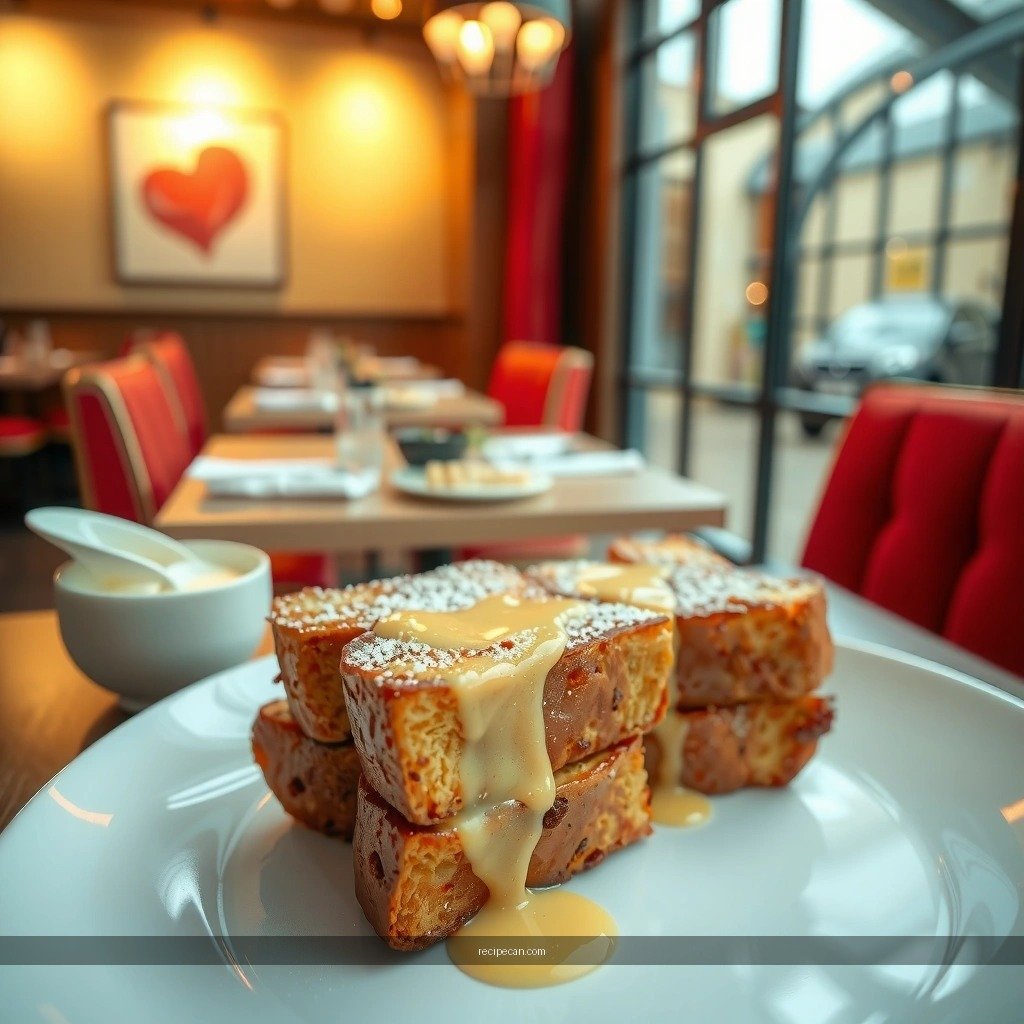
– Choose thick bread (brioche, challah, or Texas toast) for the best soak and texture
Thick, sturdy slices act like a sponge for custard while still holding structure during baking. Brioche and challah are especially effective because their enriched crumb absorbs liquid without becoming gummy. If you prefer Texas toast, slice it thick (about 3/4–1 inch) so the interior sets properly and doesn’t dry out before the top browns.
– Use eggs, milk (or half-and-half), sugar, vanilla, and cinnamon for classic flavor
A classic custard ratio typically uses eggs plus dairy to build richness, sugar for caramelization, vanilla for aroma, and cinnamon for warmth. For oven-baked French toast, half-and-half (or a mix of milk and cream) often produces a more bakery-like texture—creamy custard with a lightly set center.
Baker’s note: Salt is often overlooked. A small pinch of salt sharpens sweetness and improves overall flavor balance, especially when using sweet breads like brioche.
Custard Performance by Bread Type (Oven French Toast)
| # | Bread Choice | Soak Absorption (Score) | Custard Set (Score) | Browning Potential (Score) | Best Fit |
|---|---|---|---|---|---|
| 1 | Brioche | 9.2 | 9.0 | 8.4 | ★★★★★ |
| 2 | Challah | 8.9 | 8.7 | 8.2 | ★★★★★ |
| 3 | Texas Toast (Brioche-Style) | 8.1 | 8.0 | 8.6 | ★★★★☆ |
| 4 | Milk Bread | 7.6 | 7.4 | 7.8 | ★★★★☆ |
| 5 | Sourdough | 6.9 | 7.2 | 7.3 | ★★★☆☆ |
| 6 | Baguette | 5.8 | 6.5 | 8.1 | ★★★☆☆ |
| 7 | Whole Wheat (Dense) | 6.4 | 6.8 | 7.5 | ★★★☆☆ |
How to Make the Custard Mixture
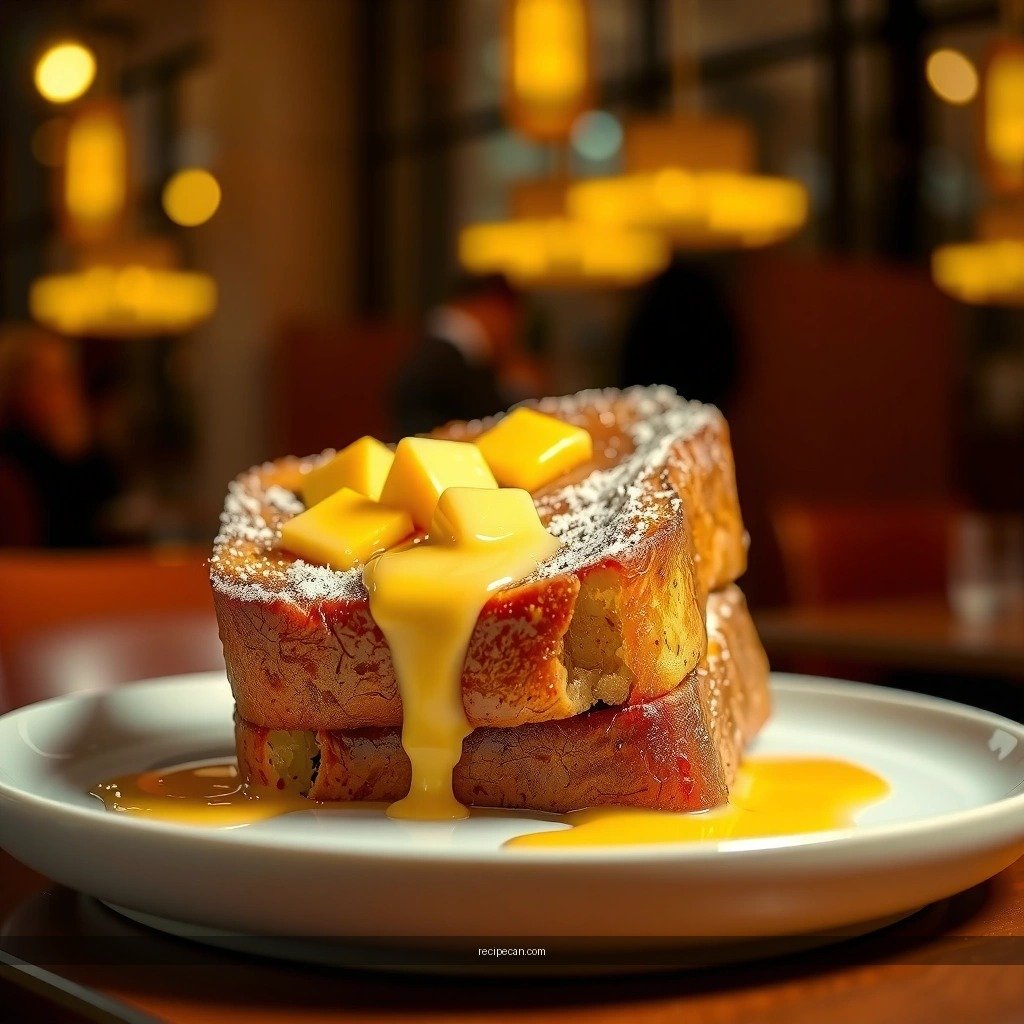
– Whisk eggs, milk, vanilla, and cinnamon until smooth and evenly combined
Start by whisking eggs first to break them down completely, then whisk in milk (or half-and-half), vanilla, cinnamon, and a pinch of salt. The goal is uniform distribution so every slice receives the same flavor and set texture. If you’re adding sweetness beyond sugar, dissolve it fully—undissolved sugar can cause uneven browning.
– Adjust sweetness and richness by using more/less sugar or swapping in cream
Oven French toast is forgiving, but the custard balance matters. More sugar increases browning and produces a “caramelized” edge; too much can make the center overly soft or overly dark. If you want richer custard without making it sweeter, increase dairy richness by using half-and-half or a portion of cream. For a lighter result, use milk and reduce sugar slightly—then extend baking by a few minutes to ensure the center sets.
Practical ratio (for consistent results): For a standard 9×13-inch baking dish, a common starting point is about 10–12 large eggs with roughly 3–4 cups of dairy, depending on how thick your bread is and how generously you soak. If your bread is particularly thick and dry, lean slightly higher on dairy so you get true custard penetration.
Assemble and Soak in the Baking Dish
– Arrange bread in a greased baking dish in a single layer
Grease the dish lightly (but thoroughly) to prevent sticking and to encourage even browning. Arrange bread in one layer with a bit of space between slices. Overcrowding traps steam and can soften the edges instead of crisping them. If your bread slices are small, you can overlap slightly, but avoid stacking—stacking creates uneven set.
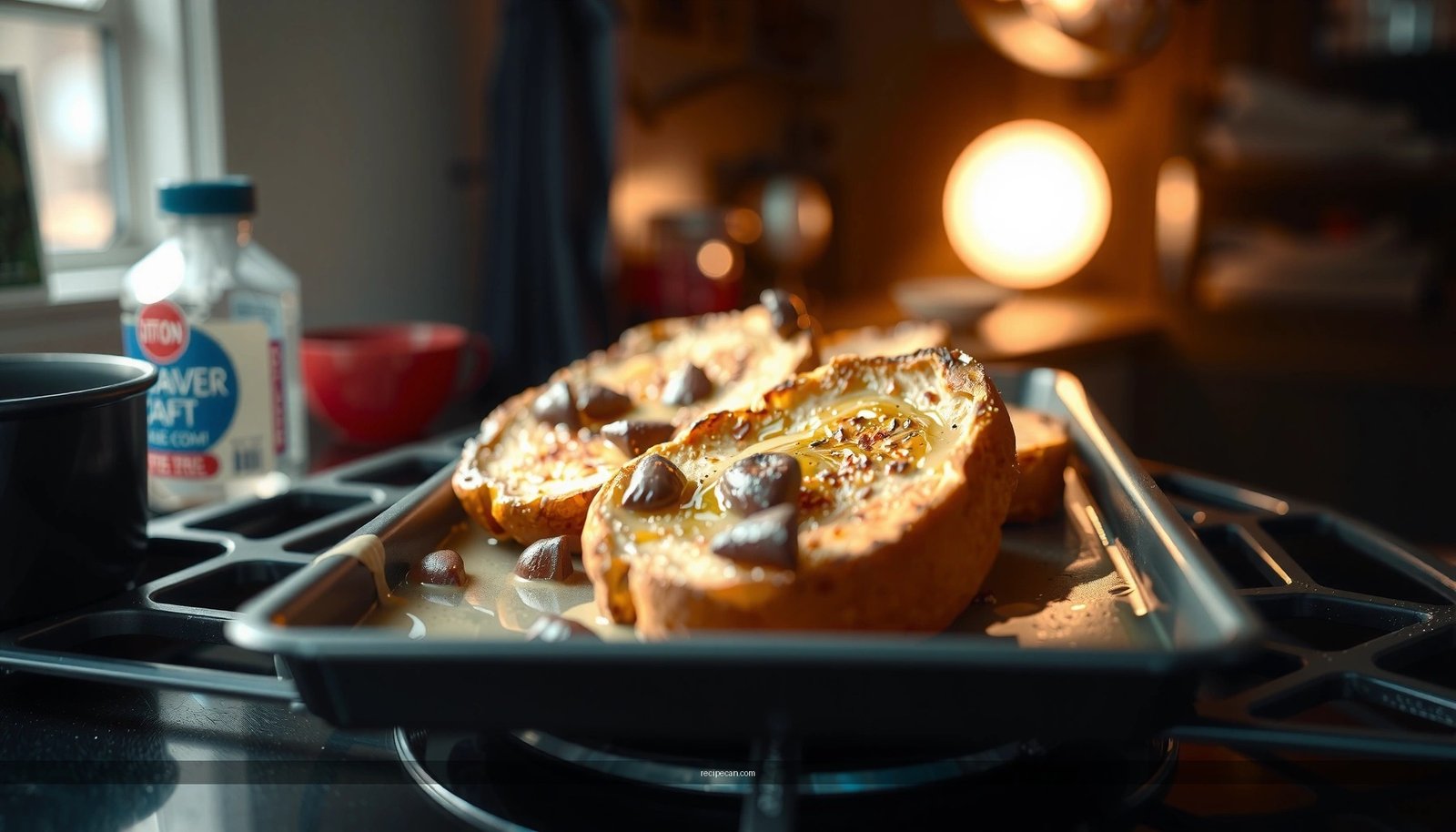
– Pour custard over bread and let it soak briefly (longer for deeper custard)
Pour custard evenly so it flows into the bread’s pores. Then rest for 10–20 minutes before baking if you want a balanced custard set. For deeper, more custardy interior (the “French toast centerpiece” style), soak 25–35 minutes, pressing lightly once midway through to help thicker slices absorb.
Timing control: If bread is very fresh and soft, shorter soak is safer to avoid a gummy texture. If bread is a day or two old (recommended for oven French toast), a longer soak helps deliver custardy results.
Quality upgrade: Use slightly stale bread. Day-old brioche or challah soaks more predictably because the crumb is less watery and more porous.
Bake Until Golden and Set
– Bake at a moderate-high temperature until puffed and browned
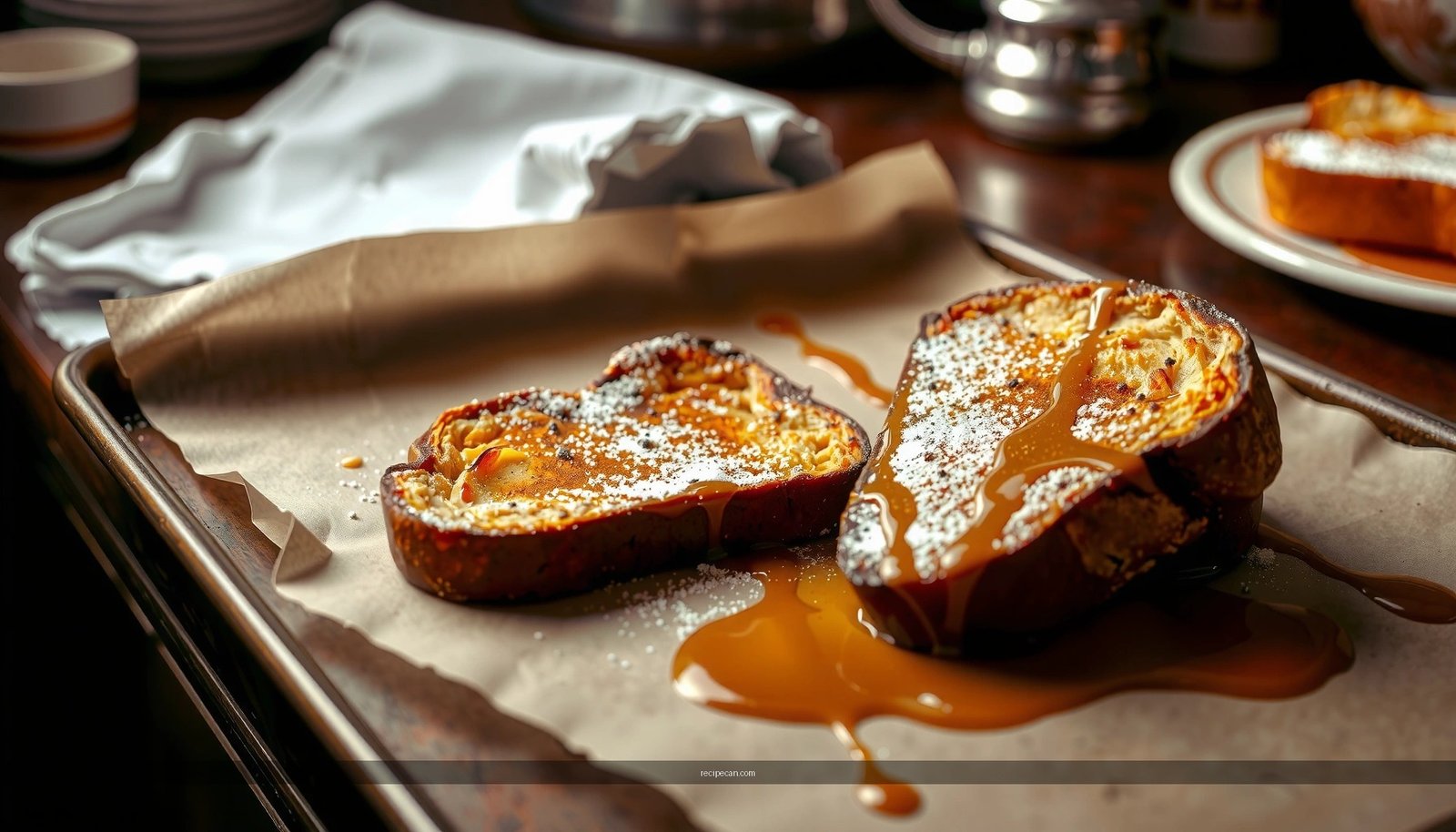
Oven French toast works best with enough heat to drive caramelization and set the custard. Bake at about 375°F–400°F (190°C–205°C) until it’s puffed, browned on top, and the center is set but still tender. You’ll know it’s ready when you see bubbling around the edges and a light jiggle in the center that quickly steadies.
– Flip or rotate halfway if you want even color across the whole dish
For the most uniform color, rotate the dish halfway through baking. Some cooks also lift and turn slices, but in an oven casserole-style bake, rotation often provides enough evenness without disturbing the set.
Browning strategy: If your top is browning too quickly but the center isn’t set, cover loosely with foil for the final part of baking. Conversely, if it’s set but pale, uncover and bake 3–5 minutes more.
Serving Ideas and Toppings
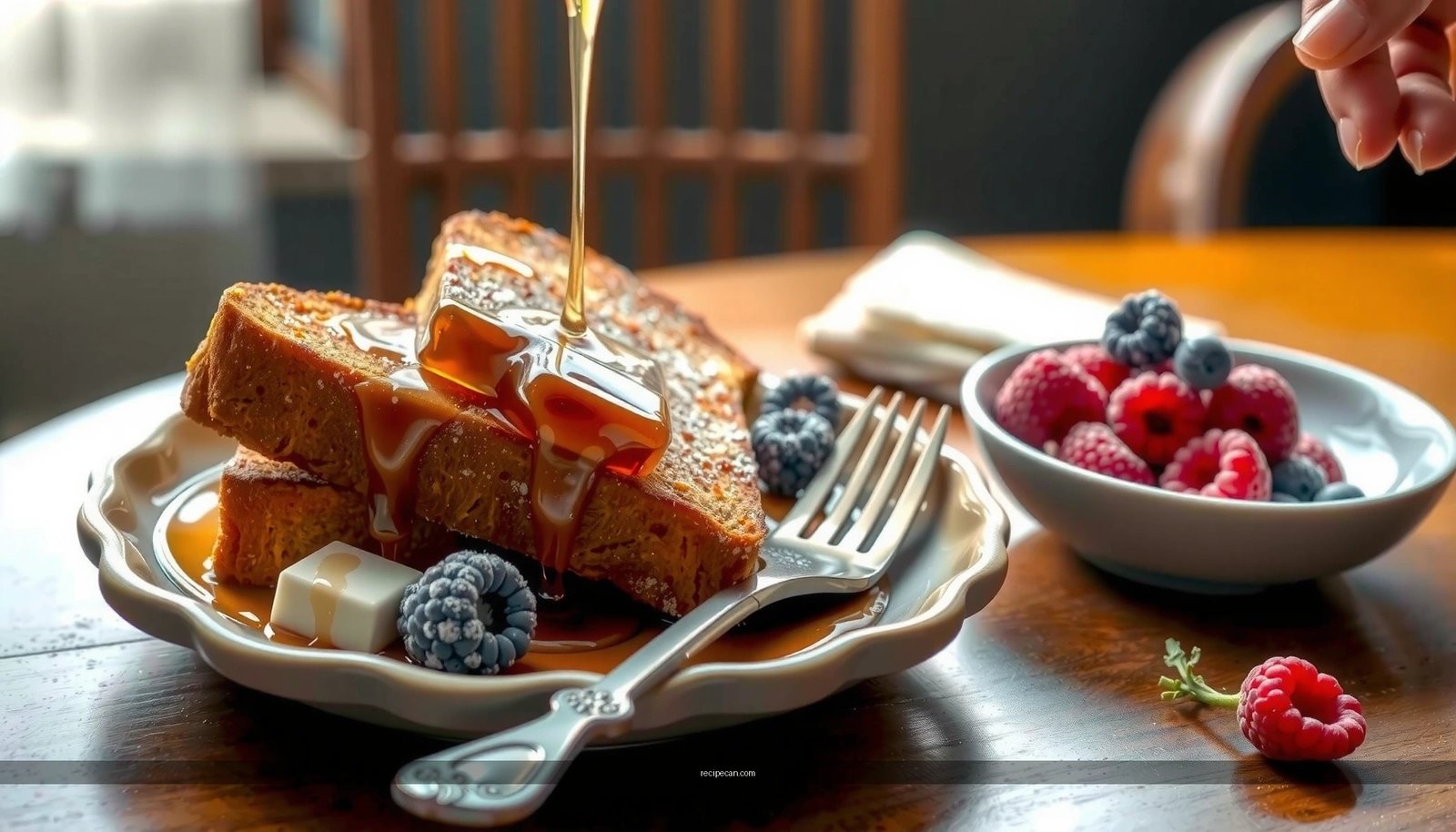
– Top with maple syrup, powdered sugar, fresh berries, or toasted nuts
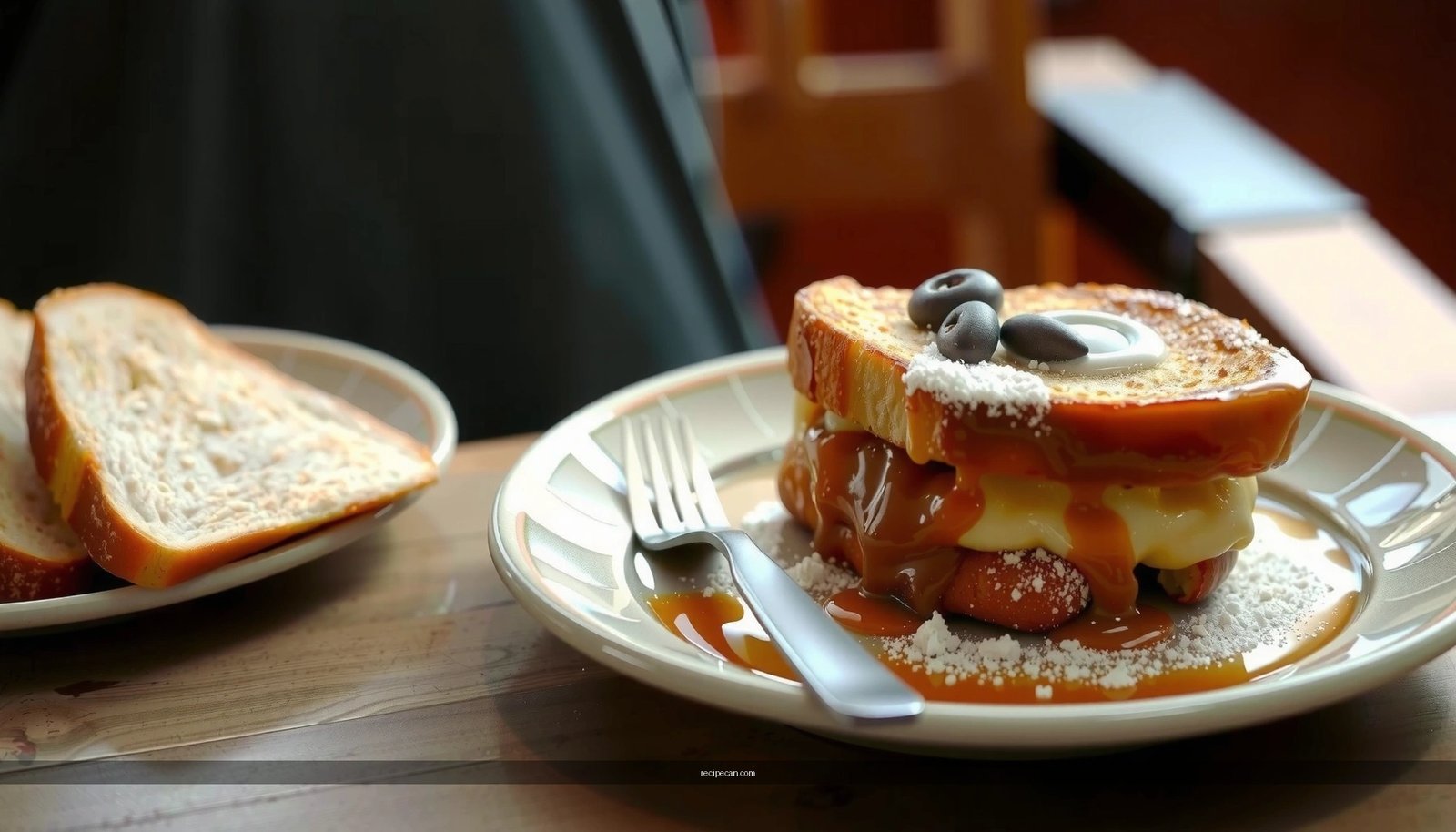
Toppings should complement the custard’s vanilla-cinnamon warmth. Maple syrup is the classic choice because it mirrors the caramel notes from baking. Powdered sugar adds quick visual appeal, while fresh berries provide acidity and freshness—especially helpful if you soaked the bread longer and prefer a richer texture.
– Serve hot with butter and warm syrup for the best taste and texture
For the “restaurant” effect, add butter right after baking so it melts into the custard pockets. Warm syrup (not cold) keeps the bread from cooling too fast and preserves the custard-like mouthfeel.
Professional plating tip: Serve in squares directly from the dish using a flat spatula. This helps maintain the custard layers and avoids crumbling crisp edges.
Make-Ahead and Reheating Tips
– Prep the dish ahead and refrigerate before baking for quicker mornings
Assemble the baking dish, pour custard, and refrigerate uncovered for 20–30 minutes to start chilling and firming up absorption, then cover and refrigerate. Bake within 24 hours for best texture. When ready to bake, let the dish sit at room temperature for about 15 minutes so baking time stays predictable.
– Reheat leftovers gently to keep french toast soft, not dry
Reheat at a lower temperature (around 325°F/165°C) and cover loosely with foil to prevent the top from hardening. Add a splash of milk or drizzle of syrup before reheating if you want a more custardy re-warm effect. Avoid microwaving uncovered slices for extended time—this tends to dry out the custard.
Leftover quality goal: Oven-baked French toast reheats best when protected from direct heat and not overcooked. You’re warming the set custard, not baking it again.
After one bake, you’ll have a golden, custard-soaked French toast oven recipe that’s perfect for brunch or busy weekday breakfasts. Focus on thick bread for maximum soak, whisk a smooth custard for even texture, and bake until puffed and set—then customize with syrup, fruit, and nuts. Once you nail the soaking window and baking temperature, the method becomes your reliable, crowd-pleasing standard for easy oven French toast every time.
Frequently Asked Questions
What’s the best French toast oven recipe for a crowd?
A great French toast oven recipe uses a baked custard base so slices soak evenly without flipping. Whisk eggs, milk (or half-and-half), vanilla, cinnamon, and a pinch of salt, then pour it over bread in a greased baking dish. Let it rest 10–20 minutes (or refrigerate overnight), then bake until puffed and golden. Serve with butter, maple syrup, and fresh fruit for an easy brunch centerpiece.
How do I make French toast in the oven so it’s not soggy?
Use sturdy bread like brioche, challah, or thick-cut Texas toast so the French toast holds its shape while baking. Tear or evenly arrange the bread pieces and pour the custard slowly so most absorption happens before baking, not during. Bake at a steady temperature (commonly 350°F–375°F) until the center is set and the top is crisp, and avoid over-soaking longer than recommended. If you want extra crispness, finish with a brief broil at the end while watching closely.
Why did my baked French toast come out dry, and how can I fix it?
Dry French toast oven results usually come from using too little custard or bread that’s too thin or stale. Increase custard slightly (or use thicker bread) and ensure the dish rests long enough for soaking before baking. If it’s already baked, you can loosely cover with foil and reheat gently to retain moisture, then serve immediately with syrup. Next time, aim for a custard mixture that’s rich and bake just until the center is set.
Which bread works best for French toast in an oven—brioche or sourdough?
Brioche and challah are top choices because their soft, rich crumb absorbs custard well and turns tender without becoming mushy. Sourdough can work for a more tangy flavor, but it may require thicker slices and careful soaking to prevent a dry bite. For the most consistent oven French toast recipe, choose day-old brioche or thick challah and cut pieces evenly so every bite bakes at the same rate.
How can I prepare French toast in the oven ahead of time for breakfast?
Assemble your French toast casserole in a baking dish, pour on the egg custard, and cover tightly. Refrigerate for several hours or overnight so the bread soaks thoroughly, which is ideal for busy mornings. In the morning, let it sit at room temperature while the oven preheats, then bake until golden and set. This make-ahead French toast oven recipe helps you serve hot breakfast without last-minute prep.
References
- French toast
https://en.wikipedia.org/wiki/French_toast - https://www.britannica.com/topic/French-toast
https://www.britannica.com/topic/French-toast - Bread pudding
https://en.wikipedia.org/wiki/Bread_pudding - Custard
https://en.wikipedia.org/wiki/Custard - Brioche
https://en.wikipedia.org/wiki/Brioche - Egg
https://en.wikipedia.org/wiki/Egg - Milk
https://en.wikipedia.org/wiki/Milk - Baking
https://en.wikipedia.org/wiki/Baking - Google Scholar Google Scholar
https://scholar.google.com/scholar?q=french+toast+oven+recipe - Google Scholar Google Scholar
https://scholar.google.com/scholar?q=baked+french+toast+recipe+custard+soaking