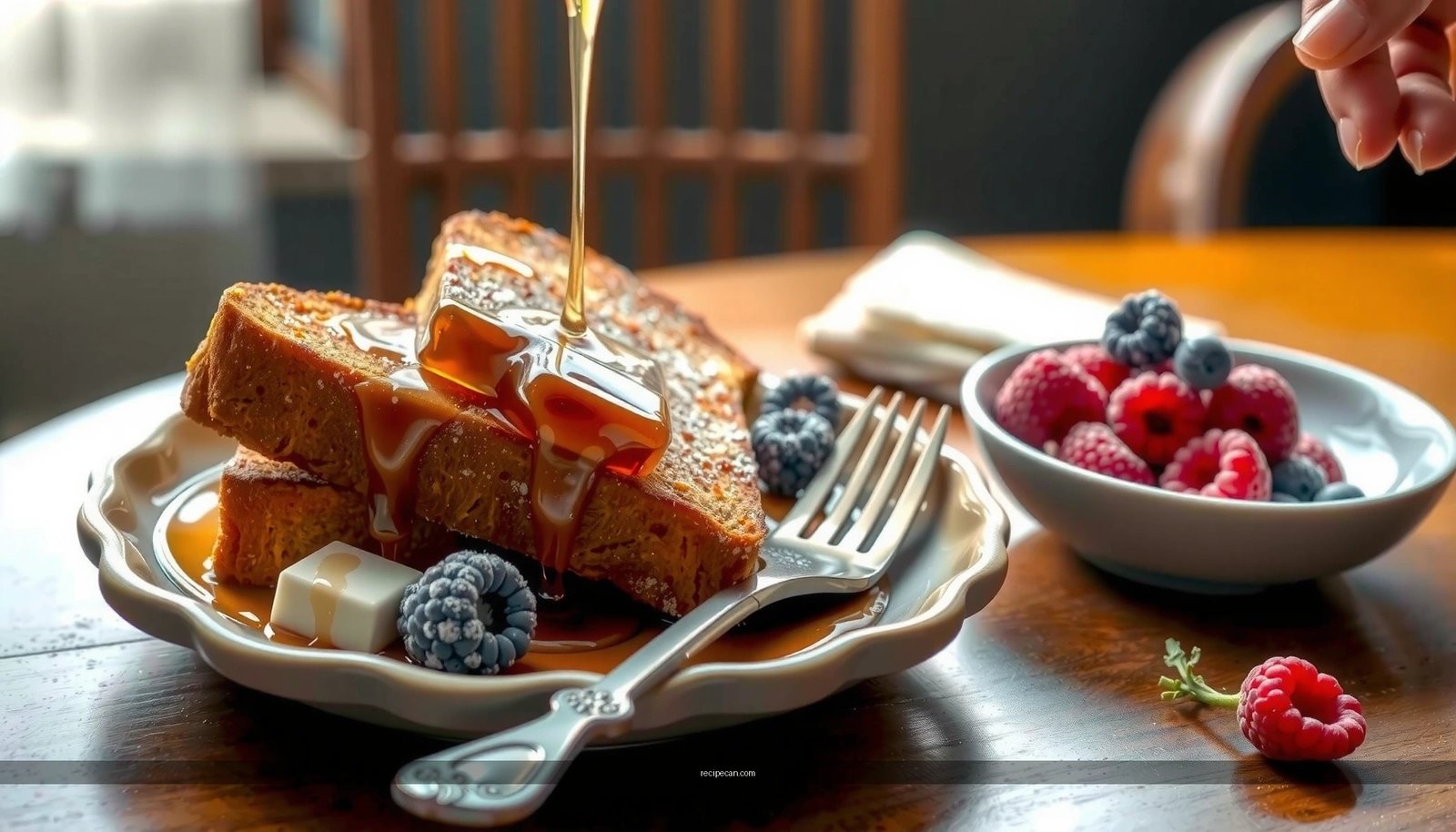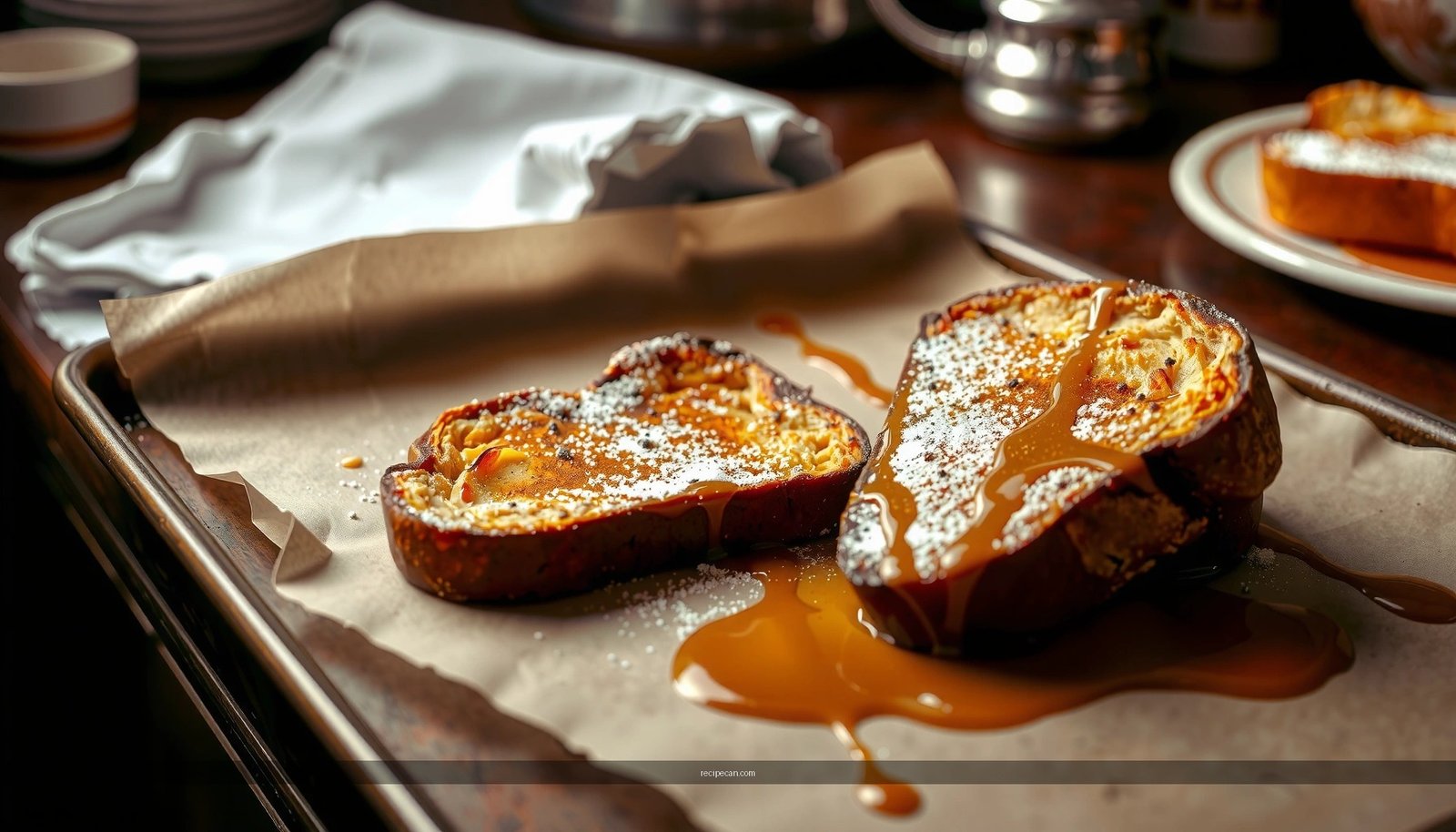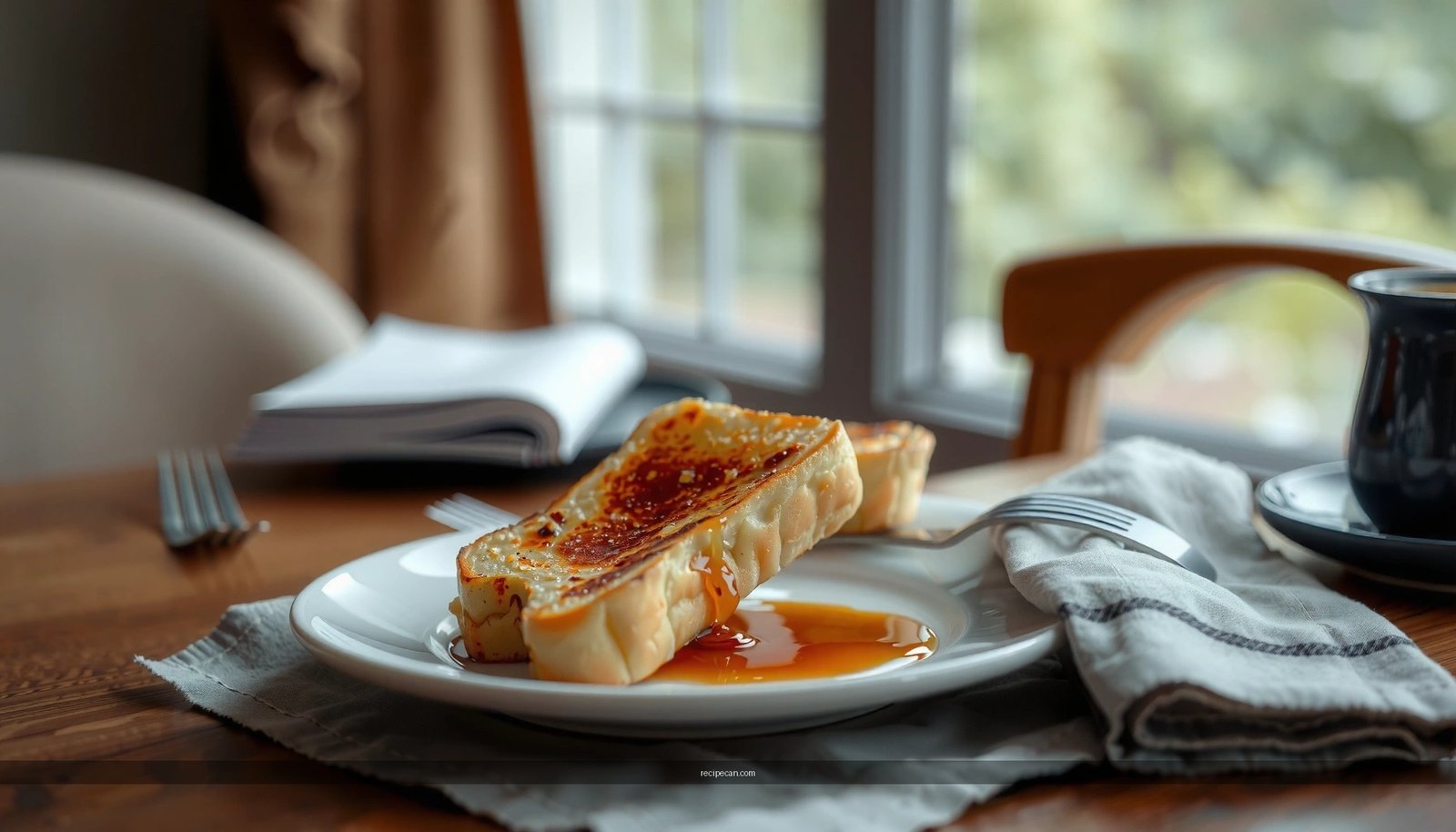
This French toast recipe without vanilla delivers a rich, custardy bake without sacrificing flavor. You’ll get an easy vanilla-free custard base plus simple steps for soaking thick bread and achieving a crisp, golden finish. If you’re asking how to make French toast when you don’t have vanilla (or want to skip it), this is the fastest route to results.
Make French toast without vanilla by building a warm, aromatic custard with cinnamon and nutmeg, then sweetening with vanilla-free flavor boosters like maple syrup or honey for a cozy “classic” finish. Below is a dependable custard method plus practical substitutions and cooking guidance so your slices turn golden, tender, and flavorful—even without vanilla extract.
Vanilla-Free Custard Base (What to Use Instead)
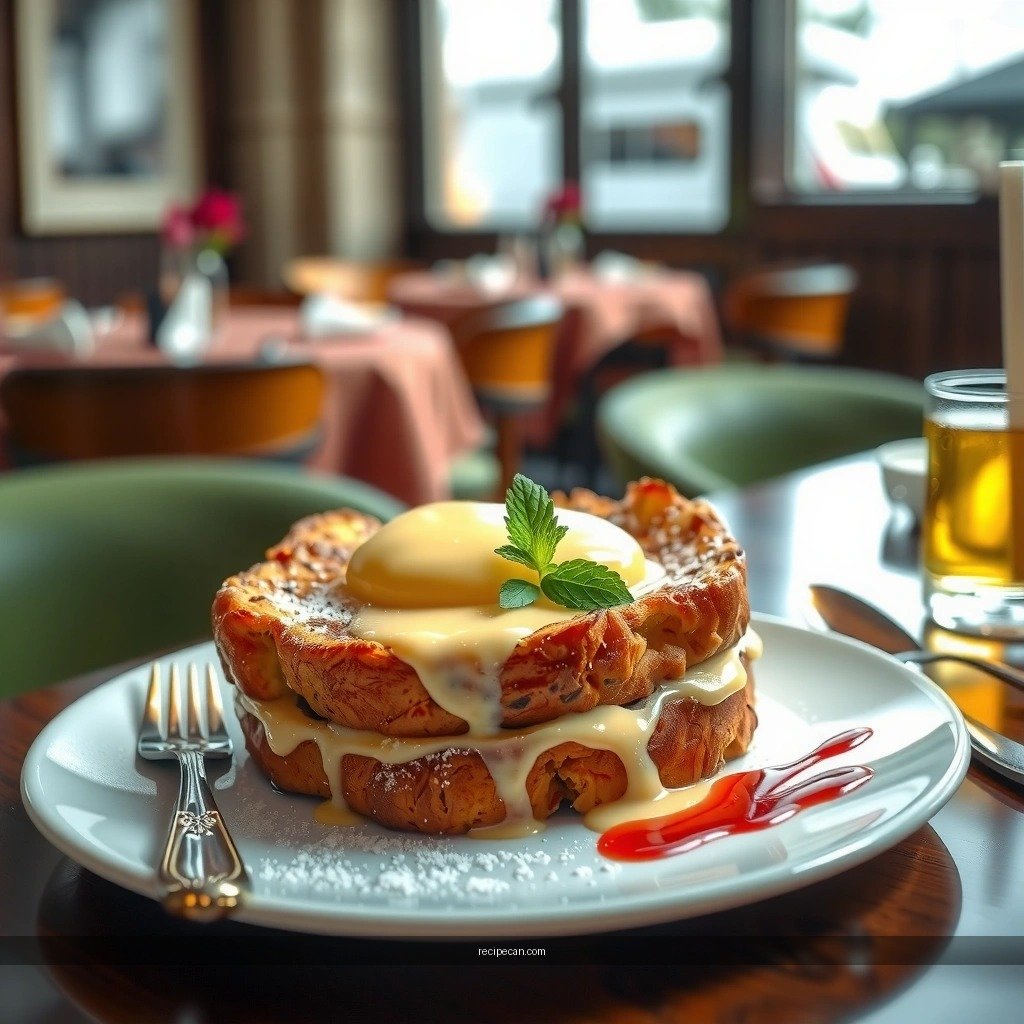
A classic French toast custard depends on two things: egg-based binding (for richness and structure) and aroma (often vanilla, but not required). For vanilla-free French toast, you’ll get the same comforting profile by leaning into warm spices and using one small “depth” ingredient to round out sweetness.
Core vanilla-free custard (simple and reliable):
– Eggs: provide structure and a creamy set. Use 1 large egg per 1/2 cup (120 ml) milk as a baseline.
– Milk (or cream): milk keeps it lighter; cream makes it richer. Either works—just adjust soaking time slightly.
– Lemon juice (splash): add 1–2 teaspoons per 1 cup (240 ml) milk to brighten the custard and make spices taste more “rounded,” similar to how vanilla lifts sweetness.
– Cinnamon + nutmeg: these carry the warm-aroma role vanilla usually fills. Start with:
– 1/2 to 1 teaspoon cinnamon per cup of milk
– a pinch of nutmeg (about 1/8 teaspoon per cup) so it doesn’t turn bitter
Optional depth boosters (choose one):
– Almond extract (optional): a small amount can mimic vanilla’s “dessert” impression. Use 1/4 teaspoon per cup of milk.
– Orange zest (optional): 1–2 teaspoons of freshly grated zest per cup adds a fragrant, bakery-like note that pairs especially well with French toast toppings.
– Brown sugar in the custard (optional): 1–2 tablespoons per cup of milk helps create a deeper caramel taste during cooking, which can partially replace vanilla’s perceived sweetness.
Why this works (analytically): vanilla contributes a blend of sweet-smelling aroma compounds. Cinnamon and nutmeg contribute strong volatile aromas that read as “warm and sweet” to the palate, while lemon juice enhances overall flavor perception by adding acidity that balances fat and sugar.
Best Bread for French Toast (Vanilla-Free Edition)
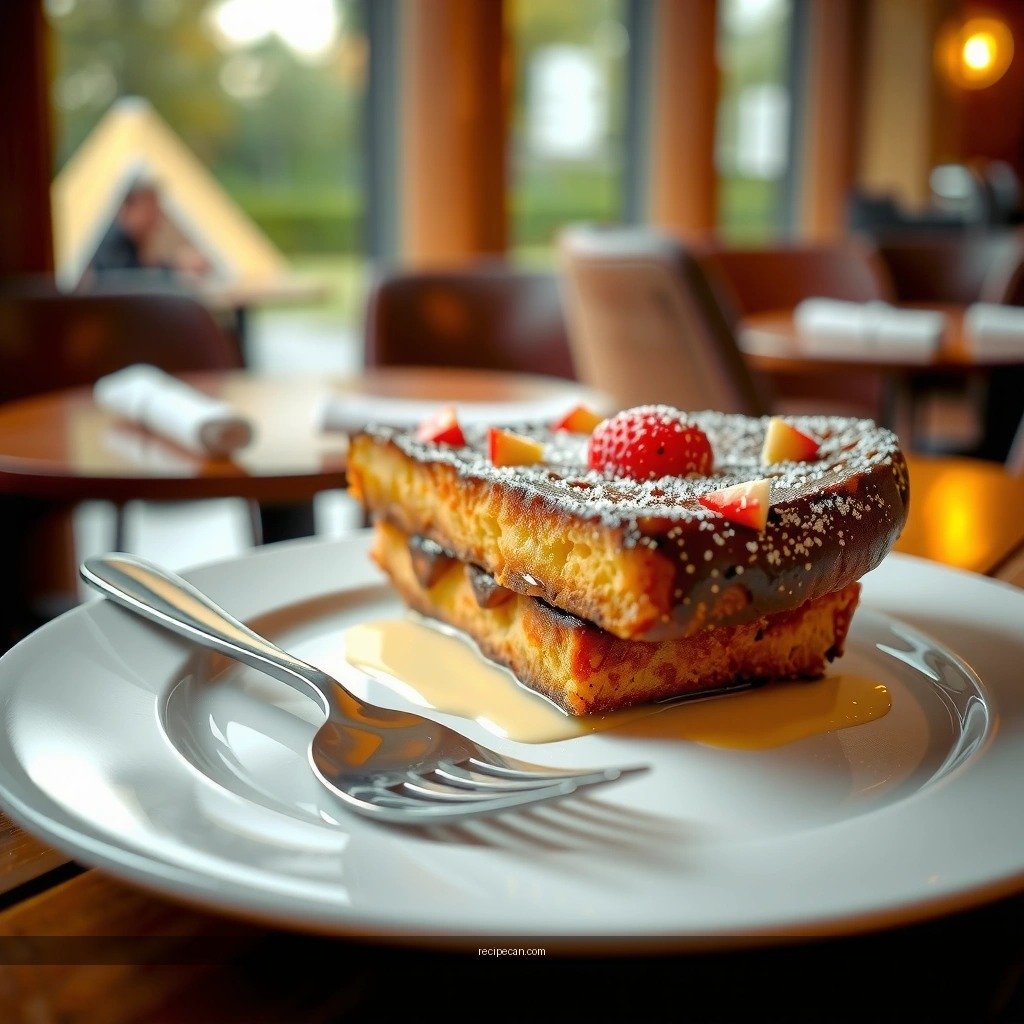
The best vanilla-free French toast is not only about the custard—it’s also about bread choice, because bread texture dictates how evenly the egg mixture sets.
Top options (best soak + best slice integrity):
– Brioche: rich, tender crumb; soaks quickly and browns beautifully.
– Challah: similar richness with a slightly firmer crumb—excellent for golden edges.
– Sourdough (thicker cut): great for structure and crisping; absorbs custard without turning mushy when sliced thickly.
– Thick-sliced sandwich bread (only if needed): can work, but choose thicker slices and soak briefly to avoid sogginess.
Key technique: slight staling
– Use bread that’s 6–24 hours old, or lightly toast the cut surfaces before soaking.
– Slight staling increases absorption efficiency and reduces “custard leakage,” so you get a creamy center and crisp exterior instead of a soggy texture.
Slice thickness matters
– Aim for 3/4-inch (about 2 cm) slices for classic French toast.
– If your bread is thinner (like standard sliced white), soak less time and cook on slightly lower heat to prevent over-saturation.
Vanilla-Free Custard: Starter Ratios & Flavor Levers (per 2 servings)
| # | Vanilla-Free Component | Typical Amount | What It Improves | Result Strength |
|---|---|---|---|---|
| 1 | Eggs | 2 large | Custard set & creaminess | ★★★★★ |
| 2 | Milk (or half-and-half) | 1 cup (240 ml) | Richness & absorbency | ★★★★☆ |
| 3 | Ground cinnamon | 1 tsp | Warm aroma “vanilla-like” perception | ★★★★★ |
| 4 | Ground nutmeg | 1/8 tsp (pinch) | Dessert depth & spice complexity | ★★★★☆ |
| 5 | Lemon juice | 1–2 tsp | Brightens flavors & balances sweetness | ★★★☆☆ |
| 6 | Almond extract (optional) | 1/4 tsp | Dessert aroma without vanilla | ★★★★☆ |
| 7 | Brown sugar (optional) | 1 Tbsp | Caramel notes during browning | ★★★☆☆ |
How to Make the Vanilla-Free Soak
Once your custard is mixed, soaking is where many batches succeed or fail. The goal is even absorption—not a saturated, collapsing slice.
Step-by-step vanilla-free soak:
1. Whisk eggs until fully uniform (no streaks).
2. Add milk (or cream) and whisk again.
3. Stir in cinnamon and nutmeg until the color and aroma are evenly distributed.
4. Add lemon juice (and almond extract or zest, if using).
Soak timing (practical ranges):
– Thick-cut bread (3/4 inch / 2 cm): 20–40 seconds per side
– Slightly thinner bread: 15–25 seconds per side
– Very soft bread (brioche): start at 15–25 seconds and adjust based on how quickly it absorbs
Pro tip: Let soaked bread rest for 10–15 seconds before cooking. This helps the custard finish penetrating the crumb so the interior sets without overcooking the exterior.
Cooking Tips for Golden, Crispy Edges
Even with the right custard, heat control determines whether French toast turns out properly browned and tender.
Recommended approach:
– Use medium heat to allow egg proteins to set gradually without burning sugar and spices.
– Add butter for flavor or use a butter–neutral oil mix (oil helps butter brown without scorching quickly).
– Cook until:
– First side is set and golden
– Surface looks slightly dry and releases easily from the pan
Flip technique (prevents breakage):
– Flip once when the first side is ready. Repeated flipping interrupts crust formation and can tear the bread.
– Press lightly (optional) only for contact if the center seems resistant to browning.
Texture outcomes (what to look for):
– Golden edges + custard center: ideal
– Pale slices: heat too low or soak too short
– Hard exterior, raw interior: heat too high (or soak too deep)
– Soggy surface: soak too long or bread too fresh/too thin
Toppings That Make It Taste Like “Classic”
Vanilla often signals “dessert sweetness.” To recreate that effect without vanilla extract, make sure your toppings deliver warm sweetness and aromatic finish.
High-impact, vanilla-free topping options:
– Maple syrup (classic choice): drizzle generously and add a second pass right before serving so it stays glossy.
– Honey: pairs exceptionally well with cinnamon; warm it briefly so it pours evenly.
– Brown sugar + cinnamon: sprinkle over the hot toast for a quick caramel crust.
Add fruit for balance:
– Berries (fresh or warmed) add acidity that keeps the dish from feeling heavy.
– Bananas add natural sweetness and a creamy texture.
– For a restaurant-style finish, warm fruit in a pan for 1–3 minutes with a small splash of maple syrup.
Powdered sugar (optional):
– A light dusting helps visually “classic” the dish and adds a slight vanilla-like impression through perceived sweetness. (It’s still vanilla-free—just sugar.)
Flavor Boosters If You Want More Aroma
If you’re aiming for the exact cozy impression people associate with vanilla, add one aromatic layer right after cooking.
Quick finishing moves:
– Cinnamon-sugar topping: mix 2 parts sugar to 1 part cinnamon, then sprinkle immediately after the toast leaves the pan.
– Orange zest: add a pinch to finished toast or fruit. Citrus brightness reads as “bakery aroma” in the absence of vanilla.
– Optional spirit note (adult palate): a tiny splash of rum or bourbon in the pan after cooking can elevate aroma dramatically. Use sparingly—too much alcohol will dominate.
Why finishing works: vanilla-like aroma perception is often strongest when warm volatiles hit the nose right before eating. Toasting spices and sweeteners at the end can replace that “last-mile” sensory effect.
French toast without vanilla is still totally flavorful—focus on a well-seasoned custard (cinnamon and nutmeg help most) and use great bread for the right texture. Make a batch today, then experiment with toppings like maple syrup and fruit to find your perfect vanilla-free combo.
Frequently Asked Questions
What can I use instead of vanilla in a french toast recipe?
Since many vanilla-free french toast recipes rely on vanilla for sweetness and aroma, you can replace it with warm spices like cinnamon, nutmeg, or cardamom. A splash of almond extract, orange zest, or a teaspoon of maple syrup can also add flavor without vanilla. If you want a more neutral flavor, skip extracts and focus on cinnamon and browning the bread well.
How do I make french toast without vanilla so it still tastes sweet?
Use a flavor-boosting custard by combining eggs, milk (or oat milk), and a sweetener like brown sugar or honey, then add cinnamon for depth. Let the bread soak briefly so it absorbs the egg mixture evenly, which improves taste even without vanilla. For extra sweetness, finish with maple syrup, berries, or a dusting of powdered sugar.
Why does my french toast taste bland when I leave out vanilla?
Vanilla-free french toast can taste flat if the custard isn’t seasoned or if the bread doesn’t soak enough to absorb the egg mixture. Make sure you include salt, cinnamon (or another spice), and enough sweetener to balance the eggs. Also cook until golden-brown on both sides, because proper browning brings out a richer, “French toast” flavor.
Which bread works best for a french toast recipe without vanilla?
Thick-cut brioche, challah, or Texas toast are ideal because they hold up to soaking and create a tender interior with a crisp exterior. If you only have sandwich bread, use slightly stale bread and soak a bit longer to prevent a watery center. For dairy-free french toast without vanilla, sturdy breads like sourdough can work well when paired with a richer plant milk.
Best tips for achieving crispy french toast without using vanilla?
Cook on medium heat and use enough butter or a neutral oil to promote even browning; high heat can burn the outside before the center sets. Soak the bread briefly—just long enough that it absorbs the custard—then let excess drip off to avoid sogginess. Finish with a warm topping like maple syrup and cinnamon so the vanilla-free french toast flavor still feels complete.
References
- French toast
https://en.wikipedia.org/wiki/French_toast - https://www.britannica.com/topic/French-toast
https://www.britannica.com/topic/French-toast - https://www.nytimes.com/2020/04/10/dining/french-toast-recipe.html
https://www.nytimes.com/2020/04/10/dining/french-toast-recipe.html - https://www.theguardian.com/food/2020/apr/11/best-french-toast-recipe
https://www.theguardian.com/food/2020/apr/11/best-french-toast-recipe - Easy French toast recipe | Good Food
https://www.bbcgoodfood.com/recipes/french-toast - https://www.bbc.co.uk/food/recipes/french_toast_76750
https://www.bbc.co.uk/food/recipes/french_toast_76750 - Google Scholar Google Scholar
https://scholar.google.com/scholar?q=french+toast+vanilla+extract+substitute - Google Scholar Google Scholar
https://scholar.google.com/scholar?q=french+toast+recipe+without+vanilla - Google Scholar Google Scholar
https://scholar.google.com/scholar?q=vanilla+extract+alternatives+in+baking - french toast recipe without vanilla – Search results
https://en.wikipedia.org/wiki/Special:Search?search=french+toast+recipe+without+vanilla