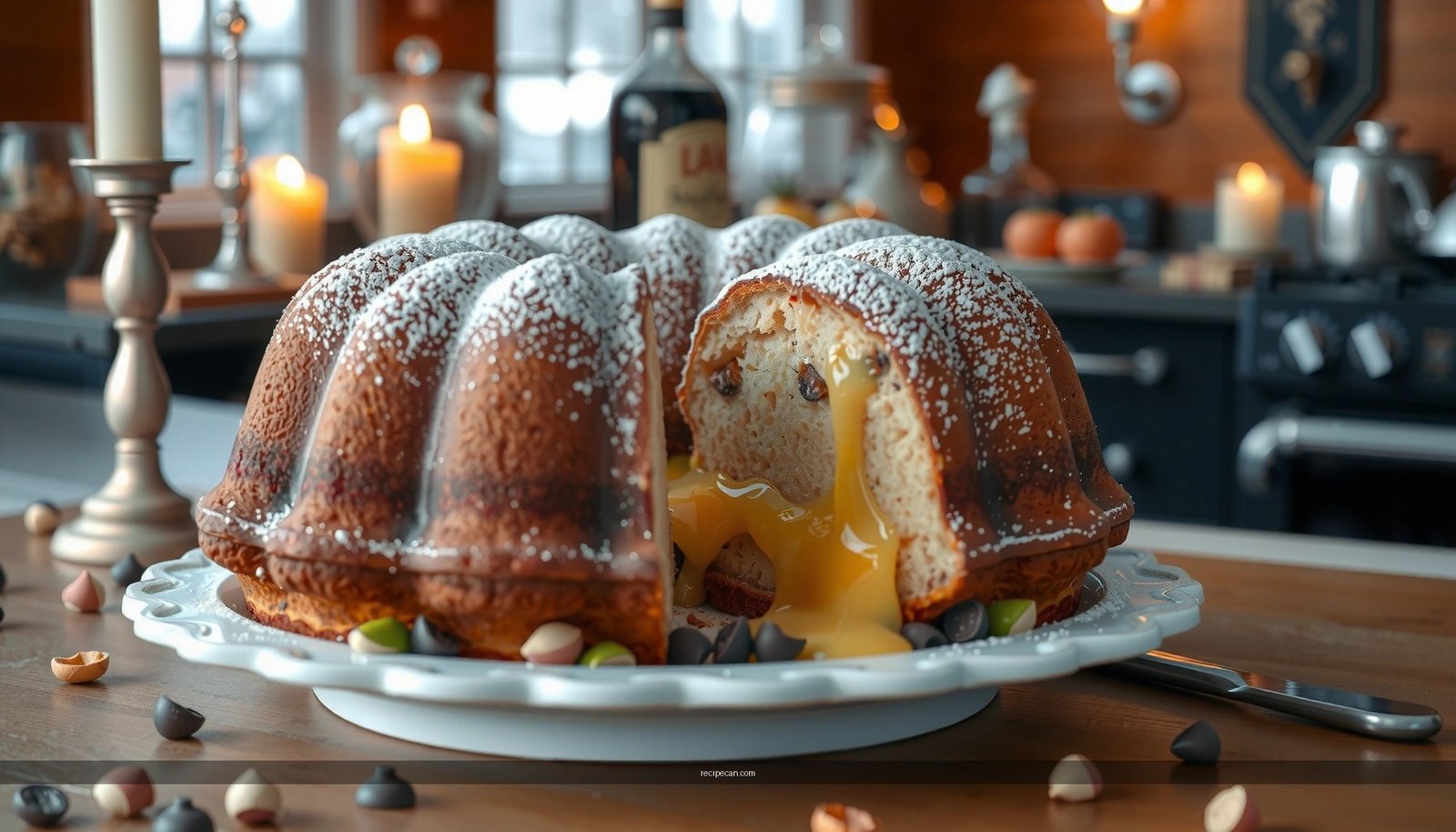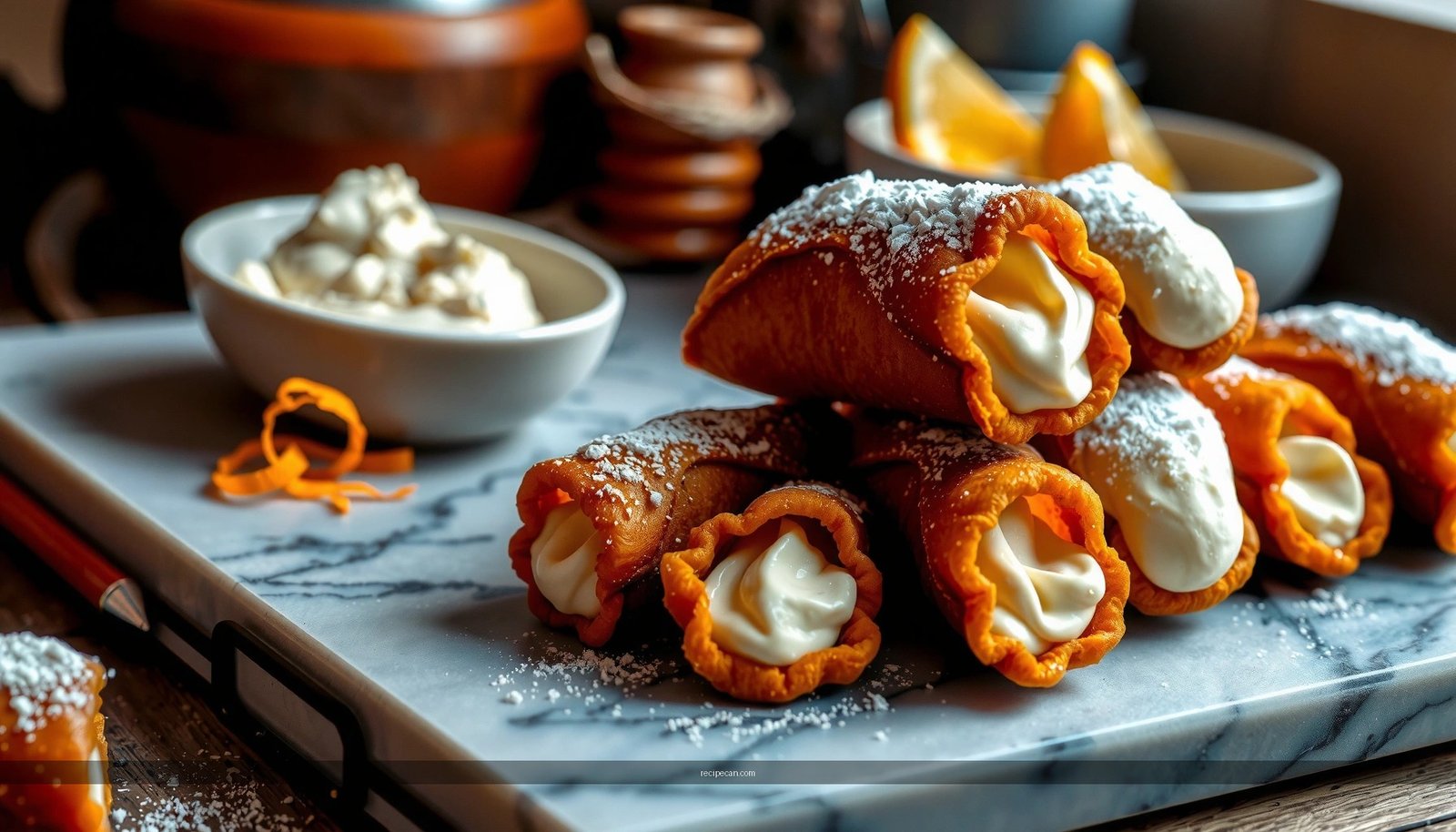
Get the best cannoli cheeseball recipe: a quick, creamy cannoli-inspired treat that delivers classic ricotta flavor without the work of making cannoli shells. This recipe answers whether you can get that cannoli vibe in one bowl—yes, with smooth cheese, sweet hints of citrus, and crunchy pistachios for the right bite. If you want a dessert that’s easy to assemble, easy to serve, and guaranteed to disappear fast, this is the winner.
Make a cannoli cheeseball in about 15 minutes of active work by combining drained ricotta-style cheese with cream cheese, then rolling the mixture in a classic crunchy topping—no baking required. You’ll get the signature cannoli flavors (sweet cream filling, vanilla, chocolate, and optional orange zest) in a party-ready shape that’s simple, scalable, and reliably crowd-pleasing.
Ingredients for a Classic Cannoli Cheeseball
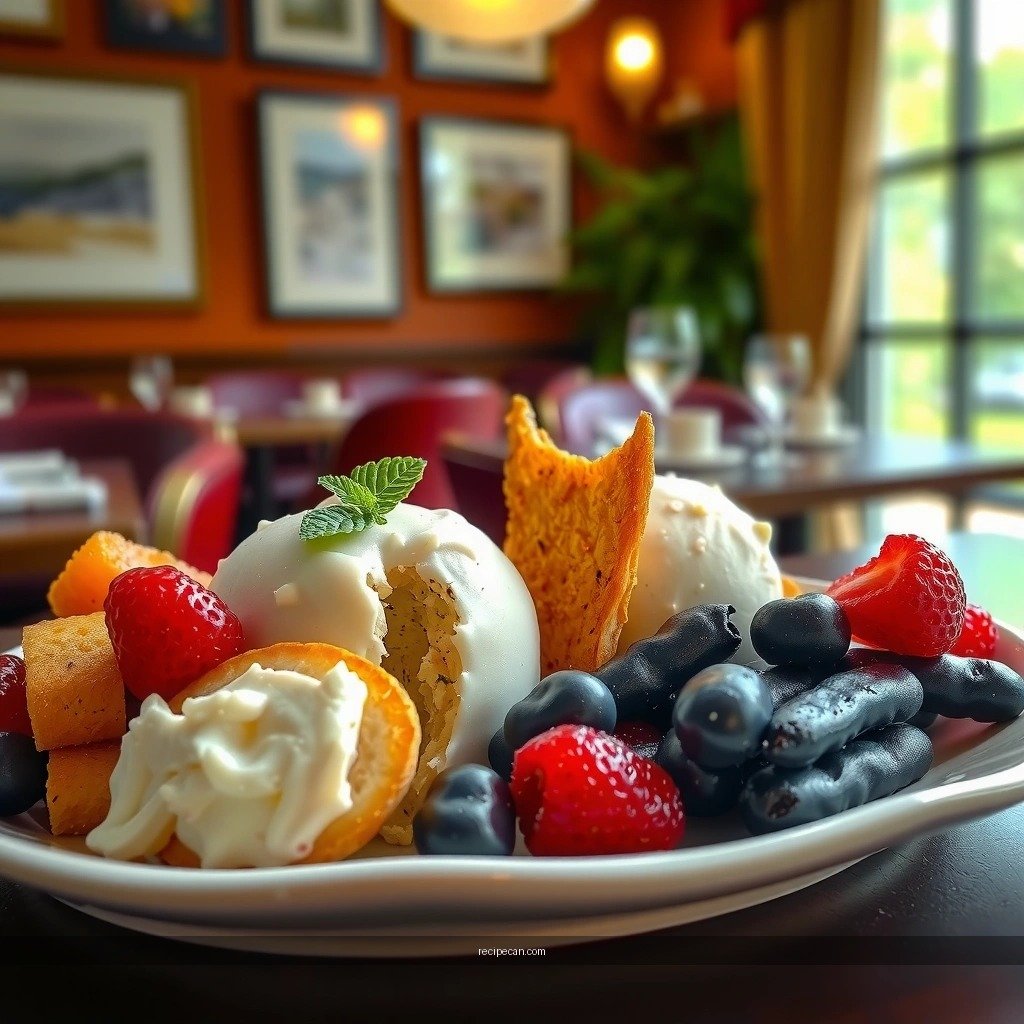
A good cannoli cheeseball is all about balance: creamy texture, sweet dessert notes, and contrasting crunch (usually pistachios or chocolate). Below is a dependable “classic” set of ingredients that mirrors cannoli filling while keeping the assembly straightforward.
– Ricotta (drained) and cream cheese for creamy, cannoli-like texture
– Use well-drained ricotta (or “ricotta-style” cheese) to prevent seepage and keep the ball cohesive.
– Full-fat cream cheese boosts body and richness, making rolling easier.
– Powdered sugar for smooth sweetness
– Powdered sugar dissolves quickly, helping you avoid graininess.
– Vanilla extract for dessert aroma
– Vanilla is a common cannoli-filling baseline—use pure vanilla if possible.
– Mini chocolate chips for signature cannoli contrast
– Mini chips distribute evenly, creating bite-sized chocolate pops.
– Optional for a more “bakery-cannoli” profile:
– Orange zest (very small amount) for bright, citrusy lift
– Pinch of cinnamon for warm depth similar to some cannoli variations
– Fine salt to make the sweetness taste more pronounced
Cannoli Cheeseball Ingredient Targets (for consistent results)
Cannoli Cheeseball Mix Consistency Guide (1 Ball)
| # | Component | Amount | Purpose | Impact Score |
|---|---|---|---|---|
| 1 | Drained ricotta | 1 cup (about 225g) | Core cannoli texture | ★★★★★ |
| 2 | Cream cheese | 8 oz (225g) | Structure & creaminess | ★★★★★ |
| 3 | Powdered sugar | 1/3 cup (40–45g) | Smooth sweetness | ★★★★☆ |
| 4 | Vanilla extract | 1 tsp | Classic aroma | ★★★★☆ |
| 5 | Mini chocolate chips | 1/3 cup (55g) | Cannoli-style contrast | ★★★★☆ |
| 6 | Orange zest (optional) | 1–2 tsp | Bright cannoli notes | ★★★☆☆ |
| 7 | Salt (optional but recommended) | 1/8 tsp | Sweetness clarity | ★★★☆☆ |
Step-by-Step Cannoli Cheeseball Instructions
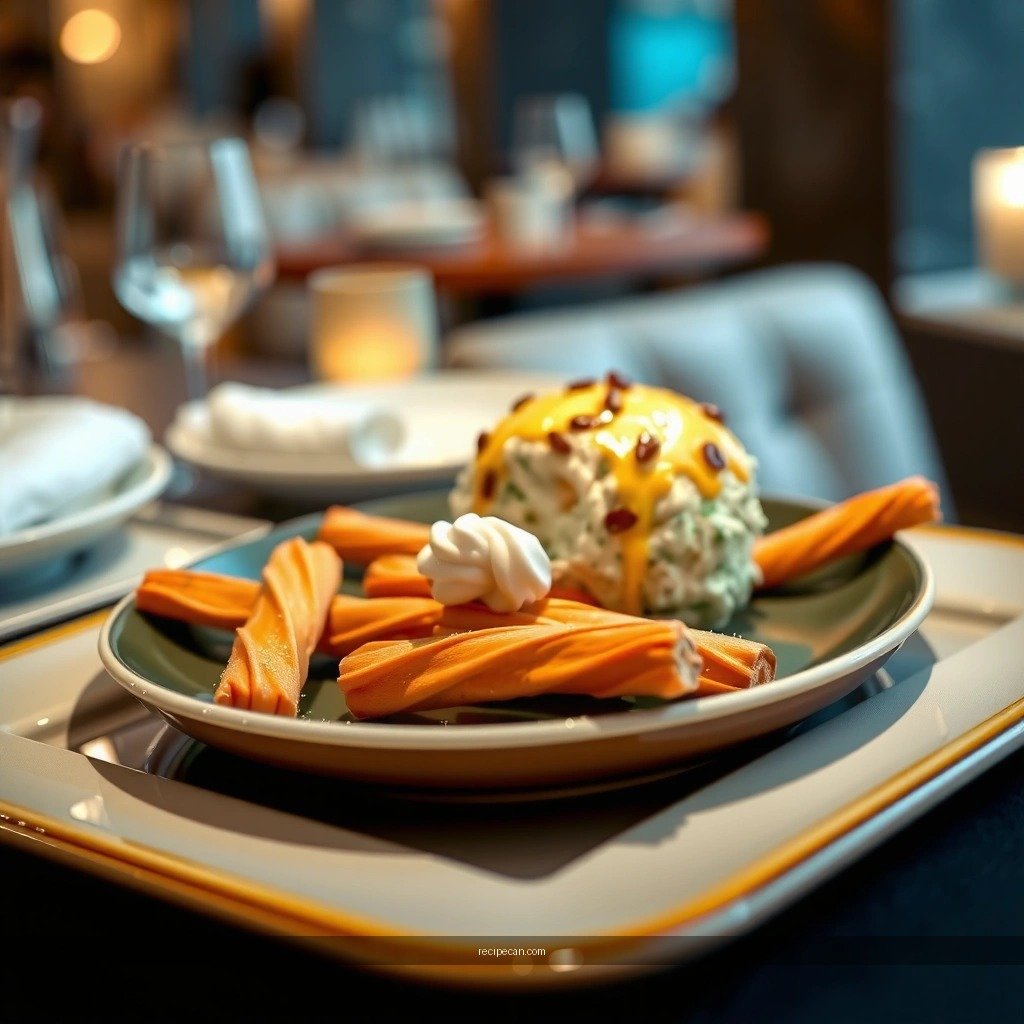
The method is designed to be repeatable: prep, mix, shape, chill, then coat. The key variable is texture control, which starts with draining ricotta and ends with chilling long enough for rolling.
– Mix cheeses, sugar, vanilla, and chocolate chips until smooth and well combined
1. Drain the ricotta: Place it in a fine-mesh sieve or cheesecloth for 30–60 minutes (longer if it feels wet).
2. Soften cream cheese at room temperature for 20–30 minutes so it blends smoothly.
3. In a mixing bowl, combine drained ricotta + cream cheese and beat until lump-free.
4. Add powdered sugar and vanilla, then mix again until glossy and uniform.
5. Fold in mini chocolate chips (and orange zest/cinnamon if using) last to keep the mixture evenly textured.
– Shape into a ball, then chill to firm up before coating
1. Scoop mixture and shape into a ball (or slightly flattened oval for easier slicing).
2. Chill on a plate or parchment-lined tray for at least 2 hours—this prevents mess and ensures clean coating.
3. Roll chilled cheeseball in your selected topping, pressing gently so it adheres.
Practical portioning tip
For a “standard party” size, aim for a ball that weighs about 16–18 oz (450–510g) total filling. If you’re feeding a larger crowd, scale the recipe and make two smaller balls—they chill faster and are easier to serve.
Best Toppings and Coatings
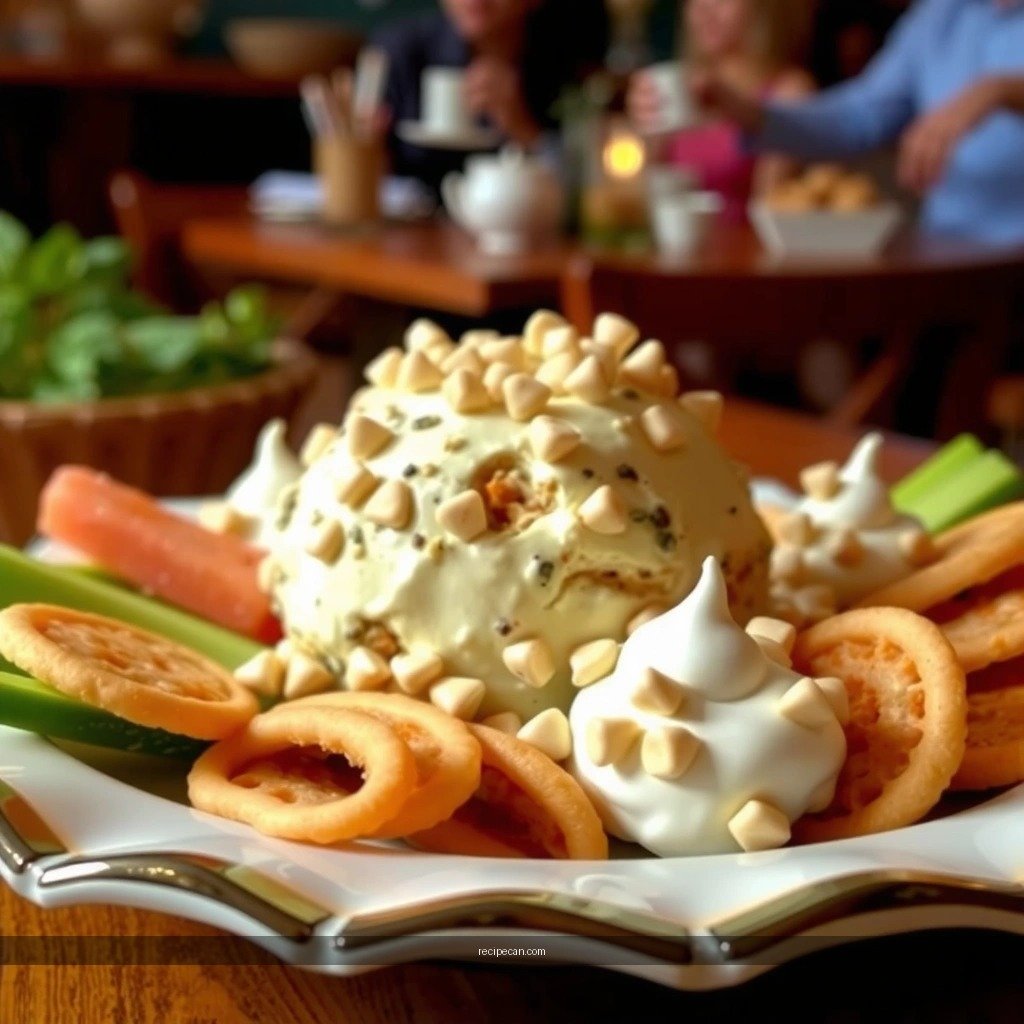
Toppings do more than add flavor—they provide the signature “cannoli bite” contrast. Classic options mimic pistachio-and-chocolate cannoli filling, while creative options can echo cannoli shells.
– Roll in crushed pistachios for a traditional crunch
– Toast briefly for extra aroma (optional, but effective).
– Use finely crushed pistachios so the coating adheres and feels integrated.
– Use mini chocolate chips or a cannoli shell-inspired crumb topping
– For chocolate-forward guests, roll in a mix of mini chips and crushed waffle cones or graham crumbs (a shell-like crunch).
– If using cannoli shell crumbs, coat right after chilling so the crumb doesn’t absorb moisture.
Choosing a topping based on service style
– Self-serve party: pistachios or mixed nut-and-chip coating stays crisp longer than very soft crumbs.
– Elegant plating (food-service): candied orange zest + chocolate crumbs provides a “dessert counter” look.
How to Make It Taste Extra Like Cannoli
Cannoli flavor comes from more than “cheese + chocolate.” It’s the combo of creaminess, vanilla, citrus brightness, and subtle warmth. You can push your cannoli cheeseball toward the real thing with a few targeted adjustments.
– Drain ricotta well to prevent a runny cheeseball
– Runny filling not only makes shaping harder—it also dulls flavor because sweetness can dissolve into excess moisture.
– If you notice looseness after mixing, chill longer or fold in a tablespoon of powdered sugar or finely crushed nuts (small changes, then re-evaluate).
– Add a touch of orange zest or cinnamon for bright cannoli-inspired notes
– Zest makes the filling taste more “sparkling” and dessert-like, similar to how many cannoli recipes finish with citrus.
– Cinnamon is optional—use sparingly so it doesn’t overpower the vanilla and orange.
Cannoli “flavor engineering” (simple checklist)
1. Vanilla is non-negotiable for that classic dessert aroma.
2. Chocolate chips must be evenly distributed—fold gently after the base is smooth.
3. Citrus should be subtle—start with 1 teaspoon zest and taste the mixture.
Make-Ahead, Storage, and Serving Tips
This recipe is naturally compatible with advance planning, which is why it works so well for parties, holidays, and catering-style service. Plan the timeline to match your serving needs.
– Chill at least 2 hours (or overnight) for the best flavor and texture
– Overnight chilling improves flavor harmony—vanilla and citrus notes mellow into a cohesive cannoli profile.
– If coating with pistachios or crumbs, consider whether you want maximum crunch:
– Maximum crunch: coat just before serving.
– Maximum coverage: coat after chilling, then keep refrigerated and serve within a few hours.
– Serve with cookies, strawberries, or cannoli-style dippers
– Cookies (ladyfingers, shortbread, biscotti) provide a cannoli-shell-like crunch.
– Strawberries add freshness and cut through sweetness.
– Cannoli-style dippers: wafer cookies or crisp sugar cones for an authentic “fill-and-dip” experience.
Storage guidance (for best quality)
– Store covered in the refrigerator for up to 3 days for peak texture.
– If you plan to store longer, keep the cheeseball uncoated, then roll in toppings at serving time.
Quick Troubleshooting for Common Issues
Even a simple cheeseball can face texture problems. These fixes are fast and practical—so you can recover without starting over.
– If it’s too soft, chill longer or add a bit more crushed topping
– Chill in 30-minute increments until firm enough to shape and roll.
– If soft after thorough chilling, fold in 1–2 tablespoons of crushed pistachios, finely chopped cookies, or extra chocolate-chip crumb to add structure.
– If it’s too thick, soften with a teaspoon of milk and remix gently
– Add teaspoon-by-teaspoon amounts of milk (or cream) until the mixture becomes smooth and spreadable.
– Avoid overmixing once it loosens—just remix until uniform.
Avoid the most common root cause
The #1 reason cannoli cheeseballs turn out runny is insufficiently drained ricotta. If you remember only one technique, make it this one: drain longer than you think you need, especially if your ricotta is packaged watery.
A cannoli cheeseball is an easy, creamy way to get all the cannoli flavors with minimal effort. Gather your cheeses, mix, shape, chill, and finish with pistachios or chocolate for the perfect bite. Make one for your next gathering—then try a topping swap to find your favorite version.
Frequently Asked Questions
What is a cannoli cheeseball, and how is it different from traditional cannoli?
A cannoli cheeseball is a no-bake (or easy make-ahead) dessert that combines ricotta-style creamy filling with sweet flavorings like vanilla and cinnamon, shaped into a ball. Unlike traditional cannoli, which uses fried pastry shells filled at serving time, a cheeseball is often coated with crushed pistachios or chocolate chips and served with dippers like cookies. It delivers the same cannoli flavor profile—creamy ricotta sweetness—without the pastry effort.
How do you keep a cannoli cheeseball from becoming watery?
Ricotta moisture is the most common issue, so drain it well before mixing—use cheesecloth or a fine strainer for at least 30 minutes. For extra insurance, gently blot excess liquid and stir the mixture until smooth before chilling. When using cream cheese, soften it fully and mix thoroughly so the cannoli cheeseball recipe sets properly in the refrigerator.
How do you make a cannoli cheeseball recipe, step by step?
Start by beating softened cream cheese until smooth, then fold in drained ricotta, powdered sugar, vanilla, and a pinch of cinnamon if desired. Mix in mini chocolate chips and any optional orange zest for classic cannoli flavor, then shape into a ball. Chill at least 2–4 hours so the flavors meld and the texture firms up, then roll in crushed pistachios or crushed waffle cones before serving.
What are the best coatings and toppings for a cannoli cheeseball?
The most popular coating is crushed pistachios, which adds crunch and a traditional cannoli vibe. For a sweeter twist, roll the cheeseball in mini chocolate chips, graham cracker crumbs, or finely crushed pizzelle (if you can find them). If you want a restaurant-style look, add a drizzle of melted dark chocolate right before serving for contrast and extra cannoli dessert appeal.
Which dippers pair best with a cannoli cheeseball for parties?
Choose dippers that balance sweetness with crunch, like sugar cookies, biscotti, vanilla wafers, or shortbread crackers. For a more cannoli-like experience, serve with pizzelle, cannoli shells (if you have them), or cinnamon-sugar pita chips. If you want lighter options, try strawberries or banana slices, but keep them dry so the cannoli cheeseball stays thick and not runny.
References
- Google Scholar Google Scholar
https://scholar.google.com/scholar?q=cannoli+cheeseball+recipe - Google Scholar Google Scholar
https://scholar.google.com/scholar?q=cannoli+ricotta+dessert+recipe - https://scholar.google.com/scholar?q=cheeseball+recipe+ricotta Google Scholar
https://scholar.google.com/scholar?q=cheeseball+recipe+ricotta - Cannoli
https://en.wikipedia.org/wiki/Cannoli - https://www.britannica.com/topic/cannoli
https://www.britannica.com/topic/cannoli - Ricotta
https://en.wikipedia.org/wiki/Ricotta - Cheese ball
https://en.wikipedia.org/wiki/Cheeseball - Cannoli recipe | Good Food
https://www.bbcgoodfood.com/recipes/cannoli - https://pubmed.ncbi.nlm.nih.gov/?term=cannoli
https://pubmed.ncbi.nlm.nih.gov/?term=cannoli - cannoli cheeseball recipe – Search results
https://en.wikipedia.org/wiki/Special:Search?search=cannoli+cheeseball+recipe