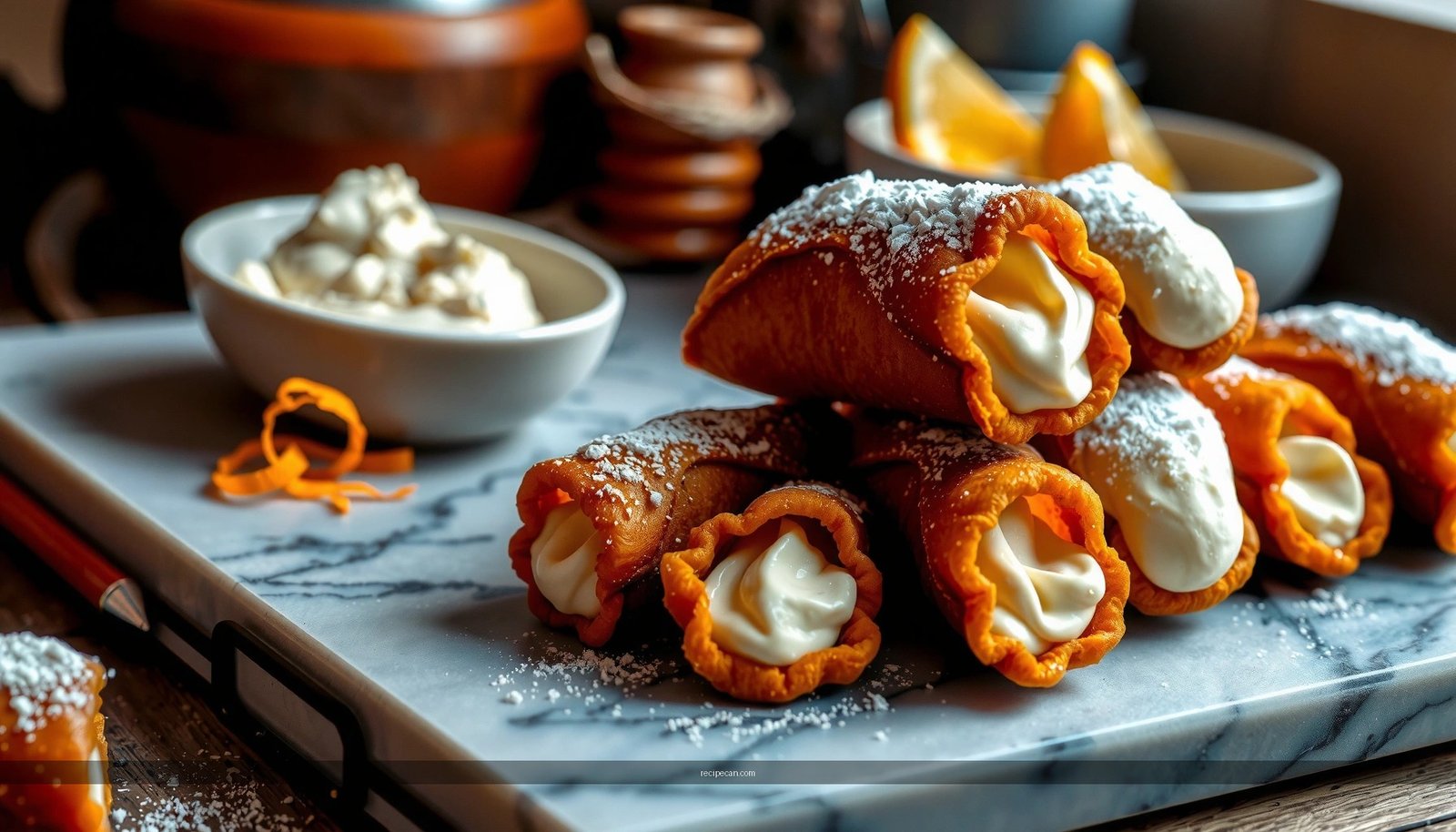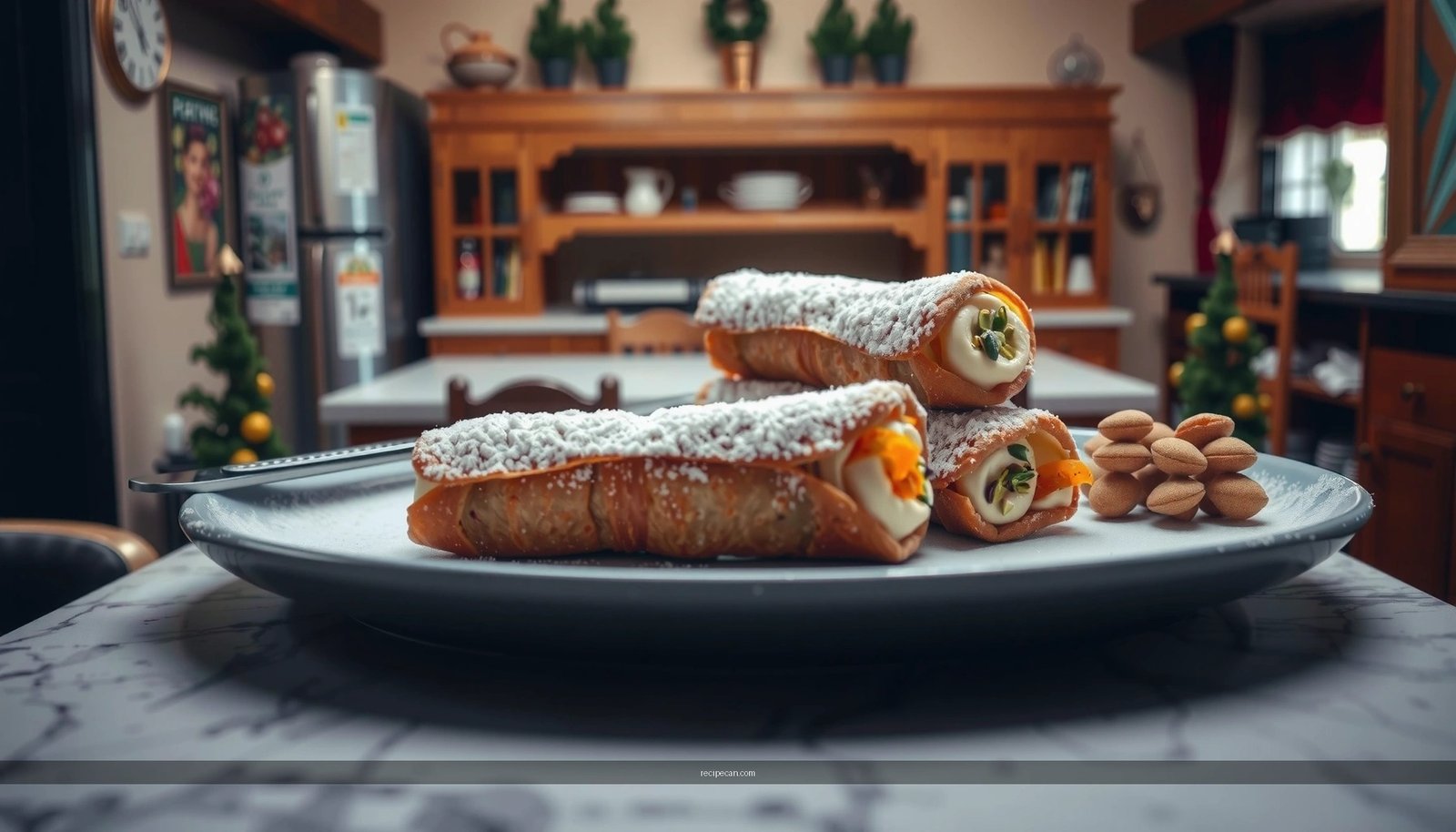
If you’re searching for an authentic cannoli recipe Sicilian-style, this is the definitive guide to the real thing—crisp fried shells and the traditional ricotta filling with the right balance of sweetness. You’ll learn the exact Sicilian method for curing and straining the ricotta, dressing it with candied fruit and chocolate, and filling without sogginess. Follow these steps and you’ll get cannoli that taste like they came from a Palermo or Catania bakery, not a simplified dessert copy.
Make authentic Sicilian cannoli by getting two things right: crisp, well-fried shells and a thick, properly sweetened ricotta filling that isn’t watery. If you follow the traditional logic in this guide—strain and flavor the ricotta, rest the dough, fry at steady heat, and fill right before serving—you’ll produce cannoli with the same texture balance you’d expect from an Italian pastry counter.
Sicilian Cannoli Ingredients (What Makes Them Authentic)
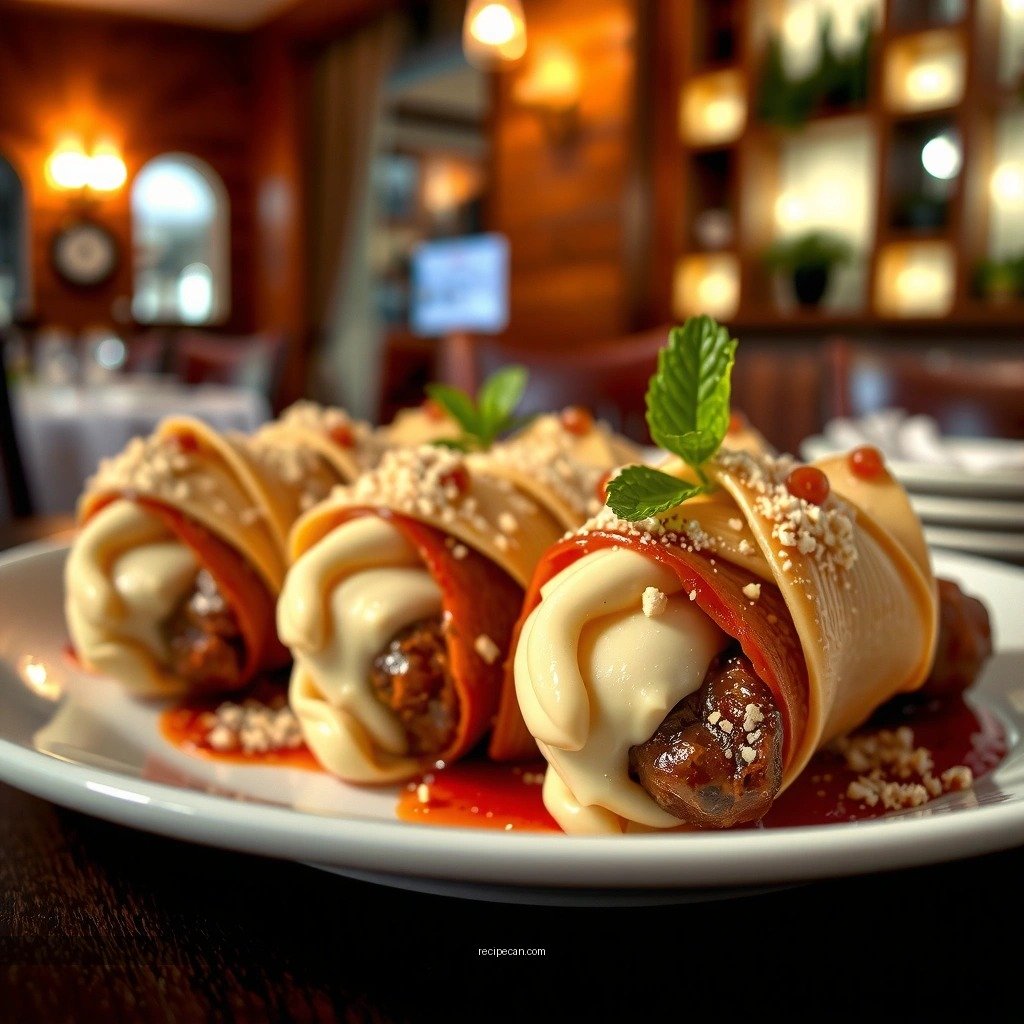
Authentic cannoli are less about flashy ingredients and more about precision. In Sicilian-style cannoli, the “headline” flavors typically come from well-drained sheep or cow ricotta (most commonly cow in many kitchens today), a controlled amount of sugar, and a warming aromatic profile (often cinnamon and vanilla). The texture should be unmistakable: the shell should crack, and the filling should be thick enough to hold its shape without sliding.
Key ingredient tips that make a practical difference:
– Ricotta quality and drainage: Fresh ricotta is essential. Even “good” ricotta can turn runny in a filling if it isn’t strained—so plan to drain it in advance.
– Powdered sugar over granulated: Powder dissolves faster and produces a smoother filling with fewer grainy results.
– Flavor layering (cinnamon + vanilla): A small amount of cinnamon provides warmth without turning the cannoli into a dessert with an “overly sweet” profile. Vanilla rounds out the sweetness.
– Classic mix-ins: Mini chocolate chips are widely used; in traditional Sicilian practice you may also find chopped candied fruit, but chocolate chips are a reliable, consistent option.
– Neutral oil for frying: Use an oil with good frying stability (e.g., canola, sunflower, or peanut). The shell flavor should be neutral—let the ricotta and cinnamon carry the personality.
Cannoli Ingredient Benchmark (for consistent results)
A quick “systems view” helps you troubleshoot before you cook. Use this table as a practical baseline for what matters most in a traditional cannoli process.
Cannoli Shell & Filling Targets for Traditional Texture
| # | Process Variable | Practical Target | Typical Outcome | Risk if Off-Target |
|---|---|---|---|---|
| 1 | Ricotta strain time | 8–24 hr | Firm, pipeable filling | Low |
| 2 | Sweetness level (powdered sugar) | 150–220 g per 1 kg ricotta | Balanced sweet-salty profile | Moderate |
| 3 | Cinnamon intensity | 1/4–1/2 tsp per 1 kg filling | Warm, classic aroma | High |
| 4 | Resting time for shell dough | 30–120 min | Tender, crisp shell | High |
| 5 | Frying temperature | 175–185°C (350–365°F) | Golden color, crisp snap | High |
| 6 | Shell cooling before filling | 10–20 min | Prevents sogginess | High |
| 7 | Fill timing | As close as possible to serving | Max crunch-to-cream ratio | Moderate |
Make the Cannoli Shell Dough (Classic Texture)
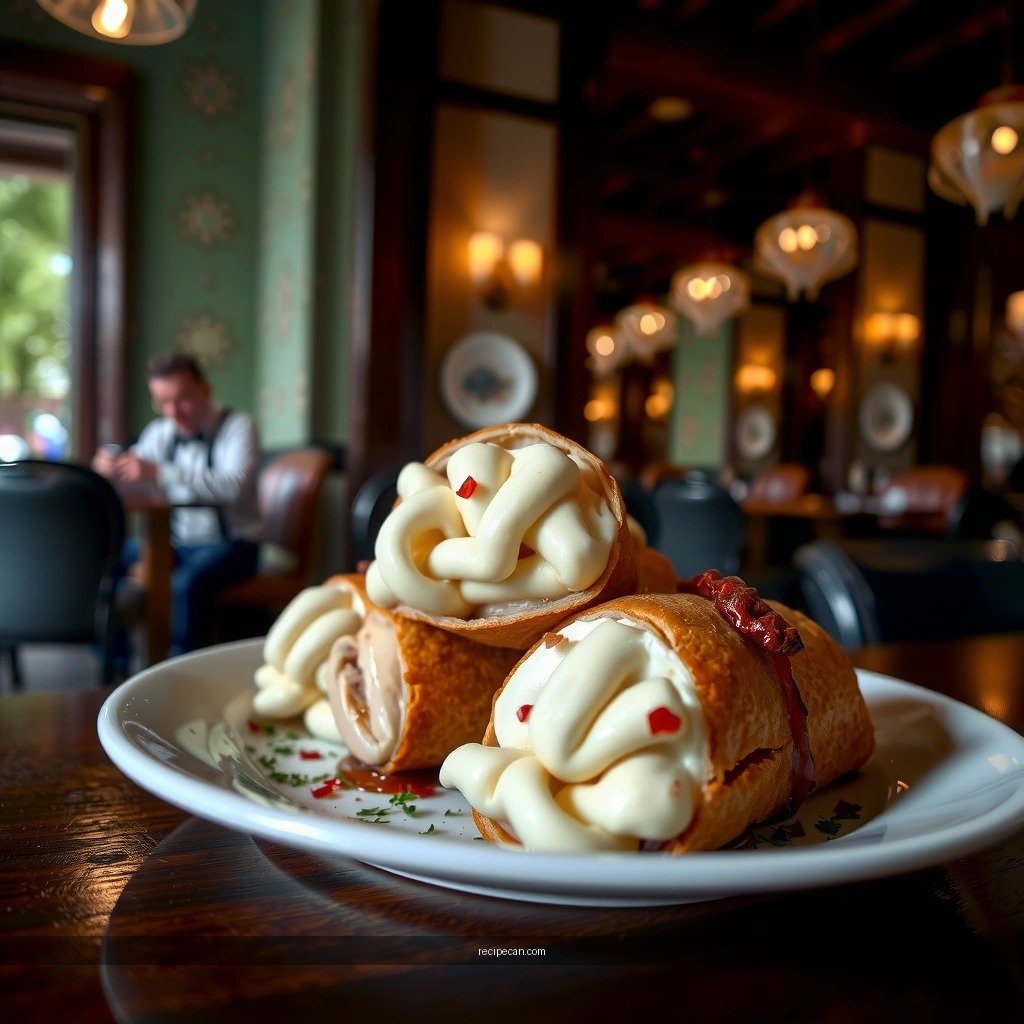
Shells are where many home cooks miss the traditional Sicilian result. The dough needs to be workable, thin, and rested—because frying performance depends on dough elasticity and moisture distribution.
To achieve classic texture:
– Rest the dough: Resting relaxes gluten, making it easier to roll thin without springing back. It also helps the fried shell stay crisp and light instead of tough.
– Roll thin and consistent: Traditional cannoli shells are delicate. Thin dough fries quickly and crisps without heavy oil absorption.
– Handle gently: If you overwork the dough during rolling, you can develop a tougher bite. Treat it like pasta dough: aim for uniform thickness, then move on.
– Use proper molds (or a reliable substitution): Metal cannoli tubes help the shell take shape. If you don’t use molds, you can still fry “shell rounds,” but the iconic cannoli look and crisp structure come from the tube form.
Professional sequencing tip: prepare and rest the dough while you portion and drain the ricotta. This minimizes idle time and keeps your frying window predictable.
Frying the Shells (Crisp, Golden, Not Greasy)
The goal of frying cannoli shells is controlled browning with minimal oil uptake. That’s entirely about oil temperature stability, dough thickness, and timing.
Key frying practices for traditional results:
– Maintain steady oil heat: Fluctuations cause shells to darken too quickly on the outside while remaining soft inside—or to absorb oil and turn greasy.
– Small batches: Crowding the pot lowers the temperature and leads to soggy shells. Fry in manageable quantities.
– Watch for color, not time: Shells can go from pale to perfect quickly once the oil is at temperature. Golden edges and a light, crisp look are your cues.
– Cool shells before filling: Hot shells create steam that softens the shell structure. Let shells cool (typically 10–20 minutes) so they stay crisp once the filling is introduced.
If you’re scaling up for guests, consider a workflow: fry shells, cool them on a rack, then fill in waves shortly before serving. This is the single most effective method to preserve crunch.
Traditional Ricotta Filling (Creamy Without Being Watery)
A Sicilian cannoli filling should be rich and creamy while maintaining body. The most common failure mode is watery ricotta that collapses and makes shells soggy.
To keep the filling thick and smooth:
– Drain ricotta well: Use fresh, properly strained ricotta, or strain in a fine sieve lined with cheesecloth. Plan for 8–24 hours for best consistency.
– Sweetness control: Powdered sugar dissolves cleanly, but quantity matters. Too little tastes flat; too much can overwhelm the classic sweet-salty balance and dilute the ricotta flavor.
– Fold gently: Overmixing introduces air unevenly and can loosen texture. Fold the ricotta with sugar and flavorings until just combined.
– Add flavor thoughtfully: Cinnamon and vanilla provide the “classic Sicilian notes.” Use restraint—these are not dominant spices, they’re aromatic support.
– Add chocolate chips at the end: Stir in mini chocolate chips last so they remain evenly distributed without breaking down into the cream.
For a reliable texture profile, treat filling consistency like a specification: when piped, it should hold a mound for a few seconds without running.
Assemble Your Cannoli (The Right Timing)
Assembly is not merely a final step—it’s a quality control checkpoint. Cannoli are a perishable structure: shells are designed to stay crisp, but they soften when exposed to moisture.
Follow these traditional assembly tactics:
– Fill just before serving: The longer filled cannoli sit, the more the shell absorbs filling moisture. This is why pastry shops fill close to display time.
– Pipe for clean edges: Use a piping bag or spoon with control so each cannoli is evenly filled.
– Finish with classic end garnishes: Add pistachios or chocolate chips to the ends. This is not decorative only—these finishes reinforce the classic Sicilian flavor profile and provide textural contrast to the cream.
Operationally, assemble in small batches. For example, if you’re serving 20 people, you might fry and cool shells in advance, but fill 6–8 cannoli at a time, then repeat. This preserves the “crunch-to-cream” experience.
Serving and Storage Tips (Keep Them Perfect)
Serving cannoli correctly is part of authenticity. Traditionally, they’re treated as a fresh pastry: crisp shells, cool filling, immediate gratification.
Serve:
– Immediately for best texture: Aim to serve filled cannoli within minutes, especially if your environment is warm or humid.
– At consistent coolness: Filling should be cool but not ice-cold. A slightly chilled ricotta tastes clean and reduces melting at room temperature.
Store (practical guidance):
– Keep shells and filling separate: Store shells in an airtight container at room temperature to protect crispness.
– Store filling chilled: Refrigerate filling in a sealed container. When ready, stir briefly to restore smoothness.
– Assemble close to serving: Recrisping shells is not realistic once they’ve absorbed moisture, so plan timing instead of relying on fixes.
If you must prepare ahead for an event, prioritize storing shells fully and filling partially—then assemble when service begins.
Authentic Sicilian cannoli come down to crisp shells and properly drained, well-flavored ricotta filling. Follow the steps for dough resting, steady frying temperature, thick filling consistency, and—most importantly—assembly timing, and you’ll achieve the traditional taste and texture that defines classic cannoli. Try this method today, and if you can, make a small batch first so you dial in your frying temperature and sweetness to your exact preference.
Frequently Asked Questions
What makes an authentic cannoli recipe Sicilian instead of a generic cannoli?
Authentic cannoli from Sicily focus on both the pastry and the ricotta filling, with a specific balance of sweetness, salt, and texture. Sicilian cannoli shells are typically fried until crisp and then filled just before serving so they don’t soften. The filling is made with well-drained ricotta and often includes candied fruit, chocolate chips, and a touch of cinnamon, staying true to classic Sicilian cannoli flavors.
How do I make Sicilian cannoli ricotta filling that isn’t watery?
The key is to drain the ricotta thoroughly using cheesecloth and letting it sit until excess liquid is removed. For the most authentic texture, mix the drained ricotta with powdered sugar and flavorings only after it’s no longer wet, and fold in mix-ins gently. If your ricotta still feels loose, chill it and drain again briefly—watery filling is the most common issue when making an authentic cannoli recipe Sicilian-style.
Why do my cannoli shells get soggy or don’t crisp, and how can I prevent it?
Cannoli shells soften once they contact moisture from the filling, so timing matters—fill them close to serving. Use well-drained filling and avoid overmixing ricotta, since excess moisture will seep into the shells. Make sure the shells are fried to a deep golden color and cool completely before filling, which helps them stay crisp for longer.
Which cheeses and ingredients are best for an authentic Sicilian cannoli filling?
Traditional Sicilian cannoli filling uses ricotta—preferably fresh, whole-milk ricotta that can be drained well for a thick consistency. Powdered sugar, mini chocolate chips, candied orange or citron, and sometimes a hint of cinnamon are common in authentic cannoli recipes Sicilian-style. Choose high-quality ricotta and real candied fruit for the most classic flavor and texture, and keep the filling simple so the ricotta tastes fresh.
What’s the best way to shape and fry cannoli shells so they look like classic Sicilian tubes?
Roll the dough thin, wrap it evenly around cannoli forms/cannoli tubes, and seal the edges so the shell holds its shape during frying. Fry in hot oil until crisp and golden, turning if needed for even color, then cool completely before removing from the molds. For the most authentic results, maintain consistent oil temperature and work in small batches so the shells don’t become oily or under-fried.
References
- Cannoli
https://en.wikipedia.org/wiki/Cannoli - Sicilian cuisine
https://en.wikipedia.org/wiki/Sicilian_cuisine - Ricotta
https://en.wikipedia.org/wiki/Ricotta - Frying
https://en.wikipedia.org/wiki/Frying - Marsala
https://en.wikipedia.org/wiki/Marsala - Pistachio
https://en.wikipedia.org/wiki/Pistachio - Candied fruit
https://en.wikipedia.org/wiki/Candied_peel - Google Scholar Google Scholar
https://scholar.google.com/scholar?q=authentic+cannoli+recipe+sicilian+ricotta - https://scholar.google.com/scholar?q=tradition+of+cannoli+in+Sicily+history+ricotta+pastry Google Scholar
https://scholar.google.com/scholar?q=tradition+of+cannoli+in+Sicily+history+ricotta+pastry - Google Scholar Google Scholar
https://scholar.google.com/scholar?q=cannoli+dietary+and+ingredient+composition+sicilian+dessert