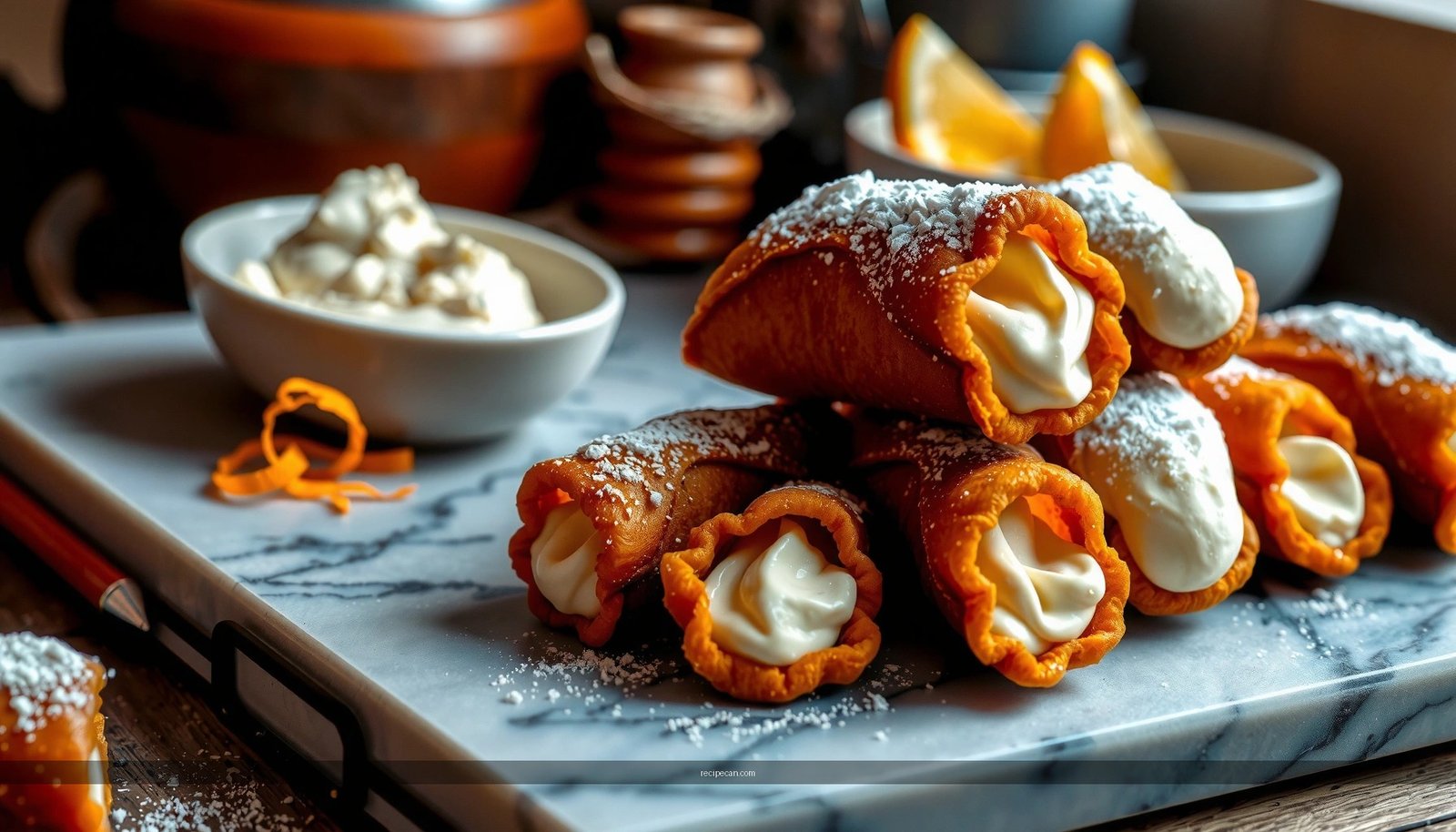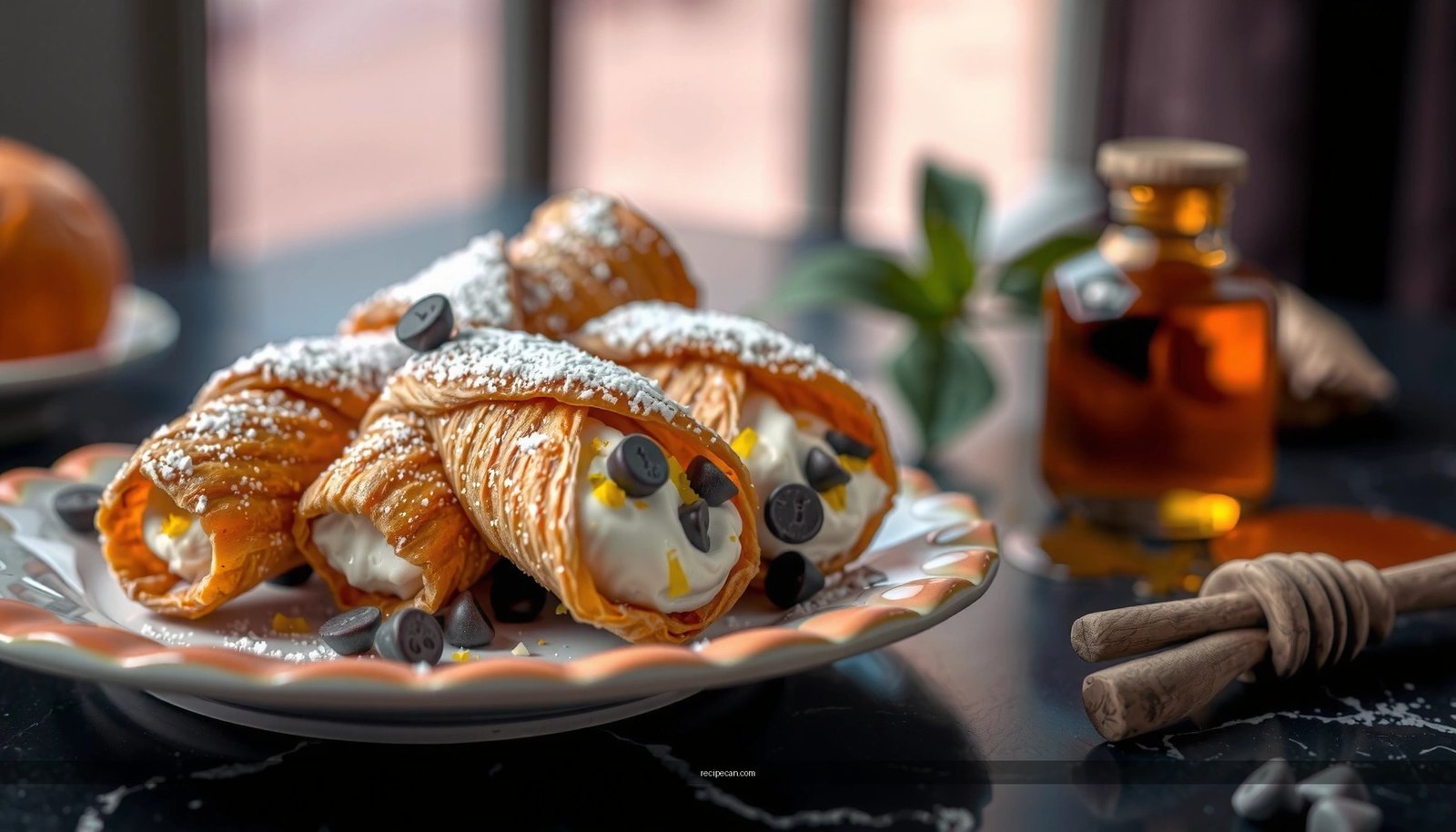
If you’re searching for a traditional Sicilian cannoli recipe, this version delivers the classic shell and a real ricotta filling that tastes like Sicily, not shortcuts. You’ll get the exact method for crisp cannoli shells and a sweetened ricotta cream with the right texture and balance. Follow these steps and you’ll know, immediately, whether your cannoli will hold their crunch and flavor.
You can make authentic traditional Sicilian cannoli at home by frying crisp shells and filling them with a sweetened ricotta mixture brightened with citrus and vanilla—then assembling right before serving. This recipe is built to protect the two signatures of cannoli—crunchy shell texture and creamy, non-watery filling—by guiding you through dough, frying, ricotta prep, and timing.
Traditional Sicilian Cannoli Ingredients
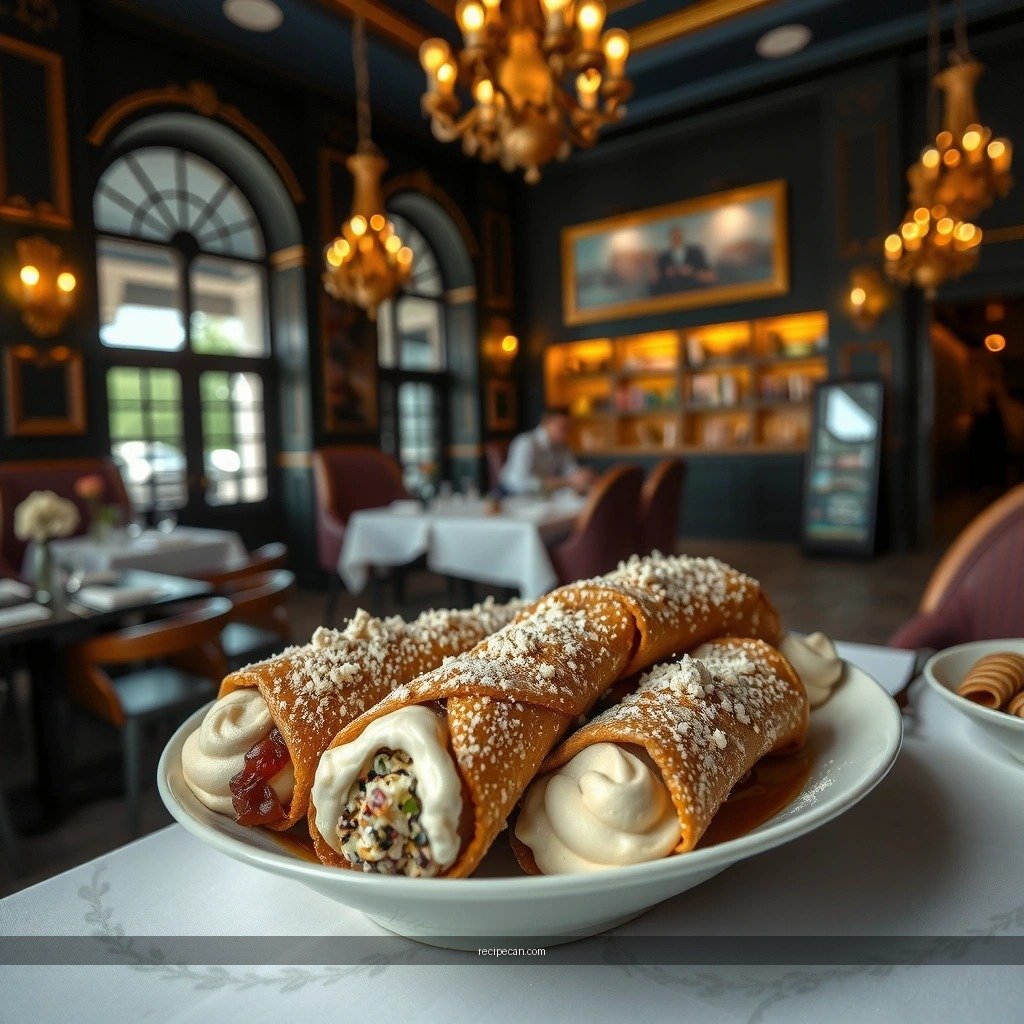
– Gather ingredients for the cannoli shells and ricotta filling, including flour, egg, sugar, and ricotta.
– Use citrus zest (lemon or orange) and optional cinnamon or vanilla for classic Sicilian flavor.
For traditional cannoli flavor, the ingredient list is simple, but ratios and preparation matter more than the shopping list. For classic cannoli shells, you’re looking for a dough that fries into blistered, crisp layers without tasting oily. That typically comes from a dough built around flour + egg + a small amount of sweetener + a bit of fat (often wine or oil depending on family style), then rolled thin and fried quickly.
For classic Sicilian ricotta filling, the essentials are:
– Whole-milk ricotta (preferably drained or “fiore di latte” style)
– Confectioners’ sugar or fine sugar for smoothness
– Citrus zest (lemon and/or orange)
– Vanilla extract (optional but highly common in home versions)
– Optional: a touch of cinnamon and/or orange blossom water depending on preference
Typical home quantities (makes ~12–18 cannoli, depending on tube size):
– Shells: all-purpose flour, sugar, salt, egg, a small splash of dry white wine or neutral liquid (optional but common), neutral oil or butter (small amount), and oil for frying.
– Filling: drained ricotta, sugar, lemon zest, orange zest, vanilla, optional cinnamon, and optional candied fruit (for finish).
Table: Home Cannoli Quality Parameters (What Matters Most)
Insert this table after frying prep concepts so readers can “calibrate” before they begin.
Key Parameters for Classic Cannoli Shell Crunch & Ricotta Creaminess
| # | Parameter | Classic Target | Common Deviation | Quality Impact |
|---|---|---|---|---|
| 1 | Frying oil temperature | 175–185°C (350–365°F) | Below 170°C → pale + greasy | ★★★★★ |
| 2 | Dough resting | 30–60 minutes | No rest → tough, uneven bubbles | ★★★☆☆ |
| 3 | Rolling thickness | Thin: ~1.5–2 mm | Too thick → soft interior | ★★★☆☆ |
| 4 | Tube diameter choice | 7–9 mm (classic bite-size) | Too large → shell fragility | ★★★★☆ |
| 5 | Ricotta draining time | 2–6 hours (or overnight) | Undrained → watery filling | ★★☆☆☆ |
| 6 | Sugar type & blend | Fine sugar or icing sugar | Granular sugar → grainy texture | ★★★★☆ |
| 7 | Assembly timing | Fill right before serving | Filled early → shell loss of crunch | ★★★★★ |
Making the Cannoli Shell Dough
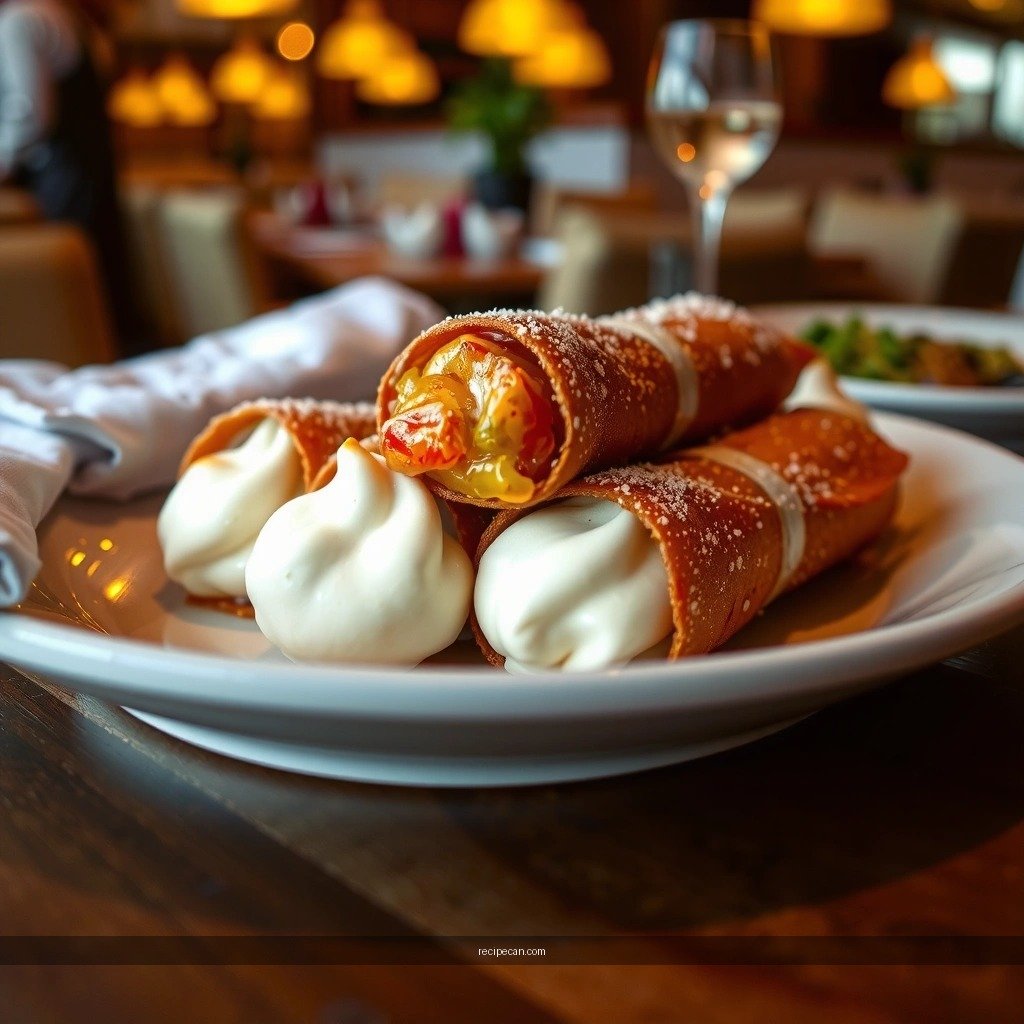
– Mix and knead until smooth, then rest the dough to improve texture.
– Roll thin and cut into strips, then shape around cannoli tubes.
Cannoli shell dough behaves differently than many cookie doughs: you want elasticity to roll thin without tearing, but not so much gluten development that the shell becomes chewy. Practically, that means:
1. Mix just until cohesive. Combine flour with sugar and salt, then add egg and your liquid component (often wine or a small amount of neutral liquid).
2. Knead to smooth. Knead until the dough looks uniform and feels elastic, not sticky.
3. Rest for structure. Resting relaxes gluten and hydrates the flour. This directly supports the blistered, crisp shell surface you associate with classic cannoli.
When rolling, aim for thin, even thickness. Uneven thickness leads to one end over-frying and the other staying pale. Cut into strips, then wrap around cannoli tubes with a slight overlap. Seal the edge with a touch of beaten egg or water so the shell holds together during frying.
Professional tip: If you don’t have tubes, you can improvise with metal molds, but tubes are ideal because they help control final diameter—crucial for both crunch and breakage resistance.
Frying the Cannoli Shells
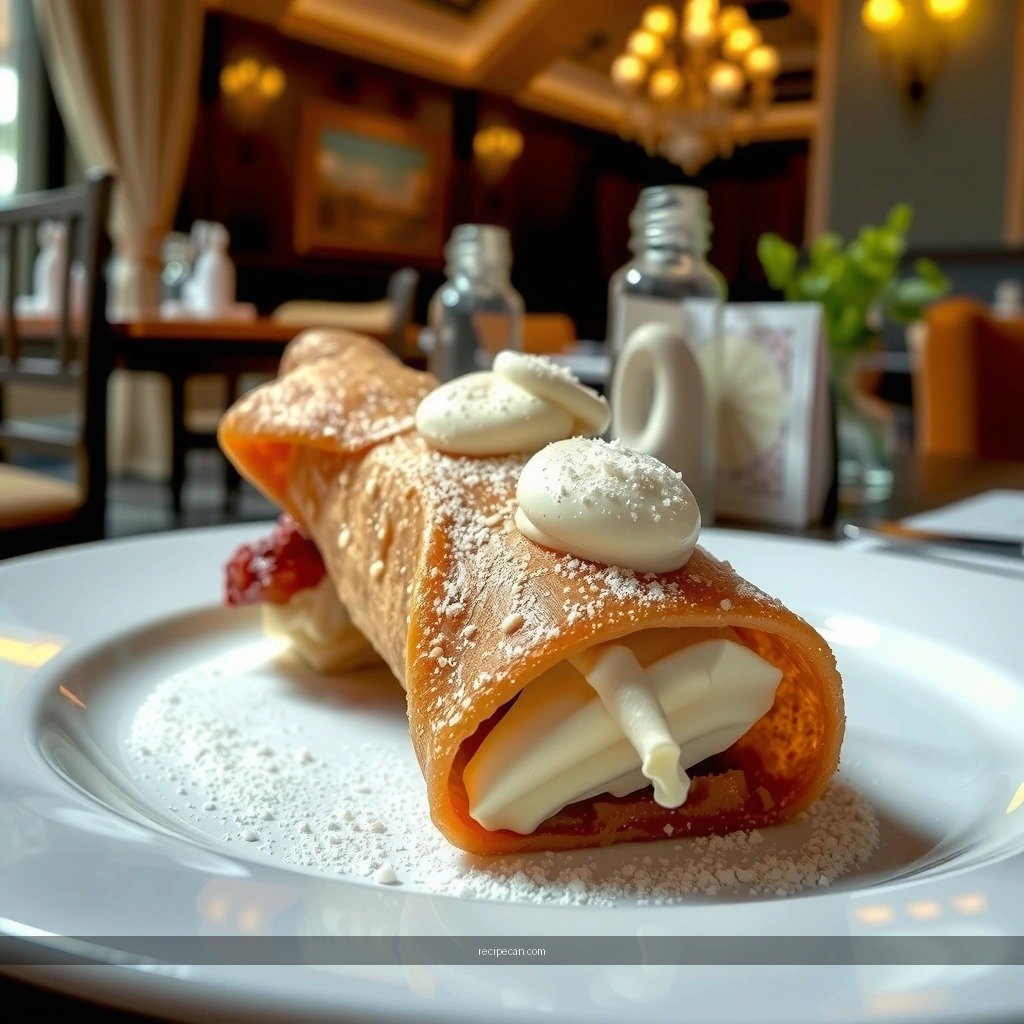
– Fry at the right oil temperature for crisp shells that won’t turn greasy.
– Drain well and remove shells carefully from the tubes before cooling.
Frying is where cannoli become either “restaurant-grade” or merely tasty. The key control variable is oil temperature. At the right heat, shells puff slightly and develop golden blisters; at low heat, they absorb oil and lose crispness.
How to fry for classic results:
1. Heat oil to 175–185°C (350–365°F). Use a thermometer if possible.
2. Fry in small batches. Overcrowding drops the oil temperature and creates inconsistent browning.
3. Watch color, not time alone. Cannoli shells can brown quickly once the oil stabilizes. Aim for a deep golden tone.
4. Drain thoroughly. Lift shells out and let oil drip on a rack or paper-lined surface briefly.
5. Remove from tubes carefully. Let them cool slightly first—hot shells are fragile and can split if you rush.
Finally, cool shells completely before filling. Even a small amount of retained heat can soften the dough and reduce the shell’s crunch.
Preparing the Ricotta Filling
– Drain ricotta thoroughly so the filling stays creamy and not watery.
– Fold in sugar, citrus zest, and flavorings until smooth and well combined.
The ricotta filling is a controlled texture exercise. Traditional cannoli filling is not “stirred once and done”; it’s mixed to a smooth consistency after moisture is removed.
Drain properly:
– Line a sieve with cheesecloth or a clean kitchen towel.
– Place ricotta inside and refrigerate.
– For most home ricottas, 2–6 hours is a reliable range; overnight is often best if you’re planning ahead.
Mix for smoothness:
– If your ricotta is grainy, press it through a sieve before mixing.
– Add sugar (preferably fine or icing sugar) and stir until smooth.
– Add lemon and/or orange zest for the signature Sicilian brightness.
– Add vanilla (and optionally a light dusting of cinnamon). Avoid over-sweetening—citrus zest should read as fresh, not candy-like.
The finished filling should be thick enough to hold a ridge when piped, not runny. If it feels loose even after draining, refrigerate briefly and recheck; sometimes sugar needs a few minutes to fully integrate and stabilize.
Filling and Assembling Cannoli
– Pipe filling into cooled shells just before serving for best crunch.
– Add optional candied fruit or chocolate chips for the classic look and flavor.
Cannoli are best handled like a “build-to-order” dessert. The shell’s crispness is its signature, and moisture from the ricotta will gradually soften it. That’s why the classic guidance is: fill right before serving.
Assemble for maximum impact:
1. Confirm shells are fully cool and dry.
2. Pipe filling into each shell using a pastry bag (or use a spoon if needed, but piping produces a cleaner texture and better edge coverage).
3. Finish with garnishes:
– Candied orange or citron for a traditional Sicilian look
– Mini chocolate chips for a modern twist that still pairs well with citrus zest
Portioning note: Don’t underfill—empty-looking ends weaken the “bite.” But also avoid overfilling to the point of bursting seams.
If you’re serving at an event or for multiple guests, prepare everything else in advance (shells fully cooled, filling chilled) and schedule assembly in waves—e.g., fill 10–15 minutes before each serving block.
Storing Tips and Serving Best Practices
– Keep shells and filling separate, then assemble close to serving time.
– Serve chilled or at room temperature depending on your preference and freshness.
To preserve the authentic cannoli experience:
– Store shells and filling separately.
– Shells: store airtight once fully cooled to prevent humidity exposure.
– Filling: keep refrigerated in a covered container.
– Assemble as late as practical. Even with perfect ricotta draining, pre-filled cannoli will soften over time.
Serving temperature choices:
– Chilled cannoli often taste cleaner because the citrus notes pop against colder ricotta.
– Room-temperature cannoli can feel softer and more aromatic, especially if your kitchen is cool.
For best consistency, many home bakers do a balanced approach: keep shells at room temperature (so they remain crisp and not brittle) and serve filled cannoli slightly chilled for the best texture contrast.
Crisp traditional Sicilian cannoli come from two key steps: frying the shells until golden and draining/mixing the ricotta filling properly. Follow the dough, frying, and “fill right before serving” guidance above, and you’ll achieve the classic crunch and authentic flavor—so make a batch today and enjoy them fresh.
Frequently Asked Questions
What is the traditional Sicilian cannoli recipe and what makes it authentic?
A traditional Sicilian cannoli typically features a crisp fried shell made from durum wheat flour, paired with a sweet ricotta filling made from strained ricotta, sugar, and often candied citrus and chocolate. Authentic cannoli depend on the shell being fried at the right temperature for a bubbly, crisp texture, and the filling being thick enough to hold its shape without becoming watery. Many Sicilian recipes also highlight flavored ricotta—commonly with orange zest, cinnamon, or vanilla—plus optional mini chocolate chips.
How do you make cannoli shells crisp like in Sicily?
For a crisp traditional Sicilian cannoli recipe, roll the dough thin and fry it in hot oil until golden and blistered, not dark. Keep the oil temperature stable (too cool makes greasy shells; too hot browns them before they crisp properly), and drain well before cooling. To prevent sogginess, fill the cannoli with ricotta only right before serving, or keep shells and filling separate until the last moment.
Why is strained ricotta essential for cannoli filling, and how do you strain it?
Straining ricotta is crucial because it removes excess whey that can make the filling runny and water down your dessert. For best results, drain ricotta in a fine-mesh sieve lined with cheesecloth for several hours in the refrigerator, pressing gently if needed. Once strained, mix it with sugar and flavorings, then fold in candied orange peel and mini chocolate chips for that classic Sicilian cannoli taste.
Which ingredients are best for a classic ricotta filling—fresh, whole milk, or pre-sweetened?
Most traditional Sicilian cannoli recipes call for fresh whole-milk ricotta that you strain yourself, rather than pre-sweetened versions that can vary in texture. Look for ricotta labeled “pecora” (sheep) or high-quality dairy ricotta with a creamy, mild flavor that won’t become grainy after mixing. Adding sugar gradually and resting the filling helps the flavors meld while maintaining a thick, pipeable consistency.
How should you store and serve a traditional Sicilian cannoli to keep the shells from getting soggy?
Serve cannoli soon after filling, because the fried shells gradually absorb moisture from the ricotta filling. Store shells in an airtight container at room temperature and keep the strained ricotta filling refrigerated separately, covered to prevent drying. If you need to prepare ahead, assemble as late as possible—then pipe the filling into the shells just before serving for the best crunch and authentic cannoli texture.
References
- Google Scholar Google Scholar
https://scholar.google.com/scholar?q=traditional+sicilian+cannoli+recipe - Google Scholar Google Scholar
https://scholar.google.com/scholar?q=cannoli+Sicily+ricotta+dough+frying - Google Scholar Google Scholar
https://scholar.google.com/scholar?q=cannoli+recipe+history+Sicily - https://en.wikipedia.org/wiki/Cannoli
https://en.wikipedia.org/wiki/Cannoli - Ricotta
https://en.wikipedia.org/wiki/Ricotta - Sicilian cuisine
https://en.wikipedia.org/wiki/Sicilian_cuisine - Pastry
https://en.wikipedia.org/wiki/Pastry - Frying
https://en.wikipedia.org/wiki/Frying - https://www.britannica.com/topic/cannoli
https://www.britannica.com/topic/cannoli - Cannoli recipe | Good Food
https://www.bbcgoodfood.com/recipes/cannoli