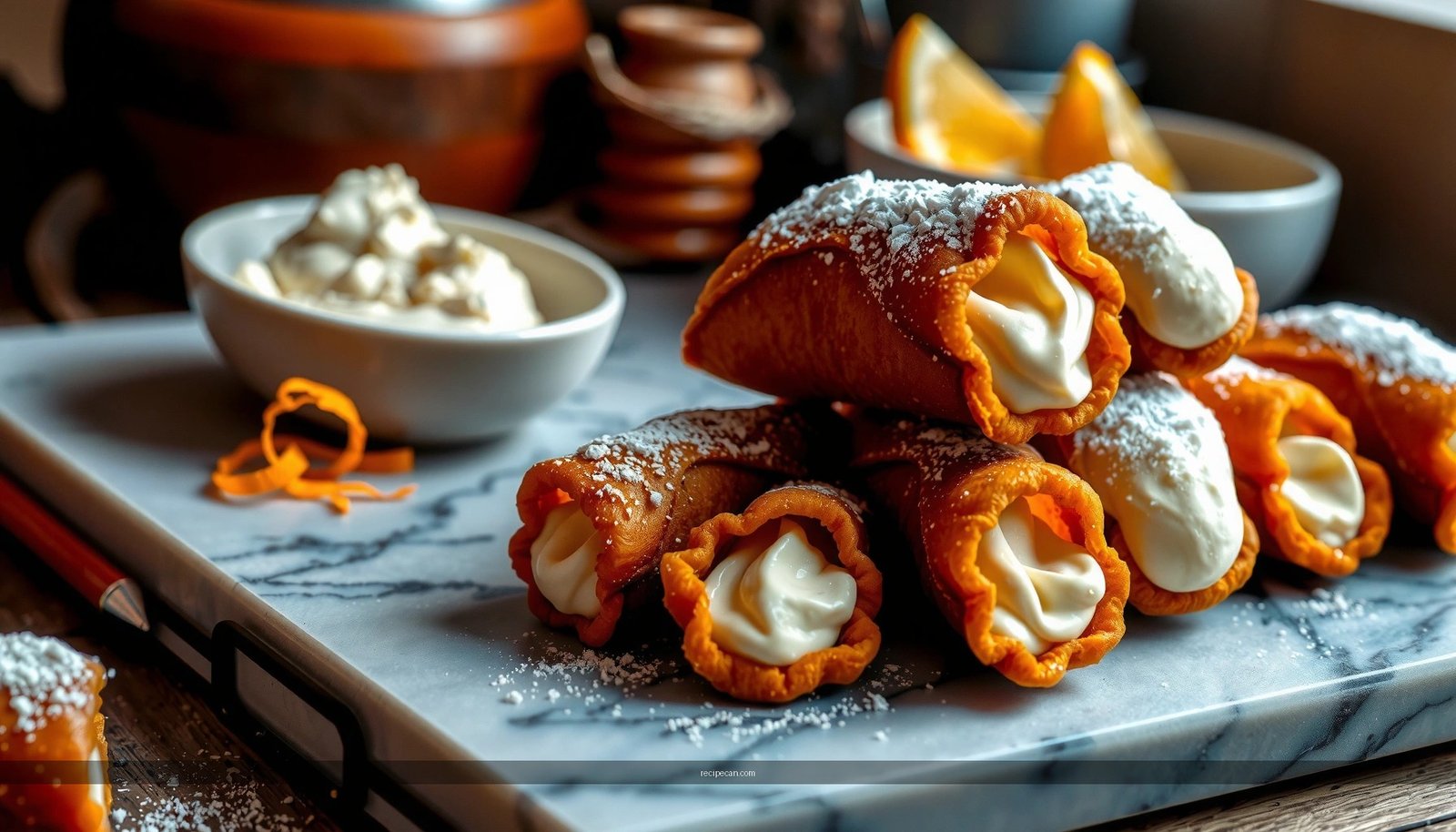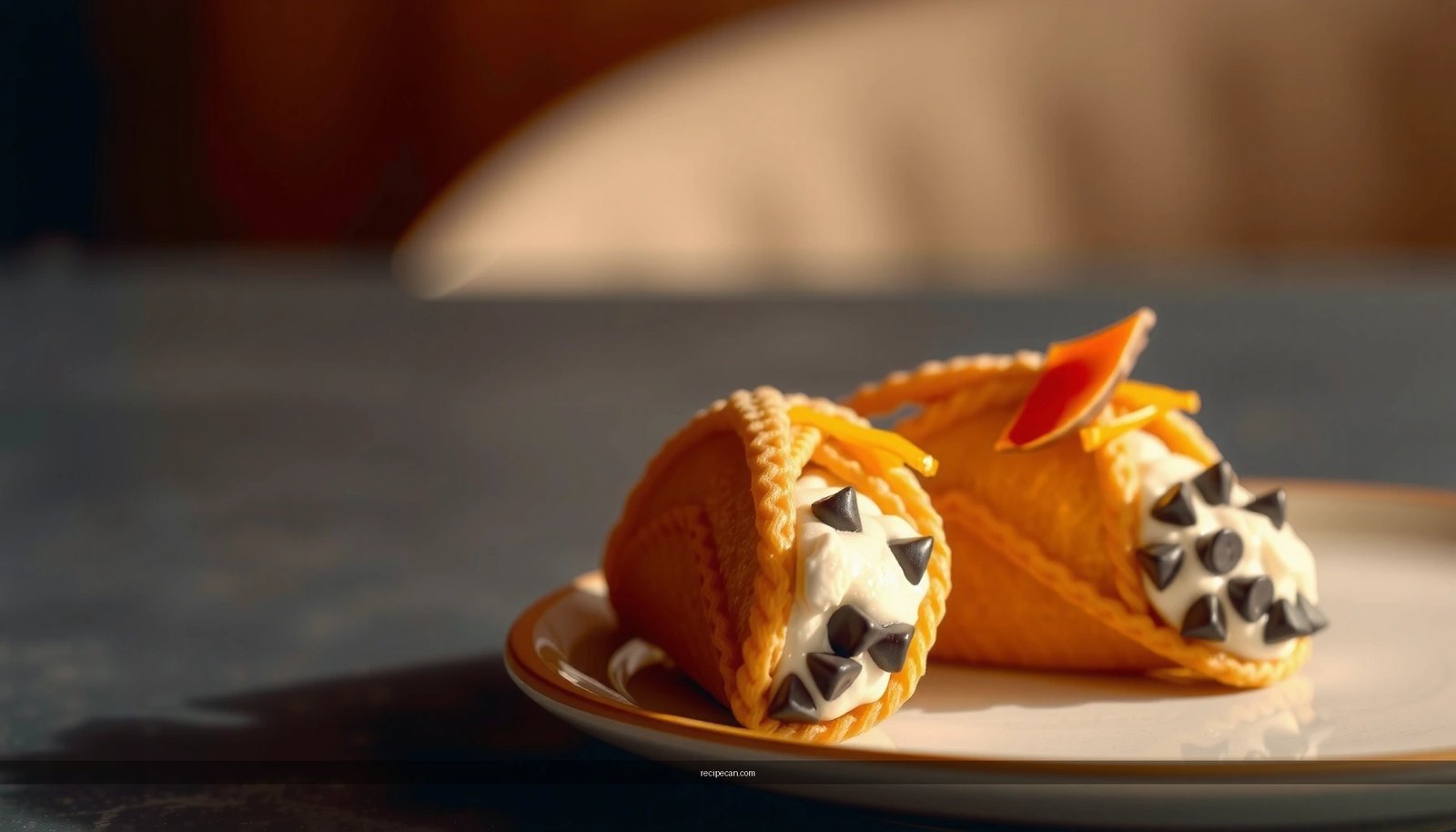
If you’re searching for a cannoli delight recipe that delivers classic sweet shells and a creamy filling, this is the one worth making. It walks you through the exact shell texture—crispy, golden, and blistered—then fills it with a sweet, silky ricotta mixture that tastes like an old-school Italian bakery. Follow it closely and you’ll get canoli that hold their flavor and structure for serving, not a soggy compromise.
Make cannoli delight at home by frying crisp, golden shells and filling them with a thick ricotta mixture right before serving—this timing is the secret to the signature crunch-and-cream contrast. Below is a complete, practical recipe that takes you from shell dough to a balanced, flavorful ricotta filling, with assembly steps designed to protect texture and maximize taste.
Gather Ingredients for Cannoli Delight
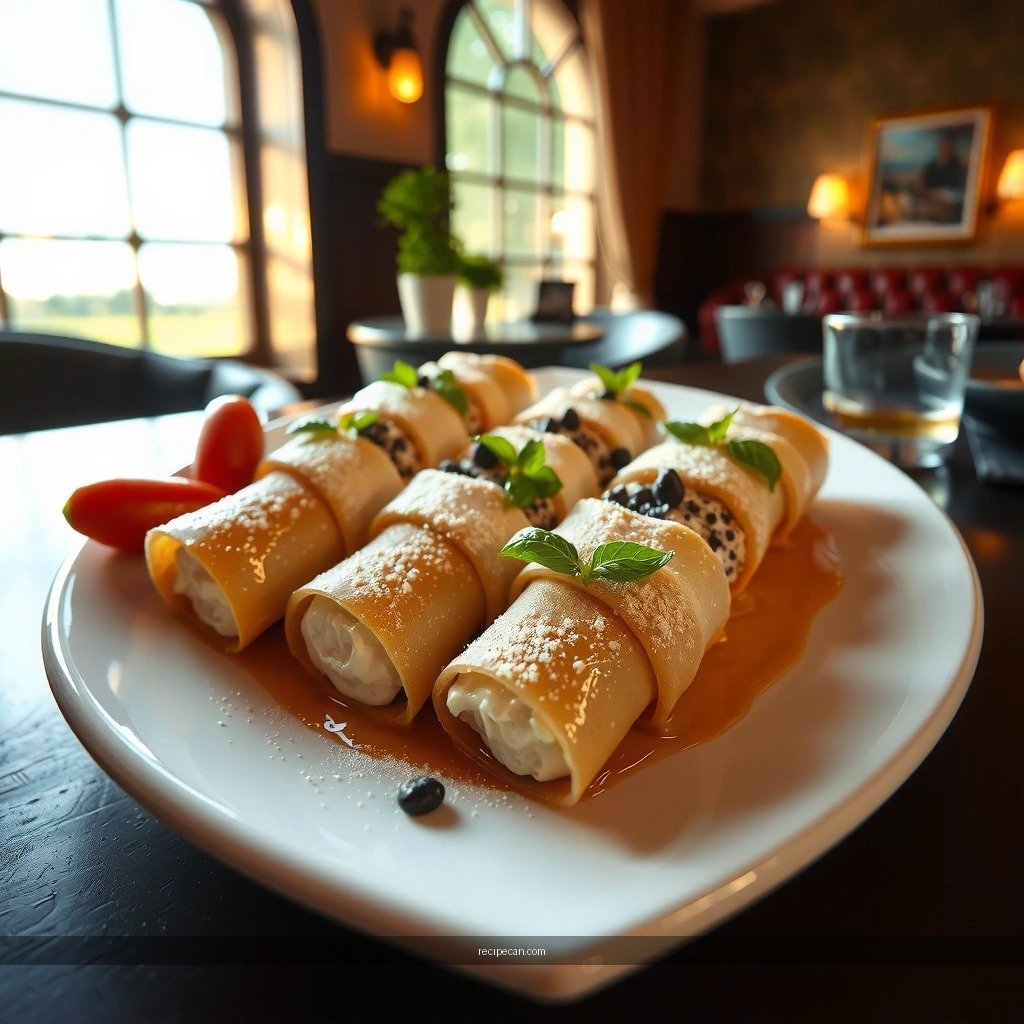
The difference between “good cannoli” and true cannoli delight is ingredient quality and how each component supports structure. Your shells need a sturdy dough that fries into blistered, crisp tubes; your filling needs well-drained ricotta plus enough sweetness and flavor to be spoonable but not runny.
Shell essentials (for classic sweet shells):
– All-purpose flour (structure)
– Granulated sugar (subtle sweetness in the dough)
– Pinch of salt (rounds flavor)
– Unsalted butter *or* lard (tender, traditional crumb; butter works well)
– Egg + egg yolk (richness and elasticity)
– Dry white wine *or* Marsala (classic for texture; helps create flaky crispness)
– White vinegar (optional but helpful—adds tenderness)
– Neutral frying oil (like canola or sunflower), for consistent frying
Ricotta filling essentials (for creamy, stable filling):
– Whole-milk ricotta
– Powdered sugar (dissolves smoothly—ideal for filling)
– Citrus zest (lemon and/or orange) for brightness
– Pinch of salt to make sweetness taste “clean”
– Ground cinnamon (optional) for warmth without overpowering
Key flavor add-ins (classic and crowd-pleasing):
– Mini chocolate chips (melty pockets)
– Candied orange or citron (traditional, chewy pops)
– A few tablespoons of finely chopped candied fruit (optional)
– Optional cinnamon-raisin variation (small amount to avoid sogginess)
To make the process businesslike and repeatable, plan your workflow: shells are fried and cooled first; filling is prepared second; assembly happens last.
Ingredient Impact on Cannoli Shell Crispness (Filled at Serve Time)
| # | Component (Cannoli Delight) | Typical Use | Primary Effect | Crispness Impact |
|---|---|---|---|---|
| 1 | Whole-milk ricotta (well-drained) | 1,000 g | Controls filling moisture | ★ ★ ★ ★ ★ |
| 2 | Powdered sugar | 80–100 g | Dissolves smoothly; low separation | ★ ★ ★ ★ ★ |
| 3 | Lemon/orange zest | 2–3 tsp | Adds brightness without adding liquid | ★ ★ ★ ★ ☆ |
| 4 | Mini chocolate chips | 80–120 g | Texture contrast; minimal moisture | ★ ★ ★ ★ ☆ |
| 5 | Candied citron/orange (chopped) | 60–90 g | Chewy pops; slightly sticky | ★ ★ ★ ☆ ☆ |
| 6 | Fresh lemon juice (in filling) | 1–2 tbsp | Adds liquid; risk of weeping | ★ ★ ☆ ☆ ☆ |
| 7 | Egg-white whip (extra aeration) | 1 white | Can thin ricotta over time | ★ ★ ☆ ☆ ☆ |
Make the Cannoli Shells
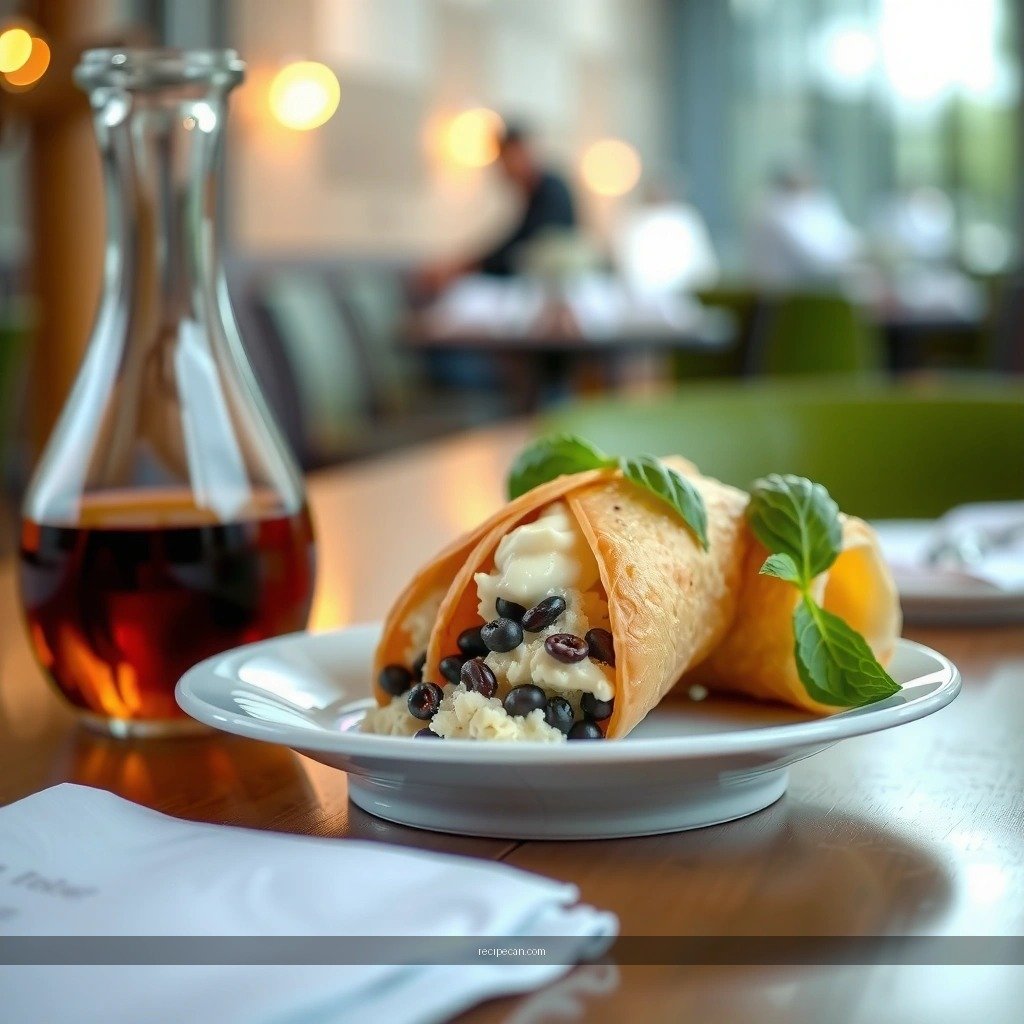
Cannoli shells require three things: elastic dough, thin rolling, and hot, controlled frying. If you under-roll or fry at a low temperature, the shell becomes pale and more absorbent—meaning it softens sooner once filled. Your goal is a shell that stays crisp under the weight of creamy filling.
1) Prepare the dough
– Combine flour, sugar, and salt.
– Work in butter (or lard) until the mixture resembles coarse crumbs.
– Add egg (and yolk if using) and wine (plus a touch of vinegar if desired).
– Mix until you have a dough that feels smooth and slightly tacky, not sticky-wet.
Analytical tip: Resting dough is non-negotiable. Let it rest (typically 30–60 minutes) so gluten relaxes, making it easier to roll thin without shrinkage.
2) Shape the shells
– Roll dough thin (often around a couple millimeters).
– Cut strips and wrap them around cannoli forms (metal tubes), overlapping slightly.
– Seal edges with a small dab of water or egg wash.
3) Fry until golden and crisp
– Heat oil to a stable frying temperature (commonly around 350–375°F / 175–190°C).
– Fry wrapped shells until deep golden with blistering.
– Carefully remove shells, then allow them to cool completely.
Key texture principle: Fill only after the shells cool and their surface moisture evaporates. Warm shells trap steam, which quickly softens the shell’s outer layer.
Prepare the Creamy Ricotta Filling
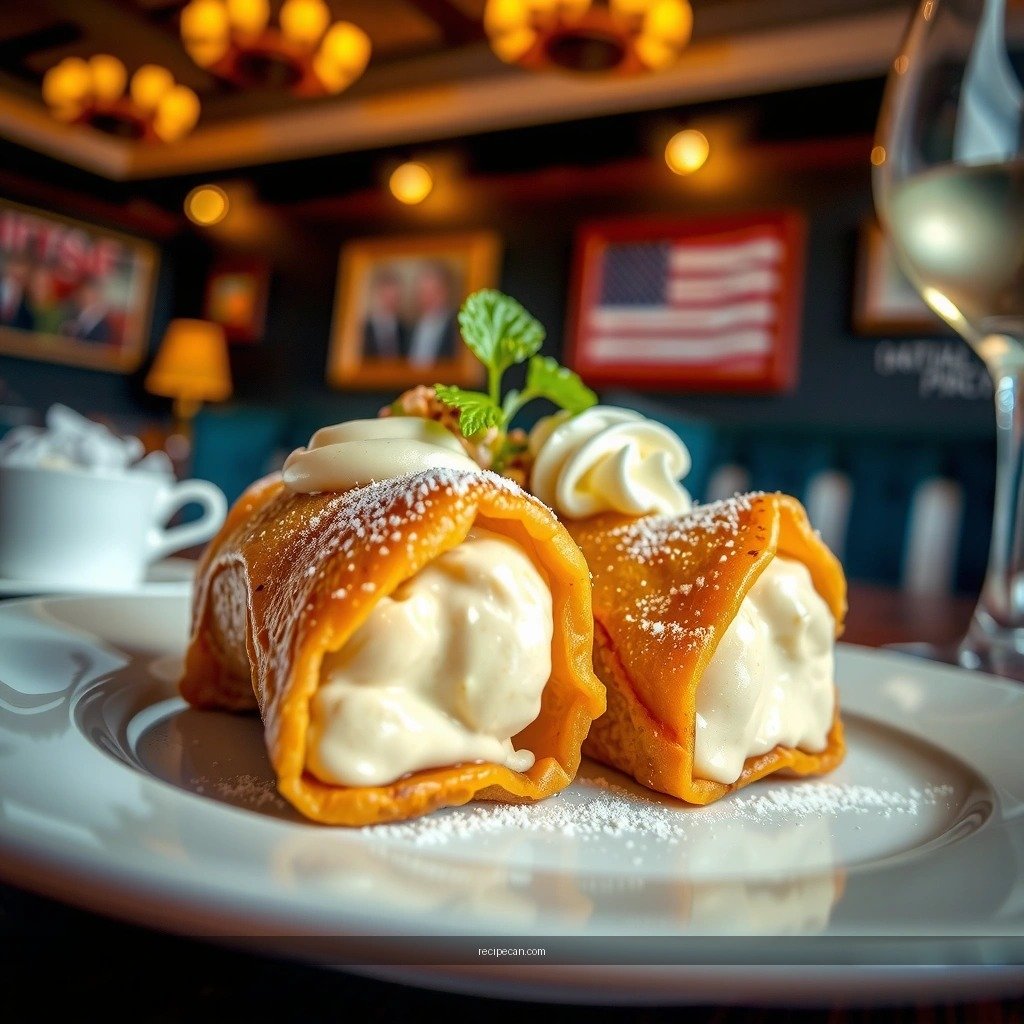
A classic cannoli filling balances richness, sweetness, and brightness—while avoiding excess moisture. Ricotta varies widely by brand, so your most important step is draining.
1) Drain ricotta for structural integrity
– Line a strainer with cheesecloth and refrigerate-drip for 1–4 hours (or longer for very wet ricotta).
– You’re aiming for a ricotta that holds a shape when spooned, not one that flows like yogurt.
2) Mix ricotta with sugar and vanilla
– Beat drained ricotta until smooth (a few minutes is enough).
– Add powdered sugar gradually.
– Stir in vanilla and citrus zest (lemon and/or orange).
3) Fold in mix-ins (without overworking)
– Fold in candied fruit, mini chocolate chips, or other additions.
– Stop mixing once ingredients are evenly distributed.
Perspective worth noting: Some cooks aggressively whip ricotta for extra lightness. That can be delicious, but for cannoli delight—especially when you want crisp shells that last longer—gentle mixing better preserves filling thickness.
Fill and Assemble Your Cannoli Delight
Assembly is where texture is won or lost. Cannoli shells soften when they contact moisture for too long, so the operational rule is simple: fill close to serving.
Best practice workflow
– Keep shells dry and uncovered (a clean paper towel works as a buffer).
– Keep filling in the refrigerator in a covered bowl.
Fill the shells
– Use a piping bag for clean ends and even distribution.
– Or spoon filling carefully into each end and through the shell length.
Actionable detail: If your filling feels too thick to pipe, let it sit at room temperature 5–10 minutes, then mix once. Avoid adding extra liquid—especially juice—because it reduces crispness.
Finish just before guests arrive
Dust lightly with powdered sugar if desired and add decorative chocolate shavings or extra zest.
Tips for Best Texture and Flavor
These points are the difference between a dessert that performs at a gathering versus one that collapses into soft shells.
1. Drain ricotta well for a thicker, creamier filling
Moisture is the enemy of shell crispness. Well-drained ricotta also improves flavor perception by preventing watery dilution of sweetness and citrus.
2. Don’t “fill early”
Even perfect shells will soften over time once filled. If you must stage, keep shells and filling separate until serving.
3. Fry for color, not just time
Shells should be deep golden. Pale shells fry less thoroughly and tend to be more porous.
4. Cool completely before assembly
Any residual steam inside the shell accelerates softening.
Serving Ideas and Variations
Cannoli delight is flexible—without losing its identity. Once you master timing and texture, you can customize flavors for different audiences.
Serving ideas
– Chill the filled cannoli briefly (10–20 minutes) for a refreshing contrast, but avoid long refrigeration if you prioritize maximum crunch.
– Serve with espresso or a citrus-forward dessert wine to match the filling’s brightness.
Variations to try
– Chocolate-forward: Increase mini chocolate chips and add a teaspoon of cocoa powder to the filling.
– Pistachio twist: Add finely chopped pistachios for a nutty, elegant finish.
– Classic candied fruit emphasis: Use more citron and orange peel for a traditional Italian flavor profile.
– Reduced-sweet option: Use slightly less powdered sugar and rely on zest for sweetness perception.
Whatever variation you choose, protect the core execution: shells-first, filling-second, and assemble close to serving.
Enjoy your cannoli delight by following the shells-first, filling-second timing for the perfect crunch and creamy center. Try the recipe today, then experiment with your favorite mix-ins and serve a batch at your next gathering.
Ready to scale up for a party (and keep shells crisp)? If you tell me how many cannoli you want to make, I can help you calculate shell count, ingredient weights, and a prep schedule.
Frequently Asked Questions
What is a classic cannoli delight recipe and what ingredients do I need?
A classic cannoli delight recipe typically uses a sweet ricotta filling (often mixed with sugar, vanilla, and chocolate chips), plus crisp fried cannoli shells made from flour, sugar, salt, butter or lard, and a little wine or vinegar. For best flavor, use high-quality ricotta and drain it well to avoid a watery filling. Optional add-ins like orange zest, cinnamon, and mini candied fruit can make your cannoli delight taste more like Italian bakery cannoli.
How do I keep cannoli shells crisp so they don’t get soggy?
To keep cannoli shells crisp, fill them only right before serving and store the shells separately from the ricotta filling. Make sure your ricotta is thoroughly drained (or blot it) and avoid overly wet additions that can seep into the shell. You can also cool the shells completely before filling, and keep them in an airtight container until ready to use—then assemble for maximum crunch.
Why is my ricotta filling runny, and how can I fix it?
Runny cannoli filling usually happens when ricotta wasn’t drained properly or when ingredients add too much moisture. Fix it by draining the ricotta in a fine sieve or cheesecloth for several hours (or overnight), then mixing until smooth and thick. If you’re in a rush, fold in a small amount of powdered sugar or finely crushed cookies/biscuits to help thicken your cannoli delight filling without changing the flavor too much.
Which chocolate chips and sweet add-ins work best for cannoli delight?
Mini chocolate chips are popular because they distribute evenly and taste balanced against sweet ricotta. Many cannoli delight recipes also benefit from optional add-ins like chopped candied orange peel, chopped pistachios, or a pinch of cinnamon for a more authentic flavor. Choose add-ins you enjoy but keep portions moderate—too many extras can make the filling heavy or mess with the texture.
What’s the best way to assemble cannoli so the filling tastes fresh and stays balanced?
For clean, consistent cannoli, use a piping bag to fill the shells and wipe away any excess filling before serving. Chill the filled cannoli briefly (10–20 minutes) so the ricotta sets slightly, but don’t over-chill for too long since shells can soften. For the finishing touch, dust lightly with powdered sugar and top with chopped pistachios or a few extra chocolate chips right before serving for the best cannoli delight presentation.
References
- Cannoli
https://en.wikipedia.org/wiki/Cannoli - https://www.britannica.com/topic/cannoli
https://www.britannica.com/topic/cannoli - Cannoli recipe | Good Food
https://www.bbcgoodfood.com/recipes/cannoli - Google Scholar Google Scholar
https://scholar.google.com/scholar?q=cannoli+recipe+ricotta+shells - Google Scholar Google Scholar
https://scholar.google.com/scholar?q=traditional+cannoli+di+Sicilia+recipe - Google Scholar Google Scholar
https://scholar.google.com/scholar?q=cannoli+filling+ricotta+sugar+chips+recipe - cannoli – Search Results – PMC
https://www.ncbi.nlm.nih.gov/pmc/?term=cannoli - https://www.tasteatlas.com/cannoli/recipe
https://www.tasteatlas.com/cannoli/recipe - https://www.theguardian.com/food/2016/jan/19/cannoli-recipe
https://www.theguardian.com/food/2016/jan/19/cannoli-recipe - https://www.nytimes.com/2023/01/10/dining/cannoli-recipe.html
https://www.nytimes.com/2023/01/10/dining/cannoli-recipe.html