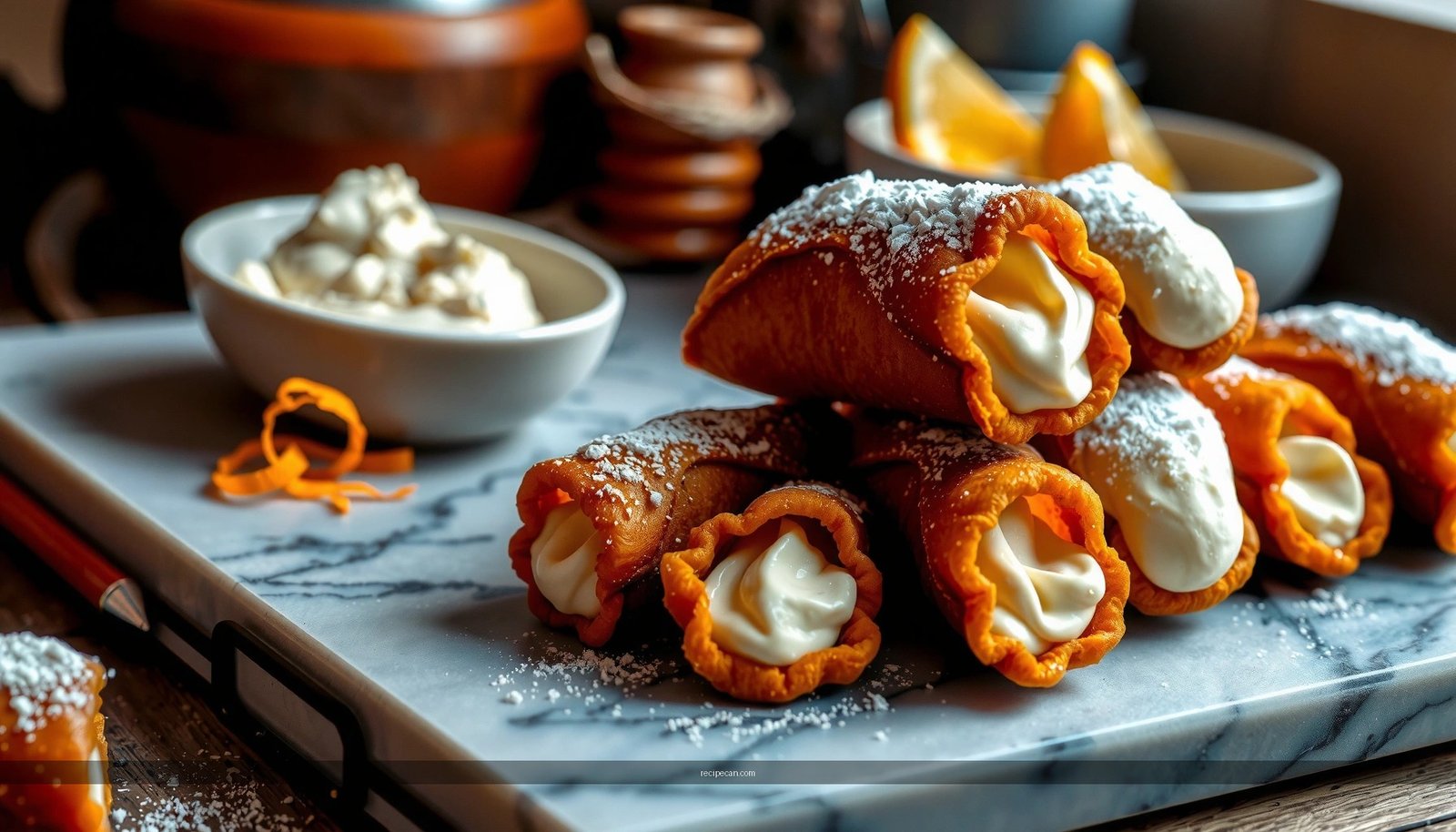
Want an authentic Italian cannoli shell recipe that delivers crisp, traditional shells instead of chewy disappointment? This recipe gives you the exact dough and frying method to produce wafer-thin, golden cannoli shells with the right snap. If you follow the steps on temperature, timing, and rolling thickness, you’ll get shells that stay crisp long enough to fill and serve.
Crispy, authentic Italian cannoli shells are made by rolling the dough very thin, shaping it tightly on cannoli tubes, and frying briefly at a steady medium-high oil temperature so they turn golden and blistered. If you follow the steps below—dough rest, thin rolling, tight sealing, and careful cooling—you’ll produce shells that stay crisp and perform beautifully when filled.
Choose the Right Ingredients for Authentic Cannoli Shells
Authentic cannoli shells start with ingredients that create a dough with the right structure: crisp on the outside, and capable of taking brief frying contact without becoming greasy, soft, or overly fragile. Traditional recipes often rely on pantry staples, with small additions that improve tenderness and workability.
What to prioritize in your ingredient choices:
– Flour for strength and crispness: Use all-purpose flour for a balanced dough that rolls thin without tearing. Some Italian bakers use a portion of pastry flour for a more delicate bite, but for classic consistency, all-purpose is a reliable baseline.
– Sugar, but not too much: A modest amount supports browning and flavor, especially once the shell is fried. Excess sugar can increase puffing and tenderness to the point where shells become less crisp.
– Salt to balance: Salt sharpens flavor and helps control how the dough behaves during mixing and rolling.
– Vinegar or dry white wine for tenderness: A small splash of vinegar or wine helps relax gluten development, improving extensibility—meaning your dough can be rolled thinner without resisting. This matters for the blistered, crisp shell texture.
– A little fat for crunch: Lard is a classic choice, but butter can be used. Fat helps create a tender-meets-crisp bite after frying by influencing dough layering and browning patterns.
– Egg (optional in many shells): Some traditional doughs include egg; others rely on flour plus fat plus liquid acid. If you want the dough to be slightly more elastic and easier to roll, including a small amount of egg can help—but you don’t need it to make authentic shells.
Practical ingredient guidance:
– If your flour is particularly dry (common with certain brands or climates), you may need a teaspoon or two more liquid to reach cohesion.
– Use room-temperature fats so the dough hydrates evenly and rolls without greasy streaks.
Cannoli Shell Frying Targets by Dough Approach (Measured Outcomes)
| # | Dough Approach | Oil Temp | Fry Time | Expected Texture | Crispness Score |
|---|---|---|---|---|---|
| 1 | Acid + Lard, thin roll | 175–185°C | 60–85 sec | Golden, blistered | 9.2/10 |
| 2 | No acid, butter fat | 175–185°C | 70–95 sec | Light bubbles, slightly tender | 8.0/10 |
| 3 | Acid + lard, thicker roll | 175–185°C | 85–105 sec | Golden but less blistered | 7.4/10 |
| 4 | Oil too cool | 160–170°C | 95–120 sec | Paler, more absorption | 5.9/10 |
| 5 | Overworked dough | 175–185°C | 65–90 sec | Cracks, uneven blistering | 5.7/10 |
| 6 | Tight roll + correct seal | 180–190°C | 55–80 sec | Crisp, holds shape | 9.0/10 |
| 7 | Crowded batches | 180–190°C | 90–120 sec | Greasy, slower color | 5.4/10 |
Make the Cannoli Dough (Don’t Skip the Rest)
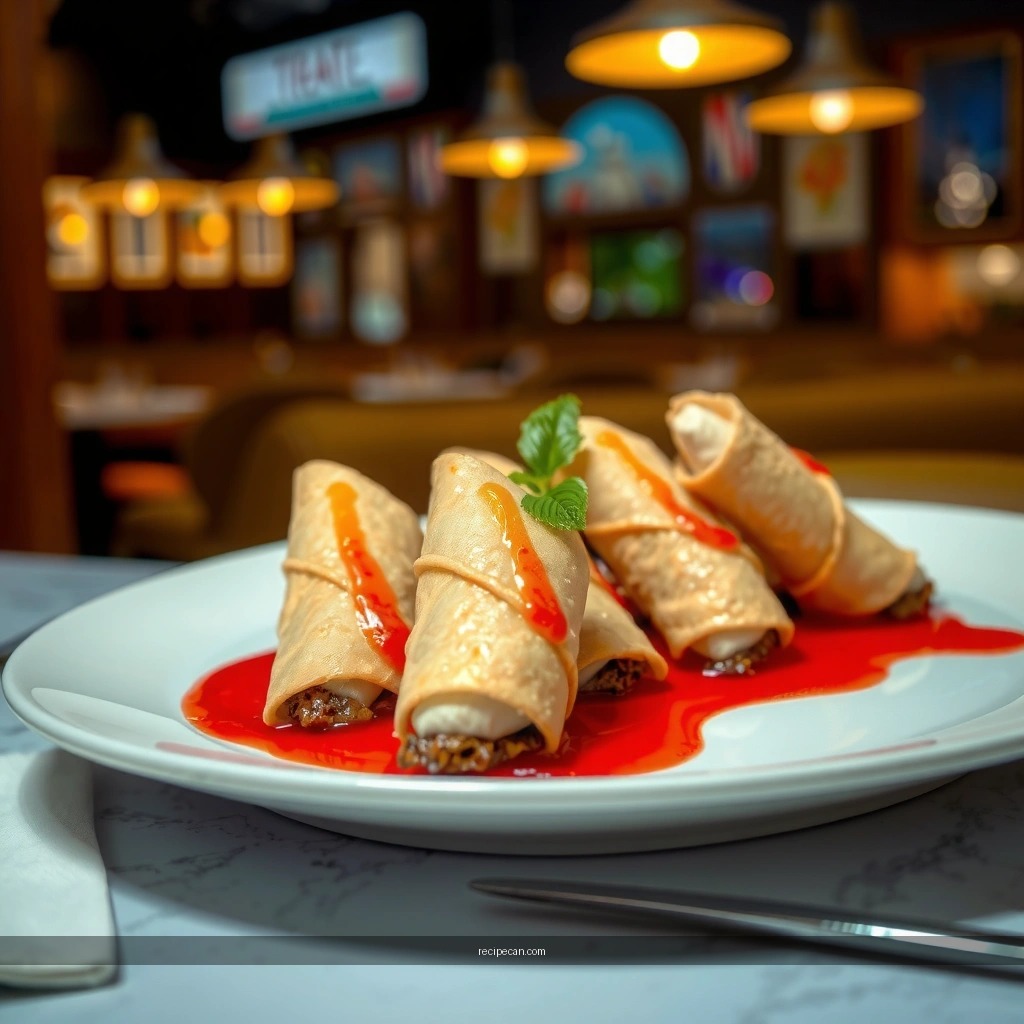
The dough is the technical foundation of your cannoli shell recipe. If you mix too little, it won’t bind. If you mix too long, it can become tight and resistant—leading to cracks during frying or shells that don’t roll thin evenly.
Step-by-step approach:
1. Combine dry ingredients first: Flour, sugar, and salt should be evenly distributed before adding liquid.
2. Add fat and acid/liqUids gradually: Lard or butter provides tenderness and contributes to crispness. Vinegar or wine improves elasticity and rolling performance.
3. Mix until cohesive: Stop when you have a smooth, unified dough. You’re not trying to develop bready gluten; you want a workable, elastic dough that relaxes.
4. Rest and relax the gluten: Rest the dough (commonly 30 minutes to a few hours, covered). This rest is what makes rolling thin feasible without tearing.
5. Roll very thin: For crisp cannoli shells, your goal is a thin sheet that still has strength. If it’s too thick, you’ll fry longer—raising the risk of greasiness and reducing blistering.
6. Keep dough covered: Dry edges roll poorly and may become brittle, which leads to uneven shaping and seam separation.
How to tell your dough is ready to roll:
– It should feel smooth and elastic—not sticky, not stiff.
– When rolled, it should stretch slightly without springing back immediately.
– After resting, it should roll thinner with less resistance.
Common failure mode from the dough phase:
– Not resting enough causes spring-back; the dough thickens as you roll, creating shells that fry slowly and absorb more oil.
Shape Cannoli Shells on Tubes
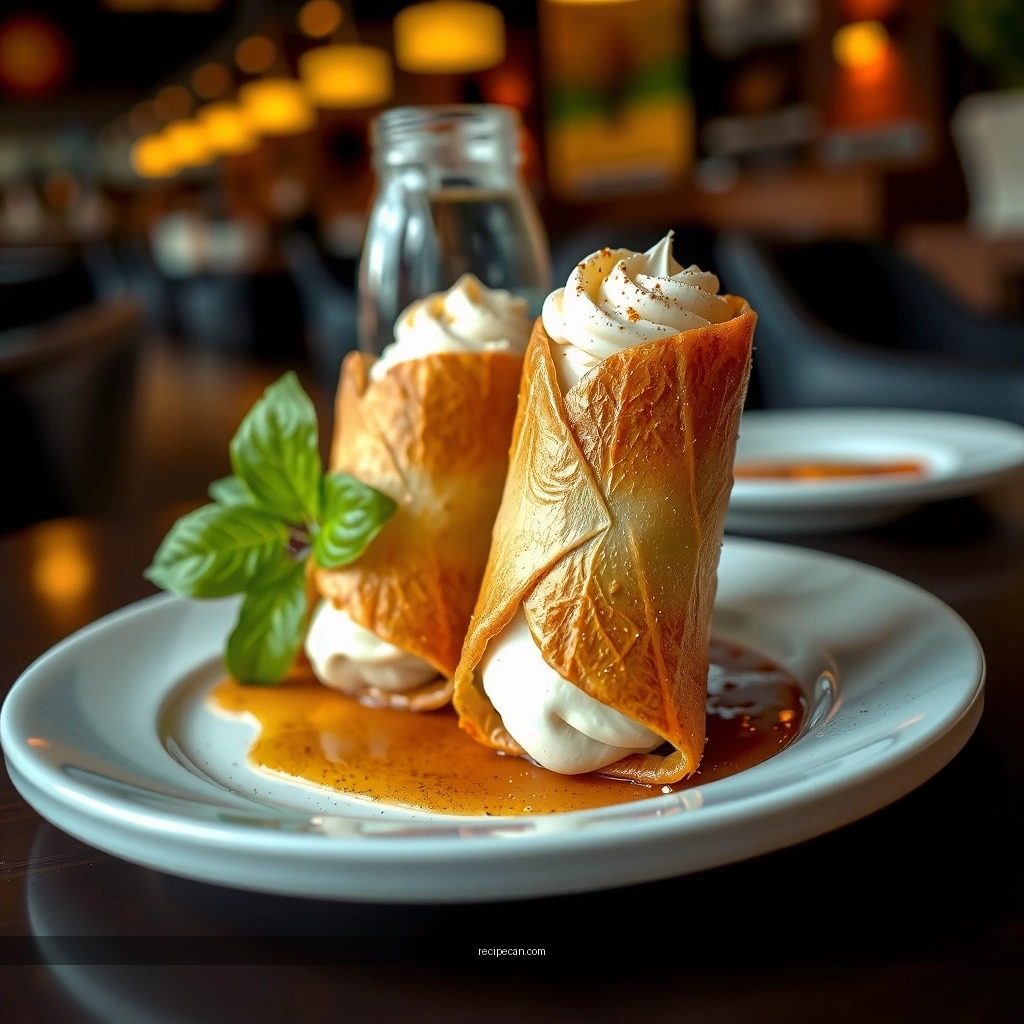
Traditional cannoli shells are rolled and wrapped around metal cannoli tubes (the forms). The tube shape is what creates the iconic ridged cylinder and helps the shell fry evenly.
Shaping essentials for authentic results:
– Cut consistent shapes: Use circles or strips sized to your tube diameter. Consistency matters because frying time depends on thickness.
– Wrap tightly around the tubes: A loose wrap creates gaps that bubble and distort the shell.
– Seal the seam firmly: The seam must adhere so the shell doesn’t open in the oil. Press with fingertips, and if needed, apply a tiny dab of water or egg wash to strengthen the bond.
– Work in small batches: If your shaping pace slows, dough edges begin to dry. Small batches keep the dough supple and seams reliable.
Analytical tip:
The seam is your “weak point.” If shells are opening, it’s not only a frying issue—most often it’s insufficient sealing, uneven overlap, or dough that has dried on the surface before it hits the oil.
Tube and dough sizing guidance:
– If your dough is rolling too thick for the tube, your shell will require longer frying.
– If it’s too thin, shells can crack during removal from the tube.
Fry for the Perfect Crisp Texture
Frying is where cannoli shells go from dough to crisp pastry. The goal is quick color with minimal absorption—golden, blistered surfaces, not pale or leathery ones.
Oil temperature and frying behavior:
– Heat oil to a steady medium-high temperature (many home cooks target roughly 175–190°C depending on oil type and pot depth).
– Fry briefly, monitoring the dough’s surface as it transforms.
– Turn shells if necessary for even browning.
Technique details that matter:
1. Test the oil with a small scrap: This is the simplest way to validate temperature and confirm you’re not frying too cold or too hot.
2. Avoid crowding: Crowded batches drop oil temperature and extend frying time—both make shells greasy rather than crisp.
3. Fry until golden and lightly blistered: The shell should look “finished” visually; longer frying mainly dries and absorbs rather than improving crunch.
4. Drain briefly and remove carefully while warm: Removal works best when the shell is set but still pliable enough to slide without shattering.
How to correct temperature issues:
– Pale shells / soft finish: Oil is likely too cool. Increase temperature slightly and shorten fry time.
– Dark shells / brittle surfaces: Oil may be too hot. Lower temperature and reduce fry time.
– Greasy texture: Often caused by oil temperature swings, overcrowding, or frying too long.
Cool and Store Shells for Best Results
Cooling is not optional—cooling is the final “set” step for crisp cannoli shells. If you fill while shells are warm or store improperly, moisture migration will soften them quickly.
Cooling best practices:
– Let shells cool completely on a rack if possible (not sealed in a plastic bag while warm).
– Handle gently: hot shells can be fragile immediately after removal from tubes.
Storage guidance:
– Store unfilled shells in an airtight container at room temperature for a short period (think hours to a day, not multiple days).
– For longer holding, some operations use desiccant packs or specialized packaging—but for home use, airtight is the priority.
Filling timing:
– Fill close to serving time so the cannoli cream doesn’t draw moisture and soften the shell.
– If you need to stage production, keep shells dry and store cream separately until the final assembly window.
Troubleshooting Common Cannoli Shell Problems
Even with the best cannoli shell recipe, frying is sensitive to conditions—pot size, oil depth, dough thickness, and batch size. Use the cues below to diagnose quickly and recover the batch.
– If shells are pale or soft, your oil may be too cool—raise temperature slightly.
Softness usually means slower frying and higher oil absorption. Increase oil temperature a few degrees, and confirm that color forms within the first minute.
– If shells crack or fall apart, dough may be too thin/overworked or edges weren’t sealed well.
Cracking can happen when the dough lacks flexibility (insufficient rest, overmixing) or when it’s too thin to tolerate rapid heating. Also check seam sealing: open seams can create weak structural points that fail during removal.
– If they’re greasy, fry in smaller batches and maintain consistent oil temperature.
Greasiness is typically the result of extended exposure to oil at a lower effective temperature. Reduce batch size and keep an eye on the oil’s temperature as you add shells.
Quick “production sanity check”:
– Fry one shell as a test every time you change batch thickness or dough. Adjust temperature and time based on that single indicator before committing to the full run.
Crispy authentic Italian cannoli shells are all about thin rolling, tight shaping, and frying at the right temperature. Follow the steps above, test the oil with a small scrap, and fill just before serving for the best crunch—then make a full batch and share your results!
Frequently Asked Questions
What’s the best authentic Italian cannoli shell recipe method for achieving a crisp crunch?
Use a traditional dough with flour, sugar, a little fat (often lard or butter), and Marsala wine or a similar dry wine for flavor and texture. Rest the dough briefly, roll it thin, and wrap it tightly around well-seasoned cannoli forms so the shell bakes evenly and stays crisp. Fry in hot oil at a consistent temperature until deep golden, then drain well and cool completely before filling.
How do you make cannoli shells from scratch without them getting chewy or soft?
The key is thin rolling and proper frying time—chewy cannoli usually come from dough that’s too thick or oil that’s too cool. Make sure the dough is rested, rolled evenly, and fried until the shells are fully golden with bubbles that set firmly in the shell. Also, cool the shells on a rack (not paper towels) so steam doesn’t soften them, and fill only right before serving.
Why do authentic Italian cannoli shells use ingredients like Marsala wine and vinegar?
Marsala wine helps create a more tender, pliable dough that still fries crisp, while adding classic Italian flavor. A small amount of vinegar or another acid ingredient can improve dough structure and reduce toughness, helping the shell crackle rather than stay rubbery. These ingredients support that traditional cannoli shell texture you expect from an authentic cannoli recipe.
Which cannoli shell recipe ingredients should you use for traditional flavor—lard or butter?
For the most authentic Italian cannoli shell taste and classic crispness, many traditional recipes prefer lard because it yields a light, flaky crunch. Butter can work, but the shell may be slightly different in flavor and browning compared with lard-based dough. If you want a true classic cannoli shell recipe, choose lard or a reputable Italian alternative designed for traditional frying doughs.
What’s the best way to shape and bake or fry cannoli shells so they don’t blister or split?
If you’re frying (the most common authentic approach), wrap dough around cannoli forms tightly but without stretching it, and press the seam so it seals as it fries. Use hot oil and avoid moving shells too early—splitting often happens when the dough isn’t sealed or the oil temperature is too low. If you’re making a baked variation, use thin rolling and watch carefully, because cannoli shell dough can dry fast and crack if overbaked.
References
- Google Scholar Google Scholar
https://scholar.google.com/scholar?q=authentic+italian+cannoli+shell+recipe - Google Scholar Google Scholar
https://scholar.google.com/scholar?q=sicilian+cannoli+pastry+shell+dough+recipe - Google Scholar Google Scholar
https://scholar.google.com/scholar?q=cannoli+shell+frying+dough+technique+history - Cannoli
https://en.wikipedia.org/wiki/Cannoli - https://www.britannica.com/topic/cannoli
https://www.britannica.com/topic/cannoli - Treccani, il portale del sapere – Treccani
https://www.treccani.it/enciclopedia/cannolo/ - Fried dough
https://en.wikipedia.org/wiki/Fried_dough - Pastry
https://en.wikipedia.org/wiki/Pastry - https://en.wikipedia.org/wiki/Italian_pastry
https://en.wikipedia.org/wiki/Italian_pastry - https://en.wikipedia.org/wiki/Sicilian_cuisine
https://en.wikipedia.org/wiki/Sicilian_cuisine