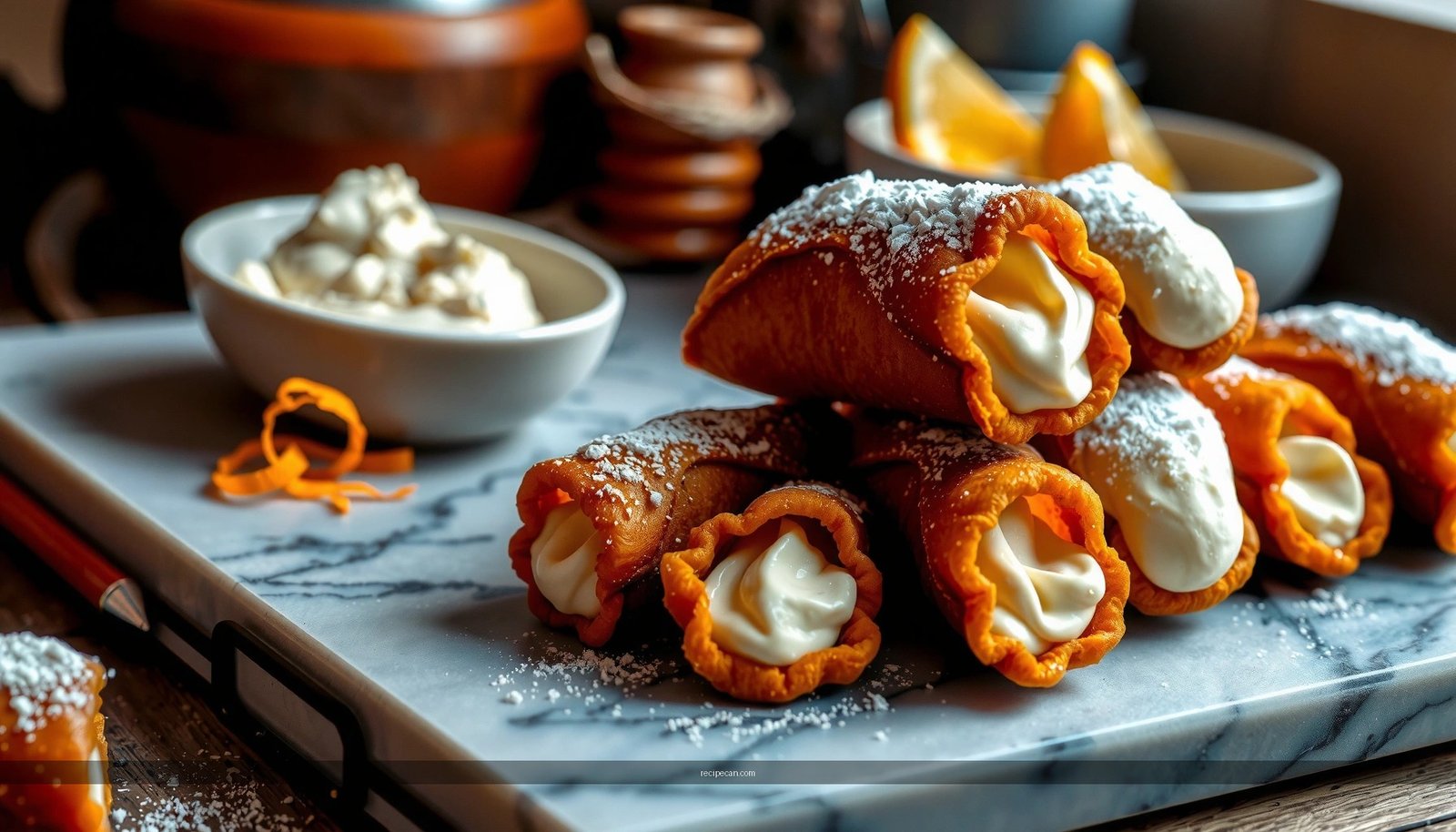
You’re here for the best cannoli filling recipe with ricotta—and this easy homemade version delivers a rich, creamy filling with the right sweet-salty balance. This recipe answers whether ricotta can make truly great cannoli filling without complicated techniques, and it shows you exactly how to season, mix, and pipe it so it holds its shape. If you want a no-fuss ricotta cannoli filling that tastes homemade from the first bite, this is the one.
Make a classic cannoli filling by draining ricotta well, then mixing it with powdered sugar, vanilla, and (optionally) chocolate chips until it becomes smooth, thick, and pipeable. Once your ricotta prep is right, the rest is straightforward—sweeten, flavor, fold in traditional mix-ins, chill to stabilize, and pipe into cooled shells just before serving for the best texture.
Choose and Prep Your Ricotta

– Use whole-milk ricotta for the best creamy texture
– Drain ricotta (overnight or several hours) to prevent a runny filling
The quality and preparation of ricotta are the deciding factors behind an excellent homemade cannoli filling. Whole-milk ricotta has a richer fat profile and typically produces a creamier mouthfeel, while lower-fat versions can taste thinner and may release more moisture during mixing. If you’re using a brand that tends to be watery, treat draining as non-negotiable—even if the label doesn’t warn you.
How to drain ricotta properly (simple and effective):
1. Line a bowl with cheesecloth (or a clean kitchen towel) and set it over a strainer.
2. Transfer ricotta into the lined strainer.
3. Chill and drain:
– Overnight (best): 8–12 hours for consistent thickness.
– Several hours (good): 3–6 hours for many store-bought ricottas.
4. Test thickness: When lifted with a spoon, the ricotta should fall slowly in thick ribbons, not as a pour.
Why draining matters for cannoli specifically:
Cannoli shells are crisp and porous. Any excess moisture from filling will soften the shell prematurely and can turn the filling slightly grainy as it cools. For a professional-style finish, drained ricotta helps keep the filling cohesive so it pipes cleanly and holds its shape.
Brand-to-texture reality check (what you’re trying to control):
Even premium ricotta varies by producer and batch. Your goal isn’t just “thick ricotta”—it’s stable ricotta: enough thickness to maintain structure under pressure from piping and enough elasticity to stay smooth rather than cracking or separating.
Ricotta Prep Variables That Most Affect Cannoli Filling Performance
| # | Variable | Typical Result (If Not Managed) | Best Practice Target | Outcome Impact |
|---|---|---|---|---|
| 1 | Whole-milk ricotta | Thin flavor + softer pipe | Creamy, cohesive body | ★ |
| 2 | Draining time | Watery filling; soggy shells | 8–12 hours (ideal) | ★ |
| 3 | Powdered sugar incorporation | Grainy texture if rushed | Mix until glossy-smooth | ★ |
| 4 | Vanilla + optional zest | Muted flavor; flat finish | Use vanilla + pinch of zest | ★ |
| 5 | Chocolate chip size | Hard clusters; uneven bite | Mini chips for pipeability | ★ |
| 6 | Folding technique | Dense filling; poor piping flow | Fold gently; avoid overmixing | ★ |
| 7 | Chilling before piping | Filling spreads; loses shape | Chill 30–60 minutes | ★ |
Sweeten and Flavor the Filling
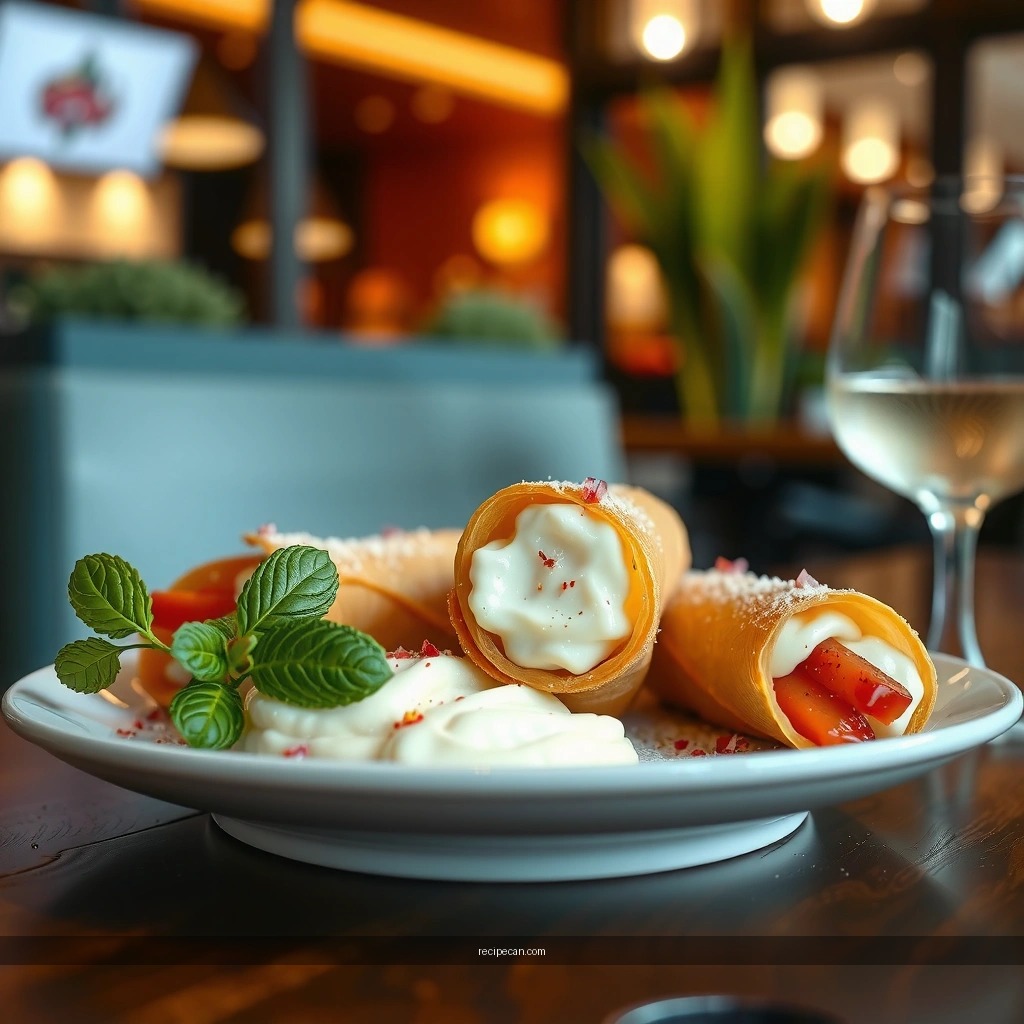
– Mix ricotta with powdered sugar for a smooth, even sweetness
– Add vanilla (and optional citrus zest) for a bright, classic taste
Cannoli filling should taste sweet but not candy-like—its flavor is meant to complement the shell’s crispness and the mild salt in the dough. Powdered sugar is the preferred sweetener because it dissolves quickly and blends into ricotta without leaving granules. If you substitute granulated sugar, you’ll increase the risk of a gritty texture unless you add significant extra mixing time.
A practical approach for consistent sweetness:
– Start with powdered sugar first, then add vanilla.
– Mix until the texture becomes uniform and slightly airy, not just “combined.”
– If the filling tastes flat, it’s often because vanilla needs time to bloom—or because your ricotta is overly drained and needs a touch more moisture balance.
Classic flavor boost options:
– Vanilla extract: A cornerstone for that traditional cannoli profile.
– Citrus zest (optional): A small amount of lemon or orange zest can brighten the filling without tasting “citrusy.” Think of it as aroma more than flavor.
Professional balancing insight:
Ricotta’s natural mild tang can read stronger if the filling is too cold right after mixing or if you drained it aggressively. Chilling stabilizes texture, but it can also mute top notes; that’s why many cooks find the filling tastes even better after a short rest in the fridge.
Add Traditional Mix-Ins

– Fold in mini chocolate chips or candied fruit for classic cannoli-style flavor
– Mix gently to keep the filling light and pipeable
Cannoli filling is famously versatile. Some households are chocolate-forward; others prefer fruit, nuts, or a combination. The key is to choose mix-ins that support piping. Large chunks can clog a piping bag or create inconsistent pressure, resulting in uneven filling inside the shell.
Best mix-ins for pipeability:
– Mini chocolate chips: Uniform distribution and easy bite.
– Candied fruit (finely diced): Classic in many Italian-American styles.
– Optional additions (use sparingly): A small amount of chopped toasted nuts can add crunch, but too much can make the filling heavy.
Folding method matters more than people think:
If you mix vigorously after adding mix-ins, you can overwork the ricotta and reduce its lightness. Instead:
1. Stir the base until smooth.
2. Add mix-ins.
3. Fold gently with a spatula just until evenly dispersed.
Common pitfall to avoid:
If your candied fruit is very wet (some brands are), blot it lightly with a paper towel or let it sit uncovered for a few minutes. Excess moisture can thin the filling and compromise shell crispness.
Achieve the Right Texture for Piping
– Stir until thick and cohesive—adjust with a small amount of drained ricotta if needed
– Chill before filling shells so the texture holds better
The “right texture” is not subjective—it’s functional. Your cannoli filling should be:
– Thick enough to hold ridges when you pause the piping motion
– Smooth enough that chips don’t make it look lumpy
– Elastic enough to pipe without sudden spurts
How to get there:
– After draining, start mixing and evaluate thickness.
– If the mixture looks too loose, continue mixing briefly and ensure it’s properly chilled.
– If it’s still runny, use a measured correction approach:
– Drain the ricotta a bit longer before adding sweetness.
– Or fold in a small additional portion of well-drained ricotta to rebuild body.
Chill for stability (timing tip):
Chilling for 30–60 minutes helps the filling firm up so it pipes cleanly and holds inside the shell. For best results, you’ll be filling near the time of serving—because even the perfect filling will soften shells over time due to natural moisture migration.
Texture “signals” while you mix:
– Too thick: Struggles to pipe, looks stiff, or tears when piped—add a teaspoon or two of drained ricotta (not extra watery liquid).
– Too thin: Spreads or slowly levels out—chill longer or adjust with more drained ricotta.
Assemble and Fill Cannoli Properly
– Pipe filling into cooled shells right before serving to prevent sogginess
– Store filled cannoli briefly in the fridge, covered, for best texture
Even a flawless cannoli filling can’t fully prevent shell-softening if the timing is wrong. The shell needs a short window of crispness; the filling needs to be installed when guests are ready.
Assembly workflow that keeps texture high:
1. Cool cannoli shells completely. Warm shells create steam that softens the filling and shell.
2. Pipe filling right before serving. Fill only what you’ll serve soon.
3. Avoid aggressive tapping or pressing on the shell ends—this can force filling to the sides and affect the bite.
Practical serving strategy (especially for gatherings):
– Fill 30–60 minutes before guests arrive for a balanced approach.
– If you must store assembled cannoli longer, keep them covered in the fridge to reduce moisture pickup, and plan to serve them sooner rather than later.
Storage and Make-Ahead Tips
– Make filling up to a day ahead and keep it covered in the refrigerator
– Give it a quick stir after chilling if it firms up
Cannoli filling is ideal for make-ahead prep because it improves with rest: flavors meld, and the mixture firms enough for reliable piping. The goal is to avoid drying out or developing separated textures.
How to store cannoli filling:
– Place filling in an airtight container.
– Cover directly with parchment or plastic wrap to reduce surface moisture changes.
– Refrigerate for up to 1 day.
After chilling:
Some ricotta brands firm more than others. Before piping:
– Stir gently until smooth and cohesive.
– If needed, adjust texture with a small amount of well-drained ricotta (or stir time) rather than adding liquid.
Do not store filled shells too long:
Once shells are filled, the crisp-to-soft transition starts immediately. For maximum crunch and professional presentation, store unfilled shells separately and fill close to service.
Conclusion
A great cannoli filling recipe with ricotta comes down to two controllable factors: well-drained ricotta for thickness and balanced flavor mixing for a smooth, pipeable texture. Sweeten with powdered sugar, enrich with vanilla (optionally brightened with citrus zest), fold in traditional mix-ins like mini chocolate chips gently, and chill briefly before piping. For the best results—especially the crisp-shell experience—fill the cannoli shells right before serving and store only briefly, covered, in the refrigerator.
Frequently Asked Questions
What is the best cannoli filling recipe with ricotta?
A classic cannoli filling recipe uses strained ricotta, sugar, and chocolate chips, often with a touch of vanilla and a small amount of cinnamon or citrus zest. The key to great ricotta filling is using well-drained ricotta so the texture is thick and creamy rather than watery. Many people also whip the ricotta until smooth before folding in the rest of the ingredients for a light, cohesive cannoli filling.
How do I make ricotta cannoli filling thick and not runny?
To prevent runny ricotta cannoli filling, strain the ricotta in a cheesecloth-lined sieve for at least 2–4 hours (or overnight) to remove excess whey. If your filling still seems loose, whip it longer to add air and consistency, or add a small amount of powdered sugar to help stabilize the mixture. Avoid skipping straining—watery ricotta is the most common reason cannoli filling doesn’t hold its shape.
Why do some cannoli fillings taste grainy, and how can I fix it?
Graininess usually comes from ricotta that hasn’t been strained thoroughly or from not blending it enough. For a smoother cannoli filling with ricotta, press or strain the ricotta, then blend or whip it until silky before adding sugar, vanilla, and chocolate chips. Using a smooth, well-drained ricotta brand also helps create a creamy cannoli filling texture.
Which sweeteners work best in cannoli filling made with ricotta?
Powdered sugar is commonly used in ricotta cannoli filling because it dissolves quickly and helps create a smooth, creamy texture. Some bakers prefer granulated sugar and let the filling rest so it fully dissolves, but it can sometimes feel slightly gritty if not mixed well. For flavor balance, a small amount of vanilla and citrus zest pairs nicely with the sweetness in ricotta cannoli filling.
How long should I chill cannoli filling before using it, and can I make it ahead?
After mixing your ricotta cannoli filling, chill it for at least 30–60 minutes so the flavors meld and the filling firms up. For best results, you can make it ahead and refrigerate it up to 24 hours, then stir once before piping into cannoli shells. Keep cannoli filling chilled until filling time to maintain a thick, creamy consistency.
References
- Google Scholar Google Scholar
https://scholar.google.com/scholar?q=cannoli+ricotta+filling+recipe - Google Scholar Google Scholar
https://scholar.google.com/scholar?q=traditional+cannoli+filling+ricotta+sugar+candied+fruit - Google Scholar Google Scholar
https://scholar.google.com/scholar?q=ricotta+cheese+sweetened+filling+composition+for+desserts - Cannoli
https://en.wikipedia.org/wiki/Cannoli - Ricotta
https://en.wikipedia.org/wiki/Ricotta - https://www.britannica.com/topic/cannoli
https://www.britannica.com/topic/cannoli - https://pubmed.ncbi.nlm.nih.gov/?term=ricotta+cheese+manufacture
https://pubmed.ncbi.nlm.nih.gov/?term=ricotta+cheese+manufacture - https://pubmed.ncbi.nlm.nih.gov/?term=ricotta+cheese+composition
https://pubmed.ncbi.nlm.nih.gov/?term=ricotta+cheese+composition - ricotta cheese – Search Results – PMC
https://www.ncbi.nlm.nih.gov/pmc/?term=ricotta+cheese - Mascarpone
https://en.wikipedia.org/wiki/Mascarpone