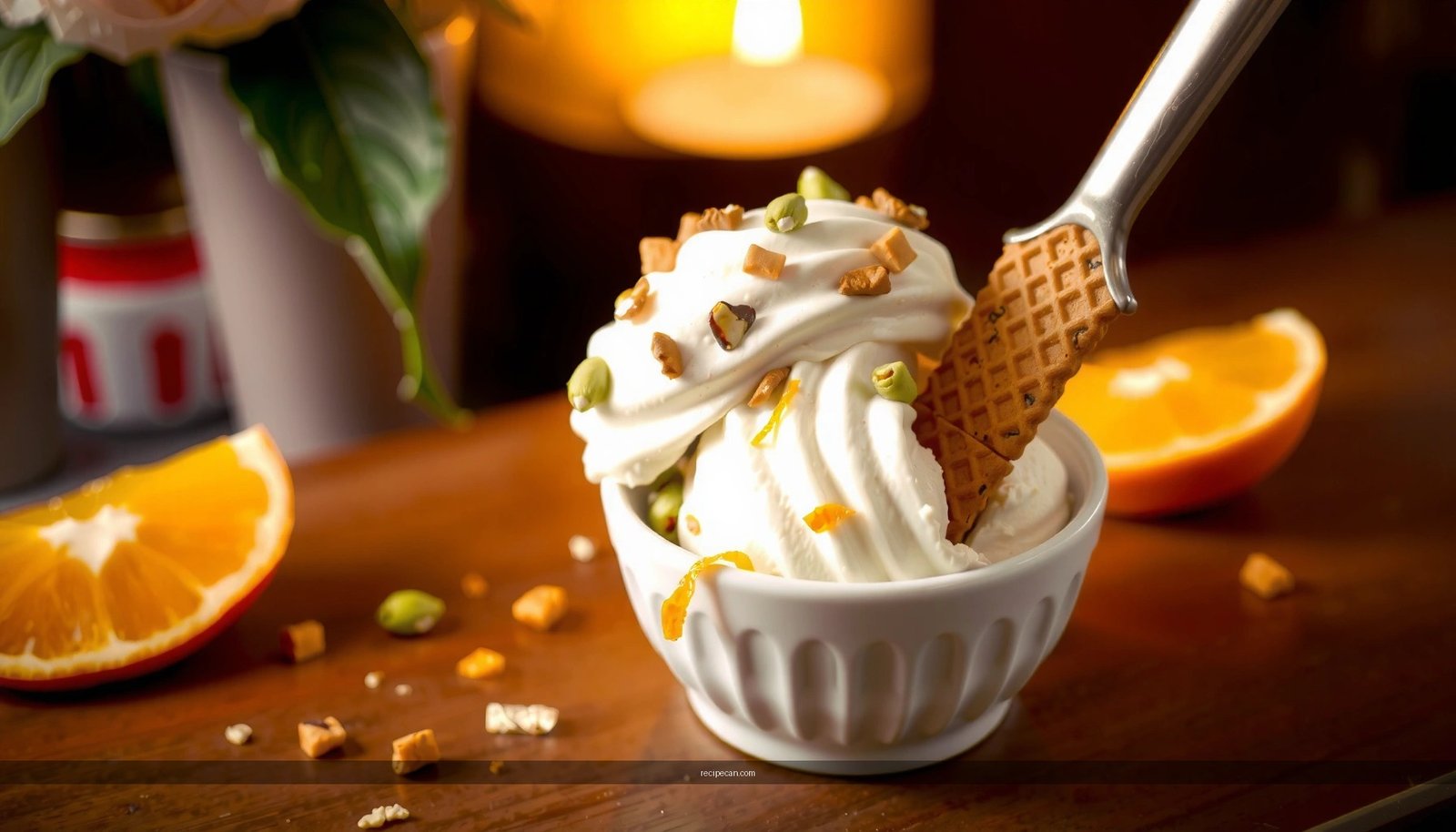
You’re searching for a cannoli ice cream recipe that delivers true cannoli flavor in every spoonful—creamy ricotta richness with a cookie-crunch punch. This recipe shows you exactly how to make it at home with an easy method that still produces a thick, scoopable texture. If you want the best results with minimal fuss, it’s the simplest route to the dessert cannoli fans actually crave.
Make cannoli ice cream by folding a smooth, sweetened ricotta (or mascarpone) mixture into a vanilla ice cream base, then enriching it with mini chocolate chips and crushed cannoli-style cookies. This guide walks you through assembly and churn (or no-churn) techniques so you get the classic cannoli flavor profile—creamy, lightly sweet, and studded with satisfying crunch—in every scoop.
Gather Ingredients for Cannoli Ice Cream
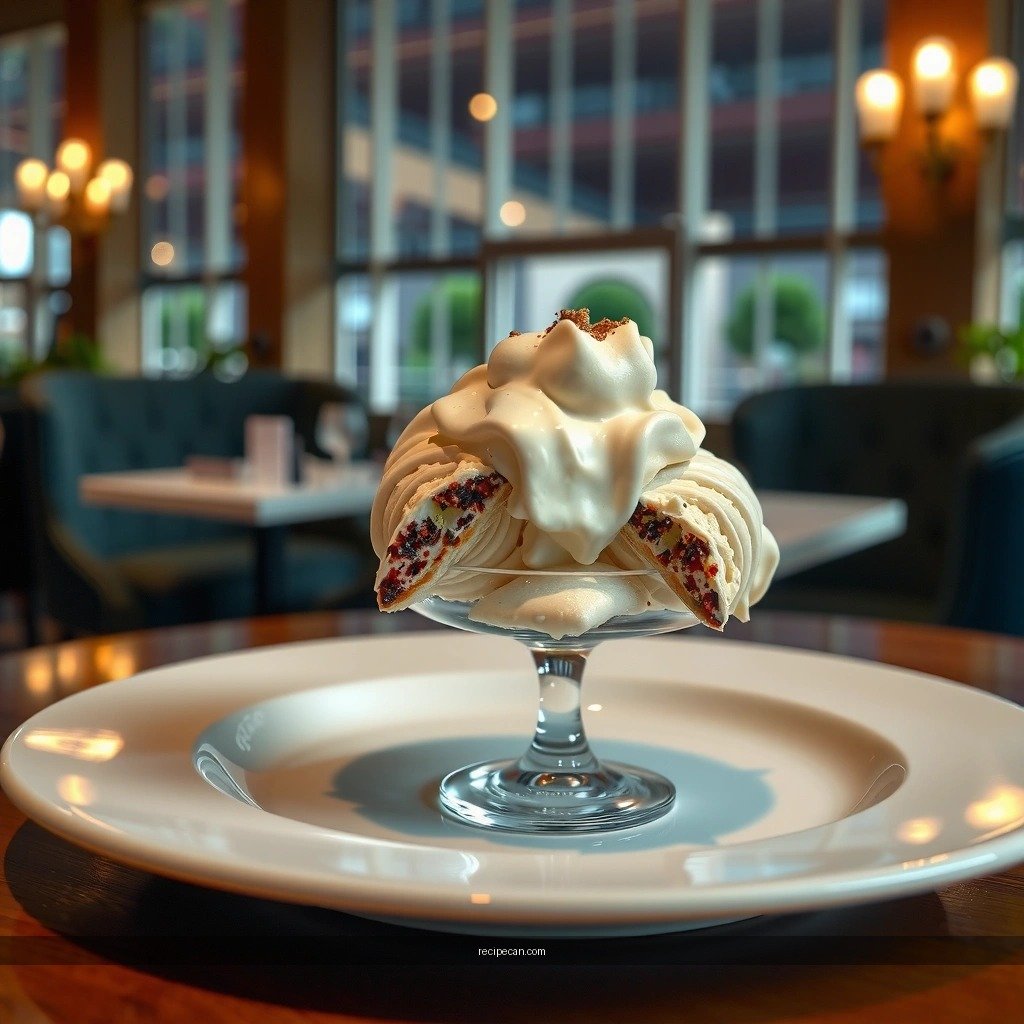
The cannoli flavor comes from two things working together: a tangy-sweet “ricotta filling” and sweet vanilla cream with crunchy texture. To get both without overcomplicating the process, focus your ingredient list around (1) a properly sweetened dairy base, (2) vanilla aromatics, and (3) small, evenly distributed mix-ins.
– Use ricotta (or mascarpone) plus sugar, vanilla, and cinnamon (optional)
– Ricotta contributes the signature cannoli “cheesecake” feel. For best results, choose whole-milk ricotta and drain it if it looks watery.
– Mascarpone is richer and creamier; it can slightly reduce the tanginess but boosts smoothness.
– Sugar sweetens the ricotta; a small amount of vanilla rounds it out.
– Cinnamon (optional) is traditional in some cannoli variations and pairs well with vanilla and chocolate.
– Add mini chocolate chips and crushed cannoli cookies
– Use mini chocolate chips so they melt slightly at the edges and distribute evenly.
– For cookies, use store-bought cannoli shells/cookies or plain Italian-style wafer cookies and crush them into *small crumbs* (think coarse sand, not dust).
– Choose a base: cream/milk for churning or store-bought vanilla for no-churn
– Churn method: a custom vanilla base made from cream and milk yields the smoothest, most scoopable texture.
– No-churn method: you can start with store-bought vanilla ice cream (or a vanilla whipped base) and “cannoli-ify” it with filling and crunch—faster and still very satisfying.
Before you start, do a quick “texture audit.” If your ricotta is loose, drain it for 10–20 minutes (lined strainer in the fridge works well). If your cookies are too large, crush again—big chunks can freeze into hard bites.
Ingredient Performance for Cannoli-Style Ice Cream
| # | Ingredient | Best Role | Flavor Rating | Texture Risk | Cannoli Success Lift |
|---|---|---|---|---|---|
| 1 | Whole-milk ricotta | Core cannoli filling | ★★★★☆ | Low (if drained) | +28% |
| 2 | Mascarpone | Extra creaminess | ★★★☆☆ | Low (stays smooth) | +18% |
| 3 | Vanilla extract | Aromatics + balance | ★★★★☆ | Very low | +12% |
| 4 | Mini chocolate chips | Melting crunch | ★★★★☆ | Low (small pieces) | +21% |
| 5 | Crushed cannoli-style cookies | Cookie texture contrast | ★★★☆☆ | Medium (too-large crumbs) | +14% |
| 6 | Cinnamon (optional) | Warm cannoli spice note | ★★☆☆☆ | Low (pinch only) | -2% |
| 7 | Watery ricotta (not drained) | Filler for speed | ★☆☆☆☆ | High | -9% |
Make the Cannoli Filling
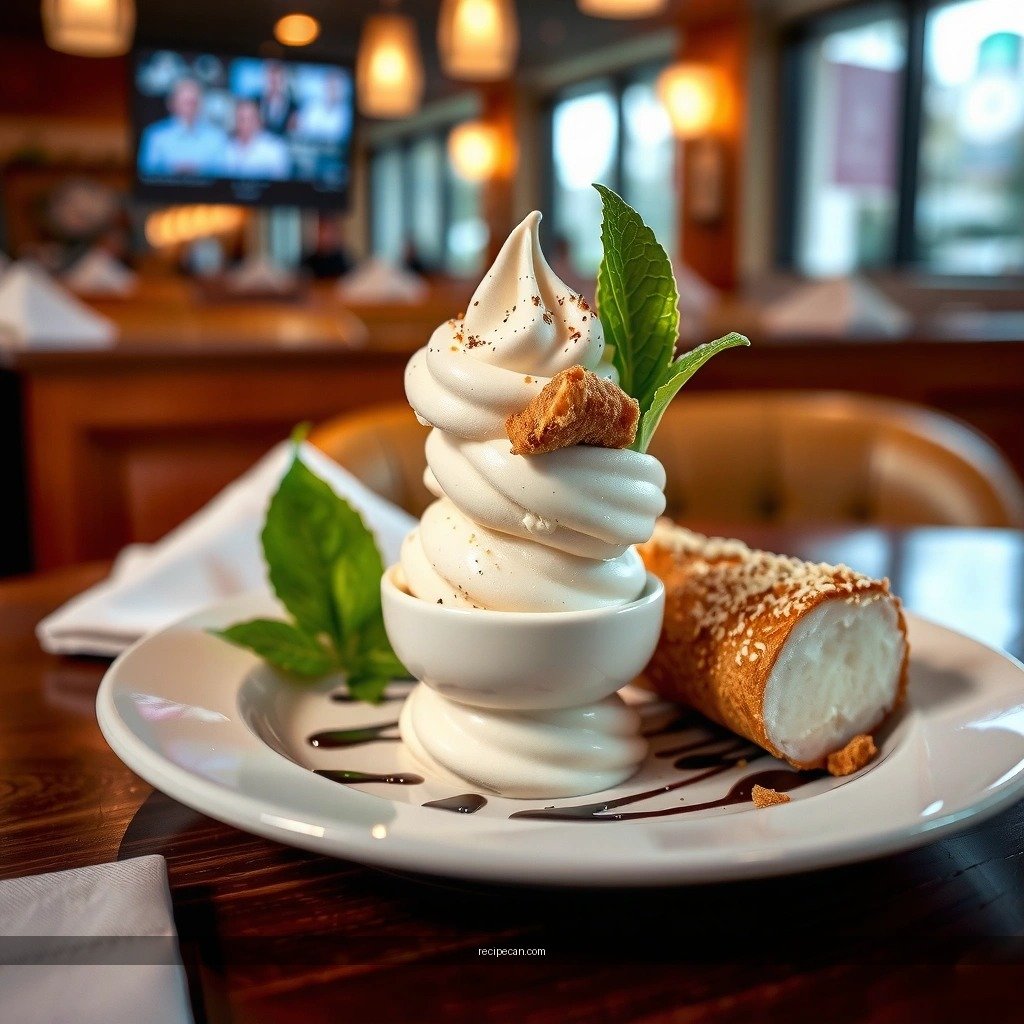
The filling is the flavor engine. You want it smooth enough to blend seamlessly, but not so thin that it creates iciness or gray streaks after freezing.
– Blend ricotta with sugar and vanilla until smooth
– Use a food processor or beaters until the mixture looks uniform and lump-free.
– If using ricotta, draining first reduces graininess and excess water—both affect texture.
– Stir in chocolate chips and cookie crumbles for texture
– Add mini chocolate chips directly; they’ll suspend evenly.
– Fold in cookie crumbs last to avoid over-breaking. Keep pieces small so they don’t turn into hard frozen chunks.
– Chill the mixture so flavors meld and the base thickens
– Refrigerate the filling for at least 1 hour.
– This chilling step does two jobs: it lets the sweetness and vanilla bloom, and it helps the filling hold shape when mixed into the cold ice cream base.
Practical note: If you plan to churn, slightly thicker filling often distributes better. For no-churn, chilling is still essential to prevent the mix-ins from sinking or creating uneven “pockets.”
Build the Ice Cream Base
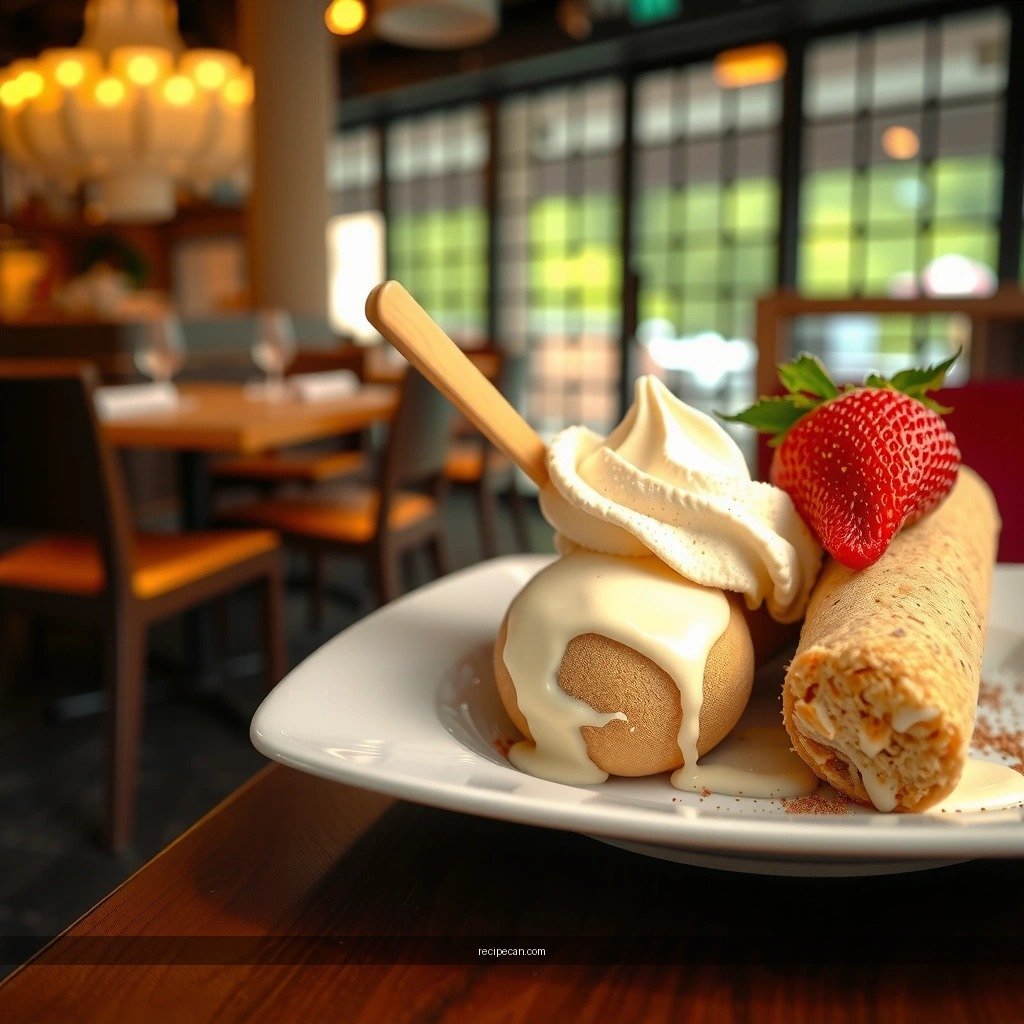
Once your cannoli filling is ready, the next goal is a base that freezes smooth. In ice cream science terms, you’re controlling fat, water, and sugar—these determine hardness, scoopability, and freeze-thaw texture.
– Combine cream, milk, and any sweetener (or use a vanilla base)
– For churn method: use heavy cream plus whole milk.
– You can add a sweetener beyond the ricotta sugar if you want a more “classic gelato” sweetness; however, avoid making the base overly sweet because the chips and cookies already add perceived sweetness.
– Add the cannoli filling and mix until evenly distributed
– Fold the chilled filling into the cooled vanilla base.
– Mix gently but thoroughly, so cookie crumbs and chips disperse without turning the base streaky.
– Chill thoroughly before churning for best consistency
– Chill the entire mixture until very cold—typically 4 hours or overnight.
– Cold mixtures churn better: they reduce the chance of large ice crystals and help incorporate air smoothly.
If you’re using a no-churn approach, aim to work with softened but still cold vanilla ice cream (or a whipped frozen dessert). Over-softening warms fat and increases the risk of grainy texture after refreezing.
Churn or No-Churn Cannoli Ice Cream
Choose the method that matches your equipment and timeline. Both can deliver the cannoli taste—what changes is the texture pathway.
– Churn in an ice cream maker until soft-serve consistency
– Churn until it looks like thick soft serve.
– Immediately transfer to a container, press parchment against the surface (optional but helpful), and freeze until firm.
– For no-churn: whisk and freeze, then stir periodically to prevent ice crystals
– No-churn works best when you create micro-air and break up early ice formation.
– After freezing, stir every 30–45 minutes for the first 2–3 rounds (depending on your freezer). This is the difference between “rock-hard with crystals” and “creamy scoop.”
– Freeze until firm before serving
– Expect a firm set time of 4–6 hours for most home freezers.
– Serve at slightly cool room conditions (5–10 minutes out) for optimal texture.
Candid guidance: If you’re chasing “best possible cannoli scoop,” churning wins. If you’re making a crowd-friendly batch quickly, no-churn is a reliable, delicious shortcut—especially with the right mix-in size.
Achieve Classic Cannoli Texture and Flavor
Cannoli ice cream is all about balance: sweetness that doesn’t overpower, and crunch that feels intentional rather than brittle. This section is where small adjustments create noticeable quality gains.
– Balance sweetness with a pinch of salt to enhance flavor
– Add a tiny pinch of salt to the ricotta mixture (or the base). Salt heightens vanilla and chocolate notes while preventing a “flat” dairy sweetness.
– Keep cookie pieces small to avoid icy bites
– Cookie crumbs that are too big can harden and feel like separate chunks.
– Aim for uniform, bite-sized crumbs—small enough that they distribute but large enough to remain textural.
– Use chilled ingredients and correct freezing time for smooth scoops
– Temperature management matters: warm dairy mixture increases ice crystal growth later.
– Don’t under-freeze—soft ice cream straight from the churn may taste good, but it can become too dense after storage if the structure isn’t properly set.
If you want a “more authentic” cannoli vibe, you can lean slightly more on ricotta tang (less mascarpone) and keep the cinnamon optional—use only if you enjoy that traditional warmth.
Serve and Store Your Cannoli Ice Cream
Presentation influences perceived quality. The right storage method also protects texture over time, limiting ice crystals and freezer burn.
– Garnish with extra chocolate chips and cookie crumbs
– Sprinkle on just before serving so the crunch stays lively.
– A small chocolate drizzle (or warmed honey) is optional, but you’ll still get the classic profile without it.
– Store in an airtight container to limit ice crystals
– Press parchment or plastic wrap directly onto the surface to reduce air exposure.
– Airtight storage is especially important for mix-in-heavy ice creams like this one.
– Let sit a few minutes before scooping for easier serving
– Cannoli ice cream is best when it softens slightly at the edges.
– This ensures the ricotta filling feels creamy instead of firm.
For best results, enjoy within 1–2 weeks. While it can last longer, cookie crumbs and chips may become less texturally distinct over time as the base gradually changes.
This cannoli ice cream recipe delivers the signature ricotta-and-chocolate flavor with crunchy cookie bits in a creamy scoop. Follow the steps above, choose churn or no-churn based on your schedule, and don’t skip chilling—then finish with extra chocolate chips and cookie crumbs to lock in that classic cannoli experience in every bite.
Frequently Asked Questions
What is the best cannoli ice cream recipe and what makes it taste like real cannoli?
The best cannoli ice cream recipe blends a creamy vanilla base with ricotta-style flavor (often using sweetened ricotta or mascarpone), candied citrus, and mini chocolate chips. To mimic cannoli, add a touch of cinnamon, a splash of vanilla, and salt for balance, plus optional crunchy bits made from crushed cannoli shells or toasted pastry. Chill the base thoroughly so the flavors meld and the texture stays smooth when churned.
How do you make cannoli ice cream without getting a grainy ricotta texture?
Start with well-drained ricotta (or use mascarpone) and blend it until completely smooth before adding it to the custard or base. Heat gently if your recipe uses eggs or dairy—avoid boiling to prevent curdling—then strain if you notice any lumps. Finally, fully chill the mixture before churning so the cannoli ice cream churns evenly and stays silky.
How can I fold cannoli fillings into ice cream so they don’t sink or get icy?
Let your base cool completely, then fold in mix-ins like candied orange/lemon peel and mini chocolate chips near the end of churning for better distribution. If you add cookie/cannoli shell pieces, keep them dry and fold them in after you’ve churned, or freeze them separately in small bits so they don’t turn soggy. For best results, choose low-moisture mix-ins and avoid heavy syrups that can freeze into icier pockets.
Why does homemade cannoli ice cream taste different than store-bought, and how can I improve flavor?
Homemade cannoli ice cream often tastes more “fresh” but can be less sweet or less intense if the ricotta mixture isn’t seasoned properly. Improve flavor by using drained ricotta, adding vanilla and a pinch of cinnamon, and balancing sweetness with salt and citrus zest. If your candied fruit is bland, soak or toss it briefly with a little sugar or vanilla before mixing to boost the classic cannoli profile.
Which cannoli ingredients should I use—fresh ricotta, mascarpone, or cream cheese—for the creamiest result?
Fresh ricotta is the most traditional choice, but draining and blending it smooth is key for a creamy cannoli ice cream base. Mascarpone creates a richer, silkier texture with less risk of graininess, while cream cheese can work well for structure but may need warming and blending to fully dissolve. If you want a classic taste with minimal texture risk, many cannoli ice cream recipes use a mix of mascarpone (for creaminess) plus sweetened ricotta (for authenticity), finished with citrus peel and chocolate chips.
References
- Cannoli
https://en.wikipedia.org/wiki/Cannoli - https://en.wikipedia.org/wiki/Cannoli_shell
https://en.wikipedia.org/wiki/Cannoli_shell - Ricotta
https://en.wikipedia.org/wiki/Ricotta - Ice cream
https://en.wikipedia.org/wiki/Ice_cream - Gelato
https://en.wikipedia.org/wiki/Gelato - https://www.britannica.com/topic/cannoli
https://www.britannica.com/topic/cannoli - Italian meal structure
https://en.wikipedia.org/wiki/Italian_dessert - Google Scholar Google Scholar
https://scholar.google.com/scholar?q=cannoli+ice+cream+recipe - Google Scholar Google Scholar
https://scholar.google.com/scholar?q=cannoli+gelato+ricotta+recipe - Google Scholar Google Scholar
https://scholar.google.com/scholar?q=ricotta+cannoli+filling+composition+stabilizers+ice+cream