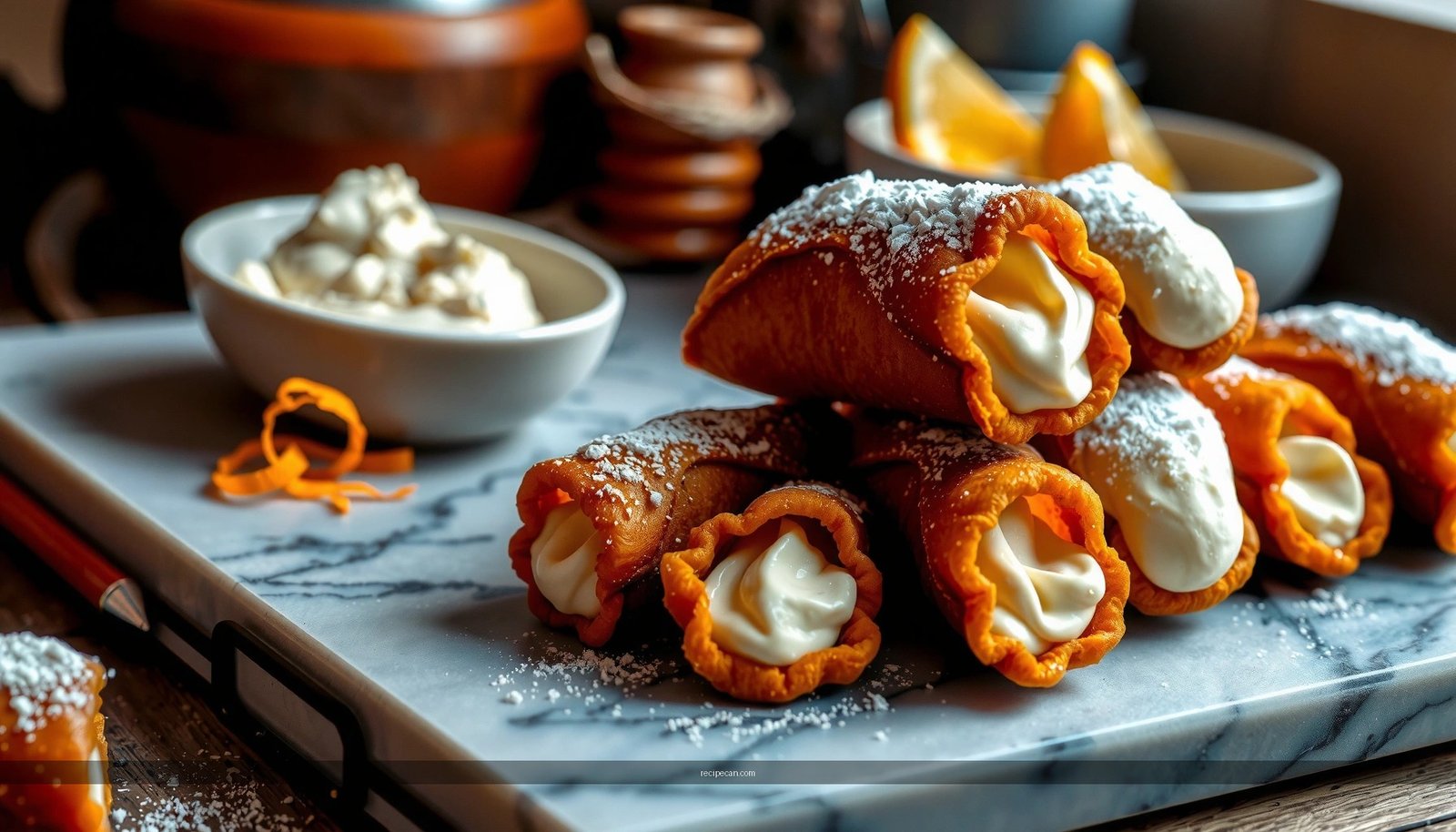
This simple cannoli filling recipe delivers an easy, classic ricotta filling with the right balance of sweet, creamy, and citrusy flavor—no fuss and no complicated steps. You’ll learn exactly how to mix ricotta into a smooth cannoli filling, including the small upgrades that prevent graininess and keep it thick. If your goal is the simplest reliable way to fill cannoli shells, this is the winning method.
Make a smooth, pipeable cannoli filling by draining ricotta (if needed) and mixing it with sugar, vanilla, and optional chocolate chips—then chill briefly before filling. In a few minutes, you’ll get a creamy, flavorful ricotta filling that holds its shape in cannoli shells and tastes classic with minimal effort.
Gather Simple Cannoli Filling Ingredients

– Use ricotta as the base for the classic creamy texture
Ricotta is the heart of cannoli filling because it provides a mild, tangy dairy flavor and a naturally creamy body. For the best results, choose whole-milk ricotta (or “full-fat” ricotta) for richness and better mouthfeel. If your ricotta is labeled “low-fat,” the filling can still work, but it may be looser and less luxurious.
– Add sugar and vanilla for sweetness and flavor
Cannoli filling is typically sweet and aromatic, so sugar and vanilla are non-negotiable if you want that traditional dessert profile. Granulated sugar dissolves reliably and gives you a clean sweetness. Vanilla extract rounds out the flavor—especially when paired with the gentle tang of ricotta.
A useful approach is to plan your recipe around fill consistency: the same base can be adapted for “spreadable” or “pipeable” cannoli filling depending on how thick your ricotta is and whether you drain or strain it.
To help you gauge typical ingredient proportions, here’s a practical reference for common ricotta filling outcomes.
Ricotta Filling Texture Guide (Based on Preparation)
| # | Ricotta Prep Method | Sugar (for 16 oz / 454g) | Vanilla | Expected Consistency | Fill Success Likelihood |
|---|---|---|---|---|---|
| 1 | Drain in fine sieve 30–45 min | 1/2 cup (100g) | 2 tsp | Firm & pipeable | ★★★★★ |
| 2 | Quick drain 10–15 min (light moisture) | 1/2 cup (100g) | 2 tsp | Pipeable, slightly softer | ★★★★☆ |
| 3 | Stir and mix without draining | 1/2 cup (100g) | 2 tsp | Spreadable, may slump | ★★★☆☆ |
| 4 | Press through sieve (extra smooth) | 1/2 cup (100g) | 2 tsp | Silky & uniform | ★★★★★ |
| 5 | Sieve + brief chill 30 min | 1/2 cup (100g) | 2 tsp | Best hold for piping | ★★★★★ |
| 6 | Drain fully, reduce sugar to 3/8 cup (75g) | 3/8 cup (75g) | 2 tsp | Less sweet, still pipeable | ★★★★☆ |
| 7 | Warm slightly + mix (not recommended) | 1/2 cup (100g) | 2 tsp | Risk of looser texture | ★★☆☆☆ |
Prepare the Ricotta for Maximum Creaminess

– Drain ricotta if it’s watery to prevent a runny filling
Cannoli filling quality hinges on moisture control. If your ricotta looks loose or has visible whey, drain it before mixing. The simplest method is to place ricotta in a fine-mesh sieve over a bowl for 30–45 minutes. For convenience, you can also blot in cheesecloth, but a sieve is faster and less messy.
– Mix until smooth (or press through a sieve for extra creaminess)
Even well-drained ricotta can have small curds. For a truly classic, high-end texture, take an extra step: press the ricotta through a sieve or mash it with the back of a spoon until there are no large lumps. If you use a mixer, use short bursts and avoid over-whipping—overmixing can make the filling airy rather than dense.
Analytical takeaway: draining improves stability, while sieving improves texture uniformity. Together, they help your filling stay thick enough to pipe cleanly and taste refined rather than grainy.
Mix the Filling: Sweet, Smooth, and Ready to Pipe
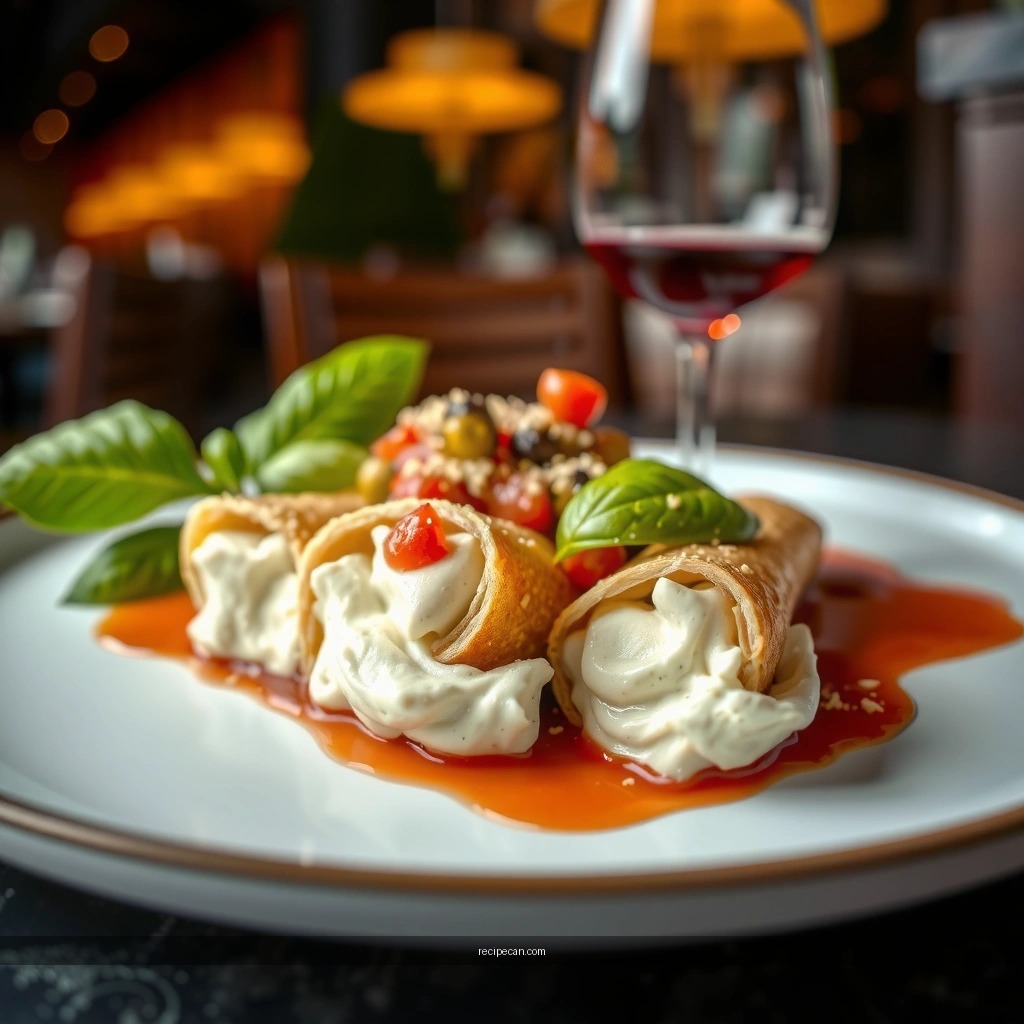
– Combine ricotta with sugar and vanilla until fully blended
Once your ricotta is drained and smooth, stir in sugar and vanilla. Start by adding about half the sugar, mixing until dissolved, then add the remaining sugar. This reduces the chance of undissolved granules and gives a smoother mouthfeel.
Practical consistency check: lift a spoonful—your ricotta filling should fall in a thick ribbon, not pool or run like yogurt.
– Fold in mini chocolate chips or candied fruit for the traditional touch
Chocolate chips provide pockets of sweetness and a pleasing contrast to ricotta’s mild tang. Choose mini chips so each bite has flavor without making the filling bulky. If you prefer the more traditional cannoli mix, add chopped candied orange peel or candied fruit instead—both complement vanilla and citrus notes.
A common professional approach is to fold mix-ins gently. Over-stirring can break down the curds you worked to smooth out.
Simple method (easy ricotta filling workflow)
1. Drain ricotta in a fine sieve for 30–45 minutes (or longer if very watery).
2. Press through a sieve or mash until smooth.
3. Stir in sugar and vanilla until fully blended.
4. Fold in chocolate chips (or candied fruit).
5. Chill 15–30 minutes for best piping hold.
For most home kitchens, this sequence delivers the “creamy, pipeable” result this recipe targets—without requiring special equipment.
Optional Flavor Boosts and Variations
– Add a pinch of cinnamon or orange zest for extra depth
If you want your cannoli filling to taste more dimensional, enhance the aroma. A pinch of cinnamon can add warmth, while fresh orange zest (or finely grated dried peel) gives bright, bakery-style fragrance. Add zest gradually and taste—zest intensity varies widely.
A useful strategy: pair cinnamon with chocolate chips (warm + sweet) and pair orange zest with candied fruit (citrus + classic cannoli profile).
– Use cinnamon-vanilla or citrus notes to customize the filling
Customization doesn’t have to mean complicated. You can:
– Swap vanilla extract for cinnamon-vanilla (or add a tiny additional pinch of cinnamon).
– Replace half the sugar with brown sugar for a deeper caramel note (only if your ricotta drains well, because brown sugar can slightly change texture).
– Add a small amount of lemon zest alongside orange for a sharper citrus finish.
Analytical lens: cannoli filling is mild by nature, which makes it an excellent “flavor canvas.” Small additions (like zest) can noticeably change perceived sweetness and complexity without altering the base texture.
Store and Use Cannoli Filling
– Refrigerate in an airtight container until you’re ready to fill shells
To maintain texture and prevent odor absorption, store cannoli filling in a tightly sealed container. Chill time also helps the mixture firm slightly, which improves piping consistency. Most fillings keep well for up to 2–3 days in the refrigerator.
If the filling becomes too stiff after chilling, let it sit at cool room temperature for 5–10 minutes and stir gently—avoid microwaving or heating.
– Fill cannoli shells shortly before serving to keep them crisp
Cannoli shells lose crispness as they absorb moisture from the filling. For the best eating experience, fill right before serving (or fill a small batch for immediate consumption). If you’re preparing for an event, you can pipe filling into shells in waves—like 1–2 hours before serving—then keep them at room temperature so they remain pleasantly crisp rather than soggy.
If you’re running a dessert workflow (e.g., catering or a home gathering), this timing control matters as much as the ingredients: the filling may be perfect, but shell freshness determines overall quality.
[CONCLUSION PARAGRAPH – NO HEADING]
This simple cannoli filling recipe makes a smooth, sweet ricotta mixture you can pipe and customize with chocolate chips, candied fruit, or citrus. Start with properly drained and smooth ricotta for the best texture, then mix with sugar and vanilla, fold in your preferred add-ins, chill briefly, and fill shells close to serving. Make it today and enjoy a classic cannoli-style dessert with reliable results every time.
Frequently Asked Questions
What is a simple cannoli filling recipe I can make at home?
A classic simple cannoli filling recipe uses ricotta cheese, powdered sugar, vanilla extract, and a pinch of salt, then folds in mini chocolate chips for sweetness. For an easy, no-stress version, use well-drained ricotta and mix until smooth before adding chocolate chips. Chill the filling for at least 30 minutes so it thickens and the flavors meld.
How do I make cannoli filling thicker without draining ricotta for hours?
To thicken cannoli filling quickly, drain ricotta in a fine-mesh strainer for 15–30 minutes and gently press out extra moisture with a spoon. You can also fold in a tablespoon or two of mascarpone (or Greek yogurt for a lighter option) to help stabilize the texture. If it’s still loose, chill the filling longer—cold makes it firmer and improves the consistency.
Why does my cannoli filling taste watery or bland, and how can I fix it?
Watery cannoli filling usually comes from ricotta that isn’t fully drained or has excess whey. Drain it properly, then mix just until combined to avoid loosening the texture, and add sugar gradually so it isn’t under-seasoned. For better flavor, include vanilla extract and a pinch of salt, and let the filling rest in the fridge before serving.
Best sweeteners to use for a simple cannoli filling—powdered sugar or granulated?
Powdered sugar is the best choice for most simple cannoli filling recipes because it dissolves quickly and gives a smooth, creamy texture without gritty spots. Granulated sugar can work, but it often requires more mixing time and may still feel slightly grainy. If you only have granulated, grind it briefly or use powdered sugar for the easiest results.
Which mix-ins work best in a simple cannoli filling besides chocolate chips?
Mini chocolate chips are a classic, but you can also use chopped candied citrus (orange or lemon zest), a touch of cinnamon, or finely chopped pistachios for crunch. If you want traditional Italian flavor, add a small amount of orange zest and vanilla to boost aroma without complicating the recipe. Keep mix-ins modest so the cannoli filling stays creamy and easy to pipe into shells.
References
- Cannoli
https://en.wikipedia.org/wiki/Cannoli - Ricotta
https://en.wikipedia.org/wiki/Ricotta - Mascarpone
https://en.wikipedia.org/wiki/Mascarpone - https://www.britannica.com/topic/cannoli
https://www.britannica.com/topic/cannoli - Google Scholar Google Scholar
https://scholar.google.com/scholar?q=Simple+cannoli+filling+recipe - Google Scholar Google Scholar
https://scholar.google.com/scholar?q=ricotta+cannoli+filling+recipe - Google Scholar Google Scholar
https://scholar.google.com/scholar?q=sweetened+ricotta+dessert+filling - Google Scholar Google Scholar
https://scholar.google.com/scholar?q=cannoli+filling+food+science - https://pubmed.ncbi.nlm.nih.gov/?term=cannoli+ricotta
https://pubmed.ncbi.nlm.nih.gov/?term=cannoli+ricotta - https://pubmed.ncbi.nlm.nih.gov/?term=ricotta+cheese+processing
https://pubmed.ncbi.nlm.nih.gov/?term=ricotta+cheese+processing