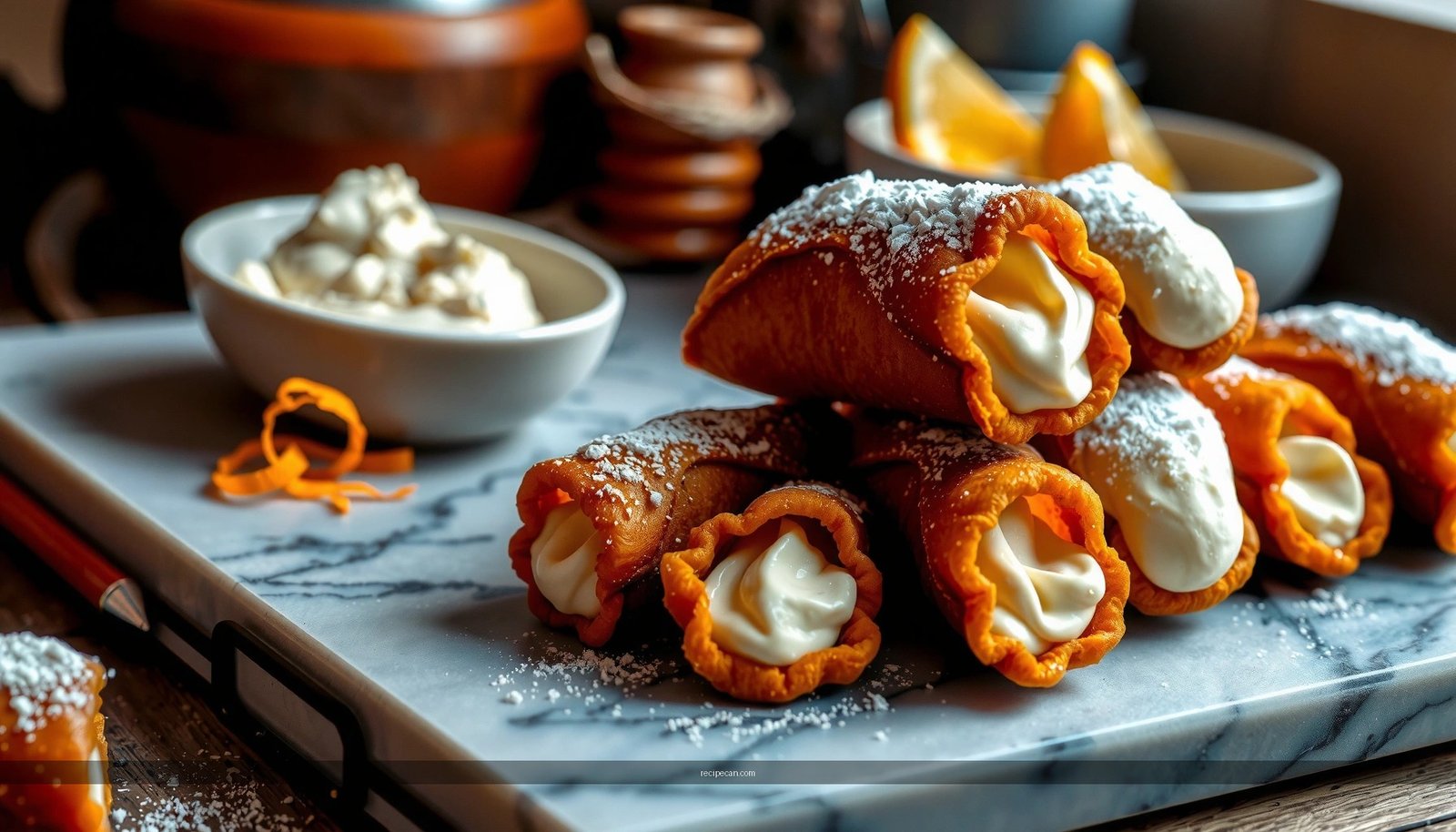
Get the best ricotta cannoli filling recipe that delivers a creamy, sweet, perfectly textured filling every time. This simple method answers the key question—how to make ricotta smooth, flavorful, and thick enough to hold its shape without turning runny. Follow the steps and you’ll get a classic cannoli filling that tastes like it came from an Italian bakery, not a kitchen guess.
Make creamy ricotta cannoli filling by draining ricotta thoroughly, sweetening it to taste, and mixing until smooth (not watery), then flavoring with vanilla and cinnamon or citrus zest. This step-by-step guide shows you how to achieve a classic, spoonable texture you can confidently pipe into cannoli shells—plus troubleshooting tips to keep the filling stable, flavorful, and bakery-quality.
Choose and Prep the Ricotta

– Use well-drained, high-quality ricotta for the best texture
– Pat dry or drain in a sieve to prevent a runny filling
– Blend briefly for smoothness without making it loose
The single biggest determinant of great ricotta cannoli filling is the ricotta itself—specifically, how much moisture it contains. Fresh ricotta can vary widely by brand, water content, and whether it was packed wet or drained. If you want a filling that holds shape (especially when piped), treat draining as a non-negotiable step rather than an optional “maybe.”
How to prep ricotta for a non-watery filling
1. Drain properly. Transfer ricotta to a fine-mesh sieve set over a bowl. Refrigerate 30–60 minutes for most brands. If your ricotta seems particularly loose, extend to 2 hours.
2. Pat dry if needed. For very soft ricotta, line a sieve with cheesecloth and gently press the surface with a clean paper towel (avoid mashing—just remove surface moisture).
3. Blend briefly, not aggressively. If your ricotta has small curds, a short blend (or vigorous stirring with a spoon) can smooth it out. But over-blending can loosen the structure and increase perceived “wetness,” which shows up later as softness or leaking.
Why this matters in cannoli filling
A classic cannoli filling is not a “set cream” like cheesecake; it’s a rich emulsion of dairy and sugar with a stable body. Excess water breaks that balance, making the filling hard to pipe, less flavorful (diluted sweetness), and more likely to soften shells.
Quick quality checkpoints
– The ricotta should look thick and spreadable, not pourable.
– When you spoon it, it should hold ridges briefly rather than instantly leveling like yogurt.
– If you taste it plain after draining, it should taste fresh and creamy, not sour or watery.
Essential Ingredients for Classic Flavor

– Sweeten with powdered sugar for a silky finish
– Add vanilla and optional cinnamon for warm, classic notes
– Mix in mini chocolate chips if you want the traditional twist
Classic ricotta cannoli filling relies on a simple formula: drained ricotta + powdered sugar + gentle flavorings. You don’t need complicated ingredients—what you need is correct proportions and the right texture modifiers.
Powdered sugar vs. granulated
Powdered sugar is preferred because it dissolves quickly and helps create a silky, lump-free mouthfeel. It also reduces graininess that can occur when sugar sits undissolved in dairy.
Vanilla and cinnamon
– Vanilla adds a round, bakery-style sweetness.
– Cinnamon (optional but recommended) provides warm, classic Italian pastry notes without overpowering the dairy.
Use cinnamon lightly—think “background warmth,” not “spiced dessert.”
Chocolate chip tradition
Mini chocolate chips are widely used because they distribute evenly and add pops of flavor. They’re also less likely to soften into a single chocolate streak compared with larger chips.
Citrus zest option
If you’d like a brighter, modern take, incorporate orange zest or lemon zest. Citrus pairs especially well with vanilla and helps prevent the filling from tasting one-dimensional—particularly if your ricotta is mild.
Cannoli filling ingredient profile (practical guidance)
Ricotta Cannoli Filling Targets (Texture & Flavor)
| # | Ingredient / Lever | Typical Amount | Best Texture Result | Outcome Rating |
|---|---|---|---|---|
| 1 | Well-drained ricotta | 1 lb (454 g) | Pipable, ridges hold | ★★★★★ |
| 2 | Powdered sugar | 1/2 cup (60 g) | Silky sweetness, no grain | ★★★★★ |
| 3 | Vanilla extract | 1 tsp | Balanced bakery aroma | ★★★★☆ |
| 4 | Ground cinnamon (optional) | 1/4 tsp | Warm classic depth | ★★★★☆ |
| 5 | Mini chocolate chips (optional) | 1/3 cup (56 g) | Even flavor pockets | ★★★★☆ |
| 6 | Citrus zest (optional) | 1–2 tsp | Bright finish, less “heavy” | ★★★☆☆ |
| 7 | Small splash of cream/milk (only if needed) | 1–2 tsp | Adjusts piping without thinning | ★★☆☆☆ |
(That last row is intentionally “lower”: adding liquid is a fix, not a default—do it only if your filling is too stiff.)
Make the Cannoli Filling (Step-by-Step)
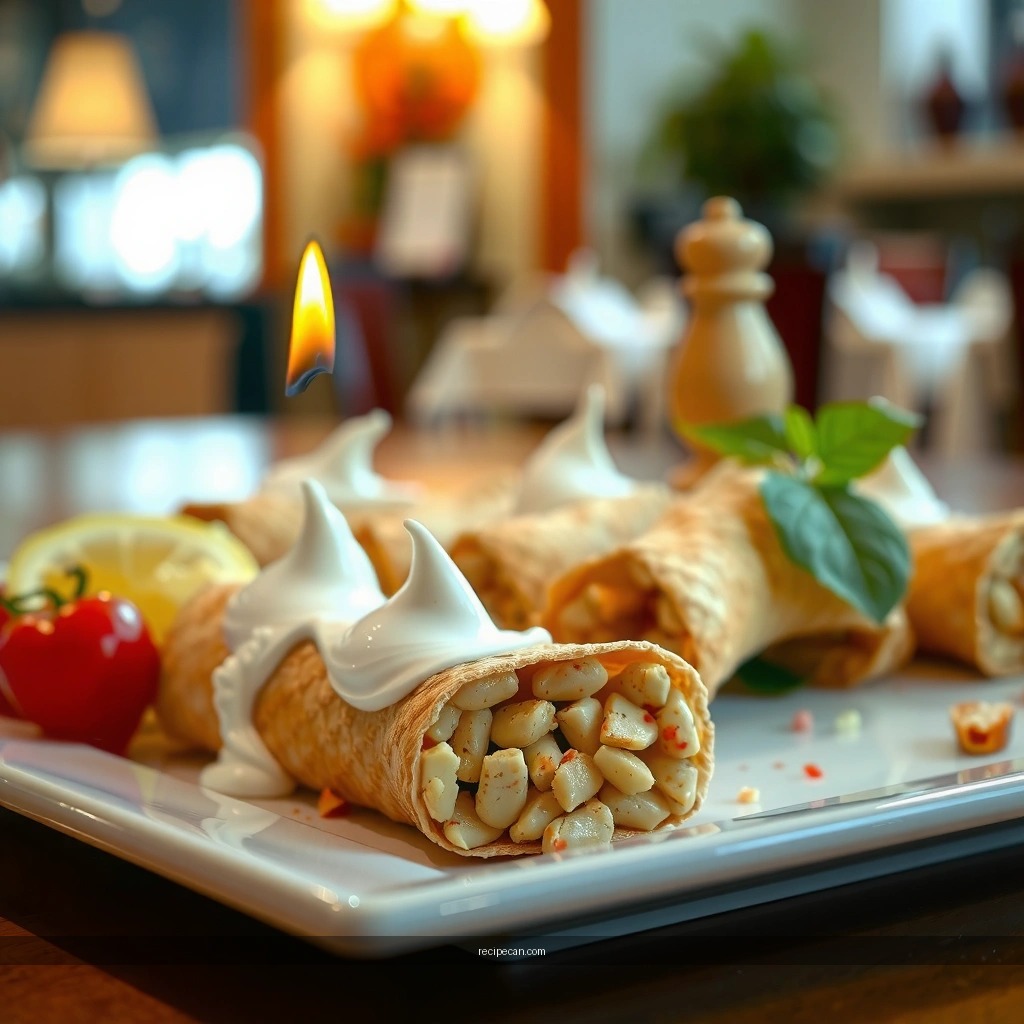
– Combine ricotta and sugar first, then flavorings
– Fold in chocolate chips last for even distribution
– Mix just until creamy—avoid overworking
A controlled mixing process is what separates “easy homemade” from “professional texture.” Think of cannoli filling as building a stable, creamy matrix—once it comes together, stop.
Step-by-step method
1. Drain first. If you haven’t already, drain ricotta in a sieve and discard excess liquid.
2. Mix ricotta with powdered sugar. In a mixing bowl, combine drained ricotta and powdered sugar. Stir until the mixture is smooth and the sugar is incorporated. This step establishes the sweetness and the bulk texture.
3. Add vanilla and cinnamon (or zest). Mix in vanilla extract and, if using, cinnamon. If you’re using citrus zest instead, mix that in here so the zest distributes evenly.
4. Check thickness. If the mixture looks too stiff to pipe, add 1 teaspoon of milk or cream and re-check. Repeat only if necessary.
5. Fold in chocolate chips last. Use a spatula and fold gently just until chips are evenly dispersed. Over-mixing after adding chips can cause them to break or sink unevenly.
6. Stop when it looks right. Overworking can slightly warm the dairy and loosen the structure, especially if you’re using a hand blender. Stir by hand once it’s creamy.
Why “mix order” matters
– Sugar dissolves better when it contacts ricotta early.
– Flavorings (vanilla, cinnamon, zest) distribute more evenly once the base is smooth.
– Folding chips last prevents streaking and minimizes heat transfer.
Professional texture target
When finished, the filling should be:
– Spoonable (holds a thick ribbon for a few seconds)
– Pipeable (no visible curds, no watery pooling)
– Not gritty (powdered sugar fully incorporated)
Perfect Consistency and Avoiding Common Issues
– If too thick, add a small splash of milk or cream
– If too loose, drain again and chill to firm up
– Taste and adjust sweetness before filling shells
Cannoli filling problems are usually moisture-related or sweetness-related. The fixes are straightforward—provided you troubleshoot early.
If the filling is too thick
This is common with very well-drained ricotta or thick brands.
– Add 1 teaspoon of milk or cream, mix briefly, and reassess.
– For piping, aim for “soft toothpaste” consistency: it should come through a pastry bag without fighting you.
If the filling is too loose (watery)
This is the more frequent issue with fresh, under-drained ricotta.
– Drain again in a sieve for 20–30 minutes.
– If still loose, chill for 30–60 minutes to help the filling tighten.
– Avoid repeatedly adding flour or cornstarch unless you’re intentionally changing the style of filling (it can dull flavor and alter mouthfeel).
If sweetness isn’t right
Always taste before filling shells. Because ricotta varies in saltiness and flavor, sweetness isn’t one-size-fits-all.
– If it tastes flat, add powdered sugar 1 tablespoon at a time.
– If it’s too sweet, balance with a tiny pinch of salt and mix thoroughly (salt enhances dairy flavor without making it “salty”).
Three high-impact checks
1. No pooling: there should be no liquid sheen at the top.
2. Stable ridges: a spoon should leave temporary lines.
3. Clean mixing: no curds that stay separate after stirring.
Chilling, Piping, and Serving Tips
– Chill the filling 30–60 minutes for the best set
– Pipe or spoon into shells right before serving
– Store filled shells briefly to keep them crisp
Even with perfect ricotta, cannoli filling performs best when it’s rested. Chilling helps the dairy matrix firm and improves flavor integration.
Chill for performance
– Refrigerate the finished filling 30–60 minutes before piping.
– This reduces mess, strengthens structure, and gives you a smoother flow through a piping bag.
When to fill shells
Cannoli shells are crisp, and cream softens them over time. For best texture:
– Pipe or spoon right before serving
– If needed, fill shortly before guests arrive (even 15–30 minutes can make a difference)
Piping vs. spooning
– Piping: ideal for presentation and consistent portions. Use a medium to large star tip or a simple round tip.
– Spoon filling: works well for rustic batches. Keep the portion moderate so shells don’t crack.
Serving best practices
– Serve on a tray lined with parchment so filled shells lift cleanly.
– If you’re adding garnish (extra chips, zest, or dusting sugar), do it right before service.
Make-Ahead and Storage Guidance
– Keep filling covered in the fridge up to 2–3 days
– Let it come to room temperature slightly before piping
– Freeze only if necessary; thaw and stir well for texture
Planning ahead is one of the reasons cannoli filling is so practical for gatherings. The key is storage handling so you don’t compromise texture.
Refrigeration
– Store cannoli filling in an airtight container.
– Keep it covered to prevent absorption of refrigerator odors.
– Use within 2–3 days for best flavor and texture.
Before piping
Cold filling pipes well, but if it’s extremely stiff from chilling, let it sit at room temperature 5–10 minutes. Stir once to restore flow before bagging.
Freezing (only if necessary)
Freezing ricotta can shift moisture distribution and may create a slightly grainier texture after thawing.
– If you must freeze: thaw in the refrigerator overnight.
– Stir thoroughly and expect some texture variation—then adjust with a tiny splash of cream or milk if needed.
Best workflow for events
– Make filling the day before.
– Drain and assemble in the afternoon for consistency.
– Chill, then pipe shortly before serving to protect shell crispness.
Rich, creamy ricotta cannoli filling comes down to three operational priorities: well-drained ricotta, accurate sweetening and flavoring, and mixing only until smooth. Chill to stabilize, pipe or fill right before serving to preserve shell texture, and use the troubleshooting steps—drain again if loose, add a teaspoon of dairy only if too thick. Follow this process and you’ll consistently achieve a classic, spoonable filling with bakery-level creaminess.
Frequently Asked Questions
What’s the best ricotta cannoli filling recipe for a classic Italian taste?
A classic ricotta cannoli filling typically uses sweetened ricotta, powdered sugar, vanilla, and chocolate chips, with a small amount of citrus zest for brightness. To keep it authentic, use well-drained ricotta and mix gently until smooth but not runny. Many bakers also add a touch of ground cinnamon or finely chopped candied fruit to match traditional regional styles.
How do you make ricotta cannoli filling thick and not watery?
The key is draining the ricotta: strain it in a fine-mesh sieve or cheesecloth for several hours (or overnight) before mixing. After draining, fold in sugar gradually and avoid over-whipping, which can loosen the mixture. If your ricotta cannoli filling still seems loose, chill it for 30–60 minutes so it thickens before stuffing cannoli shells.
Which ricotta is best for cannoli filling—fresh, whole milk, or part-skim?
Whole-milk or full-fat ricotta is usually best because it has richer flavor and a creamier texture that holds up well in cannoli filling. Fresh ricotta tends to work better than lower-fat versions, which can be watery and require extra draining. Look for ricotta that’s “smooth” and not overly grainy; if it’s slightly lumpy, blend it briefly before mixing.
Why does my ricotta cannoli filling taste grainy or separate?
Graininess often comes from ricotta that wasn’t drained enough or was mixed too roughly, leaving curds intact. Separation can happen if the ricotta is too wet, the sugar is added too quickly, or the filling sits warm for too long. To fix this, drain thoroughly, mix until smooth, and keep the ricotta cannoli filling refrigerated until you’re ready to pipe it.
How do you store ricotta cannoli filling and when should you fill the shells?
Store the ricotta cannoli filling in an airtight container in the refrigerator, ideally for up to 2–3 days, keeping it chilled to maintain texture. For best results, fill cannoli shells close to serving time because they soften as the filling absorbs moisture. If you need to prep ahead, pipe or spoon the filling into shells just before serving and keep the filled cannoli in a cool spot.
References
- Google Scholar Google Scholar
https://scholar.google.com/scholar?q=ricotta+cannoli+filling+recipe - Google Scholar Google Scholar
https://scholar.google.com/scholar?q=cannoli+filling+ricotta+sugar+technique - Google Scholar Google Scholar
https://scholar.google.com/scholar?q=traditional+cannoli+filling+ricotta+eggless+filling - Cannoli
https://en.wikipedia.org/wiki/Cannoli - Ricotta
https://en.wikipedia.org/wiki/Ricotta - https://www.britannica.com/topic/cannoli
https://www.britannica.com/topic/cannoli - https://www.bbc.co.uk/food/recipes/cannoli_68415
https://www.bbc.co.uk/food/recipes/cannoli_68415 - https://pubmed.ncbi.nlm.nih.gov/?term=ricotta+cheese+composition
https://pubmed.ncbi.nlm.nih.gov/?term=ricotta+cheese+composition - https://pubmed.ncbi.nlm.nih.gov/?term=cannoli+cheese
https://pubmed.ncbi.nlm.nih.gov/?term=cannoli+cheese - Food Search | USDA FoodData Central
https://fdc.nal.usda.gov/food-search?query=ricotta