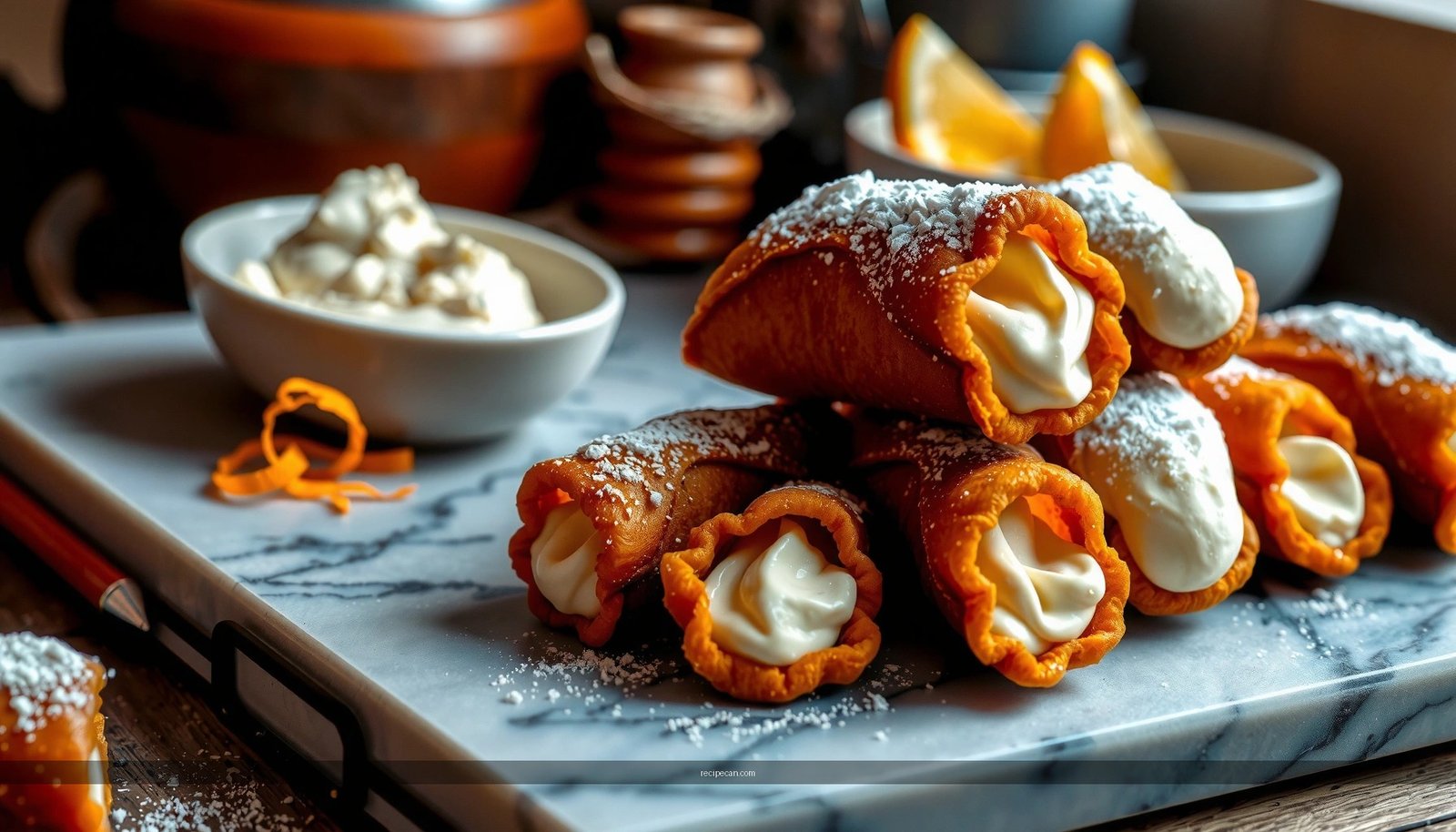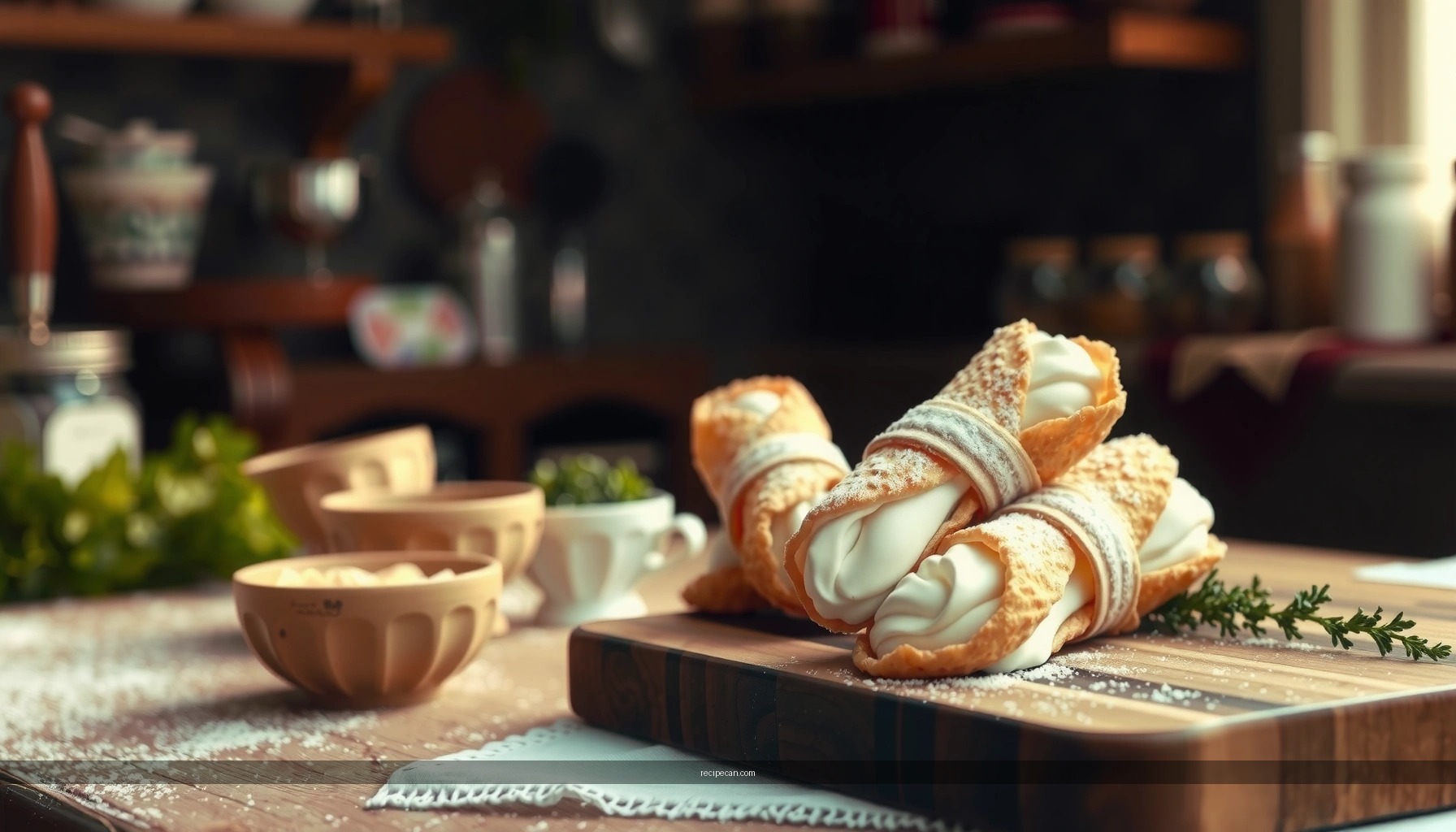
This cannoli with mascarpone recipe delivers the classic cream-filled shells you’re after—crispy, golden, and perfectly contrasted with a silky mascarpone filling. Follow these step-by-step instructions and you’ll get cannoli that hold their shape and flavor without turning grainy or watery. If you want the tried-and-true “real cannoli” result, this is the winning method.
Cannoli with mascarpone are best when you balance a silky, sweetened ricotta–mascarpone filling with fully cooled, crisp shells and you fill them close to serving for maximum crunch. Below, you’ll learn exactly how to prepare the classic mascarpone filling, assemble cannoli cleanly, and troubleshoot texture issues so your cannoli have a crisp exterior and a creamy interior.
Choose and Prepare Your Cannoli Shells
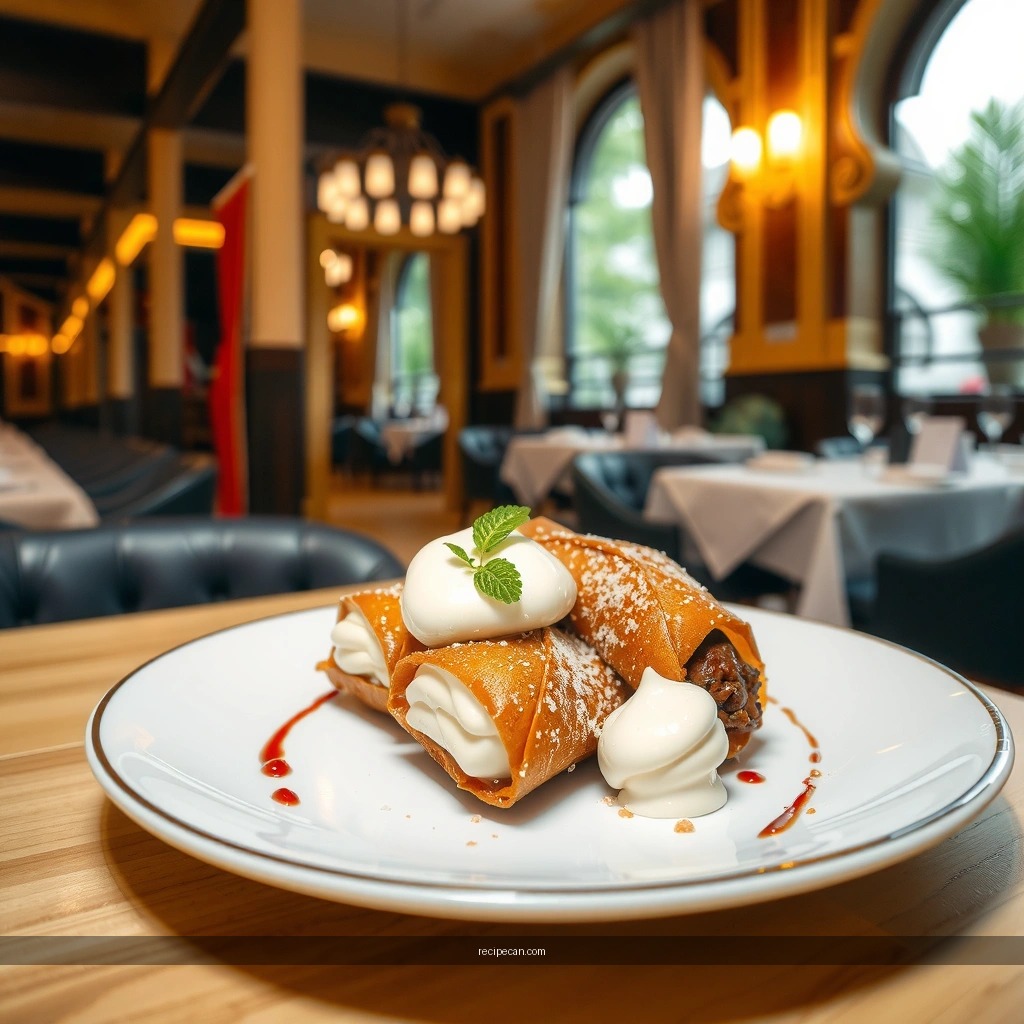
– Use store-bought shells or make homemade if you have the tools
– Let shells cool completely before filling to prevent sogginess
– Plan to fill cannoli close to serving for best crunch
The shell is the structural “half” of classic cannoli, and its texture is the first thing your guests will notice. For the most reliable result, start with either (a) high-quality store-bought cannoli shells or (b) homemade shells you’ve fried and cooled thoroughly.
Shell selection tips
– Size matters: Choose shells that match your planned filling portion. Most standard cannoli shells are designed to hold roughly 1 to 2 tablespoons of filling each. If your shells are unusually large or small, adjust filling thickness (more on that below).
– Freshness matters: If store-bought shells arrive in a bag, keep them sealed and use them promptly. Even “crisp” shells soften as they absorb humidity.
Cooling and handling
– After frying (homemade), shells must cool fully—often 30–60 minutes—before filling. Warm shells create condensation that turns the crisp shell into a chewy layer.
– Handle shells gently and avoid touching the ends too much. Oils from your fingers can also affect how the shell keeps its crispness.
Timing strategy (the professional baker’s shortcut)
– Fill cannoli within 10–30 minutes of serving whenever possible. You can pipe the filling earlier, but assembled cannoli typically soften faster once the cream meets the shell.
– If you’re serving a crowd, consider a workflow: set up shells on trays, chill the filling, and pipe right before the first round goes out.
Classic Cannoli Filling: Typical Amounts & Overuse Risk (Per ~12 Cannoli)
| # | Ingredient | Typical Amount | Role | Texture Outcome |
|---|---|---|---|---|
| 1 | Mascarpone | 400 g | Creaminess + body | ★ ★ ★ ★ ★ |
| 2 | Ricotta (drained) | 250 g | Lightness + classic tang | ★ ★ ★ ★ ☆ |
| 3 | Powdered sugar | 60 g | Smooth sweetness | ★ ★ ★ ★ ★ |
| 4 | Vanilla extract | 5 ml | Warm aroma | ★ ★ ★ ★ ☆ |
| 5 | Orange zest | 6–8 g (about 1 tbsp) | Bright citrus lift | ★ ★ ★ ★ ★ |
| 6 | Mini chocolate chips | 70–90 g | Texture contrast | ★ ★ ★ ★ ☆ |
| 7 | Undrained ricotta | — (extra moisture) | Can loosen filling | ★ ★ ☆ ☆ ☆ |
Make the Mascarpone Filling
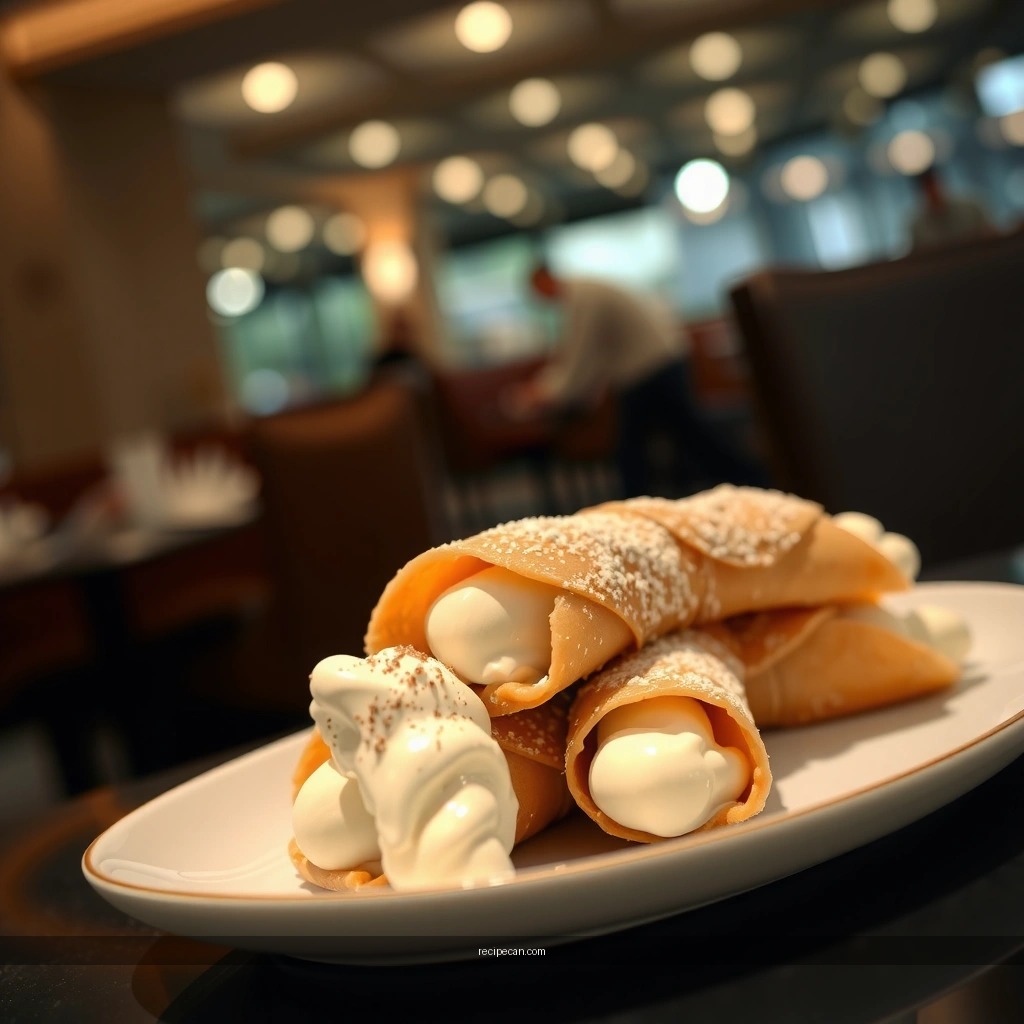
– Beat mascarpone until silky, then blend in sweeteners and flavorings
– Mix in drained ricotta (if using) for a creamy, not-too-thick texture
– Fold gently so the filling stays light and smooth
The hallmark of this cannoli with mascarpone recipe is the filling’s mouthfeel: creamy but pipeable, not greasy, not grainy, and not overly loose.
1) Start with room-temperature mascarpone
Mascarpone is delicate—cold mascarpone can resist mixing and lead to uneven texture. Bring it to room temperature (about 20–30 minutes) so it blends into a uniform cream.
2) Beat, then flavor
– Beat mascarpone on medium speed until smooth and glossy.
– Add powdered sugar, vanilla, and orange zest.
– Mix just until integrated. Overmixing isn’t usually harmful, but you want to avoid aerating too much—air bubbles can make the filling puff and slump.
3) Add ricotta carefully (and only if you want it)
Many traditional cannoli fillings use ricotta; using some drained ricotta helps lighten mascarpone and gives that classic sweet-tang balance. If you use ricotta:
– Drain first: Place ricotta in a fine-mesh sieve or cheesecloth for 30–60 minutes (longer if it’s watery).
– Add drained ricotta gradually and mix on low until smooth.
4) Fold to keep the texture
If you’re adding mix-ins like chocolate chips or chopped candied fruit, fold them in gently with a spatula. This keeps the cream smooth and prevents broken bits from distributing unevenly.
Texture target
– When piped, the filling should hold its shape briefly before relaxing slightly.
– If it slumps immediately, it’s too loose (usually under-drained ricotta or too much soft ingredient).
– If it resists piping or looks stiff, let the filling sit at cool room temperature for 5–10 minutes, then remix gently.
Add Traditional Flavor and Mix-Ins
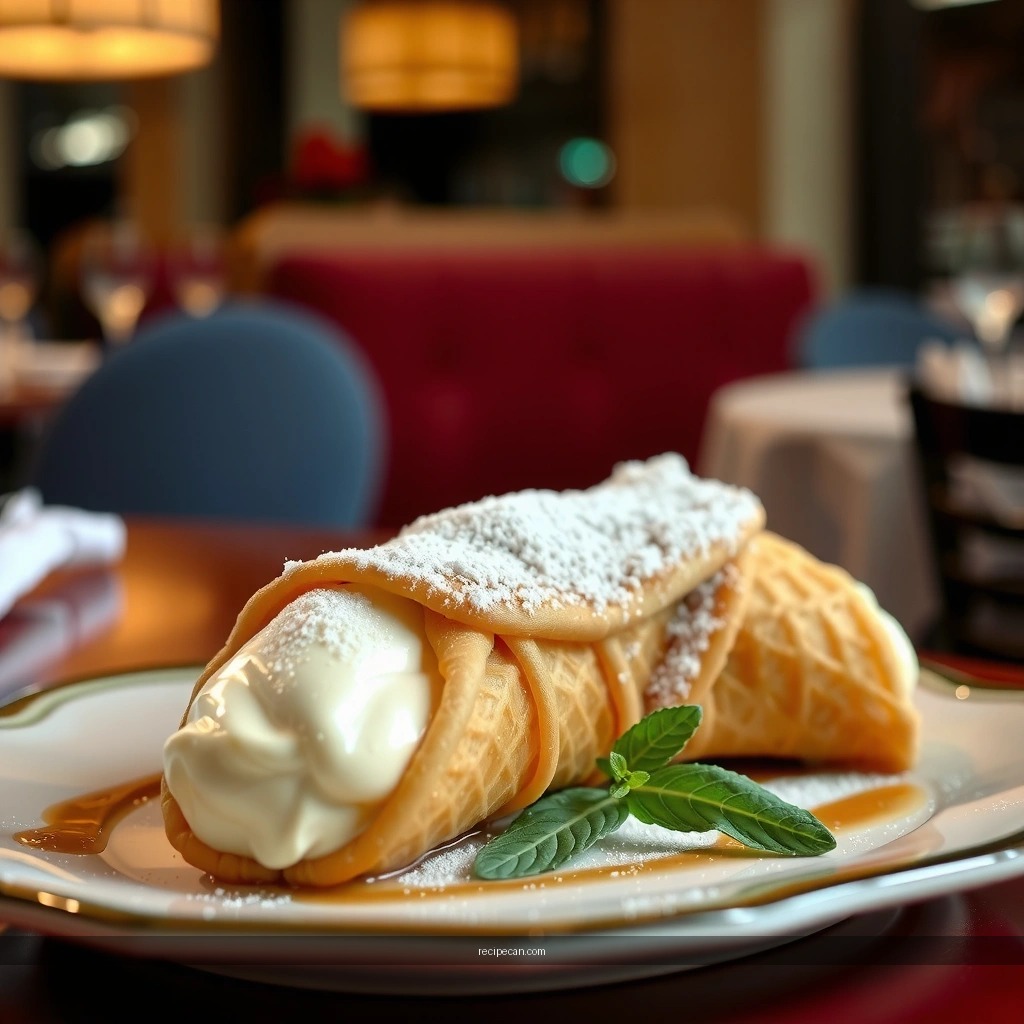
– Stir in orange zest and vanilla for classic cannoli aroma
– Add chopped candied fruit or chocolate chips to taste
– Taste and adjust sweetness before filling the shells
Cannoli flavor is all about contrast: creamy dairy + bright citrus + warm vanilla + optional pockets of sweetness or bitterness.
Classic flavor profile
Use orange zest and vanilla extract as your anchor. Orange zest provides aromatic oils; it shouldn’t taste like orange juice—its role is perfume-like brightness.
Optional mix-ins (make it your own, but stay balanced)
Pick one or two mix-in types:
– Candied fruit: Adds chew and sweetness. Chop finely so you don’t get large chunks that hinder piping.
– Chocolate chips: Add cocoa notes and textural contrast. Mini chips distribute well and keep the filling pipeable.
– Dark chocolate (finely chopped): If you prefer less sweetness, use dark chocolate to balance the dairy.
Taste before assembly
A professional rule: taste the filling before you pipe anything. Cannoli shells are mildly sweet and often salt-neutral—your filling should be slightly more flavorful than you think. If you taste and feel “it needs something,” adjust in this order:
1) More orange zest (aroma)
2) A bit more powdered sugar (sweetness)
3) Slightly more vanilla (warmth)
If you add liquid flavoring, mix thoroughly and re-check texture. The filling should remain thick enough to pipe cleanly.
Fill and Assemble Cannoli
– Pipe filling into shells using a pastry bag for clean edges
– Fill just before serving for maximum crispness
– Handle carefully to keep shells intact
Assembly is where good cannoli become great cannoli. The goal is clean edges, generous filling, and minimal shell breakage.
Piping technique
– Fit a pastry bag with a wide tip (or a medium round tip). A wide opening reduces the risk of clogs from chocolate chips or fruit.
– Pipe from one end, filling until you see the filling lightly expand toward the other end.
– Stop when the filling is snug—not overflowing.
If you don’t have piping tools, a sturdy spoon works, but you’ll lose some of that bakery presentation.
Preventing shell damage
– Use gentle pressure. Pressing too hard can crack shells or squeeze filling out unevenly.
– Lay filled cannoli on a tray in a single layer with space between pieces so they don’t press against each other.
Timing
– Fill cannoli close to serving time. If you must wait, keep filled cannoli in a cool spot, but expect gradual softening. The refrigeration trade-off is cream stability vs. shell crispness—room temperature often tastes better.
Chill, Rest, and Serve Perfectly
– Rest filled cannoli briefly so flavors meld without losing crunch
– Serve at cool room temperature for best cream consistency
– Garnish with extra chocolate or candied fruit if desired
Even though cannoli should be assembled right before serving, the filling can benefit from a short rest.
Short rest window
After piping, let cannoli rest 5–15 minutes. This helps:
– flavors settle (vanilla and orange zest perfume spreads),
– the filling hydrate slightly and become more cohesive.
Serving temperature: don’t go too cold
Mascarpone cream is rich; served too cold, it can taste firmer and slightly muted. For best cream consistency:
– Aim for cool room temperature (roughly 18–22°C / 65–72°F).
– If your kitchen is warm, a brief cool-down is fine, but avoid serving straight from a very cold fridge.
Garnish for presentation and flavor
Top each cannoli with:
– a dusting of mini chocolate chips, or
– a small pinch of chopped candied fruit.
Garnish isn’t required, but it visually signals authenticity and boosts perceived flavor intensity.
Troubleshooting Common Cannoli Problems
– If filling is runny, beat more or drain dairy better before mixing
– If shells soften quickly, reduce filling time before serving
– If cream looks grainy, ensure mascarpone is room temp and mix smoothly
Cannoli are sensitive to dairy moisture, ingredient temperature, and timing. Here are the most common issues and how to fix them fast.
Problem: Filling is runny or won’t hold shape
Likely causes
– Ricotta wasn’t drained enough
– Mascarpone was too warm and became loose
– Sweeteners weren’t fully incorporated, leaving a thin texture
Fix
– If it’s slightly loose: refrigerate the filling 20–30 minutes, then re-beat briefly on low to restore body.
– Next time: drain ricotta longer (30–60 minutes is a common baseline) and add ricotta gradually.
– For ricotta-heavy fillings: reduce ricotta by 20–30 g per batch and rely on mascarpone for body.
Problem: Shells soften quickly
Likely causes
– Cannoli are filled too early
– Shells were warm when filled
– Humidity is high (or shells weren’t sealed)
Fix
– Fill closer to serving time.
– Ensure shells are completely cool and stay sealed until assembly.
– If you’re hosting: set up piping station and only assemble what you’ll serve in the next 20–30 minutes.
Problem: Cream looks grainy
Likely causes
– Mascarpone was cold and didn’t emulsify smoothly
– Ricotta was lumpy and insufficiently mixed
– Mix-ins were added before the base was fully smooth
Fix
– Bring mascarpone to room temperature, then beat until glossy.
– If ricotta is lumpy, press it through a sieve before combining.
– Mix base first to uniform smoothness, then fold mix-ins.
Wrap-Up: Your Best-Quality Cannoli Starts With Timing and Texture
Cannoli with mascarpone come out best when you nail the silky filling texture and fill the shells right before serving. Focus on room-temperature mascarpone, properly drained ricotta (if using), and gentle folding for a smooth, pipeable cream—then assemble quickly so the shell stays crisp. Make your first batch today, taste the filling before piping, and adjust sweetness and mix-ins until your classic cream-filled cannoli taste exactly how you want.
Frequently Asked Questions
What is the best mascarpone cannoli filling recipe?
A classic cannoli with mascarpone filling uses mascarpone cheese, powdered sugar, mini chocolate chips, and optional vanilla extract or a splash of citrus zest for brightness. To prevent a runny texture, mix mascarpone with sugar gently and fold in chocolate last. For added authenticity, many recipes also include a small amount of ricotta or strained ricotta alongside mascarpone, then chill the filling before piping into the fried shells.
How do you keep cannoli with mascarpone from getting watery?
The key is to use well-chilled mascarpone and avoid overmixing after adding sugar, since sugar can draw out moisture. If you’re adding ricotta, strain it well (or use drained ricotta) before combining to keep the filling thick. Assemble cannoli close to serving time, and pipe the mascarpone filling into cooled, crisp shells just before you want the shells to stay crunchy.
How do you make cannoli shells that stay crisp with mascarpone filling?
Use a sturdy cannoli shell recipe and fry the shells until deep golden, then cool them completely on a rack so they don’t trap steam. Fill shells with mascarpone only when they’re fully cool, and store assembled cannoli loosely covered rather than sealed airtight. If you’re preparing ahead, keep shells unfilled and store filling separately in the refrigerator for best results.
Which ingredients can you substitute in a cannoli with mascarpone recipe?
If you can’t find mascarpone, you can substitute a thick cream cheese blend, but the flavor will be less tangy and the texture may require less mixing. For dairy-free variations, look for high-quality vegan “mascarpone-style” cashew or tofu-based creams and ensure they’re thick before filling. If you want a lighter filling, you can reduce sugar slightly, but keep the consistency by chilling longer and avoiding substitutions that add extra liquid.
Why do cannoli recipes include ricotta with mascarpone, and is it required?
Many traditional cannoli fillings use ricotta to balance the richness of mascarpone and add a classic, slightly tangy texture. While you can make a pure mascarpone cannoli filling, combining mascarpone with a small amount of strained ricotta often improves mouthfeel and authenticity. If you choose to go ricotta-free, focus on chilling, thickening, and flavor boosters like vanilla or citrus zest to keep the filling satisfying and stable.
References
- Cannoli
https://en.wikipedia.org/wiki/Cannoli - Mascarpone
https://en.wikipedia.org/wiki/Mascarpone - https://www.britannica.com/topic/cannoli
https://www.britannica.com/topic/cannoli - Cannoli recipe | Good Food
https://www.bbcgoodfood.com/recipes/cannoli - https://www.nytimes.com/2022/10/04/dining/food-cannoli-recipe.html
https://www.nytimes.com/2022/10/04/dining/food-cannoli-recipe.html - https://www.theguardian.com/food/2020/sep/06/cannoli-recipe
https://www.theguardian.com/food/2020/sep/06/cannoli-recipe - Google Scholar Google Scholar
https://scholar.google.com/scholar?q=cannoli+mascarpone+recipe - Google Scholar Google Scholar
https://scholar.google.com/scholar?q=cannoli+filling+mascarpone+ricotta+recipe - https://scholar.google.com/scholar?q=italian+dessert+cannoli+mascarpone+recipe Google Scholar
https://scholar.google.com/scholar?q=italian+dessert+cannoli+mascarpone+recipe - Google Scholar Google Scholar
https://scholar.google.com/scholar?q=cannoli+with+mascarpone+recipe