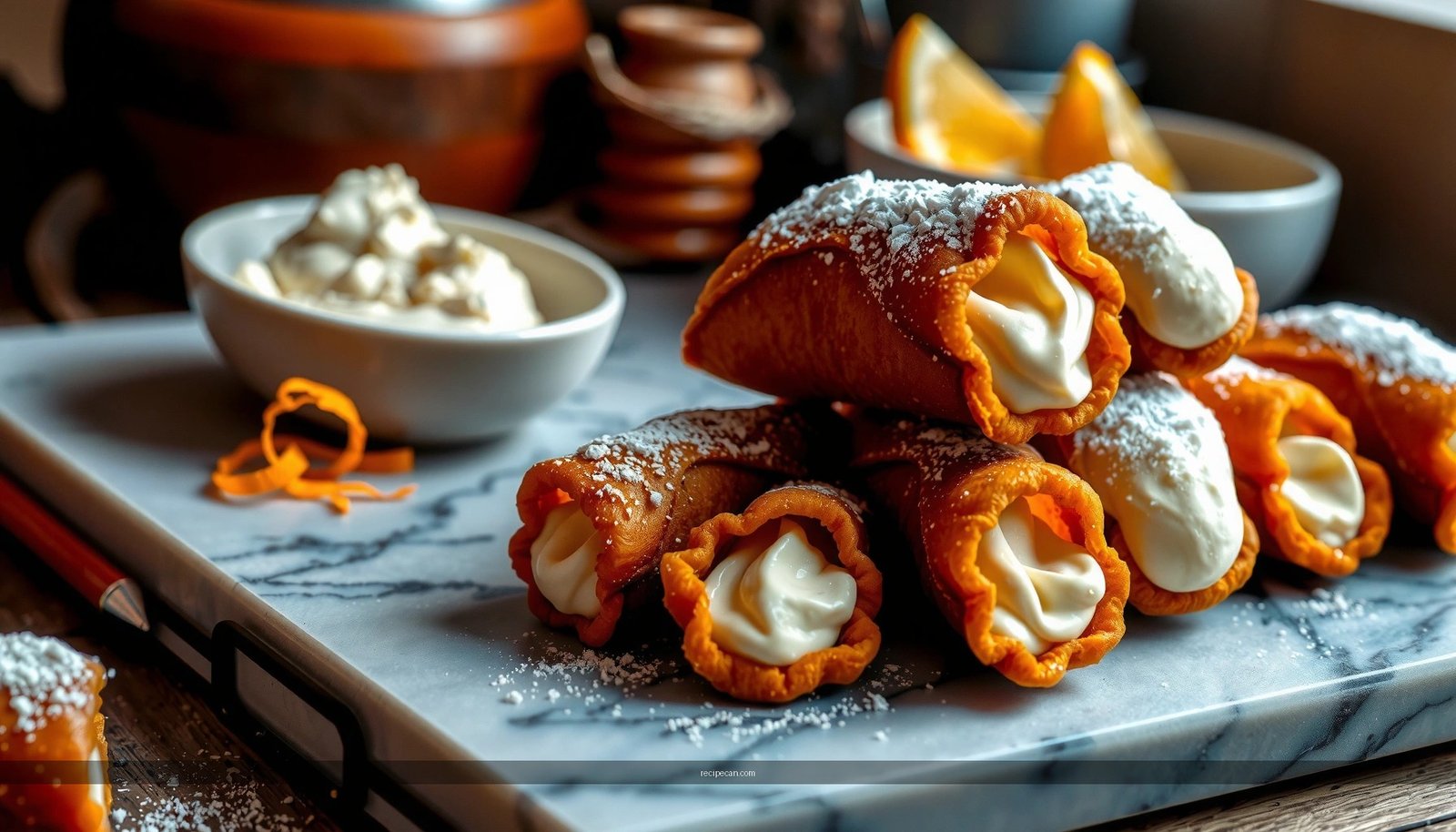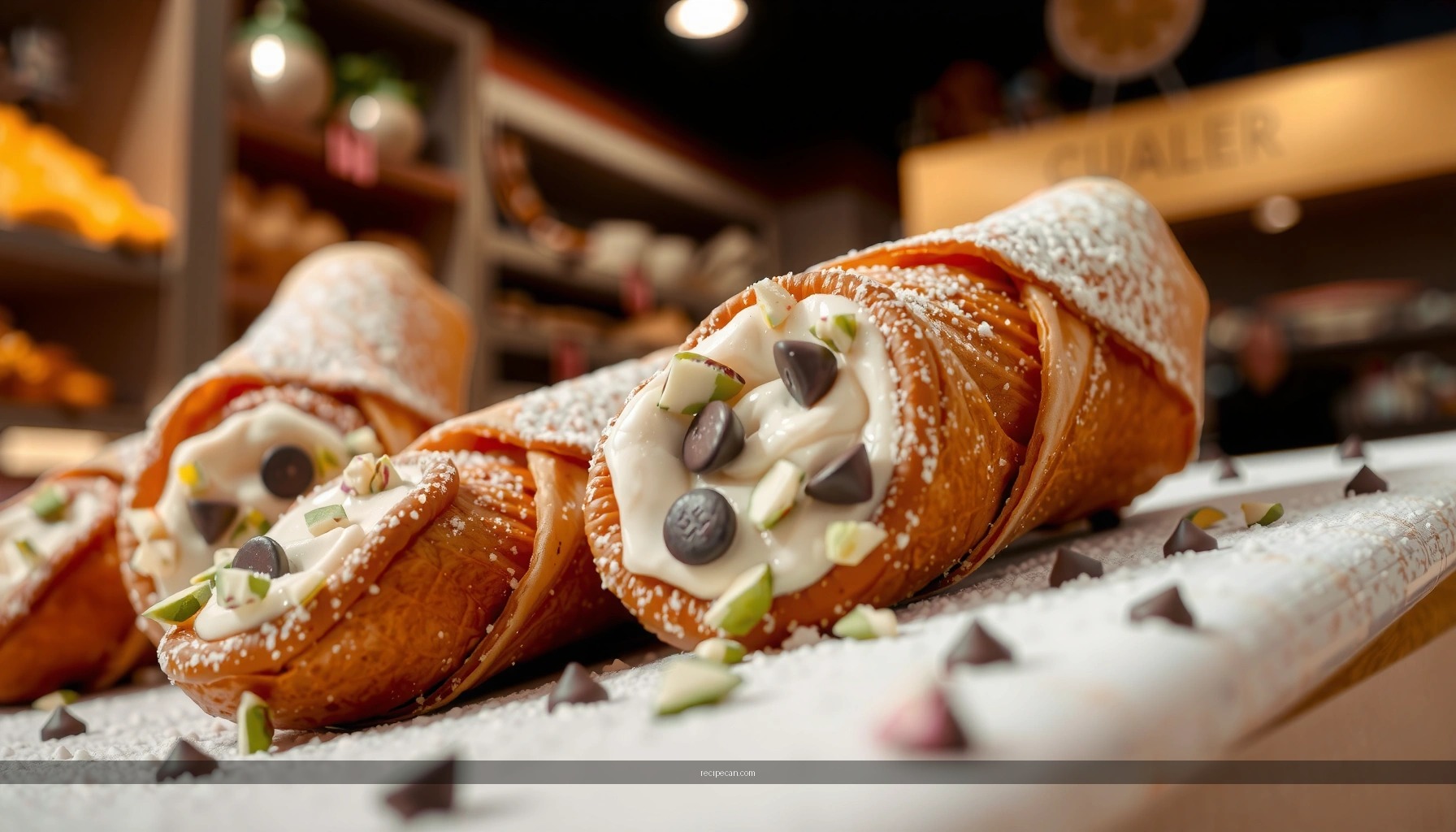
Get a reliable recipe for cannolis with classic homemade cannoli filling and shells that you can actually make at home. Follow the steps for crisp, fry-fresh shells and a creamy ricotta filling that tastes like the real thing—sweet, bright, and properly set. This is the “make it once, get it right” version for when you want traditional cannoli, not a shortcut.
You can make restaurant-style cannolis at home by nailing two technical steps: perfectly crisp, evenly fried shells and a ricotta filling with the right level of drainage and sweetness. This recipe walks you through making both components from scratch—covering dough basics, fry timing, filling texture, and assembly timing—so your cannolis stay crisp when served.
Ingredients for Cannoli Shells
– Gather flour, sugar, salt, lard or butter, egg, and white wine vinegar (or substitute)
– Use oil for frying and have a cannoli tube set ready for shaping
– Measure ricotta, sugar, and flavorings separately for the filling
To produce classic cannoli shells, the ingredients aren’t just “traditional”—they each solve a specific performance problem during dough formation, frying, and crisping:
– Flour builds structure so the shell holds bubbles and crispness during frying.
– Sugar supports mild browning and flavor, not just sweetness.
– Fat (lard or butter) affects flake and tenderness; lard typically yields a more classic, crisp texture, while butter offers a richer flavor.
– Egg helps bind and adds tenderness.
– Vinegar (or substitute) lightly relaxes gluten development so the dough rolls thin without shrinking back.
– Frying oil determines how quickly the shell browns; a neutral oil is preferred for a clean, Italian-style finish.
For the filling, precision matters. Ricotta varies widely in water content and texture, so measuring and adjusting after draining is the key to a creamy, non-watery cannoli filling.
Ricotta Drain Time vs. Expected Texture (Homemade Cannoli Filling)
| # | Drain Time | Wateriness Risk | Best Use | Recommended Result |
|---|---|---|---|---|
| 1 | 15–20 minutes | High | Immediate mixing | Runny filling likely |
| 2 | 30 minutes | Moderate | Slightly drier ricotta | May soften shells quickly |
| 3 | 1 hour | Medium | Most store-bought ricotta | Creamy, still adjustable |
| 4 | 2–3 hours | Low | When timing matters | Best consistency for piping |
| 5 | 4–6 hours (refrigerated) | Very low | Make-ahead filling | Smooth, stable thickness |
| 6 | Overnight (6–12 hours) | Very low | High-volume baking | Ultra-pipeable (stir before use) |
| 7 | No drain | Severe | Emergency only | Leaks, collapse, sogginess |
Prepare Cannoli Dough and Shape Shells

– Mix and knead dough until smooth, then rest for better rolling
– Roll thin, cut circles, and wrap around cannoli tubes securely
– Seal edges with egg wash so shells stay intact while frying
The dough is where many homemade cannoli attempts go off course. Your goal is elastic thinness: rolled thin enough to fry quickly, but with enough structure to keep the shell from bubbling into folds.
1) Mix for a cohesive dough, not a sticky mess
Combine flour, sugar, salt, fat (lard or butter), egg, and vinegar. Knead until the dough looks smooth and supple. If your dough is too wet, add flour a teaspoon at a time; if too dry, rest it longer—hydration improves during rest.
2) Rest improves rollability
Resting (typically 20–40 minutes, covered) lets gluten relax. This reduces shrink-back so the dough can be rolled thinner and shaped more accurately around cannoli tubes.
3) Roll thin and cut consistent circles
Roll to an even thickness. Uneven dough creates uneven frying: thinner edges brown too fast, while thicker seams under-fry and soften later.
4) Wrap and seal with egg wash
Place dough circles around lightly oiled cannoli tubes and wrap tightly. Brush the overlapping edge with egg wash and press firmly. Proper sealing prevents seam separation—one of the most common reasons shells come out warped or burst.
Practical workflow tip: If you’re making multiple dozen shells, wrap in batches so the dough doesn’t warm up too much while the oil preheats.
Fry Cannoli Shells to Crispy Perfection
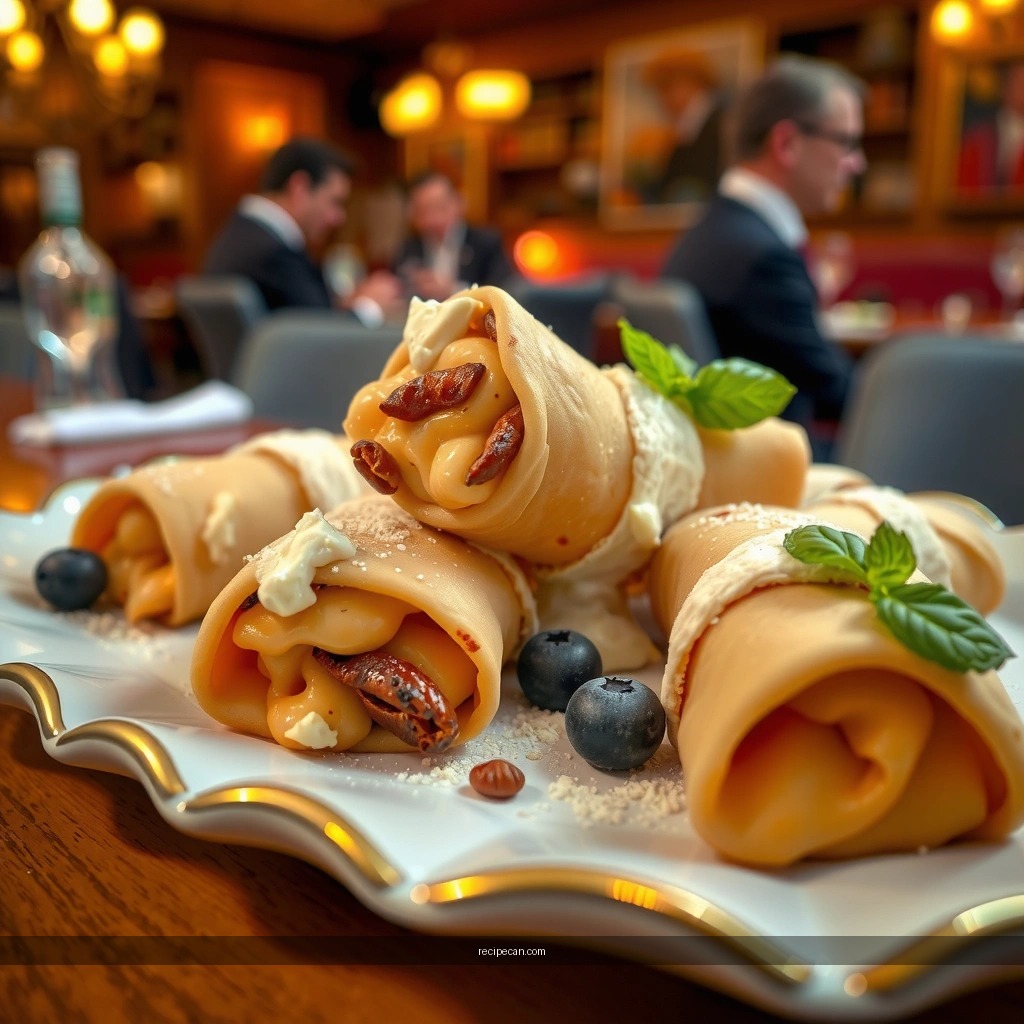
– Heat frying oil to the right temperature for quick, even browning
– Fry until golden, then drain thoroughly and cool completely
– Remove shells from tubes only after they’re cool enough to handle
Frying cannoli shells is a timing-and-temperature process, not just a “cook until golden” instruction. The shell should develop crispness quickly and evenly; if the oil is too cool, the dough absorbs oil and turns greasy.
1) Target oil temperature for fast crisping
Aim for a steady medium-high temperature. When the oil is correct, the dough bubbles vigorously at first and then shifts to steady, controlled browning. If bubbles are slow, increase heat slightly. If they brown instantly and unevenly, reduce heat.
2) Fry briefly, then watch for the color cue
Cannoli shells typically take only a short time per batch. Fry until they’re evenly golden—this is the point where the crust is set and will stay crisp as it cools.
3) Drain and cool completely before assembly
Transfer shells to a rack or paper-lined tray, but the critical step is cooling fully. Warm shells are still flexible; if removed from the tubes too early, you risk cracks and dents. Once cooled, they become rigid and crisp.
Quality marker: A well-fried shell is light, brittle (snaps gently), and not greasy to the touch.
Make the Classic Cannoli Filling
– Combine ricotta (drained), powdered sugar, vanilla, and cinnamon (optional)
– Fold in chocolate chips and candied citrus for the classic flavor
– Adjust sweetness and thickness to match your preferred consistency
The classic cannoli filling is essentially drained ricotta + powdered sugar + flavor, whipped just enough for smoothness. The two biggest variables are (1) how wet your ricotta is and (2) how aggressively you mix.
1) Drain ricotta until it’s pipeable
Use a fine sieve and/or cheesecloth, and drain until the mixture holds shape. Overly wet ricotta turns the filling into a syrup that will soften shells quickly—so this is not optional if you want real cannoli texture.
2) Sweeten with powdered sugar
Powdered sugar dissolves faster and creates a smoother, creamier feel than granulated sugar. Start with a measured amount, then adjust. If you taste and it’s not sweet enough, add gradually.
3) Add vanilla and optional cinnamon
Vanilla gives a warm, aromatic baseline. Cinnamon is optional, but it adds the familiar Sicilian-style complexity some people expect in a classic homemade cannoli filling.
4) Fold in add-ins gently
Chocolate chips and candied citrus are classic pairings. Fold gently so the chips don’t melt and streak the cream.
5) Control thickness deliberately
If the filling is too thick, loosen with a small splash of cream or a spoon of ricotta. If too loose, drain longer or reduce sweetener slightly next time; thickness should be stable enough to pipe clean lines into shells.
Assemble Cannolis for Best Texture
– Pipe filling into cooled shells right before serving
– Add extra chocolate chips or a dusting of powdered sugar if desired
– Keep assembled cannolis chilled but serve promptly for crispness
Cannolis are best when assembly is timed. Shells are crisp; filling is moist. Even the best cannoli filling will soften the shell gradually, so you want assembly close to serving.
1) Pipe when shells are completely cool
Use a piping bag or zip-top bag with a cut corner. Overfilling increases spill risk and can cause the seam to weaken, especially if the shell edges weren’t perfectly sealed during frying.
2) Finish like a pastry shop
Add a few extra chocolate chips at the ends and dust lightly with powdered sugar. This gives the classic presentation without turning the cannoli into a sugary mess.
3) Chill assembled cannolis correctly
Store assembled cannolis in the refrigerator to keep the filling set and safe. However, don’t treat chilling as a substitute for freshness—serve promptly after plating for maximum crispness.
Operationally, the best sequence is:
– Make shells → cool fully
– Make filling → chill
– Assemble → chill briefly → serve
Tips and Common Mistakes for Cannoli Success
– Don’t skip draining ricotta—watery filling ruins the texture
– Avoid overfilling shells to prevent leaks and sogginess
– Maintain oil temperature for crisp shells without greasy results
1) Ricotta drainage is the foundation
If your ricotta looks creamy but feels watery when spooned, it will behave that way inside a shell. Drain until the filling is thick enough to pipe without spreading.
2) Overfilling is a preventable failure mode
More filling isn’t better if it pushes out seams or floods the shell ends. Pipe steadily, stop when the shell feels filled but still structured, and wipe any small overflow immediately.
3) Oil temperature decides whether you get “crisp” or “greasy”
Inconsistent temperature leads to shells that absorb oil or brown unevenly. Use a thermometer if possible, and keep the oil stable by frying in appropriate batch sizes.
4) Dough thickness affects both flavor and structure
Thin dough browns fast; thick dough takes longer and can become tough or oil-heavy. Aim for consistent rolling thickness and keep dough covered to prevent drying.
5) Tube removal timing
Don’t rush the tubes. Remove shells only when cool enough to handle so the shell doesn’t deform.
Fresh, homemade cannolis come from crisp shells and a well-balanced ricotta filling—made and assembled right before serving. Follow the steps above to prep dough, fry shells, mix the filling, and pipe with confidence; then tweak sweetness or add-ins to build the classic flavor profile you love.
Frequently Asked Questions
What is the best recipe for cannolis, including both the shells and filling?
A classic cannoli recipe includes crisp fried shell cups made from a simple dough of flour, sugar, salt, egg, and lard (or butter), then filled with a sweet ricotta filling. For the filling, use well-drained ricotta mixed with powdered sugar, vanilla, and either cinnamon or citrus zest, then fold in chocolate chips and candied citrus if desired. Many bakers prefer finishing the shells unfilled until serving to keep the cannoli shells crunchy.
How do I make cannoli shells that are crispy and don’t get soggy?
Use very cold dough and keep the oil at the right frying temperature (typically around 350°F/175°C) so the shells bubble quickly and set crisp. Drain and dry the filling ingredients well, especially the ricotta, since excess moisture is the main cause of soggy cannoli shells. Assemble right before serving, and if needed, pipe the ricotta filling only into the ends so the center stays drier for longer.
Why is my ricotta filling watery, and how can I fix it?
Watery cannoli filling usually happens when the ricotta isn’t properly drained or when it’s overly fresh and high in whey. To fix it, strain ricotta in a fine-mesh sieve or cheesecloth for at least a few hours (or overnight in the fridge), then gently mix with powdered sugar until smooth. If the filling is still loose, chill it briefly and stir again, and consider adding a small amount of powdered sugar or a spoon of mascarpone for a thicker cannoli cream.
Which ricotta is best for cannoli filling—fresh, whole milk, or something else?
For the best cannoli filling, choose whole-milk ricotta that is labeled “drained” or is naturally firm enough to hold shape after straining. Fresh, watery ricotta can work, but you must strain it well to achieve the thick, creamy texture cannoli fans expect. If you want extra stability and a richer flavor, many recipes add a small amount of mascarpone to create a smoother cannoli filling.
How can I make cannolis ahead of time without losing the crunch?
You can prep the components separately: store fried cannoli shells at room temperature in an airtight container, and refrigerate the cannoli filling in a covered bowl. Assemble cannolis shortly before serving—ideally within a few hours—to prevent the shells from absorbing moisture. If you need to fill earlier, keep cannoli shells as dry as possible and consider lightly coating the inside edges of the shell with a thin layer of melted chocolate to create a barrier.
References
- Cannoli
https://en.wikipedia.org/wiki/Cannoli - Ricotta
https://en.wikipedia.org/wiki/Ricotta - Fried dough
https://en.wikipedia.org/wiki/Fried_dough - Sicilian cuisine
https://en.wikipedia.org/wiki/Sicilian_cuisine - https://www.britannica.com/topic/cannoli
https://www.britannica.com/topic/cannoli - https://pubmed.ncbi.nlm.nih.gov/?term=cannoli
https://pubmed.ncbi.nlm.nih.gov/?term=cannoli - https://pubmed.ncbi.nlm.nih.gov/?term=ricotta+dessert
https://pubmed.ncbi.nlm.nih.gov/?term=ricotta+dessert - Google Scholar Google Scholar
https://scholar.google.com/scholar?q=cannoli+recipe - https://scholar.google.com/scholar?q=cannoli+shell+fried+dough Google Scholar
https://scholar.google.com/scholar?q=cannoli+shell+fried+dough - https://scholar.google.com/scholar?q=cannoli+ricotta+filling Google Scholar
https://scholar.google.com/scholar?q=cannoli+ricotta+filling