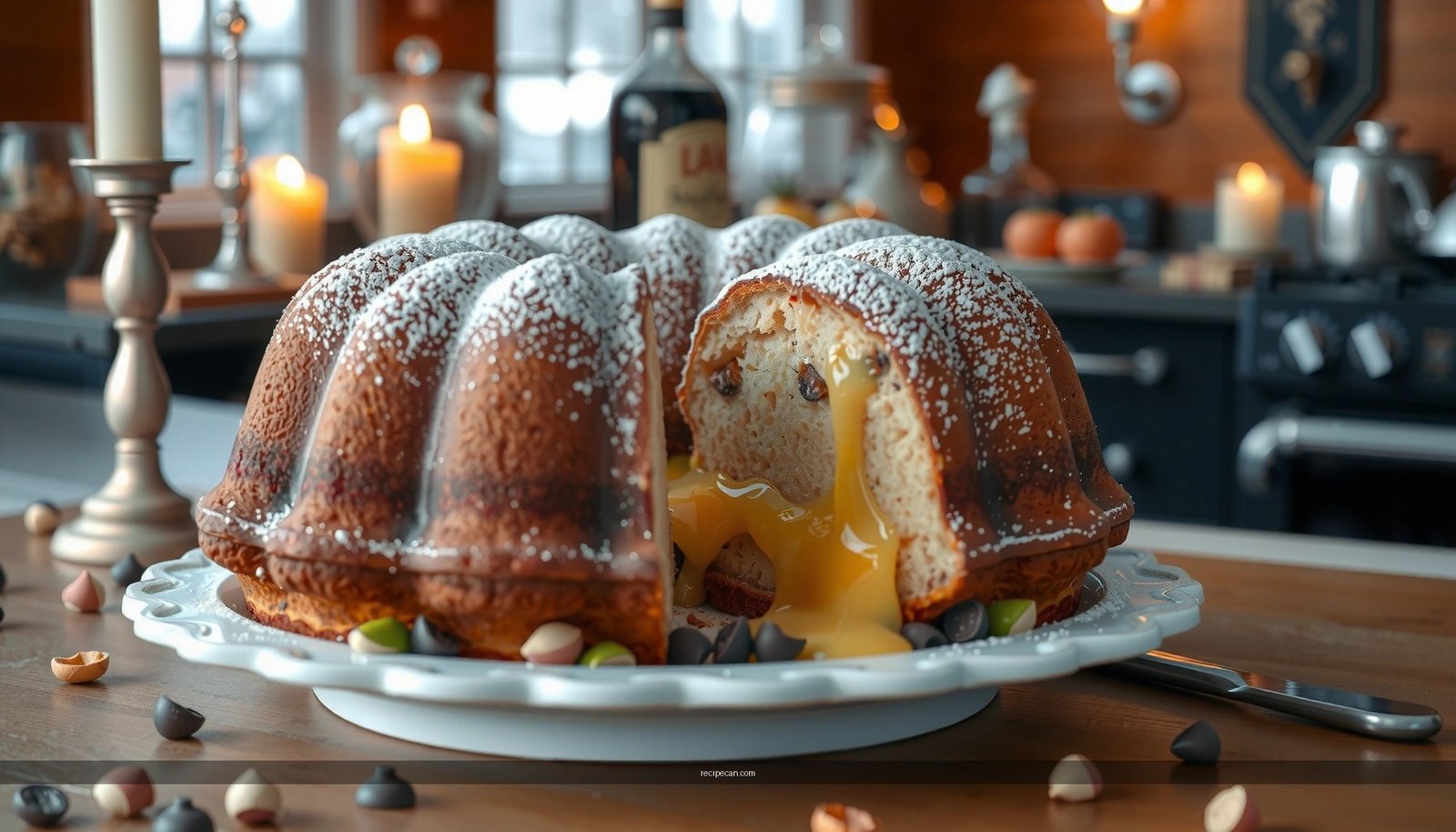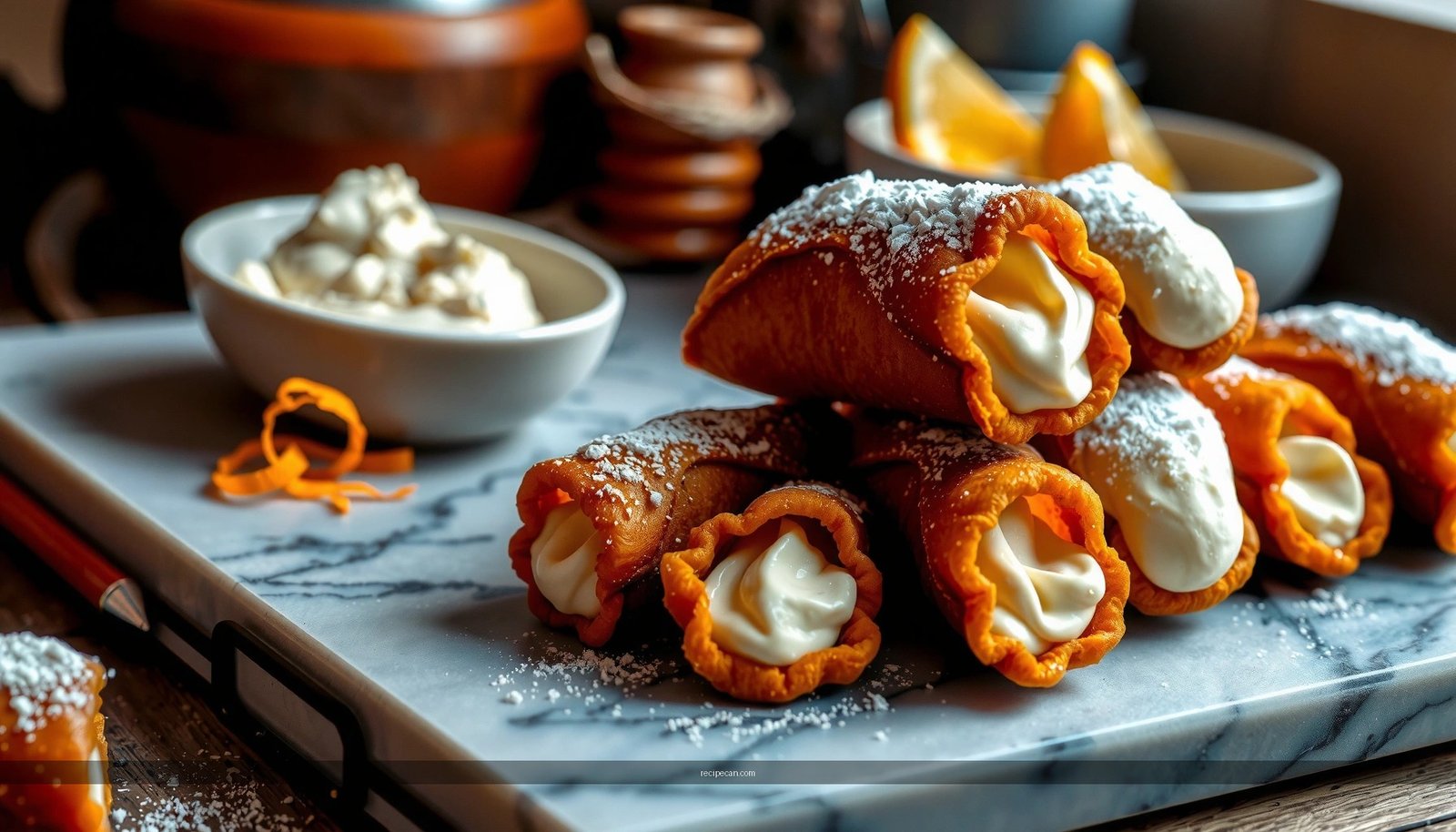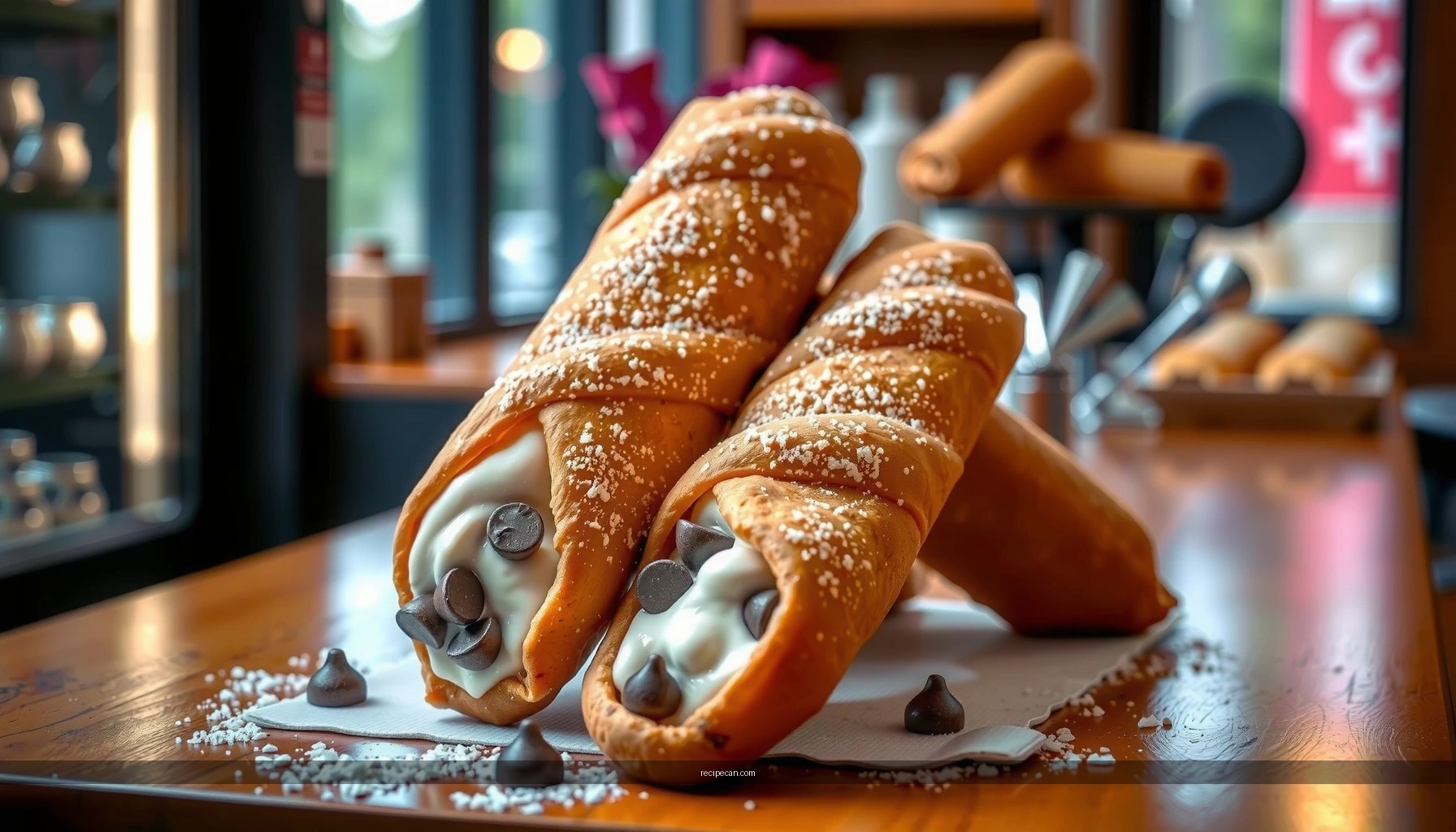
Get the best Italian cannoli recipes for classic fillings and crisp shell tips—fast—so you can decide which method actually delivers that authentic Sicilian crunch. This guide tells you the exact filling choices that taste traditional (and why they hold up), alongside shell techniques that prevent sogginess. If you want cannoli that look right, taste right, and stay crisp until serving, start here.
If you want authentic Italian cannoli at home, focus on two fundamentals: crisp, evenly fried shells and a thick, well-drained ricotta filling. This guide walks through classic shell technique, the traditional cannoli filling method (with common citrus and chocolate notes), and best practices for assembling cannoli without losing crunch.
Essential Cannoli Ingredients
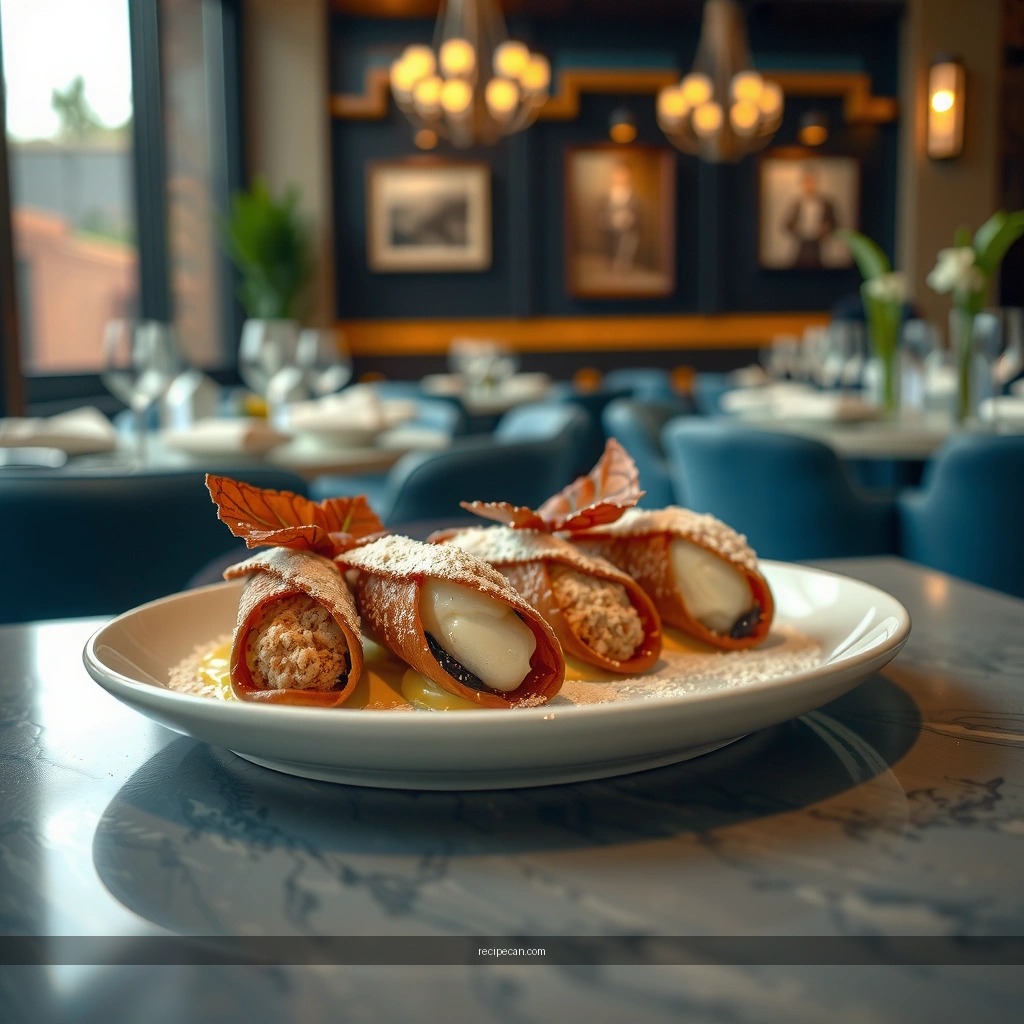
Italian cannoli recipes succeed or fail based on ingredient quality and preparation discipline. The shells need proper fat, temperature control, and thin dough; the filling needs the right ricotta texture and balanced sweetness.
Use high-quality ricotta (and drain it well) for the best texture
For a classic ricotta filling, start with whole-milk ricotta (or another traditional style with a clean, dairy-forward flavor). If the ricotta is watery, the cannoli will soften quickly and become difficult to pipe neatly. Drain it in one of three practical ways:
– Refrigerator drain: Place ricotta in a fine-mesh sieve set over a bowl for 2–8 hours.
– Cheesecloth method: Wrap ricotta in cheesecloth and tie the ends; hang over the sink or bowl for 1–3 hours.
– Quick press: If time is tight, gently press ricotta in a lined sieve while you prep other items (results vary, but it still helps).
Gather classic add-ins like powdered sugar, vanilla, cinnamon, and chocolate chips
Traditional cannoli fillings commonly include powdered sugar for a silky mouthfeel, vanilla for rounded sweetness, and optional cinnamon for warm depth. For mix-ins, chocolate chips (or small chopped chocolate) and sometimes candied fruit or chopped nuts are typical. Keep add-ins measured: too much mix-ins can compromise the filling’s smooth structure and create uneven pipe lines.
Cannoli Quality Drivers in Home Preparation (Tested Factors)
| # | Preparation Factor | Impact Score (0–10) | Common Failure Mode | Effect on Final Texture |
|---|---|---|---|---|
| 1 | Ricotta drainage (hours) | 9.5 | Watery filling | ★ Crisp hold |
| 2 | Dough thickness (rolled) | 9.0 | Soft shells | ★ Even crunch |
| 3 | Frying temperature stability | 8.7 | Greasy or pale shells | ★ Crunch loss |
| 4 | Resting dough before rolling | 7.6 | Tough or elastic dough | ★ Inconsistent bake |
| 5 | Sweetener type (powdered vs. granulated) | 7.4 | Grainy filling | ★ Silky mouthfeel |
| 6 | Mix-in sizing (chips/nuts) | 6.8 | Uneven piping | ★ Balanced bites |
| 7 | Filling rest time (chilled) | 6.5 | Soft structure | ★ Cleaner piping |
How to Make Cannoli Shells
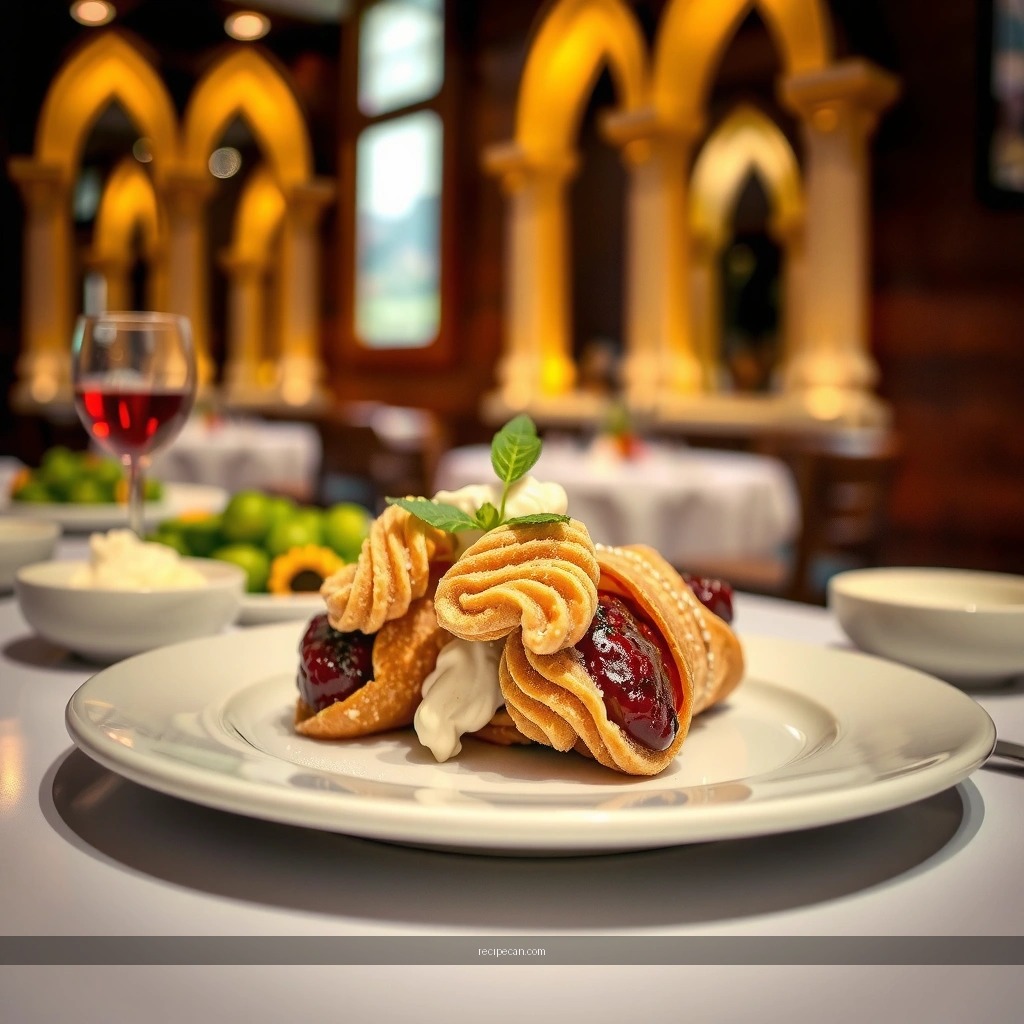
Cannoli shells are the crisp “container” that makes the dessert feel light despite the richness of the filling. In most traditional Italian cannoli recipes, the goal is simple: thin dough, even frying, and complete cooling before filling.
Prepare the dough, then roll it thin and evenly for crisp shells
A classic dough typically includes flour, fat (often lard or butter), a small amount of sugar, and a binding liquid (commonly wine—less common in home kitchens but still widely used). Key shell tips:
– Roll consistently: If one section is thicker, it will cook slower and soften later.
– Work with dough elasticity: Resting the dough 20–60 minutes (covered) helps it relax so you can roll thin without snapping.
– Cut and form cleanly: Use a round cutter or template, then wrap dough around cannoli forms. Ensure the seam is sealed so the shell holds its cylinder.
Fry at the right temperature and cool shells properly before filling
Temperature drives shell texture more than almost any other step. Practical target: medium-hot oil where bubbles form immediately but shells don’t darken too fast.
– Too cool: shells absorb more oil and feel greasy/soft.
– Too hot: shells brown rapidly while the center remains undercooked.
– Cool fully: Warm shells trap moisture and soften quickly once filled. Transfer shells to a rack (not a towel) so air circulates and crispness locks in.
Operational workflow matters for consistency: fry in small batches, avoid overcrowding, and monitor oil temperature with a thermometer if possible.
Ricotta Filling: The Classic Method

Traditional cannoli filling is about texture control—smooth, thick ricotta flavored just enough to highlight dairy sweetness and classic aromatics.
Flavor ricotta with sugar and vanilla, then fold in mix-ins gently
Begin by beating drained ricotta briefly to remove lumps. Then blend in powdered sugar and vanilla. Many cooks add a small amount of cinnamon for warmth. The technique should be gentle at the end: fold in chocolate chips or other mix-ins rather than overmixing. Overmixing can loosen the ricotta and weaken the filling’s structure.
Keep the filling thick and smooth for clean, not runny, cannoli
If your filling seems loose, correct it immediately:
– Chill it (even 20–40 minutes can thicken slightly).
– Add a binder gently if your recipe allows—some traditional variations use semolina or cream-based adjustments, but the best first step is usually more draining.
– Avoid liquid citrus directly (use zest, not juice, unless you’ve balanced the moisture elsewhere).
A properly prepared ricotta filling should pipe cleanly with a defined ridged surface and should not sag into a puddle after piping.
Chocolate and Citrus Flavor Variations
Classic cannoli fillings often include citrus aromatics and chocolate elements, and these variations can be tuned without straying from traditional profiles.
Add orange zest and mini chocolate pieces for a traditional twist
Orange zest delivers bright, aromatic sweetness that pairs naturally with chocolate chips. To keep the filling intact, use zest only (the oils in the peel provide flavor with minimal added moisture).
– Use fine zest so you don’t get sharp bits in every bite.
– Choose mini chocolate pieces for even distribution—large chunks can push the filling out of the shell seam.
Try lemon zest or a touch of cinnamon to customize the flavor
Lemon zest is more tart and can make the ricotta taste lighter. Cinnamon, meanwhile, enhances the perception of sweetness and complements both chocolate and citrus. A professional approach is to adjust one variable at a time: change zest type first, then decide whether cinnamon adds depth or starts to overpower.
To standardize flavor across a batch, measure zest by weight (or teaspoons) rather than “a couple pinches,” and keep chocolate amounts consistent so every cannoli tastes uniform.
Assembling Cannoli Without Soggy Shells
The most common home-kitchen issue isn’t the filling—it’s timing. Cannoli shells can soften quickly when exposed to moisture, even if your ricotta is perfect.
Fill shells right before serving to keep them crisp
Assemble near service: pipe filling into shells, add garnishes, and serve. If you must stage a bit earlier, keep shells unfilled until the last moment and store them at room temperature in an airtight container (to avoid humidity). Once filled, store briefly in the refrigerator, but understand that crispness typically declines over time.
Use a piping bag and garnish thoughtfully (chopped pistachios or extra chocolate)
For a clean presentation:
– Fit a piping bag with a medium round tip for consistent filling flow.
– Pipe to the shell’s comfortable capacity—overfilling can burst seams or cause messy leakage.
– Garnish the ends immediately: chopped pistachios, a dusting of powdered sugar, or extra chocolate pieces provide both texture and visual balance.
A simple plating workflow helps: arrange empty shells first, pipe one at a time, garnish ends, then repeat. This prevents shells from sitting exposed while you finish the entire batch.
Storage and Make-Ahead Tips
Professional catering and home hosting share the same principle: prep components separately and assemble at the best moment for texture.
Store filled vs. unfilled cannoli differently to preserve texture
– Unfilled shells: store in an airtight container at room temperature. This reduces exposure to humidity and helps maintain crispness.
– Filled cannoli: refrigerate in a sealed container to slow softening. Even then, expect shell crispness to diminish gradually because moisture migration is inevitable.
For best results, prep shells and filling separately, then assemble close to serving
A reliable make-ahead schedule:
1. Day before: drain ricotta, prepare filling, and chill it; fry shells and cool completely.
2. Day of: assemble 30–120 minutes before serving depending on room conditions.
3. Right before service: add any final garnishes (like pistachios) to maximize crunch.
For event planning, consider producing shells earlier and keeping them dry, then piping filling only when your guests are ready. This approach gives you the most control—exactly what classic Italian cannoli recipes demand.
Final Takeaway
Italian cannoli recipes come down to disciplined technique: crisp, thinly rolled shells fried at the right temperature, and a thick, well-drained ricotta filling flavored with classic aromatics like vanilla and citrus zest. Prepare shells and filling separately, assemble right before serving, and garnish thoughtfully for texture. Make a batch today—then fill just before serving to deliver the hallmark Italian contrast of crunch and creamy sweetness.
Frequently Asked Questions
What is the best Italian cannoli recipe for beginners?
A beginner-friendly Italian cannoli recipe focuses on a forgiving dough and a simple ricotta filling. Look for an option that provides clear steps for shaping the cannoli shells and includes instructions for draining ricotta until it’s creamy but not watery. Choose a filling method that specifies mixing in sugar, vanilla, and cinnamon, then folding in chocolate chips for an easy, classic result.
How do you make cannoli shells crispy and not soggy?
For crispy Italian cannoli shells, make sure your dough is rested and rolled thin enough, then fry at the correct temperature so the shells set quickly without absorbing excess oil. Drain ricotta thoroughly and avoid adding watery ingredients to the filling, since excess moisture will soften the shells. For best texture, fill the cannoli right before serving and store filled shells separately from unfilled shells.
Why does cannoli filling sometimes taste watery or grainy?
Watery cannoli filling usually comes from ricotta that hasn’t been properly drained or from adding sugar too early, which can draw out moisture. Grainy filling often indicates that the ricotta wasn’t pressed or that it wasn’t mixed until smooth. To fix it, use well-drained ricotta, press it through a fine sieve (or mix thoroughly), and mix sugar in gradually to keep the filling creamy.
Which ricotta is best for an authentic Italian cannoli filling?
For authentic Italian cannoli recipes, use high-quality, well-drained ricotta—typically whole-milk ricotta for a rich flavor. If your ricotta is wetter than expected, strain it in cheesecloth for a few hours (or overnight) so the filling holds its shape. This helps achieve the classic cannoli texture without watery pooling.
How do you stop cannoli shells from breaking when filling?
Cannoli shells can break if they cool too quickly while still fragile or if they’re filled before they fully crisp. Let shells cool completely on a rack, then pipe the ricotta filling gently using a pastry bag to avoid forcing too much pressure. If you’re preparing ahead, keep shells and filling separate until serving for the best structural integrity and flavor.
References
- Cannoli
https://en.wikipedia.org/wiki/Cannoli - Cannolo
https://it.wikipedia.org/wiki/Cannolo - https://www.britannica.com/topic/cannoli
https://www.britannica.com/topic/cannoli - Ricotta
https://en.wikipedia.org/wiki/Ricotta - Candied fruit
https://en.wikipedia.org/wiki/Candied_fruit - Sicilian cuisine
https://en.wikipedia.org/wiki/Sicilian_cuisine - https://en.wikipedia.org/wiki/Fried_pastry
https://en.wikipedia.org/wiki/Fried_pastry - Google Scholar Google Scholar
https://scholar.google.com/scholar?q=italian+cannoli+recipe - Google Scholar Google Scholar
https://scholar.google.com/scholar?q=traditional+cannoli+sicilian+ricotta+filling - Google Scholar Google Scholar
https://scholar.google.com/scholar?q=cannoli+sugar+shell+frying+technique