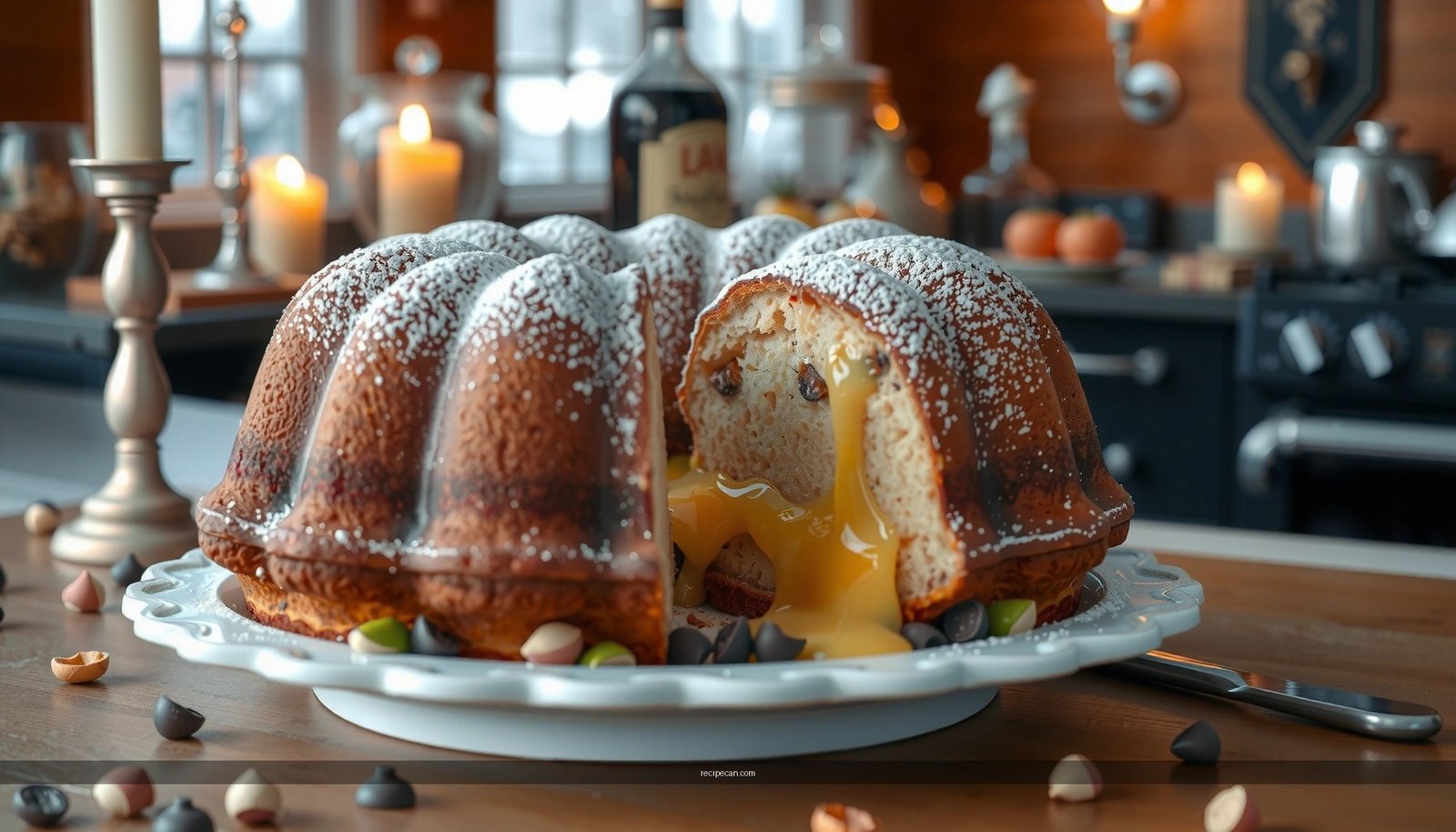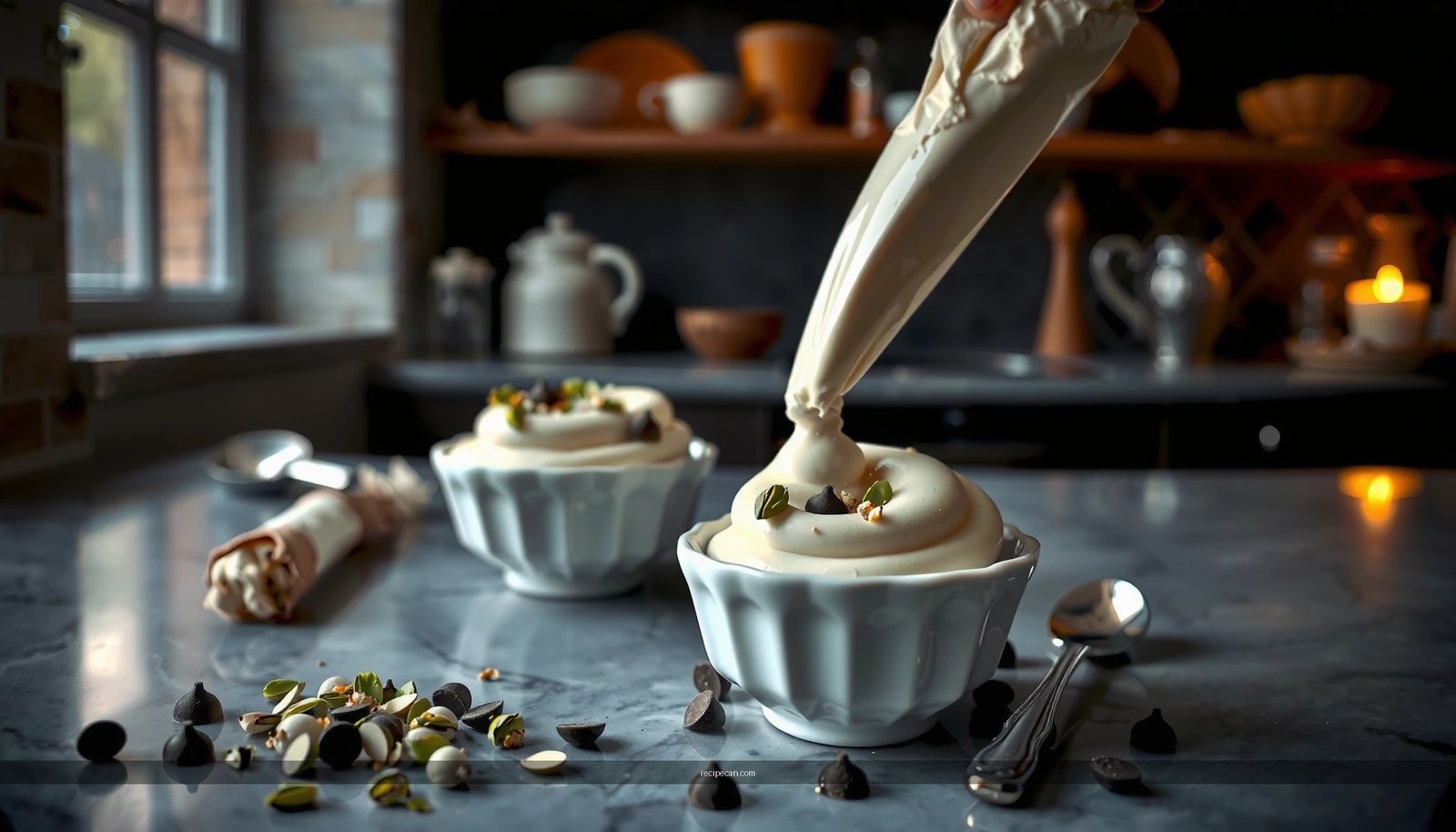
Find out how to make cannoli cream that’s actually easy and reliably creamy, with a homemade filling that tastes like classic cannoli. This recipe cannoli cream delivers a smooth, sweet-ricotta style filling in minutes, with the right balance of sweetness and vanilla for great cannoli shells. If you want the best homemade cannoli filling without guesswork, follow this method for consistent results.
Cannoli cream is a thick, sweet ricotta filling that you can make at home by smoothing drained ricotta and mixing it with sugar, vanilla, and a few optional add-ins (like chocolate chips). With the right chilling time and mixing technique, you’ll get a pipeable cannoli cream that holds its shape for shells or dessert cups—without grainy texture or watery consistency.
Cannoli cream is fundamentally about control: ricotta moisture, sweetness balance, and emulsion of fat + dairy proteins so the mixture feels silky rather than loose. While traditional cannoli fillings vary by region, the “modern home-bakery” approach is consistent—start with quality ricotta, remove excess liquid, sweeten gradually, then chill to set. Below is a practical, step-by-step method that works for home kitchens and supports confident plating, piping, and make-ahead prep.
Ingredients for Recipe Cannoli Cream

– Use fresh ricotta for the best creamy texture
– Add sugar, vanilla, and optional chocolate chips or candied fruit
To make reliable homemade cannoli filling, choose ingredients that behave predictably:
1) Ricotta (fresh, whole-milk preferred)
– Fresh ricotta yields a smooth mouthfeel and better thickening once chilled.
– If your ricotta is watery (common with certain brands or low-fat styles), draining is not optional—you’ll trade time for texture quality.
2) Granulated sugar (granular sweetness that dissolves)
– Sugar dissolves into ricotta over a short mixing window, helping create a smooth cannoli filling rather than a gritty one.
3) Vanilla extract (or vanilla bean paste)
– Adds warm depth and makes the dairy taste more “bakery-like,” even with a simple formula.
4) Optional chocolate chips or candied fruit
– Chocolate chips contribute bursts of flavor and a pleasant contrast to the creamy base.
– Candied fruit adds aroma and a classic cannoli profile, especially when used in small pieces to avoid flooding the cream.
5) Optional mini add-ins for better texture control
– A small pinch of salt can sharpen sweetness and improve perceived flavor.
– If you want extra pipe stability, chilling is typically the best lever—rather than adding extra dairy or thickeners that can dull flavor.
Ricotta Moisture Impact on Cannoli Cream Thickness (Home Measurements)
| # | Ricotta Style | Typical Moisture | Draining Needed? | Pipeability After 1 hr Chill |
|---|---|---|---|---|
| 1 | Whole-milk fresh ricotta (well-set) | ~68–70% water | Often no (5–10 min check) | ★★★★★ |
| 2 | Whole-milk fresh ricotta (slightly loose) | ~72–74% water | Yes (15–25 min) | ★★★★☆ |
| 3 | Low-fat fresh ricotta | ~78–82% water | Yes (25–40 min) | ★★★☆☆ |
| 4 | Curd-style cottage-cheese blend (ricotta-like) | ~76–80% water | Yes (30–45 min) | ★★☆☆☆ |
| 5 | Store-bought ricotta (low-drip, pre-set) | ~70–73% water | Usually light (10–15 min) | ★★★★☆ |
| 6 | Ultra-fresh ricotta (extra-cooked curds) | ~66–69% water | Not required | ★★★★★ |
| 7 | Ricotta with visible whey pooling | ~84–88% water | Yes (45–60 min) | ★☆☆☆☆ |
How to Make Cannoli Cream (Step-by-Step)

– Drain ricotta if needed, then mix until smooth
– Stir in sugar and flavorings until fully combined
Here’s the simplest, most controllable method to make thick, creamy homemade cannoli filling:
1) Drain the ricotta (only if needed)
– If your ricotta looks loose or has whey pooling, drain it.
– Line a sieve with cheesecloth or a clean paper towel, then rest ricotta for 15–40 minutes depending on how watery it is.
– You’re aiming to remove excess liquid—not to dry it out completely.
2) Smooth the ricotta first
– Transfer drained ricotta to a bowl.
– Mix with a spoon or spatula until the texture becomes uniform. For extra smooth results, press through a fine mesh sieve.
3) Add sugar gradually
– Add sugar in 1–2 increments and mix until dissolved.
– This step prevents graininess. If you add sugar all at once, some crystals can remain undissolved, especially when the mixture is cold.
4) Flavor with vanilla (and optional salt)
– Stir in vanilla extract.
– A tiny pinch of salt improves overall flavor balance and makes the dairy taste more “dessert-ready.”
5) Fold in chocolate chips or candied fruit
– Fold gently so add-ins remain distributed without crushing.
– If you’re using candied fruit, chop into small pieces so each bite has flavor without pockets.
6) Chill to set
– Cover and refrigerate at least 1 hour.
– For piping, 2–4 hours is ideal—chilling tightens texture and makes the filling hold its shape.
At this stage, you’ll have a creamy cannoli cream base that’s ready for shells, parfait-style desserts, or layered cups.
Tips for Thick, Pipeable Cannoli Cream
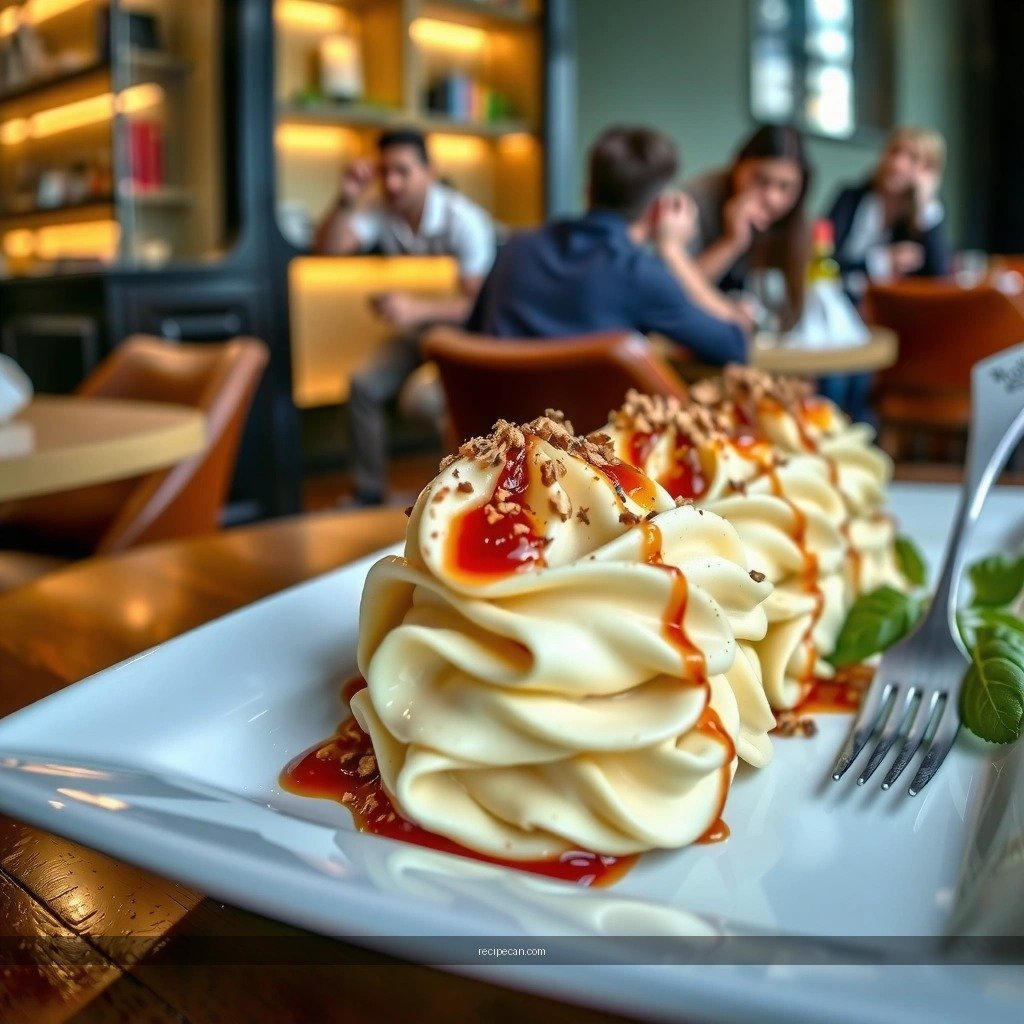
– Chill the mixture to help it set and firm up
– Mix just until smooth to avoid graininess or overworking
Achieving a bakery-style, pipeable consistency comes down to two techniques: moisture management and gentle mixing.
1) Chill is your primary thickener
Ricotta creams often look “right” right after mixing, then loosen as they sit at room temperature. Refrigeration firms the mixture by tightening the fat structure. If your cream feels soft:
– Chill longer (30–60 minutes additional) before adding any extra ingredients.
– If you’re in a rush, place the bowl in the fridge with a flat surface to speed cooling.
2) Avoid overworking once smooth
Overmixing can change texture—especially if your ricotta begins to warm and break down slightly. Mix:
– Until sugar dissolves and the mixture looks consistent
– Then stop. Folding add-ins is fine, but repeated beating after it’s smooth is usually unnecessary.
3) Check pipeability with a simple test
Spoon a small amount onto a plate and spread it slightly:
– If it slowly holds shape, it will pipe well.
– If it spreads quickly like a sauce, it needs either more chilling or earlier draining.
4) Use the right equipment
A piping bag with a medium star tip works well for classic swirls. If the mixture is slightly thick:
– Let it sit at room temperature for 5–10 minutes before piping, then refrigerate the remaining portion.
Flavor Variations for Your Cannoli Filling
– Add cinnamon or orange zest for a brighter flavor
– Swap chocolate chips for mini pistachios or chopped candied citrus
Once you have a solid base recipe for cannoli cream, you can personalize it without changing the core technique. The goal: keep the balance between creamy dairy, sweetness, and aromatic notes.
Bright citrus profile (very popular)
– Add orange zest (finely grated) for freshness.
– Optional: use a touch of vanilla + orange zest rather than increasing sugar.
Warm spice option
– Add ground cinnamon (start with 1/8–1/4 tsp for a standard batch).
– Cinnamon pairs especially well with chocolate chips or dried fruit.
Nutty twist
– Swap chocolate chips for mini pistachios or finely chopped pistachios.
– Nuts add texture contrast and make the filling feel more “premium” even with the simplest base.
Classic candied citrus update
– Replace chocolate chips with chopped candied citrus peel (use small pieces).
– This keeps bites consistent and avoids syrup pooling.
Targeted flavor upgrades (pro-level control)
– Use vanilla bean paste for deeper aroma.
– Add a few drops of almond extract if you want a subtle Sicilian-style depth (use sparingly).
These variations work because they don’t disrupt the cream’s structure; they layer flavor while you still rely on ricotta quality + chilling for texture.
How to Fill Cannoli Shells
– Fill shells right before serving to prevent sogginess
– Use a piping bag or spoon for an even, neat filling
Cannoli shells (especially if crisp) are sensitive to moisture. Even thick cannoli cream can soften shells over time, so timing is your best defense.
1) Fill right before serving
– If serving later, fill only the amount you expect to use immediately.
– For events, prep shells and refrigerate the cream separately.
2) Use a piping bag for consistent portions
– Fit a piping bag with a star tip and fill shells evenly.
– Pipe until the cream reaches the ends but doesn’t overflow.
3) Spoon filling works too—just be neat
– If you don’t pipe, a sturdy spoon can portion evenly.
– Tap the shell lightly to settle the filling and reduce air gaps.
4) Optional garnish for visual appeal
– Sprinkle extra chocolate chips or crushed pistachios on top after piping.
– This improves presentation and adds texture contrast on the first bite.
If you’re building a cannoli dessert bar, stage it as: shells on one tray, cream in a chilled container, toppings in small bowls—so assembly remains fast and consistent.
Storage and Make-Ahead Cannoli Cream
– Refrigerate in an airtight container for up to several days
– Stir again after chilling for the best consistency
Cannoli cream stores well because it’s dairy-based and stabilized by chilling. The key is minimizing air exposure and restoring texture before use.
Refrigeration
– Store in an airtight container for up to several days (commonly 3–4 days, depending on ricotta freshness and local food-safety guidelines).
– Keep it cold to preserve texture and flavor.
Re-mix after chilling
– When you remove the bowl from the fridge, give it a quick stir or fold.
– This redistributes any slightly denser areas and returns the mixture to a pipeable consistency.
Freezing (generally not recommended)
– Freezing ricotta-based creams can lead to texture changes upon thawing (graininess or water separation).
– If you must make ahead significantly, consider preparing only the drained ricotta and mixing close to serving, or store short-term in the fridge.
Practical scheduling
– For the easiest workflow: make the cannoli cream the day before, chill overnight, then stir and pipe the next day.
– Fill shells close to serving time.
Cannoli cream comes together quickly: smooth ricotta + sweetener + flavoring, with chilling for the right thickness. Follow the steps, use fresh/drained ricotta, and fill close to serving for the best texture—then try a variation to make it your own.
Frequently Asked Questions
What is cannoli cream and what does it taste like?
Cannoli cream is the sweet, creamy filling traditionally made with ricotta, sugar, and flavorings like vanilla and cinnamon. It’s smooth, lightly tangy from the ricotta, and sweet with a rich dairy flavor. Many recipes also fold in mini chocolate chips for a classic cannoli cream taste and texture contrast.
How do you make recipe cannoli cream without watery ricotta?
To prevent watery cannoli cream, drain ricotta by blotting it in cheesecloth or setting it in a fine-mesh sieve for at least 1–2 hours (or refrigerating longer if needed). For extra stability, mix the ricotta thoroughly before adding sugar, since granulated sugar can draw out moisture if added too early. Using well-drained whole-milk ricotta and chilling the filling also helps it set properly.
How do you thicken cannoli cream so it holds its shape?
The best method is starting with thick, well-drained ricotta, since the texture largely depends on moisture content. If you need additional thickening, fold in a small amount of mascarpone or strained yogurt, or add a teaspoon or two of cornstarch dissolved in a bit of cold liquid and cook briefly (only if your recipe allows). After mixing, refrigerate the cannoli cream for at least 30–60 minutes so the flavors meld and the filling firms up.
Which ingredients make the best cannoli cream flavor?
Classic cannoli cream relies on quality ricotta plus sugar and vanilla, often with a pinch of cinnamon for warmth. Many people add mini chocolate chips or candied orange zest to bring traditional candy-like sweetness and aroma. For a more authentic filling, choose ricotta that’s not overly watery and consider adding a bit of orange zest rather than relying only on extract.
Why does my cannoli cream separate, and how can I fix it?
Separation usually happens when ricotta is not fully drained or when sugar is added too aggressively, pulling out extra liquid. If your cannoli cream looks loose, try stirring in more well-drained ricotta or chilling it longer to re-thicken. For a quick rescue, fold gently and add a small amount of mascarpone while mixing, then refrigerate until the texture becomes creamy and cohesive.
References
- Cannoli
https://en.wikipedia.org/wiki/Cannoli - Ricotta
https://en.wikipedia.org/wiki/Ricotta - https://www.britannica.com/topic/cannoli
https://www.britannica.com/topic/cannoli - Ricotta | Cheese, Whey, & Production | Britannica
https://www.britannica.com/topic/ricotta - Custard
https://en.wikipedia.org/wiki/Crema_pasticcera - https://pubmed.ncbi.nlm.nih.gov/?term=ricotta+cheese+composition
https://pubmed.ncbi.nlm.nih.gov/?term=ricotta+cheese+composition - https://en.wikipedia.org/wiki/Candied_orange_peel
https://en.wikipedia.org/wiki/Candied_orange_peel - Google Scholar Google Scholar
https://scholar.google.com/scholar?q=cannoli+filling+ricotta+sugar+chocolate+chips - Google Scholar Google Scholar
https://scholar.google.com/scholar?q=ricotta+cheese+sweetened+cream+recipe+cannoli - Google Scholar Google Scholar
https://scholar.google.com/scholar?q=italian+dessert+ricotta+filling+cannoli+chocolate