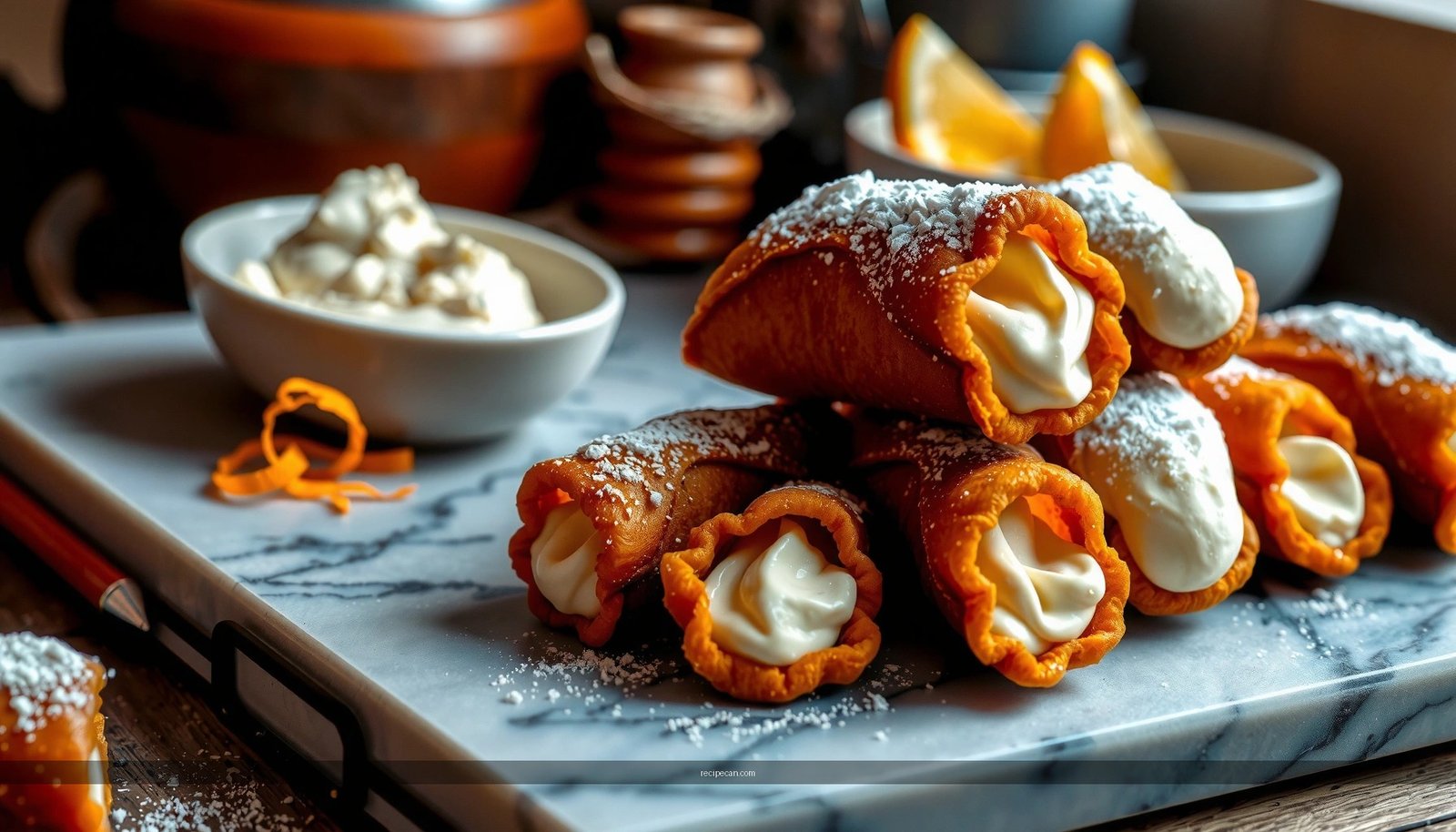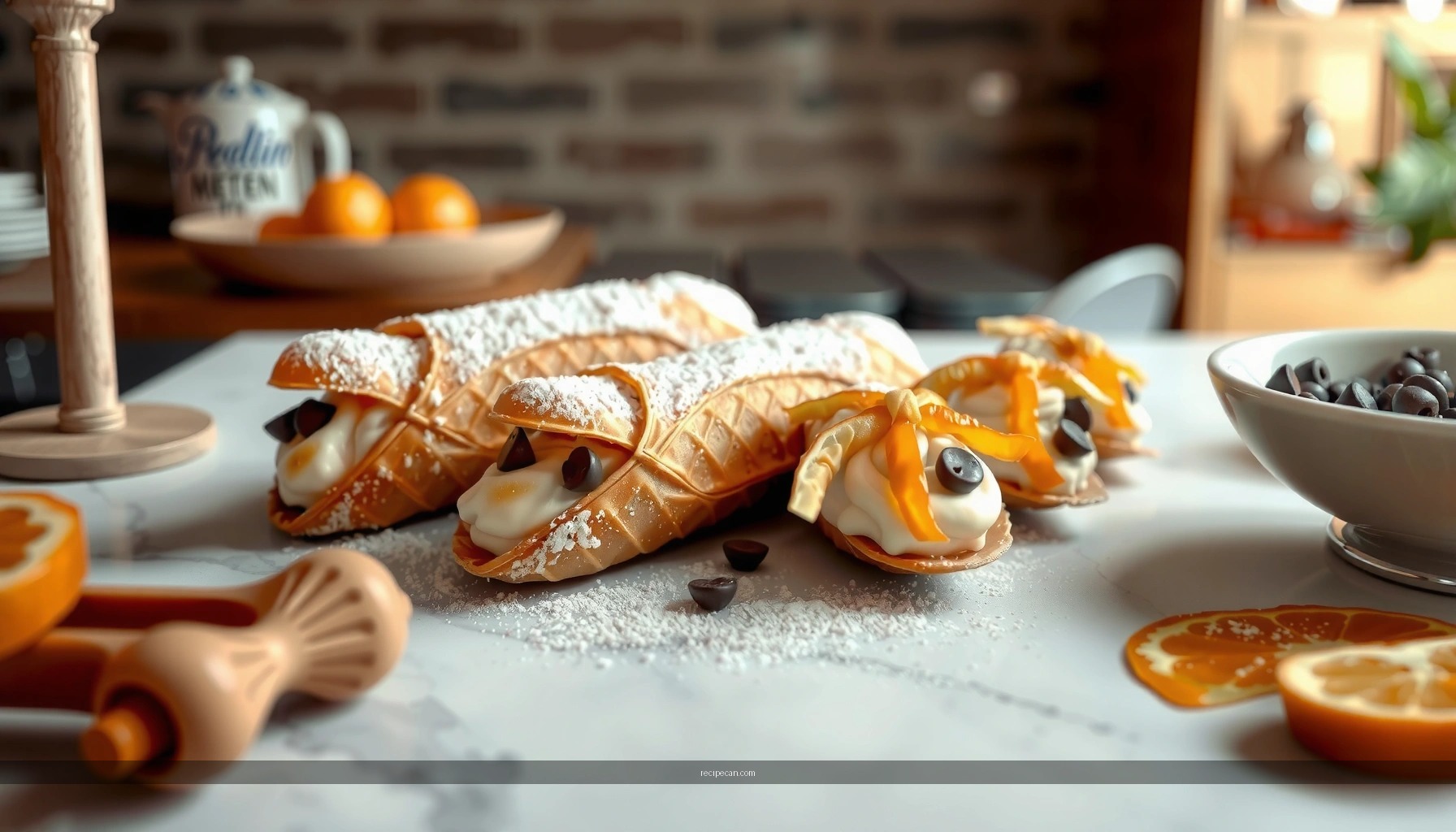
This cannoli recipe easy delivers crisp, fried shells and a creamy, classic homemade filling with clear steps you can follow the first time. If you want a straightforward route to traditional cannoli without guesswork, this method tells you exactly what to do—from making the dough to filling and finishing. Expect classic results when you commit to the timing, temperatures, and rest periods that make cannoli worth the effort.
This easy cannoli recipe walks you through making a smooth ricotta filling, filling crisp cannoli shells at the last minute, and avoiding the common texture pitfalls that make homemade cannoli fall flat. With a few practical techniques—like draining ricotta thoroughly and piping clean portions—you’ll get classic flavor and a fresh crunch-to-cream balance in every bite.
Skip the stress—this easy cannoli recipe shows you how to fill crisp shells with a sweet ricotta mixture in simple steps. You’ll learn the key ingredients, quick prep tips, and how to get the best flavor and texture.
What You Need for an Easy Cannoli Recipe

Cannoli is deceptively simple: the “magic” comes from two things—(1) the right filling consistency and (2) keeping shells crisp. Start by assembling everything so you can work efficiently and fill only when you’re ready to serve.
Core ingredients for classic flavor
– Ricotta: Use high-quality whole-milk ricotta for the best texture. If it’s watery, you’ll need extra draining (more on that below).
– Powdered sugar: Dissolves smoothly into the ricotta, giving a classic creamy sweetness.
– Chocolate chips: For texture and a familiar cannoli finish.
– Optional mini chips: If you prefer a more even chocolate distribution, use mini chocolate chips.
Shells
– Cannoli shells: Use homemade or store-bought shells. Store-bought is often the fastest route for an “easy cannoli recipe,” and it still tastes great when paired with a properly thick filling.
Optional brightness
– Mini chips/optional citrus zest: A small amount of orange zest (or lemon zest) can lift the ricotta’s richness without turning the filling into a “flavored dessert” instead of classic cannoli.
What to prepare before you begin
– A fine-mesh sieve or cheesecloth (for draining ricotta)
– Mixing bowl and spatula
– Piping bag (recommended for clean, even filling)
– Shells on a plate or tray ready for immediate filling
To keep your process smooth, plan your workflow: make and season the filling first, then fill shells when you’re within minutes of serving.
Ricotta Thickness Targets for Crisp Cannoli (Practical Benchmarks)
| # | Step / Check | Goal Outcome | Why It Matters | Result Signal |
|---|---|---|---|---|
| 1 | Drain ricotta before mixing | 15–30 minutes | Prevents watery filling | Filling holds shape |
| 2 | Consistency after mixing | Thick, spoon-standing | Avoids shell sogginess | Slow ribboning |
| 3 | Piping test | No immediate slump | Clean presentation | Stays ridged |
| 4 | Time from filling to service | 0–15 minutes ideal | Maintains crisp shells | Crunch preserved |
| 5 | If ricotta seems loose | Drain + mix again | Restores pipeability | Runny filling |
| 6 | Over-filling shells | Fill 2/3 full | Reduces shell breakage | Filling oozes out |
| 7 | Shell storage pre-fill | Keep dry, airtight | Prevents premature softening | Crisp on touch |
Make the Ricotta Filling (Fast and Smooth)
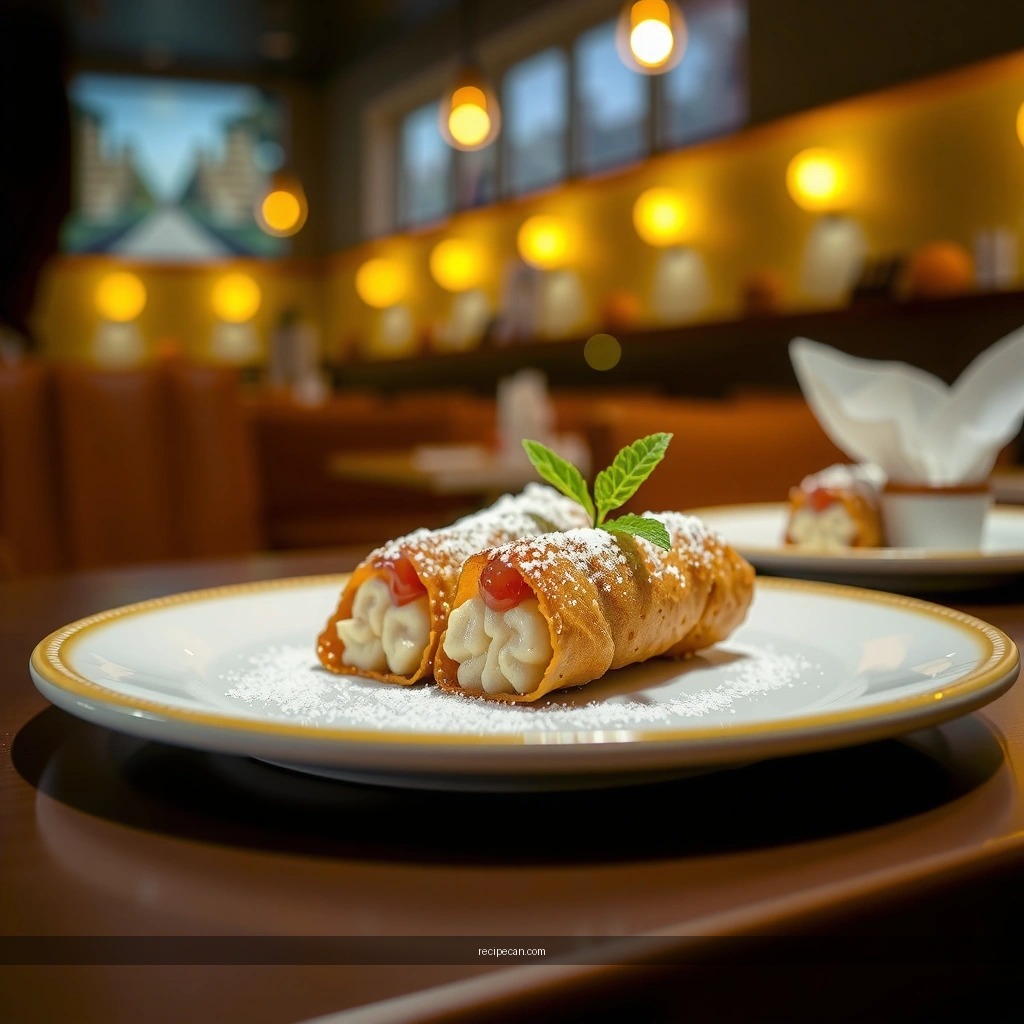
A classic cannoli filling is not just sweetened ricotta—it’s thick, smooth, and stable enough to pipe without turning runny. The fastest way to get there is to control moisture first.
1) Drain ricotta well for a thick, non-watery texture
Even good ricotta can contain extra liquid. Drain it before mixing:
– Place ricotta in a fine-mesh sieve over a bowl for 15–30 minutes.
– If you’re in a hurry, gently press with a spoon against the sieve—don’t crush it into a paste, just remove excess moisture.
– If your ricotta is very wet, line the sieve with cheesecloth.
Analytical note: The limiting factor in cannoli texture is water migration. If the filling is wet, it will soften shells quickly because moisture moves from filling into the porous shell.
2) Mix until smooth, then fold in chocolate chips
Once drained:
– Mix ricotta with powdered sugar until creamy and evenly sweet.
– Add vanilla if desired (a small splash or a few drops goes a long way).
– Fold in chocolate chips last, so they stay distinct rather than streaked.
Texture strategy: Mix until smooth, but don’t overwork—overmixing can make the filling looser or slightly grainy depending on ricotta type.
Optional: citrus zest for brightness
– Add orange zest for a classic Sicilian-inspired lift.
– Zest should be minimal (about a teaspoon per batch) so it complements rather than competes with vanilla and chocolate.
Fill Cannoli Shells the Right Way

This is where many “easy cannoli” attempts go wrong: filling too early or using a messy method that over-stuffs shells. A disciplined approach yields bakery-quality results.
1) Fill only when ready to serve to keep shells crisp
Shells absorb moisture and soften. Your best practice:
– Keep shells in an airtight container (dry and away from steam).
– Fill cannoli right before serving—ideally within the next 0–15 minutes.
If you’re planning for a party, consider setting up a “fill station” at the event:
– shells on one tray
– filling in a piping bag (or bowls for quick spoon filling)
– serving plates ready to go
2) Use a piping bag for clean, even portions
A piping bag improves both presentation and structural integrity:
– Use a wide tip if available; it reduces resistance and keeps filling from tearing shells.
– Fill shells to about 2/3—enough for generosity, not so much that it stresses the shell or squeezes out.
Pro tip: Wipe the rim of the shell if any filling smears. Clean edges make cannoli look professional and reduce sticky transfer.
Best Filling Workflow for Crisp-Then-Cream Results
| Step | Action | Time | Primary Goal |
|---|---|---|---|
| 1 | Drain ricotta | 15–30 min | Thicken filling |
| 2 | Mix sugar + ricotta until smooth | 3–5 min | Creamy texture |
| 3 | Fold in chocolate chips + zest/vanilla | 1–2 min | Flavor + texture |
| 4 | Pipe filling into shells | 5–10 min | Serve-ready assembly |
| 5 | Serve immediately | 0–15 min | Max crunch |
Quick Tips for Crispy Shells and Great Texture
Crisp cannoli is mostly logistics. The filling may be perfect, but shells can still soften quickly if you handle them incorrectly.
Keep shells dry and avoid over-filling
– Keep shells dry: Store them in an airtight container and avoid any prep area with steam or heat exposure.
– Avoid over-filling: Too much filling increases contact area and pressure, causing shells to break and soften faster.
If prepping ahead, store unfilled shells separately from filling
For the most reliable results:
– Make filling ahead and refrigerate it.
– Fill shells at the end.
– Keep shells wrapped or covered, but not in a way that traps moisture.
Business-like workflow for hosting: Prepare ingredients and equipment in batches, then “assemble to order.” It reduces waste, improves consistency, and delivers a better guest experience.
Flavor/texture troubleshooting (quick fixes)
– Watery filling? Drain ricotta longer and remix. If needed, let the bowl sit 5–10 minutes so residual liquid can settle.
– Grainy filling? Mix a little longer, and consider pushing ricotta through a sieve before sweetening.
– Shells break easily? Fill less and ensure shells aren’t stale or overly brittle—fresh shells hold better.
Optional Variations to Match Your Taste
An easy cannoli recipe should be flexible. Classic is the baseline, but small tweaks can personalize flavor without breaking the format.
Richer filling ideas
– Chopped candied fruit: For a traditional, slightly tangy sweetness. Add finely chopped pieces so they distribute evenly.
– Extra chocolate: Add more chips or combine dark and milk chips for a more layered sweetness.
Flavor swaps that still feel “cannoli”
– Orange zest: Balances sweetness and complements chocolate.
– Pinch of cinnamon: Use sparingly—cannoli should taste like ricotta and chocolate first, with spice as a subtle accent.
Analytical guidance: When adding mix-ins (candied fruit, zest, spices), keep additions small and finely chopped. Large pieces can destabilize the filling texture and create uneven moisture pockets.
Serving and Storage for Easy Cannoli
Cannoli is best as a “serve fresh” dessert. The goal is to balance crunch from shells with creaminess from filling.
Serve immediately for best crunch and creamy filling balance
– Plate and fill right before serving.
– If you’re serving multiple batches, fill them sequentially rather than all at once.
Store filled cannoli briefly (shells soften faster than the filling)
If you must store:
– Refrigeration can help keep filling fresh, but shells will soften.
– Best practice is to refrigerate unfilled shells separately and keep filling chilled until piping.
Practical expectation setting: Even with excellent technique, filled cannoli will lose crispness faster than typical cookies or pastries. Planning around timing is part of producing consistent results.
This easy cannoli recipe is all about smooth ricotta, clean filling, and keeping the shells crisp until serving. Make the filling first, fill right before eating, and try one variation to personalize your cannoli—then share your results or save the recipe for next time.
If you tell me how many cannoli you’re making and whether you’re using homemade or store-bought shells, I can convert the filling amounts into an exact batch size for your occasion.
Frequently Asked Questions
What is the easiest cannoli recipe for beginners?
An easy cannoli recipe typically uses a simple homemade or store-bought cannoli shell approach and a fast ricotta filling. Look for a filling that’s just ricotta, powdered sugar, and vanilla, then finish with mini chocolate chips for that classic taste. If you’re new to dough, choose no-fail steps like thinner, evenly rolled shells and don’t overfill the shells until serving.
How do you make cannoli filling without watery ricotta?
Drain ricotta before mixing—press it in a fine-mesh sieve for at least 30 minutes, or wrap it in cheesecloth and chill briefly. This step is key to avoiding a watery cannoli filling that sogs the shells. Once drained, stir gently with powdered sugar, then fold in chocolate chips to keep the filling light and thick.
Which cannoli shell method is best: homemade or store-bought?
If you want the quickest and easiest cannoli recipe, store-bought shells are the easiest option and help you avoid dough-shaping and frying challenges. Homemade shells taste fresher and can be customized, but they require rolling, frying, and careful timing to prevent cracks. Choose store-bought if you’re short on time, and go homemade if you’re comfortable with frying and want a more authentic texture.
How can I prevent cannoli shells from cracking or getting soggy?
For less cracking, fry shells until they’re deeply golden and let them cool completely before filling. To prevent sogginess, chill the ricotta filling so it’s firm, and pipe/fill the shells right before serving. Avoid overfilling; a small amount keeps the cannoli easy to handle and holds its structure.
Why are my cannoli shells not crispy, and how do I fix it?
Soft shells usually come from under-frying, letting them cool too briefly, or filling them while the shells are still warm. For an easy cannoli recipe, fry until crisp and let shells fully cool on a rack so steam doesn’t soften them. If you’ve already filled them, refrigerate briefly and serve as soon as possible for the best crunch.
References
- Cannoli
https://en.wikipedia.org/wiki/Cannoli - https://www.britannica.com/topic/cannoli
https://www.britannica.com/topic/cannoli - Google Scholar Google Scholar
https://scholar.google.com/scholar?q=cannoli+easy+recipe - Google Scholar Google Scholar
https://scholar.google.com/scholar?q=cannoli+filling+ricotta+mascarpone - Google Scholar Google Scholar
https://scholar.google.com/scholar?q=cannoli+shells+fried+dough+recipe - Ricotta
https://en.wikipedia.org/wiki/Ricotta - https://en.wikipedia.org/wiki/Fried_dough
https://en.wikipedia.org/wiki/Fried_dough - Vanilla
https://en.wikipedia.org/wiki/Vanilla - Sugar
https://en.wikipedia.org/wiki/Sugar - Cinnamon
https://en.wikipedia.org/wiki/Cinnamon