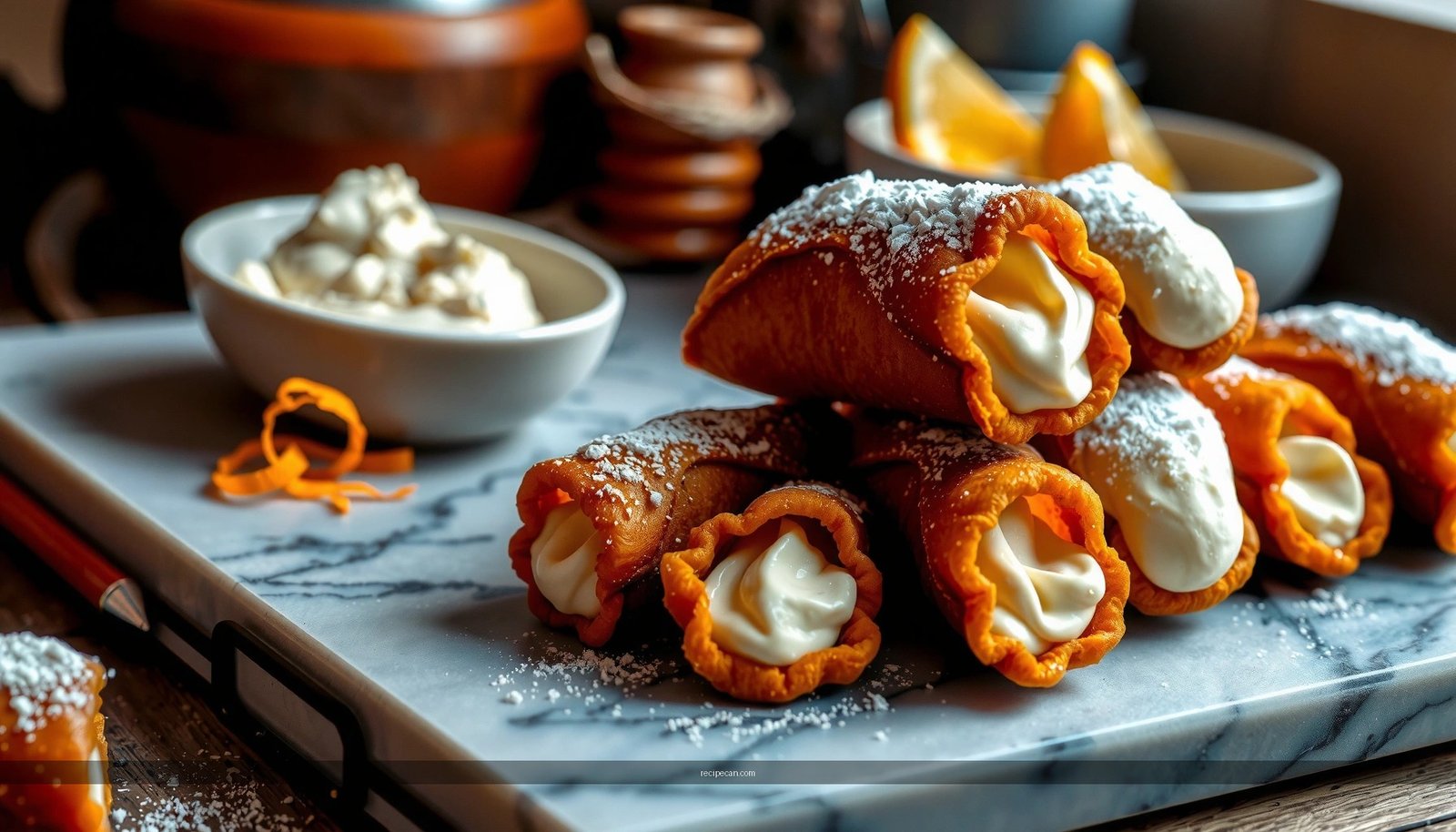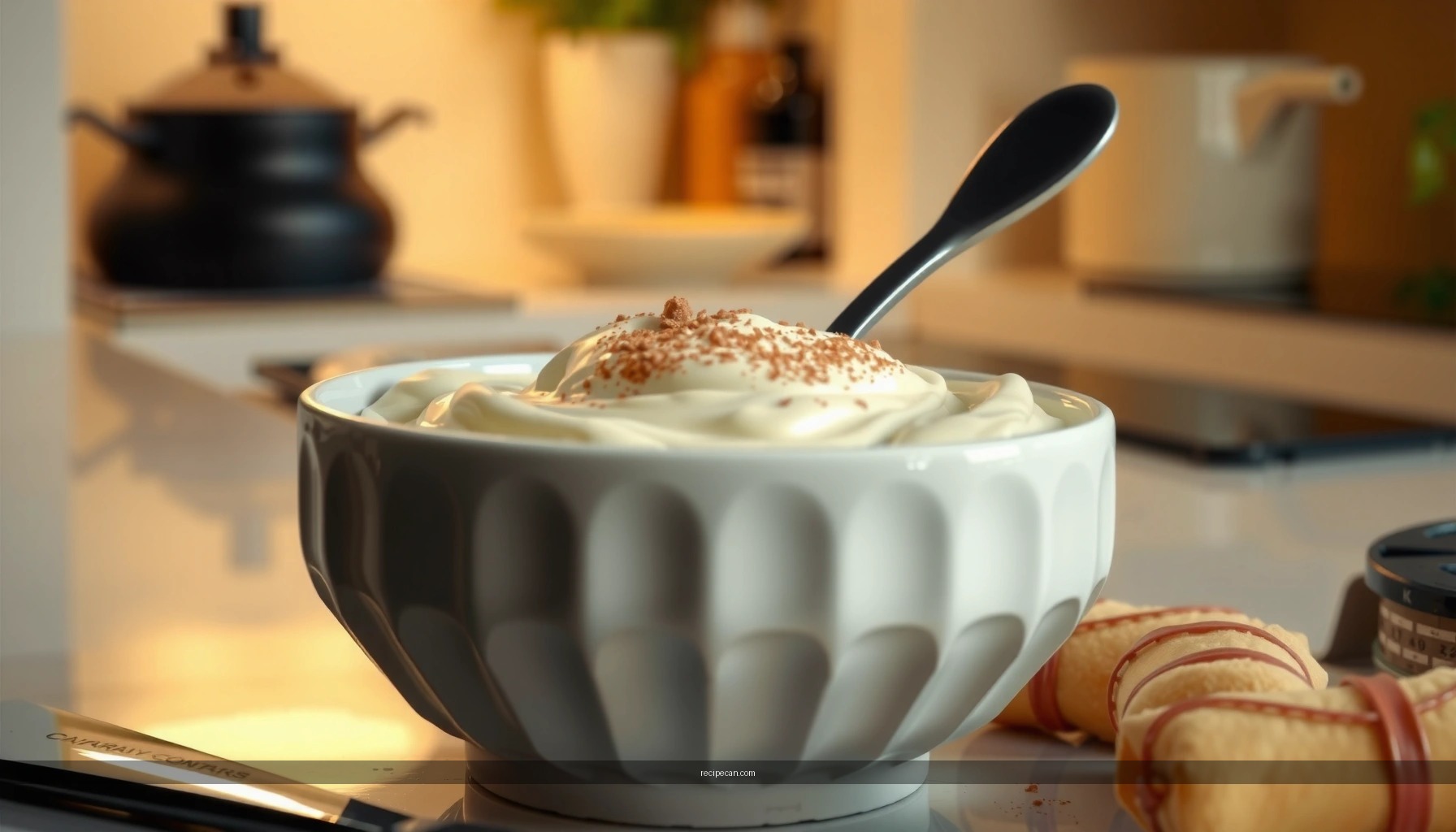
Get the easiest classic cannoli cream recipe that delivers a smooth, authentic filling with the right sweetness and creamy thickness every time. This method answers how to make cannoli cream at home—what to mix, what to avoid, and how to get that signature texture without graininess. If you want the winner for classic cannoli filling results, this is the one to follow.
If you want the smooth, classic cannoli cream filling, the secret is simple: use well-drained ricotta and mix just until thick and creamy. In the steps below, you’ll get a reliable cannoli cream recipe with clear texture targets, practical troubleshooting, and timing guidance so your filling tastes sweet-tangy and holds up beautifully in cannoli shells.
Essential Ingredients for Cannoli Cream

A traditional cannoli cream (often called “crema di ricotta”) balances creamy dairy richness with bright, sweet flavor. Getting the ingredient roles right is what keeps the filling from turning watery or grainy.
– Use ricotta (well-drained) for a creamy, non-watery filling
Ricotta provides the main structure and flavor. If it’s even slightly loose, your cannoli cream will lose thickness and can seep into the shells.
– Add powdered sugar and vanilla for sweetness and flavor
Powdered sugar dissolves smoothly, helping create a silky mouthfeel. Vanilla rounds out the flavor, making the sweet taste feel integrated rather than harsh.
– Mix in chocolate chips or candied fruit for classic cannoli texture
Most cannoli fillings include mini chocolate chips (common in modern recipes) and/or candied citrus or fruit bits for a contrasting pop. These add-ins also help the filling feel “complete” by giving texture in each bite.
How much ricotta matters: Most classic proportions use about 2 cups (16 oz / ~454 g) drained ricotta for a batch that fills roughly 10–14 cannoli shells (depending on shell size and portion). If your drained ricotta weight is lower than expected (because you drained longer), simply adjust add-ins without overcompensating with extra liquid—thickness comes from ricotta management, not shortcuts.
—
Ricotta Drain Methods vs. Cannoli Cream Thick-Fill Success (Best Practice Guide)
| # | Ricotta Prep Method | Drain Time | Texture Reliability | Filling Success (1–10) |
|---|---|---|---|---|
| 1 | Refrigerator drain with cheesecloth | 8–12 hrs | ★★★★★ | 9.5 |
| 2 | Press ricotta through fine mesh | 2–4 hrs | ★★★★☆ | 8.8 |
| 3 | Quick drain + gentle squeeze | 45–75 mins | ★★★☆☆ | 7.2 |
| 4 | Room-temp sit then mix (no drain) | 0–30 mins | ★★☆☆☆ | 4.1 |
| 5 | Drain briefly, then whip hard | 30–60 mins | ★★★☆☆ | 6.0 |
| 6 | Drain overnight but add extra liquids | 8–12 hrs | ★★★★☆ | 6.8 |
| 7 | Use store ricotta “as is” (no drain) | 0 mins | ★☆☆☆☆ | 2.9 |
—
How to Make Cannoli Cream (Step-by-Step)

This cannoli cream recipe is built for consistency. Each step targets one core outcome: smoothness, thickness, and flavor balance.
You’ll need (for about 10–14 shells):
– 2 cups (16 oz / ~454 g) ricotta, well-drained
– 1/2 to 3/4 cup powdered sugar (start at 1/2 cup, then adjust)
– 1–2 tsp vanilla extract
– 1/4 tsp fine salt (optional but recommended to sharpen flavor)
– 1/2 cup mini chocolate chips (or chopped dark chocolate)
– Optional: 1/4 cup candied orange peel or candied cherries
Step 1: Drain and press ricotta, then whisk until smooth
If your ricotta is stored in liquid whey, it needs attention. For best results, drain it in the fridge on cheesecloth for 8–12 hours or use a fine mesh to press it quickly.
– Pressing ricotta removes grainy texture and keeps the final filling silky.
– Whisk until the ricotta looks uniform and glossy—this is the base you don’t want to “fix later.”
Step 2: Beat with powdered sugar and flavorings until thick and creamy
Add powdered sugar gradually. Then add vanilla (and salt if using). Beat just enough to combine and thicken.
– Powdered sugar dissolves into the ricotta rather than sitting as gritty particles.
– The mixture should look thicker after mixing—not sloshy.
Step 3: Fold in chocolate chips gently to keep the filling airy
Chocolate chips (and fruit bits) can make the filling heavy if you overwork it. Fold gently with a spatula until distributed.
– Folding protects the airy texture created during mixing.
– You also reduce the chance of breaking the smooth emulsion.
—
Achieving the Right Texture
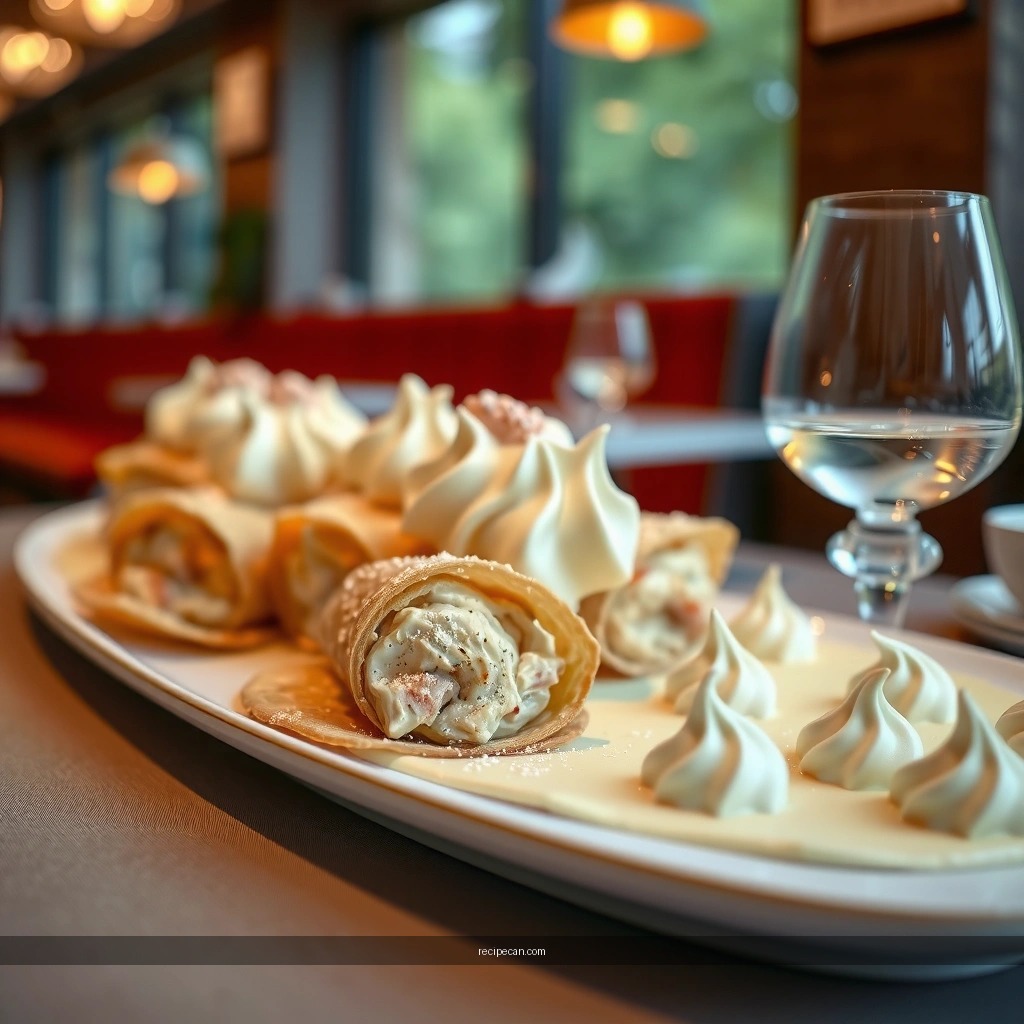
Texture is where many cannoli cream recipes fail. You’re aiming for a filling that stays spoonable, not stiff like frosting, and not pourable like yogurt.
– Aim for a spoonable thickness—not runny or grainy
A properly mixed cannoli cream should form a soft ribbon when lifted with a spoon and settle slowly.
– If it’s too loose, drain ricotta longer or chill the mixture
Even when you’ve drained correctly, ricotta can vary by brand. If the cream looks thin:
– chill 30–60 minutes (cold fat firms up)
– reassess before adding more sugar or liquid
– If it’s too thick, stir in a small amount of cream or milk
Use a conservative approach: add 1 tablespoon at a time. Too much liquid won’t just thin it—it can reduce flavor intensity and destabilize texture.
Professional shortcut that works: Make one “test dollop” first. Mix 2–3 tablespoons of filling and evaluate consistency before committing to all add-ins.
—
Chilling and Flavor Timing
Cannoli cream improves with time. Chilling helps flavors meld and allows the mixture to set into a stable, scoopable texture.
– Refrigerate cannoli cream before filling for best set and flavor
After mixing, cover and refrigerate. The filling becomes more cohesive as it cools.
– Let flavors meld for at least 30–60 minutes
Vanilla, sugar, and any citrus peel distribute more evenly. If you’re serving a crowd, you can mix ahead and refrigerate longer.
– Stir briefly after chilling to restore a smooth texture
Cold can slightly firm the surface. A brief stir returns the filling to a smooth, pipe-friendly consistency.
Timing tip for events: For crisp shells, fill close to serving time. Prepare the cream the day before; pipe it right before your guests start eating.
—
Best Way to Fill Cannoli Shells
Even a perfect cannoli cream recipe can underperform if shells are filled too early or portioned unevenly.
– Fill shells right before serving to prevent sogginess
Shells absorb moisture over time. Filling early may soften the crust, especially in humid conditions.
– Use a piping bag for clean, even portions
A piping bag reduces mess and helps you match portion sizes. Cut the tip moderately so the chips don’t clog.
– Garnish with extra chocolate chips or dust with powdered sugar
Garnishes do double duty: they improve visual appeal and let you signal freshness right before serving.
Portioning guidance: Pipe until you see gentle fullness at the ends without bursting. Overfilling makes shells split and reduces structural integrity.
—
Common Mistakes to Avoid
Most issues come from ricotta handling, mixing method, or timing. Avoid these and your cannoli cream will taste “classic” rather than merely “sweet.”
– Don’t skip draining ricotta—watery filling is the biggest issue
If your filling looks thin in the bowl, it will look thinner inside the shell. Drain first; adjust later.
– Avoid overmixing once ricotta is smooth to keep it light
Overmixing can make the filling feel dense and less tender, particularly once sugar is added.
– Don’t fill too early if you want crisp shells
If shells are going to sit, keep them empty and pipe the cream at the last moment.
If you troubleshoot: Fix texture in order—(1) chilling, (2) brief draining adjustments (if possible), then (3) small liquid corrections. Avoid dumping in extra sugar to “thicken”—that can mask flavor and still leave the filling watery.
—
When you follow this cannoli cream recipe—starting with well-drained ricotta and mixing until thick and smooth—you’ll get a classic, crowd-pleasing filling with a sweet-tangy balance. Make it ahead, refrigerate for the best set, and fill your shells just before serving; then customize with chocolate chips or candied fruit for a finish that’s unmistakably cannoli.
Frequently Asked Questions
What is the best cannoli cream recipe filling using ricotta?
A classic cannoli cream recipe uses drained ricotta as the base, mixed with powdered sugar, vanilla extract, and often a touch of cinnamon for warmth. For a more authentic texture, use whole-milk ricotta and drain it through cheesecloth until it’s thick and scoopable. Fold in mini chocolate chips and, if desired, chopped candied orange peel to balance the sweetness.
How do you make cannoli cream thick and not runny?
The most common reason for runny cannoli cream is ricotta that hasn’t been properly drained. Line a fine sieve with cheesecloth and chill the ricotta until excess moisture is removed, then mix gently so it stays airy. If your cannoli filling is still soft, add a little more powdered sugar (or a small spoonful of mascarpone) a tablespoon at a time until the texture holds.
Why do cannoli cream recipes use powdered sugar instead of granulated?
Powdered sugar dissolves faster and more completely, giving cannoli cream a smoother, less grainy texture. Since cannoli filling should be silky and easy to pipe into shells, the fine sugar also helps the ricotta cream blend evenly. For best results, whisk the ricotta with powdered sugar until creamy before adding vanilla and chocolate chips.
Which chocolate chips are best for cannoli cream?
For cannoli cream, mini chocolate chips are usually best because they distribute throughout the filling and provide consistent bites. Look for semisweet chips for a balanced flavor that complements the sweetness of the ricotta and powdered sugar. If you prefer a more traditional taste, you can use chopped dark chocolate or Sicilian-style chocolate in small pieces.
How long can you store cannoli cream, and how do you keep it fresh?
Cannoli cream is best when chilled and served within 1–2 days for peak texture and flavor. Store it in an airtight container in the refrigerator and keep it cold to maintain thickness and prevent moisture separation. If you’re piping the filling into cannoli shells, fill them shortly before serving to keep the shells crisp, since the cream can soften them over time.
References
- Cannoli
https://en.wikipedia.org/wiki/Cannoli - Ricotta
https://en.wikipedia.org/wiki/Ricotta - Powdered sugar
https://en.wikipedia.org/wiki/Powdered_sugar - Candied fruit
https://en.wikipedia.org/wiki/Candied_fruit - Chocolate chip
https://en.wikipedia.org/wiki/Chocolate_chip - https://www.britannica.com/topic/cannoli
https://www.britannica.com/topic/cannoli - https://www.britannica.com/topic/ricotta
https://www.britannica.com/topic/ricotta - Google Scholar Google Scholar
https://scholar.google.com/scholar?q=cannoli+ricotta+cream+filling+recipe - Google Scholar Google Scholar
https://scholar.google.com/scholar?q=cannoli+filling+sweetened+ricotta+technique - Google Scholar Google Scholar
https://scholar.google.com/scholar?q=cannoli+history+ricotta+preparation