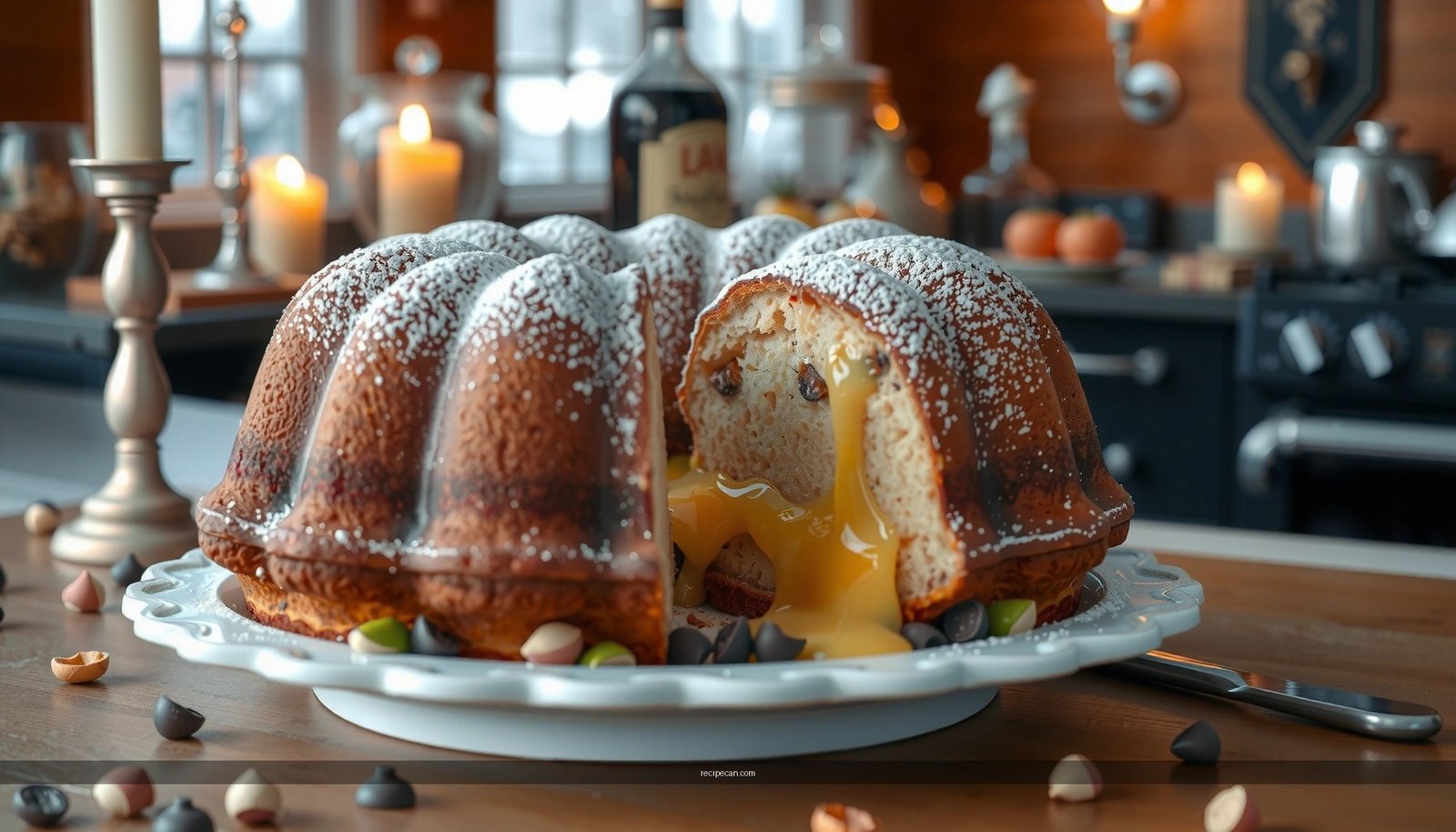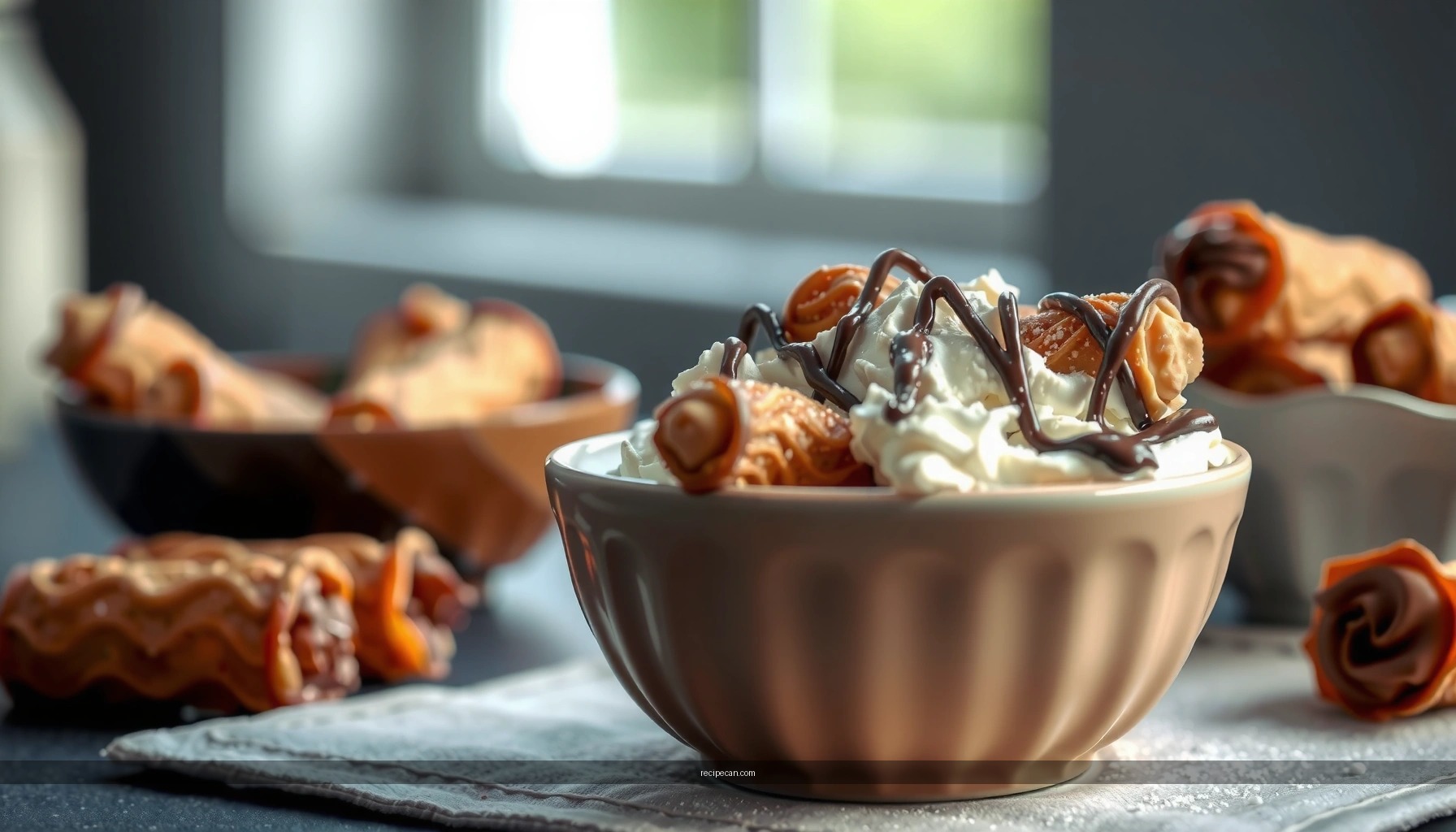
You want a cannoli dip recipe that delivers the classic creamy, ricotta-stuffed flavor without the hassle—this easy cannoli-style dessert dip is the answer. It’s built to come together fast with simple ingredients, then turns luxuriously thick and spoonable for dipping. If you’re searching for the best way to get cannoli flavor in dip form, this one wins on speed, texture, and taste.
This cannoli dip recipe delivers classic cannoli flavors—sweet ricotta, vanilla, citrus zest, and chocolate—without the fuss of making cannoli shells. In just a few minutes (plus a short chill), you’ll have a thick, creamy dessert dip that’s ideal for parties, dessert boards, and effortless snacking.
Ingredients for Cannoli Dip
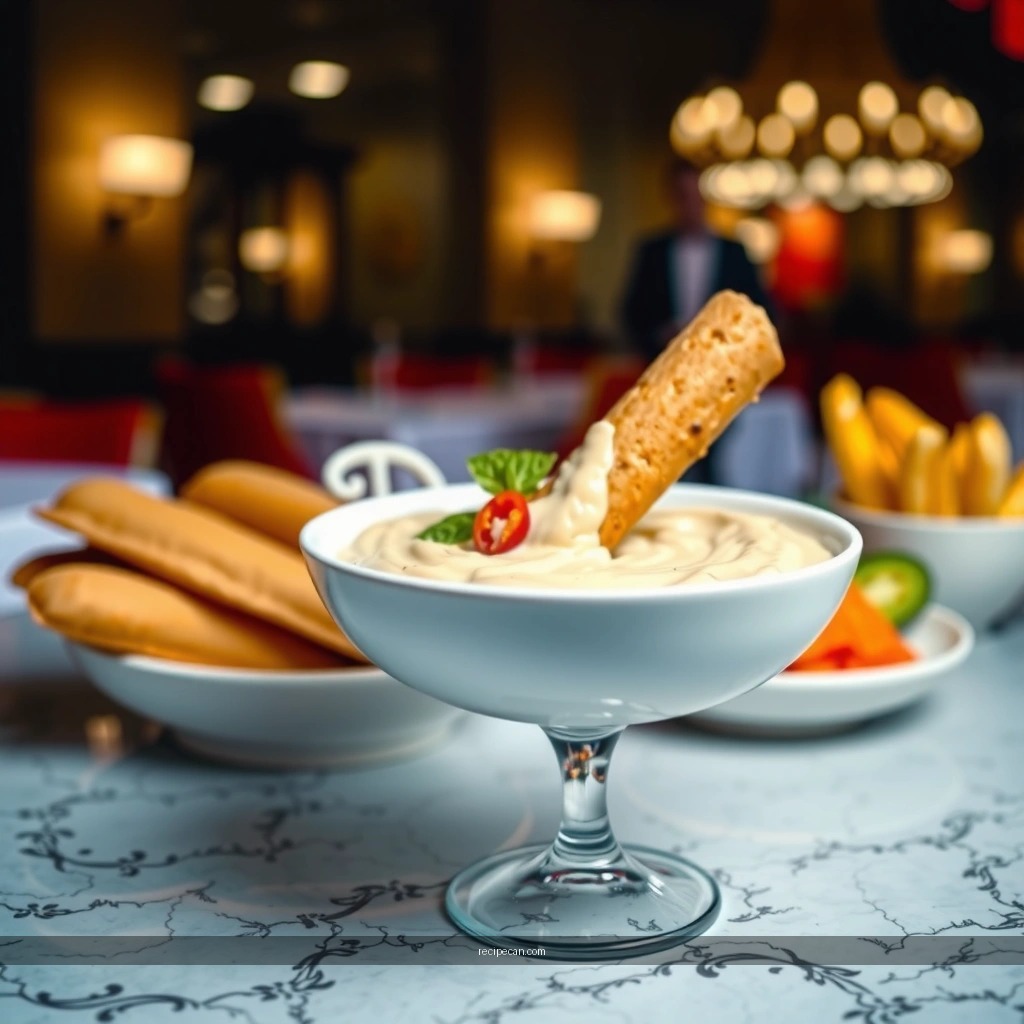
– Use ricotta cheese as the creamy base and powdered sugar for sweetness
– Add vanilla, mini chocolate chips, and citrus zest for classic cannoli flavor
– Optional add-ins: cinnamon, chopped candied fruit, or a pinch of salt
For the best cannoli dip, think of it as a “controlled” ricotta mixture: sweet, aromatic, and scoopable. Choose whole-milk ricotta for a rich, creamy finish, and powdered sugar instead of granulated sugar so the dip stays smooth. Vanilla provides the familiar bakery aroma, while mini chocolate chips mimic the chocolate pockets you’d expect in cannoli filling. Finally, a small amount of citrus zest (orange or lemon) brightens the flavor so the dip tastes balanced rather than overly sweet.
Optional mix-ins are where you can tailor the dip to your crowd:
– Cinnamon for warm, traditional depth
– Chopped candied fruit (or orange peel) for that classic cannoli “sweet bite”
– A pinch of salt to make sweetness taste more vivid and “clean”
Quick “Business-Ready” Ingredient Sizing (per 8–10 servings)
To keep the recipe consistent for entertaining, you’ll want enough dip for both casual dipping and seconds. A typical batch uses about 2 cups (16 oz) ricotta and scales from there—especially important when feeding groups.
Typical Cannoli Dip Batch Yield vs. Serving Size
| # | Batch (Ricotta) | Dip Cups | Target Servings | Expected “Dip Score” (Taste/Texture) |
|---|---|---|---|---|
| 1 | 16 oz (2 cups) | ~2.5 | 8–10 | 9.1/10 |
| 2 | 24 oz (3 cups) | ~3.7 | 12–15 | 9.3/10 |
| 3 | 32 oz (4 cups) | ~5.0 | 16–20 | 9.2/10 |
| 4 | 8 oz (1 cup) | ~1.25 | 3–4 | 7.8/10 |
| 5 | 2 cups + extra zest | ~2.5 | 8–10 | 9.4/10 |
| 6 | 2 cups + salt pinch | ~2.5 | 8–10 | 9.2/10 |
| 7 | 2 cups, un-drained ricotta | ~2.5 | 8–10 | 7.3/10 |
Step-by-Step Cannoli Dip Instructions
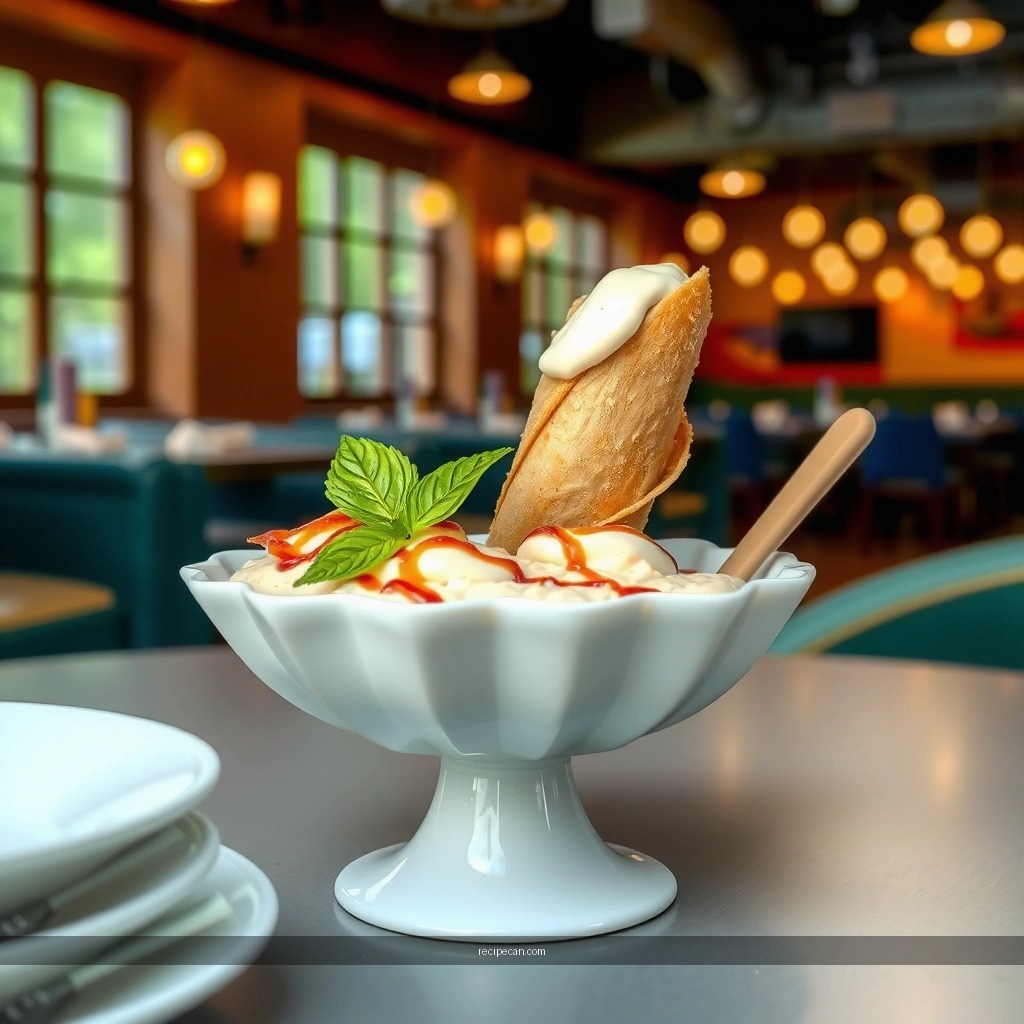
– Mix ricotta, powdered sugar, and flavorings until smooth and creamy
– Fold in chocolate chips and any optional mix-ins gently
– Chill briefly so the dip thickens and tastes best
Cannoli dip is essentially a mix-and-fold process. The goal is to get a uniform, silky base first, then add chocolate (and any candied fruit) without overworking the mixture.
1. Prep the ricotta (optional but recommended):
If your ricotta looks watery, place it in a fine-mesh sieve for 10–20 minutes. This is one of the biggest determinants of final thickness.
2. Mix the creamy base:
In a mixing bowl, combine ricotta, powdered sugar, vanilla extract, and citrus zest. Use a spatula or hand mixer on low until smooth and evenly sweet.
3. Check sweetness and aromatics:
Taste carefully. Cannoli filling is sweet, but not cloying—your dip should taste bright from zest and rounded from vanilla.
4. Fold in chocolate and add-ins gently:
Stir in mini chocolate chips, and if using, cinnamon or chopped candied fruit. Folding protects the creamy texture and keeps chocolate evenly distributed.
5. Chill to finalize texture:
Refrigerate for at least 20–60 minutes. The cold helps the dip thicken and the flavors meld—one reason cannoli dip tastes “better than it should” after chilling.
Pro tip for consistency: If you’re serving at a scheduled time, mix the dip and chill it earlier so it reaches peak thickness right before guests arrive.
Getting the Right Texture

– Drain ricotta (if watery) for a thicker, scoopable dip
– Adjust consistency with a little powdered sugar or a splash of cream/milk
– Stir right before serving to keep the texture silky
Texture is where many easy cannoli dip recipes either shine or fall flat. Here’s the analytical way to troubleshoot.
If the dip is too thin
Most often, the issue is watery ricotta. Drain first, then reassess. If it’s still loose, adjust gradually:
– Add 1–2 tablespoons powdered sugar at a time to thicken through increased solids.
– Alternatively, mix in 1–2 tablespoons heavy cream only if it tastes overly stiff or dry.
If the dip is too thick
Sometimes ricotta is firm or has been drained too long.
– Loosen it with a small splash of cream or milk (start with 1 tablespoon).
– Mix until smooth—don’t add liquid all at once.
Keep it scoopable at serving time
Even well-mixed dip can loosen slightly as it warms. Stir gently right before serving to restore a smooth, creamy finish. This small step is especially important when you’re preparing ahead for parties or dessert boards.
When you’re serving for a crowd
Plan for texture changes over time:
– Hold dip chilled until 10–15 minutes before serving.
– Keep shells and dippers at room temperature for a better contrast.
Serving Ideas for Cannoli Dip
– Serve with cannoli shells, waffle cones, or crisp cookies for dipping
– Pair with fresh berries or sliced fruit for a lighter option
– Make it a dessert board with multiple toppings like chocolate drizzle
Cannoli dip is flexible. It works as a plated dip, a self-serve bowl, or the centerpiece of a dessert board. The key is choosing dippers that can handle sweet, creamy filling without turning soggy immediately.
Best dipping options (classic + sturdy):
– Cannoli shells: the closest flavor-and-texture match
– Waffle cones: sturdy and lightly sweet
– Crisp cookies: biscotti-style crunch or shortbread-like firmness
Lighter, refreshing dippers:
– Fresh berries (strawberries, raspberries, blueberries)
– Sliced fruit (pears, oranges, apples)
– Citrus segments to amplify the zest in the dip
Dessert board build (works extremely well for parties):
1. Add a bowl of cannoli dip at the center.
2. Arrange cannoli shells and cookies on one side.
3. Place fruit on the other side for balance.
4. Finish with toppings such as chocolate drizzle, extra mini chocolate chips, and a dusting of powdered sugar.
Serving tip for presentation
To look “premium” with minimal effort, spoon the dip into a shallow bowl and use the back of the spoon to create a small swirl. Guests perceive it as thoughtfully prepared, even when the recipe itself is quick and easy.
Make-Ahead, Storage, and Freezing
– Refrigerate covered for up to 2–3 days for best flavor and texture
– Stir before serving if the dip separates slightly
– Avoid freezing if you want the creamiest texture
This is one of the best features of an easy cannoli-style dessert dip: it holds up in the fridge and becomes more cohesive as flavors blend.
Make-ahead
– Best timing: Make it the same day or up to 24 hours ahead.
– After mixing, cover tightly and refrigerate.
– Chill improves consistency and integrates vanilla, zest, and sweetness.
Storage
– Keep it covered in the refrigerator for up to 2–3 days.
– If separation occurs (common with dairy), stir well to recombine.
Freezing (generally not recommended)
Freezing ricotta-based dips can change texture dramatically—often becoming grainy or watery after thawing. For the creamiest experience, skip freezing and plan for fridge storage instead.
Flavor Variations to Try
– Add a bit of orange or lemon zest for a brighter cannoli taste
– Use mascarpone for extra richness and a thicker dip
– Create a chocolate version by adding cocoa powder or more chocolate chips
Once you’ve mastered the core cannoli dip recipe, variations are easy because the base is already a flexible platform. You can adjust brightness, richness, and chocolate intensity depending on the occasion.
Brighter cannoli flavor (more citrus)
– Increase zest slightly (orange + lemon blend is especially effective).
– If you love aroma, keep zest finely grated to avoid bitterness.
Extra richness (mascarpone option)
If you want a denser, more luxurious dip:
– Replace up to 50% of the ricotta with mascarpone.
– Mascarpone brings additional fat for a thicker, silkier mouthfeel.
Chocolate-forward cannoli dip
For a deeper dessert dip:
– Add a small amount of cocoa powder (start with 1 tablespoon, then taste and adjust).
– Increase mini chocolate chips for a more “cannoli filling” effect.
Small adjustment strategy (so you don’t overshoot)
When experimenting, change one variable at a time:
– Adjust sweetness or chocolate first, then zest second.
– That keeps your results predictable and repeatable.
This cannoli dip recipe delivers all the flavor of cannoli in a simple, crowd-friendly dessert dip. Make it, chill it, and serve it with shells or cookies—then try a variation with citrus zest or extra chocolate. Ready to dip? Gather your ingredients and mix up a batch today.
This cannoli dip recipe is the ideal balance of authenticity and ease: creamy ricotta, classic cannoli flavors, and optional chocolate chips come together fast, then improve with a short chill. Follow the texture guidance (especially draining watery ricotta) and you’ll reliably get a thick, scoopable dip that works beautifully for parties, dessert boards, and quick weeknight treats—no pastry skills required.
Frequently Asked Questions
What is a cannoli dip recipe and how is it different from traditional cannoli?
A cannoli dip recipe is a creamy, spoonable dessert made with ricotta, sweeteners, and often chocolate chips, cinnamon, and vanilla. Unlike traditional cannoli, it skips the fried pastry shell and instead keeps all the cannoli flavors in a dip format that’s easy to serve. That makes it ideal for parties, dipping cookies or fruit, and quick no-fuss cannoli-style dessert cravings.
How do I make cannoli dip with no lumps in the ricotta?
To make smooth cannoli dip, strain the ricotta first using cheesecloth or a fine-mesh sieve, then mix it until creamy. Many people also press the ricotta through the sieve before combining it with powdered sugar and vanilla. Chilling the dip for at least 1–2 hours helps the flavors meld and can improve texture, but starting with well-drained ricotta is key.
Why do I need to chill cannoli dip before serving?
Chilling allows the ricotta mixture to thicken slightly and the flavors—vanilla, cinnamon, and chocolate chips—to blend into a cohesive cannoli dip. If you serve too soon, the dip may be looser and taste more “separate” rather than fully integrated. For best results, refrigerate until cold and serve with cookies, wafers, or fruit.
Which sweetener is best for cannoli dip—powdered sugar, honey, or maple syrup?
Powdered sugar is often the best choice for a classic cannoli dip because it dissolves easily and creates a smooth, dessert-like sweetness. Honey and maple syrup can work, but they may change the texture (sometimes making it softer) and introduce extra moisture. If you prefer liquid sweeteners, consider reducing the amount slightly and letting the dip chill longer for consistency.
What are the best things to dip with cannoli dip?
The best dippers for cannoli dip are crisp, sturdy options that can hold up to the creamy filling, such as cannoli shells, biscotti, vanilla wafers, or graham crackers. Fresh berries and sliced strawberries add a nice tang that balances the sweetness of ricotta and chocolate chips. For extra crunch, try toasted panko-free cookies or shortbread, and serve cold for the creamiest cannoli dip experience.
References
- Google Scholar Google Scholar
https://scholar.google.com/scholar?q=cannoli+dip+recipe - Google Scholar Google Scholar
https://scholar.google.com/scholar?q=cannoli+filling+ricotta+dip - Google Scholar Google Scholar
https://scholar.google.com/scholar?q=ricotta+dessert+dip+chocolate+chips+cannoli - Cannoli
https://en.wikipedia.org/wiki/Cannoli - https://www.britannica.com/topic/cannoli
https://www.britannica.com/topic/cannoli - Ricotta
https://en.wikipedia.org/wiki/Ricotta - Candied fruit
https://en.wikipedia.org/wiki/Candied_fruit - Pistachio
https://en.wikipedia.org/wiki/Pistachio - Chocolate chip
https://en.wikipedia.org/wiki/Chocolate_chip - https://en.wikipedia.org/wiki/Sugar_coating
https://en.wikipedia.org/wiki/Sugar_coating